Decades of environmental degradation have pushed ecosystems past the point where doing less harm is enough. Sustainable and circular models slow the damage and manage waste, but they leave the logic of production untouched. The idea of a Regenerative design has emerged from this consideration: its core idea, in fact, is that design and production can give back more than they take, restoring both nature and the communities that depend on it.
It’s a wonderful concept but what does it mean in practice, and how does the design profession need to change to support it? Regenerative: Ecologies of Design and Production (in short Red&Pro) is looking for concrete answers to these questions.
It is a three-year Horizon Europe project launched this November, bringing together 13 organisations with labs in six European territories. We discussed it with Meri Sahade of Future Days, who is responsible for the project’s identity, communication and dissemination.
Regenerative Design – Questions for Meri Sahade:
What is regenerative design, and how does it differ from sustainable design?
Meri Sahade:
“It’s an emerging field, so there are no fixed definitions yet. The difference lies in the starting point. Sustainable design was born to reduce harm: fewer resources, less waste, lower emissions. But it keeps the same logic of speed, scale and disposal. That isn’t regeneration. It’s slower damage.
Regenerative design starts from the opposite premise: design and production can give more than they take. They can restore ecosystems, revive local economies and reconnect communities.
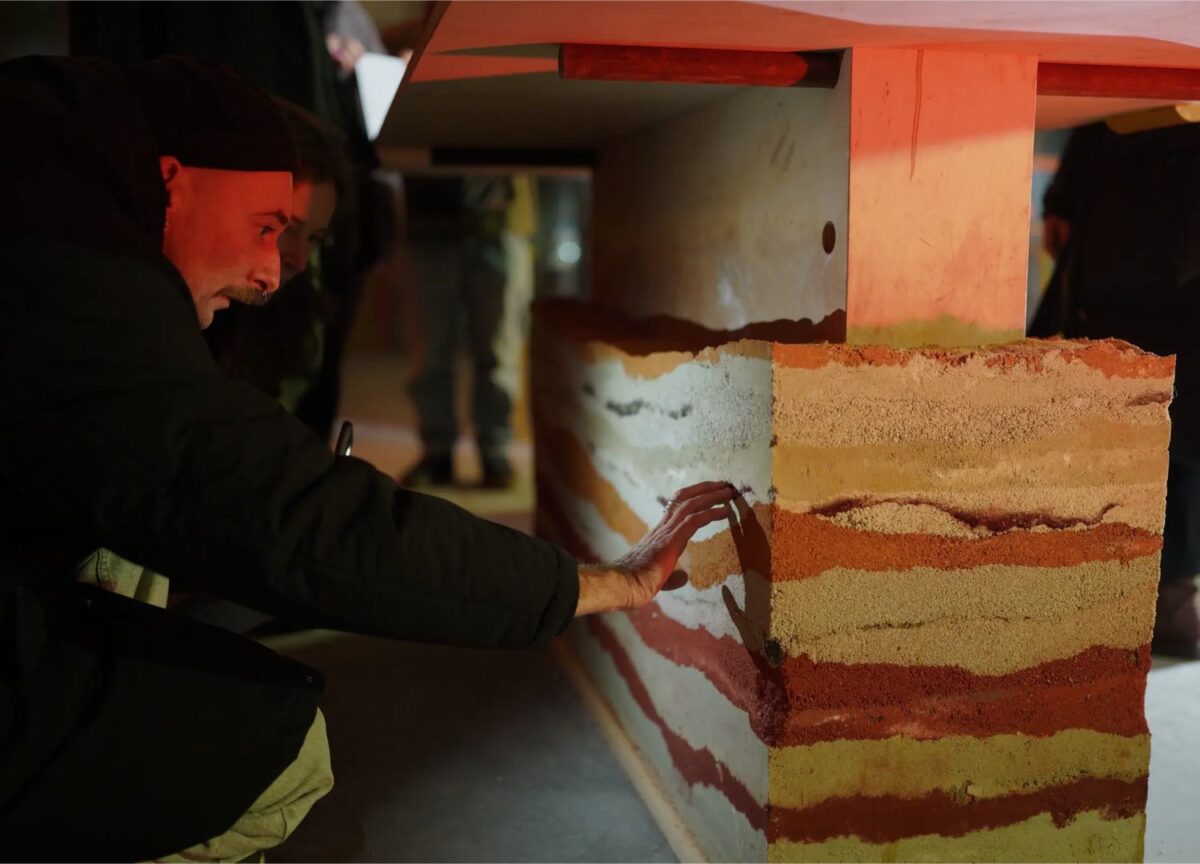
People tend to link the word Regenerative with ecology, but regeneration is a whole-system view that includes economic and social life too. It is also about reconnecting communities with the skills and materials they have lost. In one sentence, regenerative design is about repairing what has been lost.”
Circular design was already moving in this direction, wasn’t it?
Meri Sahade:
“Yes, and the two are complementary. Circular design replaces the linear “take, make, dispose” model with a closed loop. Products are designed to be taken apart, materials are tracked through their life, and objects are repaired or remanufactured rather than replaced. The aim is to keep what exists in use for as long as possible, at its highest value, so that we take less from the ground. In short, circularity tries to bring the balance back to zero.
Regeneration starts where that zero ends. It takes the closed loop for granted and asks a further question: can production actively improve the ecosystems and communities it touches? The model is nature, where nothing is waste and whatever one organism leaves behind feeds another. Design no longer happens outside living systems but within them.”
What does this mean for designers, and for those who commission them?
Meri Sahade:
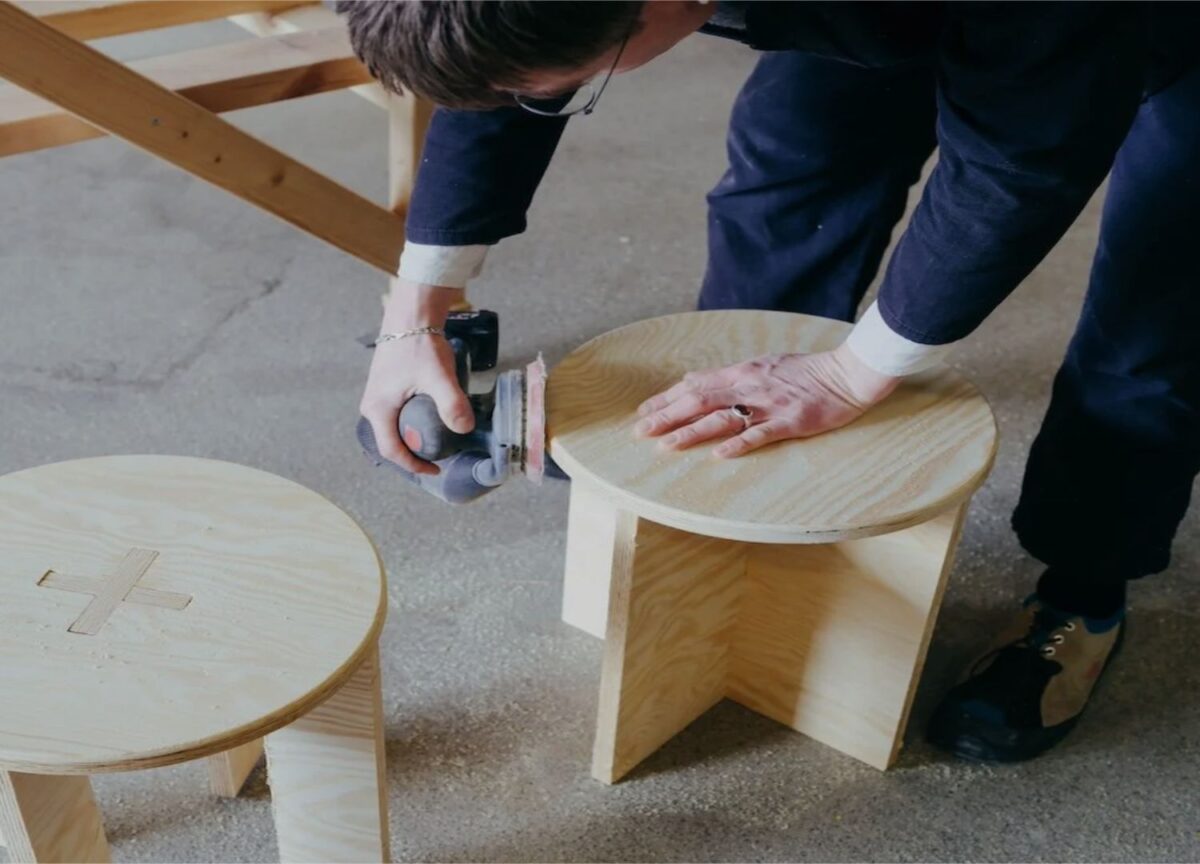
“First of all, it changes the designer’s role. We are used to being authors of a project or an object. Regenerative design asks us to become partners of a place and facilitators, able to work across ecology, materials, economics and governance. The designer becomes part of a system where they learn, test and connect. That system goes beyond humans: more-than-human design is part of the framework, so you design alongside land, materials and other species. With crises happening all over the world, this ability to connect disciplines is exactly what’s needed.
Clients change too. They may be cities and territories as much as companies, and in our residencies every organisation involved is treated as an equal. We need each other to understand a specific place and its community.”
How does the Regenerative project work?
Meri Sahade:
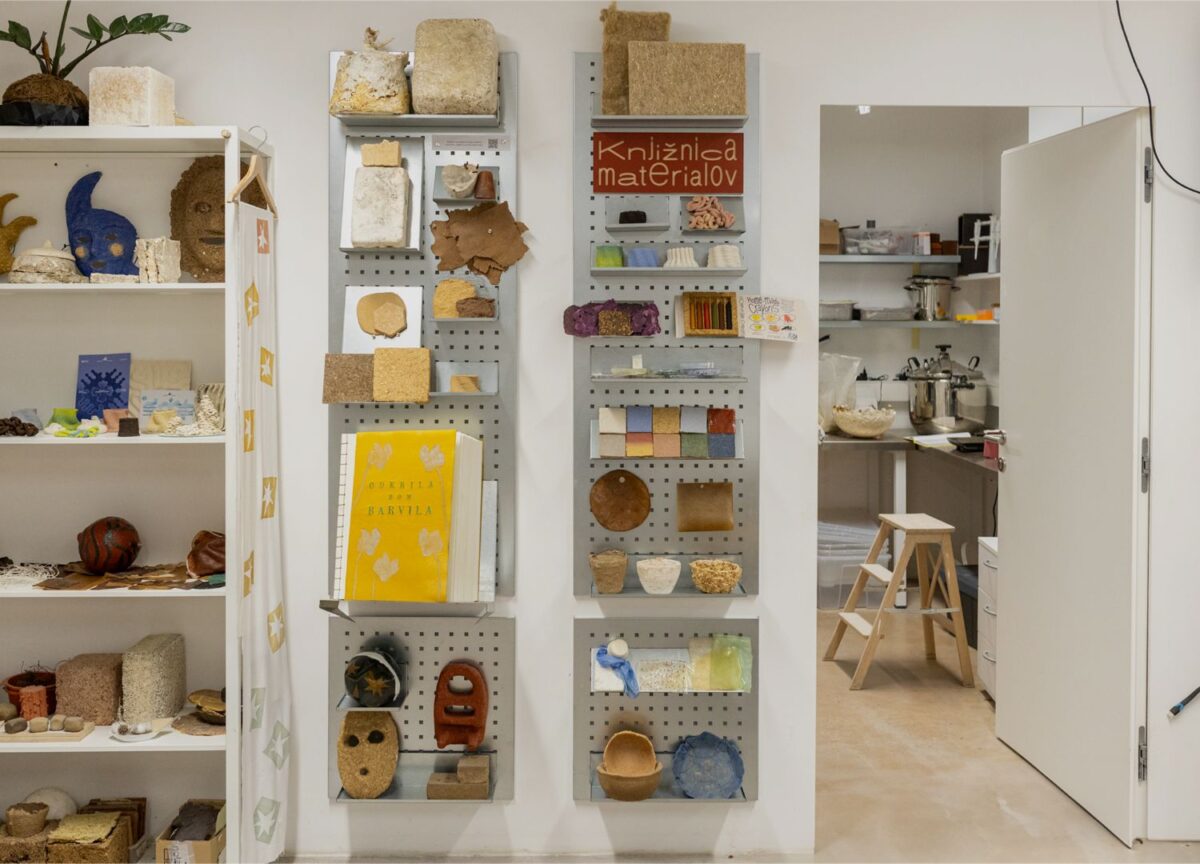
“Officially it’s called RED&Pro. At its core are six labs in six territories, plus an academy. We say territories rather than countries because you only really know a place when you focus on an area with its own culture and landscape. Ours are Copenhagen, North Brabant, Catalonia, the Venice lagoon, Ljubljana and Prykarpattia in Ukraine.
Each lab is led by a local partner and runs a pilot that tests what a regenerative design framework could look like, starting from local materials, crafts and traditions. In January we will launch open calls for designers to join the pilots as residents. What the pilots teach feeds into the Academy, led by OpenDot Foundation in Milan. It won’t be a school in the classic sense but a toolkit of micro-modules, teaching materials and workshops, built from the pilots’ results and open to everyone.”
Can you give an example of a pilot?
Meri Sahade:
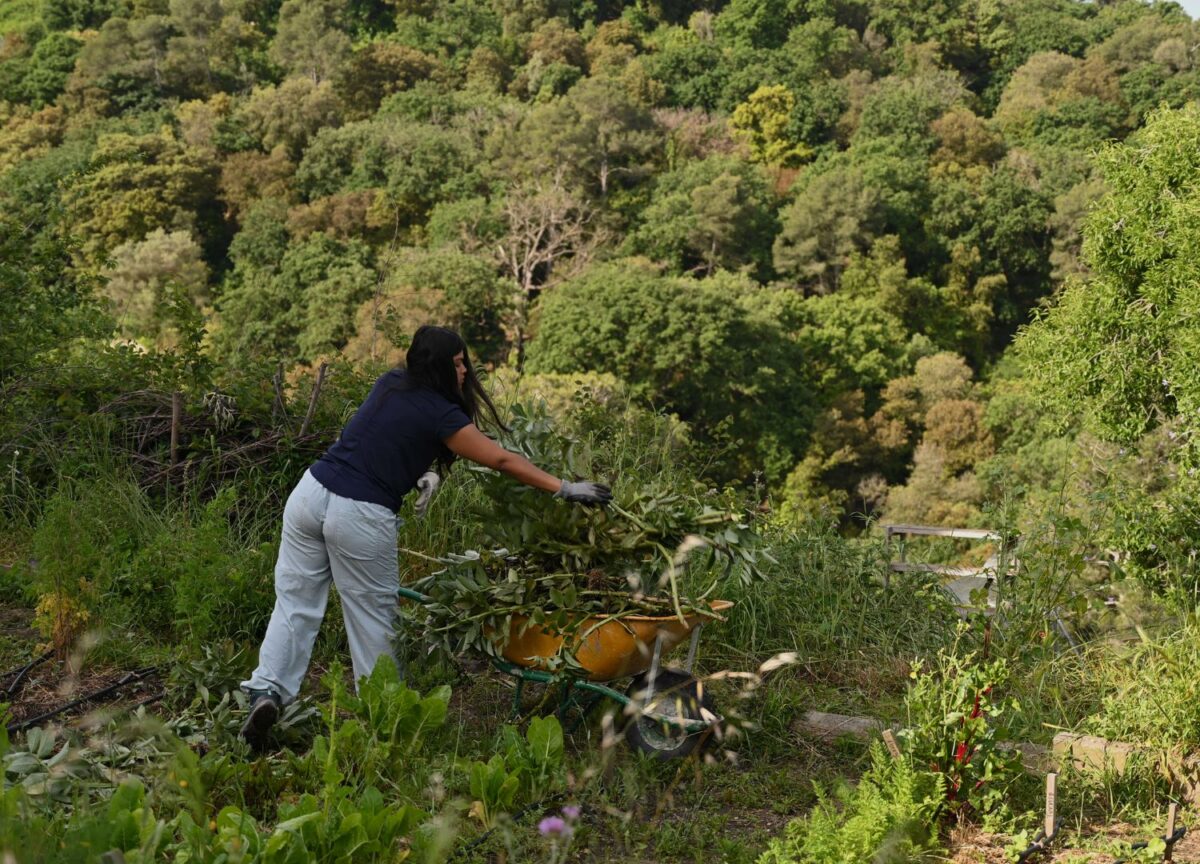
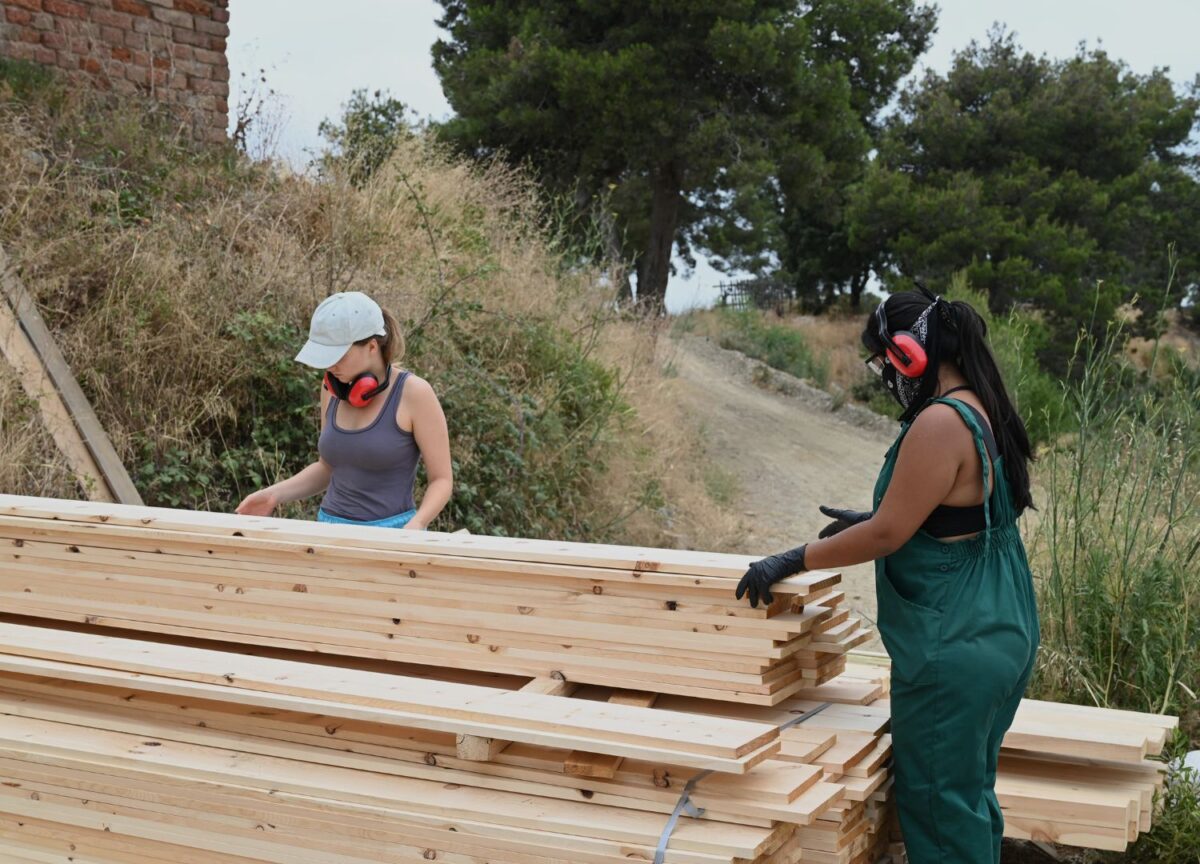
“Catalonia is a clear one. Barcelona has a huge forest on its doorstep, Collserola Natural Park. Yet local designers work with timber whose origin they can’t trace, while the forest is poorly managed and prone to fire. The lab is hosted by IAAC and Fab Lab Barcelona, between Poblenou and Valldaura Labs. It brings together designers, forest managers, researchers and craftspeople to build a wood supply chain that runs about ten kilometres, from the forest to the city’s workshops. The objects will draw on Catalan joinery and be designed to be repaired, taken apart and remade.”
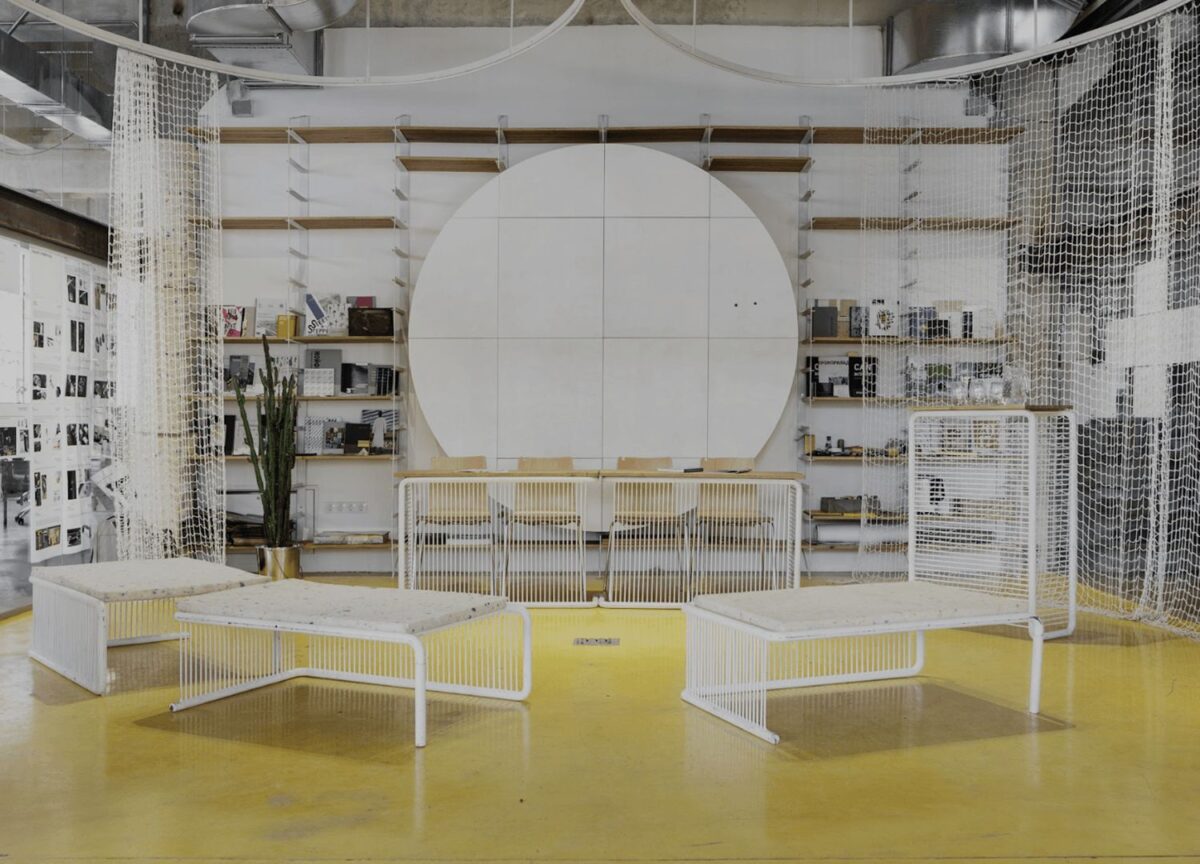
One of the labs is in Ukraine. What does regeneration mean in a country at war?
Meri Sahade:
“There, regeneration means rebuilding. The pilot is led by Metalab in Prykarpattia, a region that is taking in many displaced people and where many buildings have been abandoned. Rebuilding is regeneration too, because repair isn’t only ecological. It is also social and economic. The real question is how you rebuild. You can bring back the place as it was, or you can rebuild it with a regenerative mindset. That is the choice they are making.”
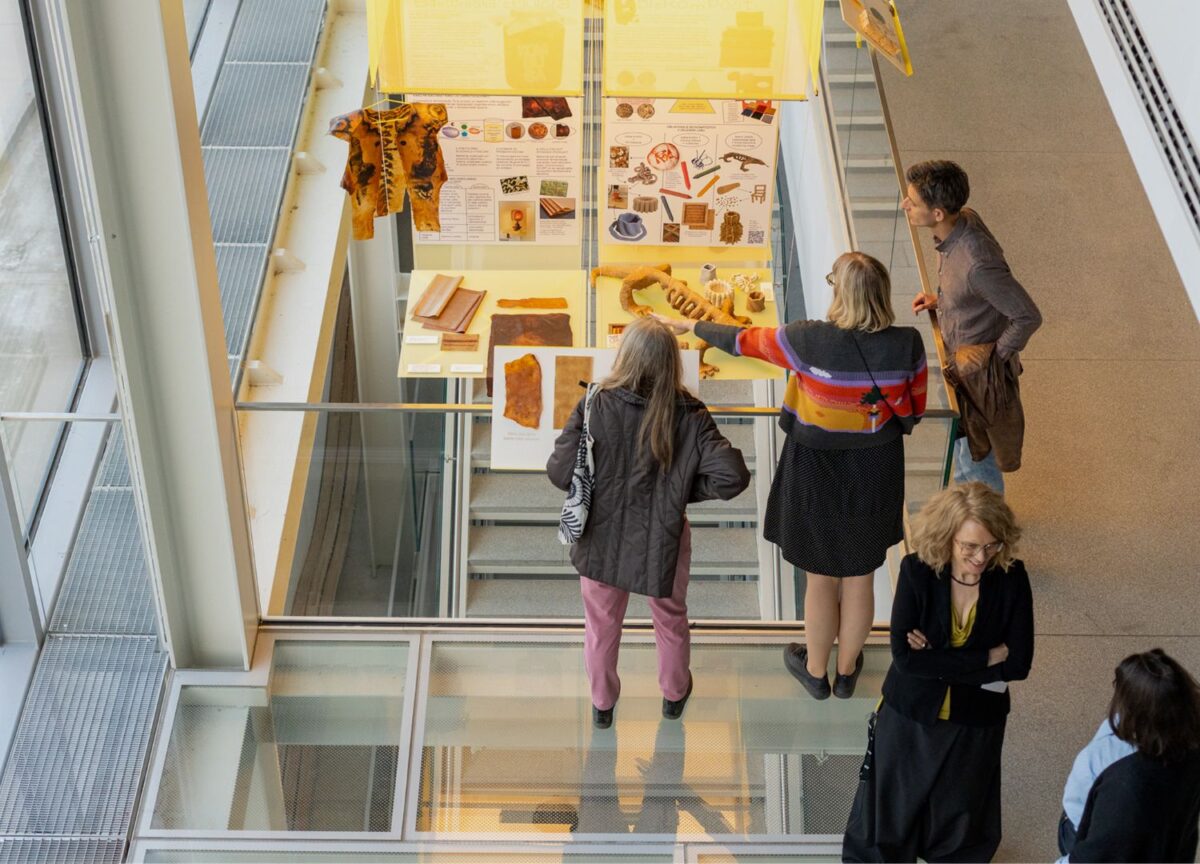
Do people actually want to co-design the way they live?
Meri Sahade:
“They do, as long as you don’t arrive with a colonial mindset, as the expert who has come to help. That doesn’t work. The projects that succeed are built with the people of the place, which is why each of our territories has a local partner. Julia Watson’s Lo—TEK is a good reference. Published by Taschen in 2019, the book presents ten nature-based technologies drawn from Indigenous knowledge. It challenges the idea that Indigenous innovation is primitive and argues for climate-resilient design built on that knowledge. Its starting point is Traditional Ecological Knowledge: a body of practices and beliefs handed down over generations and refined to work with complex ecosystems.”
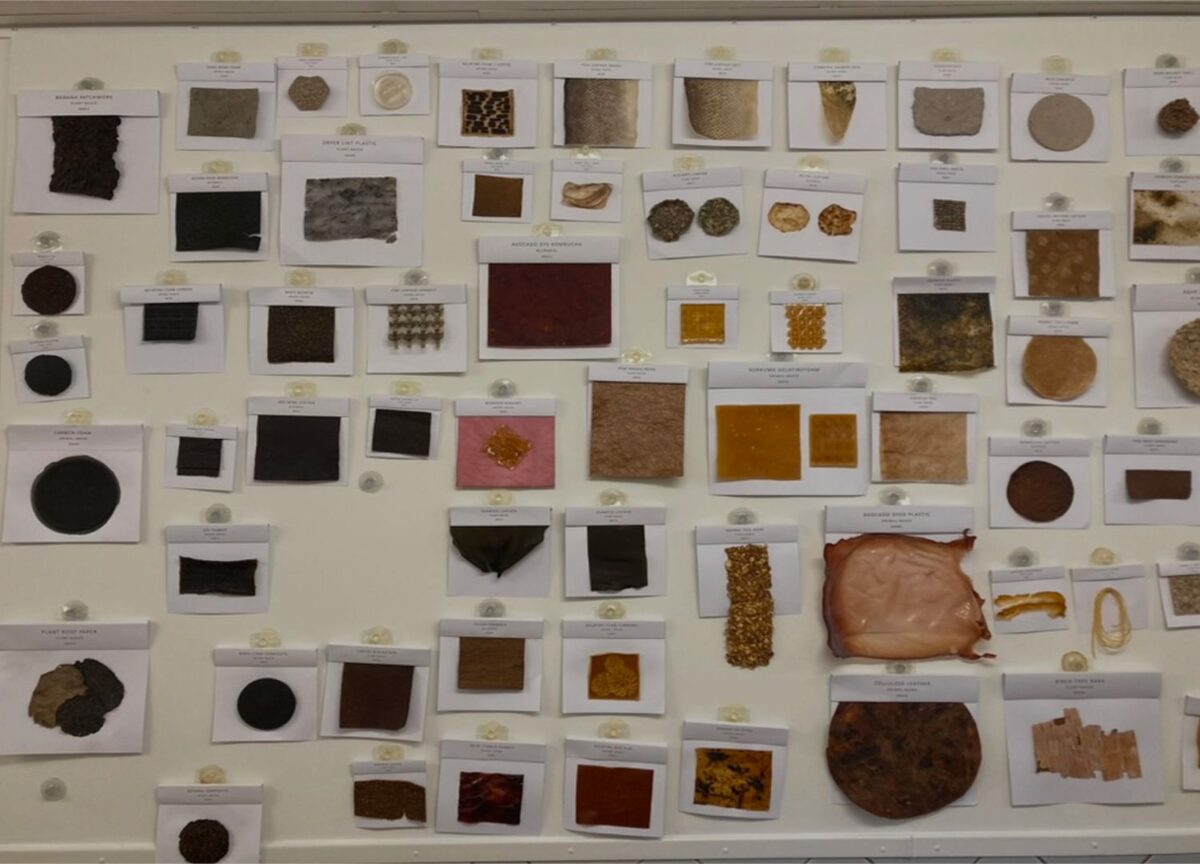
The outcomes of the 6 pilot projects will be local, rooted in the territory. How will you scale this, and make the learnings useful somewhere else?
Meri Sahade:
“First we need to rethink what scale means. Usually it means growing for the sake of economic growth. For us it means separating the solution from the principle. Every lab has its own material, history and community, so the solutions stay where they are. They prove the approach works. What travels is the principles, methods and tools, so that someone in another part of Europe who was never in a lab can adapt them. Scaling regeneratively means spreading knowledge, not pushing the same product into a hundred markets. That’s why everything we produce will be open. The six labs are six versions of one framework, and what works in one becomes a resource for all the others.”
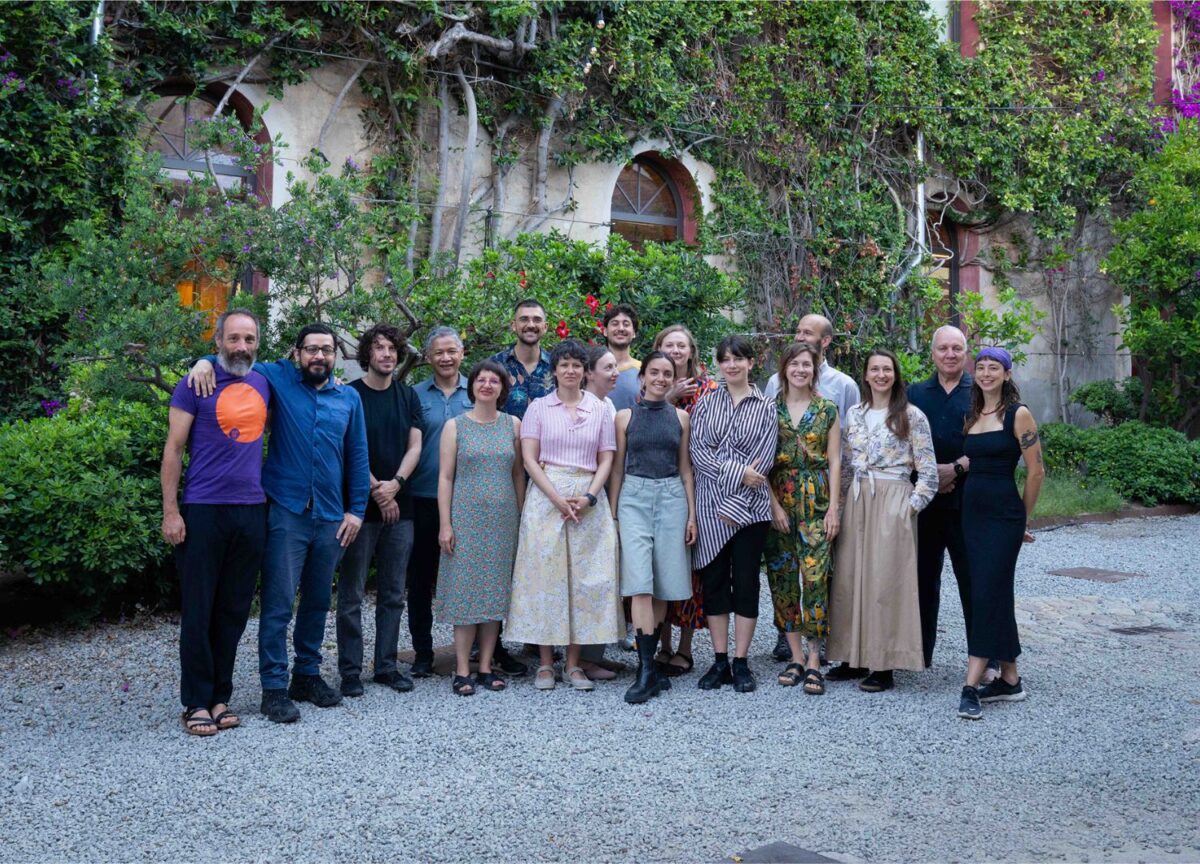
The next launch event of the Red&Pro project will take place at Rog Design Days in Slovenia on 26 and 27 November 2026, with an introduction and a workshop led by two of the consortium’s partners.
The consortium is coordinated by IAAC – Institute for Advanced Architecture of Catalonia / Fab Lab Barcelona (Spain) and includes Eindhoven University of Technology (Netherlands), Simon Fraser University (Canada), MAKER (Denmark), OpenDot Foundation (Italy), Center Rog – Kreativno Središče (Slovenia), Future Days (Portugal), designaustria (Austria), HERE Partners (Portugal), Spot Material (Denmark), EIT Culture & Creativity (Germany), Helmut Schmidt University (Germany) and Metalab (Ukraine). Open calls for the residencies will be published on the Red&Pro project website in January 2027.

Laura Traldi
Independent journalist, curator, talk moderator, jury member. Writing in several newspapers and magazines on design and innovation issues. Director of communications for Dotdotdot and its social innovation foundation OpenDot. Her current newsletter ‘pet’ project on Substack is called Quattro Chiacchiere. She founded and directed the collaborative online magazine DesignAtLarge from 2011 to 2023.