Apple has released its first foldable iPhone, Duo, after prolonged speculation, and by now, it’s not the shiniest foldable beast in the room. Samsung Galaxy Fold, Huawei Mate X, and Motorola Razr all came out in 2019, trying to claim the top spot for the best phone of its kind in the industry, even if the dubbed first commercial foldable smartphone came from the Chinese brand Royole with its 7.8-inch FlexPai in 2018. Then, the Pixel Fold from Google in 2023.
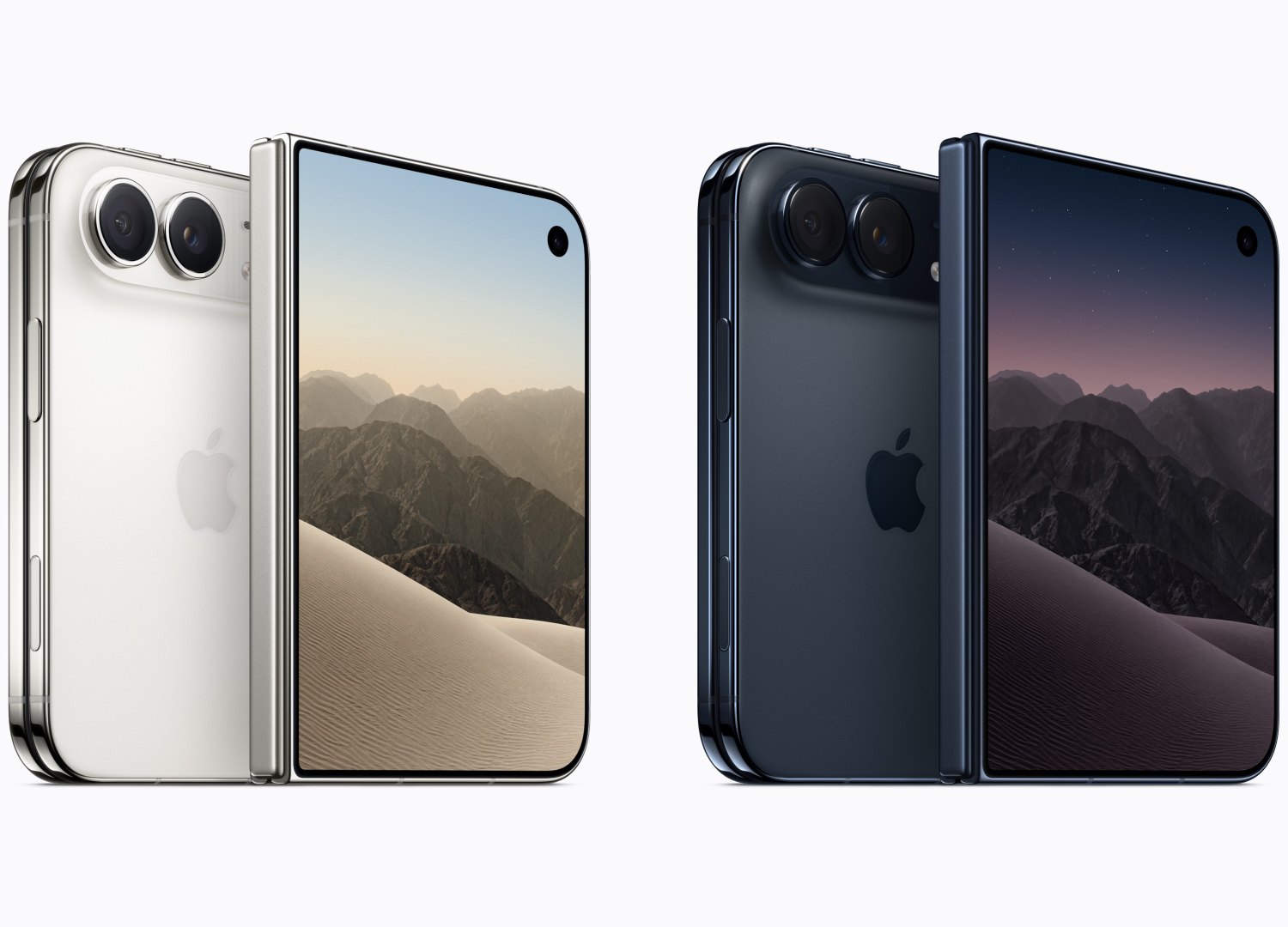
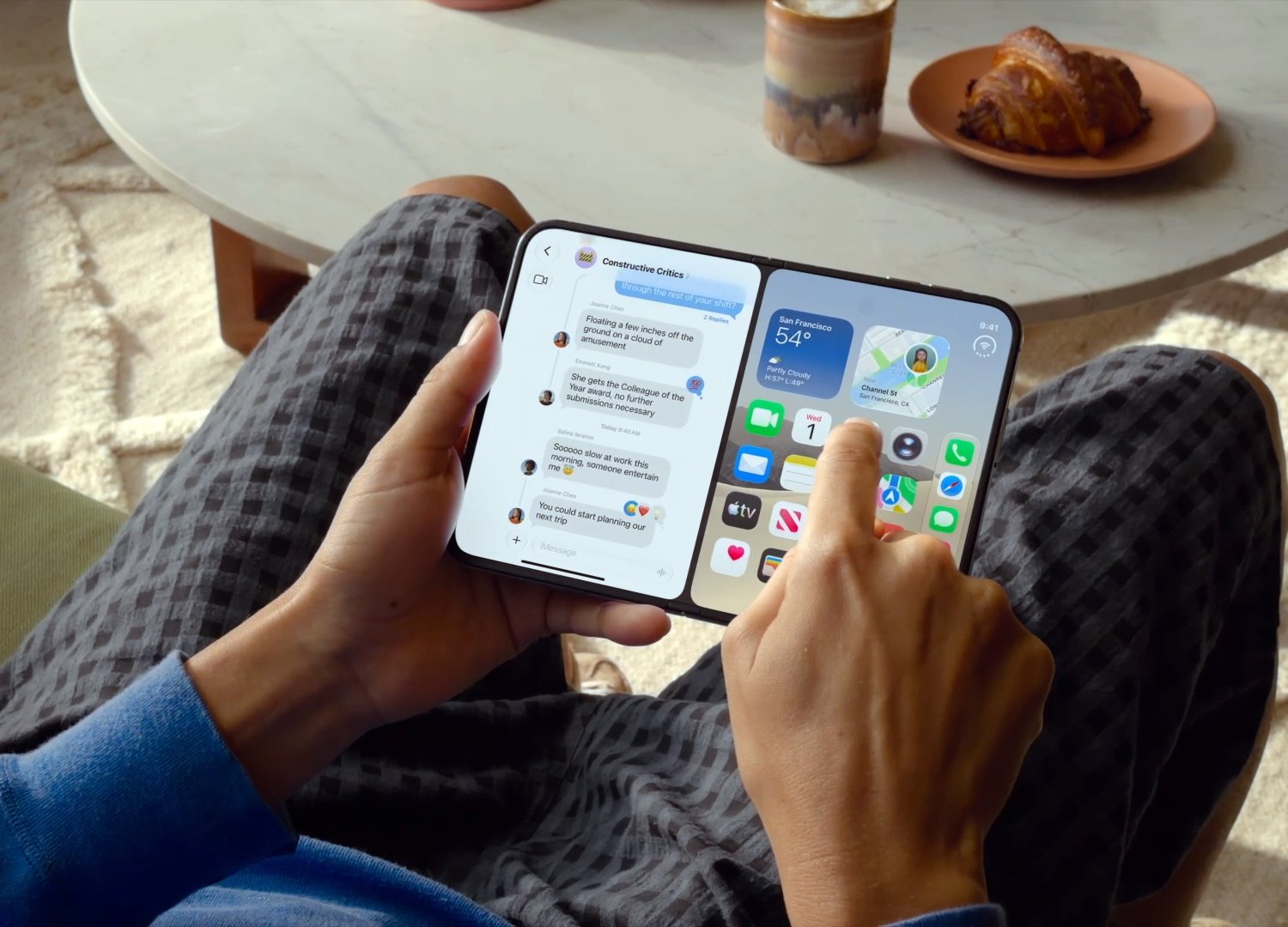
Apple took its sweet time before dropping the foldable iPhone Duo, and the device has all the classics for a smartphone that needs to work for personal and office reasons: titanium skin, a 7.6-inch OLED and Super Retina XDR display when unfolded and 5.4 inches when folded, a 48MP Dual Fusion camera system and 12MP Center Stage camera, a 24-hour dual-battery system (in standard use), and Apple Intelligence. Apple says it’s the largest iPhone display ever, and it’s pretty obvious why.
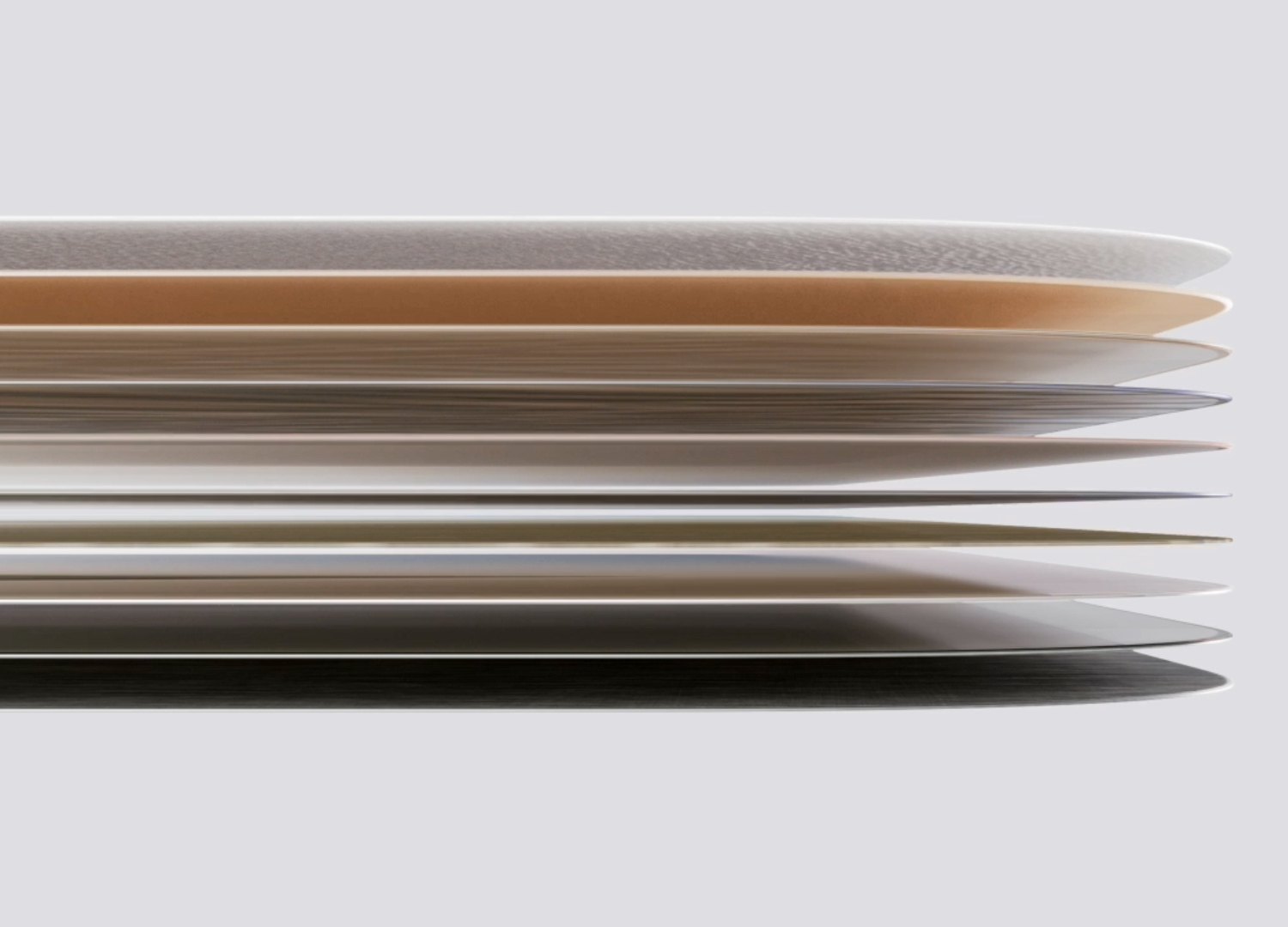
The foldable iPhone Duo was already in the making some years ago, but Apple, as always, wanted all its technical bases covered before releasing it, including the folding screen display. Earlier foldables from Samsung and Huawei used plastic-based Colorless Polyimide, and it can easily bend without snapping. Still, it’s not sturdy enough to withstand thousands of folds. Engineers then turned to glass, a favorite material of Apple, too, but even with the ultra-thin Glass, cracks still began to appear over time until it breaks completely.
Then there’s the adhesive for the screen display. The glass is made of different layers, and a form of glue, the Optically Clear Adhesive, holds them together. It is a transparent, thick liquid that gives users that clear screen. The earlier testing phases of the glue reported that it hardened over time. It took years, from around 2018, when the tests started before the clear adhesive finally overcame the problem, around 2026.
The hinge is the heart of a foldable phone, and the earlier models were shaped like the letter U, but that put stress on the glass and broke it. A better one came out, named the waterdrop, which lets the hinge fold into that shape so it can bend wider and rounder, reducing glass breakage. There are other technical issues that Apple had to iron out for its foldable iPhone Duo before its “worth-the-wait” release.
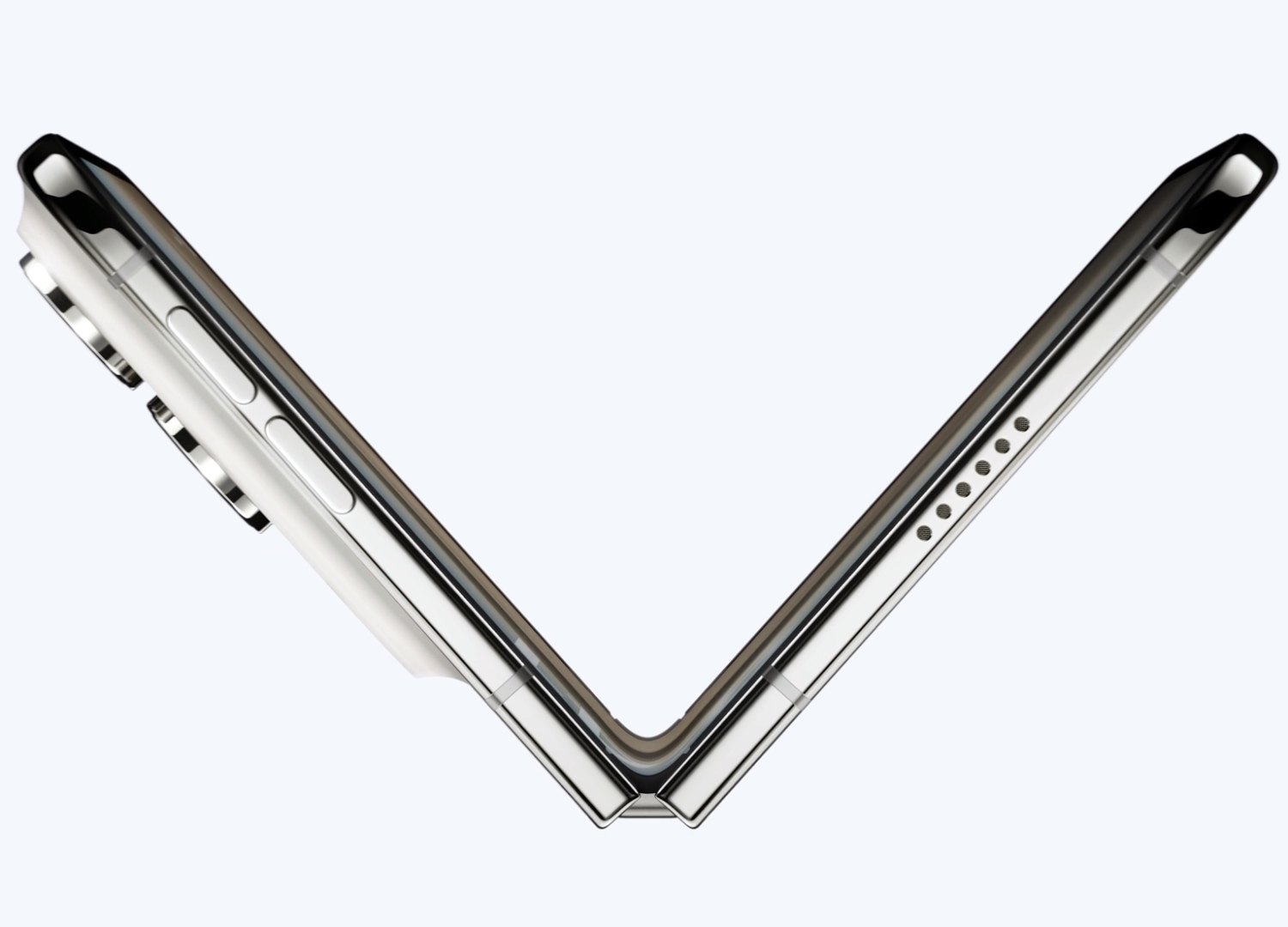
The brand adopts the waterdrop hinge for its ultra-thin glass, bound by transparent adhesive to lessen the crease on the screen (some users have reported that they don’t see a crease at all). Apple then applies small brushes that flick inside the hinge to sweep the dust away and prevent it from entering and damaging the interiors when the phone folds and unfolds. Some tight metal plates are also in place to seal the hinge and protect it from droplets of water. The foldable iPhone Duo is thin, too (0.20 inches when unfolded), made possible by placing two separate battery cells on each side of the device to give it a flat feel.
But no matter how precise the engineers wanted to be, the first batches still became test models for them (and perhaps for good reasons, as there was a lot to learn from them). Users across the US, Australia, and India have already reported hearing a loud pop from the screen before a multicolored line shows up on it, possibly because of the metal bar in the hinge hitting the screen or the guide rails derailing from their path and pushing into the screen layers. Fortunately, Apple is replacing cracked foldable iPhone Duo devices, as long as they are still under warranty. If not, it may be best to just get a new one instead of paying the repair fees, which are more likely to be about the same price.
Other reported issues include the phone heating up to 46.5°C, hotter than the iPhone 18 Pro at 43.8°C and the Pro Max at 43.2°C; suffering a 20 percent lower frame rate; and screen brightness dropping from 300 nits to 185 nits on its own. Users also miss Face ID, which the brand replaces with Touch ID, and have also noted software glitches like incorrect camera orientations in apps, UI confusion depending on how the phone is folded, and rendering bugs with Dynamic Island and Live Activities.
Regardless of these hardware and software issues, it’s still mighty of Apple to join the foldable phone bandwagon. Just like the other brands, there’s a lot of room for upgrades, given that this is the first batch of the foldable iPhone Duo. This is also Apple we’re talking about. As a beloved brand with a messianic following, no matter what it releases, some will throw stones at it, and its members will keep defending and consuming it.

Matthew Burgos
Matthew Burgos is a journalist based near Milan, Italy. He writes news, features, and profiles on art, architecture, design, and technology, to name a few.