Ants, bananas, and a bicycle: how 4 students rethought first-mile transportation
ATTA, a human-powered cargo bike developed during an industrial design course in Italy, took first place in the global Toyota Logistic Design Competition 2026 by addressing transport challenges in rural Africa.
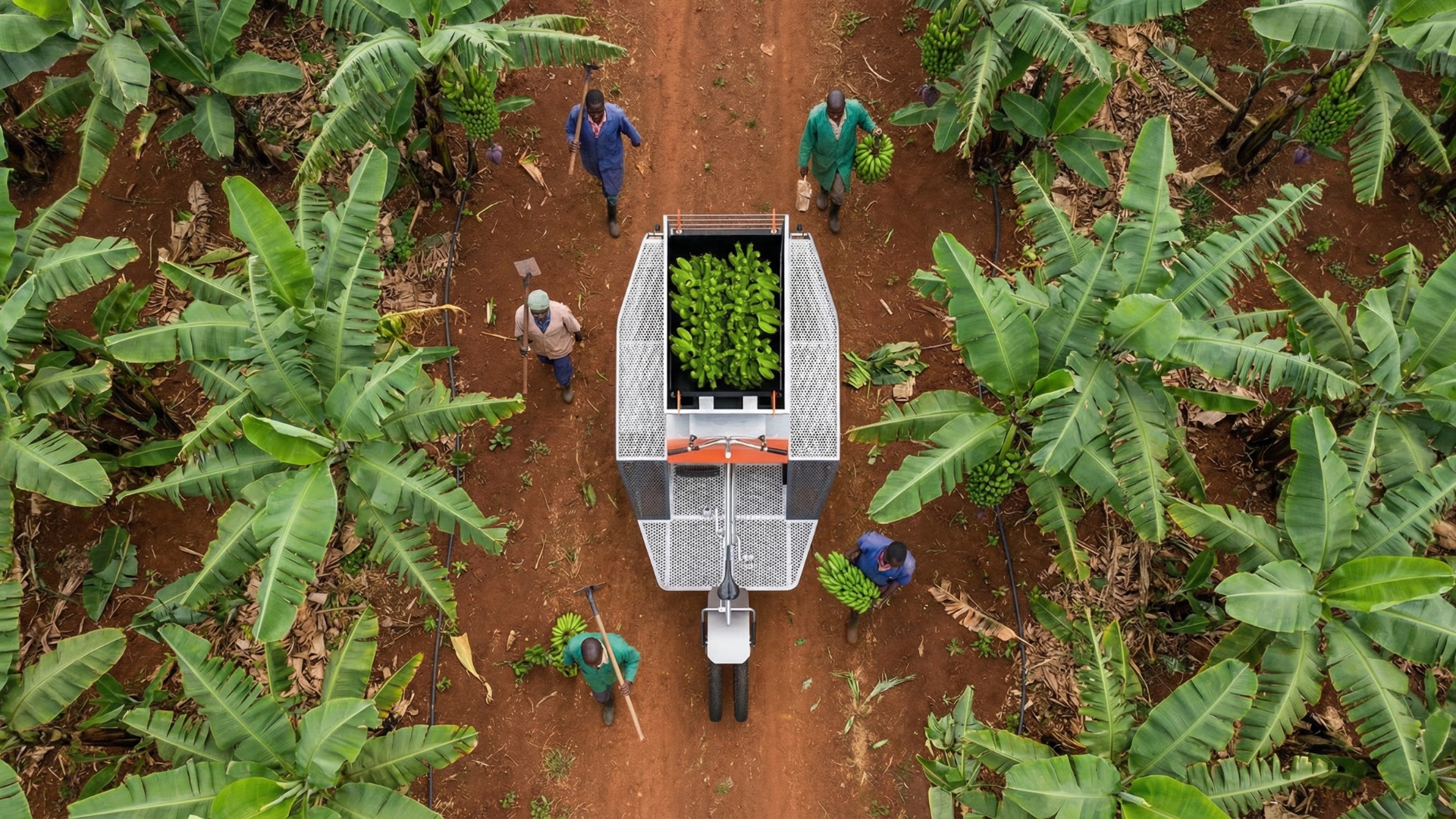
In the international conversation about supply chains, most attention gathers around the “last mile,” the final stretch between a warehouse and a customer’s door. Instead, ATTA has decided to investigate the first mile: the walk from a farm plot, often along a broken path with no vehicle access, to the point where a harvest can finally meet a road.
In this unglamorous and largely invisible gap, a team of four design students from the University of Bologna, Italy, decided to act. Their project is a human-powered cargo lifter bicycle built for banana farmers in rural Kenya, designed by Irene Ponteduro, Edoardo Govoni, Filippo Murotti, and Matteo Marinaro, which in 2026 won first place in the Product Design category of the Toyota Logistic Design Competition.
Gallery
Open full width
Open full width
ATTA Cargo Bike
The first-mile issue
In Sub-Saharan Africa, post-harvest losses for fruit and vegetable producers are severe and well-documented: the Food and Agriculture Organisation estimates that the continent loses up to 30 to 50% of its total agricultural produce after harvest, worth roughly $4 billion a year.
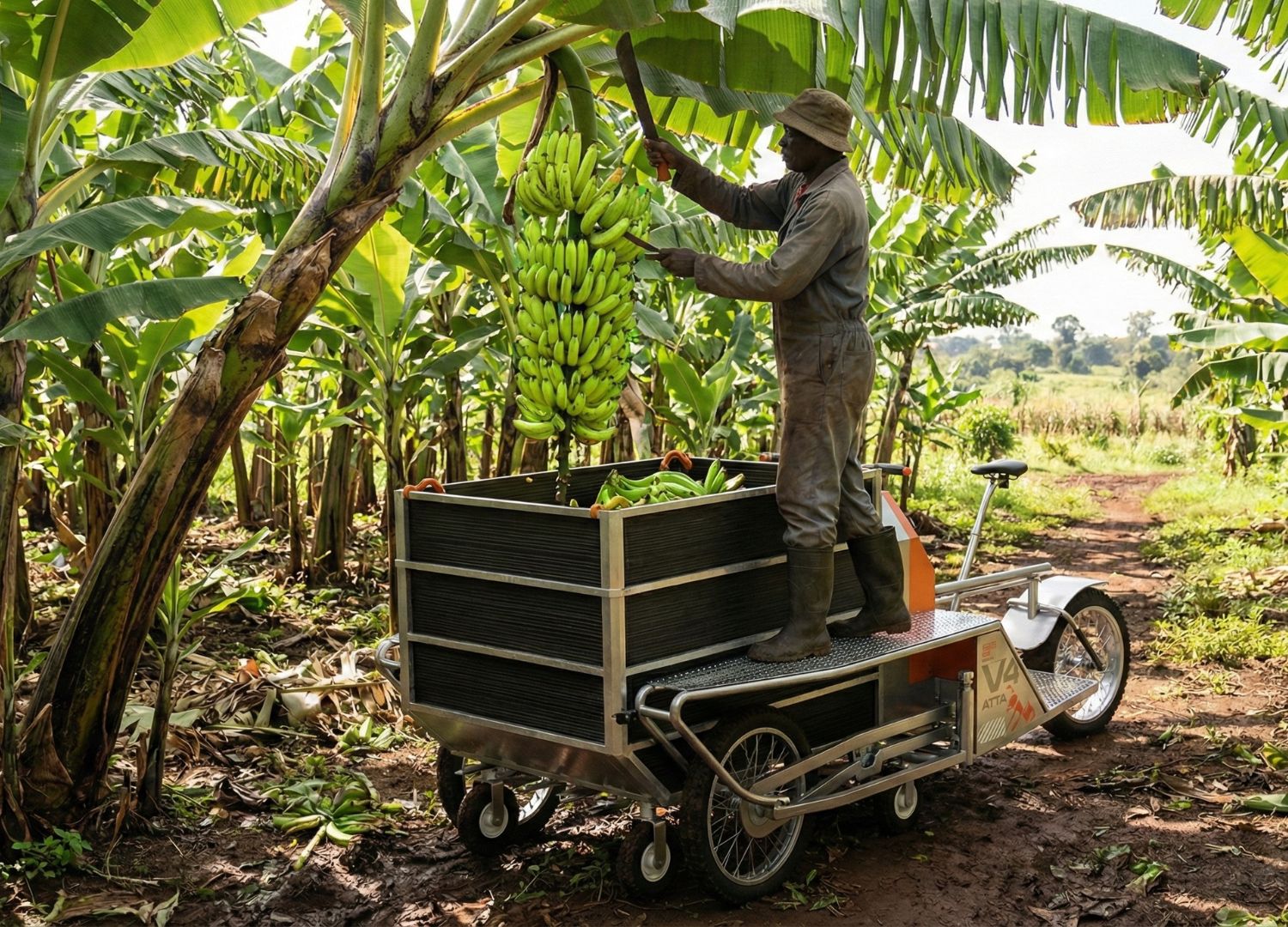
In Kenya’s banana sector specifically, the supply chain is particularly inefficient, as most produce arrives bruised and damaged because of poor transport from the farm. Farmers in the region routinely carry loads exceeding 100 kilograms by hand, over unpaved ground and under direct sun, a task that is punishing on the body as well as being destructive to the product itself.
ATTA’s design
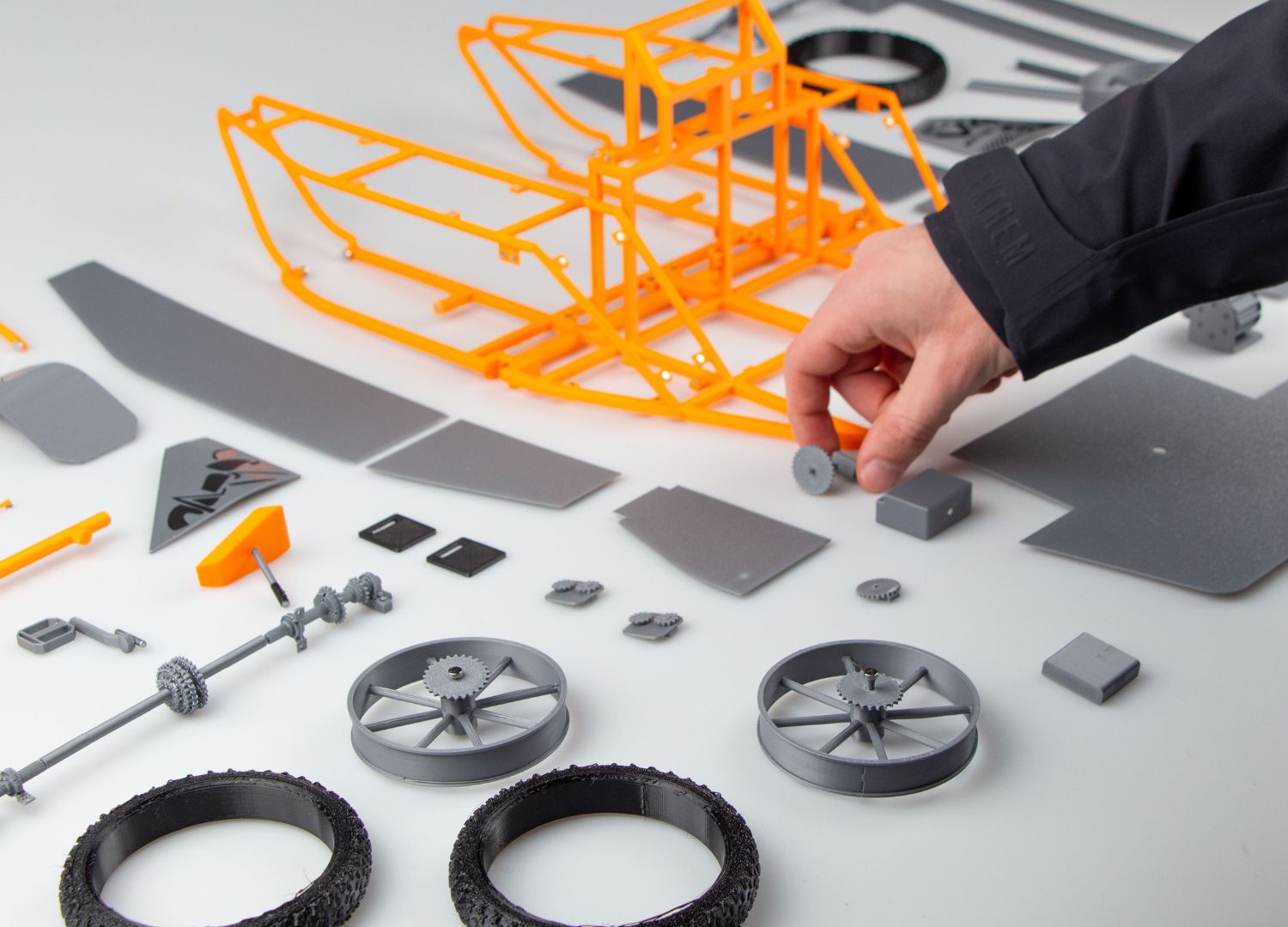
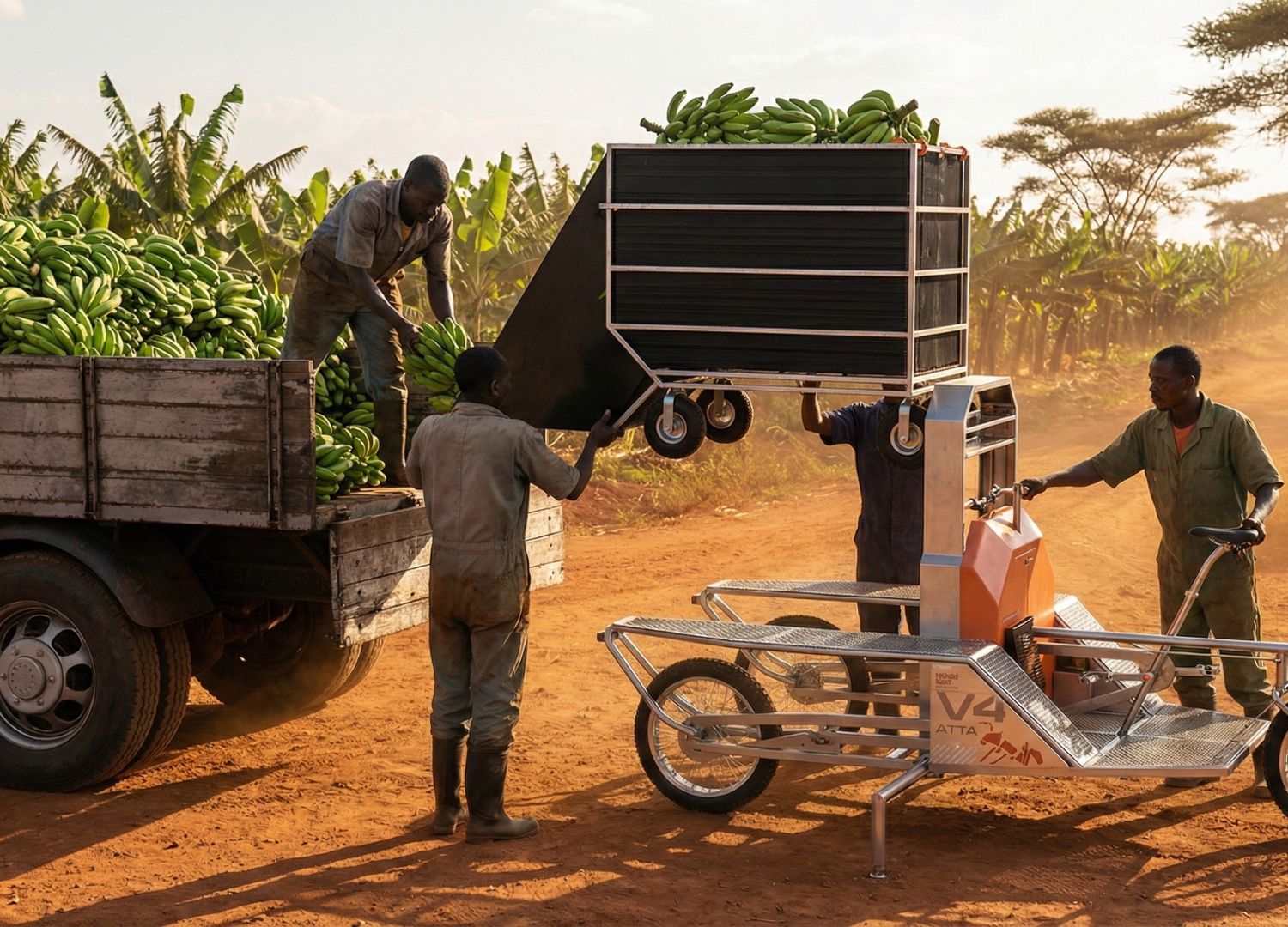
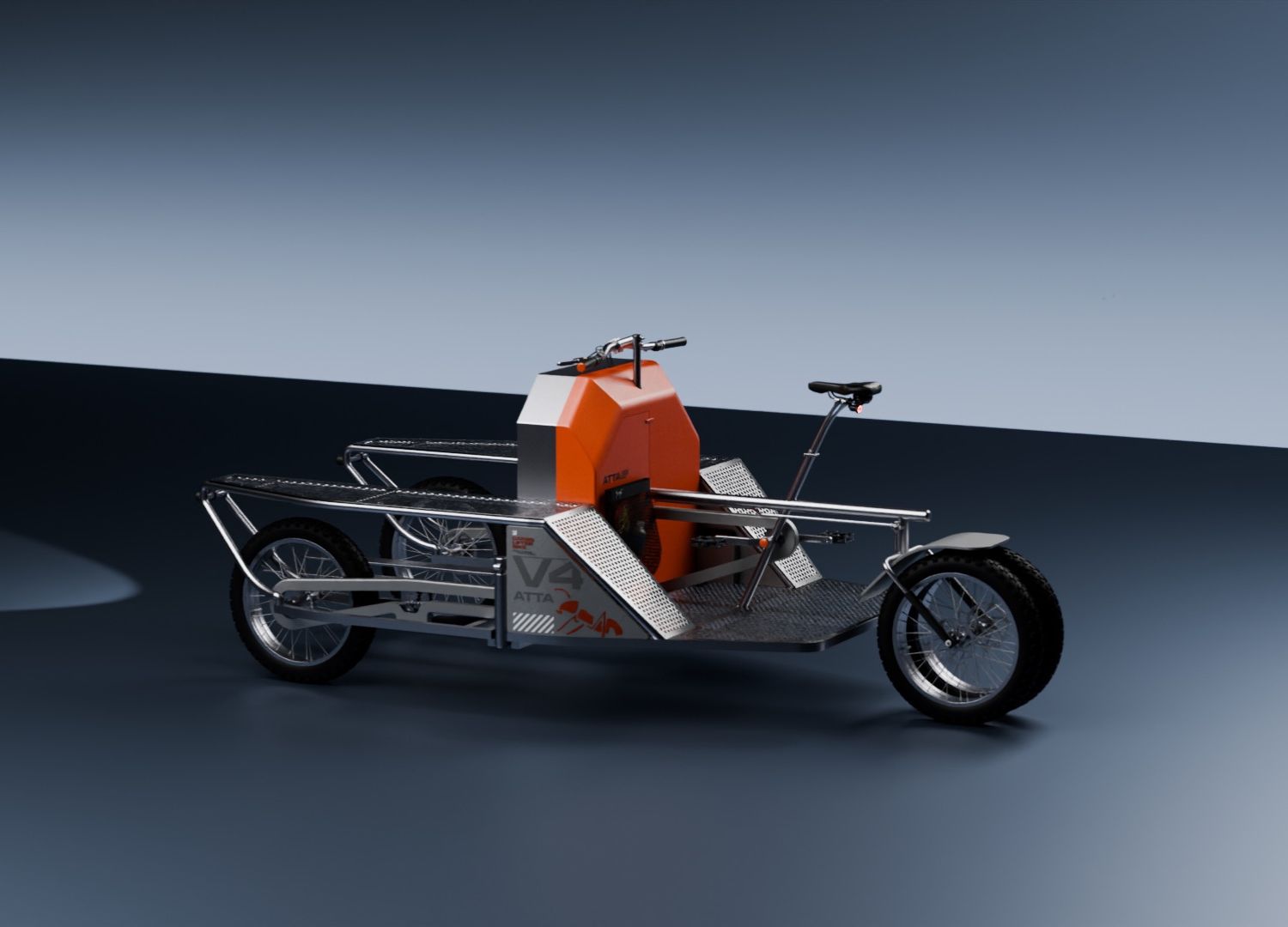
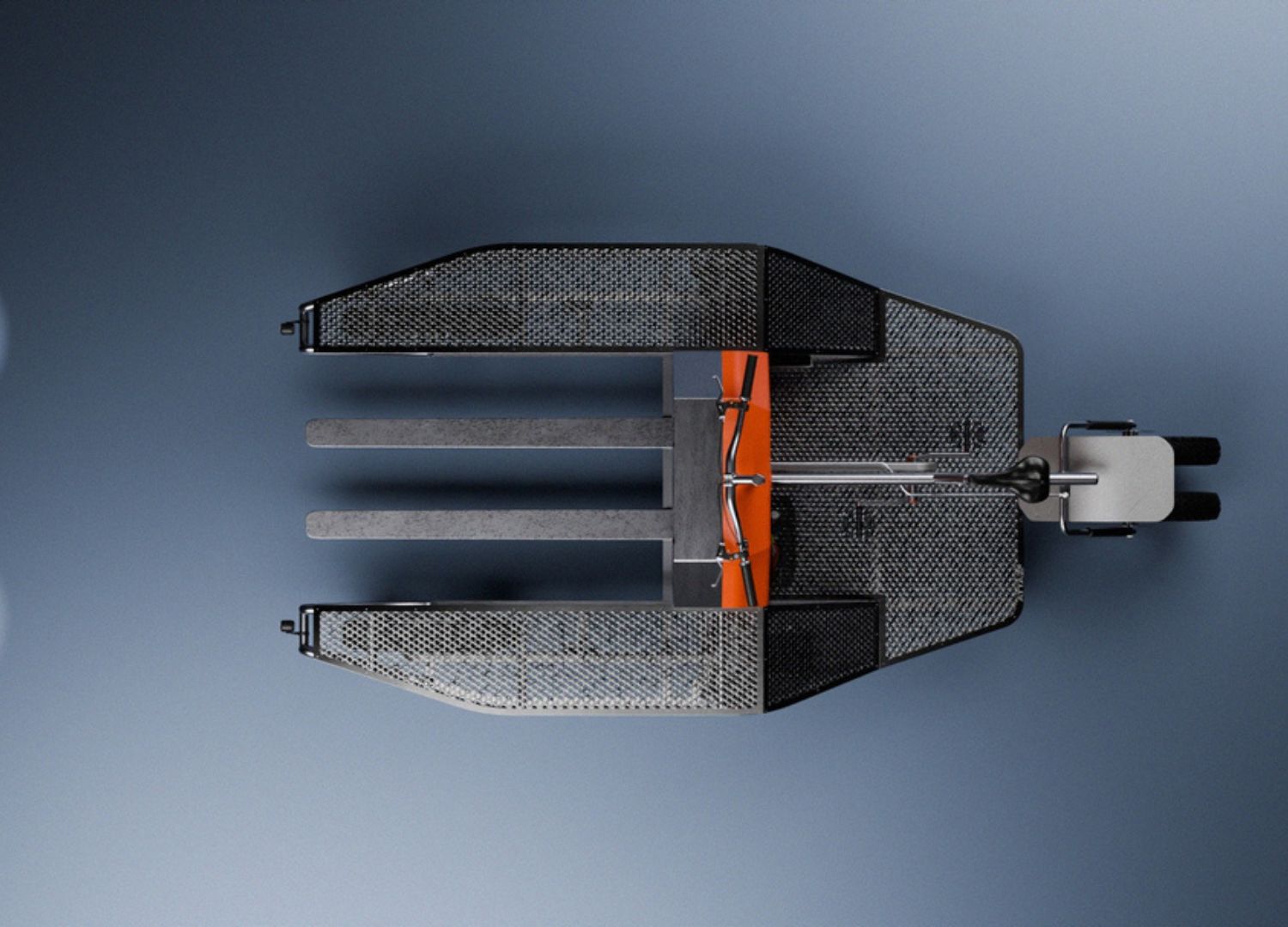
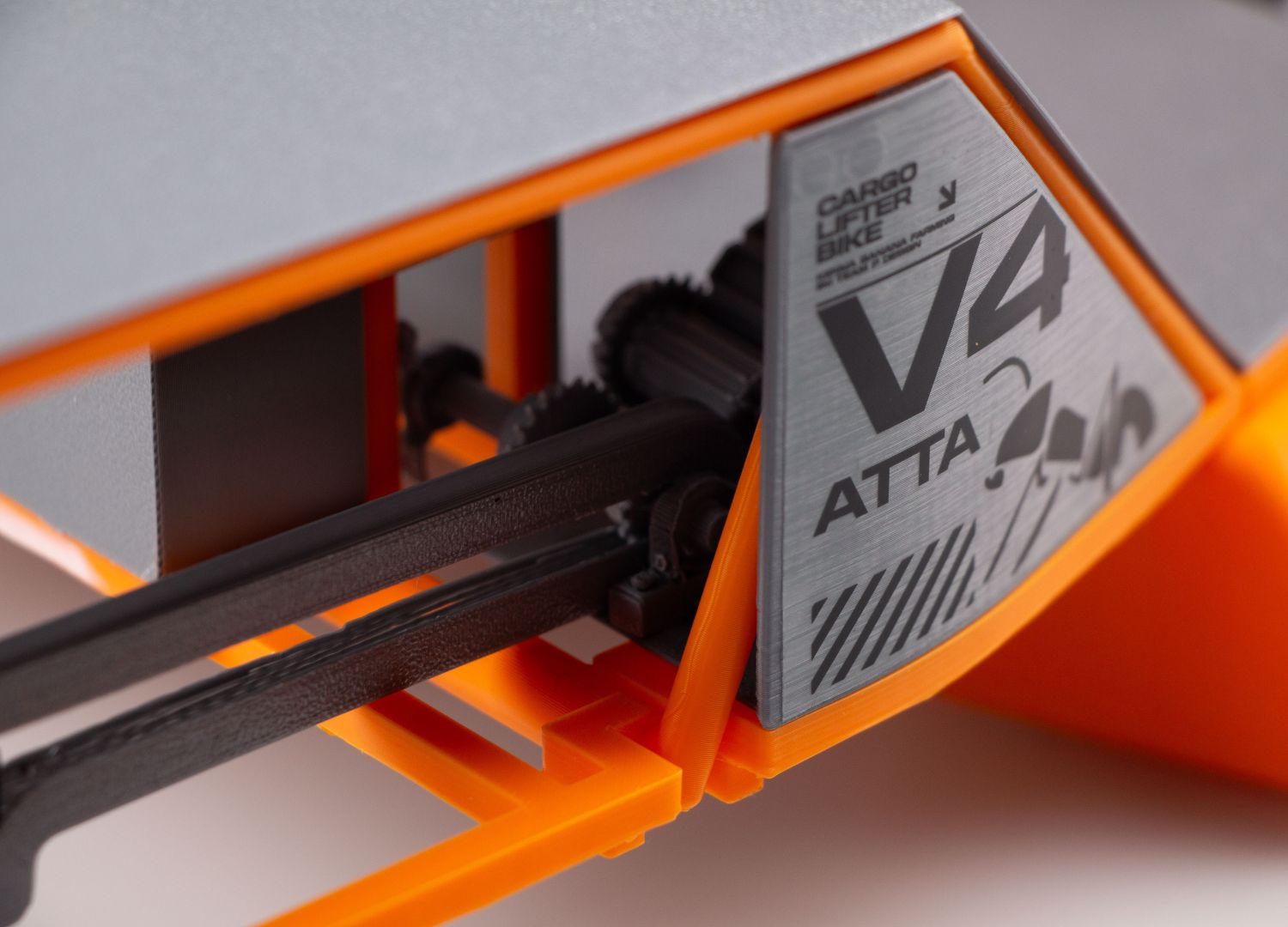
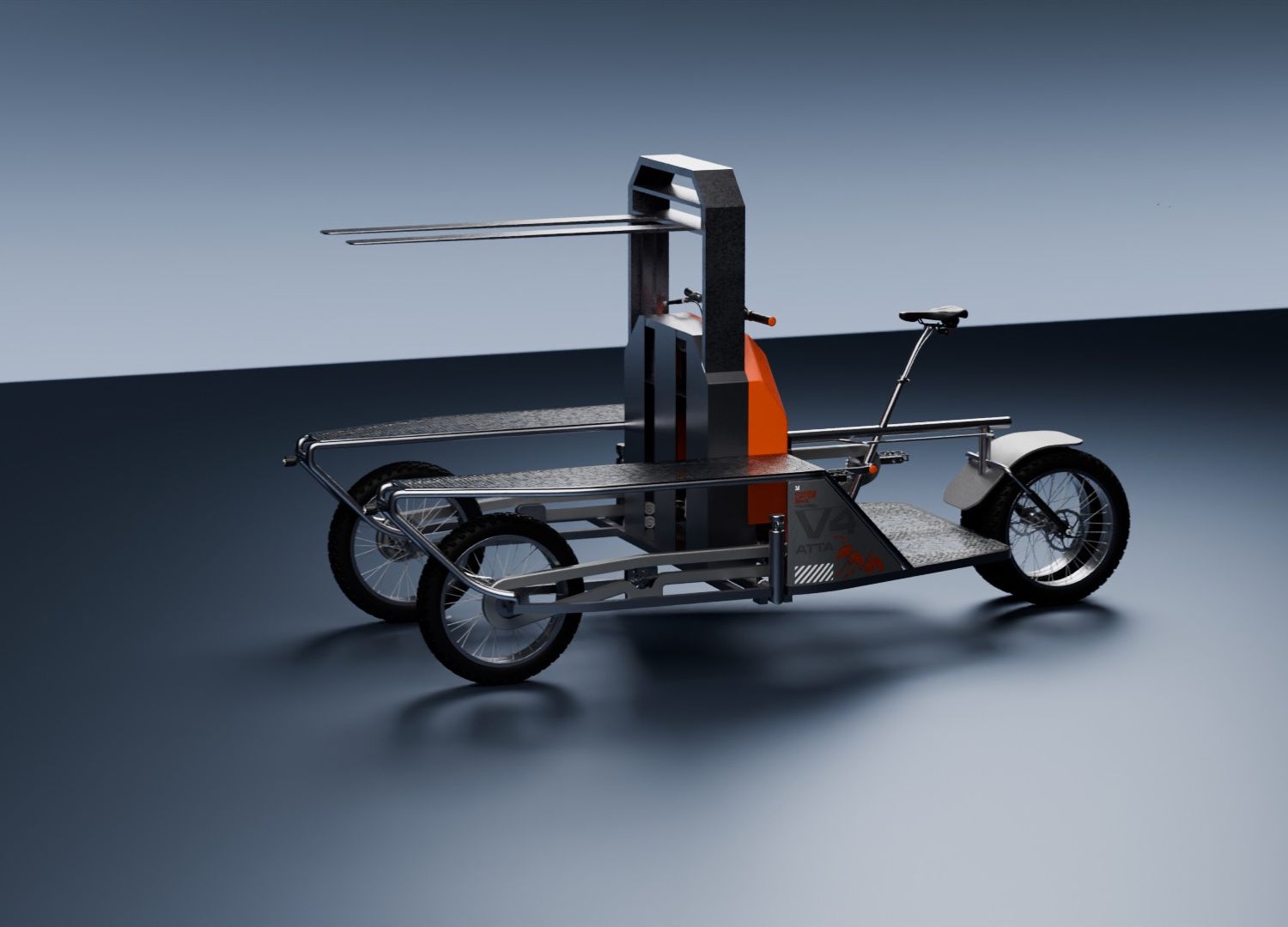
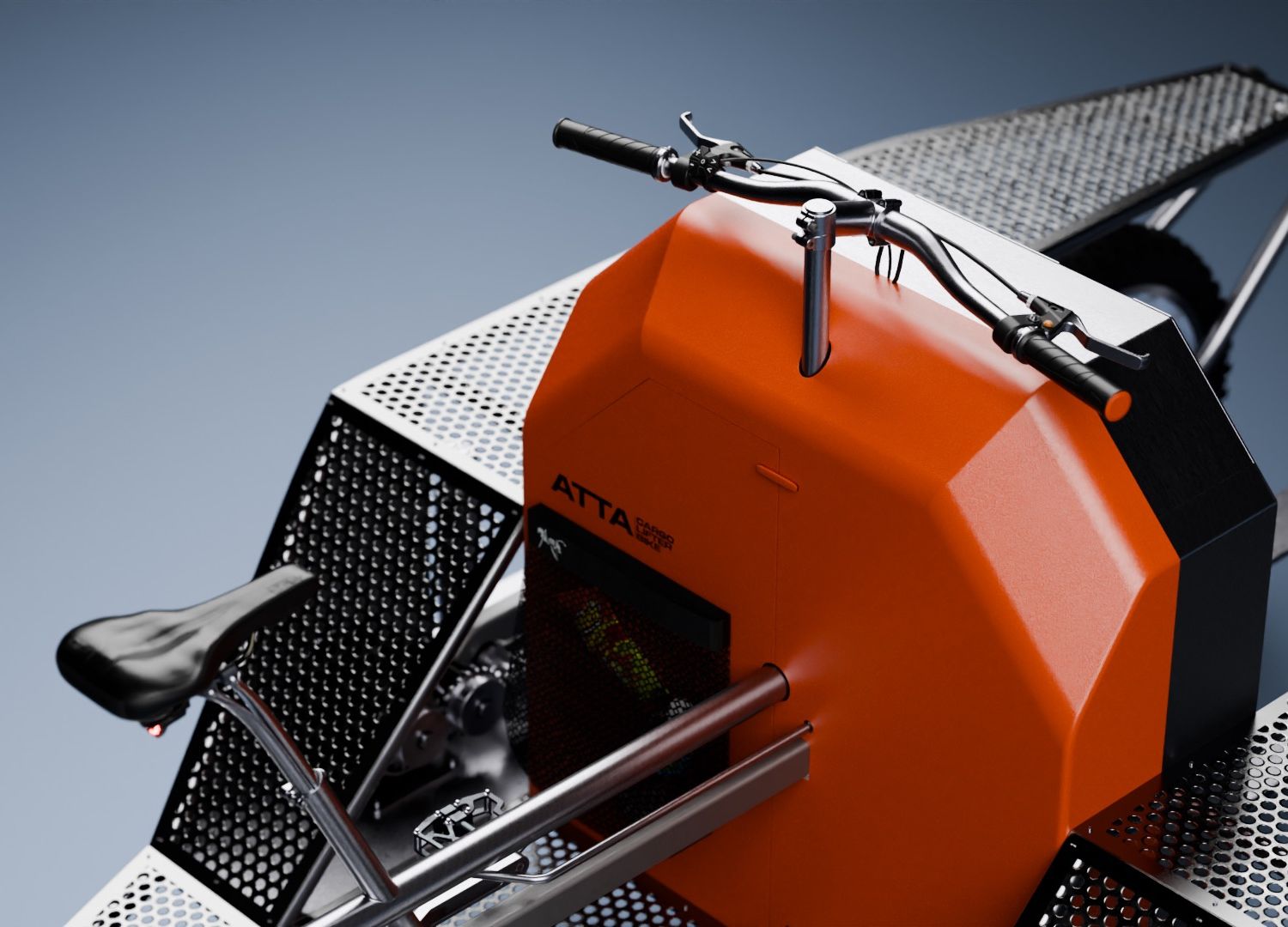
ATTA folds three separate operations into one single workflow: harvesting the bunch, transporting it, and loading it onto a truck. At the centre of the machine is a pulley system that lets a single rider raise and lower the bike’s front forks with minimal physical effort, allowing heavy loads to be lifted and managed without any engine, battery, or external power source. The emphasis on mechanical simplicity is a deliberate stance, as research has shown that the biggest gains don’t come from expensive infrastructure but from better logistics management.
The project’s name
Atta is the genus of leaf-cutter ants native to Central and South America, insects famous in entomology because of their load-bearing capacities: a single ant can carry up to 50 times its body weight. The designers borrowed the name to explain what the pulley mechanism is trying to replicate, a system of leverage, coordination, and efficient transfer of force.
Helping businesses become independent
There is also an economic argument embedded in the project. Small farmers in remote parts of Kenya frequently struggle to reach markets at all because of transport issues, a gap that has historically pushed them toward selling low, often to intermediaries who absorb the risk of transport and take a cut for it. By giving an individual farmer the physical means to move his harvest easily and safely, the project can restore a degree of power to these farmers, helping them improve their business and not rely as much on external resources.
What ATTA represents is a certain kind of practical design thinking, one that resists the instinct to solve infrastructure problems with more infrastructure, or logistics problems with more complex systems, instead asking what the simplest and most intuitive solution could be, which often proves to be the most intelligent.