


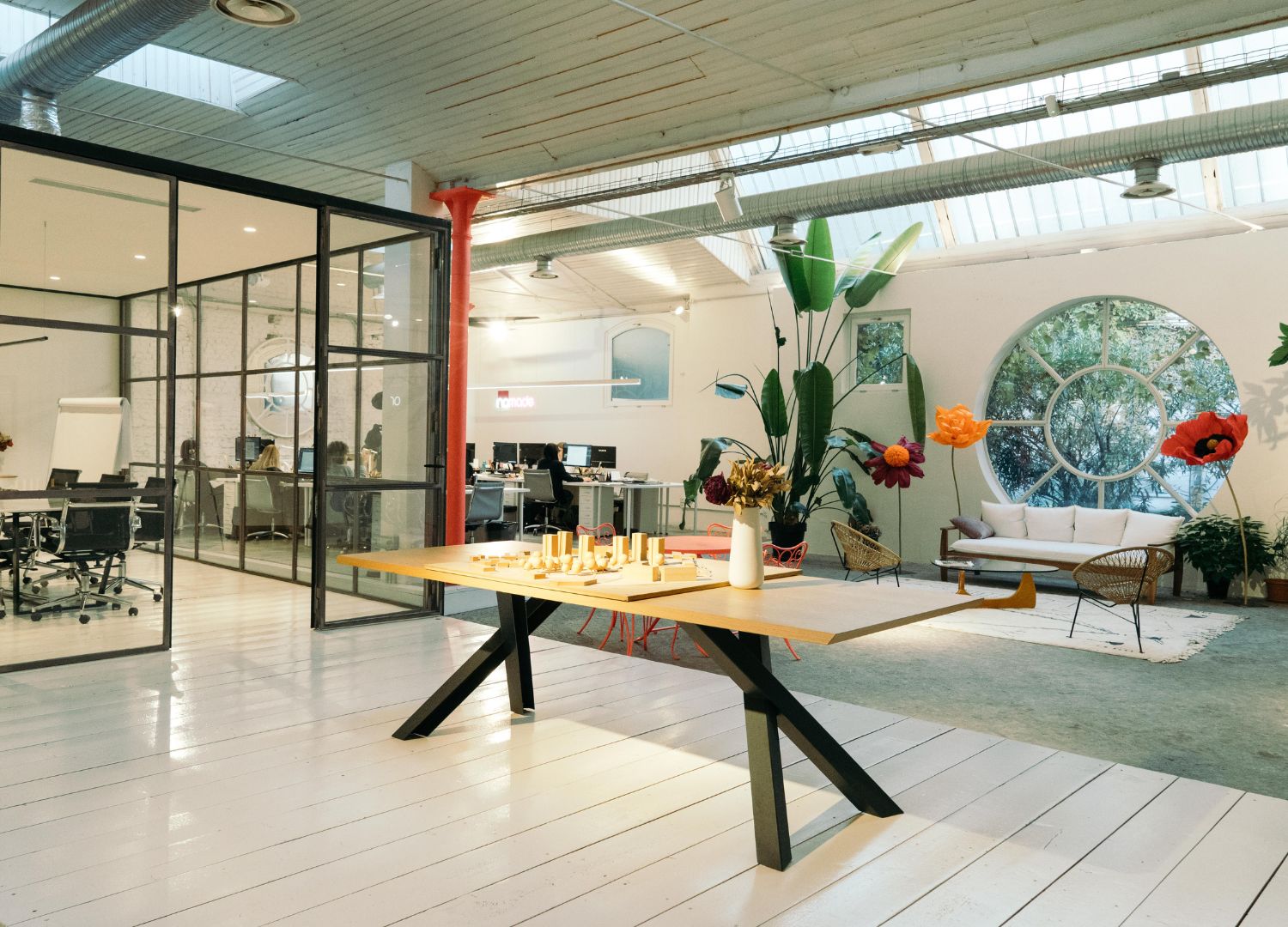
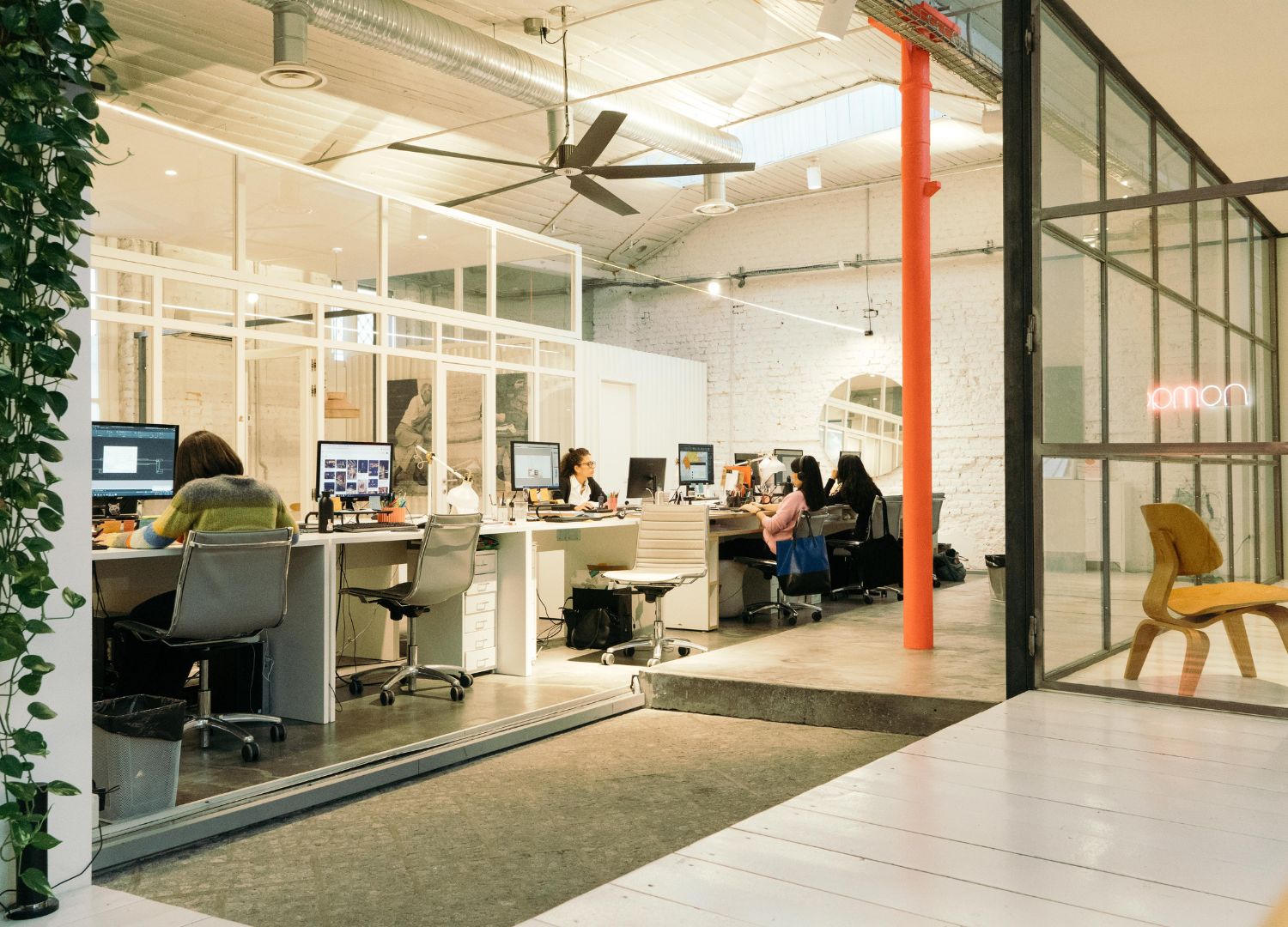
In this episode of Behind, we meet Selina Bertola, founder of Nomade Architettura, a Milan-based studio that has developed a clear yet flexible identity over the past fifteen years. The name itself carries a dual meaning: “Nomade,” evoking movement and an international dimension, and “no-made,” suggesting an openness toward what is yet to take shape. This ambiguity reflects a practice that moves between contexts while remaining attentive to what each project can become.
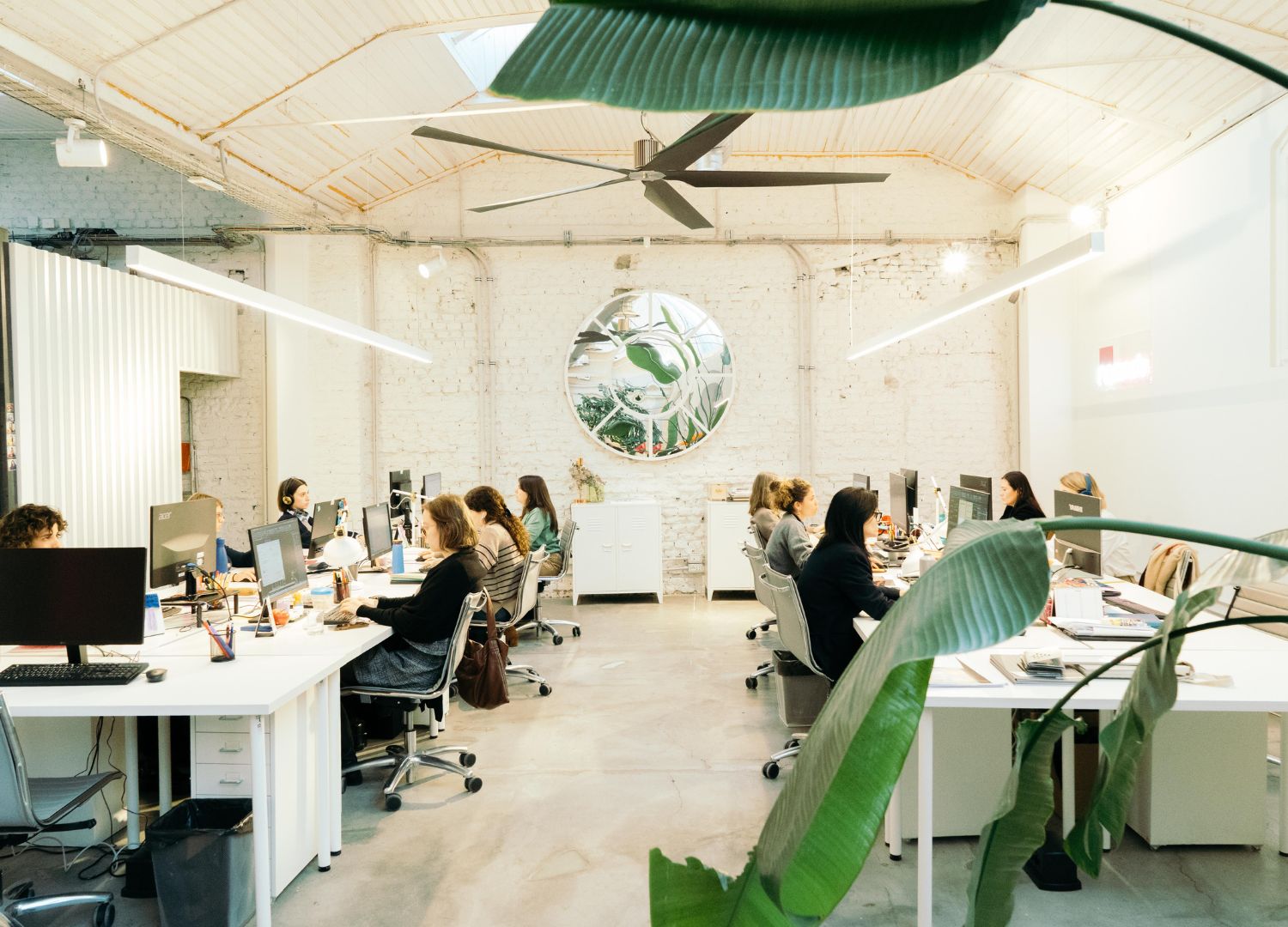
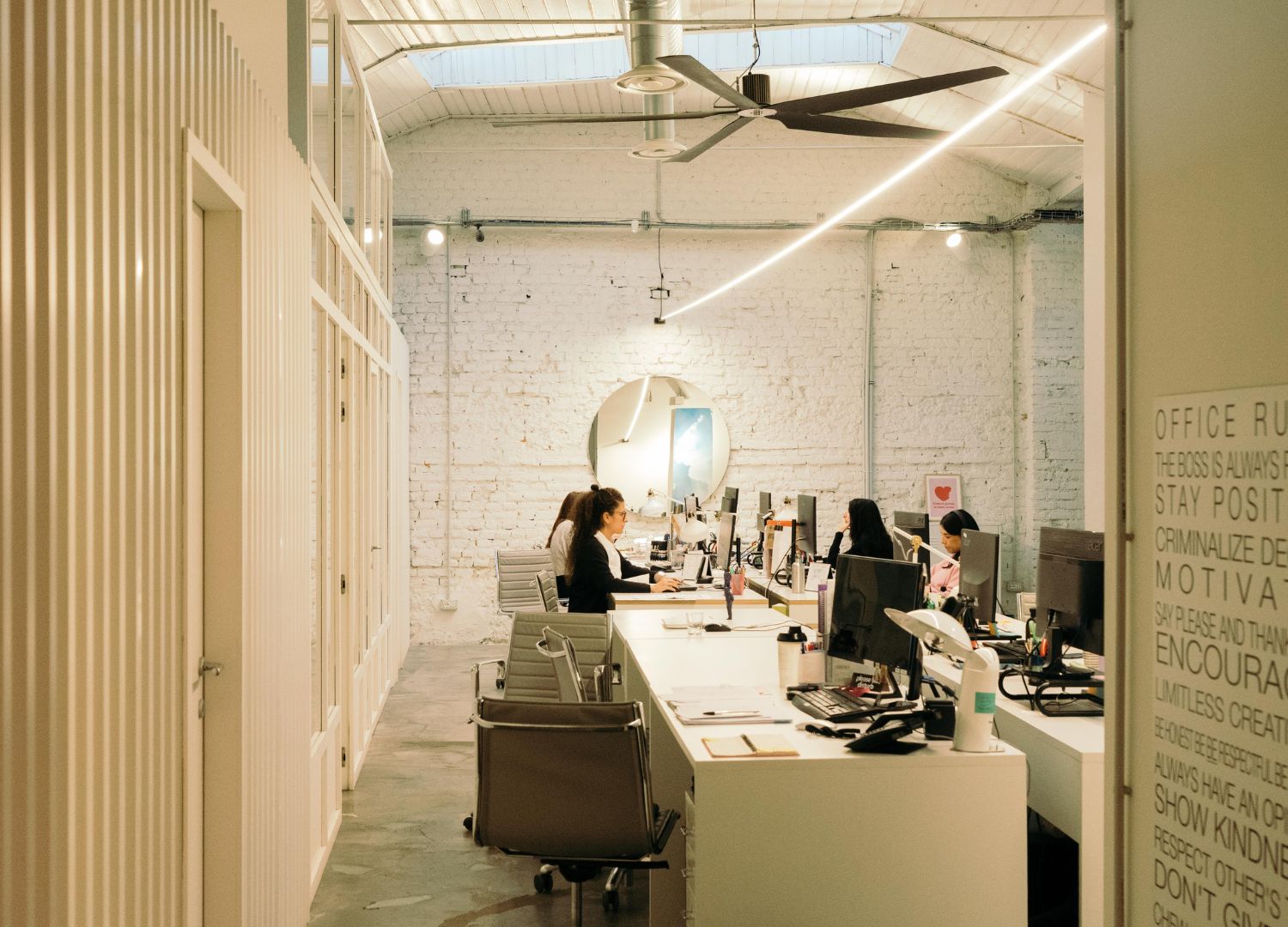
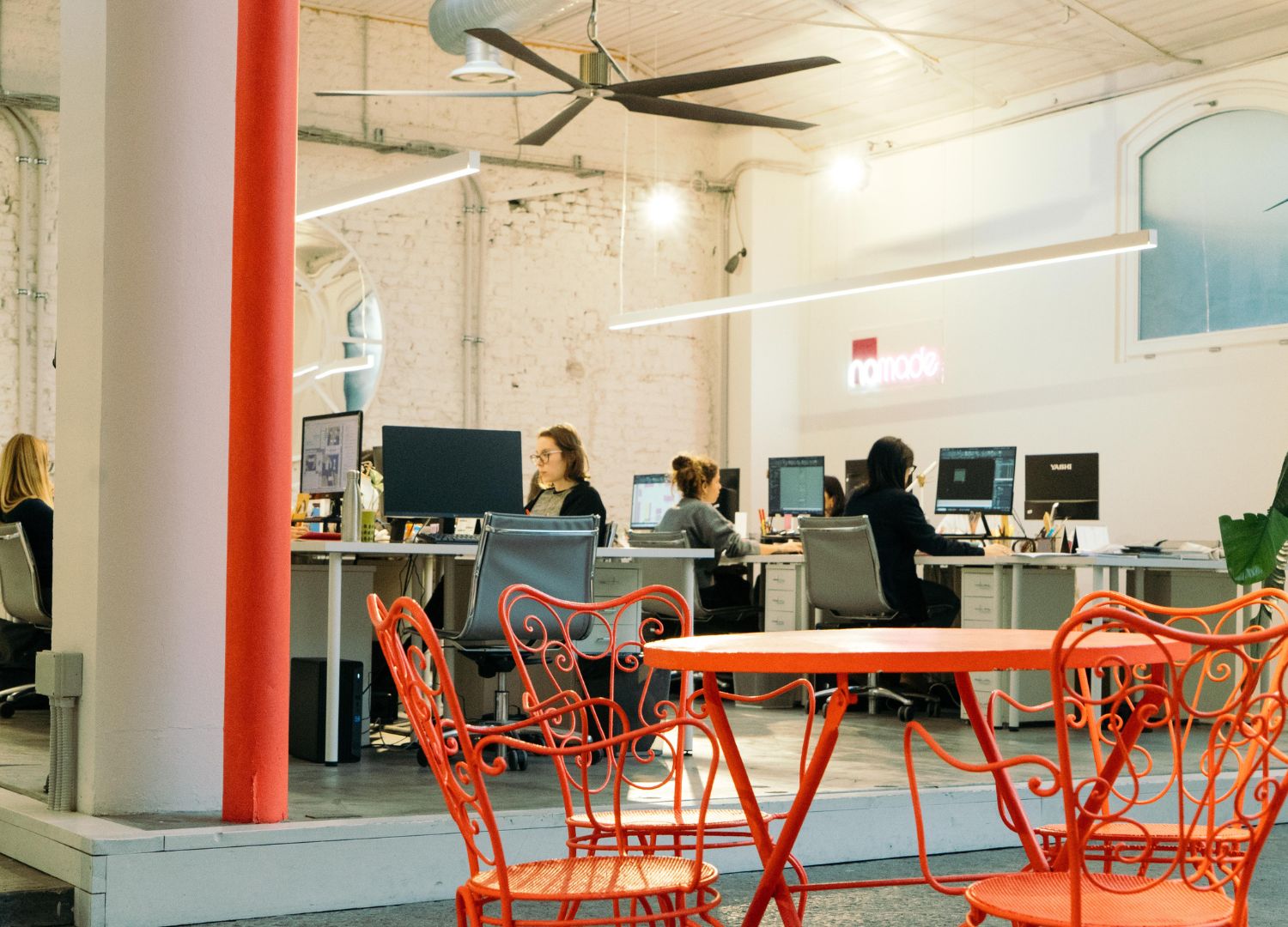
Founded in 2010, the studio has grown into a team of 25, composed entirely of women. This configuration was not planned from the outset but emerged progressively, shaped by a consistent alignment in sensibility and approach. Over time, it became part of the studio’s character, informing both its internal dynamic and its way of engaging with projects.
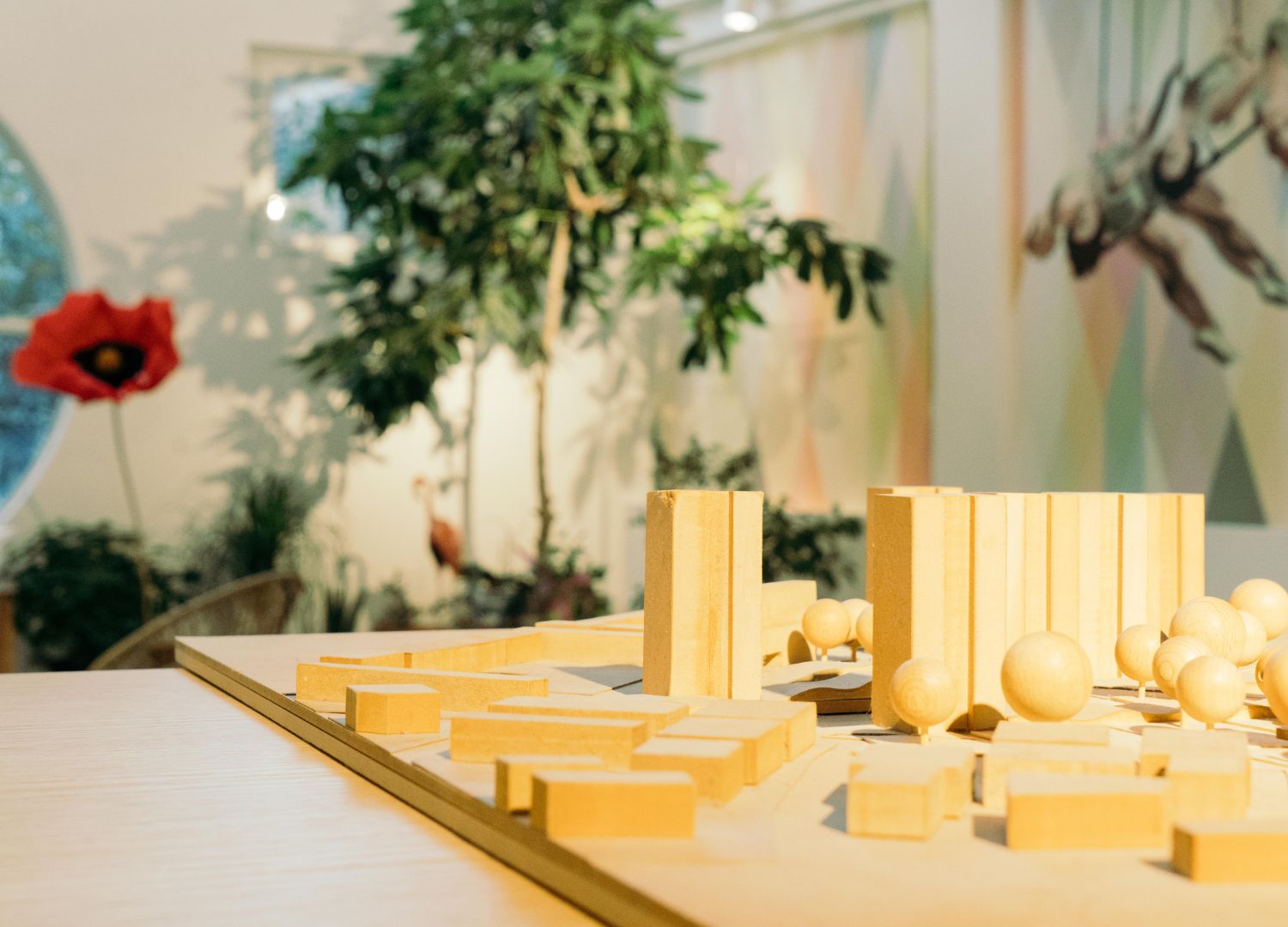
Nomade Architettura operates across residential, office, commercial, and retail environments. The range of typologies is wide, yet the work maintains a coherent direction. Each project is approached through careful observation and dialogue, allowing the outcome to reflect the specific needs of its users. The resulting portfolio is deliberately varied, where differences are not smoothed out but preserved as part of the design process.
At the core of the studio’s approach lies the act of listening. In residential projects, especially, this becomes essential. A house is not understood as a finished object, but as a space that needs to accommodate habits, memories, and future changes. The role of the designer shifts accordingly, moving closer to interpretation, translating personal narratives into spatial configurations.
This perspective is evident in a Milanese apartment set within a 1920s building. The intervention works through layers, engaging with the existing architecture while introducing a contemporary reading. Original elements such as stuccoes and proportions are retained and reinterpreted, becoming part of a renewed spatial language. Materials traditionally associated with the period—woods and marbles—are revisited through updated compositions and detailing. The result maintains a sense of continuity while clearly belonging to the present.
A different condition defines a lakeside villa originally built in the 1960s. Here, the project focuses on establishing a stronger connection with the surrounding landscape. Openings are expanded, allowing light and views to extend into the interior. The lake becomes a constant presence, shaping the way spaces are experienced. Material choices reinforce this relationship, with local stone and wood contributing to a more grounded and contextual atmosphere. The architecture moves toward clarity, where transitions between inside and outside are softened.
A more personal exploration takes shape in Bertola’s own home, a loft in Milan with a strong architectural identity. The space is organized around a central nucleus, with rooms unfolding around it. The intervention introduces a more eclectic language, where each area develops its own character while remaining part of a larger composition. The idea of a city becomes a reference, with different “districts” coexisting within the same environment.
This project also expresses a broader view of domestic space. Not every element is defined from the beginning; some areas are intentionally left open. Over time, objects, memories, and traces of everyday life contribute to shaping the interior. The house evolves alongside its inhabitants, becoming a layered narrative rather than a fixed composition.
Across these projects, a consistent attitude emerges—one that values responsiveness over uniformity. Historical contexts, natural landscapes, and personal environments are each addressed through specific strategies, without forcing a predefined language. Materials and spatial solutions are selected in relation to their context, allowing each project to develop its own balance.
Fifteen years into its trajectory, Nomade Architettura continues to move across geographies and scales, maintaining an approach that is both precise and adaptable. The “nomadic” aspect extends beyond physical movement, describing a way of working that remains open to change and exchange. At the same time, the idea of “no-made” suggests that every project begins as a possibility, something to be defined through process, dialogue, and time.