

A new episode of BEHIND takes us into the world of PARK, the Milan studio founded by Michele Rossi and Filippo Pagliani in 2000 and now marking its twenty-fifth year. Rather than presenting a catalogue of projects, the conversation reveals the logic that links everything the studio does: a refusal of narrow specialization and a belief that listening is the first act of design.
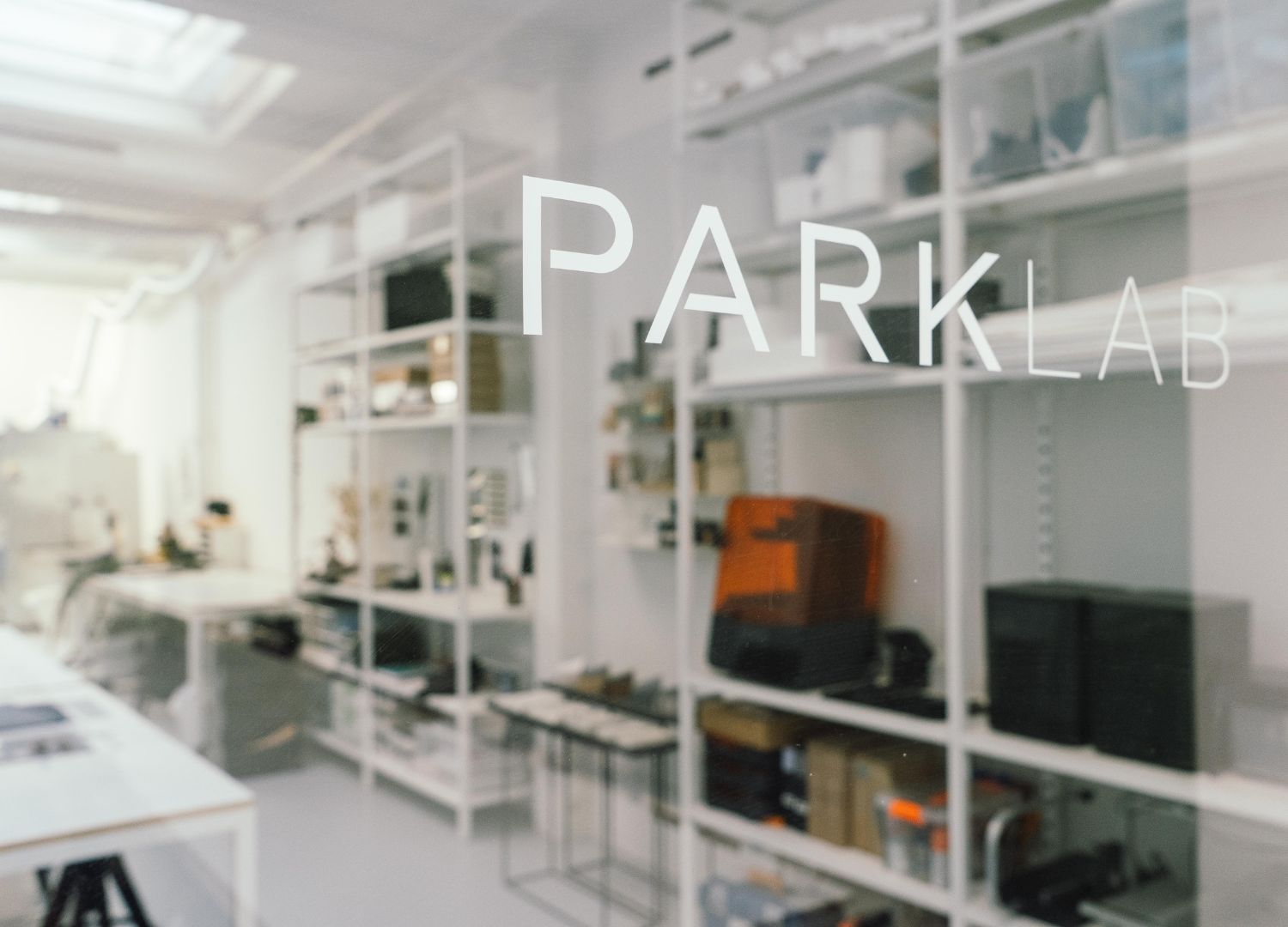
From the beginning, the studio chose not to define itself through a single scale or typology. The team has worked on interiors, buildings, urban design, and, in recent years, product design, treating each field as an extension of the others. Moving between a room, a building, and a district is not a change of profession but a change of lens. This horizontal attitude has kept the practice curious, and it has produced work where ideas migrate and mature instead of being trapped in one niche.
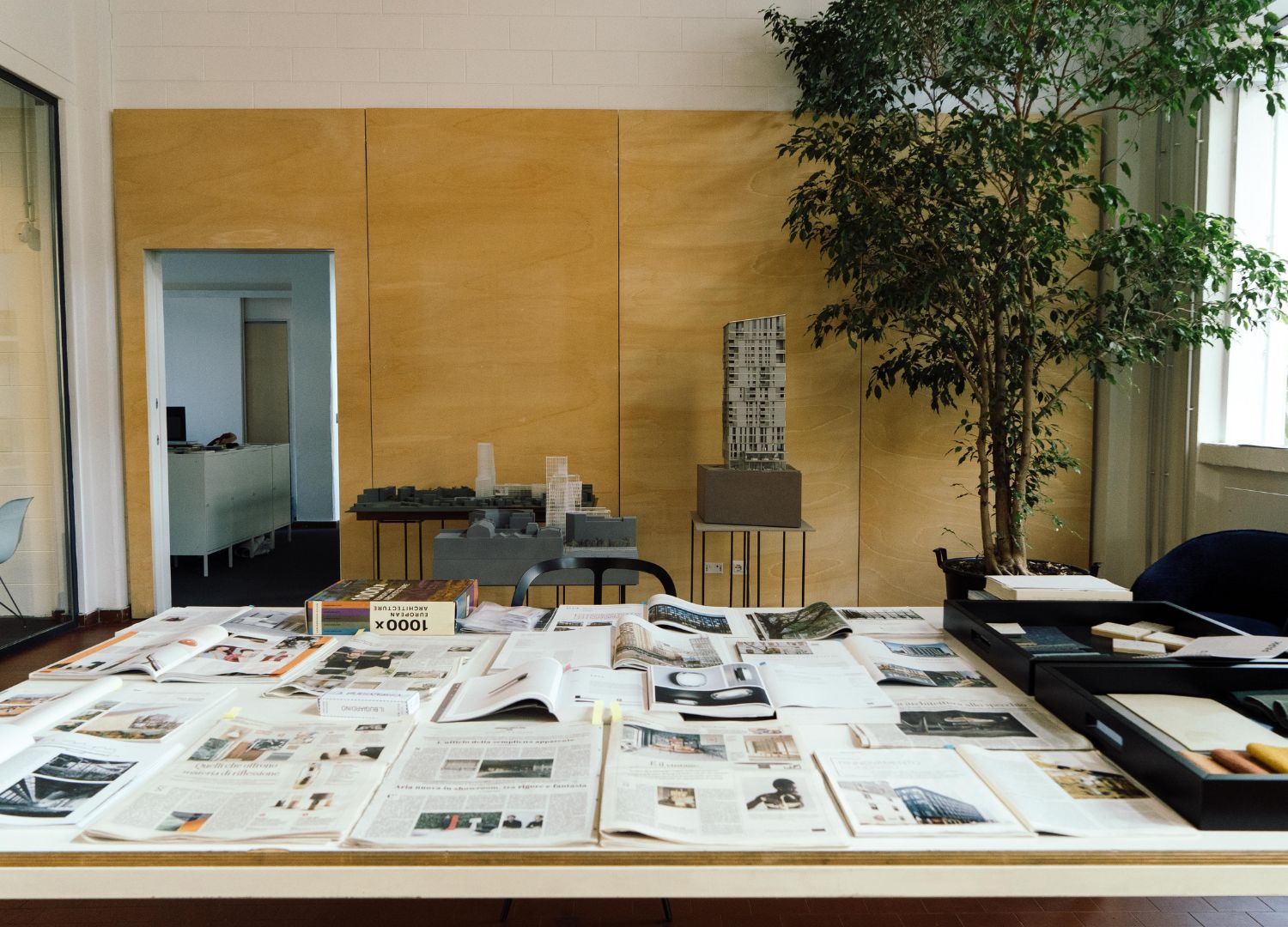
Listening is the word they return to when asked to describe their method. It is both a stance and a technique. On one side, listening means observing the environment in which a project will sit – its geography, its existing architecture, its material memory, and the social rhythms already shaping it. On the other hand, listening is directed toward people: clients, users, and communities who will live with the consequences of design.
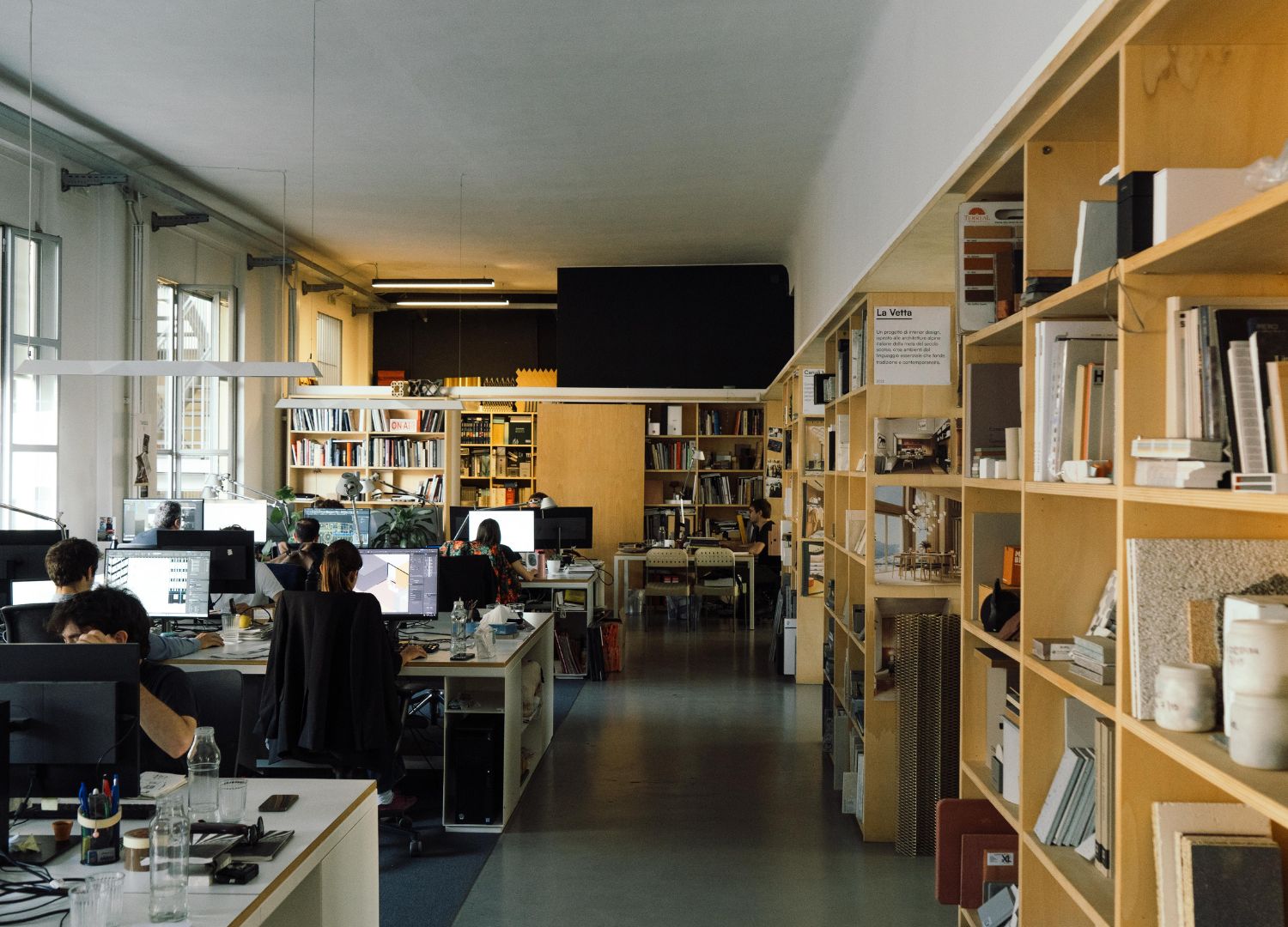
PARK frames these two forms of attention as inseparable. A useful project must respond to a real place and to real lives, and it can only do that when the designer is willing to pause, absorb, and interpret before drawing conclusions.
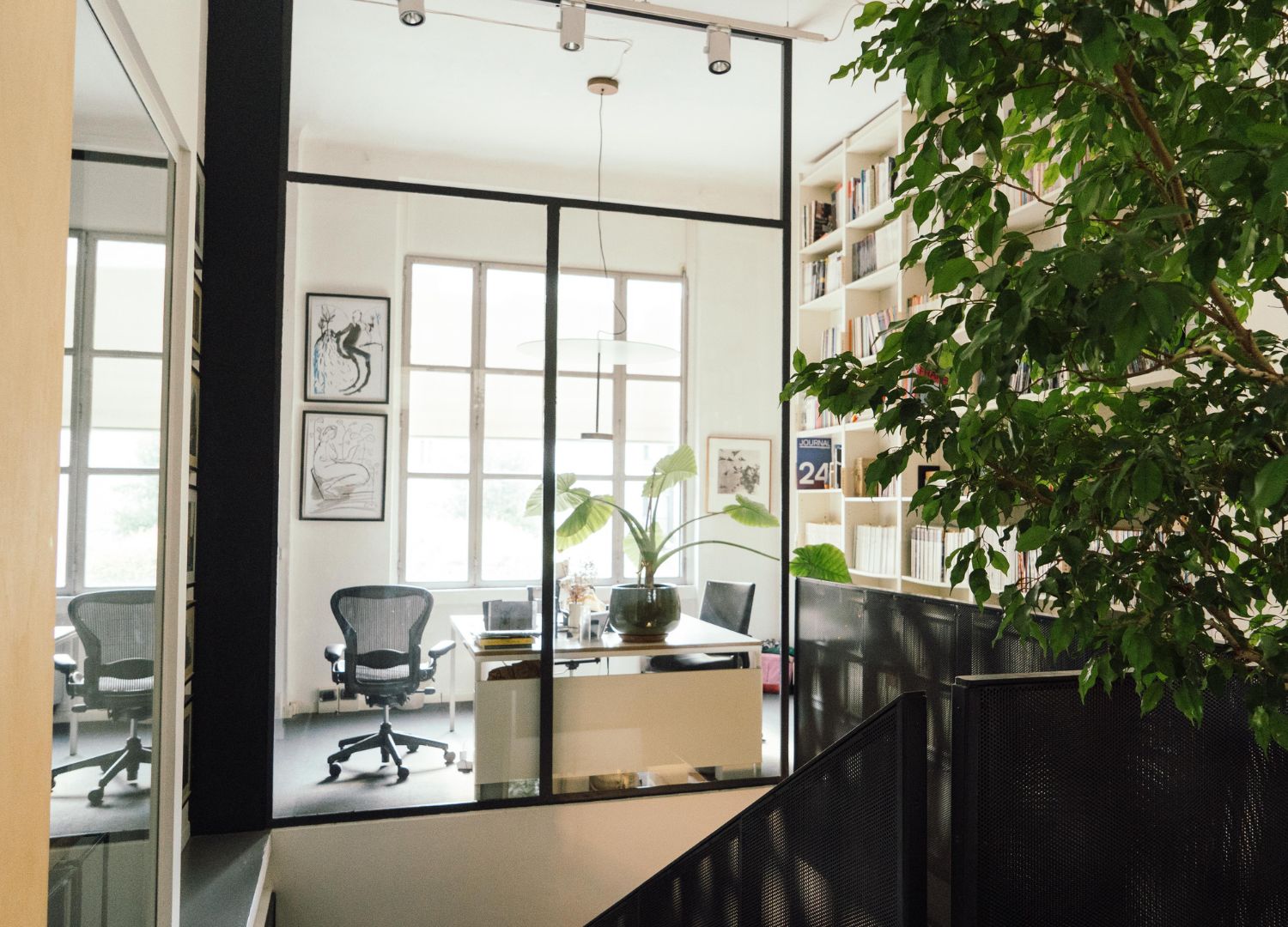
Two headquarters projects illustrate how this process works in practice. The Salewa headquarters, completed about fifteen years ago, is remembered as a formative moment for the office. The relationship with the client grew through prolonged dialogue, where the company’s identity and the site’s conditions were read side by side. That depth of attention shaped the building’s organization and its material language.

Over time, the project has aged well, and its influence has spilled outward. What was once a dormant industrial pocket became a lively urban area, showing how a corporate building can act as civic infrastructure when it is designed with the wider context in mind. The studio describes this not as an accidental effect, but as a direct outcome of careful interpretation: the more precisely a building answers its specific conditions, the more generously it can contribute to the city around it.
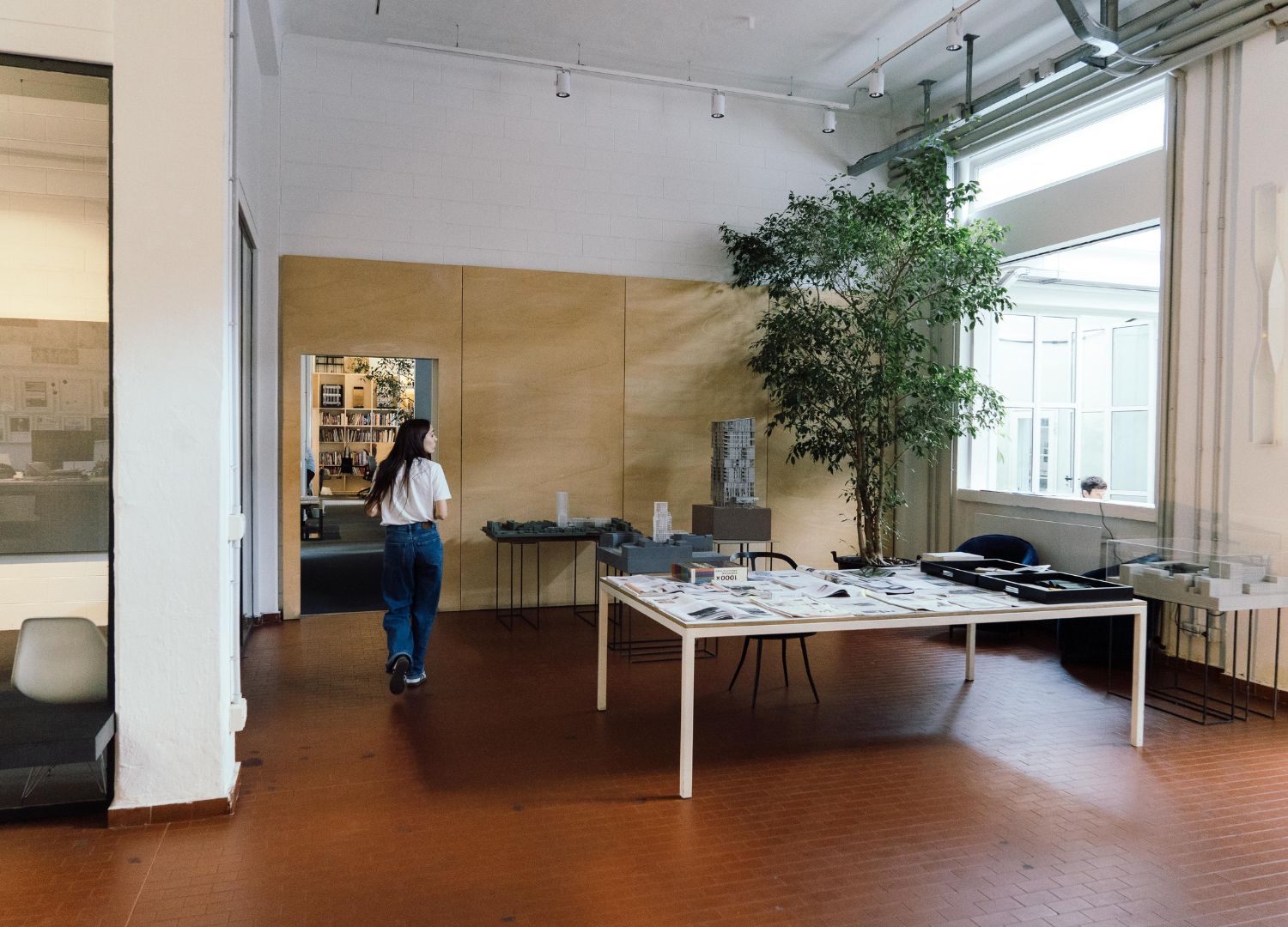
The studio’s interest in headquarters design comes into focus. Creating a home for a company is, for them, a shared act of storytelling. A headquarters has to support work, but it also has to embody culture: how an organization collaborates, what it values, and how it wants to meet the world. That requirement raises the stakes and makes the commission unusually fertile. It asks architects to translate the intangible into space through a partnership where the client is a co-author. When that partnership exists – whether the end user is a person or a company – the studio feels it can push further, because the project is grounded in lived needs rather than abstract ideas.
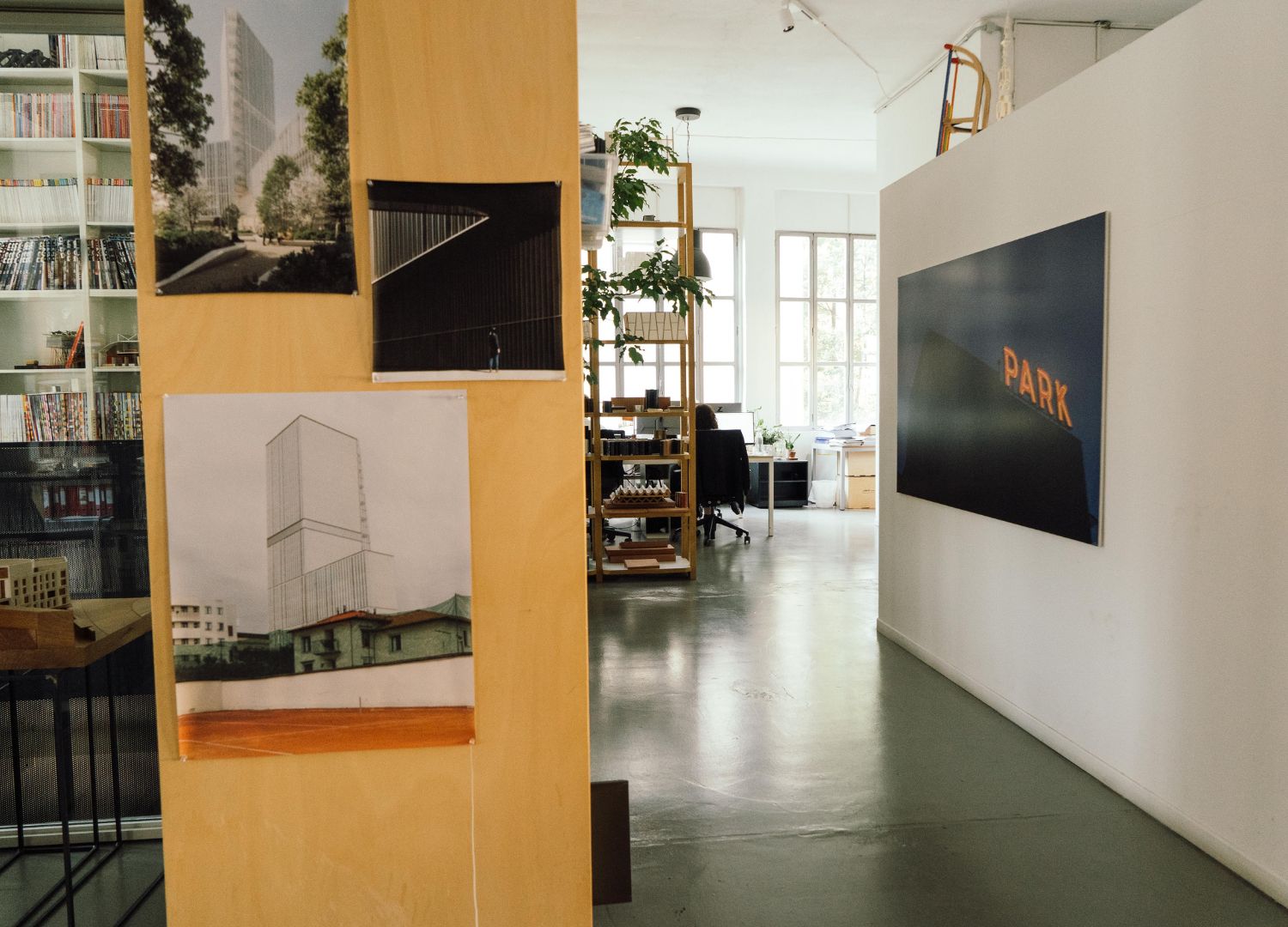
After twenty-five years, PARK’s practice reads as a sustained argument for breadth with depth. By working across disciplines, they avoid the comfort of repeating a single formula. By anchoring every project in listening, they keep that breadth from becoming superficial.
The original BEHIND series comes to life thanks to the invaluable support of our trusted partners: