

This episode of Behind takes us to Settanta7, tracing its evolution and design approach. Founded in 2009 by Daniele Rangone and Daniela Rionda, the studio has grown from a single room into a multidisciplinary team operating in Milan, Turin, Lyon, Lisbon, and Tirana. By overseeing every phase of the design and construction process—from concept to execution—Settanta7 has built a practice where creativity is supported by technical precision.
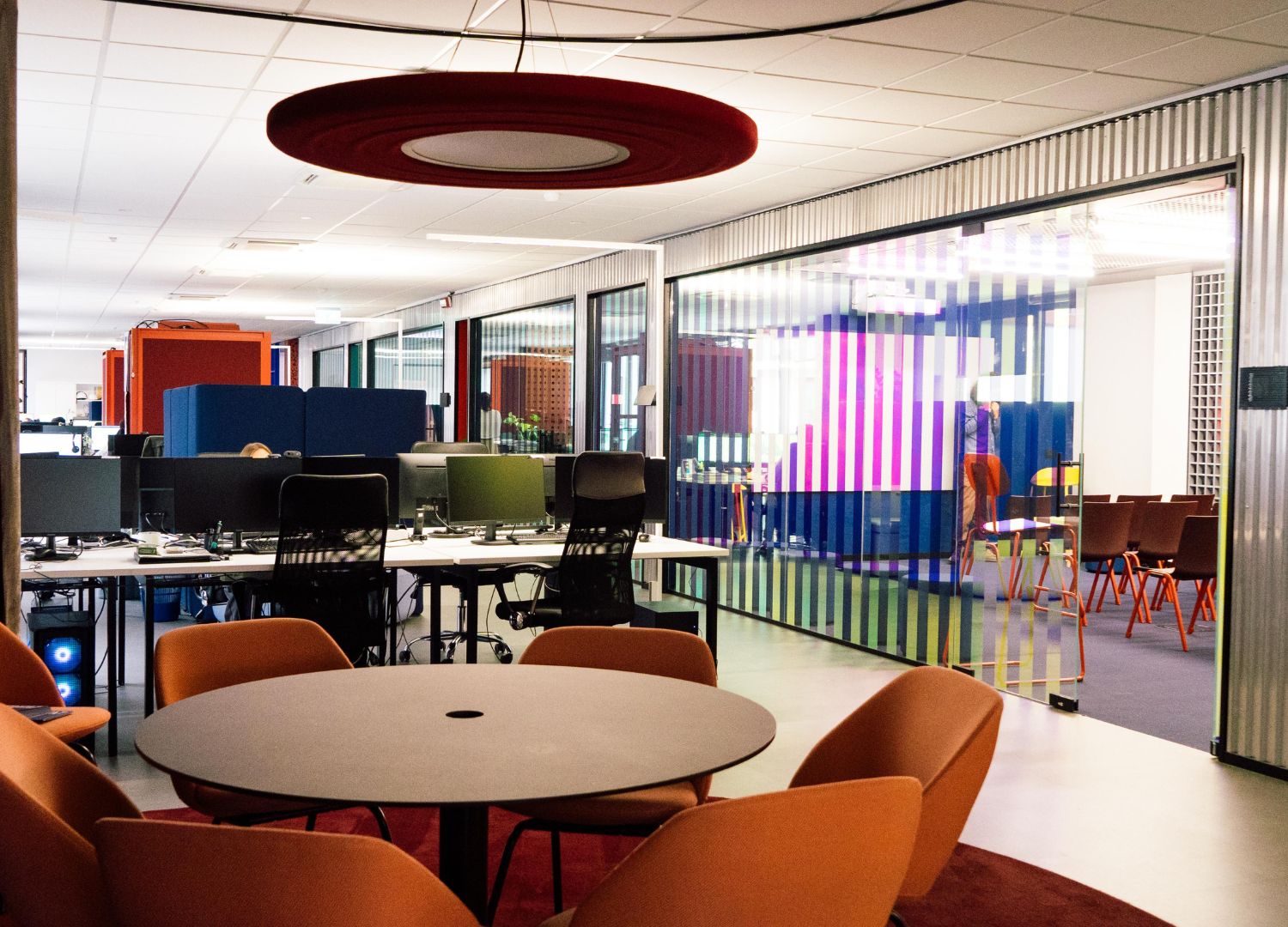
Over the years, the studio has grown at an impressive pace, often doubling the number of projects, team members, and turnover within just a few years. Yet what makes this trajectory remarkable is not only the scale of expansion but the way Settanta7 has managed to maintain its identity. Rangone and partner Gianmarco Fornara emphasize two qualities that remain at the heart of their work.
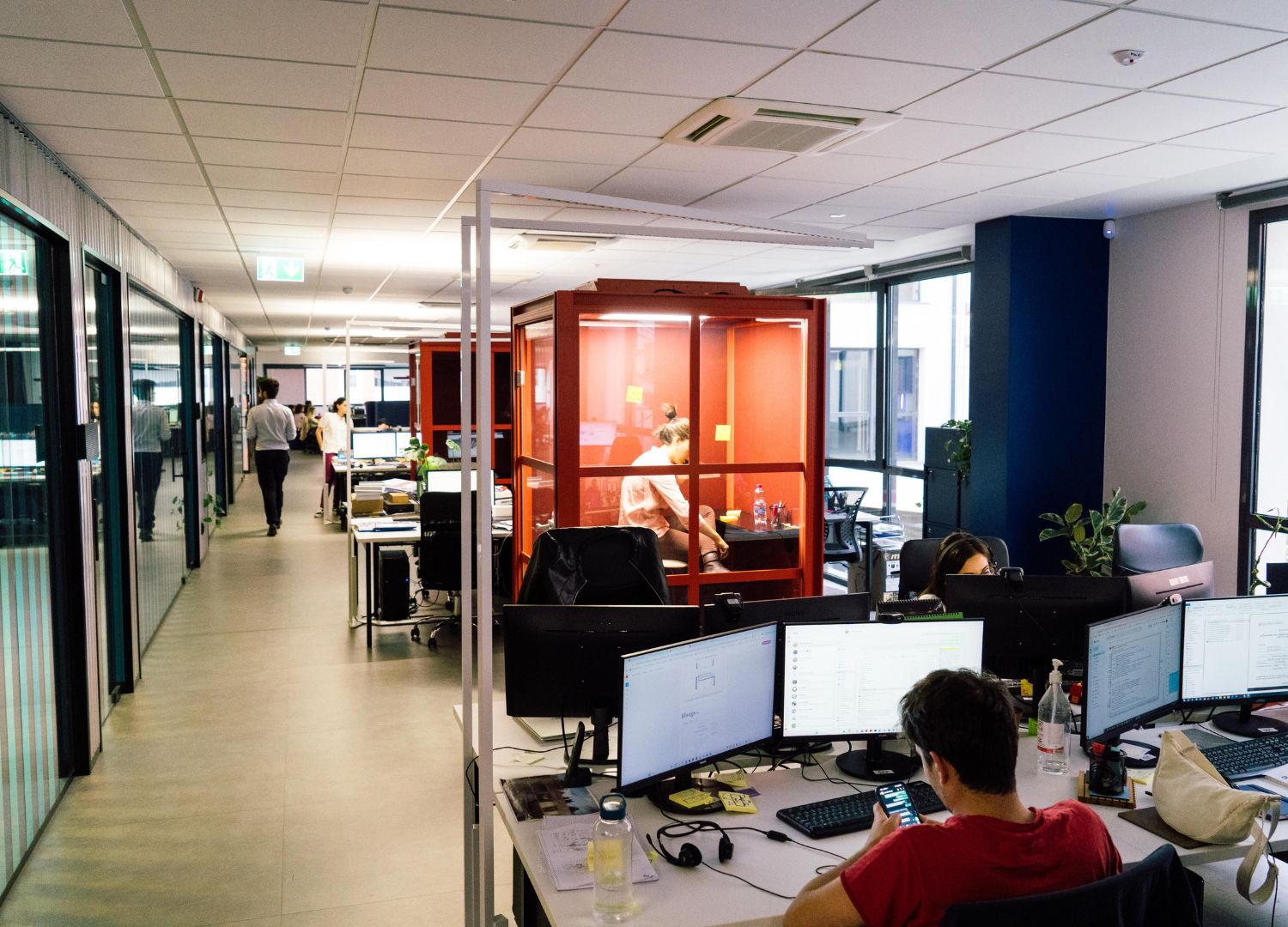
The first is a sensitivity to design—an attention to clients, architectural expression, and the aesthetic fascination that characterizes their projects. The second is what they describe as a constant sense of adventure, a willingness to approach each new commission with the same curiosity and playfulness that marked their beginnings. Even as the scale of projects and the complexity of stakeholders have increased, that spirit of discovery has endured as part of the studio’s DNA.

This mindset is also reflected in the way Settanta7 interprets sustainability. Rather than limiting the concept to environmental performance, the practice sees it as a broader responsibility that includes social and economic dimensions. Projects are approached with the ambition to deliver long-term positive impact, shaping not only buildings but also the lives of their users and the urban contexts they inhabit.
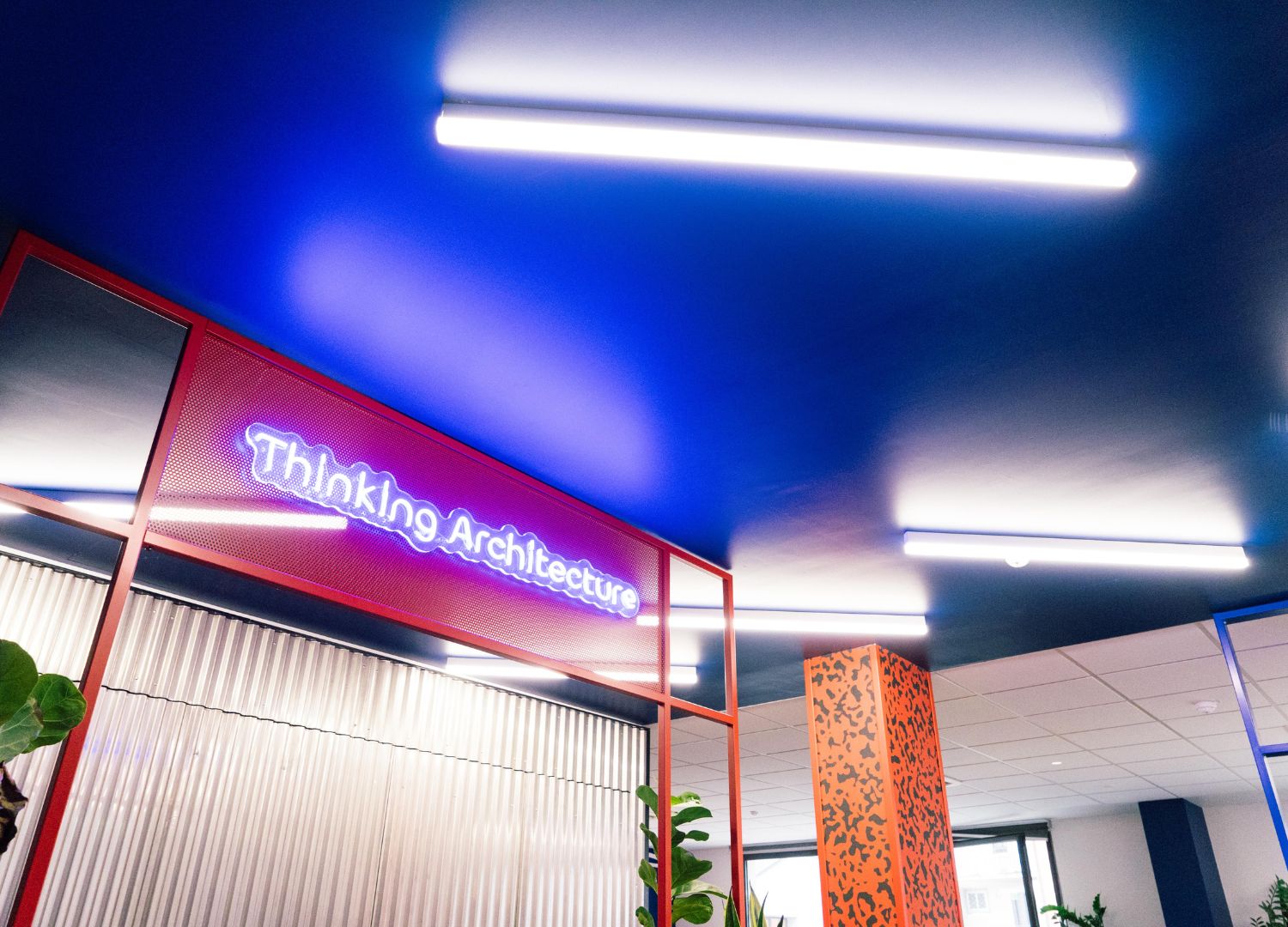
Two recent projects, the Bosco della Musica in Milan and La Ciambra in Gioia Tauro, exemplify this philosophy. Though they serve very different audiences—one dedicated to the Italian music elite through the Conservatory of Milan, the other addressing the urgent need for social housing in one of southern Italy’s most marginalized neighborhoods—they share a similar foundation. Both intervene in fragile, degraded areas, engaging with complex histories and local challenges. Settanta7’s response is to create architecture that is not just functional, but iconic—designs capable of leaving a mark on the collective imagination while fostering inclusivity and regeneration.

Equally emblematic is Cosmo, a concept developed in response to demographic shifts in Italy and the pressing need for new models of living for people over 65. Imagined as something between a traditional care residence and a contemporary hotel, Cosmo envisions what Rangone calls a “permanent cruise on land.” Its colorful and inclusive spaces, designed with natural materials, are meant to overturn stereotypes of elderly housing and address the stigma often associated with such facilities. Families, instead of facing guilt, are offered the prospect of an alternative that values dignity, comfort, and community.
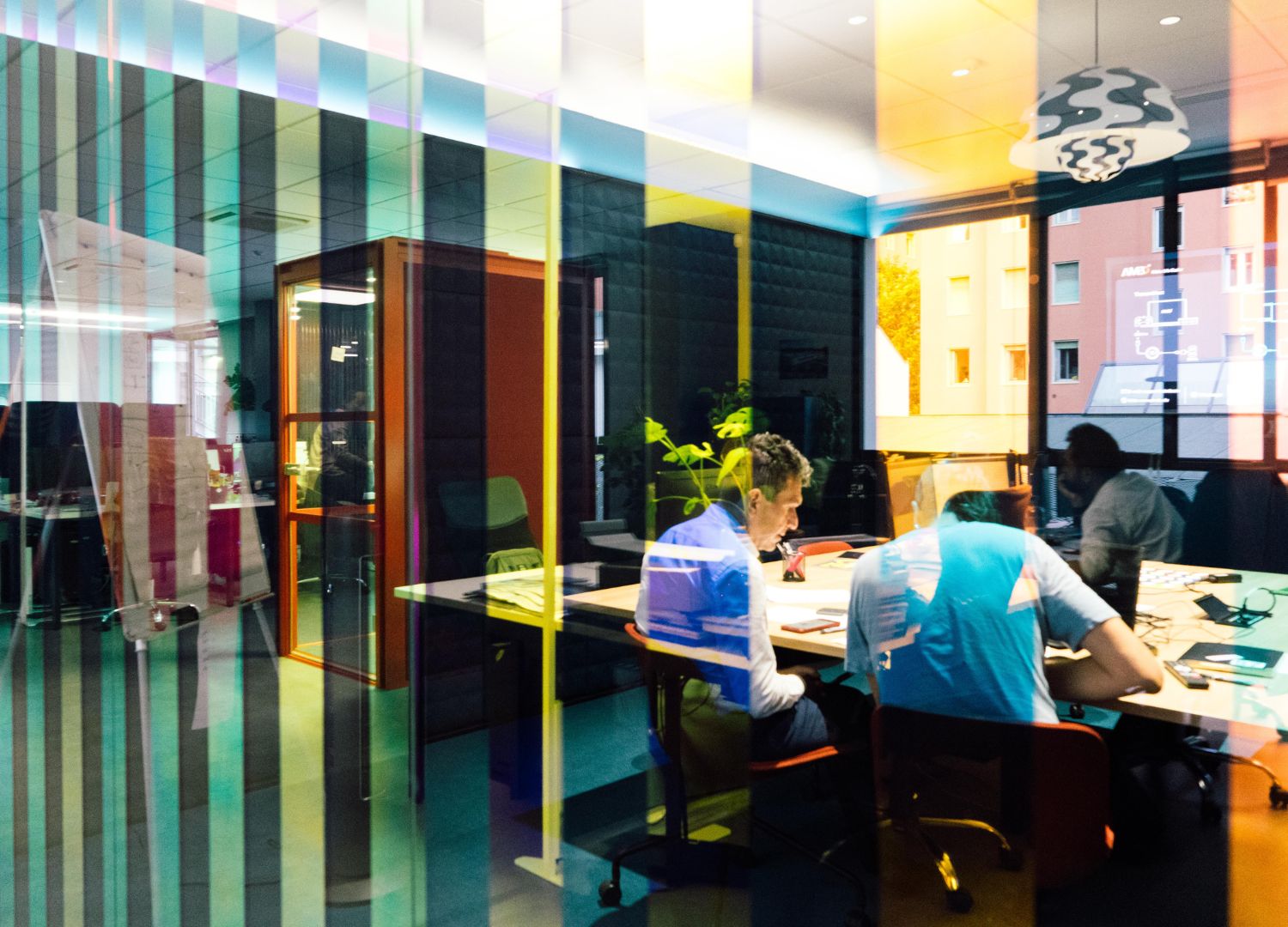
Cosmo is also significant because it reaches beyond architecture in the strict sense. Its conceptual development involved geriatricians, psychologists, interior designers, and even a Michelin-starred chef, all contributing insights on how to place the resident at the center of the experience. The outcome is a model that reflects spatial innovation but also ethical and social commitment. With its replicable framework, Cosmo blends commercial scalability with a humanistic foundation, reaffirming Settanta7’s belief that architecture must respond to both market and moral imperatives.
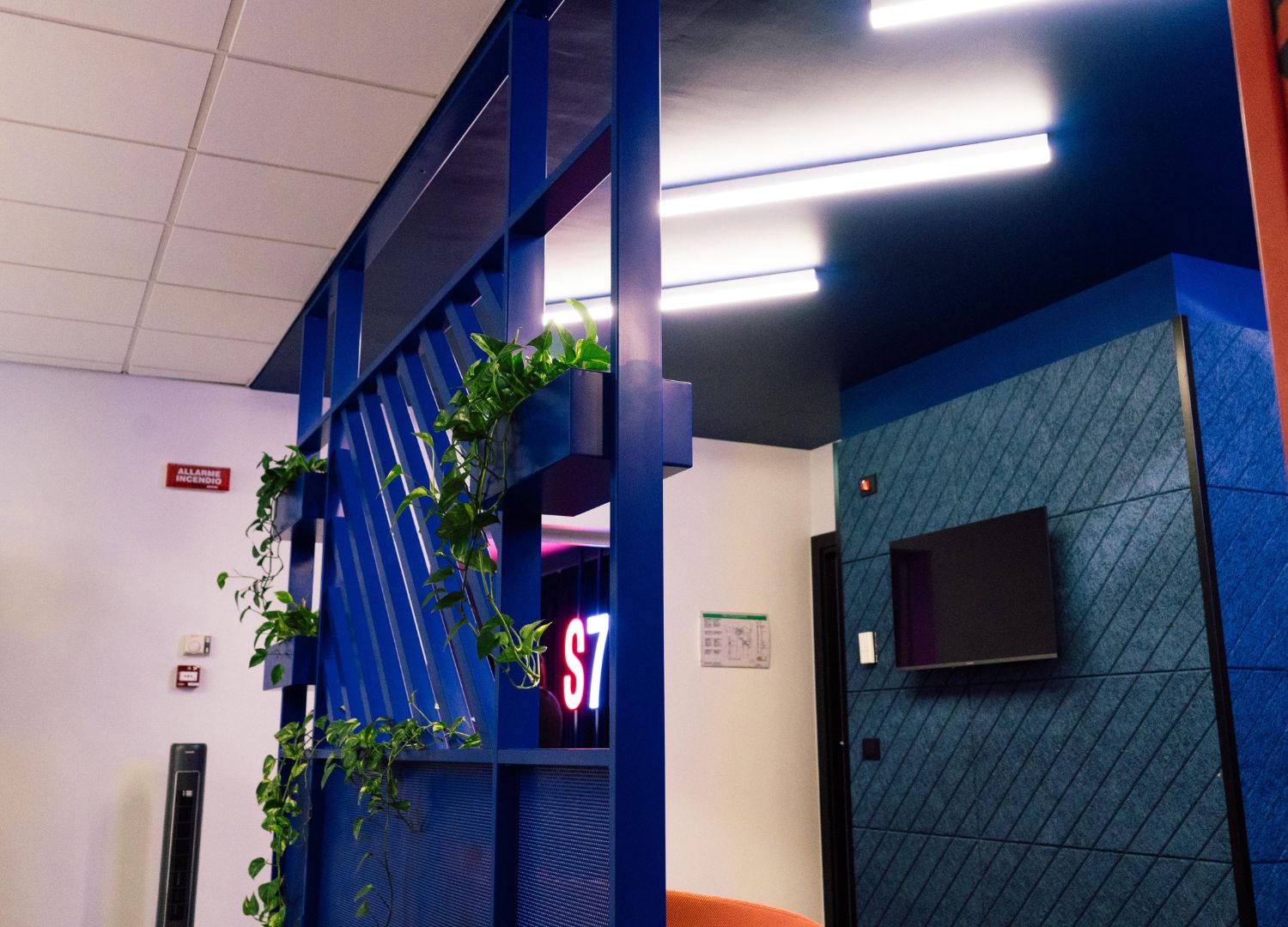
The journey of Settanta7 illustrates how a studio can grow rapidly while preserving its values. What defines the practice is less a specific formal language than a way of approaching design: sensitive to context, inclusive in vision, and adventurous in spirit. From cultural institutions to social housing and new models of senior living, their projects embody a balance between imagination and pragmatism.
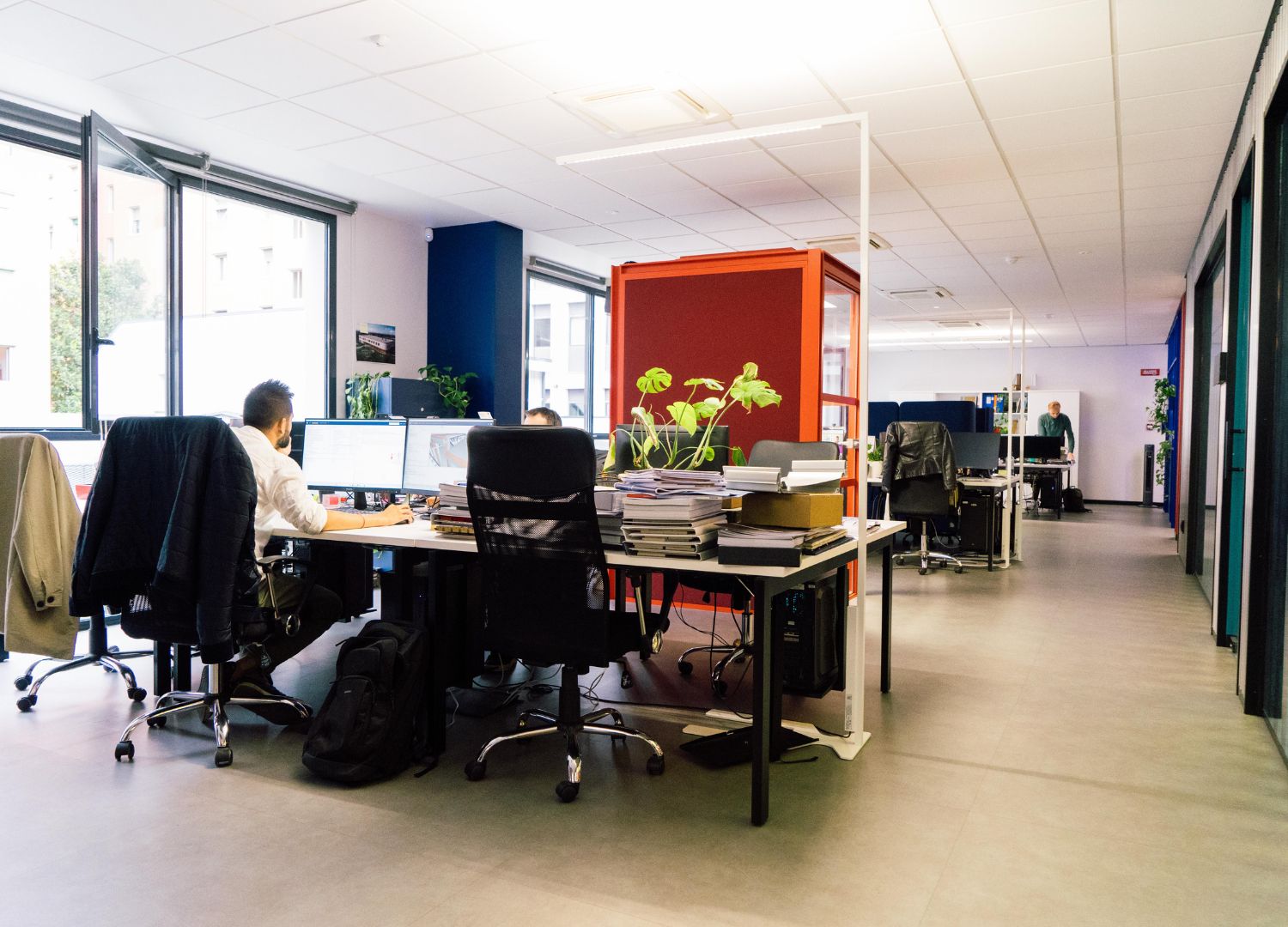
In the end, what emerges from visiting Settanta7 is the sense that architecture for them remains an exploration—an ongoing adventure where curiosity is never abandoned, and each project becomes an opportunity to rethink what design can offer to society.
The original BEHIND series comes to life thanks to the invaluable support of our trusted partners: