From needles to microdots: how CipherX is rethinking tattooing
Hundreds of tiny dissolvable needles deliver pigment into the skin through a small patch: London-based startup CipherX is rethinking tattooing by bringing together biotechnology, engineering, and design. Even for those afraid of needles.
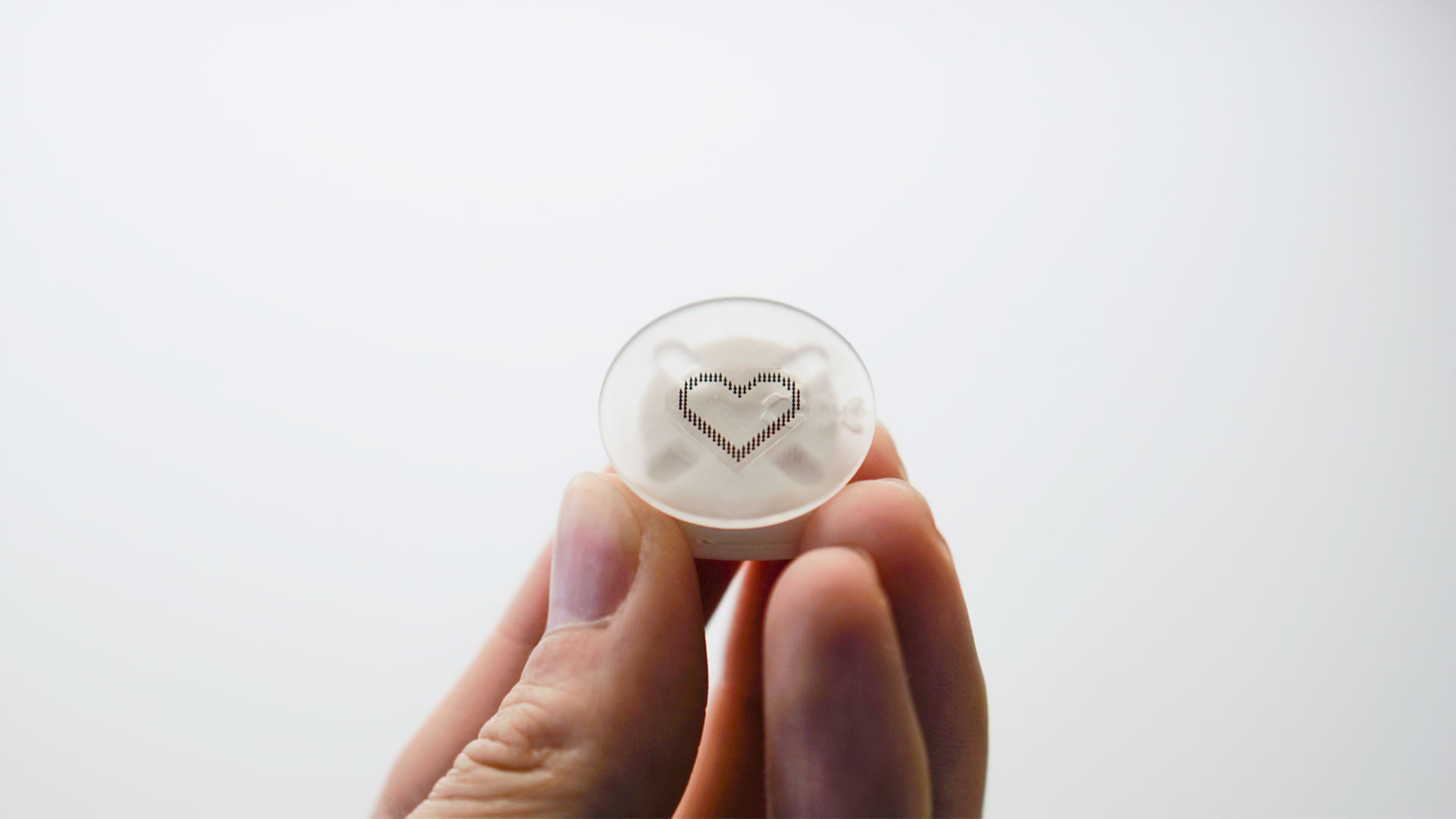
Minimal discomfort, a fast application and limited aftercare: this is how CipherX aims to rethink the tattooing process. But to understand what really changes, it is worth starting with the element that has long defined this ancient form of body art: the needle. A process that has remained largely unchanged over time (with, of course, some variations in the tools used) and now the London-based startup, working at the intersection of biotechnology, engineering and product design, is taking a different approach.
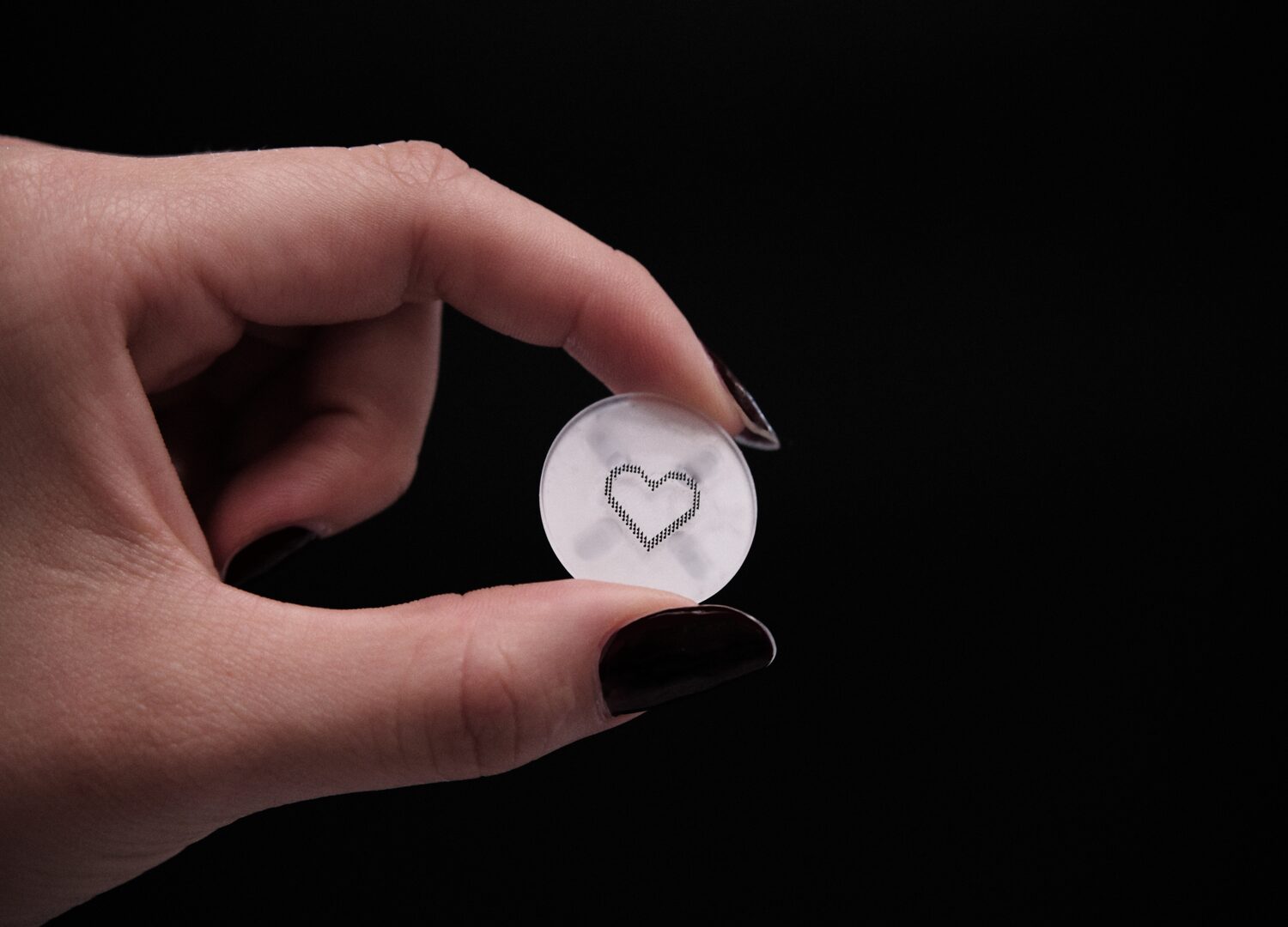
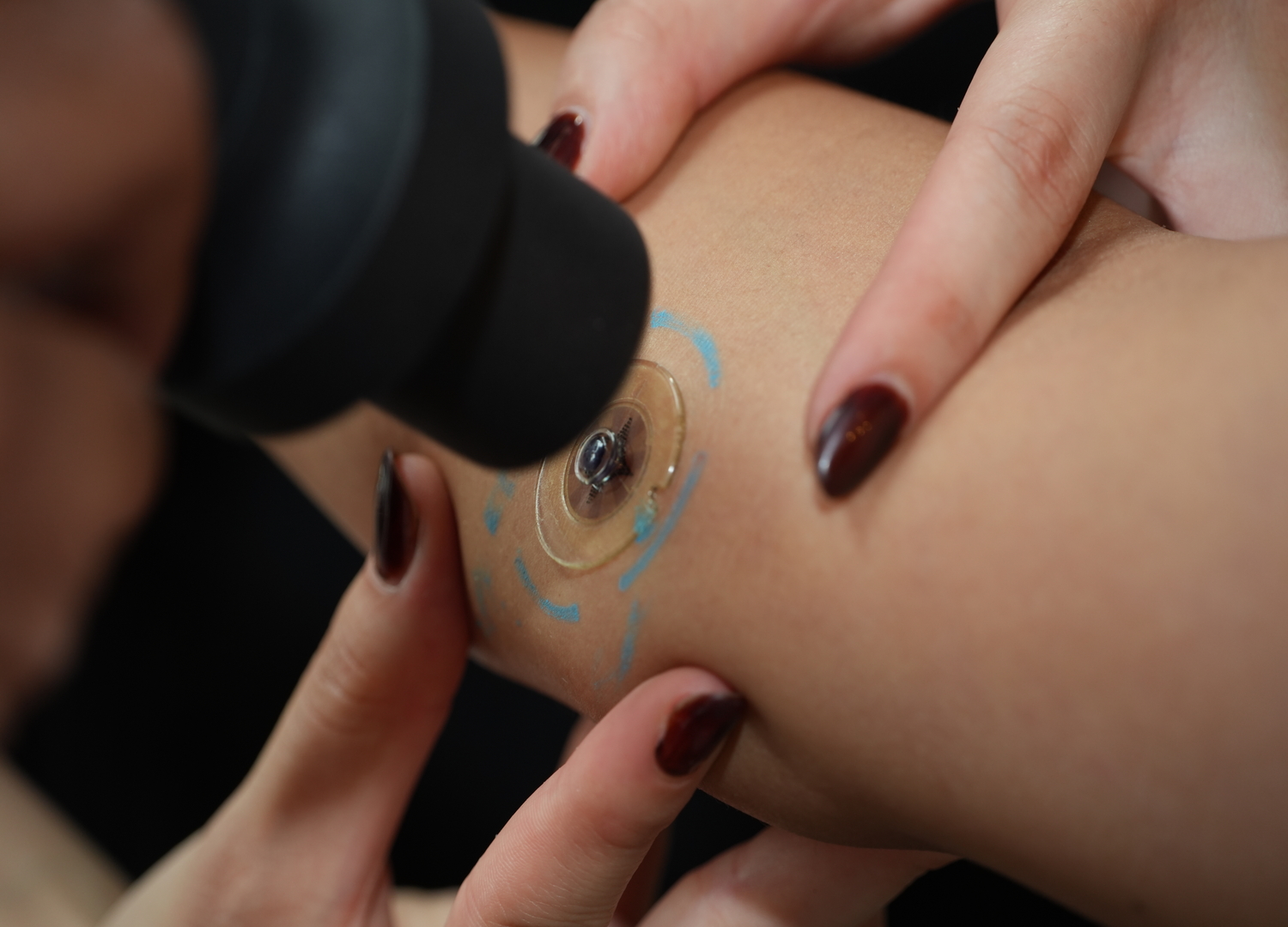
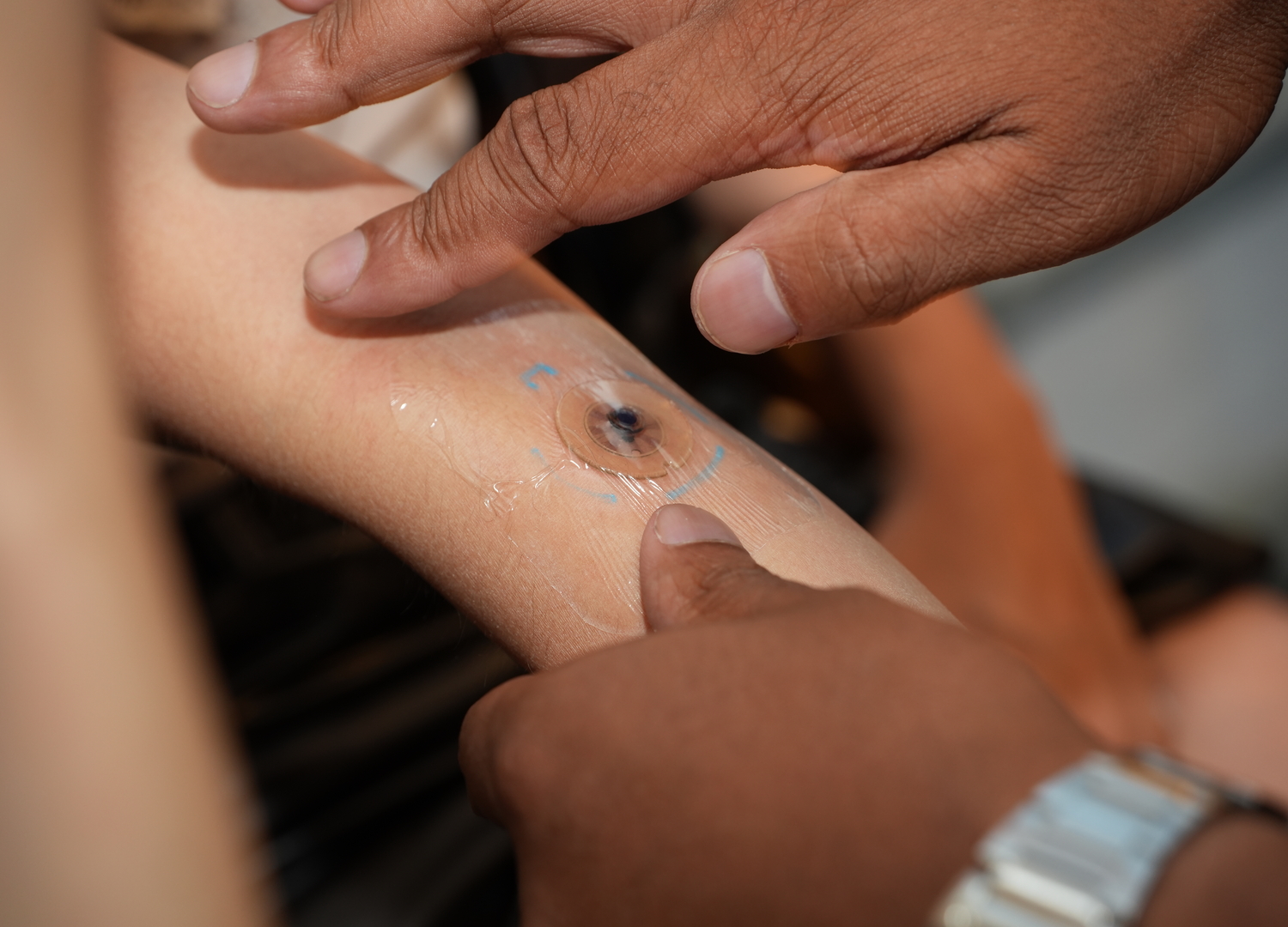
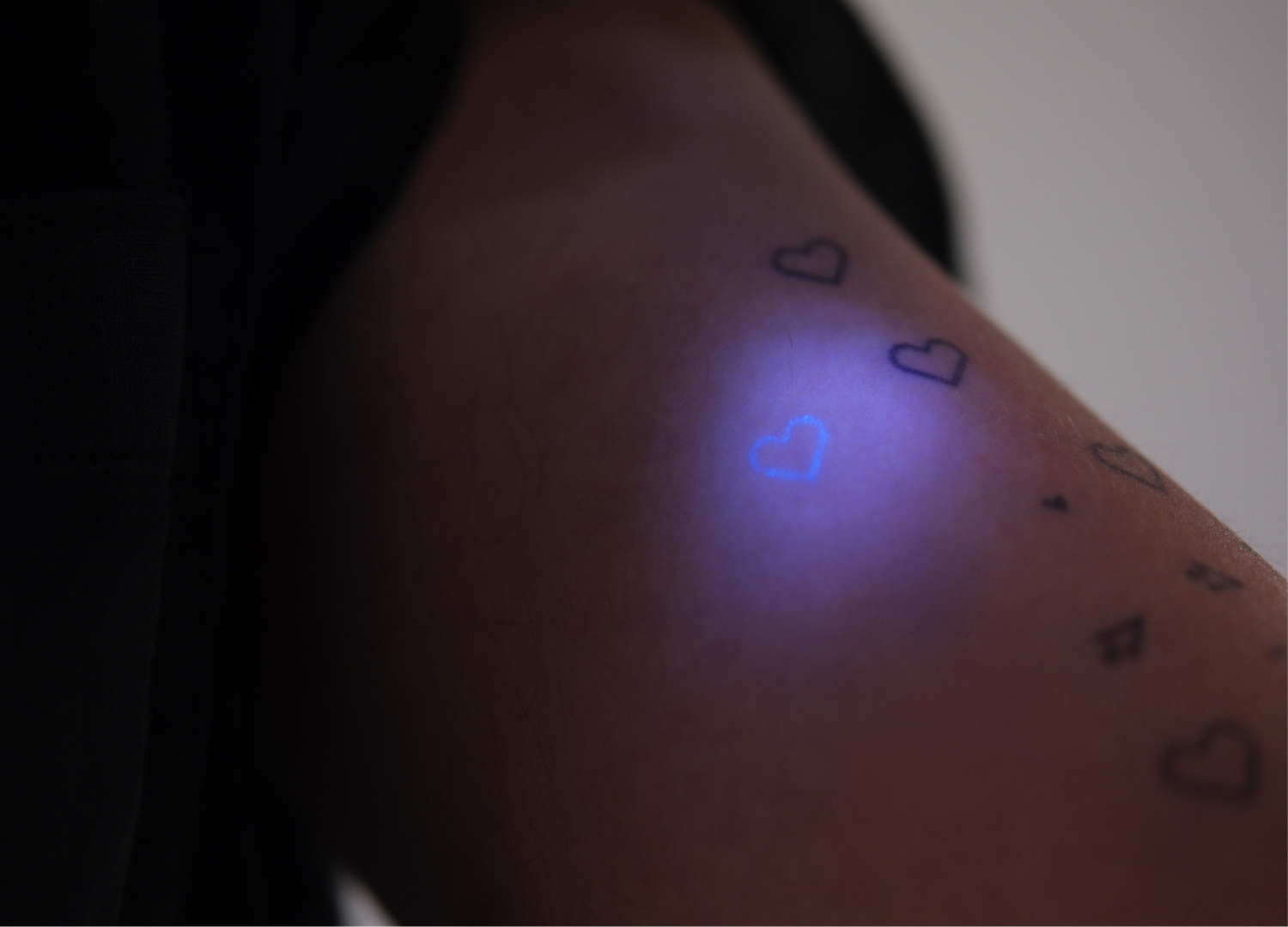
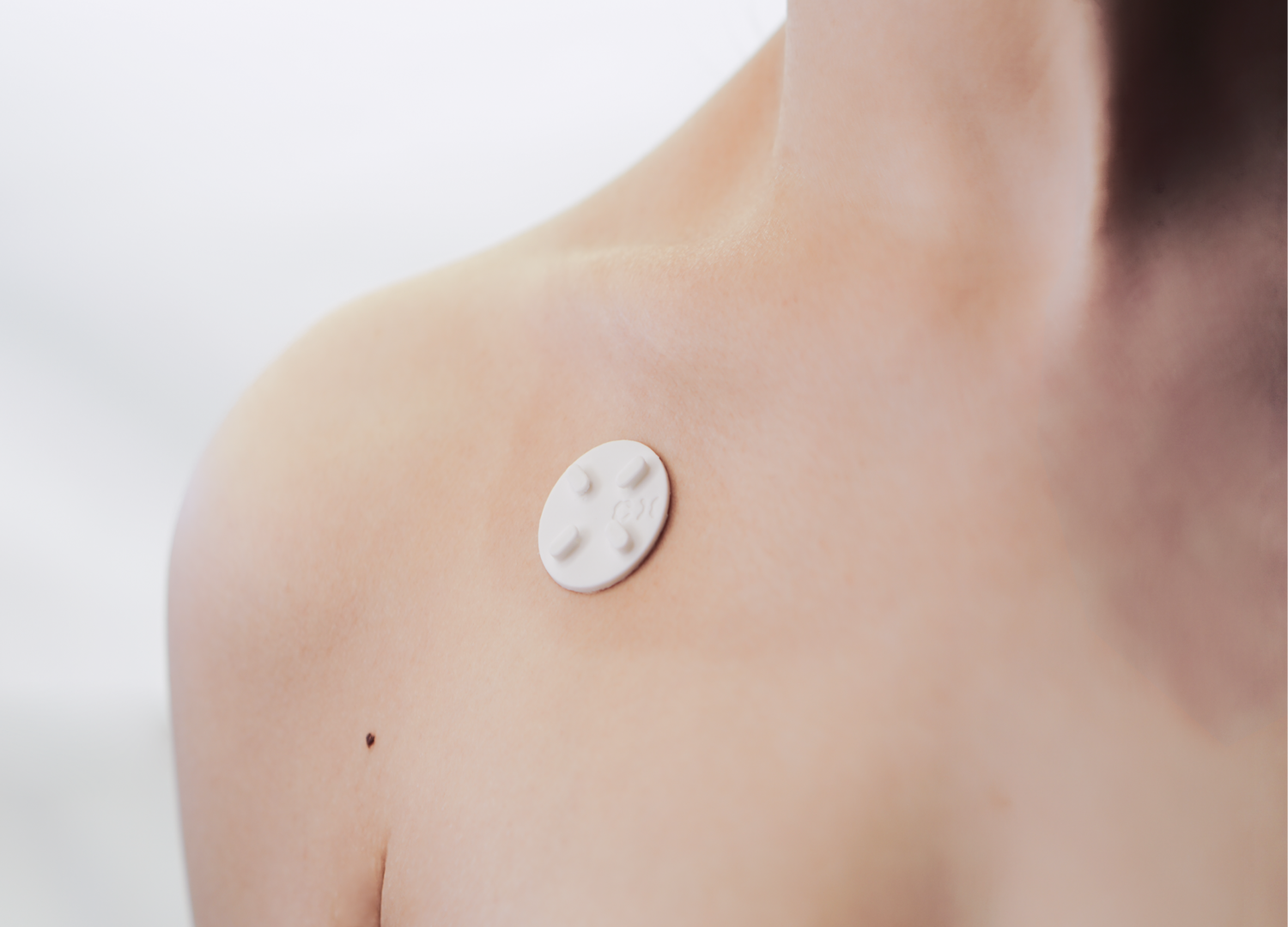
The idea is called Microdot Tattoo. Small but fundamental, the system replaces the traditional tattoo machine with a small patch made up of hundreds of dissolvable microneedles applied directly to the skin. The system aims to reduce discomfort and make the process more accessible to people who may have avoided tattoos because of a fear of pain or needles.
Gallery
Open full width

Open full width
From needles to microdots:
A single patch, hundreds of microneedles, an image on the skin
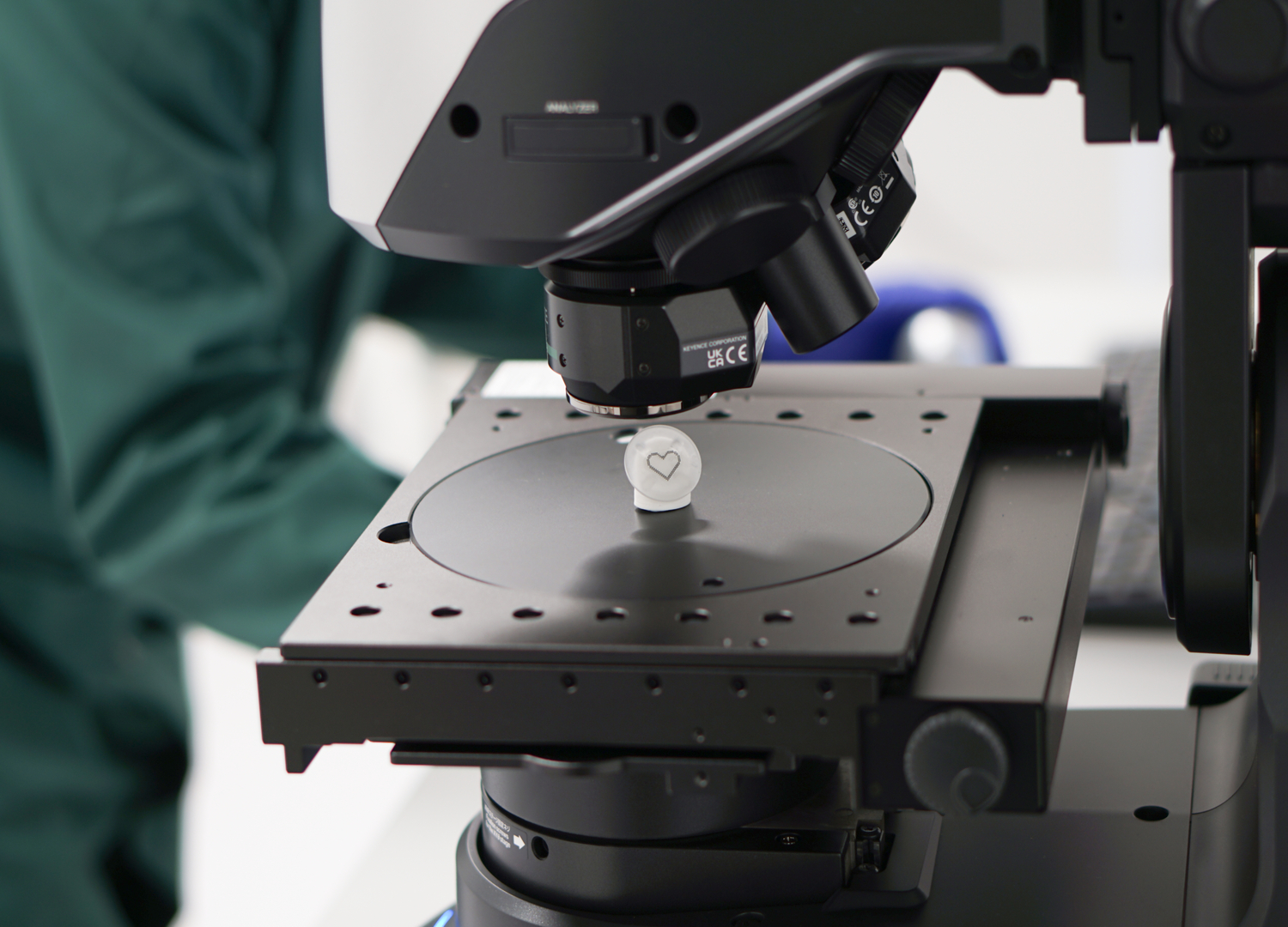
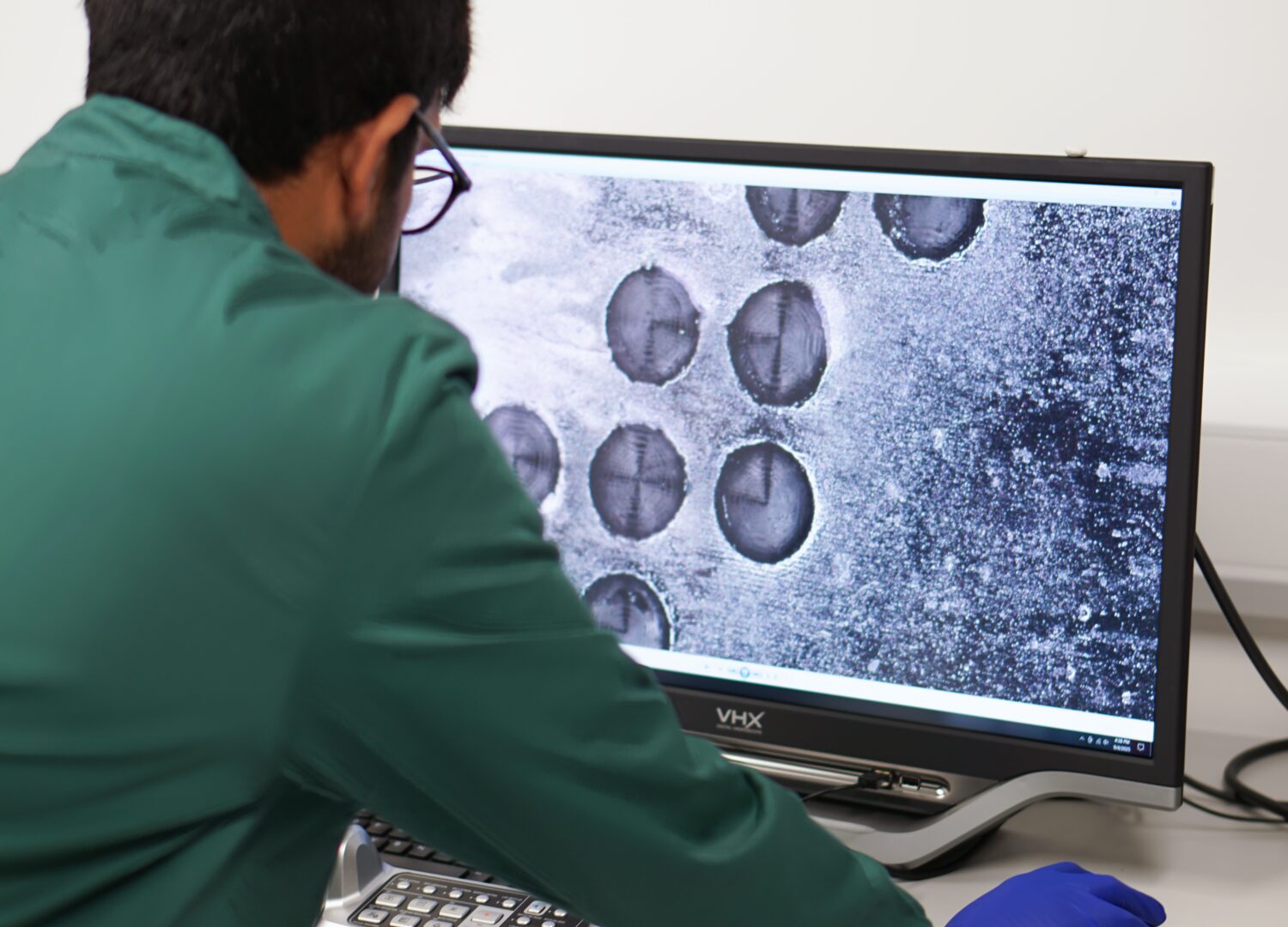
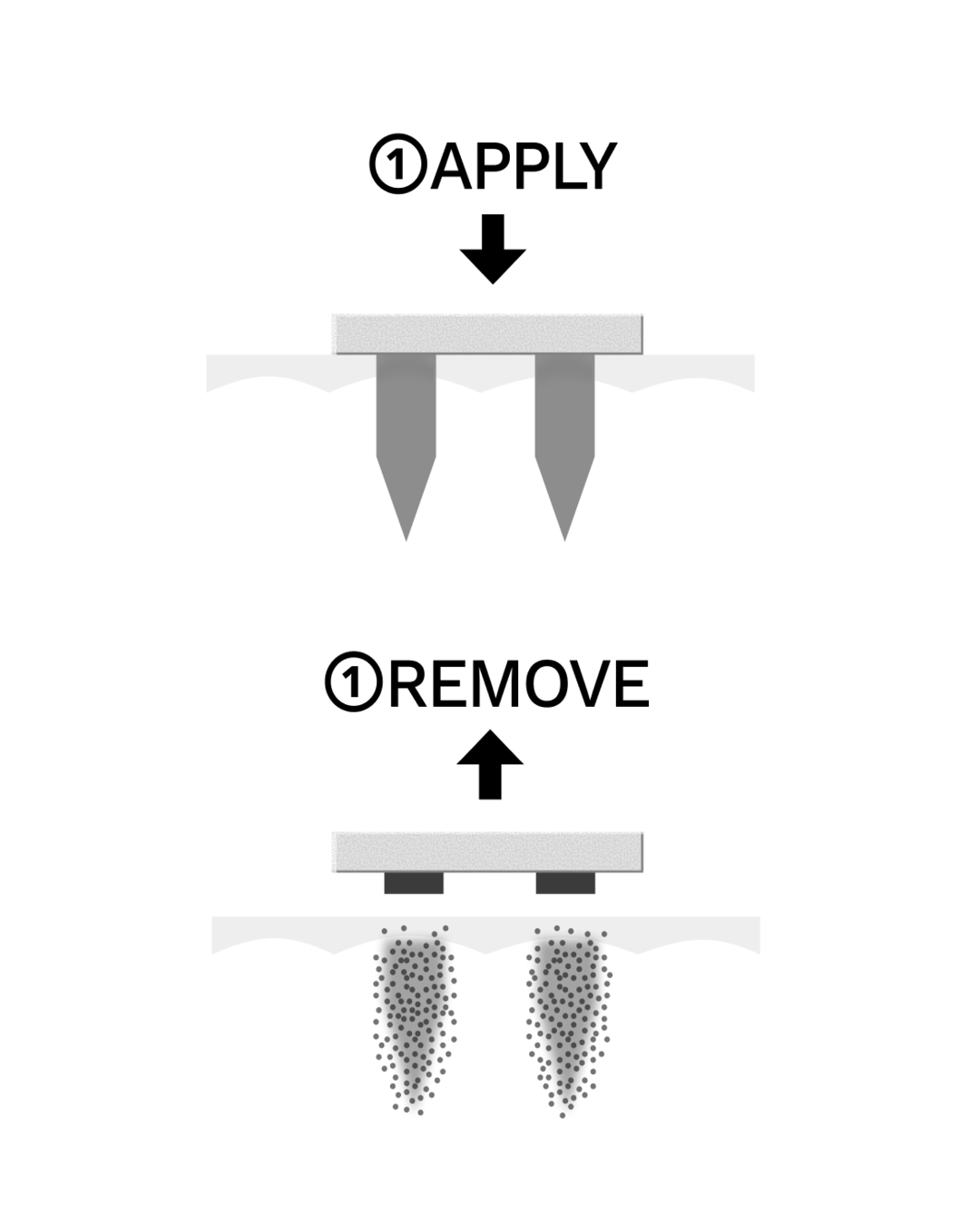
At the heart of Microdot Tattoo – whose system is based on existing biomedical technologies developed for applications such as drug and vaccine delivery – is an array of hundreds of dissolvable microneedles that penetrate the skin and release the pigment. Arranged like tiny pixels, the microneedles work together to create a predefined image, turning a digital design into a single-use patch.
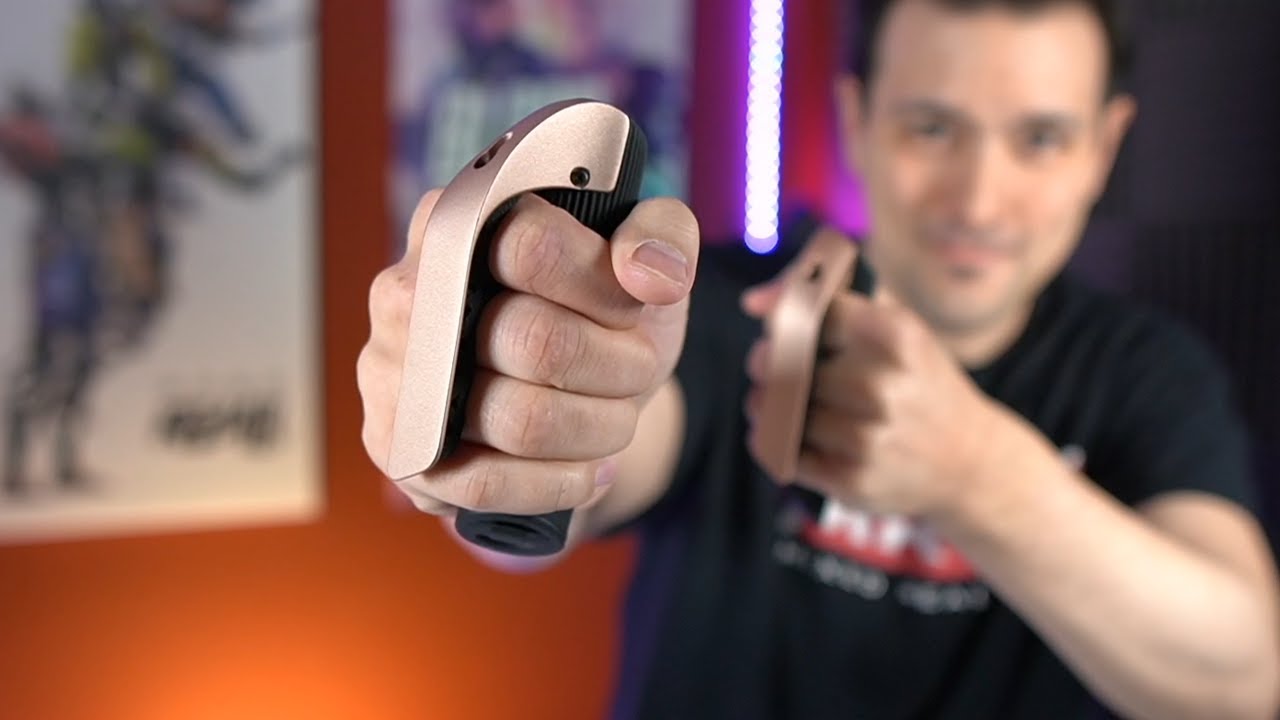
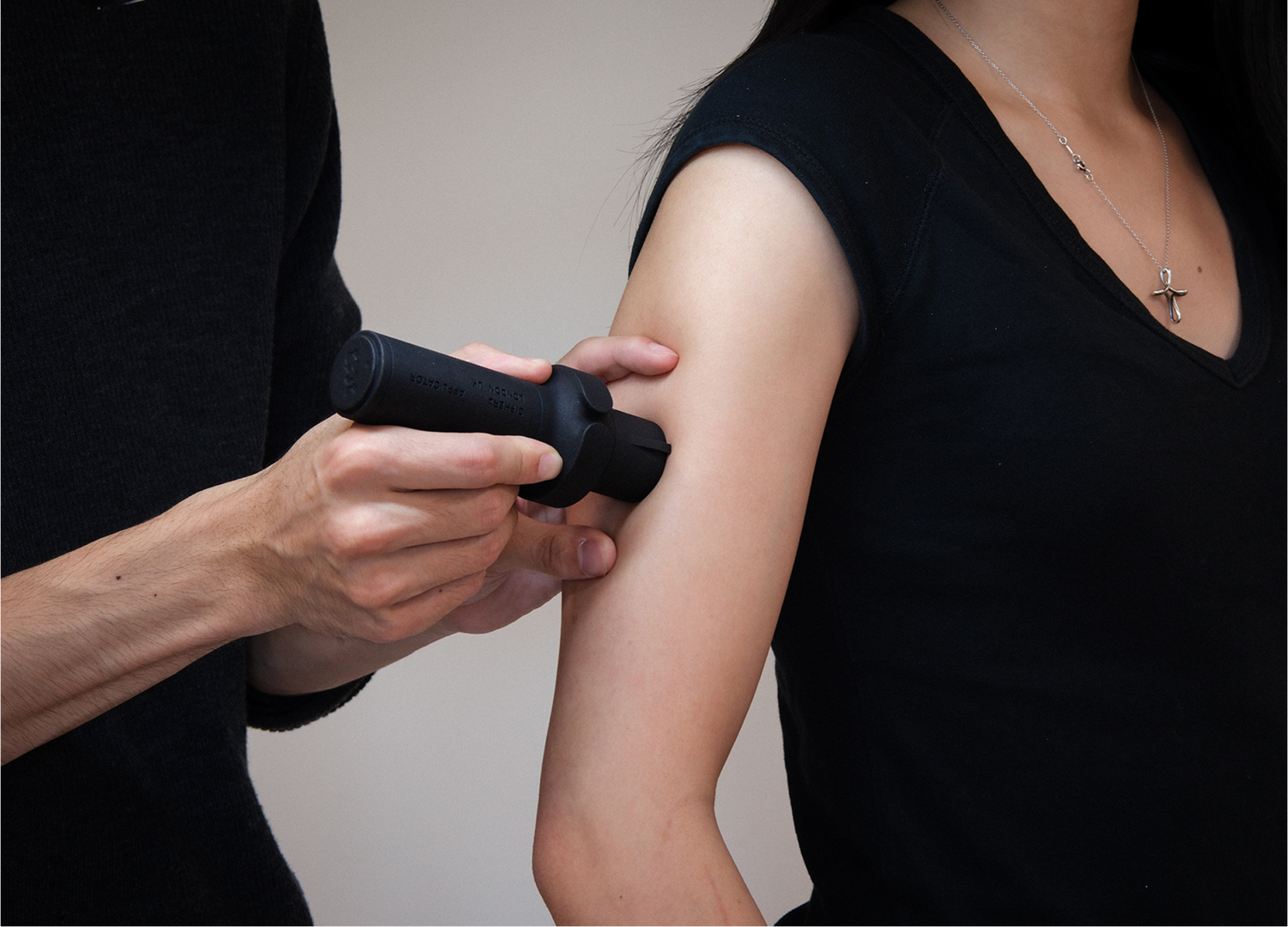
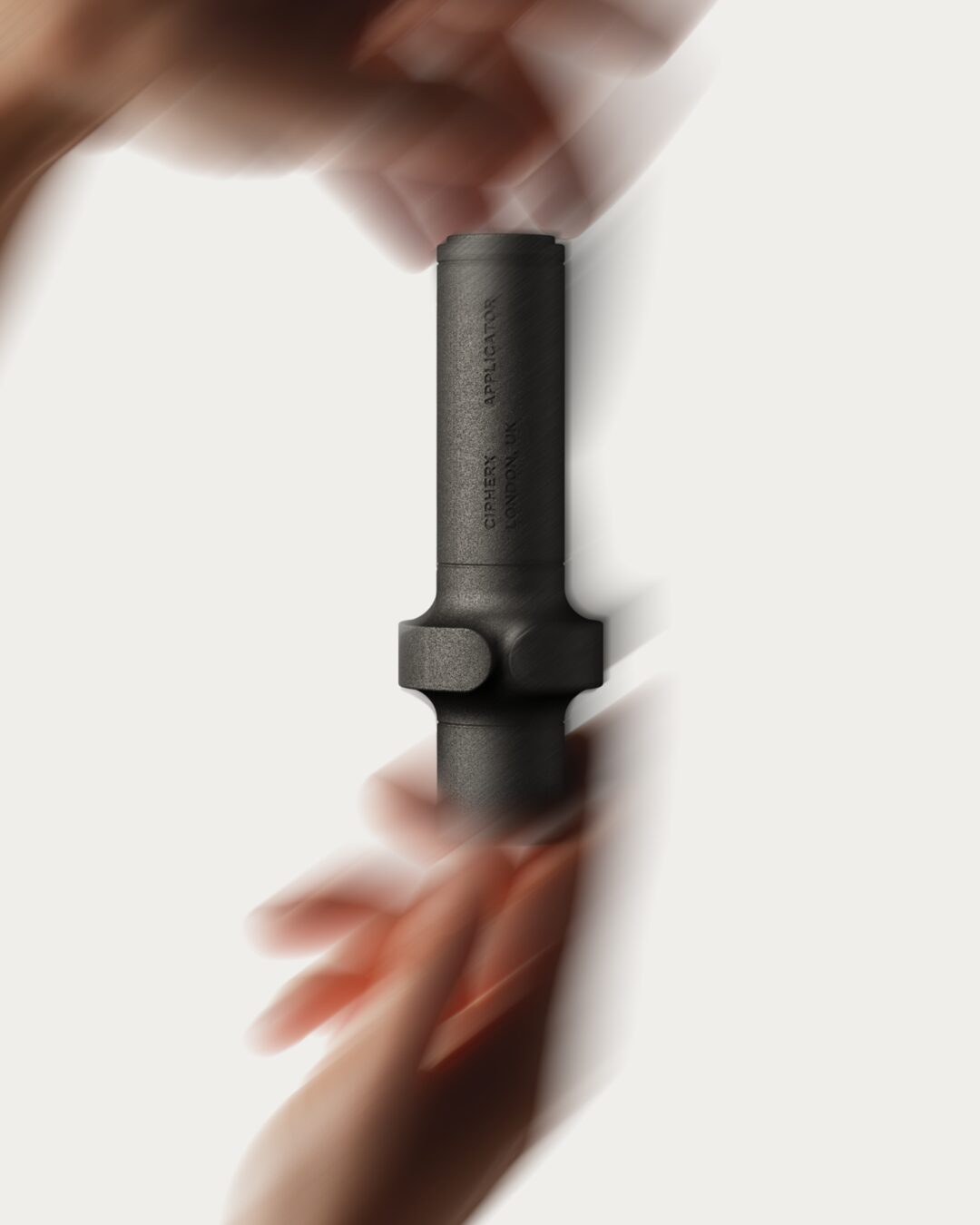
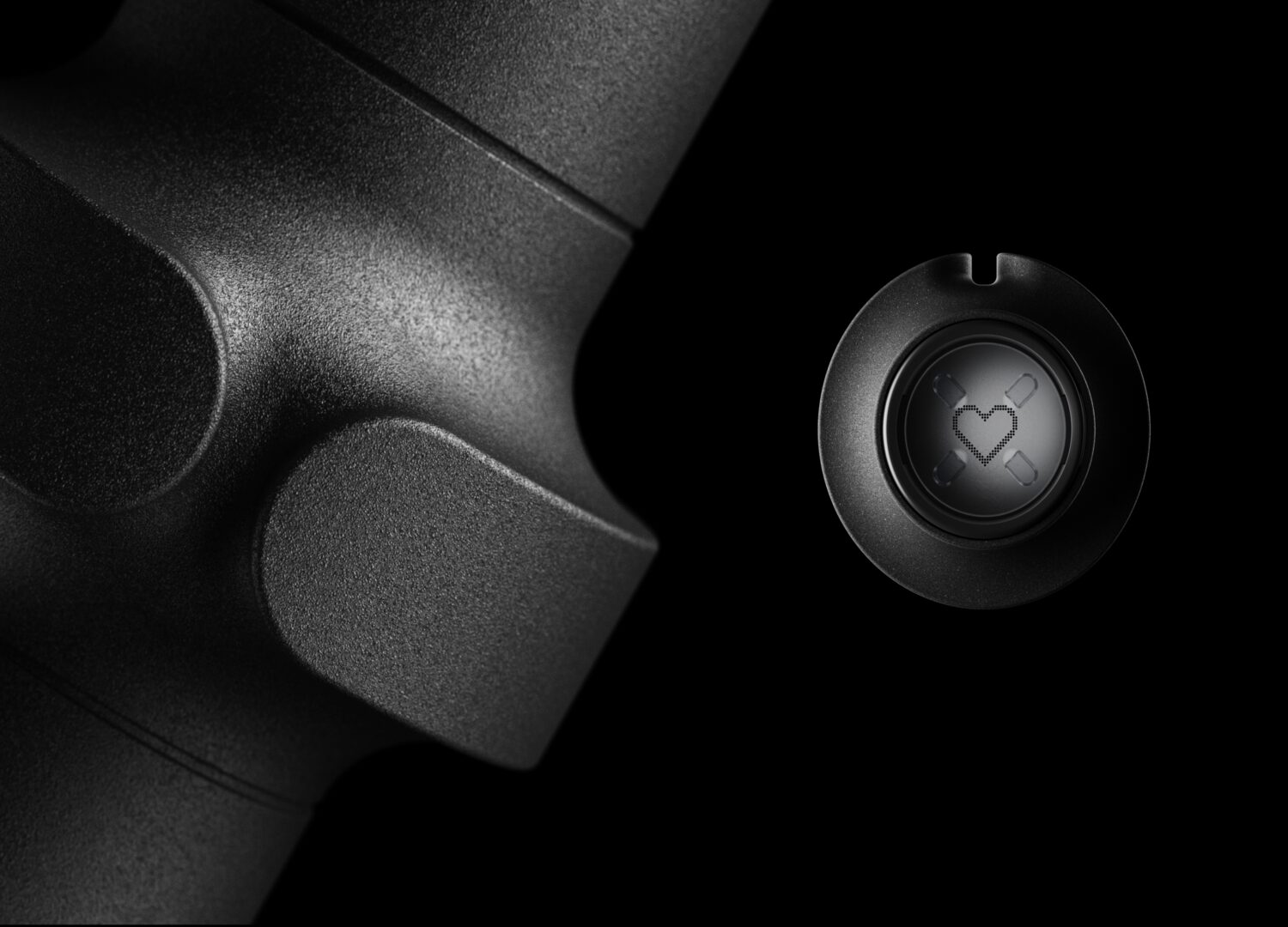
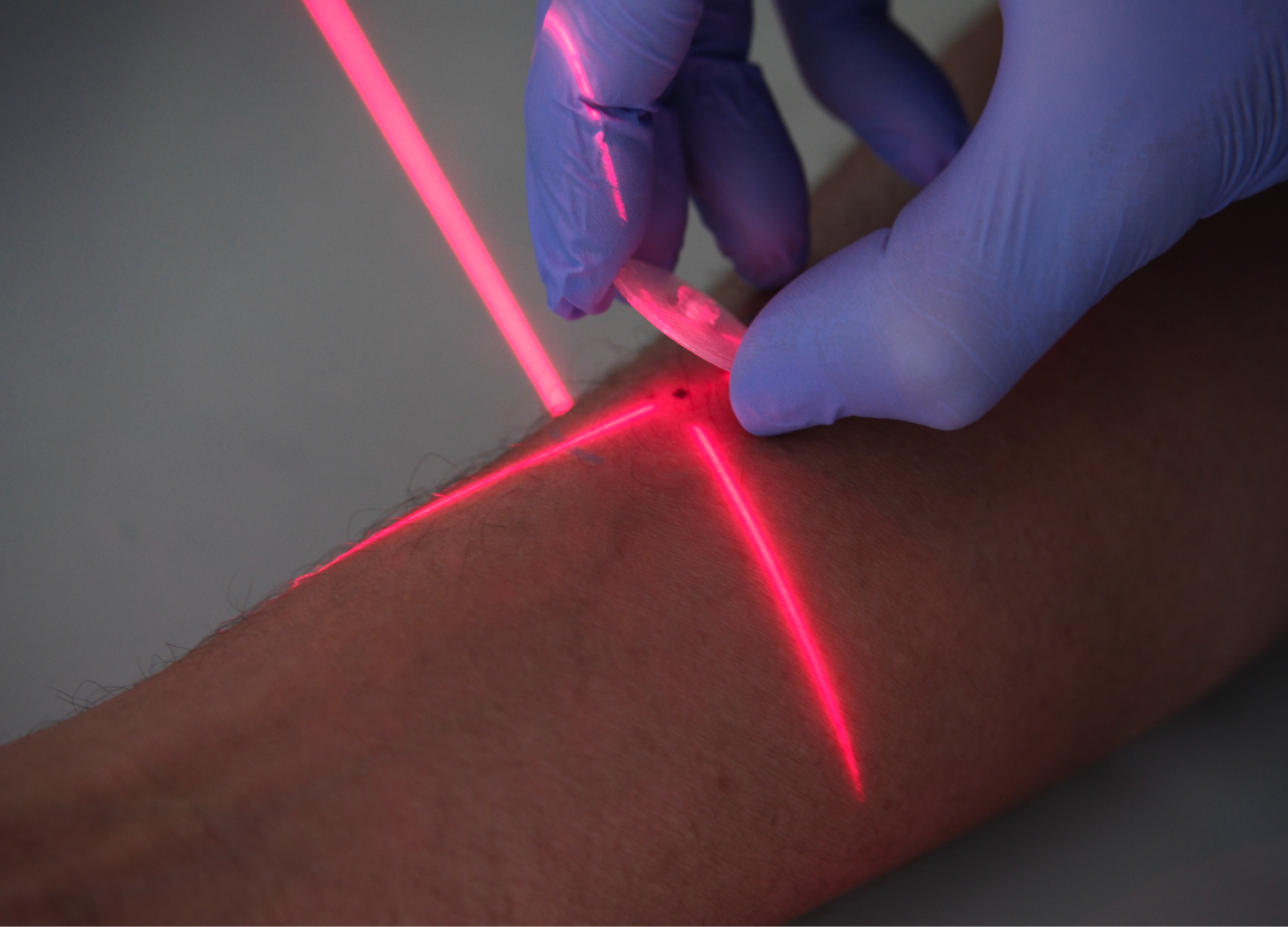
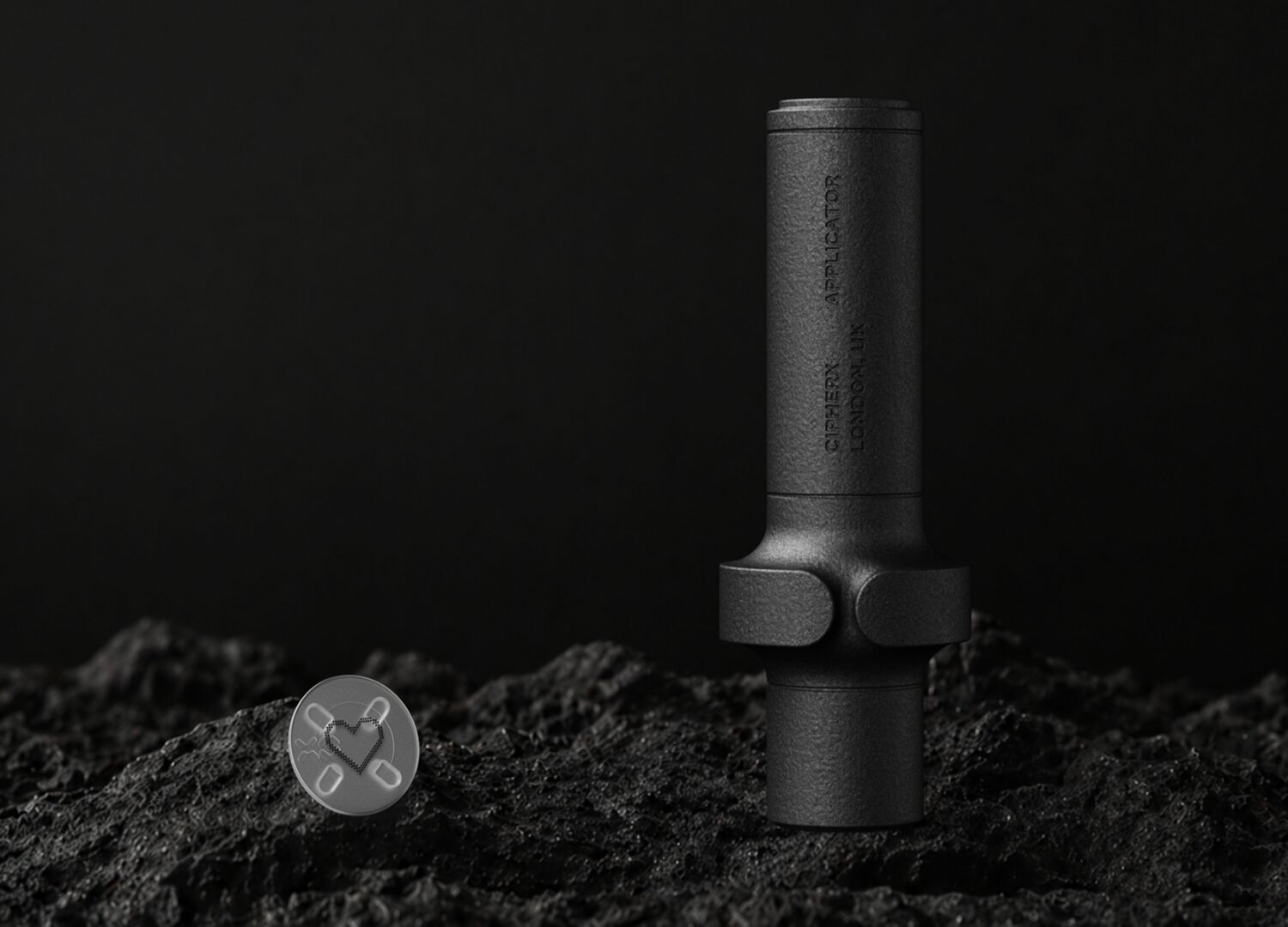
The process requires a trained operator, who positions the patch on the skin using a dedicated handheld device. It remains in place for around 10–15 minutes while the microneedles dissolve and deposit the pigment. Aftercare is also relatively simple: temporary redness may appear after application, and the area should be kept clean while avoiding rubbing, swimming or strenuous exercise during the first 24 hours. The tattoo gradually darkens and generally reaches its final appearance within 24–48 hours. For now, the system is designed for small, monochromatic tattoos featuring simple graphic elements such as fine lines, dots and pixel-inspired designs.
From a personal fear to a forward-looking project
The idea for CipherX emerged in 2020 from a personal fear and a background in materials science and biomedical technology. The concept was developed by Ferdinand Kohle, a scientist and designer with a PhD in Materials Science from Cornell University.
As Kohle explains: “I was interested in tattoos, but it was inaccessible to me because of my fear of needles and blood. This led me to ask whether advances in microneedle technology could change the practice of tattooing. What started as a personal question became a much broader exploration of how tattooing could be rethought through modern engineering, manufacturing and human-centred design.” Karl-Anton Harms, a former surgeon, later joined the project as co-founder, bringing medical expertise to Kohle’s background in materials and design. Today, the two lead as CEO and CTO respectively.
A technology looking beyond tattooing
Microdot Tattoo is CipherX’s first commercial application, but it could be only the beginning. The company is exploring other potential uses for the technology, from cosmetic treatments and health monitoring to medical marking and therapeutic delivery. However, these developments remain separate from the tattoo product and would, of course, require their own specific development, testing and regulatory pathways.
Meanwhile, Microdot Tattoo has entered the real world. Following its public launch in Shoreditch last July, the service is available by appointment at the CX Flagship Store in White City, as well as through selected events and collaborations. This is where the role of design becomes particularly interesting: it is not simply replacing the needle with a different tool; it is rethinking the process, from the single-use patch and applicator to the customer experience. The approach has already received recognition: it won the Red Dot: Best of the Best 2026, the competition’s highest distinction, for its industrial design and user-centred approach.
In this case, tattooing is the first application of a technology already looking beyond body art.