Currents brings Berlin’s design scene out of hiding
A new, community-built festival is proving that a city famous for art, techno, and startups also has a design identity worth noticing, even if starting from the ground up.
Berlin has spent decades being everything except a design city, at least in the general imagination. It’s the capital of European nightlife, a magnet for artists, a nucleus of architecture, yet it rarely comes to mind when talking about design. This gap is about to close thanks to a new festival called Currents. Design in Berlin, which just staged its first 3-day edition this September.
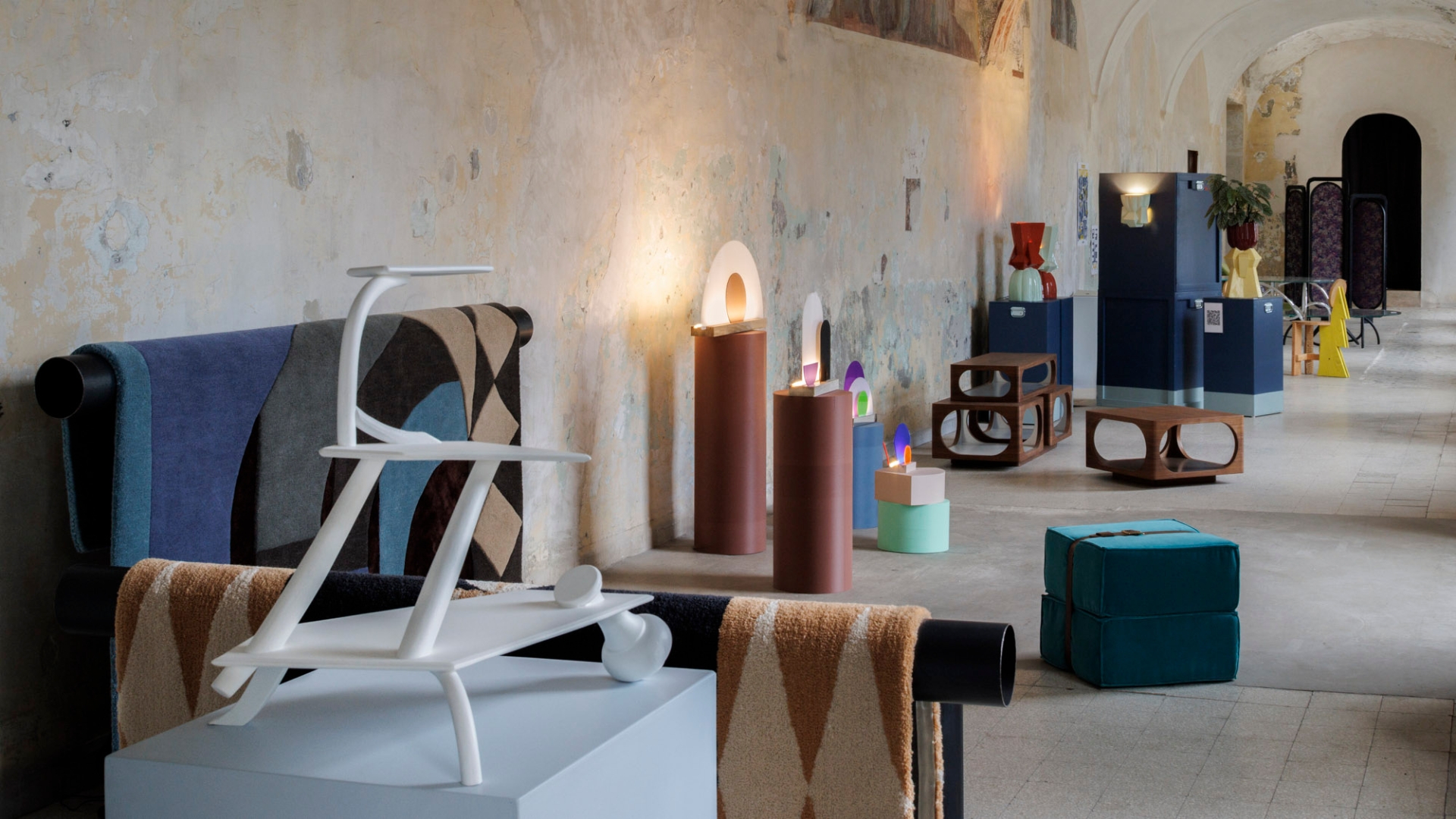
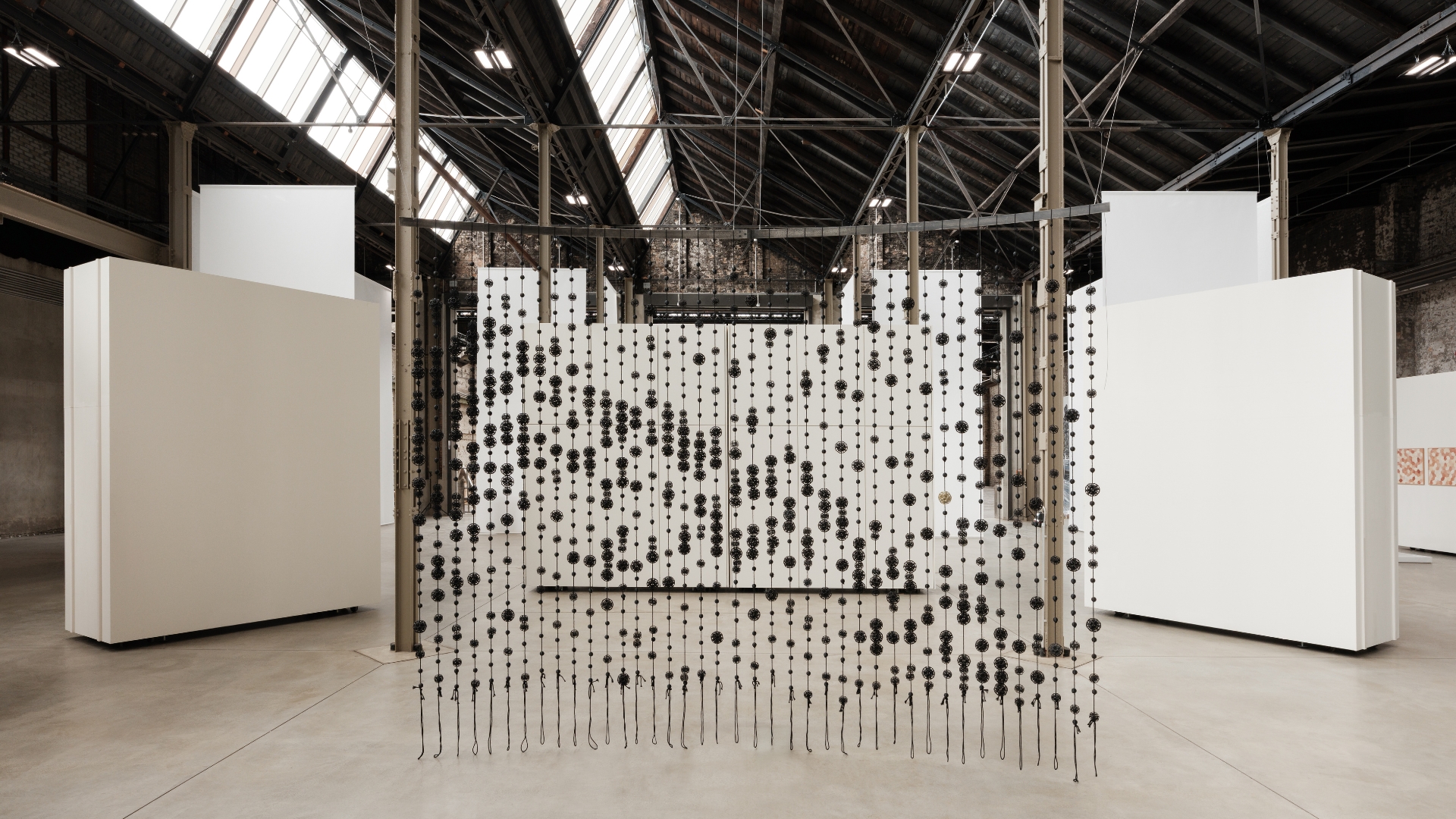
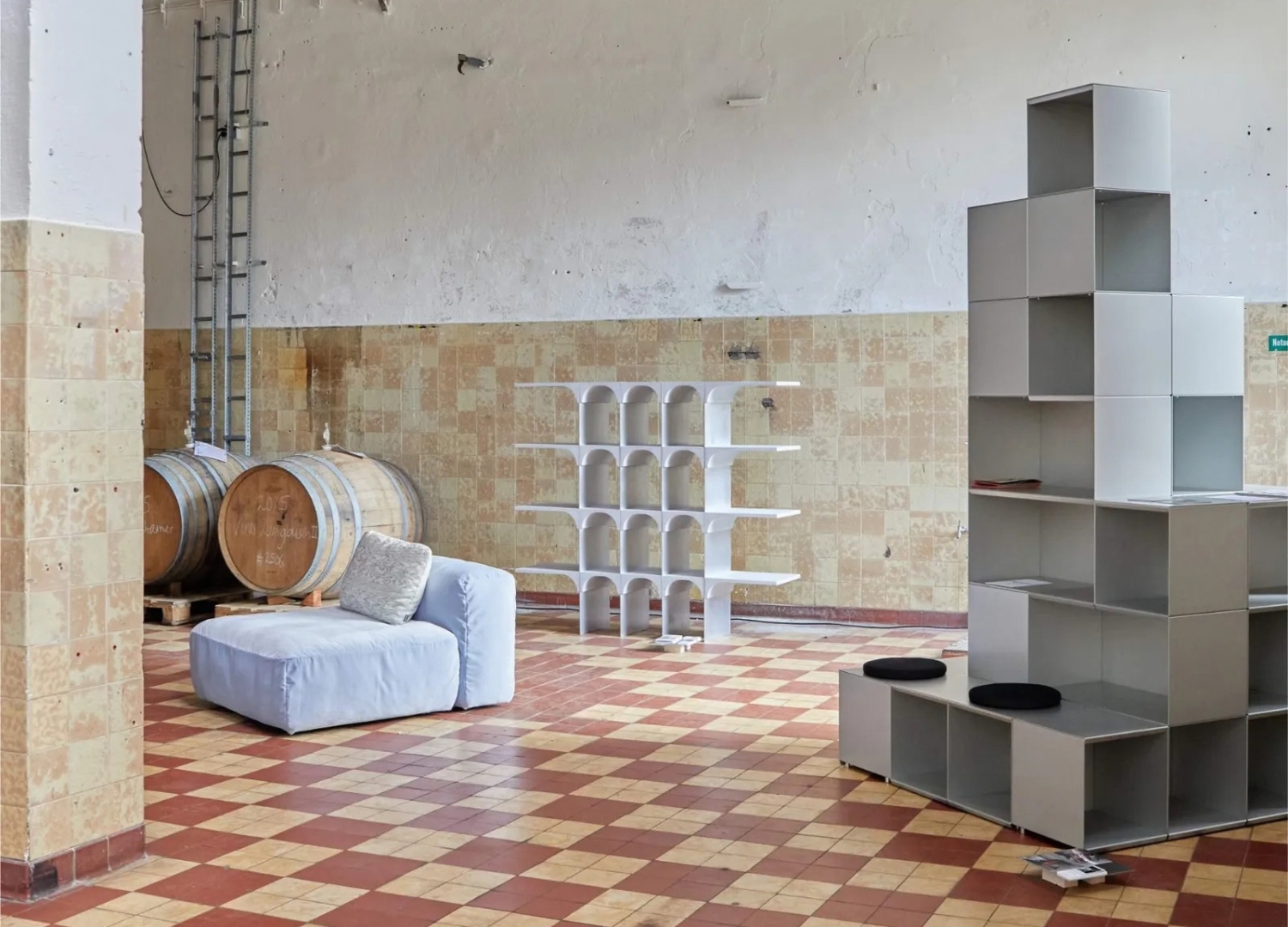
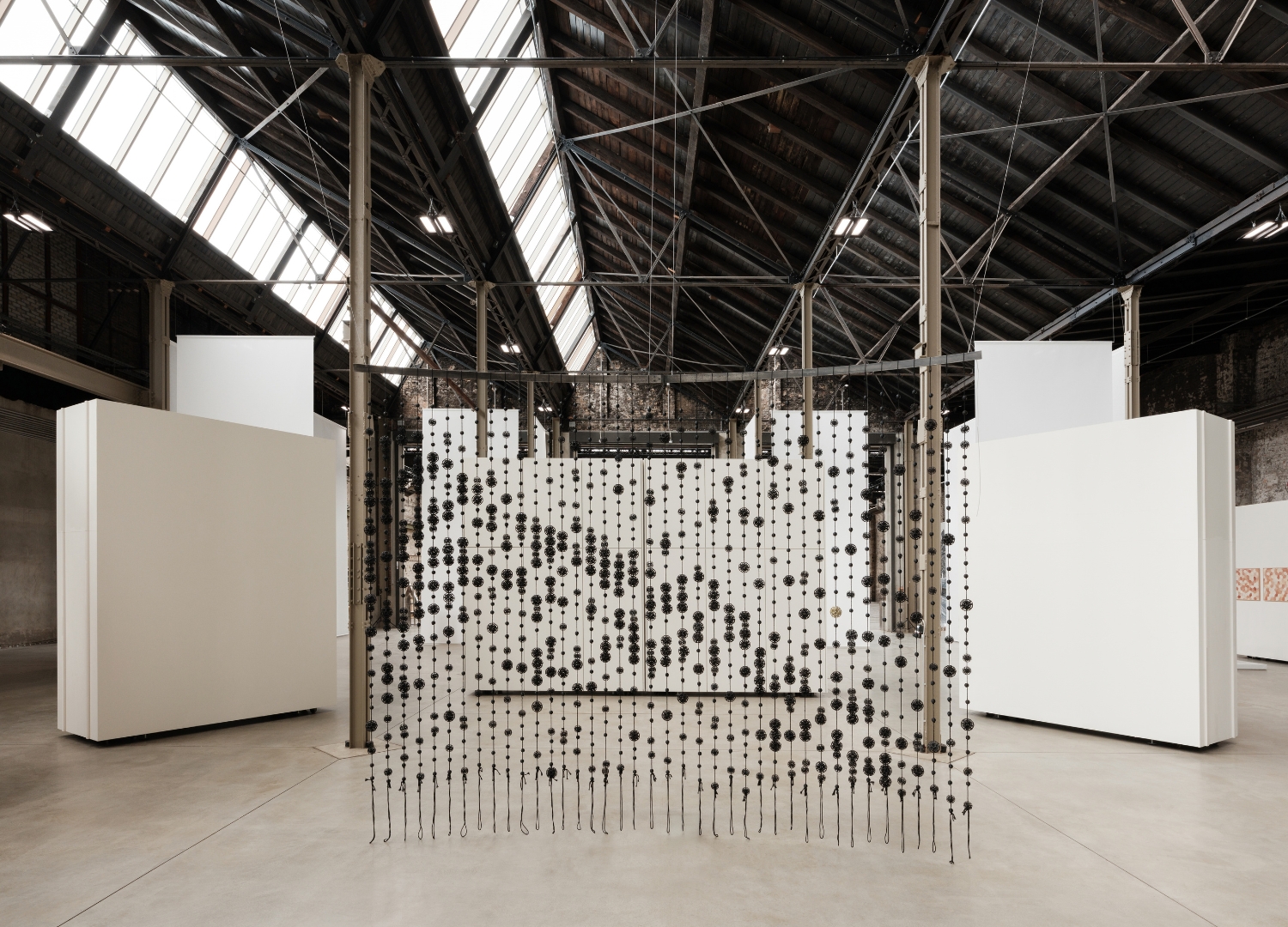
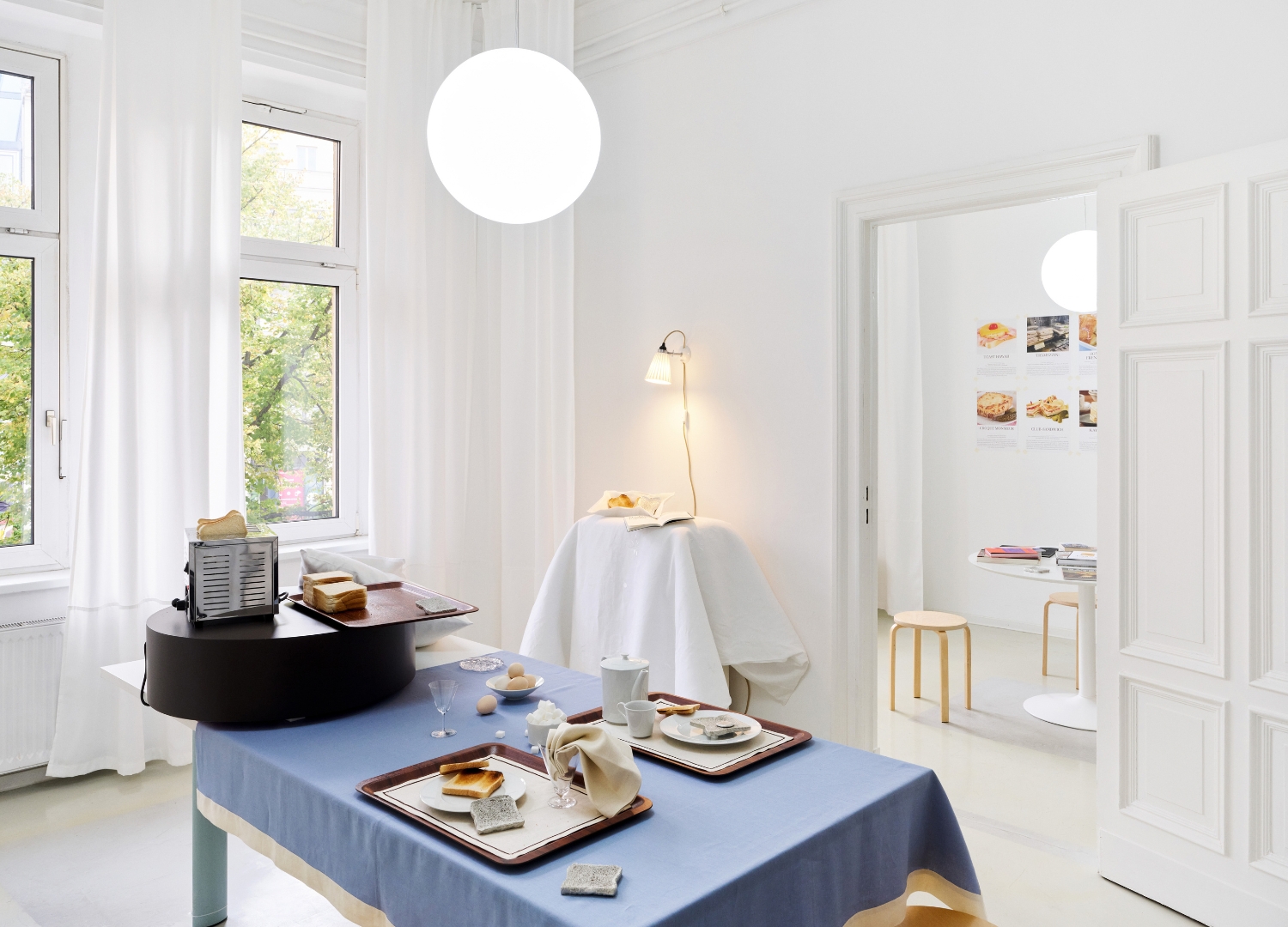
The festival started strong with around 80 participants taking part at some 60 venues across the city, showcasing exhibitions, events, and projects, with the show structured as a decentralised, city-wide affair rather than a single fairground. Showrooms, galleries, and shops across Berlin opened their doors, with independent designers and established names taking part side by side. This kind of anarchist format is very deliberate, and also very Berlin.
Gallery
Open full width
Open full width
Currents. Design in Berlin
The founders
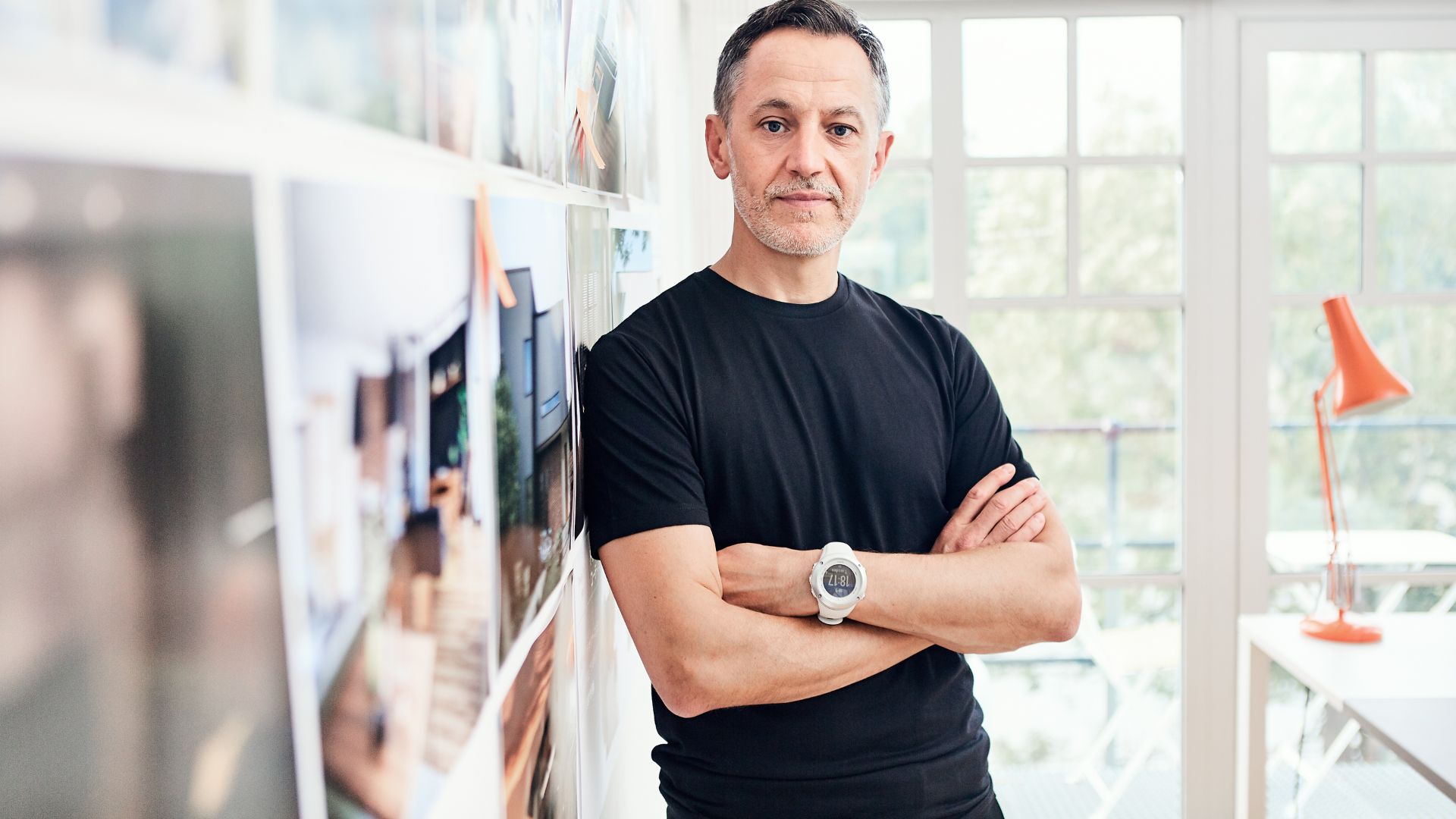
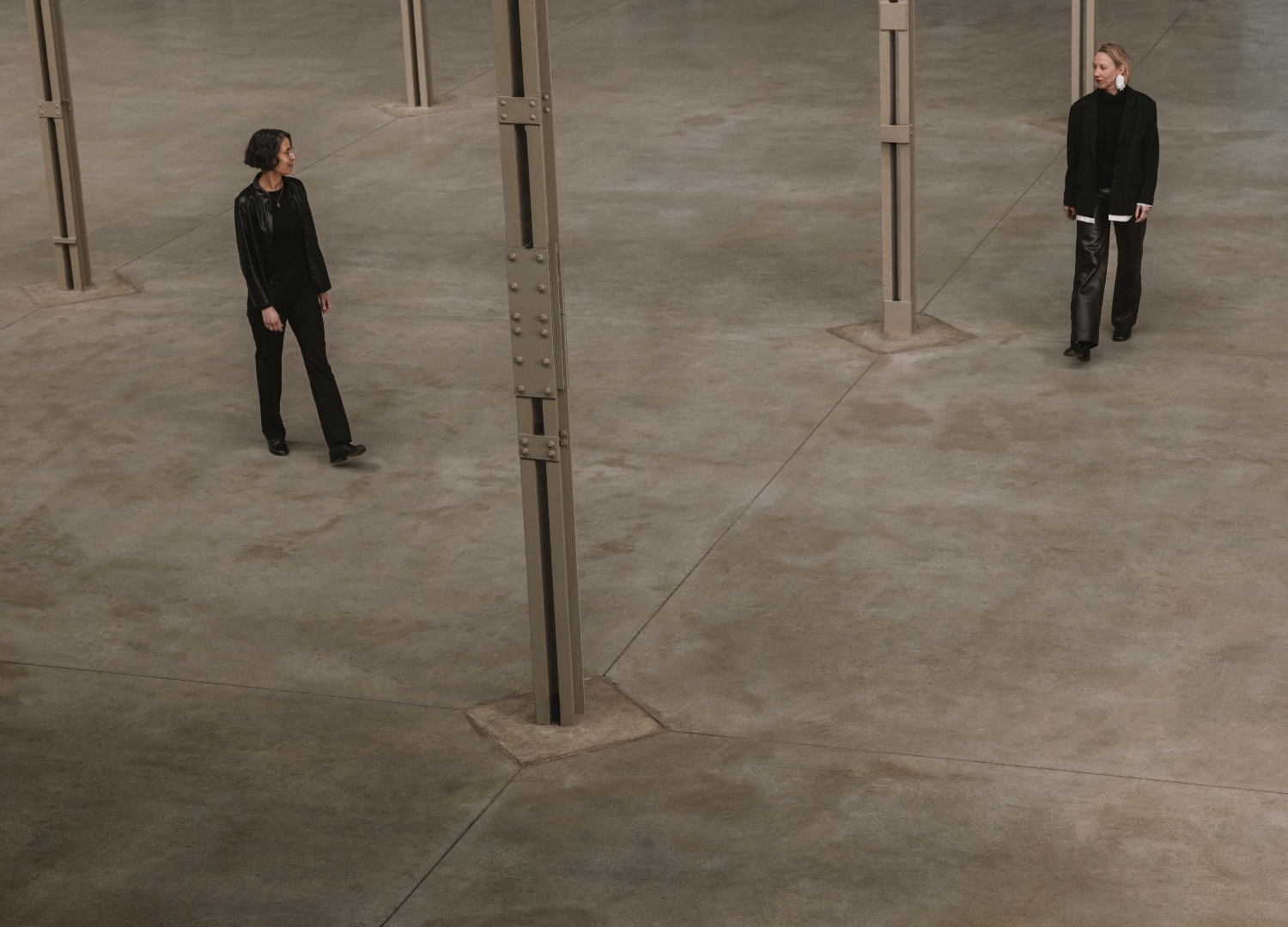
The festival was founded by two freelance journalists, Laura Ewert and Jasmin Jouhar, who developed it in close dialogue with figures across the city’s design scene. Their idea was to frame the whole project as an act of civic improvisation instead of an institutional launch, rooted in a distinctly Berlin skill of building something from an empty room and little to no budget.
It’s a DIY instinct at heart, which shaped the financial model too. Currents secured almost no public funding and relied instead on participation fees from the brands and studios taking part, a bottom-up structure similar to the one behind Copenhagen’s 3daysofdesign.
Berlin has had design week attempts before, most prominently Berlin Design Week, run by branding studio State of Design since 2017. However, for some reason, the show was not successful in securing the participation of local designers, so Ewert and Jouhar decided to pitch their project as the alternative: an event grown from inside the community, with the explicit goal of finally giving the city’s scene a platform it felt safe with.
On show
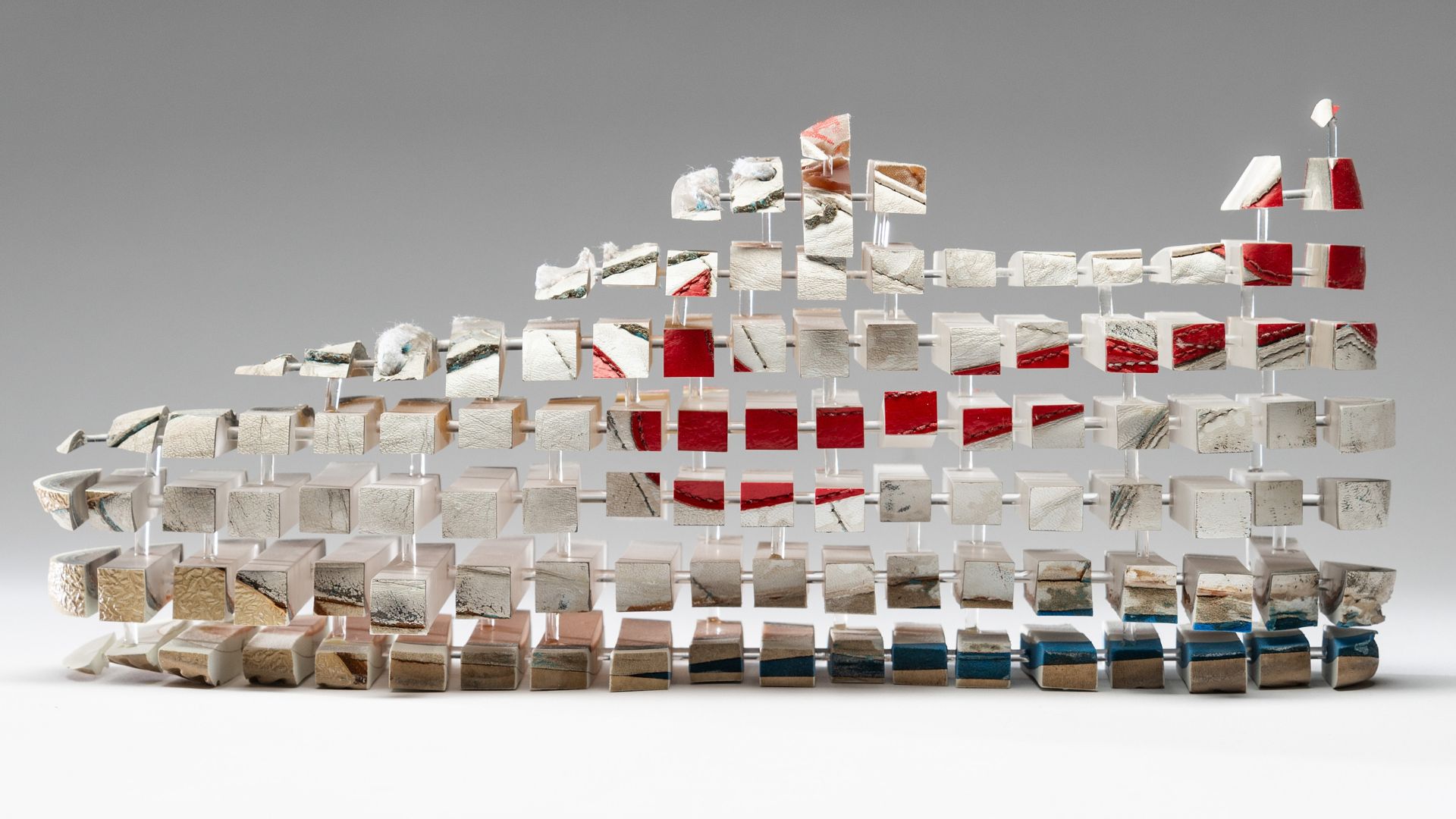
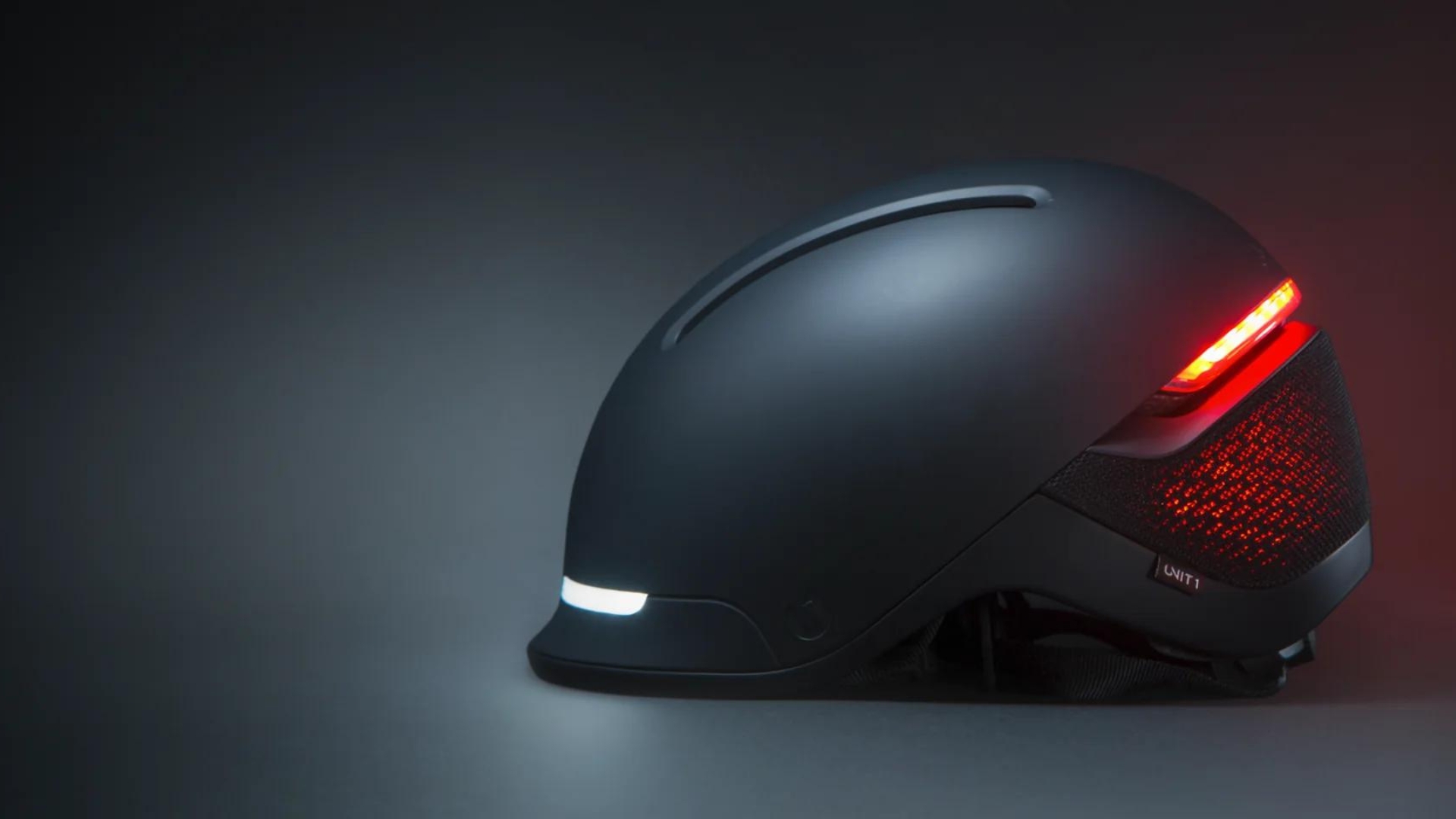
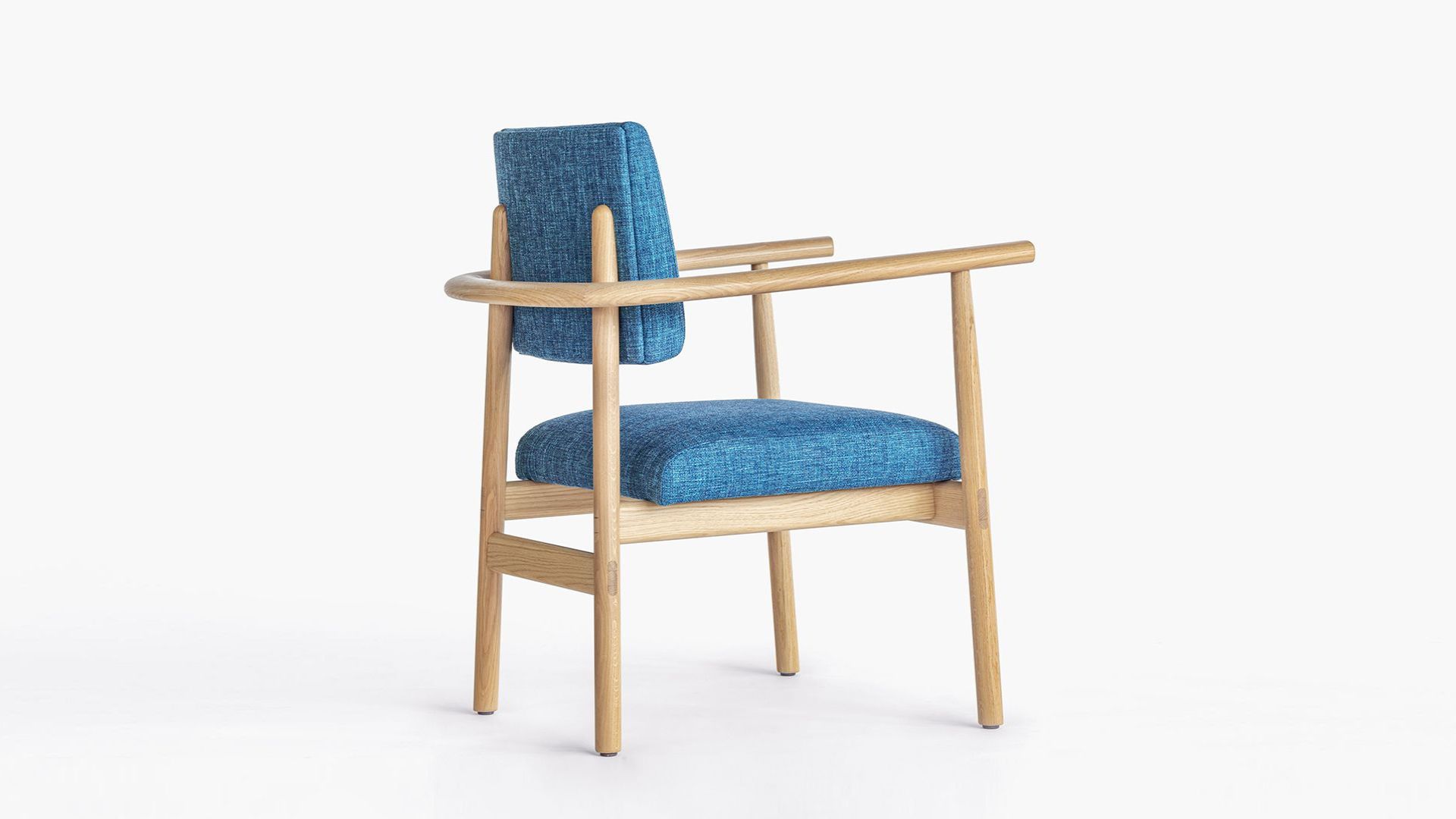
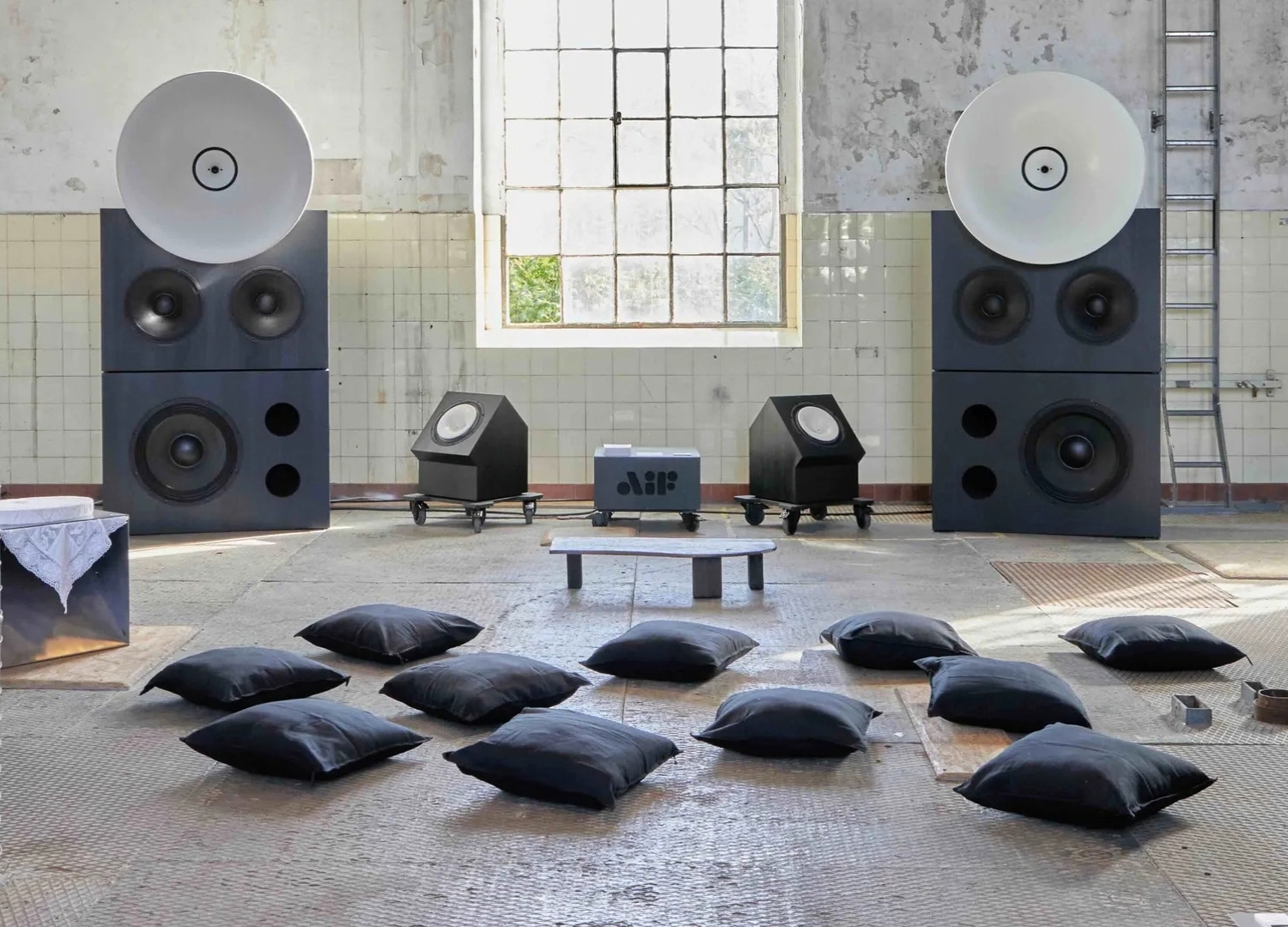
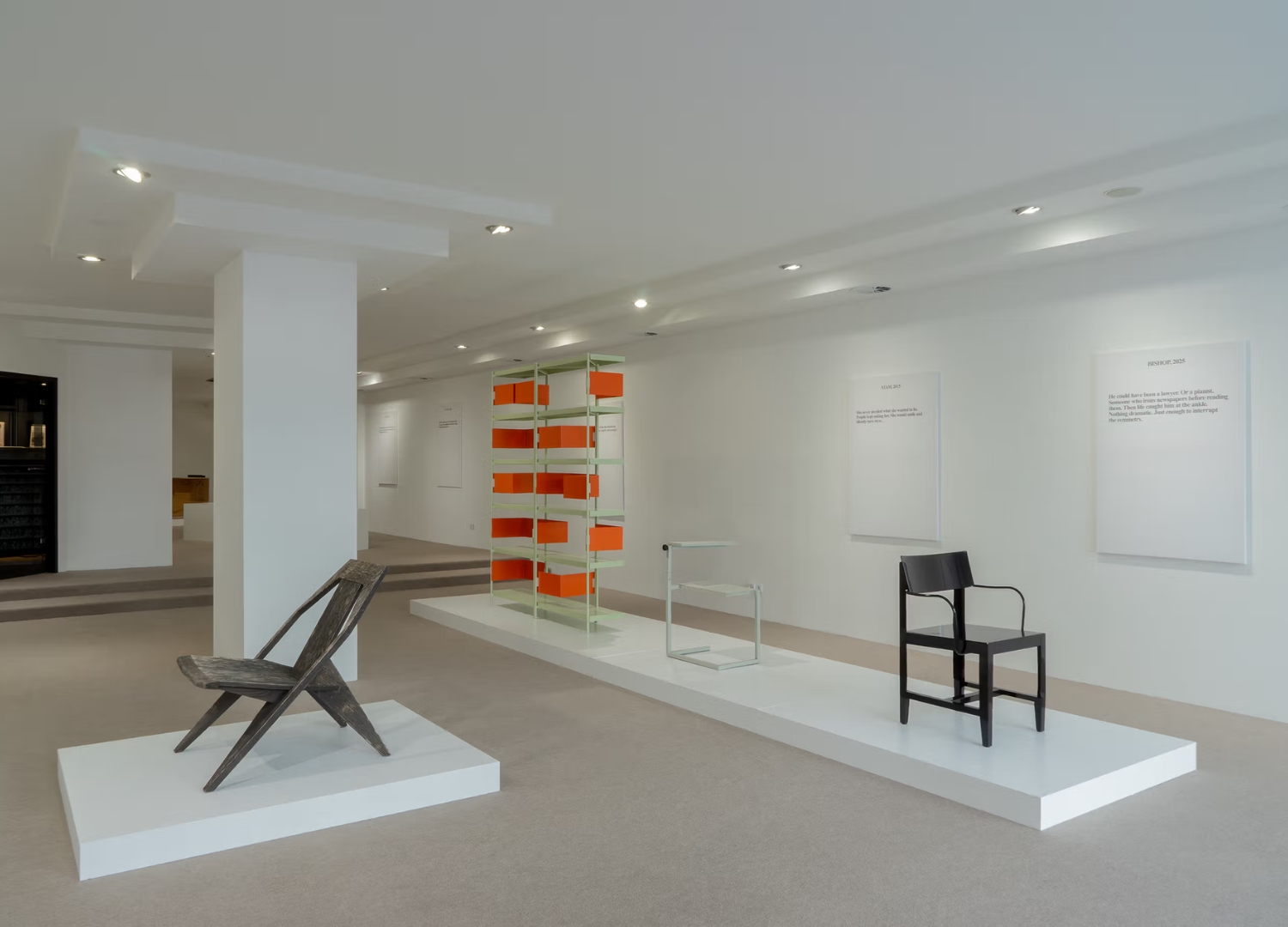
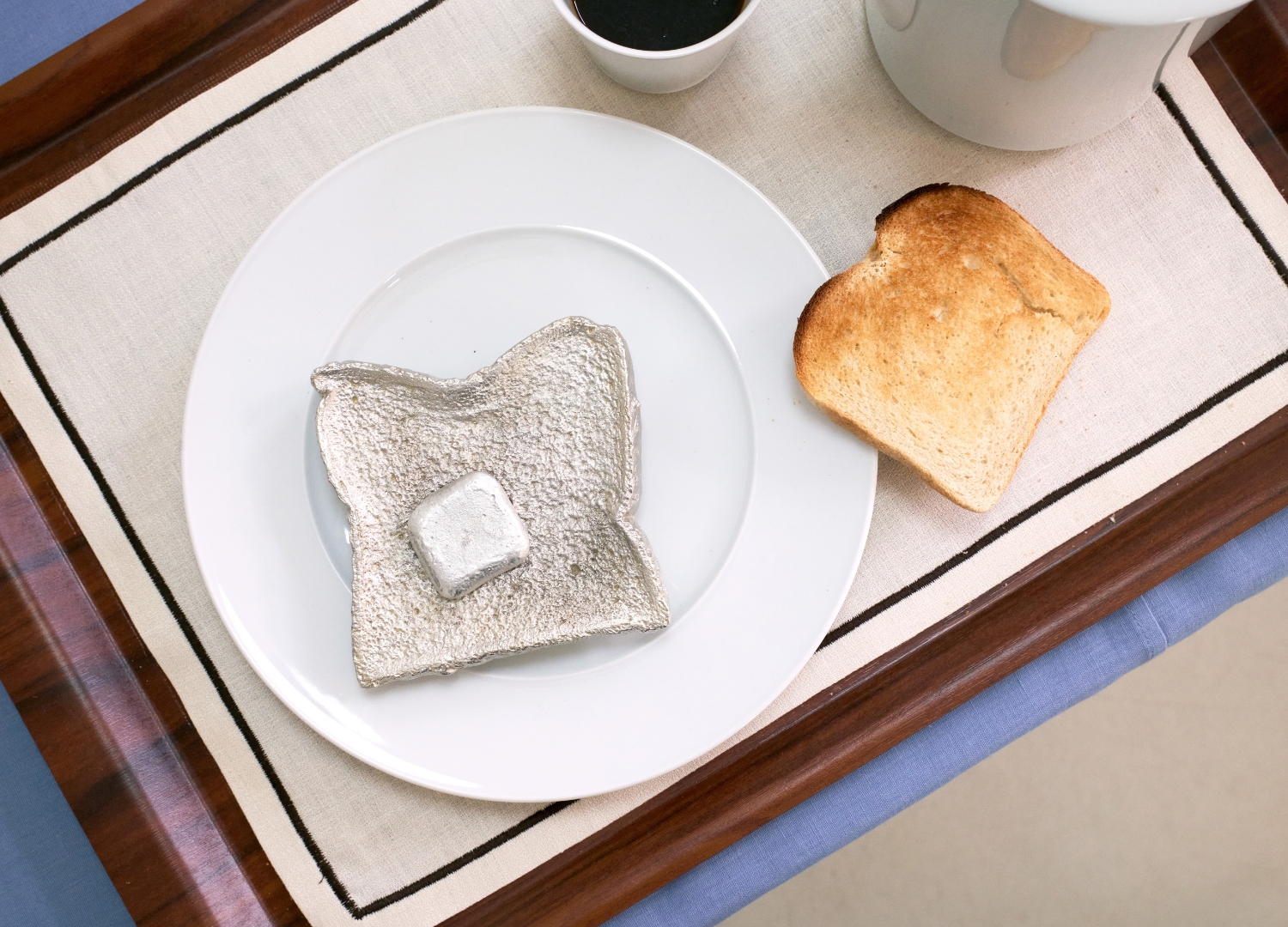
The list of participants mixed generations and scale. Industrial designer Konstantin Grcic showed under his own label, 25kg, a notable inclusion since he’s arguably Berlin’s best-known designer internationally. Design brand Mono launched a residency program in collaboration with local UdK students. Furniture maker Objekte Unserer Tage used the festival to launch a new seating collection, Linde. Successful Supper by Studio SEE framed design as an approach for community, as an element that lets people gather and connect.
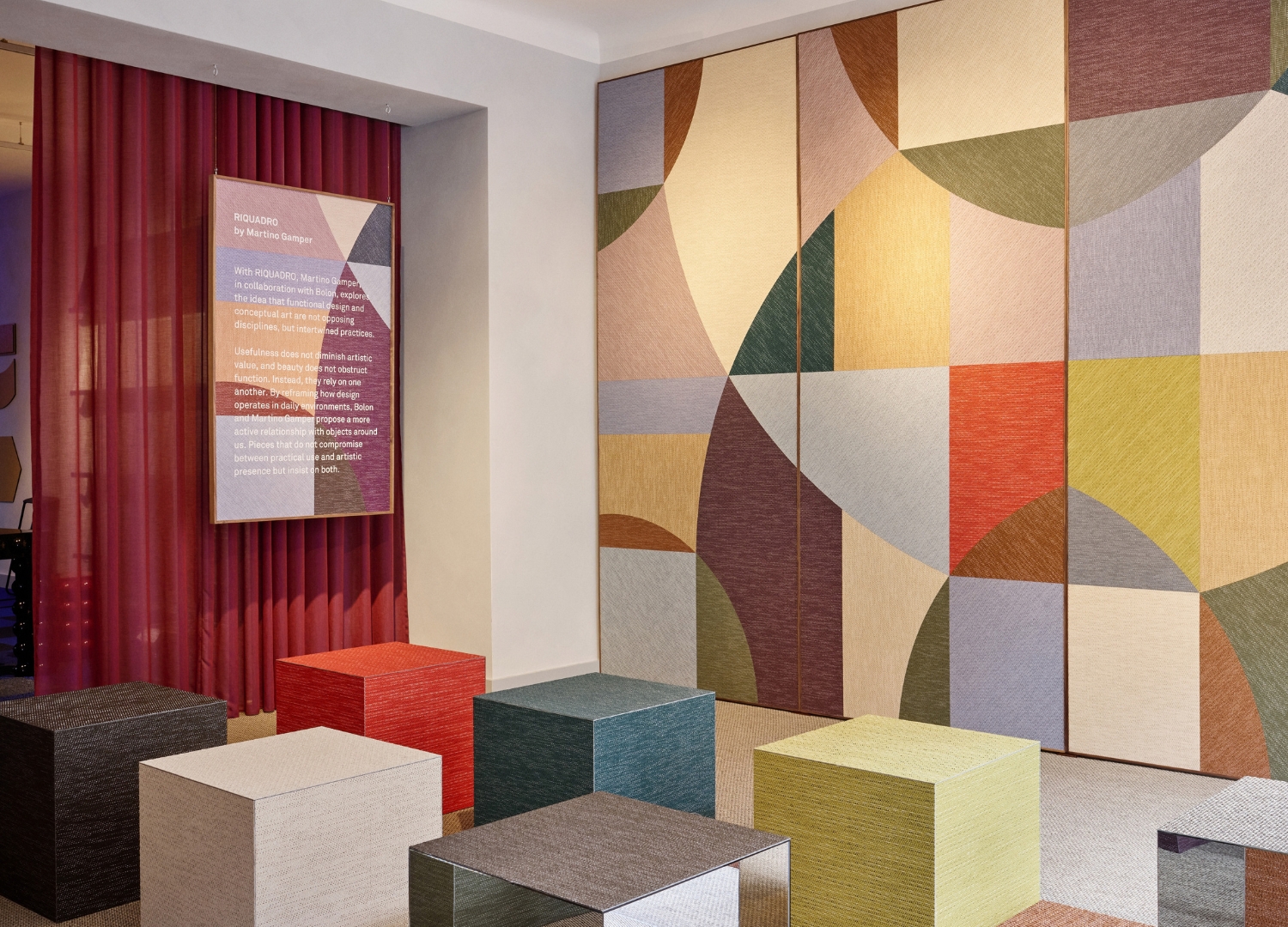
Outside brands took part too, like Swedish flooring company Bolon, which opened its first Berlin showroom to coincide with the event. One of the more layered projects was Deoron, the fourth edition of a collective exhibition built around deliberately mismatched pairings like furniture next to fragrance, ceramics next to sound, meant to surface unexpected harmonies.
Every evening, the festival’s social gravity pulled toward the Currents Bar, set up inside Eternithaus, a restored midcentury building that also hosted the talks program. It acted as the meeting point that such a sprawling program needed, a single fixed location where people could mingle after a day of crossing the city between showrooms.
Why now?
Why has one of Europe’s most culturally relevant capitals lacked an important design show until now? While German designers had their run in the 20th century, the alignment between manufacturing and design thinking has now largely dissolved.
Unlike Copenhagen or Milan, Berlin has almost no manufacturing base left to plug into, due to a legacy of postwar deindustrialisation and the disruptions that happened after the reunification of the East and the West, when most of the industry relocated to West Germany or elsewhere in Europe. That’s part of why German design events tend to be scattered (IMM Cologne, Munich Design Days, etc.), occupying separate territories rather than one city functioning as a clear design capital like Milan does for Italy.
With this history, Currents reads like a bet on the city, arguing that Berlin’s design output has slowly become “good enough” to carry international attention, even without the institutional support that other locations get. Whether an independent 3-day festival can actually change how Germany’s industrial and cultural institutions work is an open question, but it seems clear that Berlin’s design community is real, distinct, and overdue for a stage of its own.