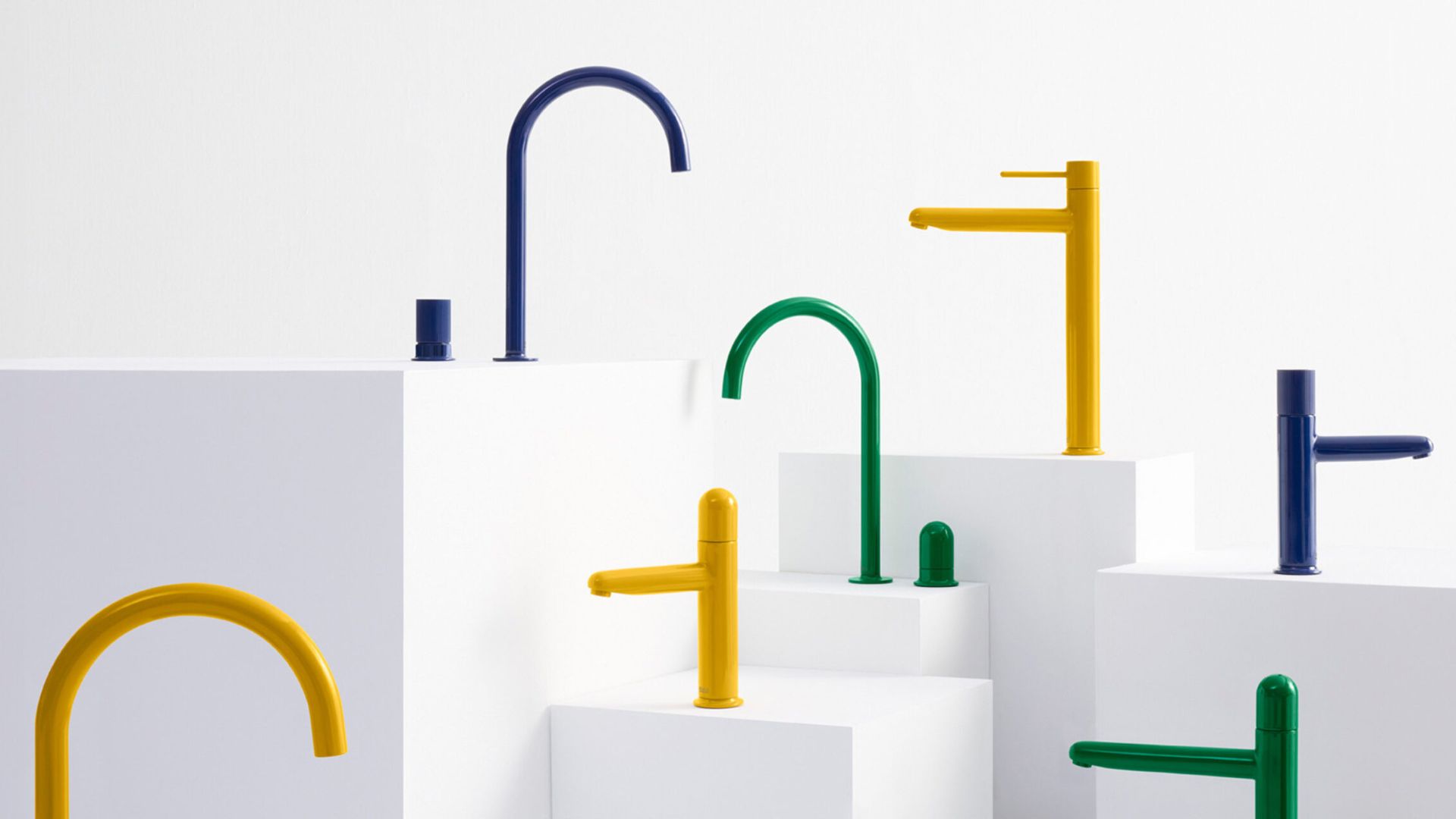
DESIGNART TOKYO 2026 gives a former highway a new creative role
For its tenth edition, the citywide festival brings an exhibition space to Tokyo’s former KK Line highway. Alongside it, five UNDER 30 projects explore how familiar materials, processes and sensations can become starting points for design.
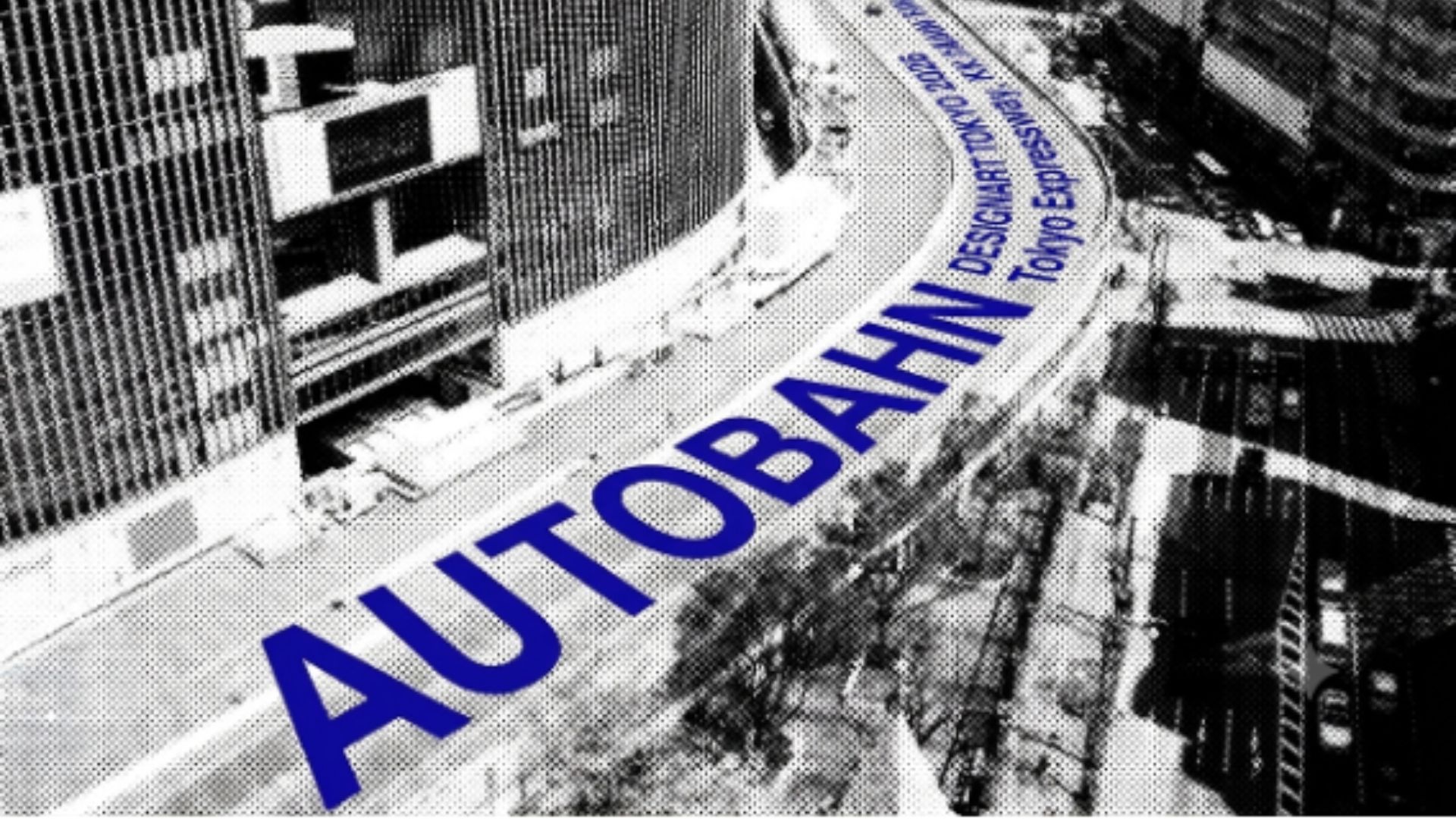
A former highway in Ginza will become an exhibition venue for DESIGNART TOKYO 2026, placing design and art within infrastructure built for movement through the city. The festival returns from 30 October to 8 November, with a main venue designed by architecture studio ALTEMY and exhibitions across several Tokyo districts. This setting gives a concrete starting point to its theme, Hibiki, or resonance: how a place, material or idea acquires new meaning through the people who encounter and work with it.
Gallery
Open full width

Open full width
DESIGNART TOKYO 2026 – Higlights:
A festival encountered through the city
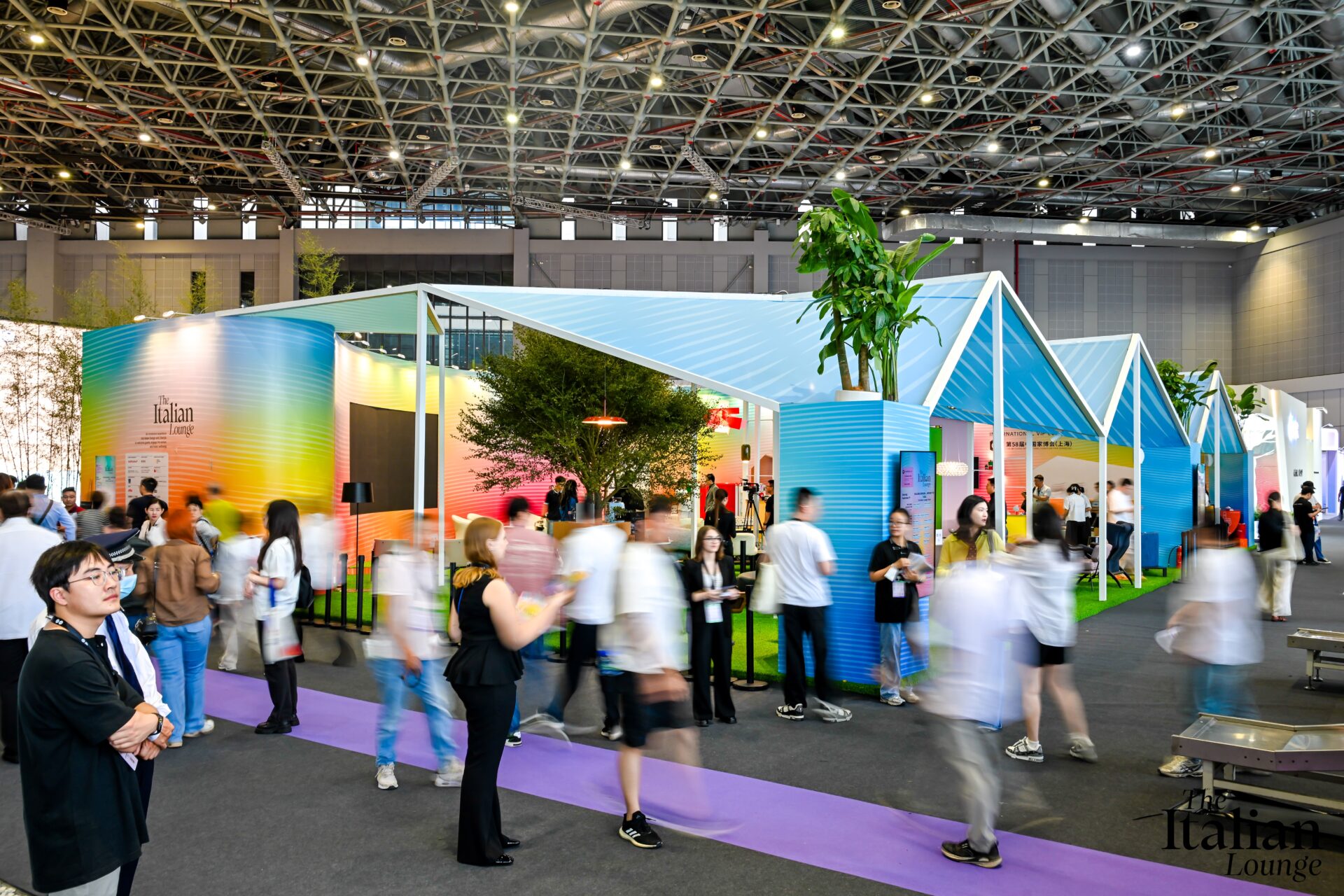
Launched in 2017, DESIGNART TOKYO brings together design, art, interiors, fashion and technology through exhibitions distributed across the capital. It was founded by Akio Aoki, Shun Kawakami, Hiroshi Koike, Okisato Nagata, Astrid Klein and Mark Dytham, connecting practices in design, art direction and architecture. Moving between exhibitions is part of the format. Visitors encounter work in different urban settings, with opportunities to purchase some pieces directly. The event is intended to connect Japanese and international creative professionals, creating occasions for projects and relationships to develop beyond an individual presentation.
The tenth edition extends across Ginza, the Tokyo Station area, Roppongi, Gaienmae, Omotesando, Harajuku, Daikanyama and Ikejiri. Its breadth allows emerging practices and established manufacturers and brands to participate in the same wider conversation, while retaining the distinct settings of their exhibitions.
An elevated road becomes AUTOBAHN
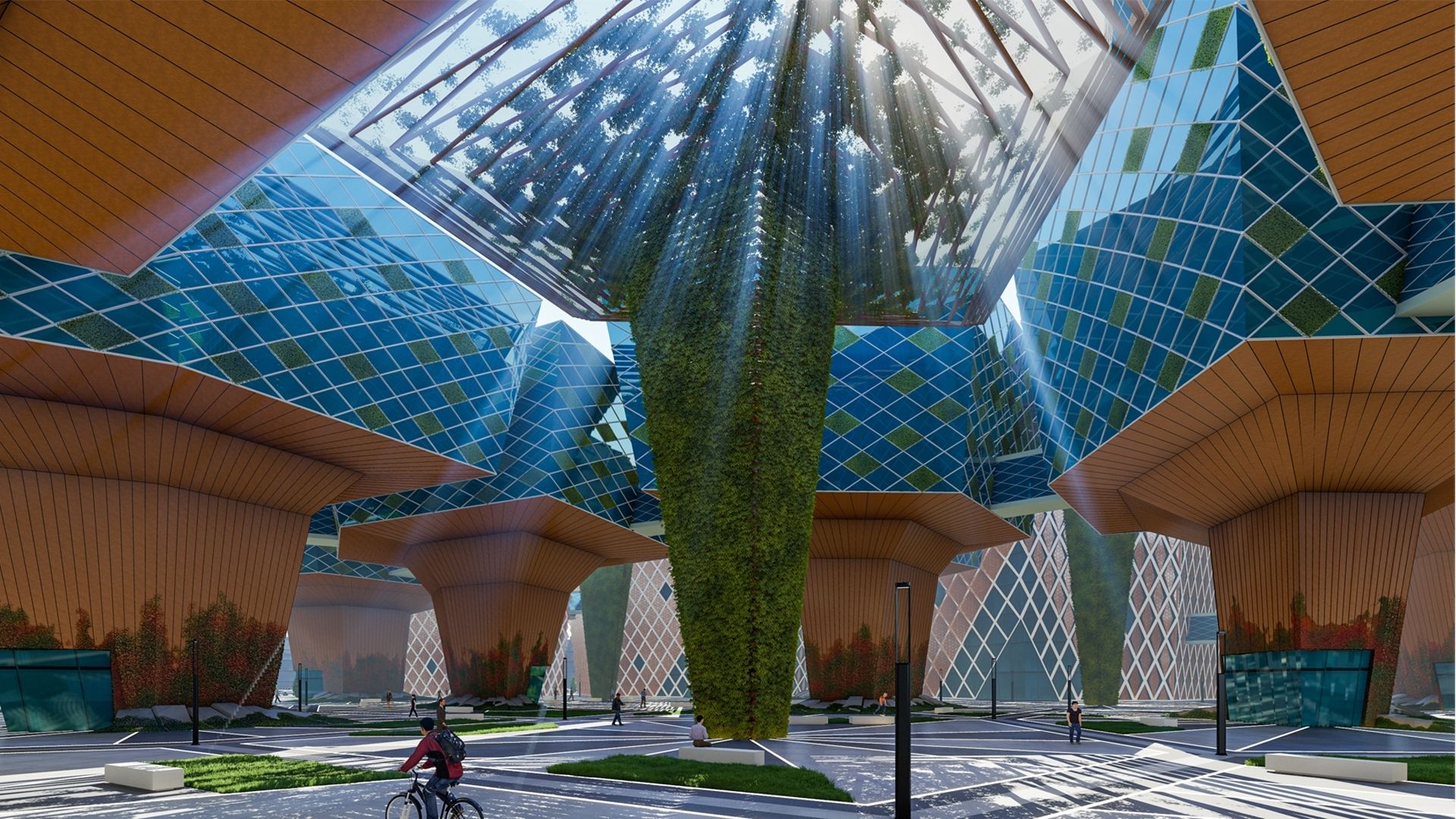
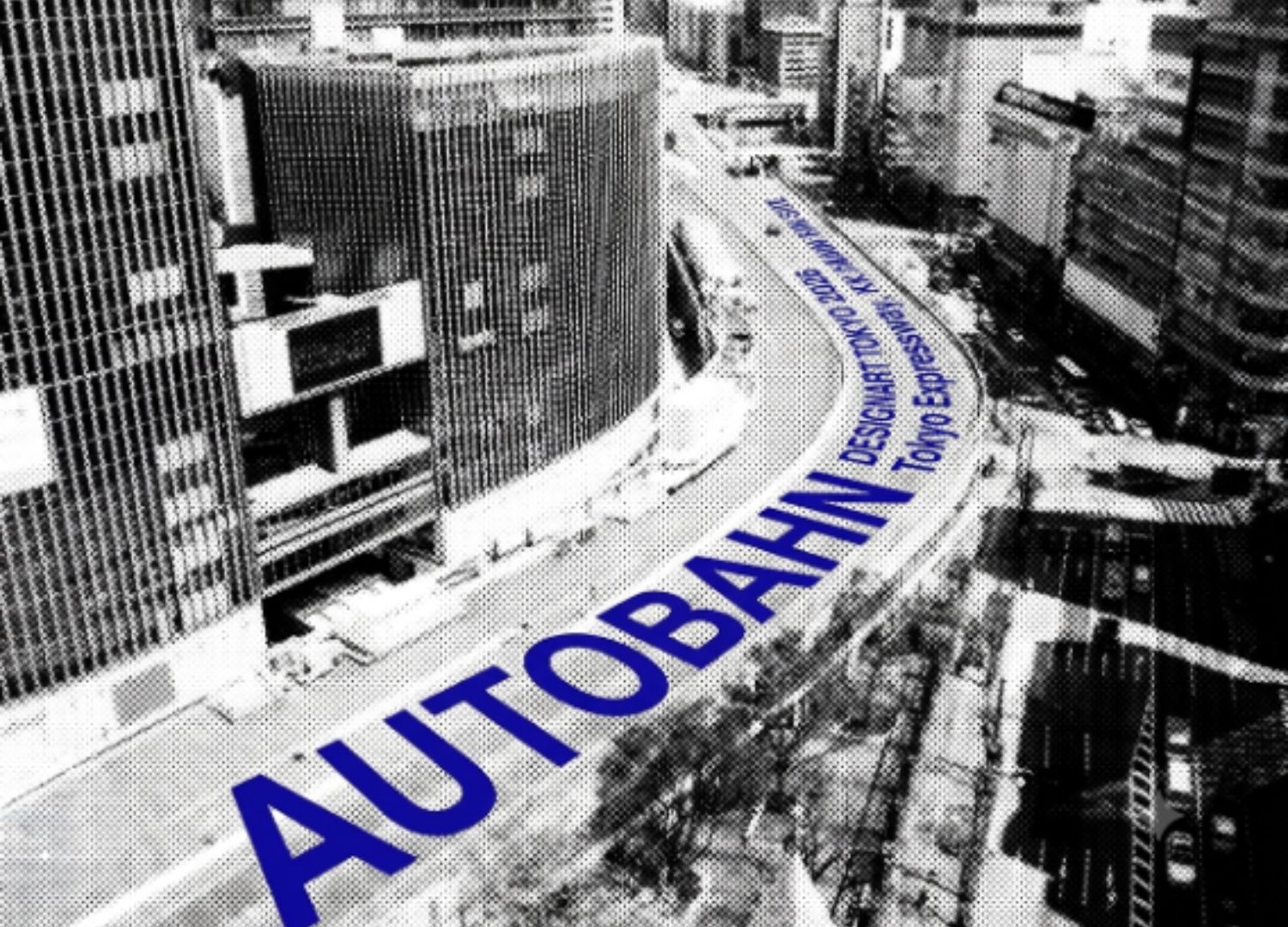
The main venue, AUTOBAHN, will occupy a section of the former KK Line between Sukiyabashi Intersection and the Tokyo Kotsu Kaikan Building. ALTEMY is designing a sculptural temporary structure spanning approximately 2,000 square metres, providing an exhibition setting within the surrounding high-rise cityscape.
The site introduces a question of use as well as display. Infrastructure that once supported traffic will temporarily accommodate people gathering around creative work. The experience of the place changes through what happens on it, making the venue itself part of the design discussion.
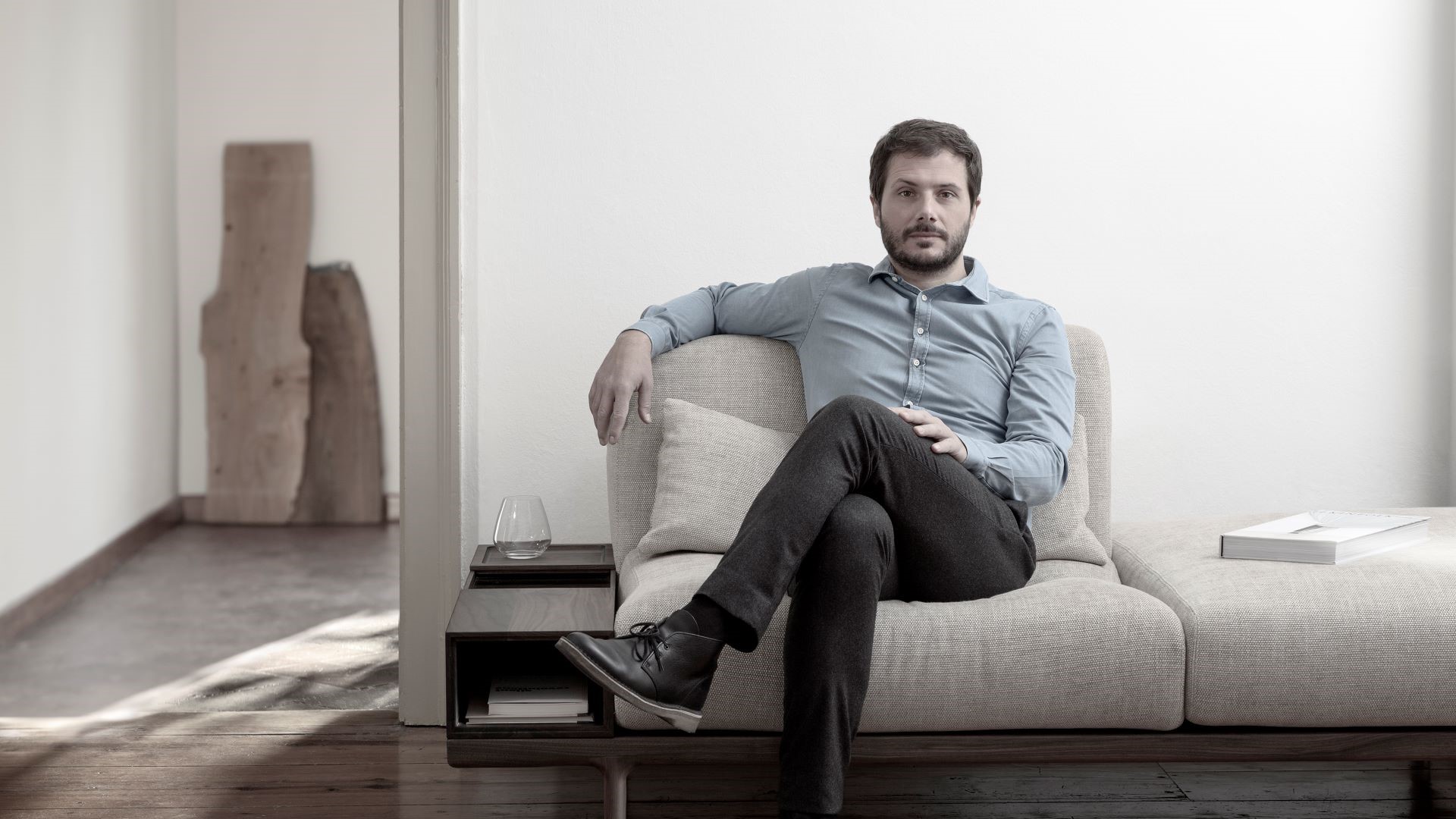
ALTEMY’s appointment is relevant to that shift. Led by architect Eri Tsugawa, the studio works across buildings, landscape, roads and mobility. Tsugawa previously worked at Diller Scofidio + Renfro, the practice involved in New York’s High Line, and contributed to The Mile-Long Opera, a project connecting performance and urban space. AUTOBAHN’s venue concept, NO LIMIT, frames it as a meeting point for creators, manufacturers and brands across disciplines. It will open for five days, from 30 October to 3 November, within the festival’s longer ten-day run.
Resonance as a relationship between works and places
Hibiki asks what allows creative work to carry meaning beyond its immediate setting and remain valued over time. The organisers place that question within relationships between people, industries, generations and cultures. Read alongside the choice of venue, the theme directs attention to how existing contexts can inform new work.
Kenta Cobayashi’s key visual approaches the idea through an image of Omotesando, the festival’s birthplace. The photographer and artist transforms parts of the scene into digital brushstrokes, using the technique associated with his #smudge series. A recognisable urban view becomes the material for another interpretation.
The same interest in reconsidering what is already present emerges in the UNDER 30 programme. Selected by the festival’s founders from applications received from Japan and overseas, its five participating practices investigate materials and perception through specific experiments.
Five emerging practices reconsider familiar processes
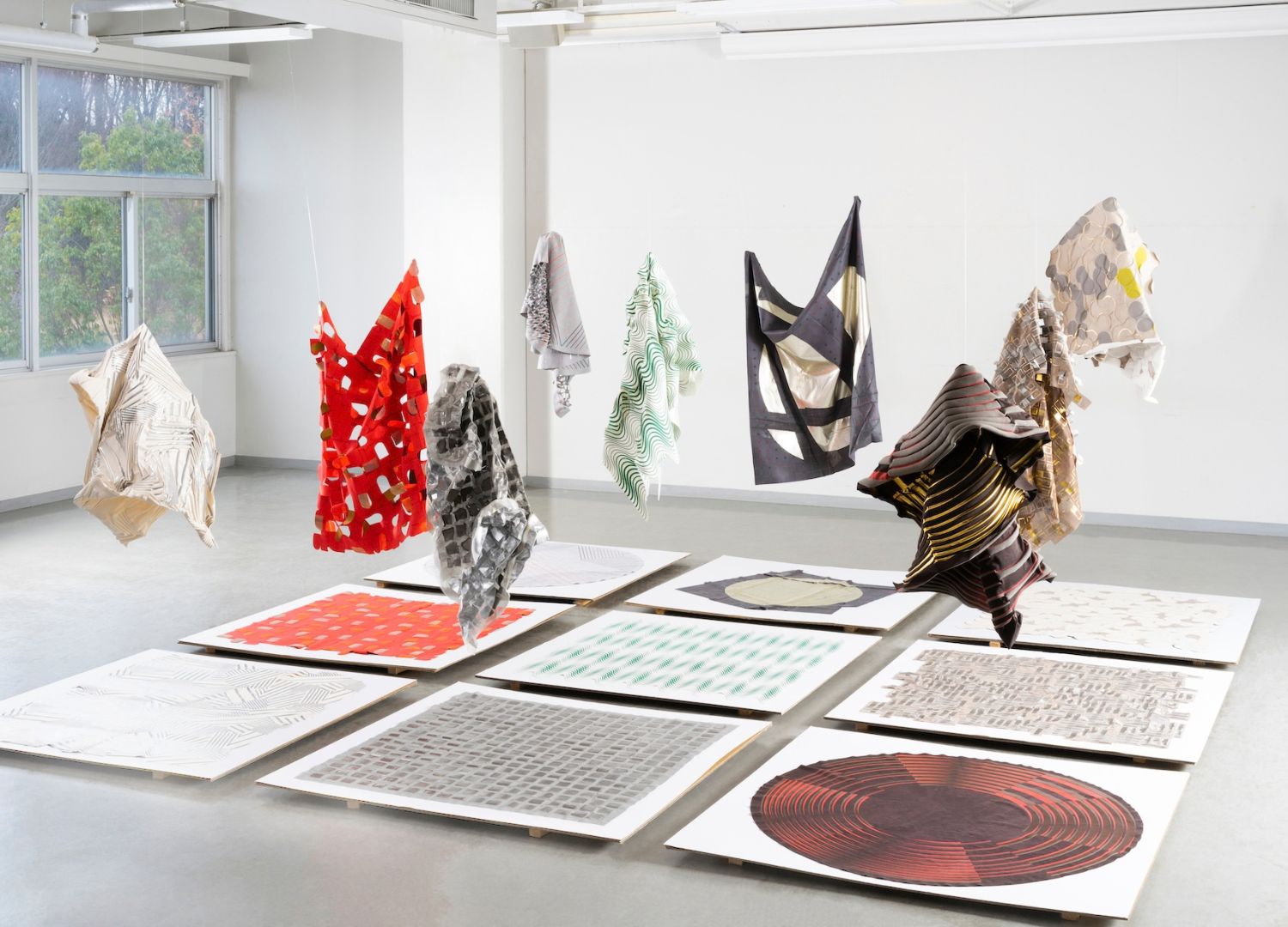
Runa Takeuchi’s Composition / Perception examines textiles as changing surfaces. Light, air, viewing distance and movement alter how their colours and patterns are perceived. The project makes those variations the subject of the work, connecting textile composition to the conditions in which it is experienced.
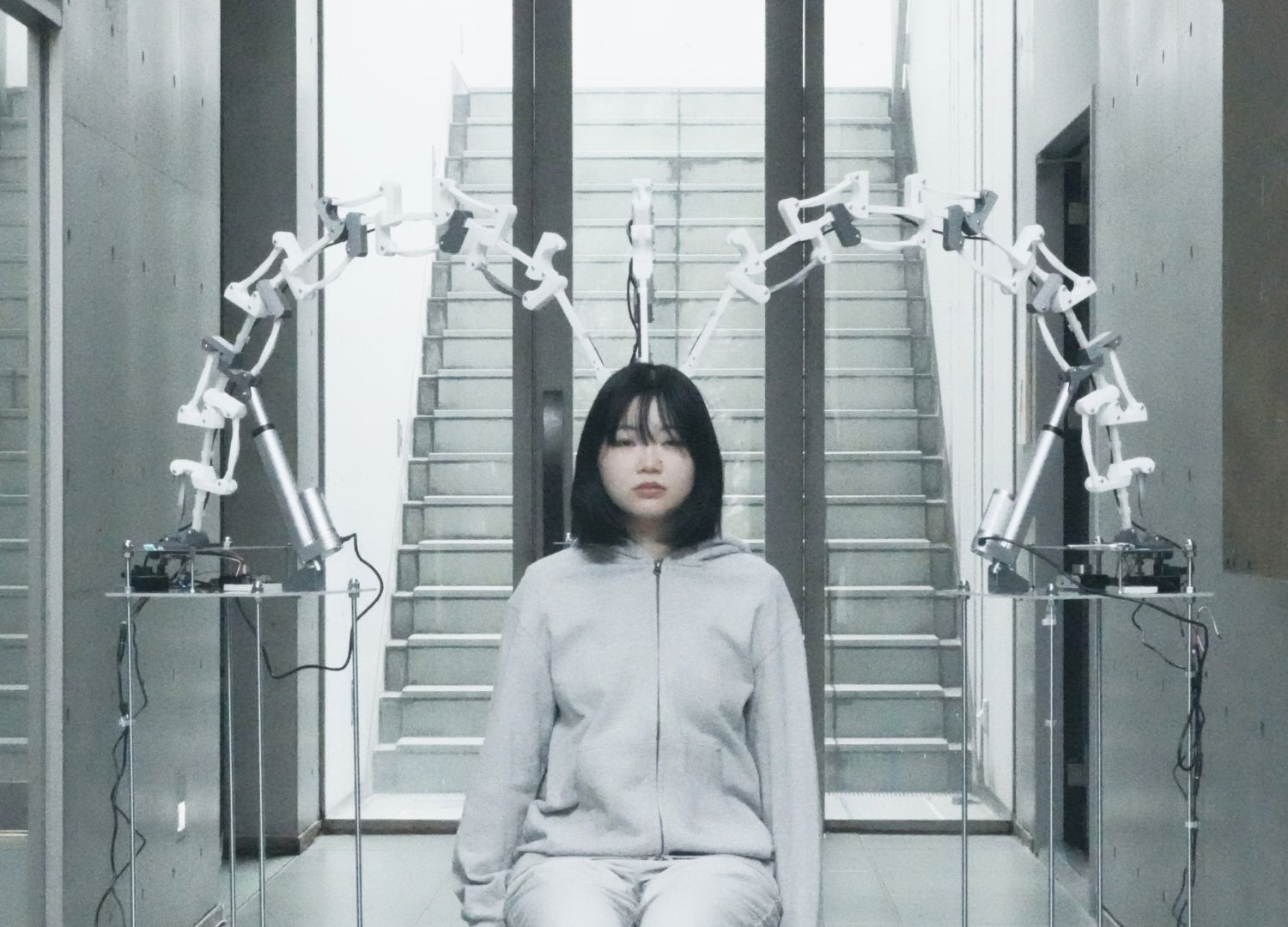
With BONE VOYAGE, Fushi Sano and Mio Haruhana combine an articulated moving arm with a bone-conduction speaker. Contact with the participant’s head transmits urban sounds and processed audio through vibration. The timing of movement, touch and sound becomes an interface design problem, extending their investigation of how listening can be shaped.
Cecil Nabenashi takes a process from cooking into material experimentation. Tempura Objects / Tempura Products explores deep-frying as a forming technique: batter, oil, heat and time change an object’s surface and rigidity. The proposal asks whether a familiar culinary method can offer another approach to craft.
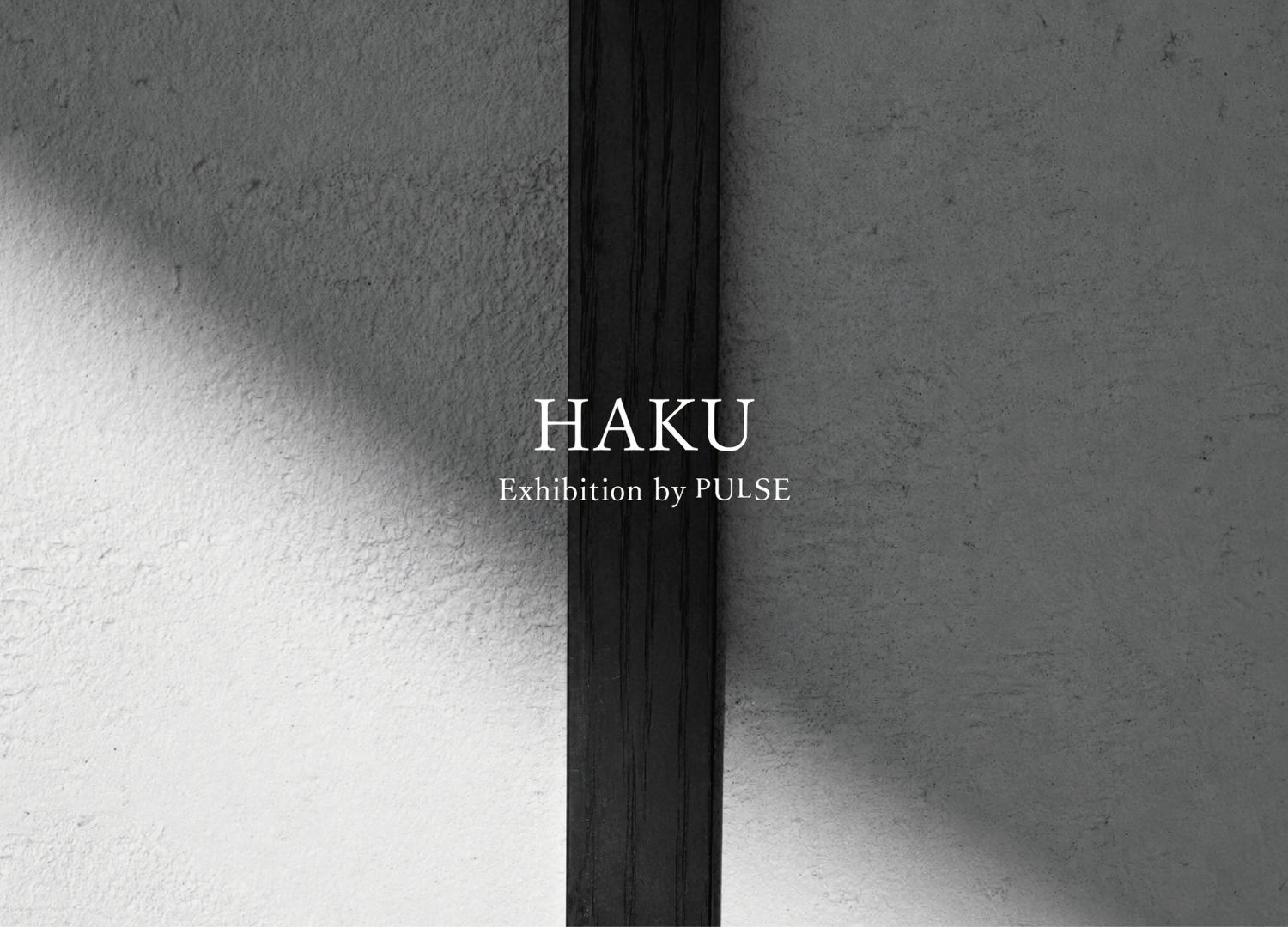
PULSE, the design unit of Rikiya Toyoshima and Shomu Taki, shifts techniques between scales. HAKU applies sakan, or plastering, to furniture through the development of original materials. Its exploration of ma, the space between, considers how objects can create physical and temporal breathing room in daily life.
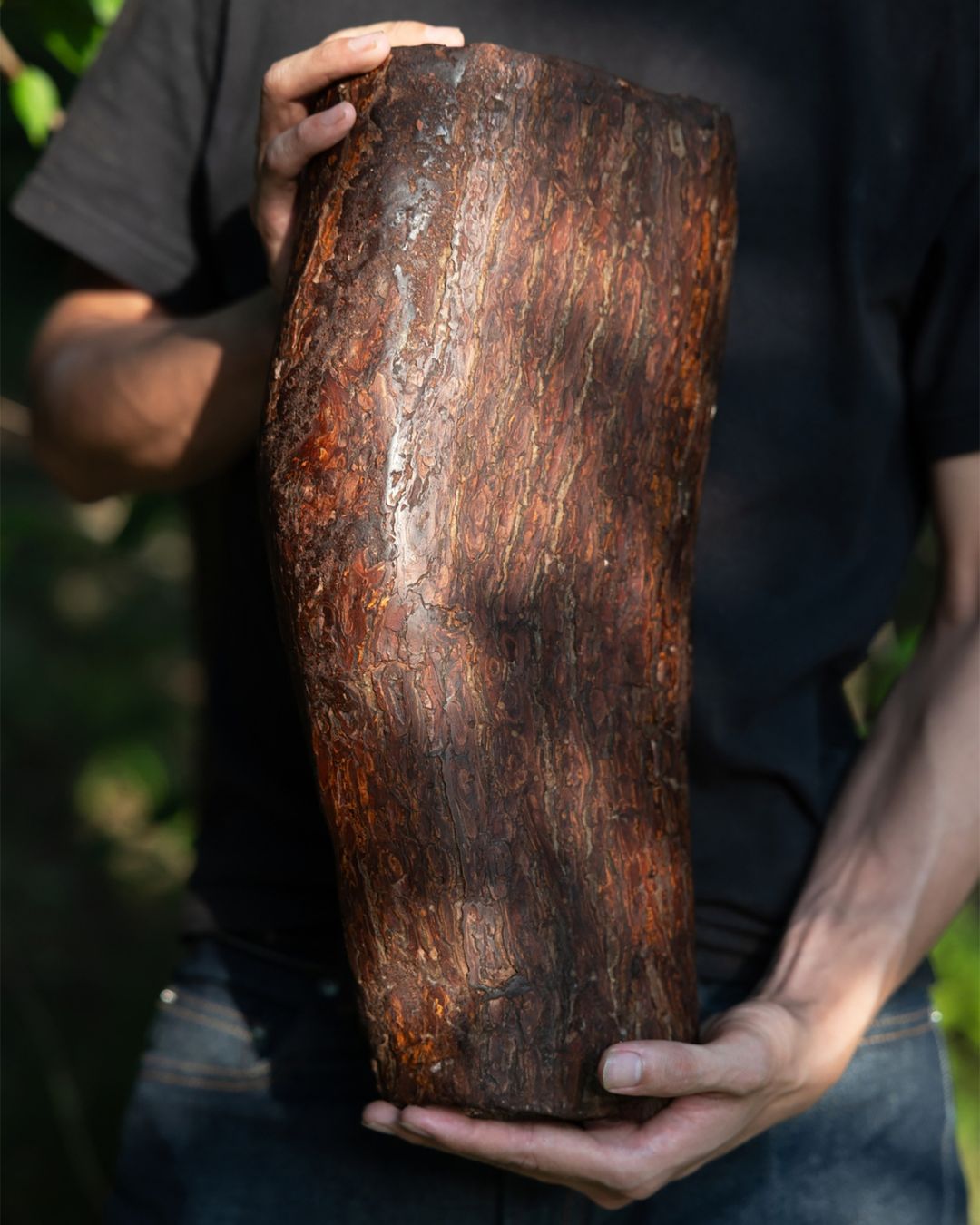
Masaya Konno’s Nonexistent trunk begins with pine trees affected by pine wilt disease in Akita. Working with bark that remains after the inner trunk has decayed, he explores a form of imagined reconstruction. The project considers what can be made from surviving material when restoring the original tree is no longer possible.
Together, these projects give substance to the festival’s broad remit. They offer methods to examine, from changing the scale of a technique to designing a new sensory interface. Across the city and on the former highway, DESIGNART TOKYO 2026 creates settings in which those experiments can meet audiences, manufacturers and other practitioners.