Traditional Japanese gilding techniques brighten contemporary interior design
Rekiseisha brings centuries-old Japanese craftsmanship into contemporary interiors with a brass-based alternative to gold leaf, offering decorative surfaces that combine metallic brilliance, durability and artisanal character.
Gold leaf has a centuries-long history in interior decoration, with applications ranging from wall coverings and screens to decorative panels in aristocratic and bourgeois environments. Adapting traditional gilding techniques to other metals, such as brass and copper, is a path that few manufacturers have pursued – but one that brings an ancient craft into contemporary, and even futuristic, design.
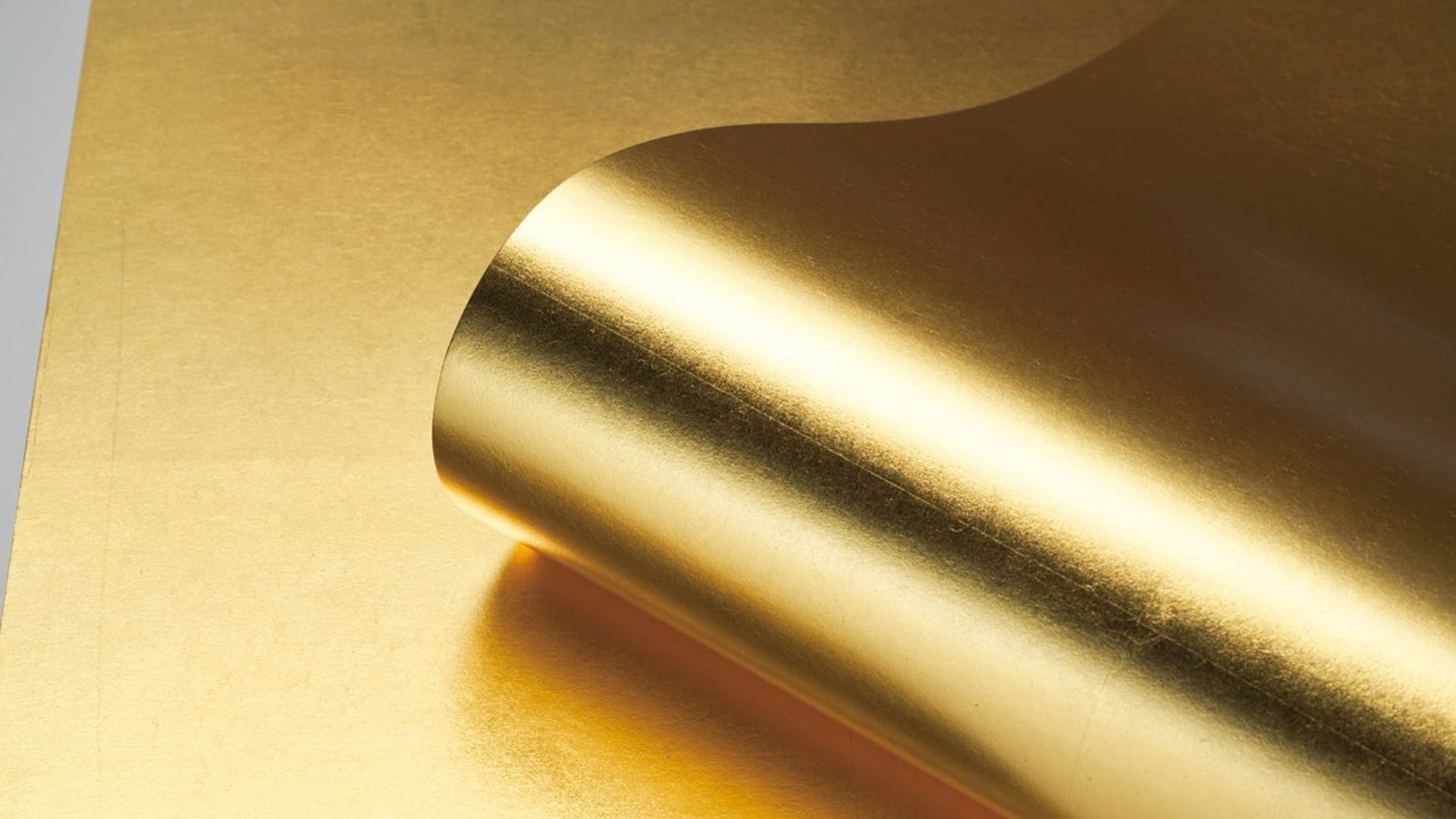
One of these few players is Rekiseisha, founded in Hiroshima in 1905 and today a producer of oxidation-resistant metal leaf paper made using traditional Japanese gilding techniques. Its brass-based leaf offers the brilliance and appearance of gold without the cost and fragility associated with genuine gold leaf. By combining various kinds of metal leaf with innovative decorative applications, Rekiseisha brings a centuries-old craft into contemporary design through a careful balance of material technology and craftsmanship.
Gallery
Open full width
Open full width
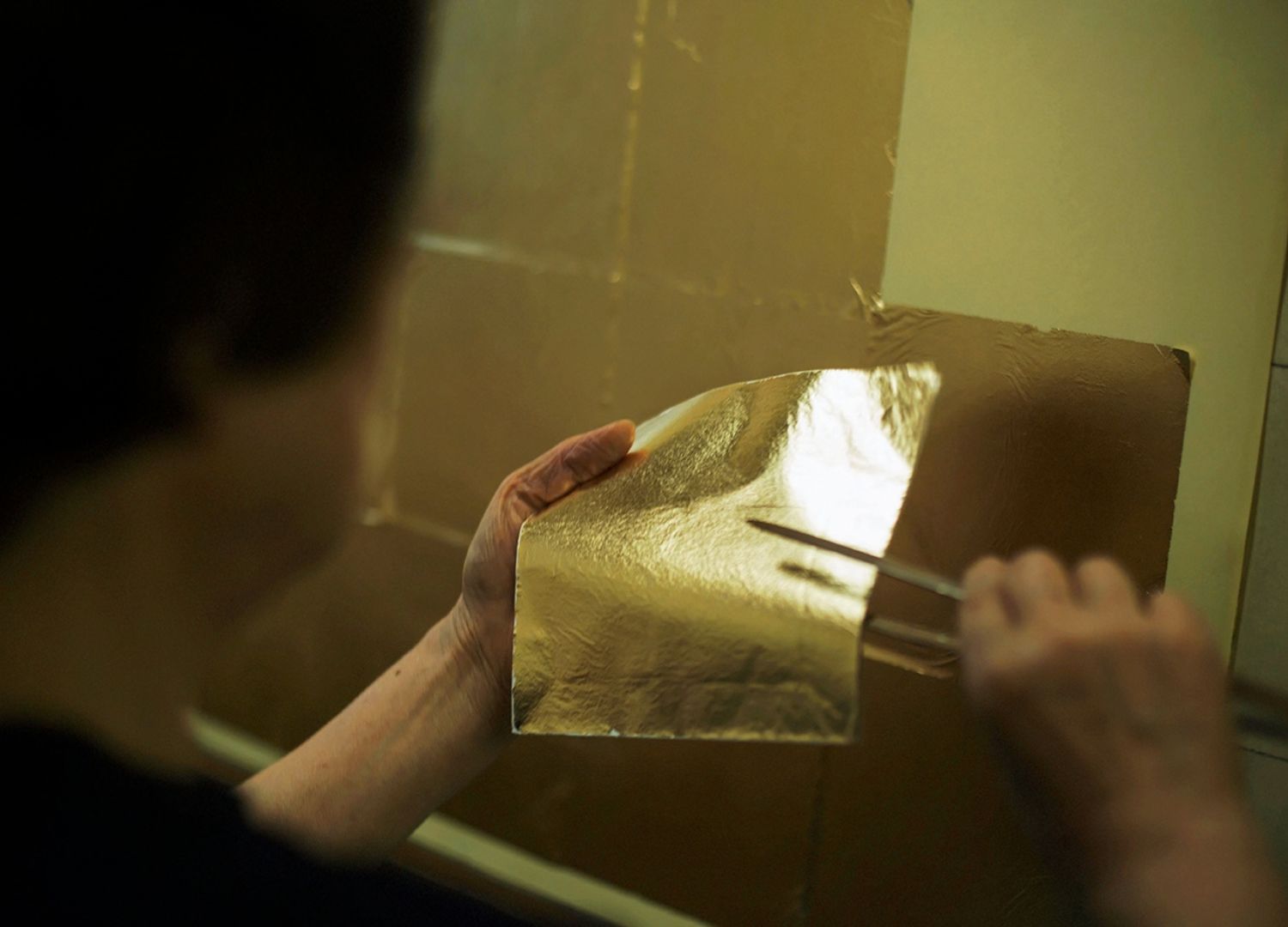
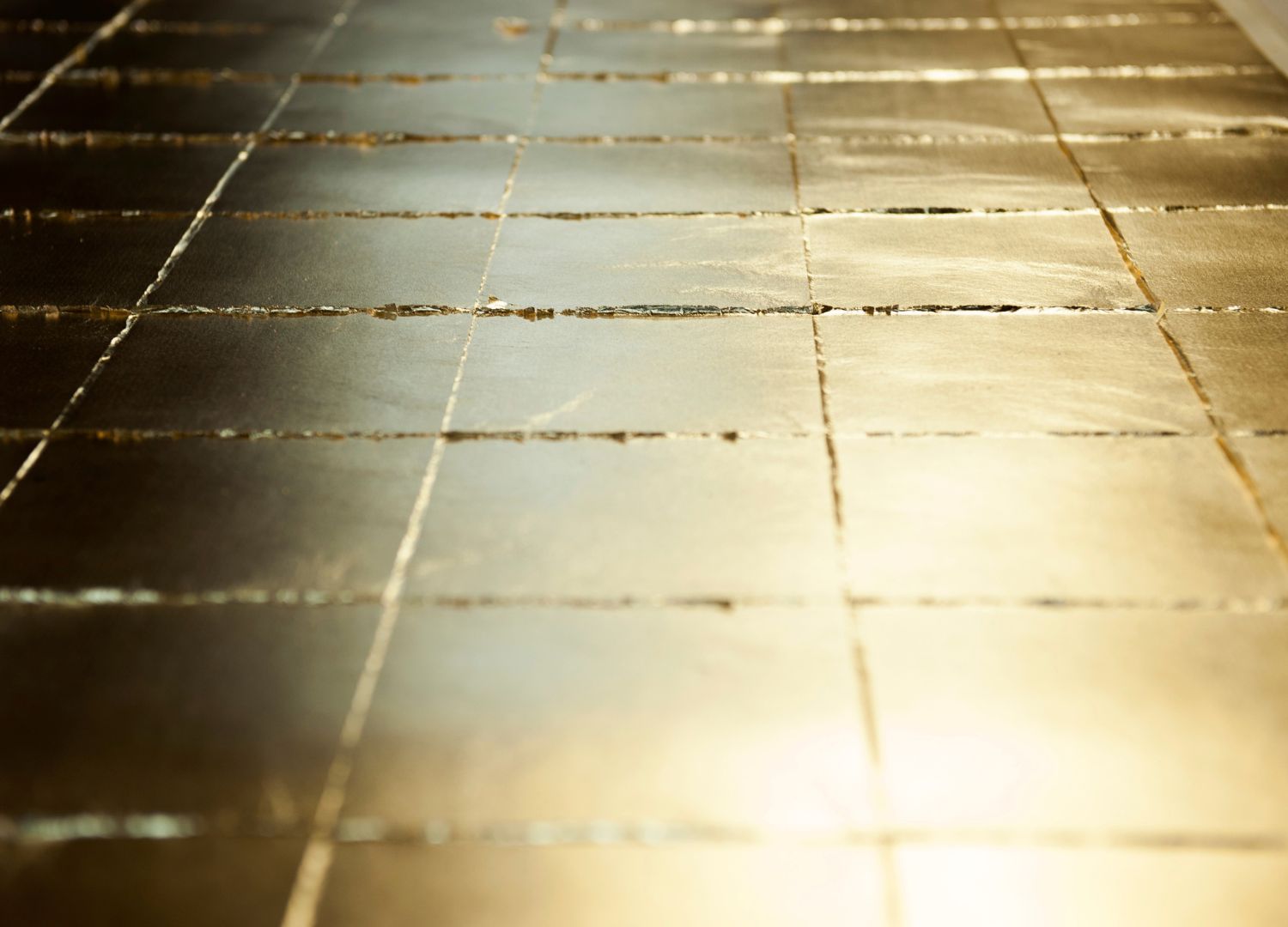
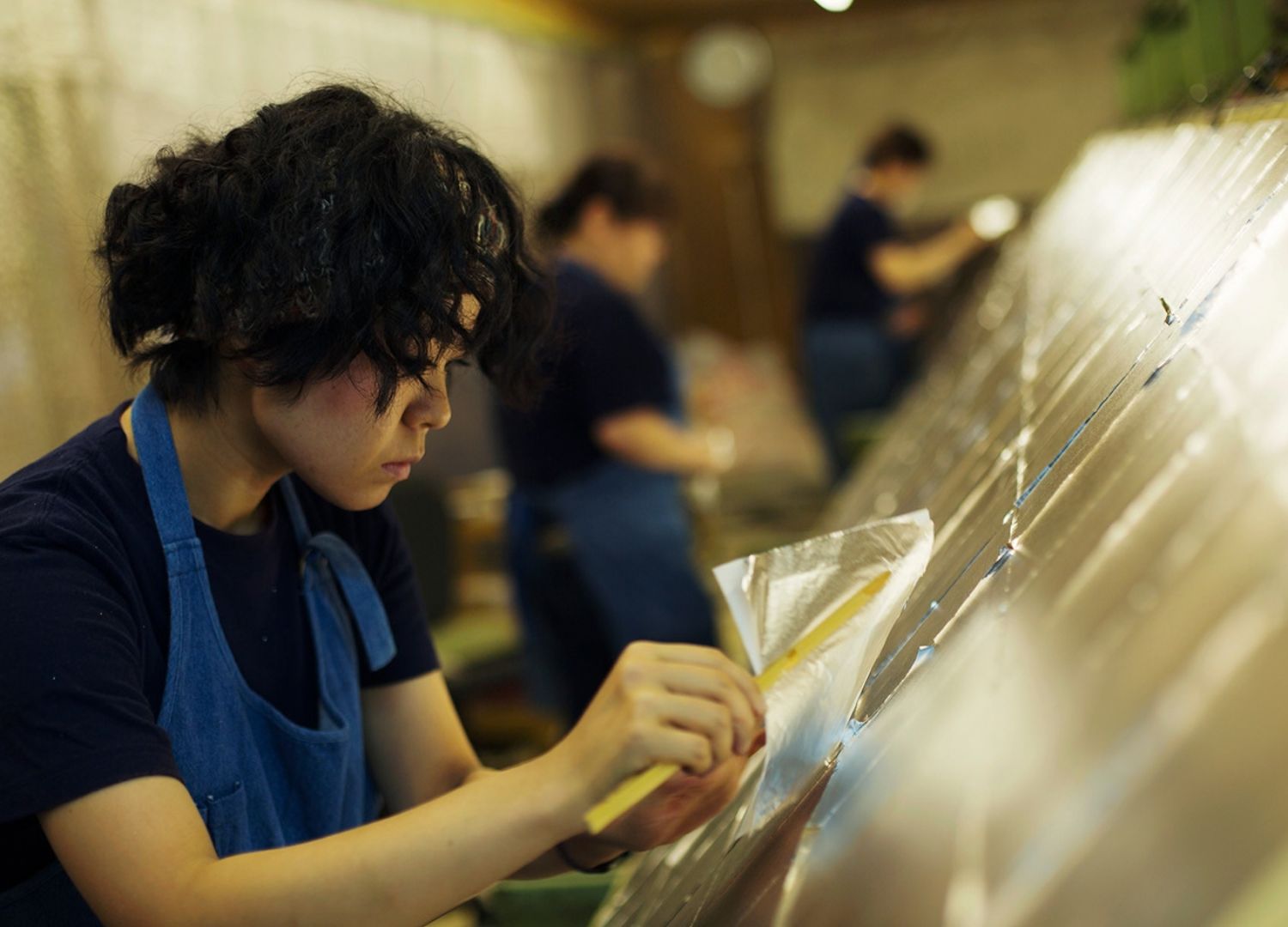
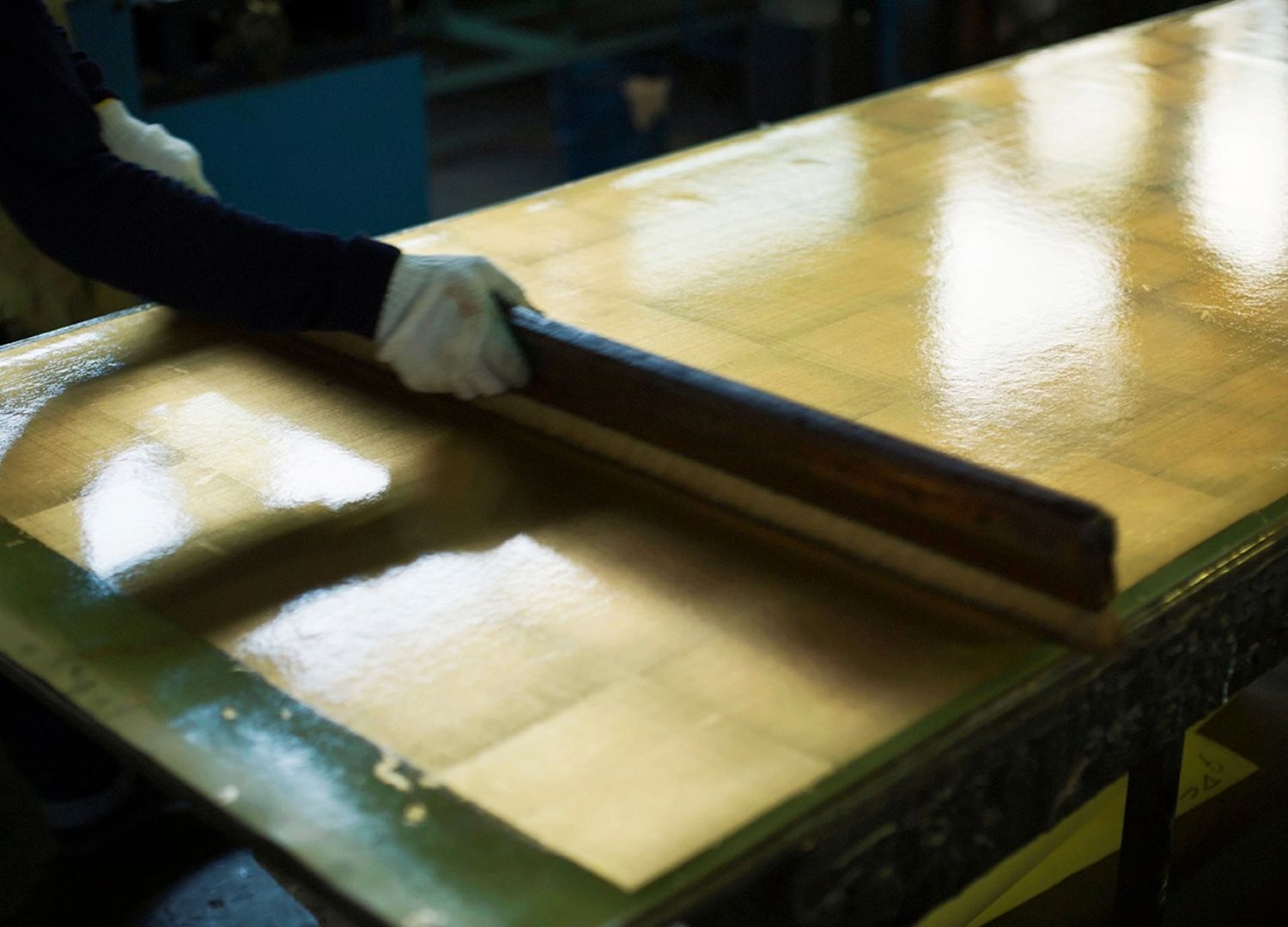
Generations of refinement have transformed traditional Japanese gilding into the highly precise craft it is today. Metallic leaf paper is produced by hand-bonding metal leaf onto washi paper using a proprietary adhesive, before being naturally dried for ten days. Standard sheets start at A3 size and can reach up to 7.4 metres in length. The same material is also available as panels, wallcoverings and small decorative objects. The signature brass leaf has been engineered to resist discolouration over time while closely resembling the appearance of genuine gold leaf. The product range includes gold, aluminium, copper and pewter leaves, with more than 1,000 varieties available.
Specifying Rekiseisha’s leaf paper begins with matching the material to the requirements of the setting, from decorative sheets and art panels to fire-resistant wallcoverings for commercial spaces. One of its main advantages over traditional gilding is its construction: the metal leaf is already bonded to paper, allowing it to be applied like a conventional wall covering rather than gilded by hand on site. Its handmade production also gives each surface an artisanal character that most industrial finishes cannot replicate. The trade-off is that each sheet is individually produced and naturally dried, resulting in longer lead times than those of standard industrial finishes.
The metal leaf paper is used in shrines, museums, hospitality, commercial interiors and F&B environments, while copper leaf has also been used in exterior applications, including JR Hiroshima Station. HAKU LAMI Finish adds resistance to water, dirt, scratches,and UV thus opening up installation contexts that standard metal leaf paper can’t handle. Rekiseisha also transforms imperfect leaf paper into products such as Leaf Gift sets, helping to reduce waste generated during production.
As a non-tarnishing finish designed for longevity, Rekiseisha’s gold leaf paper offers an alternative for projects seeking the visual richness of precious metals while combining craftsmanship, durability and a more considered use of material resources. It is a particularly distinctive choice where the surface itself is intended to become an integral part of the design.
About the author

Materially helps companies in the development and promotion of sustainable innovation starting from materials. We work with a focus on circular economy and materials innovation through a design thinking approach. Our team’s expertise and our network rely on 20+ years of international projects and experiences.
WebsiteInstagramLinkedin