Jia CURATED 2026: a festival rooted in the Indonesian landscape
As Bali’s leading platform for craft, design and culture moves to a new beachfront setting, this year’s edition asks what it means to build, gather and create in dialogue with nature rather than in spite of it.
From the 13th to the 17th of August 2026, Jia CURATED returns to Bali for its fifth edition, bringing together more than 250 participating brands and designers from Indonesia and abroad, for what is anticipated to be its most ambitious edition yet.
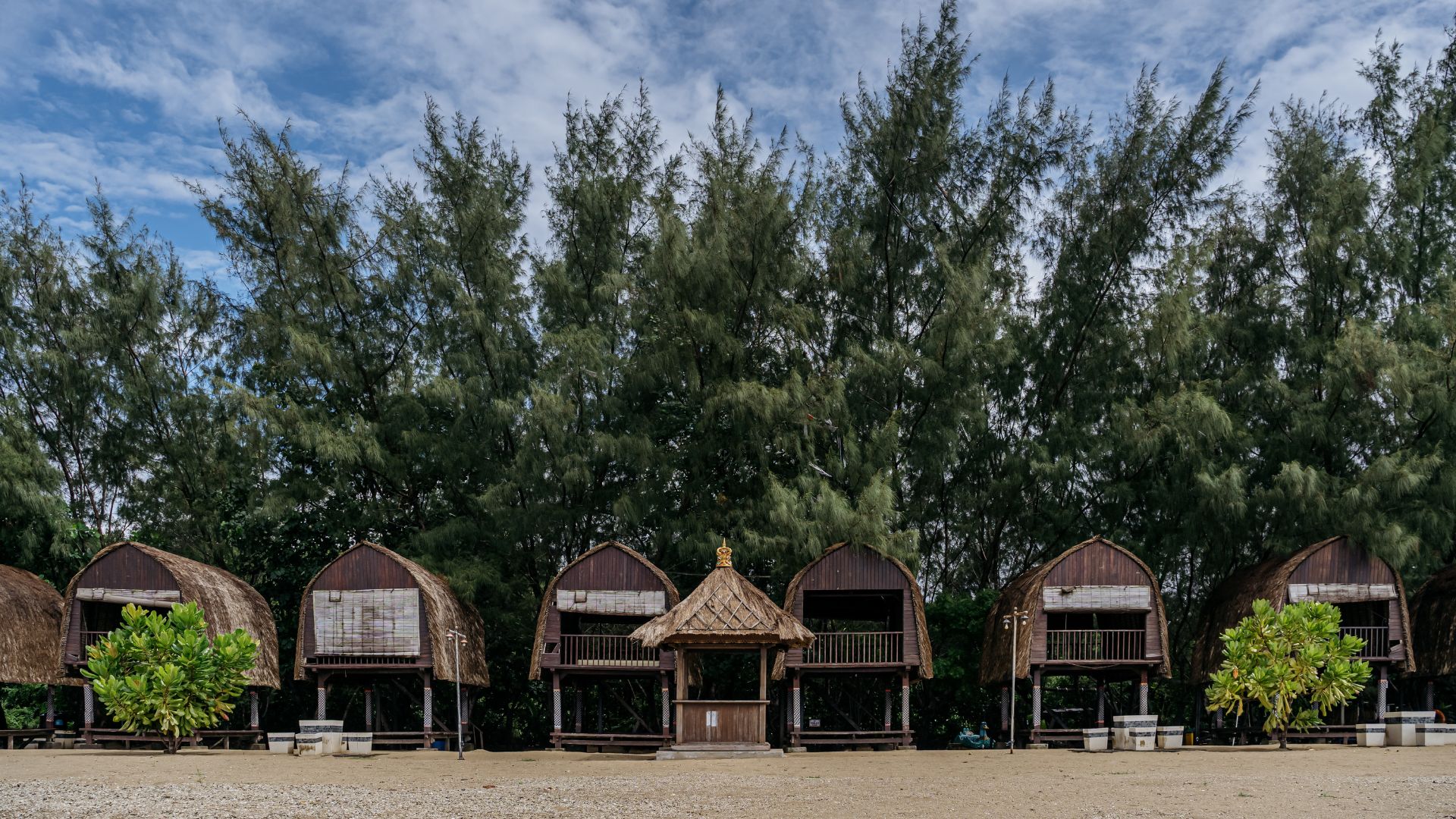
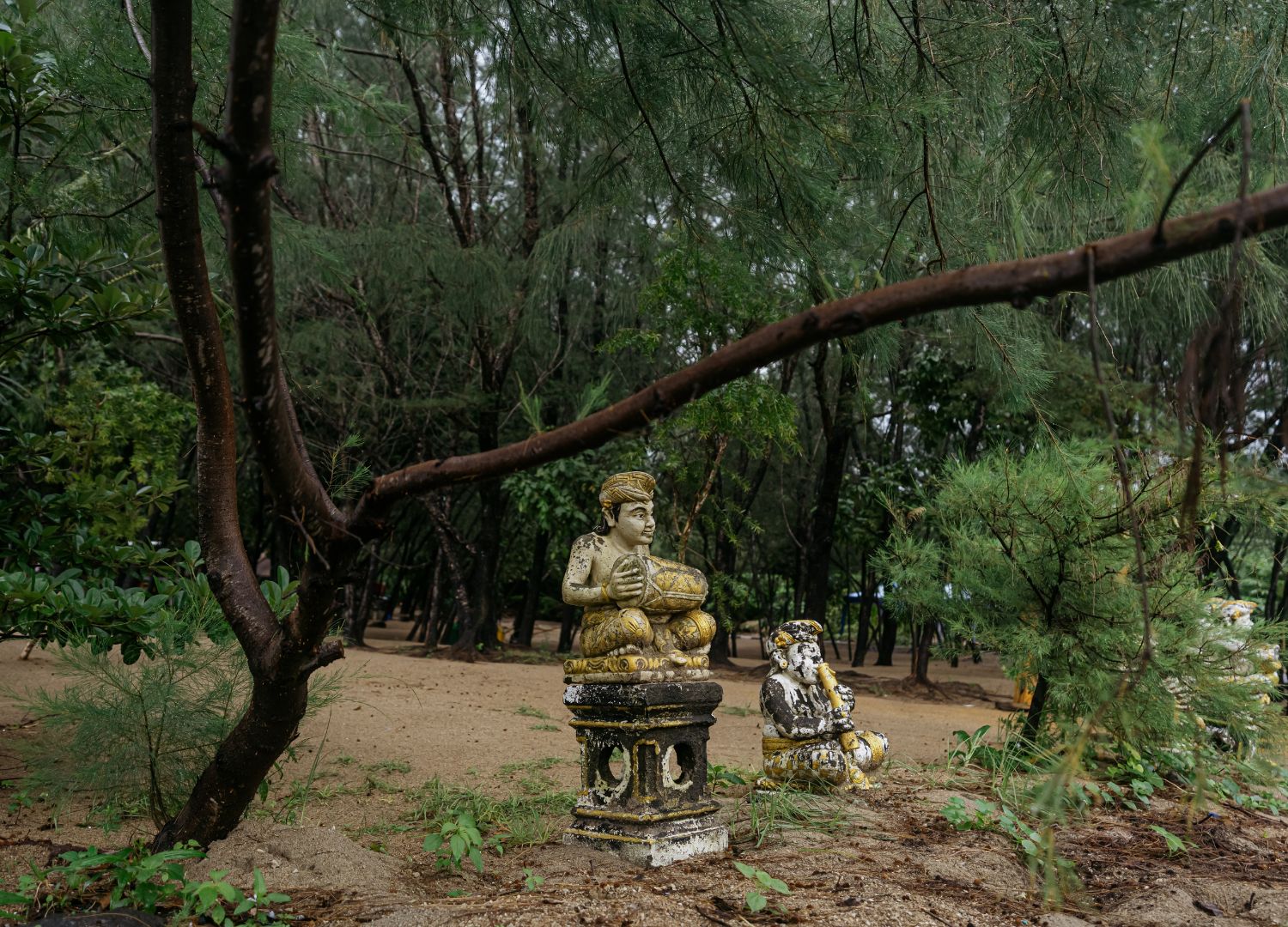
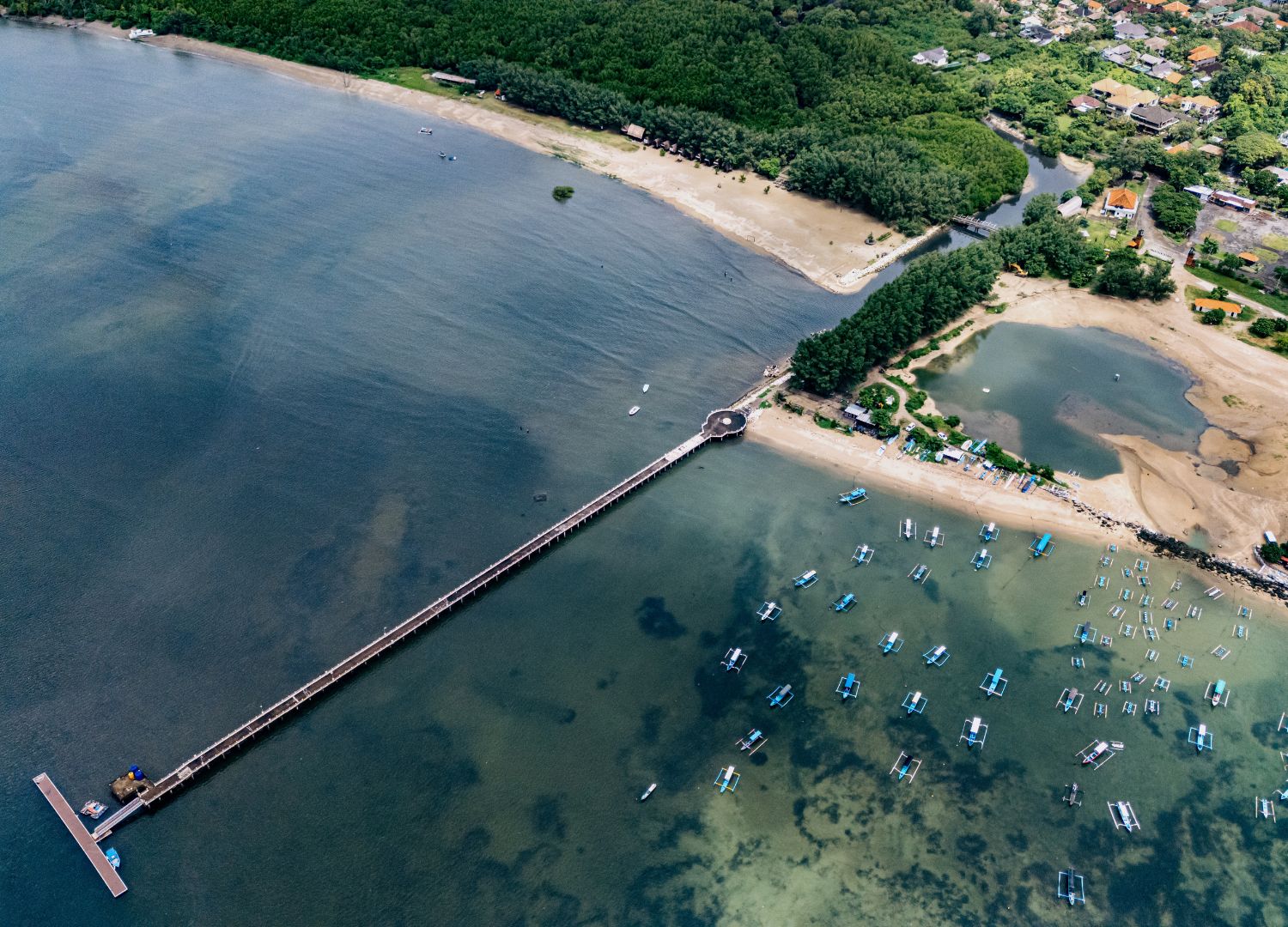
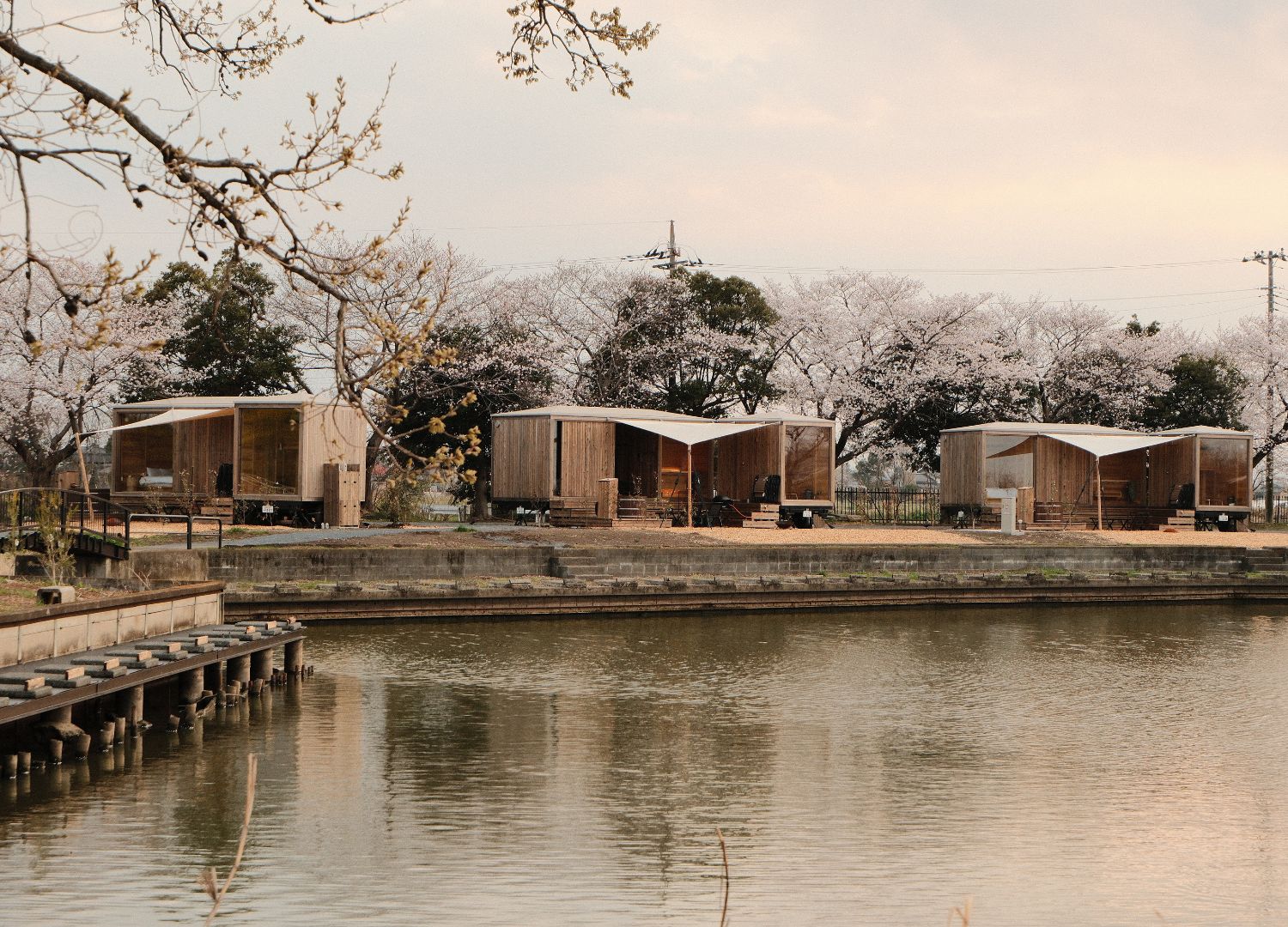
The event has moved to a new home: Pengembak Beach in Sanur, a 15,000 square metre beachfront site on Bali’s eastern side, lined with pine trees and mangroves. The site faces both sunrise and sunset, a rare orientation for a beach location, and we expect it to be a breathtaking backdrop for the exhibition ground.
Gallery
Open full width
Open full width
Jia CURATED 2026
Nature as a brief
The move has effectively become the organising logic for the whole 2026 programme, as the unfinished, elemental character of the beach, its sand, stone, and changing light, has been treated as an active ingredient in the curation, pushing participants toward work that answers its surroundings. The year’s theme is called “Nature Weave,” expressed through an illustration by Argentinian digital mixed-media artist Sares, which looks at how people, design, and natural systems are bound together.
The theme is built around the idea of biophilia, a concept that describes the positive effects of integrating more natural elements in our lives and environment. Co-founder Budiman Ong argues that we tend to misdescribe nature as something outside us, when in fact we’re formed by it and reliant on it in so many ways that are easy to forget. Nature Weave is thus a prompt to notice the web of relationships that keep things alive, and to draw on natural systems as a working model for collaboration itself.
He describes the team’s first encounter with Pengembak Beach as meeting a collaborator: the site’s characteristics became active forces in shaping the event that the curators had to listen to. This approach is also what was asked of the exhibitors, letting the terrain steer how structures get built and what stories are to be told.
This approach can be traced back to Gotong Royong, the Indonesian principle of mutual cooperation that has anchored the show since its earliest editions. The event treats its designers, artisans, brands, institutions and visitors as parts of one interlocking system, on the theory that what makes the festival work is not a single contribution but the relationships running between them.
Architecture in Scale
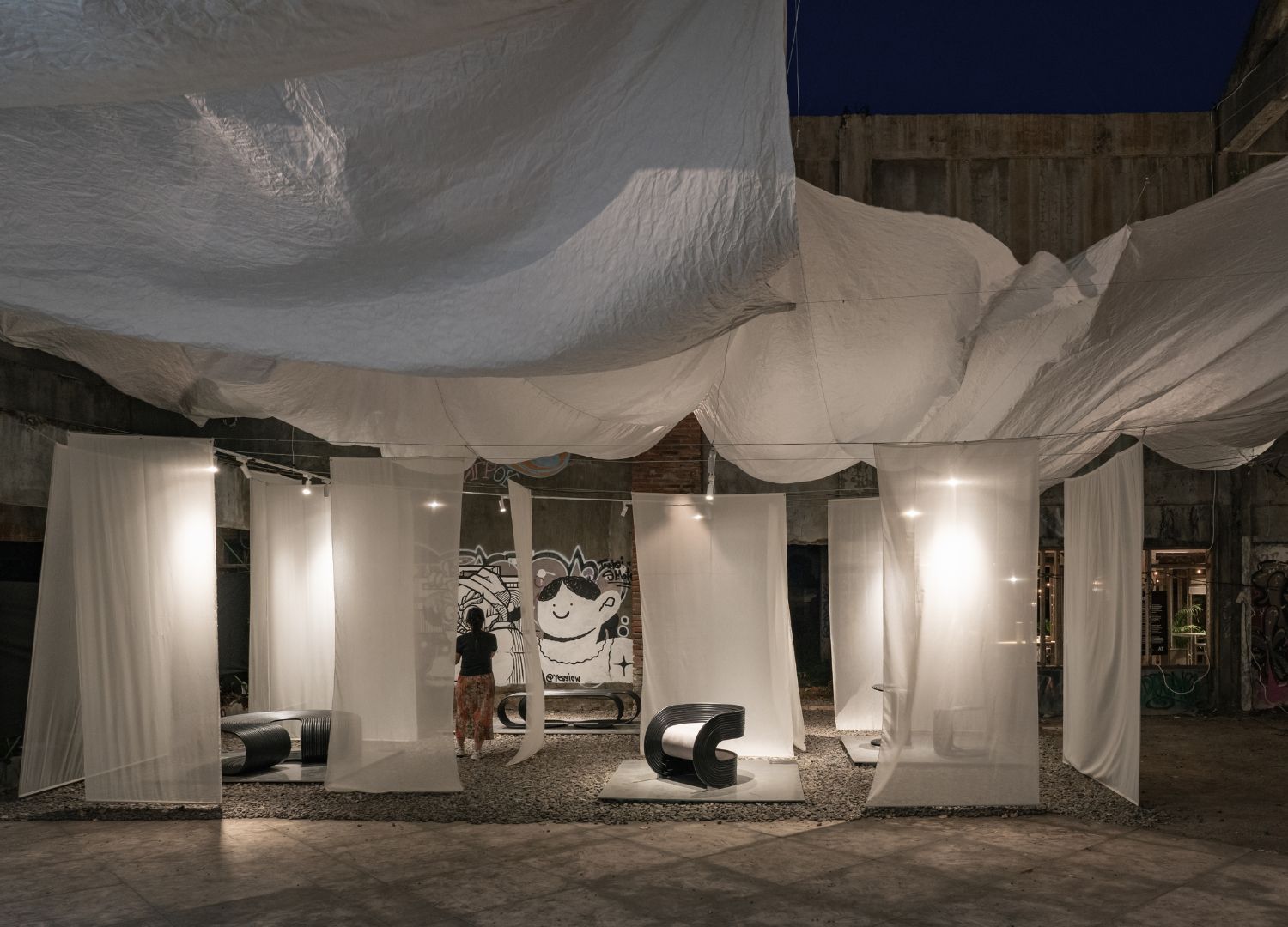
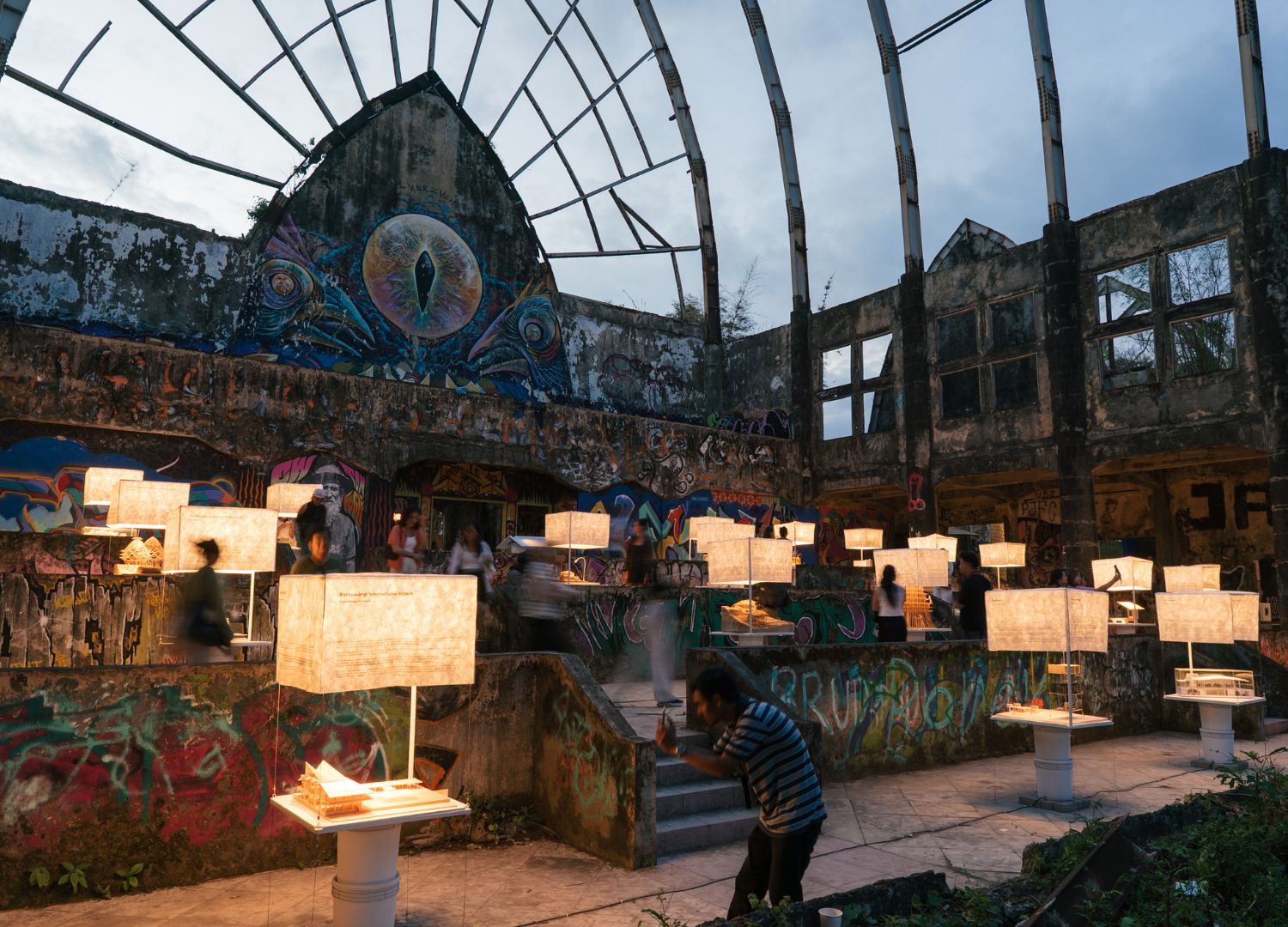
One of the most important features of this year’s show is the return of Architecture in Scale, a display of detailed architectural maquettes, following a well-received first edition in 2025. Curated by design journalist and South China Morning Post design editor Charmaine Chan, the 2026 edition brings together 25 scale models of completed buildings from Indonesia and across Asia, with practices including Kengo Kuma & Associates, andramatin, Bensley Design Studio Bali, Alexis Dornier and IBUKU Studio featured alongside firms such as SHAU, Cave Urban, CHANG Architects and DDAP Architect.
Chan frames the exhibition around the same general theme of biophilia, claiming that engaging with nature in architecture is a structural process. Drawing loosely on the Balinese idea of Tri Hita Karana, closely tied to Gotong Royong, which says that a good life comes from balance between the divine, the human community, and the natural world. Beyond the experimental and pedagogic aspect of the exhibition, Chan is also proud of the physical nature of the show: “As virtual representation saturates everyday life, it’s a pleasure to engage with the tangible. Architecture in Scale, Jia CURATED’s exhibition of maquettes, celebrates that physical encounter.”
Regional design: the Philippines
Every year, the show sets aside some exhibition space for a country that the organisers see as an emerging force in regional design. This year the spotlight shines on the Philippines, presented through an exhibition called “Tomorrow” and led by guest curator Gabriel Lichauco of NEWFOLK.
The exhibition is centred on the idea of reconnecting with the Earth for a better future, and it pairs 9 designers with 10 Filipino craft workshops on new work that draws equally on indigenous knowledge and contemporary design thinking, grounded in questions of sustainability and heritage.
360° Design Dialogues
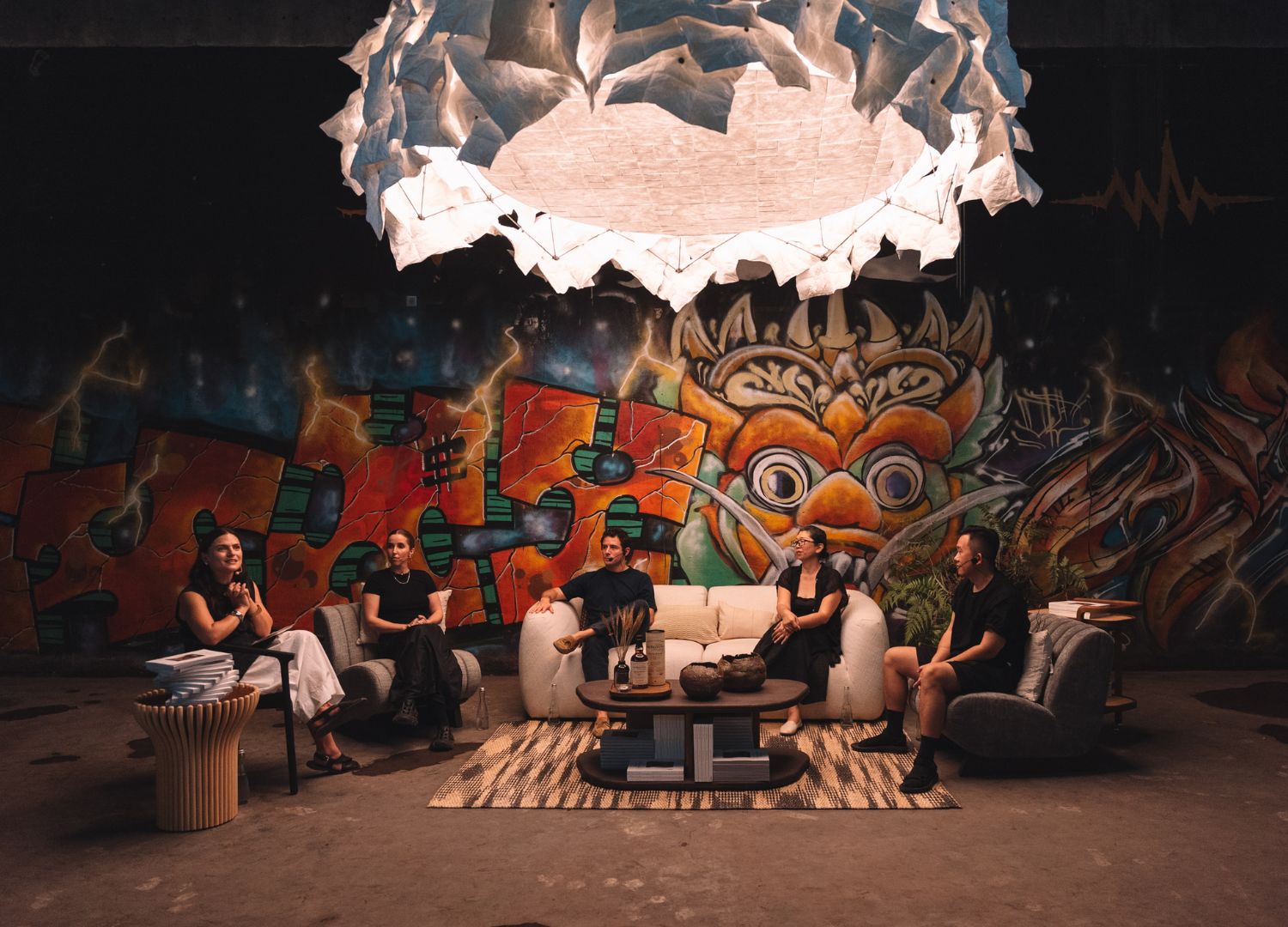
The festival’s talk series, 360° Design Dialogues, is back too, curated by Design Anthology, who curated last year’s Architecture in Scale exhibition. The lineup is built specifically around voices working at the intersection of design, material, and place. Keynote speakers include Bethan Laura Wood, Peter Stutchbury and Fiona Lynch, joined by panellists Kwangho Lee, Cheng Tsung Feng and Gabriel Tan, in a programme that leans deliberately toward perspectives that don’t usually get the spotlight.
Waste to Wonder 2.0
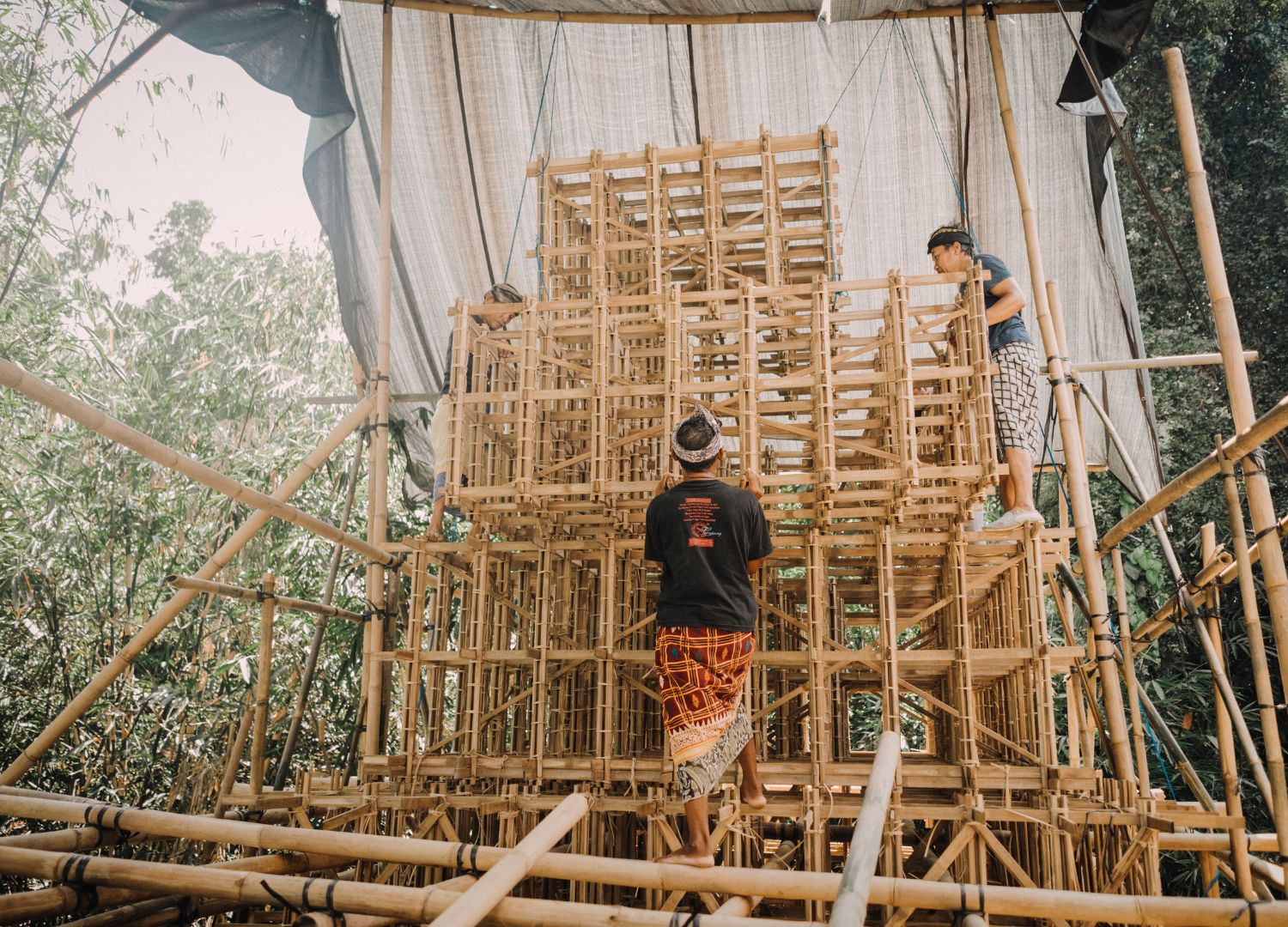
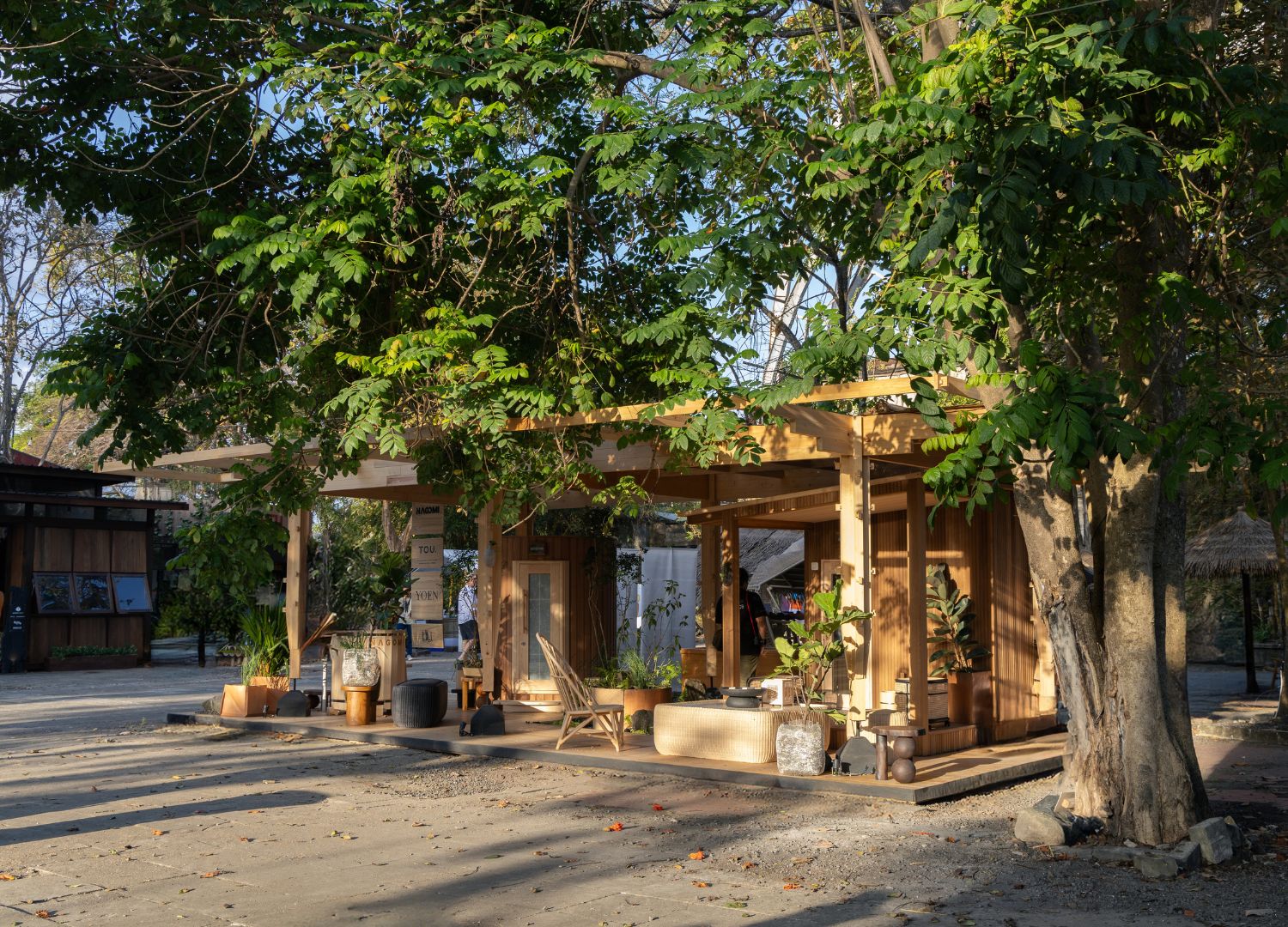
The fair’s sustainability commitments extend beyond the stage, as Waste to Wonder, the festival’s ongoing circular design initiative, returns in an expanded form as Waste to Wonder 2.0. Building on last year’s edition, the project turns the past exhibition’s own leftover materials into new objects: Tyvek roofing becomes patio umbrellas and cushion filling, cardboard tubes and salvaged timber become new exhibition structures, and packaging crates from partner Lamitak are reworked into seating around the grounds.
Project Benih
New this year is Project Benih – a Jia CURATED initiative – which brings together artisans, manufacturers, and designers from Indonesia, Japan, and Taiwan into a shared programme. Its name means “seed” in Indonesia, and it points to its purpose of laying the groundwork for relationships that develop over time rather than producing a single finished showcase.
9 designers across the 3 countries will each present a past work that captures their design philosophy, while 13 Indonesian artisans and manufacturers will demonstrate their materials and techniques. During the festival, the two groups will meet in person and choose one to pair with based on shared ideologies, kicking off a joint project. Those collaborations will develop over the following year with help from the curating team, and we expect to see them on show in 2027.
A festival for progress
While most Eurocentric design shows are highly focused on the market and the transactional nature of design objects, Jia CURATED keeps offering a fresh and genuine perspective on the creative field. Across its many formats and exhibitions, the festival continues to propose new ways to think about and model creative work, with this year focusing on collaboration and interdependence, both with nature and among ourselves. Its vision of design is about more than a finished product, looking to a web of interconnected relationships, cultures, and ideas that allow that very object to come to life, and this holistic approach is what continues to set Jia CURATED apart.