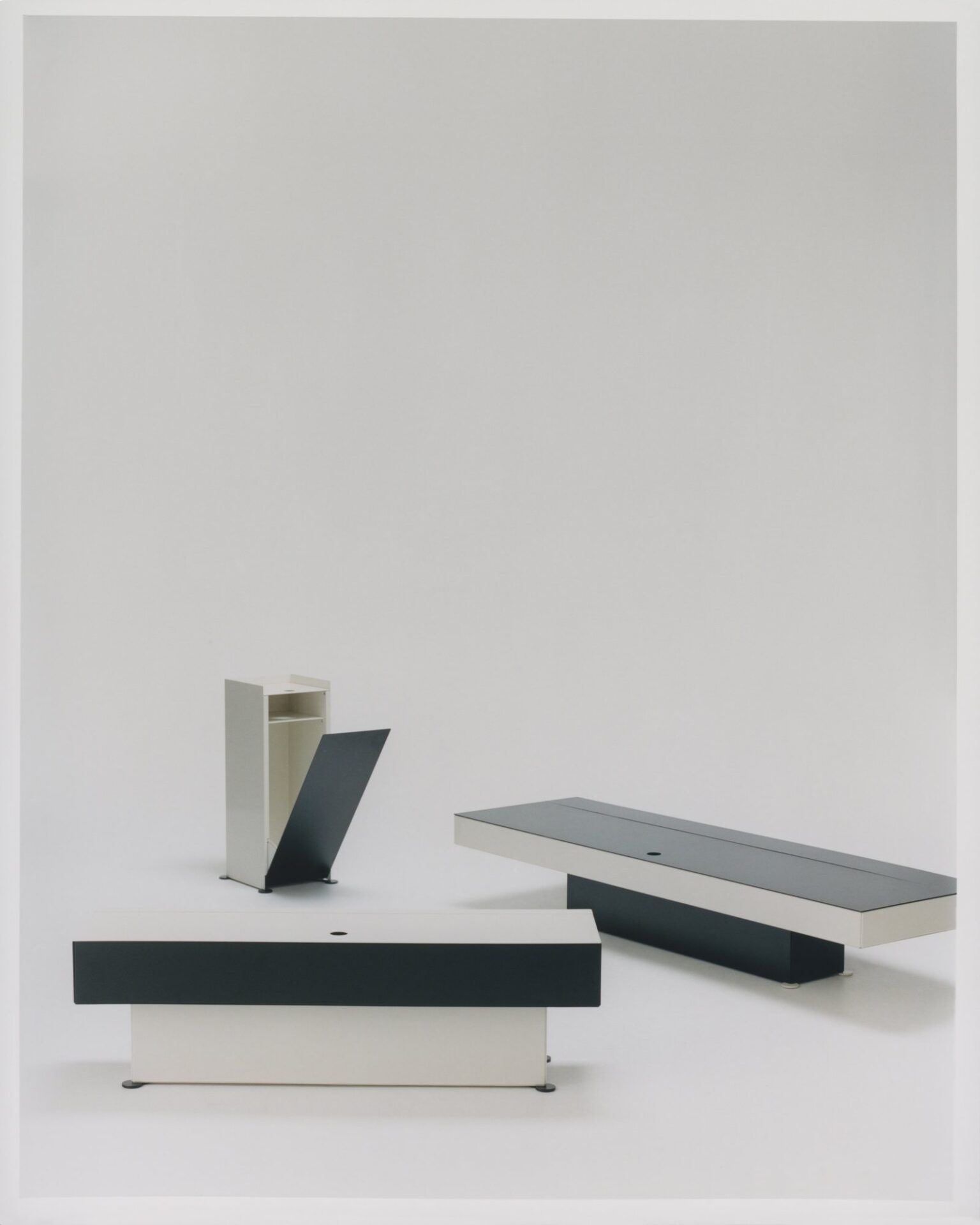
Unit, the new storage collection from New Works, is built on a dialogue in steel: the precision of heritage fabrication meeting an expressive approach to form, so that how each piece is made is visible in how it looks.
The collection is the result of a collaboration between Norwegian designer Jonas Ravlo Stokke and Eskoleia, a manufacturer whose Kongsvinger workshop has shaped steel for more than a century.
Unit – Highlights:
A century of steel in Kongsvinger
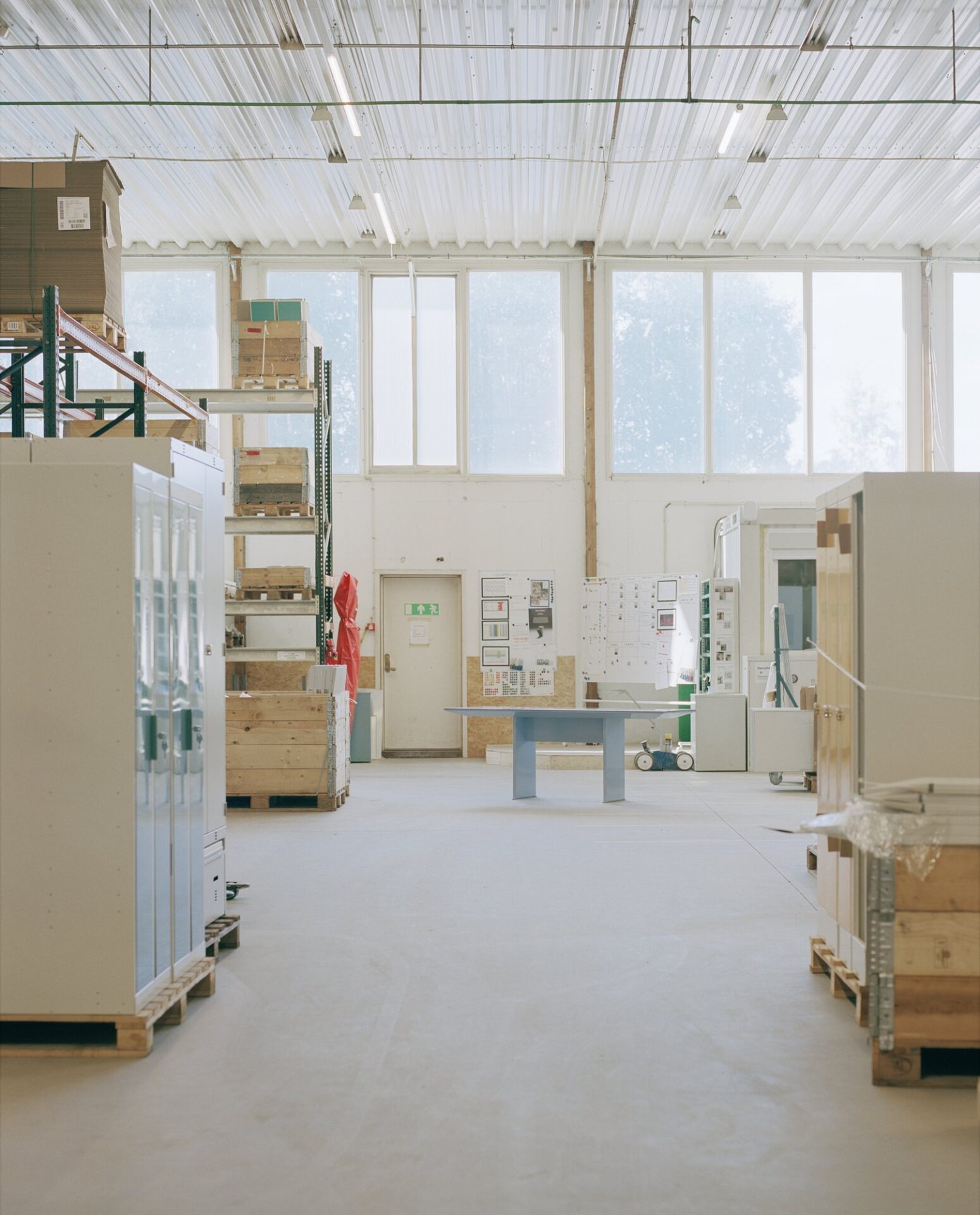
Eskoleia has worked with sheet steel since 1912, and today it still develops and produces its furniture in Kongsvinger, Norway, with development and manufacturing under one roof. Because design and production sit together, changes happen quickly, and a detail can be resolved on the factory floor rather than across separate offices. There, drawings meet machinery almost immediately, and an idea has to hold up not just on paper but in metal.
The collaboration grew directly out of that setting. Sketches became models, models became prototypes, and prototypes travelled back to the factory floor, in a constant exchange between Jonas Ravlo Stokke, New Works and the workshop — an exchange that asked steel, a material of accuracy and repetition, to take on a softer, more sculptural presence.
Six pieces, 24 colours
The result is a collection of six storage pieces — two consoles, three sideboards and a personal storage unit. Each piece carries the same language of folded steel, translated into different scales and different roles within a room, from a compact personal cabinet to a full-width sideboard.
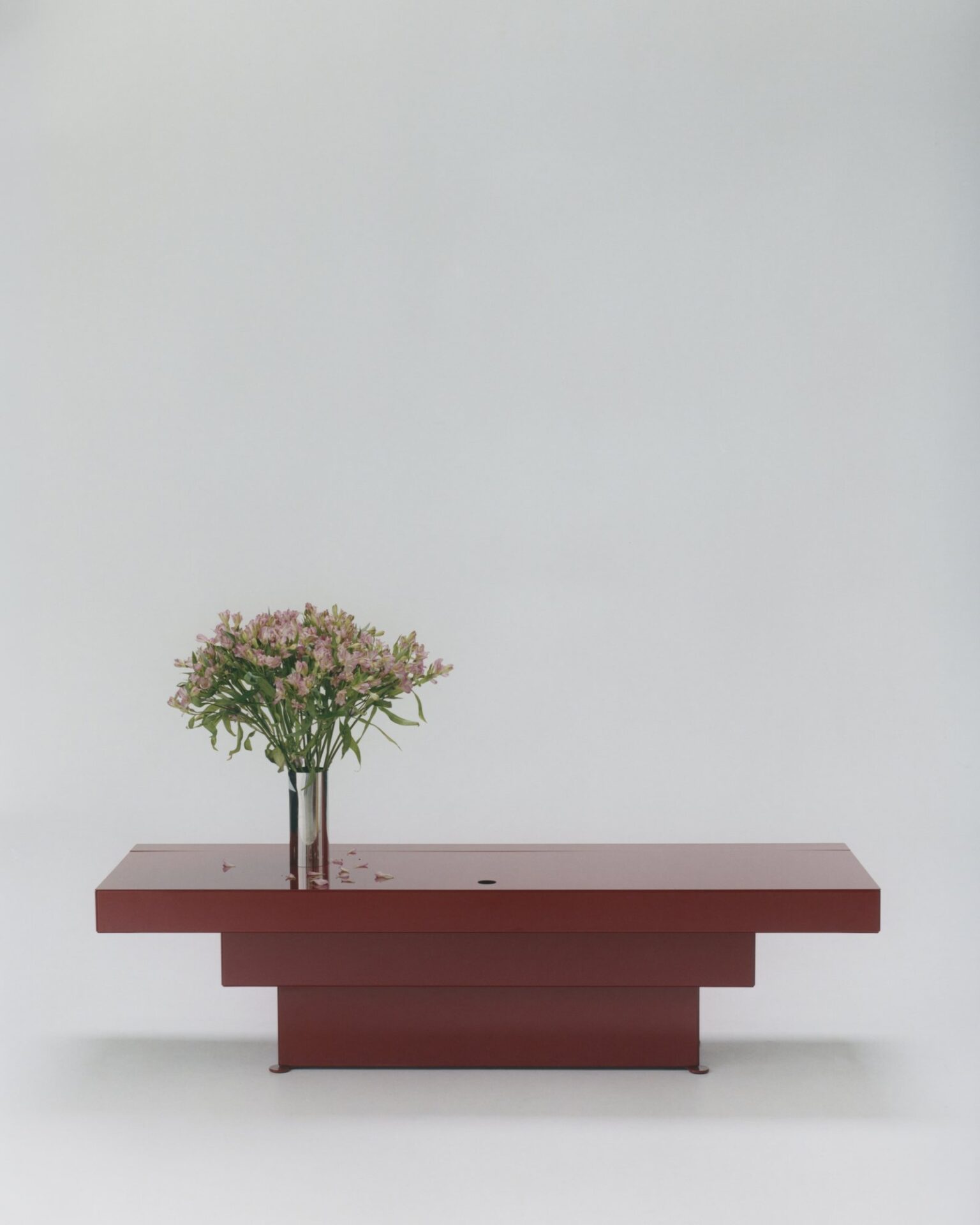
Colour is part of that expression. The pieces are finished in up to 24 colours, and each can be customised in two colours at once, so a sideboard or console can be composed to feel individual rather than off the shelf — a level of personalisation that is unusual for steel furniture.
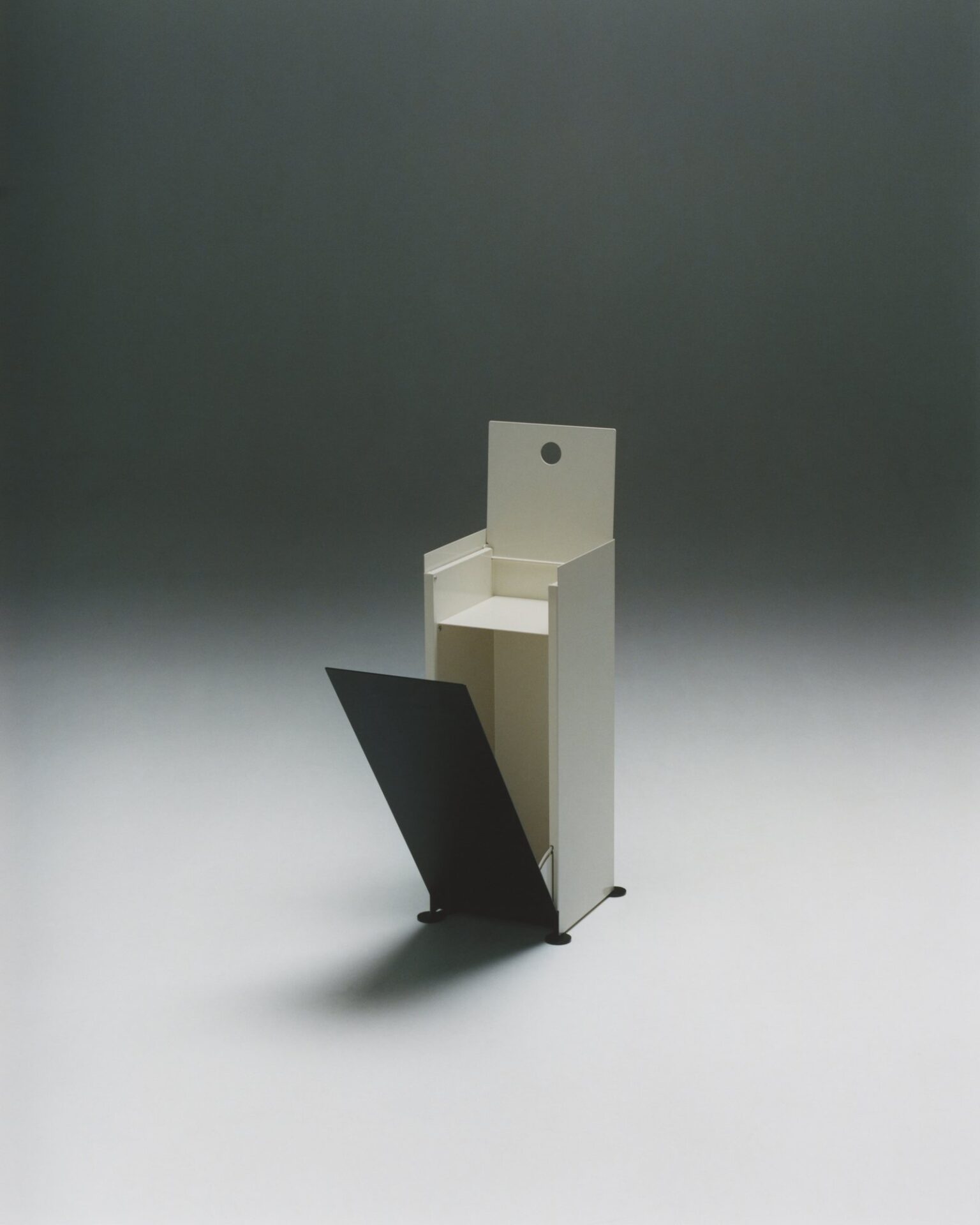
Everything is made to order at the Kongsvinger factory, produced only when commissioned rather than stockpiled ahead of demand — an approach that keeps production aligned with what is actually needed. The steel itself is recycled, and the pieces are designed to last.
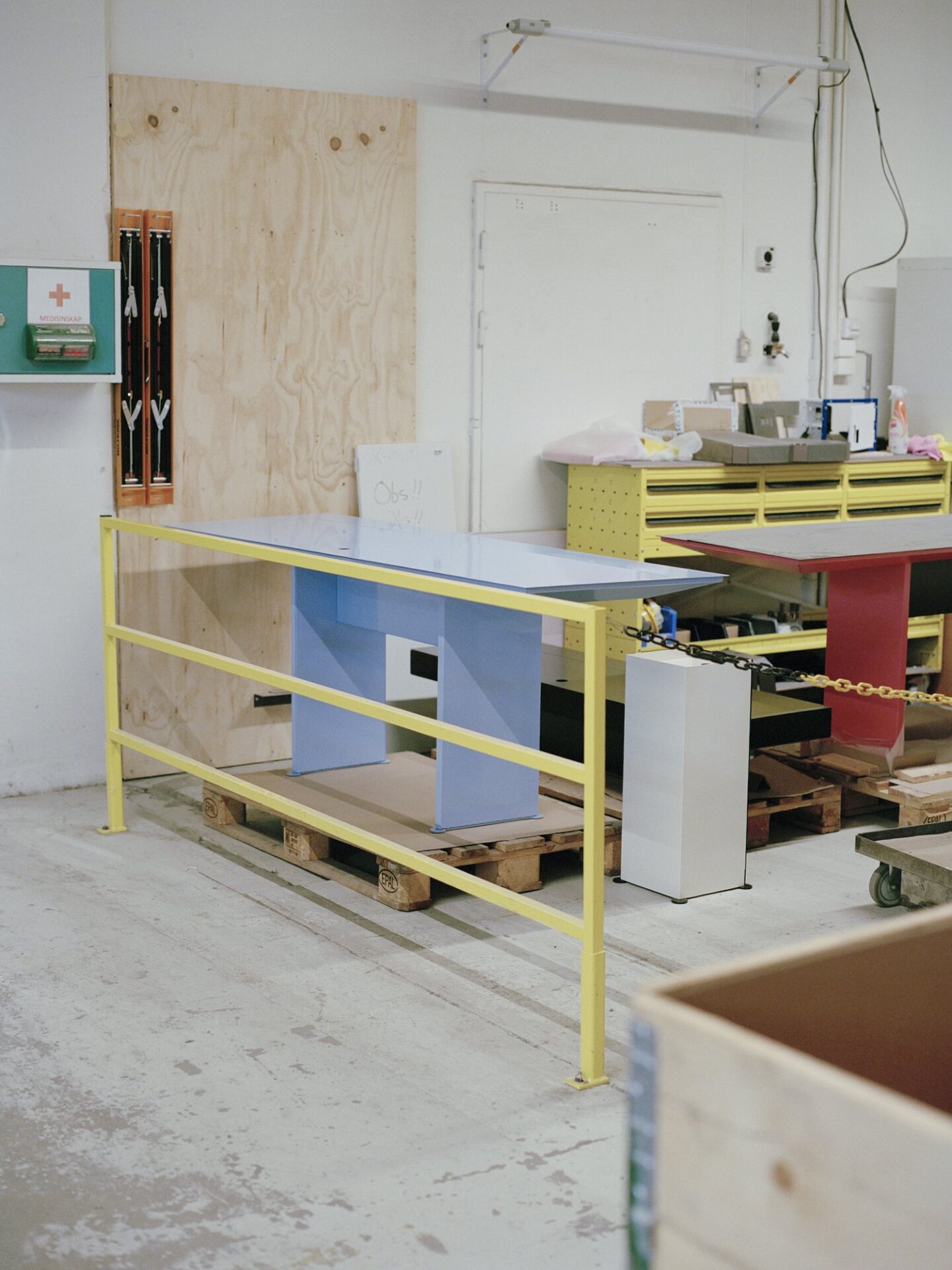
The collection is, in Eskoleia’s words, a union of function, form and sustainability.

Editorial Team
Do you have a story to share? Feel free to reach us out and submit your design and inspiration, we are always looking for interesting design ideas!