WOOD-SKIN was founded in Milan in 2013 by a group of designers and engineers looking to turn the organic shapes they were drawing into built architecture. Over the following decade it developed patented technologies, proprietary software and engineered materials for three-dimensional surfaces, delivering projects with architecture and interior studios across four continents.
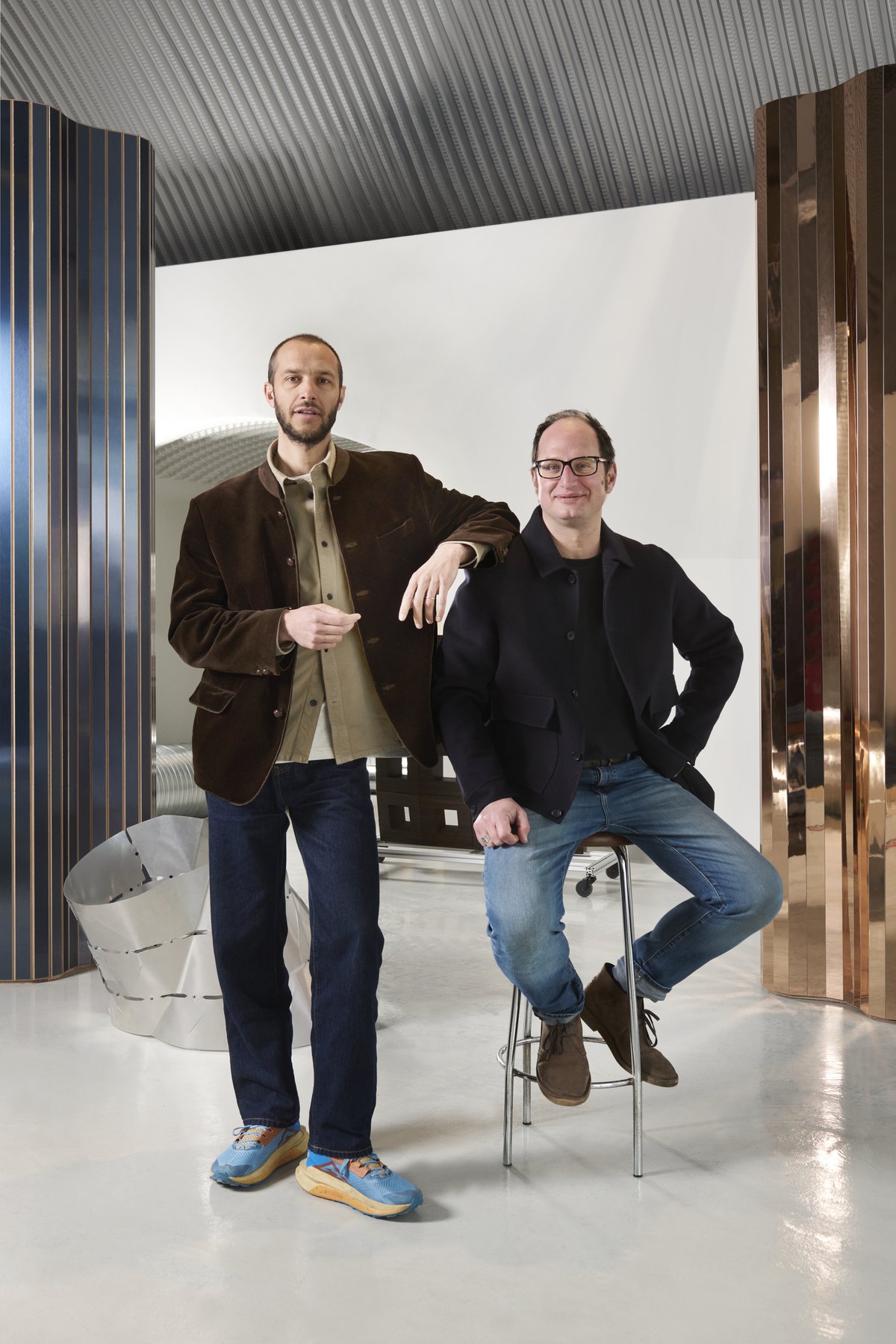
That experience now carries a new name. Led by Giulio Masotti and Niccolò Vigotti, Presentform employs a team of 11 architects, designers, engineers and specialists, and the company says it operates across Europe, the United States and the Middle East.
Presentform – Highlights:
Closing the gap between drawing and building
The starting point is a manufacturing constraint. Architecture still relies on flat panels and repeated modules, because three-dimensional surfaces have traditionally needed bespoke processes that are slow, expensive and hard to replicate. Presentform argues that parametric design and digital fabrication can close that gap: geometry is developed computationally, then produced as numbered components with assembly maps, so each bespoke surface follows a controlled, repeatable process.
The offer runs in two modes. Ready-to-spec modular families provide controlled three-dimensional patterns, acoustic performance and fast installation, while freeform solutions are developed around a designer’s own geometry, with density, arrangement, materials and finishes open to customisation. Surfaces can also integrate lighting, speakers, acoustic treatment and MEP systems.
A proprietary computational design platform follows each project from idea to fabrication. AI Render Studio places a three-dimensional wall or ceiling inside an existing rendering or photograph, or generates one from a text prompt. A Configurator then turns the design into a production-ready package of components, assembly maps, installation documentation and engineered panels.
Two platforms, one design language
The first platform is WOOD-SKIN®, the founding technology. A high-strength textile is bonded to wood veneers, PET felt or other finishing materials, letting rigid panels fold, twist and bend into complex geometry without traditional jointing. It suits theatres, concert halls, offices, hospitality and cultural spaces, where material quality, acoustics and geometric freedom are wanted together.
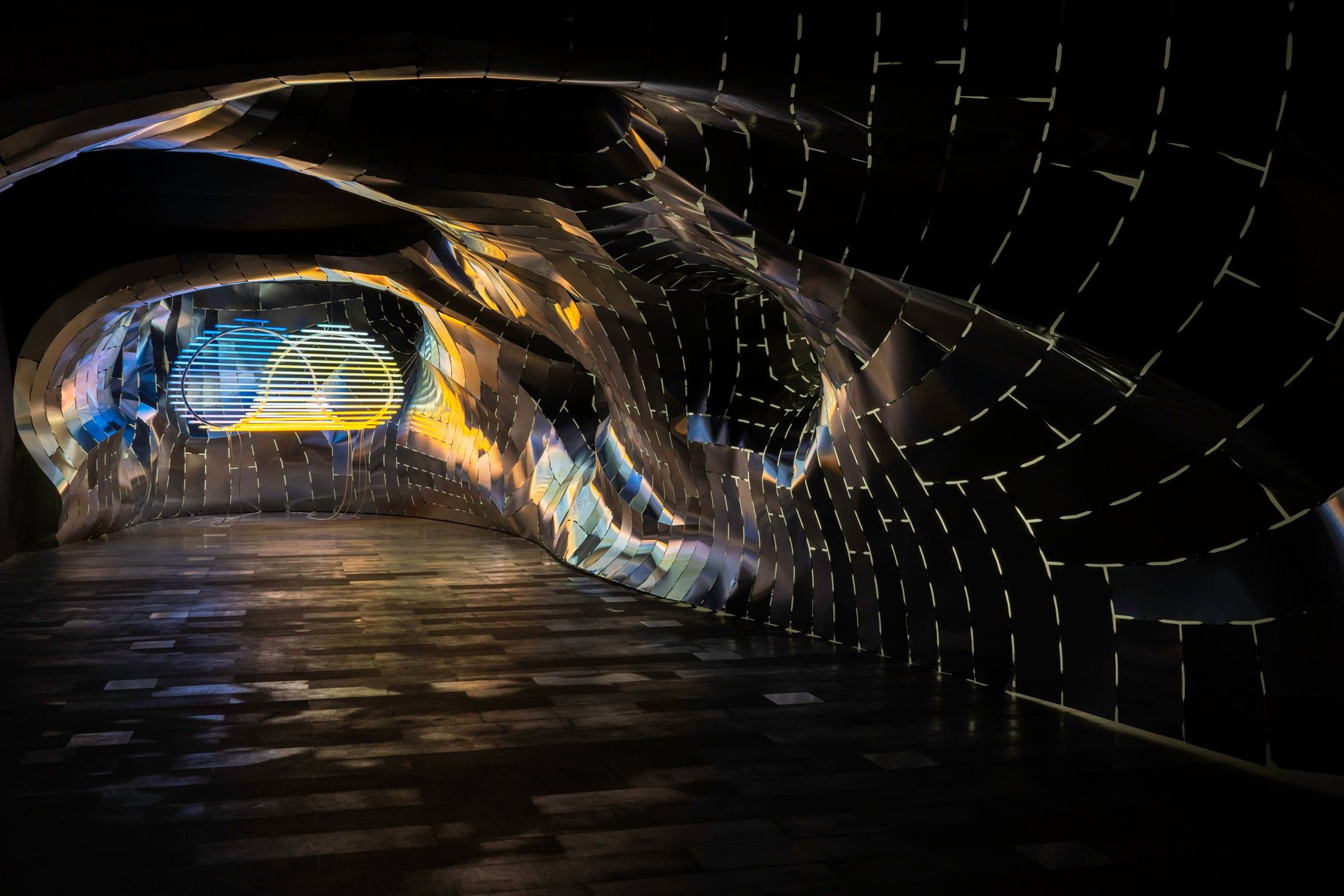
Metal Morphologies™ applies the same design process to metal, producing folded, perforated and three-dimensionally sculpted surfaces in aluminium and other metals at architectural scale. Perforation patterns and surface modulations are tuned for specific visual or acoustic effects. It addresses public and institutional interiors, external envelopes, museums, retail and hospitality, where durability and finish quality matter.
Four systems join the collection
The launch adds four systems. QUADRO, part of the W-S® Pendants family, reworks the coffered ceiling: a grid of square cells curves into concave or convex profiles and can be installed flush with the structure or suspended. In its Freeform version the square module disappears, leaving a continuous geometry that can run from ceiling to wall, and cells can be perforated to take lighting or acoustic elements.
Silhouette, from the same family, builds compositions from suspended circular elements, each with a felt side for absorption and a wood side. Sequences and densities range from intimate groupings to large installations for lounges and corporate interiors.
On the metal side, Streamline assembles walls and ceilings from linear elements, with direction, curve and intensity set by the designer, and is available in a Freeform version without grid constraints. Segmenta projects individual metal elements from the plane of the surface, so that reliefs, shadows and repetitions shift with light and viewing angle; its Freeform version adjusts the projection of each element. Both accept custom aluminium finishes, colours and integrated lighting.
A record of built work
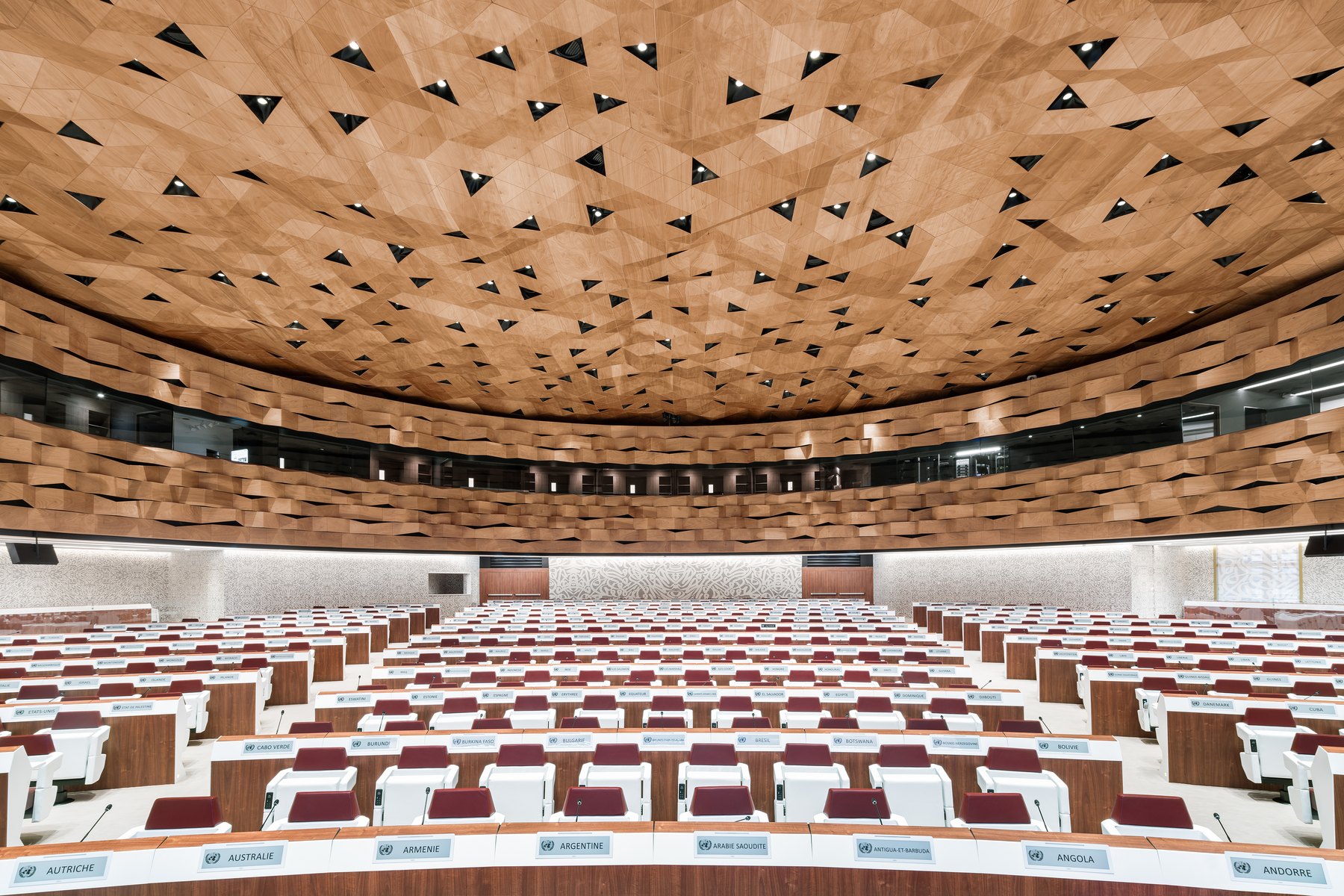
Room XIX at the Palais des Nations in Geneva, designed by Peia Associati, has a custom wood-composite surface covering the dome and walls, built as continuous wooden dunes for one of the complex’s most acoustically demanding rooms.
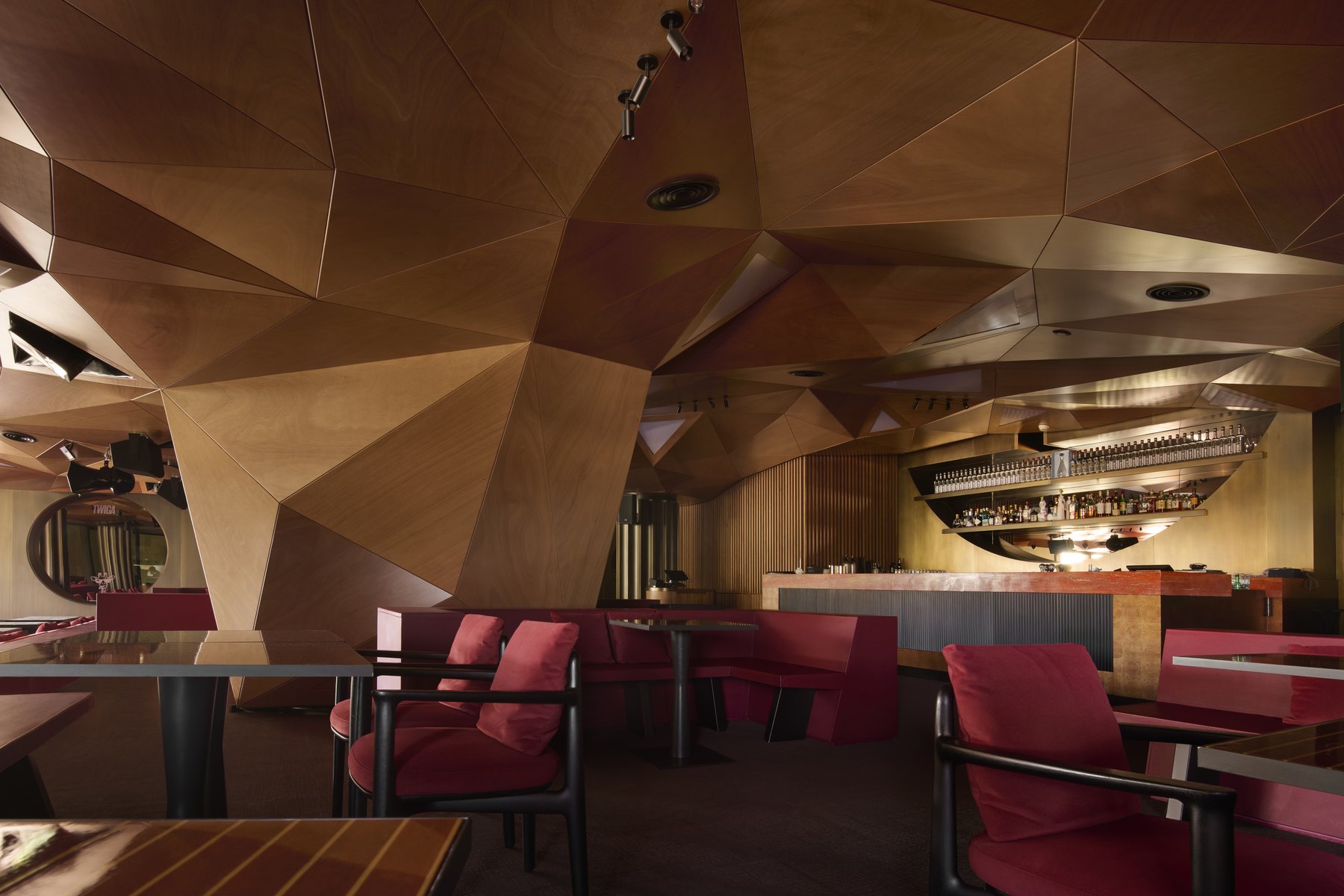
At Twiga Club in Monte Carlo, Stefano Belingardi Architects used flexible WOOD-SKIN panels for a large ceiling installation with a fluid, tessellated surface. In Nuoro, Metal Morphologies forms a site-specific surface at MAN, Museo d’Arte Provincia di Nuoro, designed by Pininfarina Architecture.
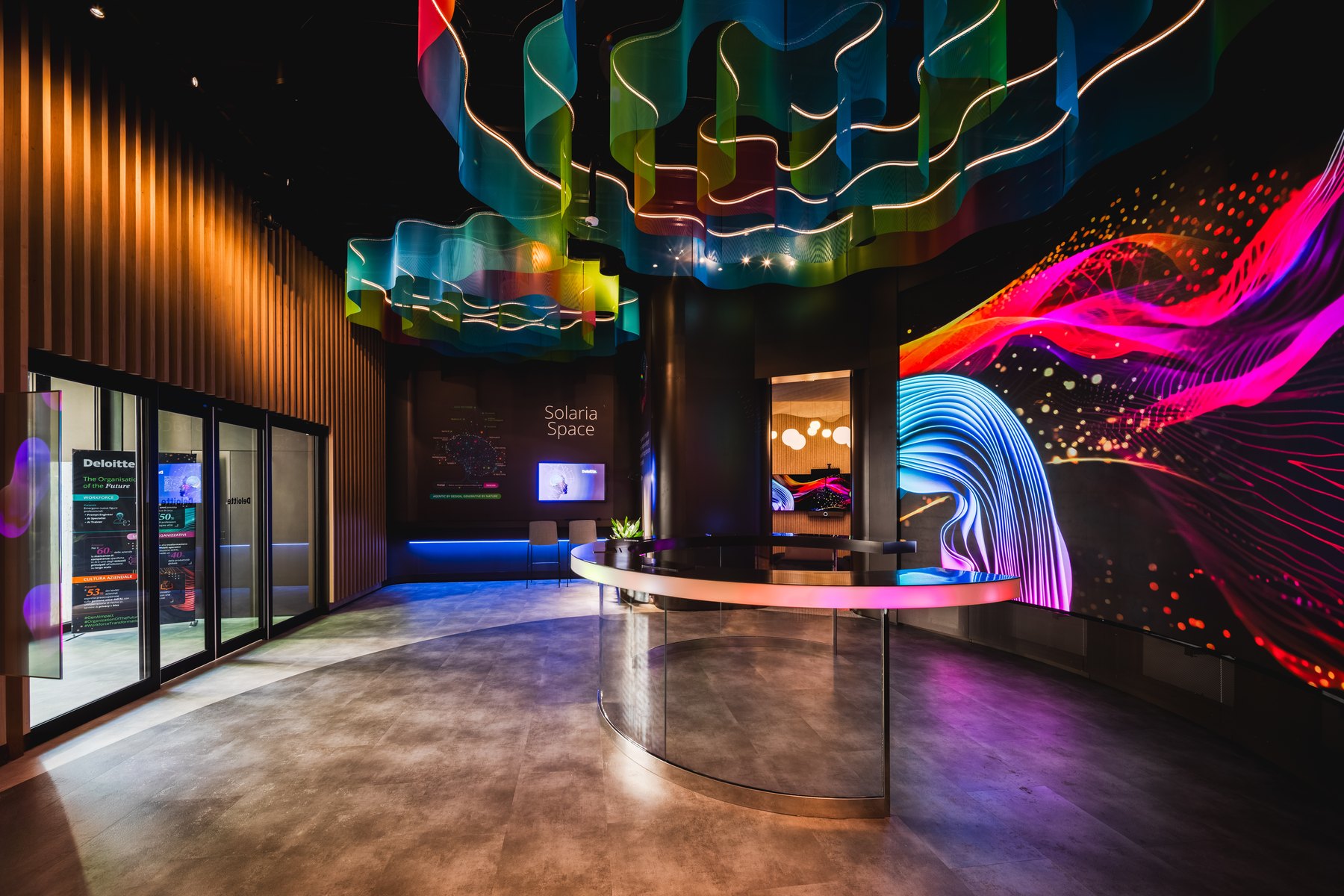
For Deloitte’s Solaria spaces in Milan and Rome, conceived by Lombardini 22, Presentform Atelier built a track structure on ceiling and wall carrying 350 metal mesh panels, calibrated for geometry, profile and colour gradient into a continuous arch.
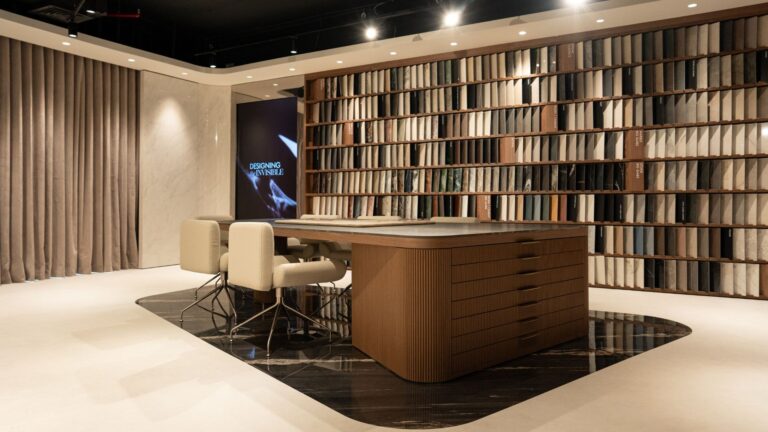
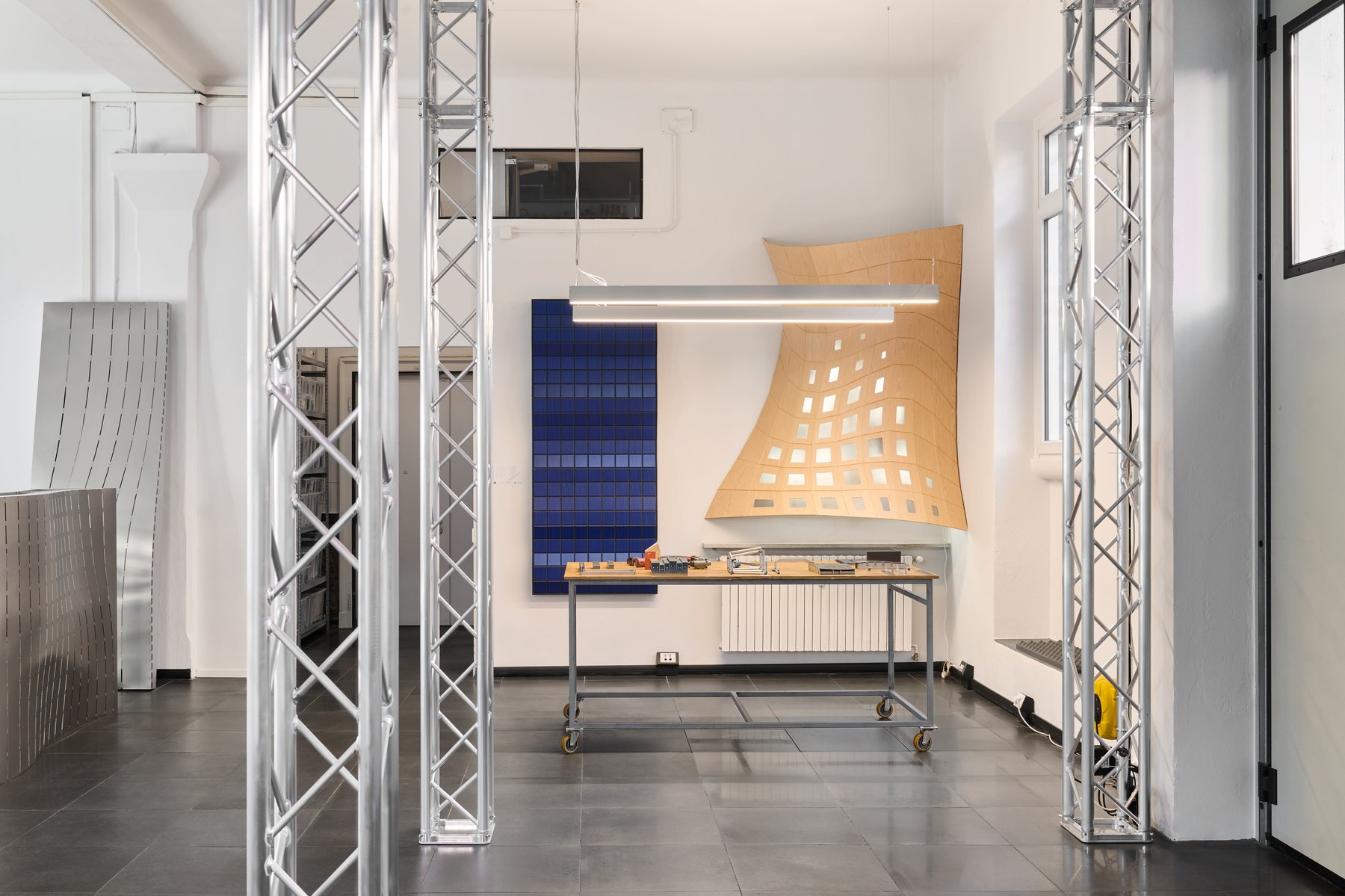
The Milan headquarters has been reorganised around that working method: architects and designers can bring an idea, see it translated into mock-ups, and assess materials and finishes on the physical piece as well as on a render.

Editorial Team
Do you have a story to share? Feel free to reach us out and submit your design and inspiration, we are always looking for interesting design ideas!