Is it necessary to add an AI assistant button to retro feature phones?
HMD unveils a series of Nokia phones that have a dedicated AI button for voice-assisted requests, including calls, texts, and online searches. But after 180 days, users have to pay for it.
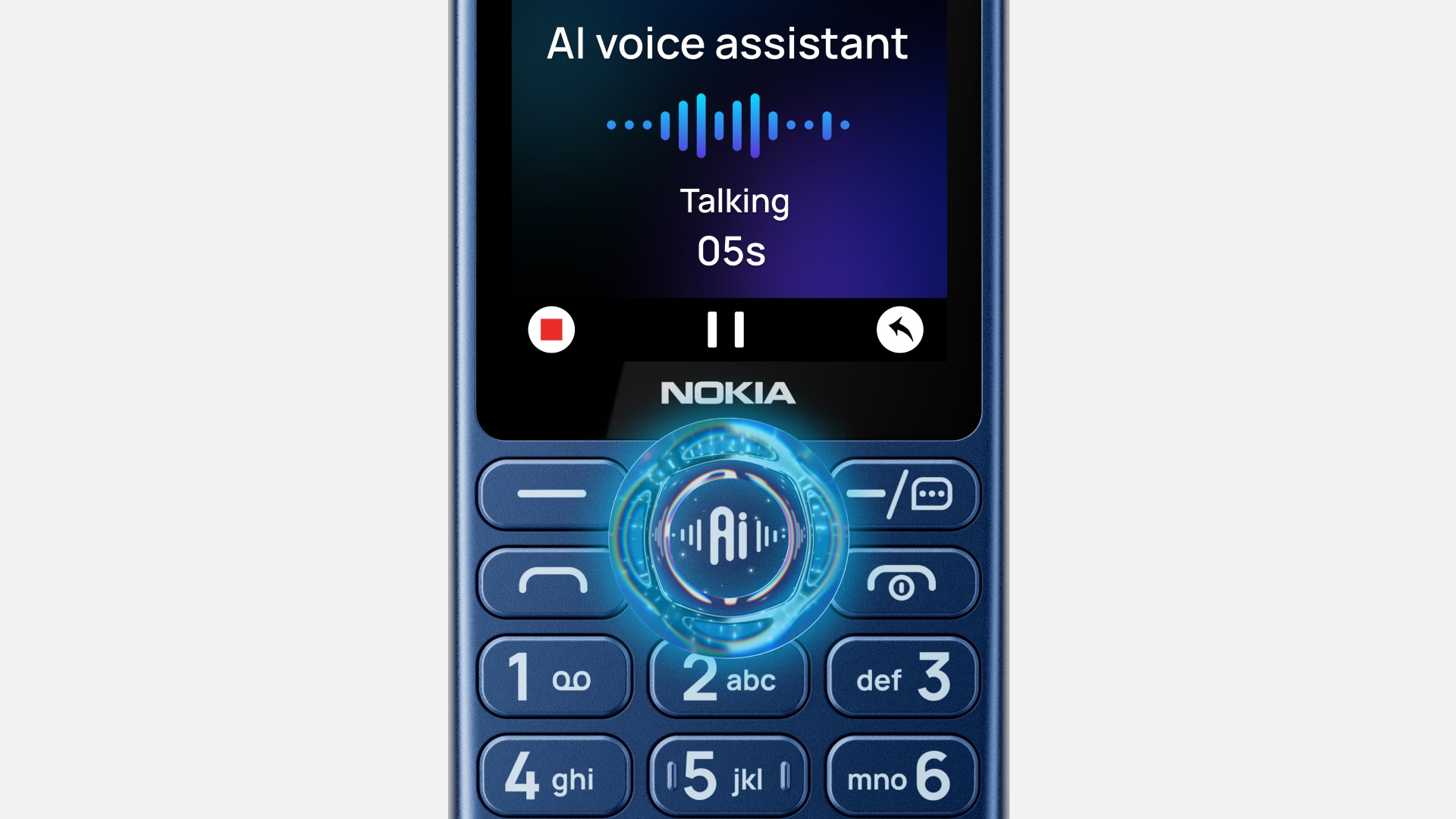
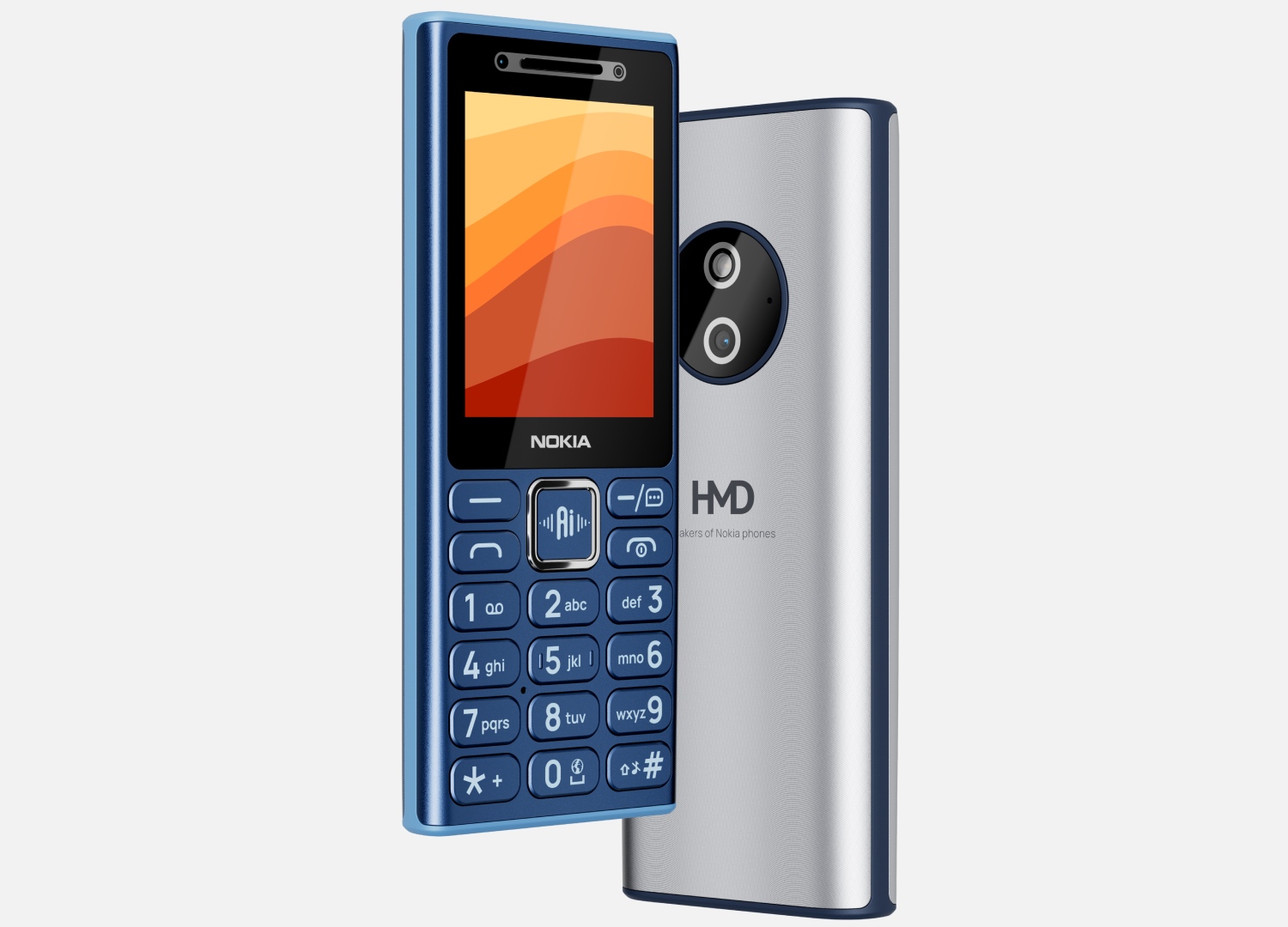
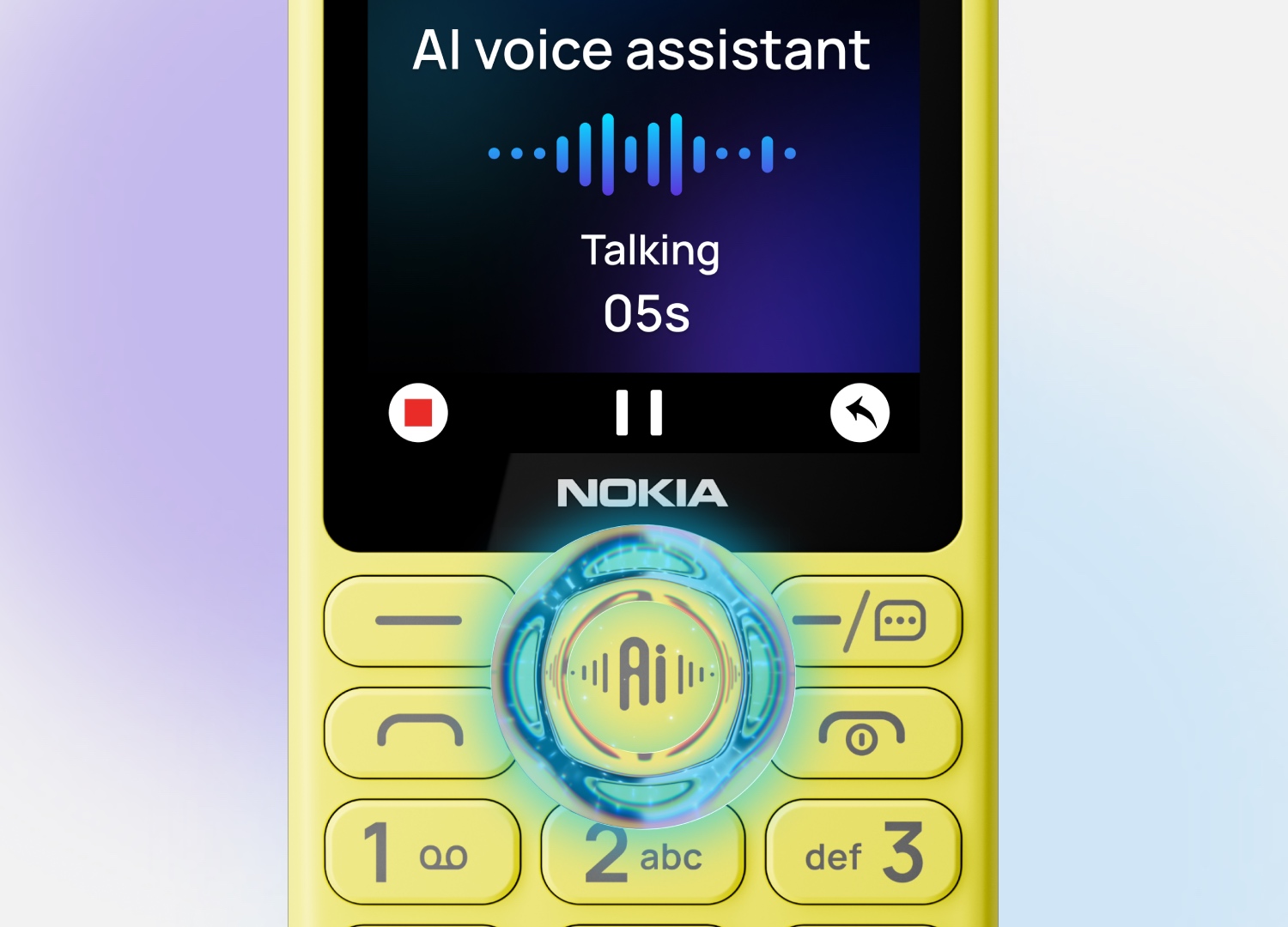
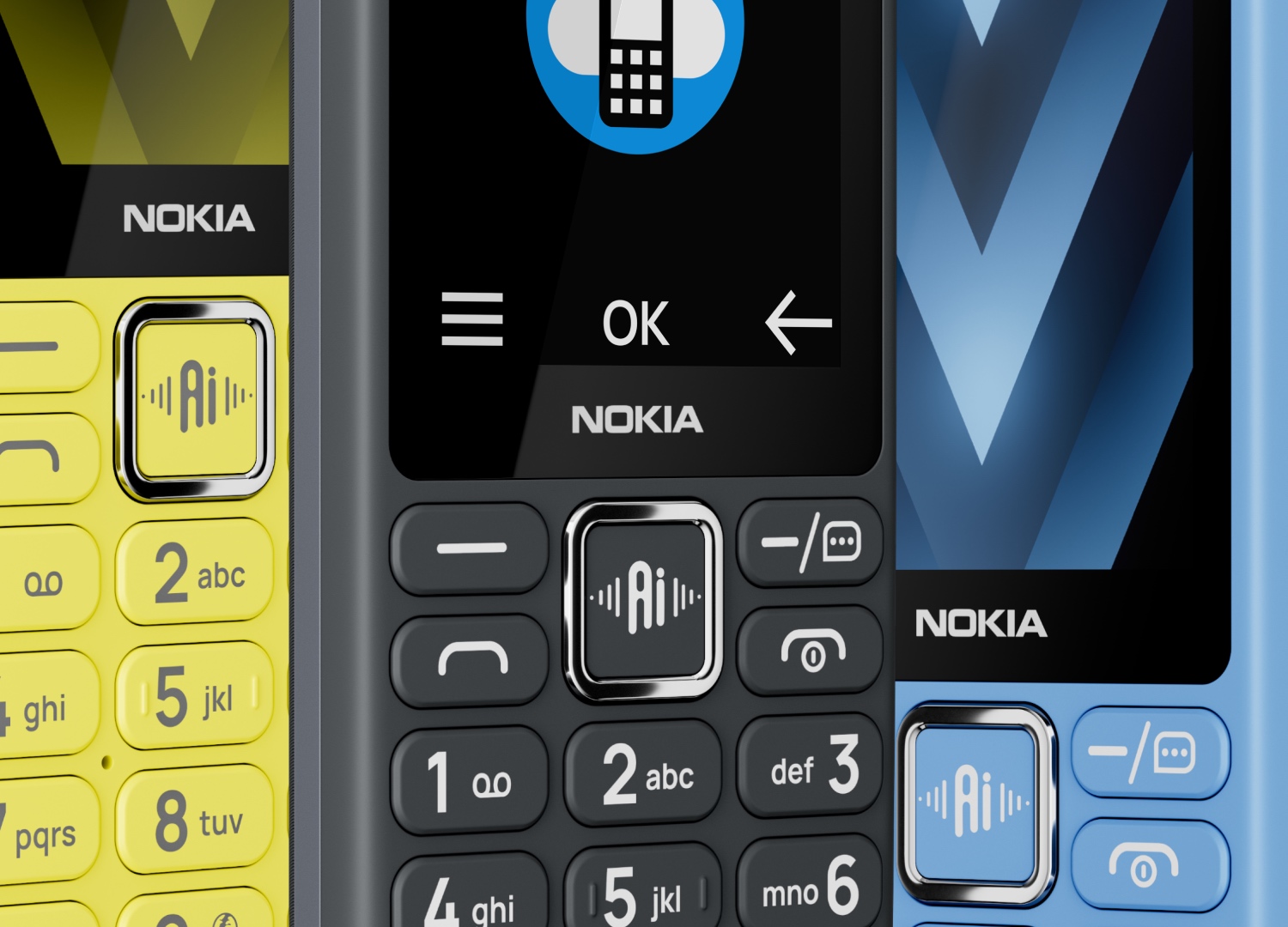
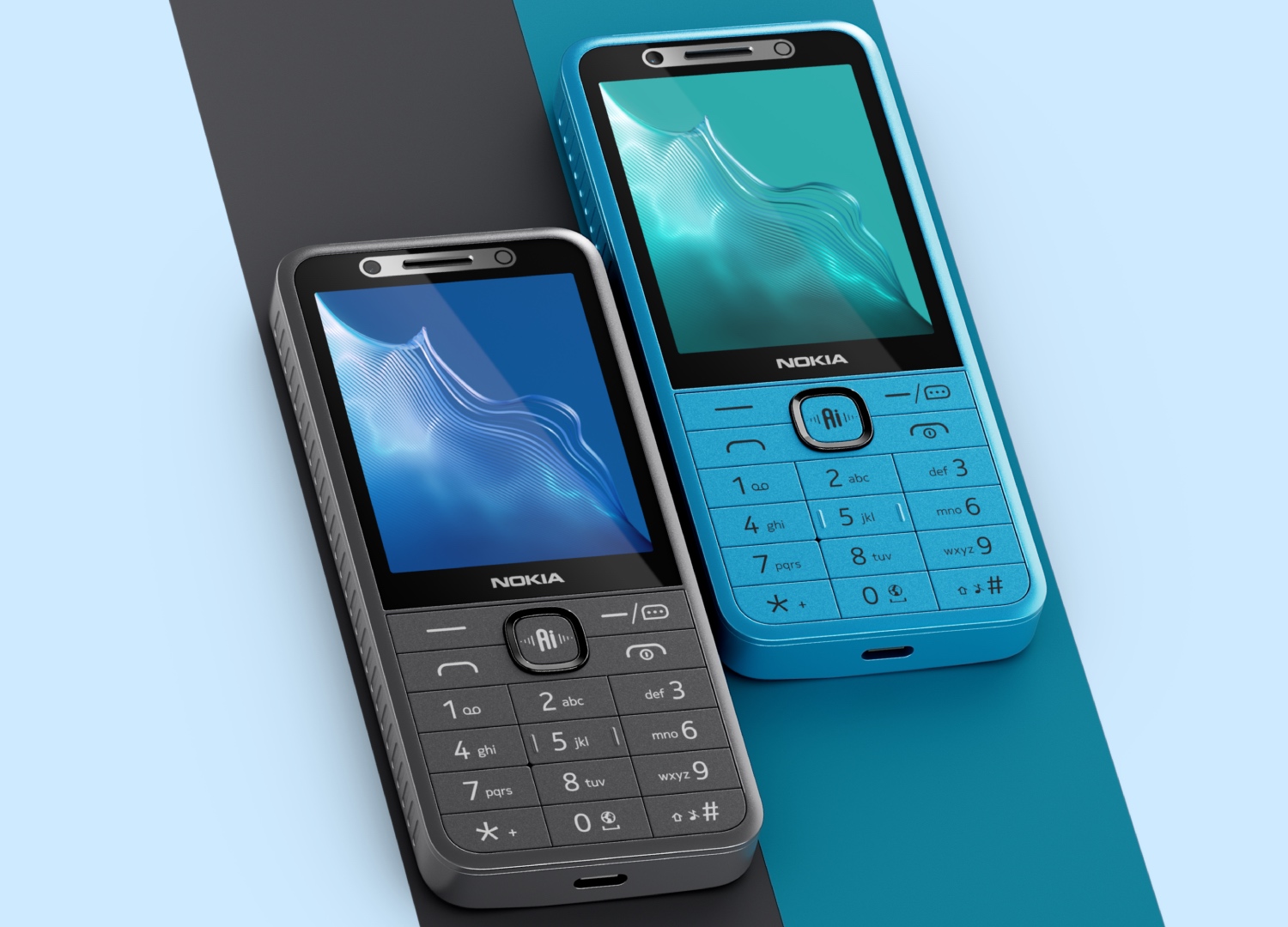
HMD quietly releases a series of Nokia retro feature phones that add a dedicated AI assistant button as the confirm key. There are four new models, namely the 210, 235, 215, and 200, all of which are 4G powered. HMD says that the AI button gives users the power to turn on their torches, set alarms and reminders, answer calls and general questions, and use the camera just by using their voices. There’s a catch, though: it is subscription-based.
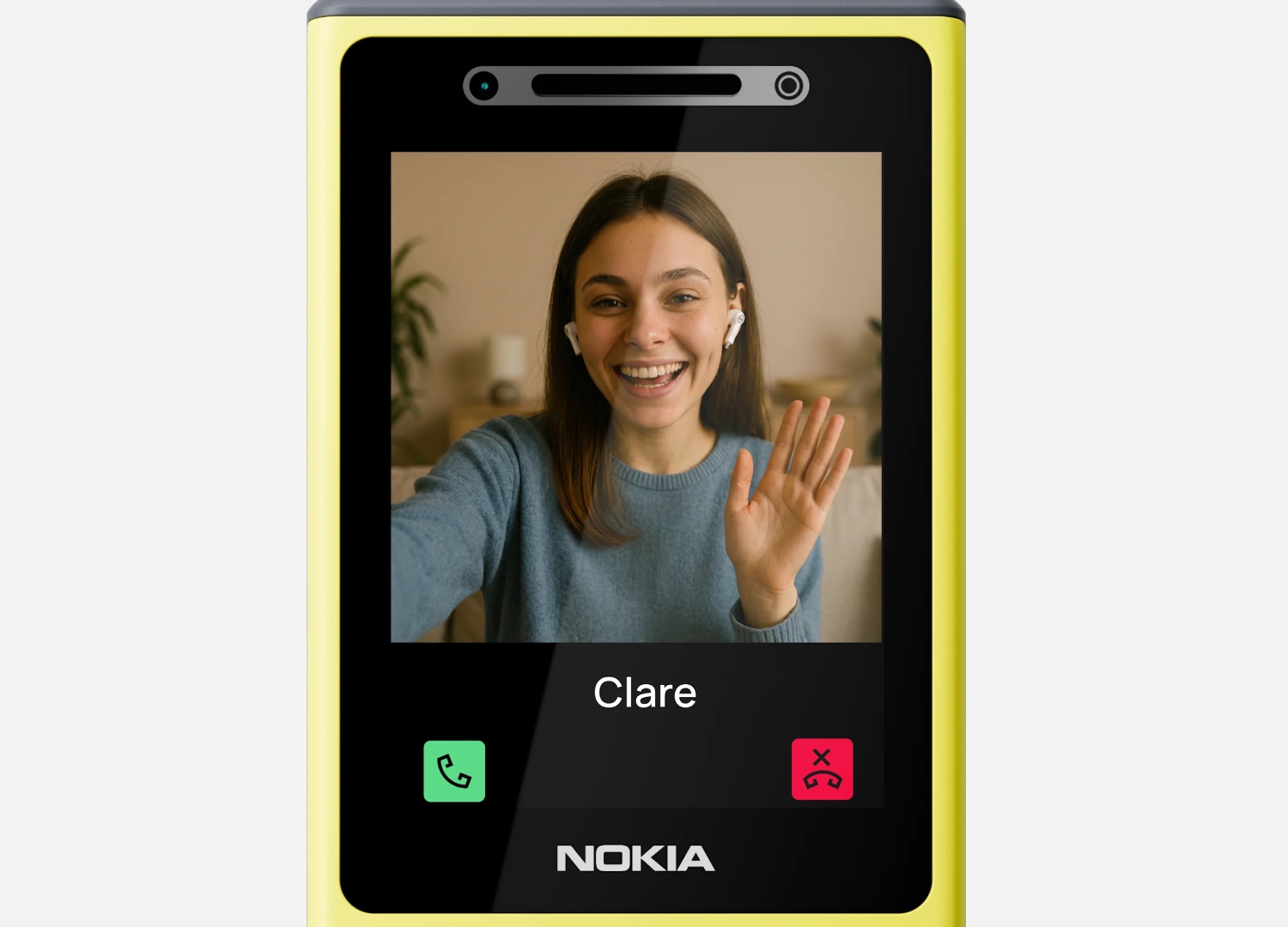
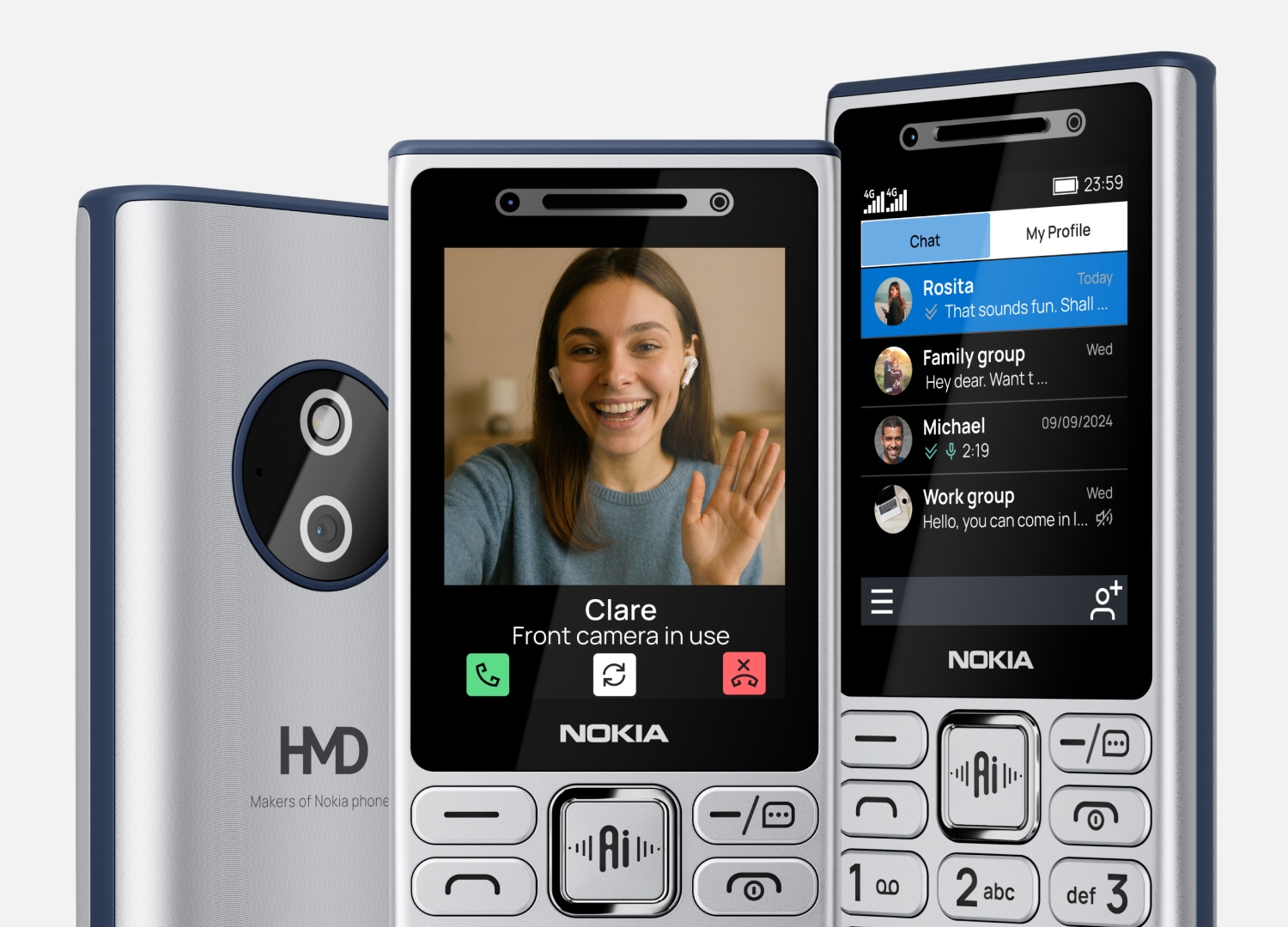
This means that buyers get 180 days of free AI-button use, and after that, they need to pay a monthly subscription fee to continue enjoying these features, doing so using a separate smartphone to settle the fees. Beyond this, these new Nokia retro phones come with the Xpress chat app, which allows for video calling, voice messaging, and text and photo chats just like any other messaging or social media app.
All of the models have a VGA front-facing camera for selfies and video calls, but only the 210 and 235 have rear cameras. Just like in the old days, these phones have removable batteries, but now they also feature dual nano-SIM support as well as extra storage through a microSD card of up to 32 GB.
Gallery
Open full width
Open full width
Is it necessary to add an AI assistant button to retro feature phones?
Nokia retro feature phones rejoin the AI trend
At a time dominated by apps, content, and so much new technology, feature and e-ink-display phones, like the Light Flip, have become a way to detox from the excessive time spent doomscrolling on smartphones. These are handy devices, especially for those who mainly text and call, but now they’ve become entangled in the world of “what’s currently on trend,” aka the use of AI.
The way HMD describes the AI button on these retro feature phones implies that it can be an essential help to many users, since they can go hands-free when they want to know the answer to a question, rather than triple-tapping on the keypad to write a letter.
The devices are not yet on par with connecting to voice-assisted smart speakers at home, but at least they’re able to answer queries that users would otherwise look up online. In a way, the button gives the models a high-tech walkie-talkie feel, but without an actual person on the other end.
Dedicated AI assistant button has appeared in previous phones
It’s not the first time an assistant feature has been integrated into a phone. Back in 2018, Google brought its Assistant to smart feature phones running KaiOS, such as the JioPhone and the Nokia 8110 4G, but three years later, the company quietly pulled it from the models. Users couldn’t make calls or send texts by voice and were met, instead, with a prompt saying that the phone couldn’t fulfill their request. Reports said that Google had scaled back the feature to focus on other business priorities, which led to the voice-assisted AI dying down.
Samsung also fell for the appeal of a dedicated virtual assistant button when it introduced one on the Galaxy S8. Users then reported disliking the assistant, named Bixby, because they would accidentally press the button and trigger it. Later on, Samsung released an update that prevented users from remapping the button’s function, making its sole purpose to activate Bixby. The backlash continued, and the company relented: in September 2017 it allowed users to disable the key, and in 2019 to remap its function. In 2020, the company gave up on the button entirely with the release of the Galaxy S20.
A familiar button, and a familiar problem
This isn’t HMD’s first time introducing a dedicated assistant button to Nokia devices, because at MWC 2019, Nokia – alongside LG, Xiaomi, TCL, and Vivo – launched phones with this feature. Back then, users reported frequent accidental triggers of the button, similar to Bixby, and over the years the feature faded out, until recently, when the four new Nokia phones arrived with a similar voice-assistant-ready button.
It seems that HMD and Nokia are still pushing the feature, not learning from their recurring lessons. They’re trying yet again in hopes of receiving a different round of reviews from users, whose needs may be even more different today than before. What they certainly don’t need is a subscription-based feature that takes a toll on their monthly bills for something they may not even use every day.
Our daily essentials and relationship with modern gadgets have changed, so it’s notable that these trendy features are somewhat expected in new devices. Whether they’re useful is up to the user, but since they are commercialized rather than personalized, we’ll have to take what’s produced.