Maison&Objet Pulse 2026, beyond the fair and into the city
A look at the projects and emerging voices that animated the fair and Paris Design Week in September, moving between experimental materials, traditional savoir-faire, cultural heritage, self-building and new ways of bringing design closer to everyday life.
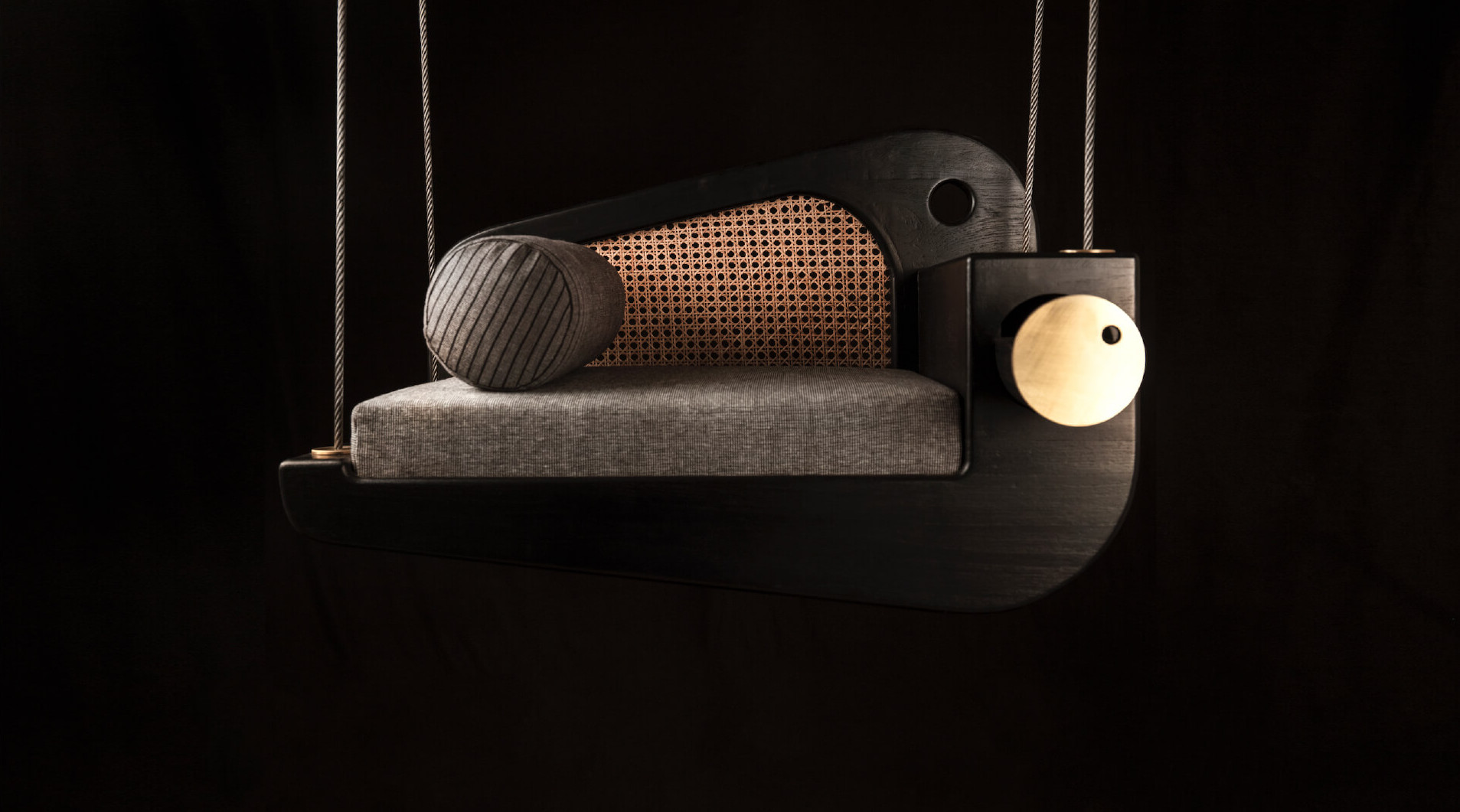
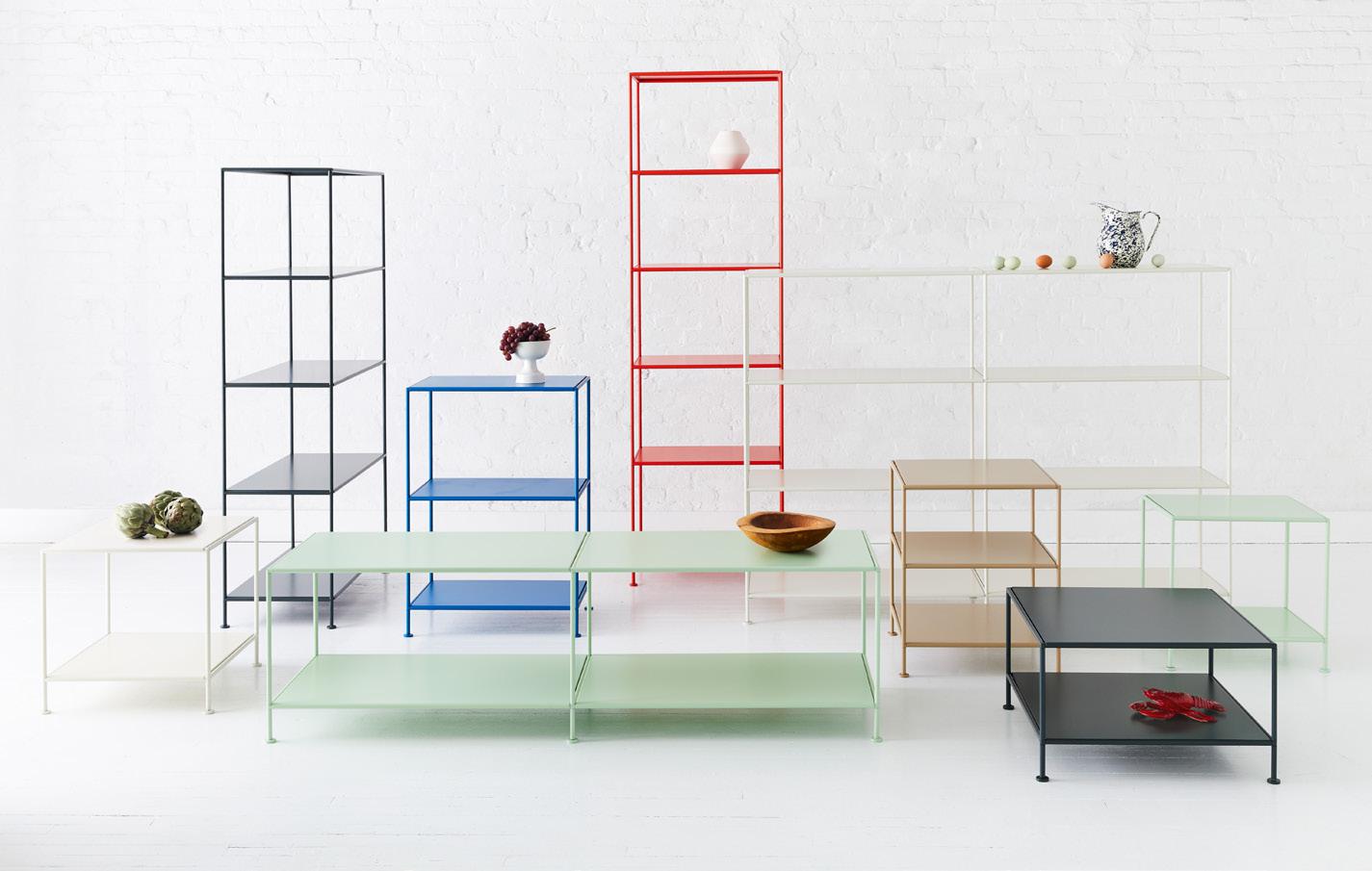
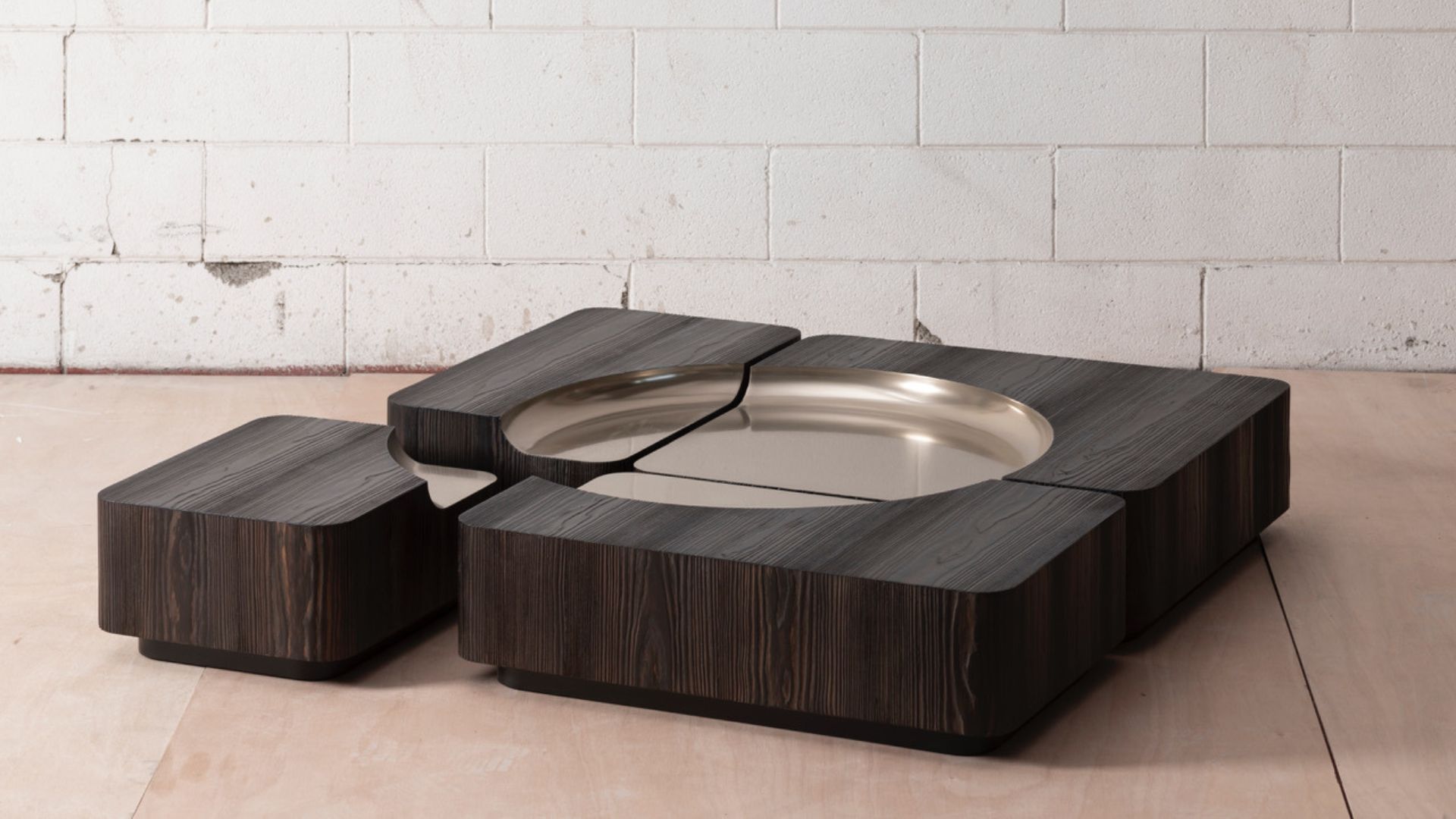
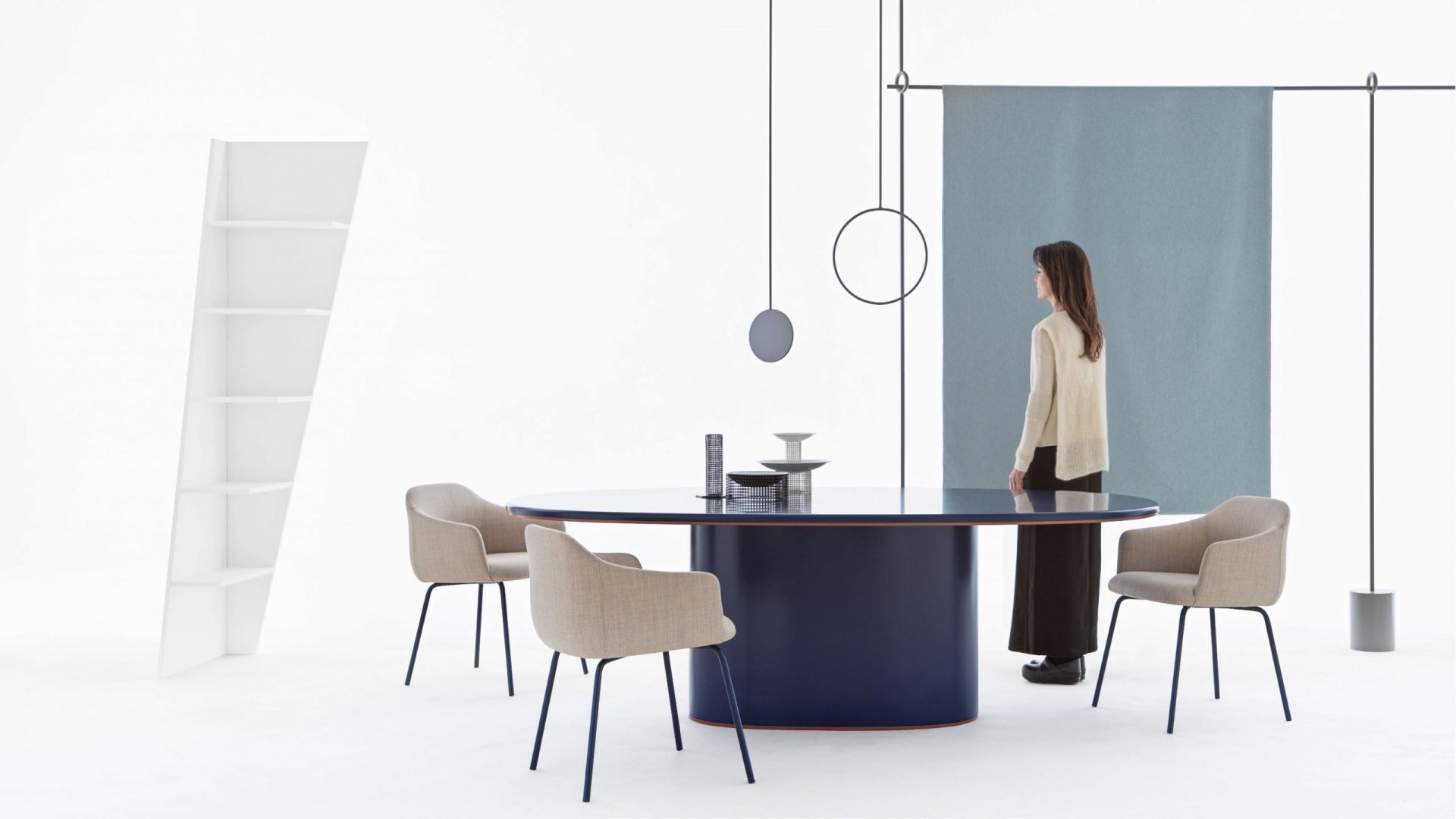
This September edition of Maison&Objet Pulse came to an end, highlighting France as a worldwide destination for contemporary design, in all its shapes and forms, while also revealing the research behind the making of a singular piece. Held in Paris from 10 to 14 September 2026, the fair brought together more than 61,000 professional visitors and 1,700 exhibiting brands, confirming the increasingly international reach of an event taking place within a market going through a period of change.
From Maison&Objet to Paris Design Week, which continued the program across the city, the same atmosphere extended into a wider creative scene, where established houses met young studios, traditional techniques met new technologies, and the boundaries between design, art, craft and architecture became increasingly fluid. It is within this context that the new demands of the market and a forward-looking idea of beauty came together, with art once again meeting everyday needs.
Gallery
Open full width
Open full width
Highlight projects from Maison & Objet Pulse and Paris Design Week:
Future on Stage: new approaches to materials and lighting
It is no coincidence, then, that Baguette Studio was among the winners of the Future on Stage prize, which recognizes three innovative startups ready to make their debut on the market. The French group, led by Emma Lohner and Philippe Gaud, had already impressed the public at Paris Design Week in September 2025 with their particular vision of industrial design and ecological processes. Collaborations with organizations such as Restos du Cœur, Secours Catholique and refugee reception centers became strategic partnerships for developing and presenting their first projects. The studio also developed a new technique using wax, applying rotational moulding to the creation of lamps.
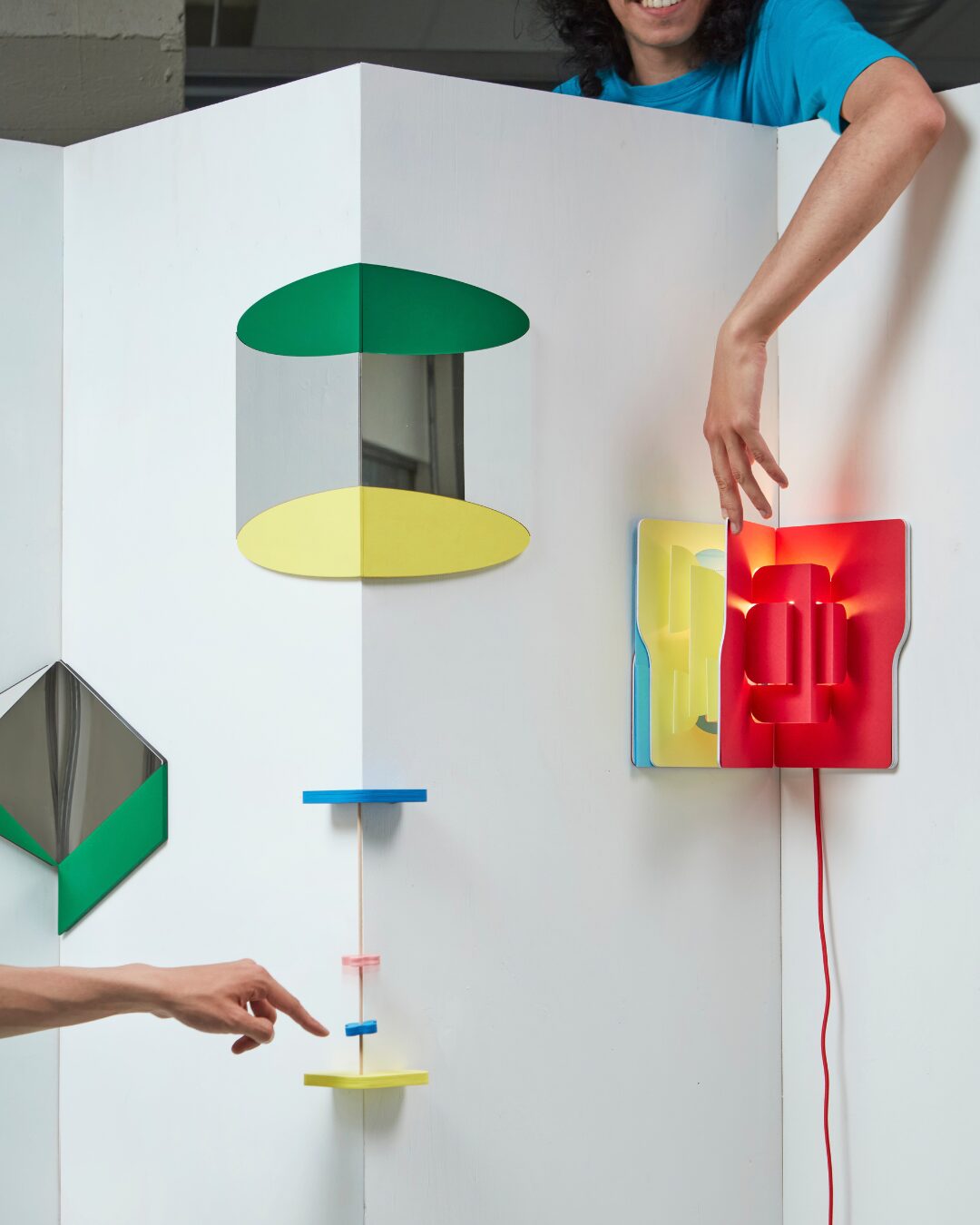
Another mention went to Risette, a studio from the Netherlands presenting an idea of “design that smiles”. Founder César Moncaut launched the brand shortly after graduating from the Bachelor’s program at Design Academy Eindhoven in 2024. Humour and simplicity are at the core of his approach, expressed through cardboard and paper lamps presented at M&O as narrative objects, able to interact with the public through their vibrant colours and unexpected combinations. Modest, recyclable materials become the basis for a playful collection that caught the attention of the jury.
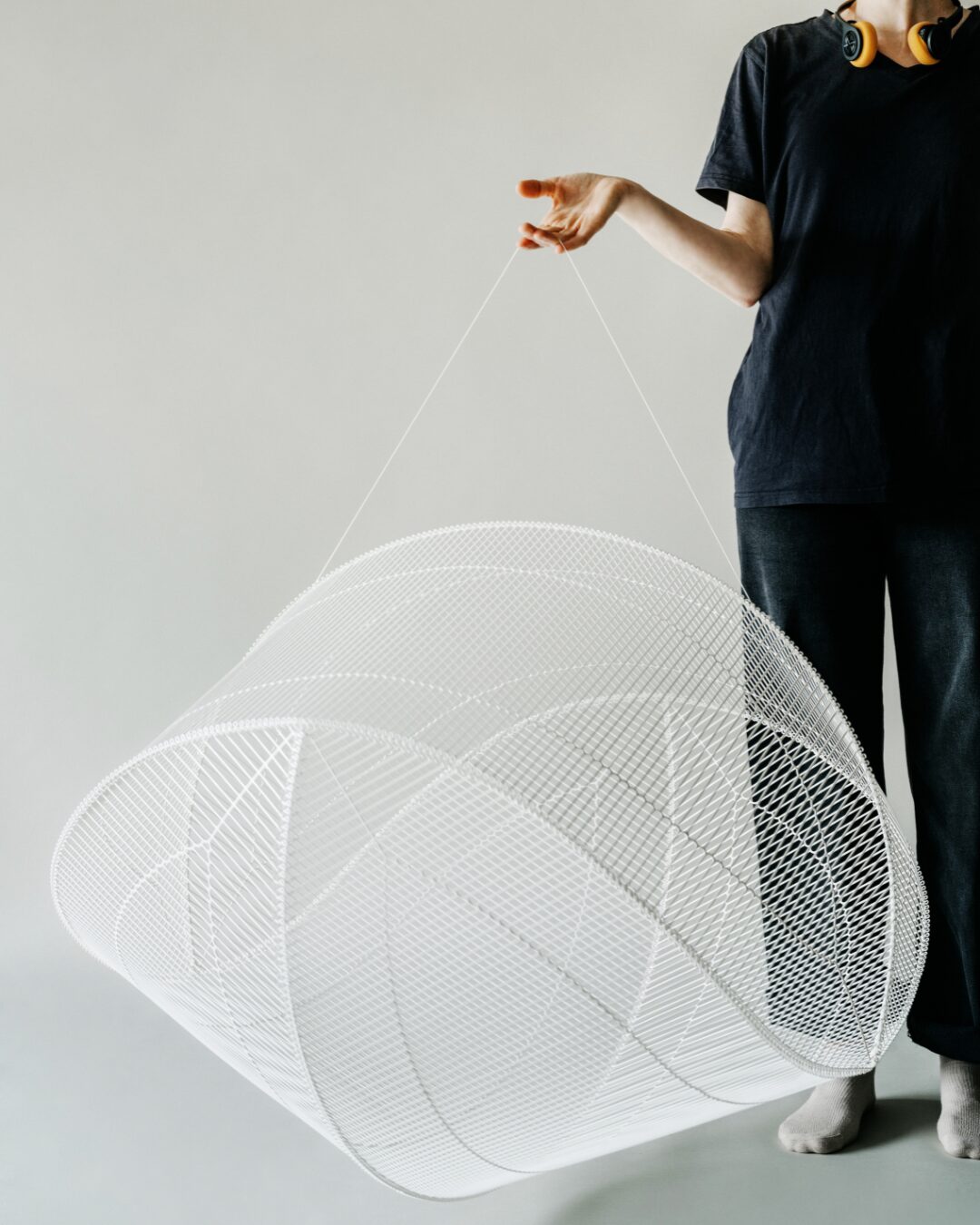
A more artistic approach can be found in the third winner, Raw Edges, which launched Lightmass^, a project developed by Yael Mer and Shay Alkalay eight years ago, alongside their numerous collaborations with brands such as Louis Vuitton, Stella McCartney, Vitra, Mutina and Cappellini, as well as Airbnb. Their approach starts from a new freedom in lighting design, where light becomes a material and the structure itself can become a sculpture. The result is a collection of airy, translucent and lightweight volumes: shapes that do not occupy space so much as pass through it, with mesh surfaces and LED light creating an architecture that feels almost tangible.
Rising Talent Award: South African design and cultural heritage
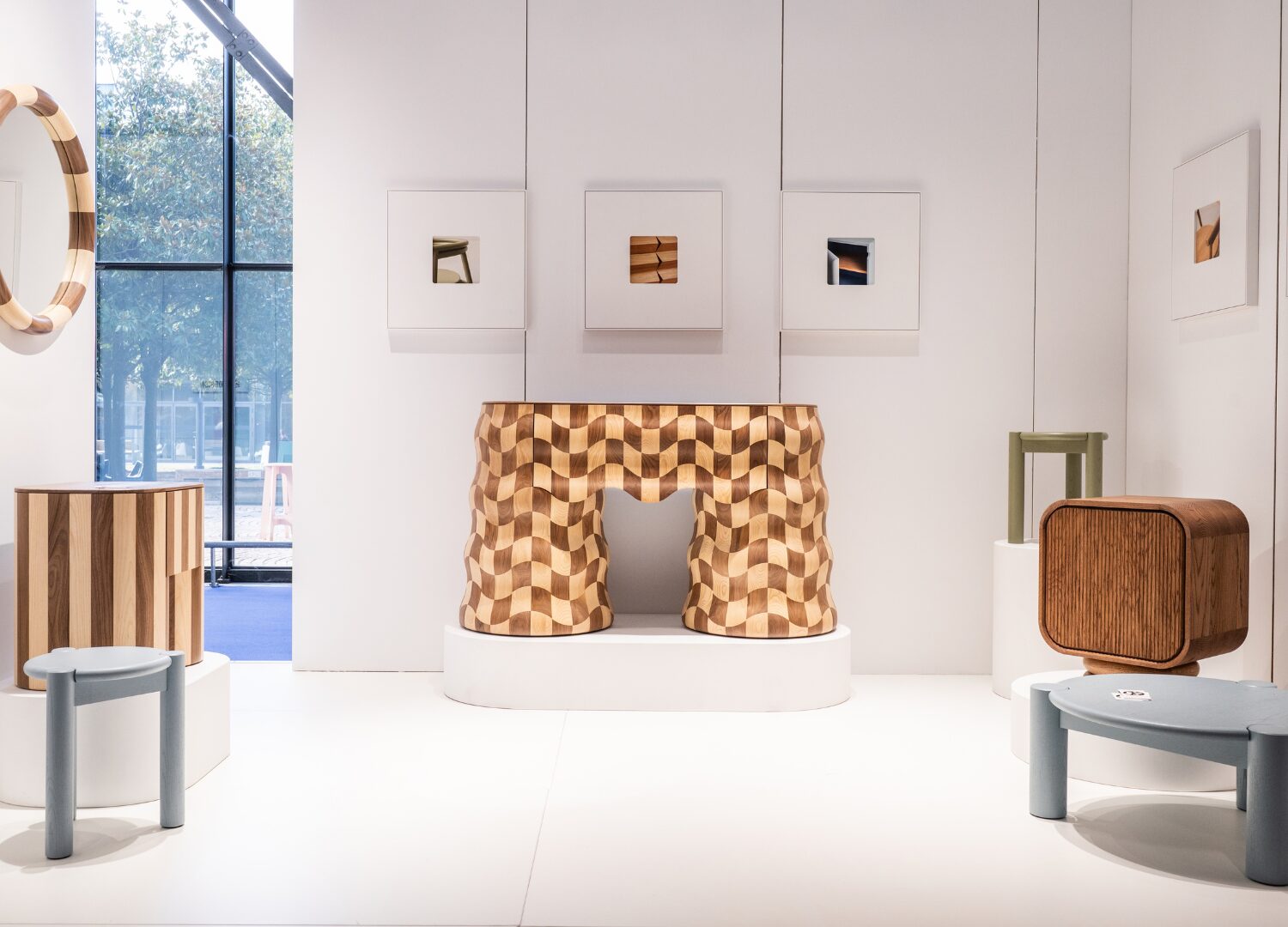
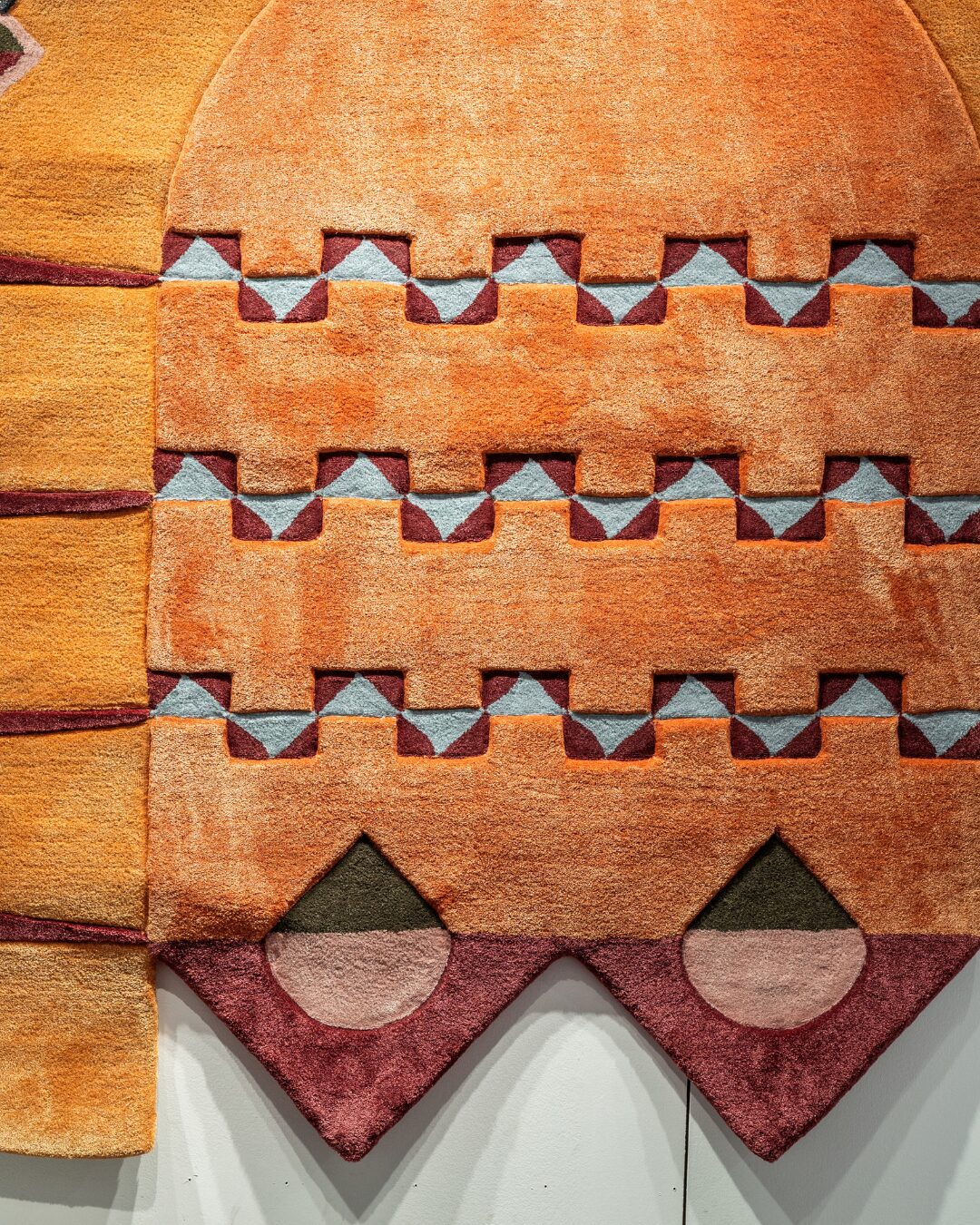
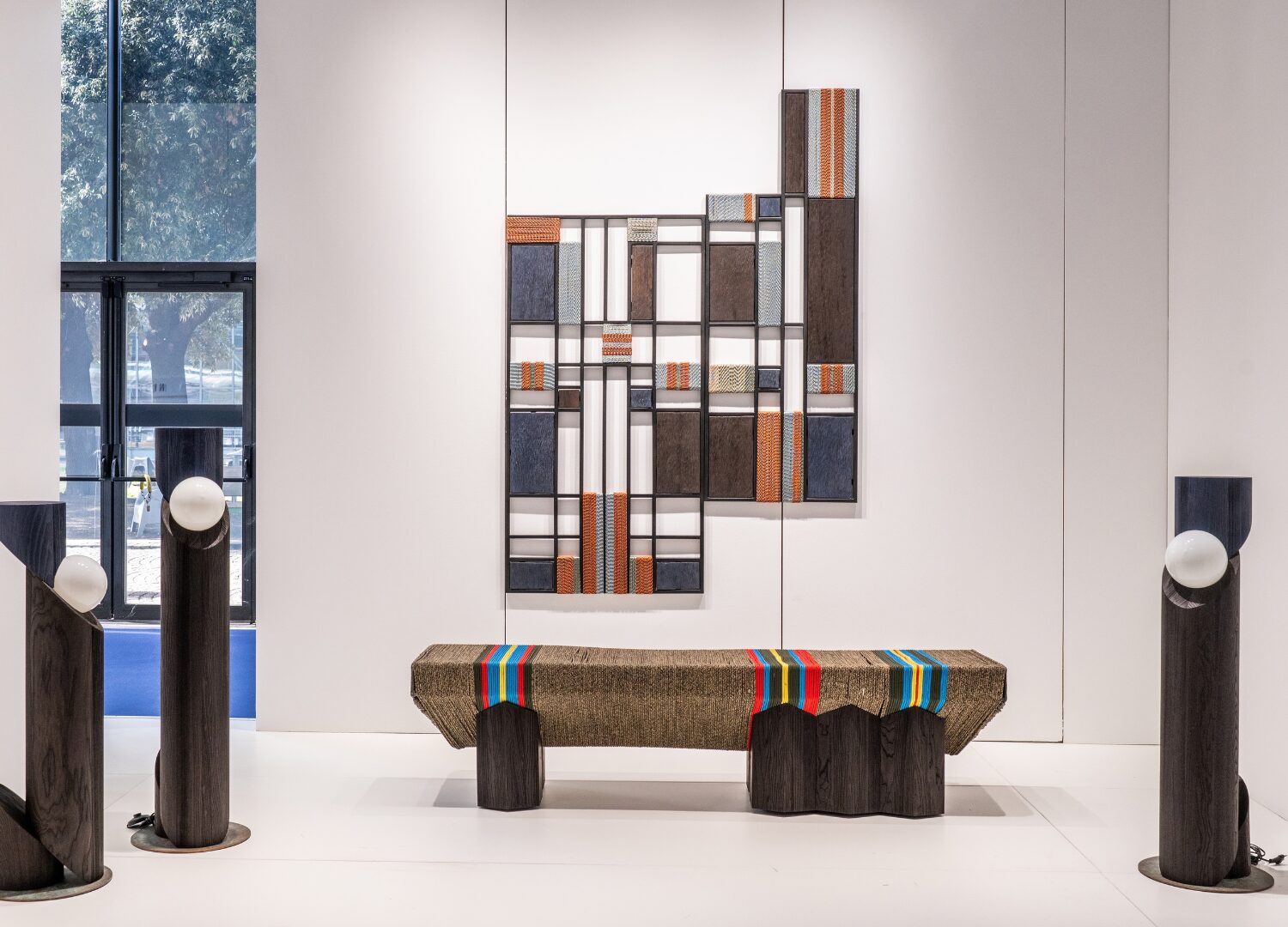
This year, another stage that had the chance to shine within the Maison&Objet environment was the Rising Talent Award, focused entirely on South African talents. Here, a stylistic evolution rooted in both local heritage and forward-looking perspectives is quietly emerging and asserting itself with confidence.
Among the talents selected by the jury were Pinda Design, with a series of proposals built around rhythm as a core element of its creative approach; Simphiwe Mlambo, whose practice is rooted in making and in a direct relationship with materials; and DEFT Studio, driven by a strong interest in design and craftsmanship through the creation of sustainable furniture.
Omnibite: an open system for building with branches
From Paris Design Week, one of the highlights was precisely this blend of emerging collections with the events and exhibitions of more established architects, artists and designers.
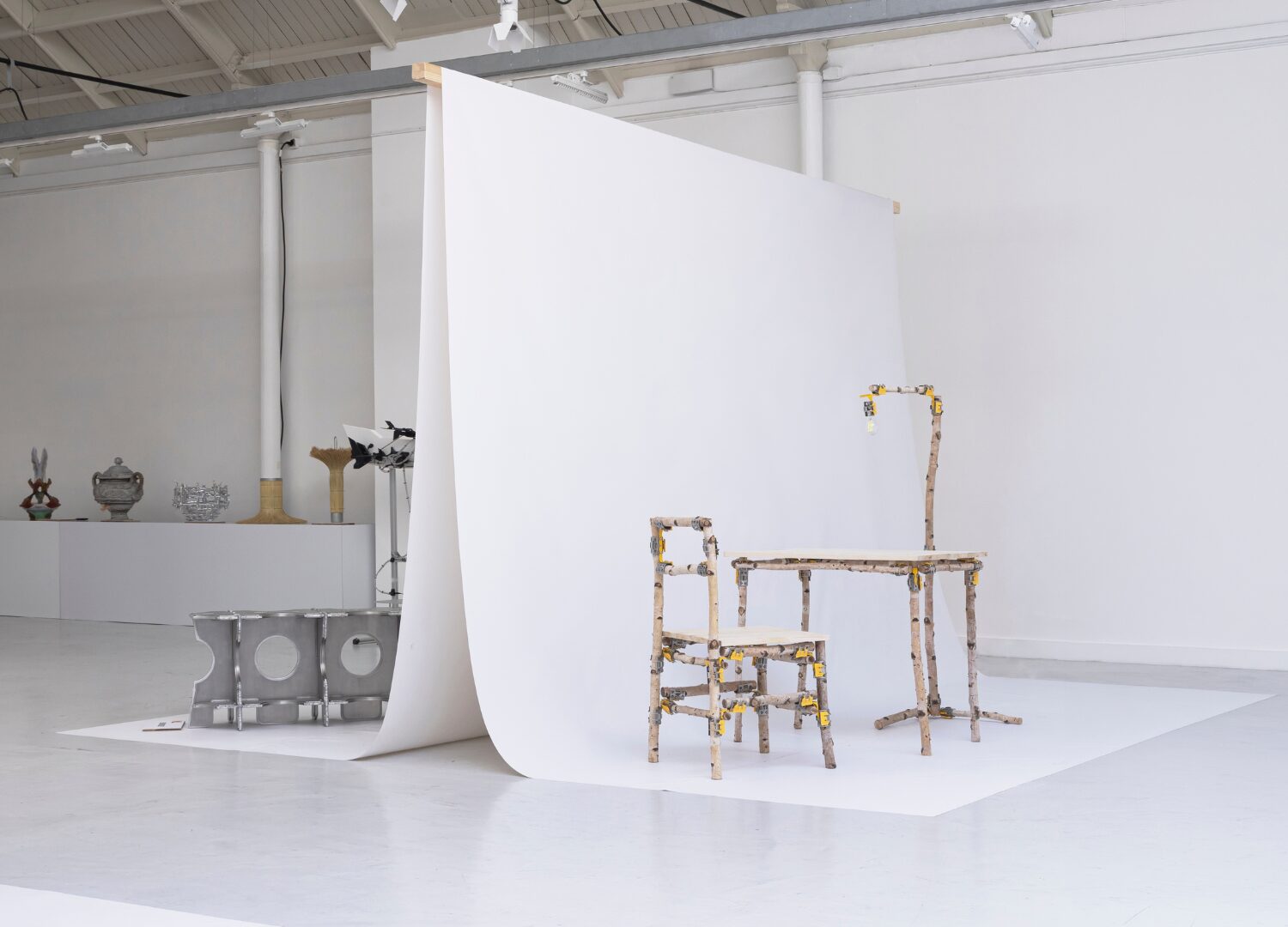
Starting from Omnibite, for example, a quick-locking wood connector system developed by Eugenio Costa and Nicolò Tallone to turn natural branches into structures. The idea is simple: combine an industrially produced steel connector with locally sourced, irregular pieces of wood, making construction accessible without requiring traditional woodworking skills. Inspired by Enzo Mari’s Autoprogettazione, the project shifts attention towards sourcing, choosing and making with what is already available.
The three-axis connector adapts to branches of different diameters, while its yellow locking mechanism makes the function immediately readable. Rather than defining a single piece of furniture, Omnibite works as an open system: chairs, tables, lamps and larger structures can all become possible outcomes. Presented at Espace Commines during Paris Design Week, the project created a domestic landscape where natural materials and self-building meet the everyday life of the metropolitan user.
The project itself remains open-ended, conceived less as a finished product than as a tool that can change through new applications, collaborations and ways of making. In this sense, Omnibite reflects a younger generation of designers interested in leaving the final form open, allowing the project to evolve together with the people who use it.
Contrepoint: furniture in dialogue with Bourdelle’s sculptures
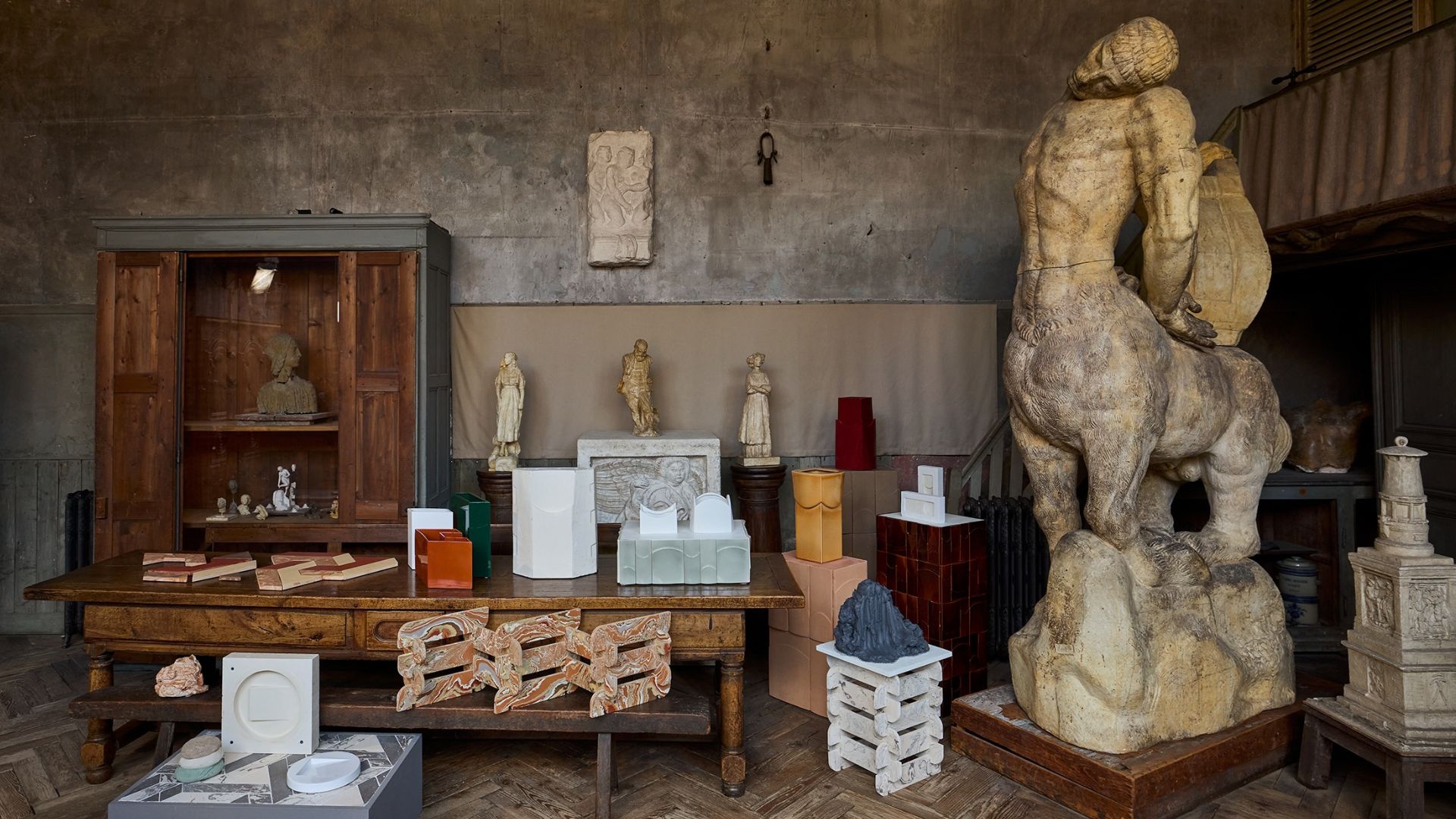
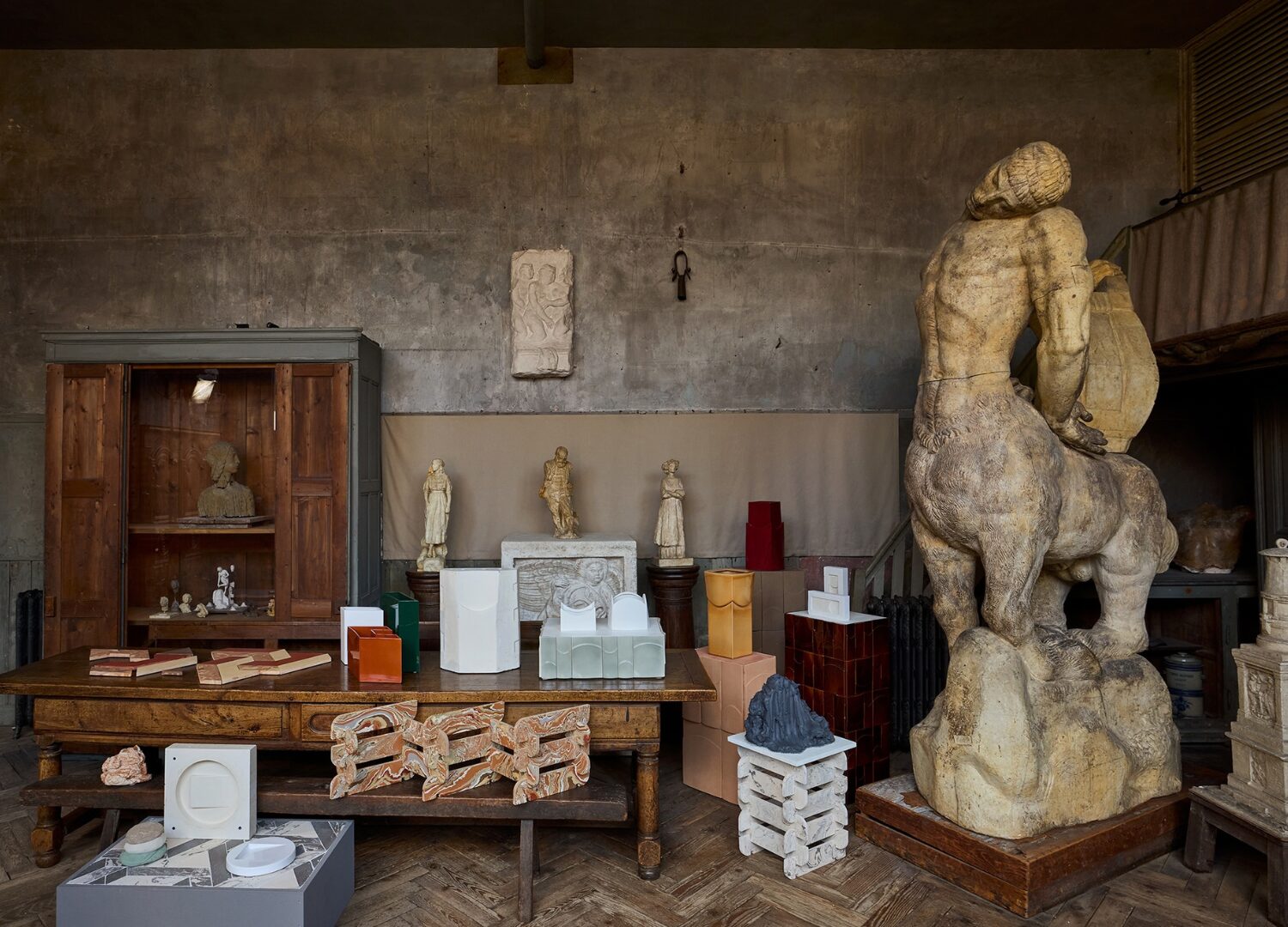
A different relationship between design and heritage could be found at the Musée Bourdelle, where French designer Anthony Guerrée presented Contrepoint, an installation developed in dialogue with the sculptures of Antoine Bourdelle, where the designer’s furniture and objects occupied part of the permanent collection, bringing wood, stained glass, textile and mixed clay into the museum’s existing architectural and sculptural landscape.
Rather than reproducing Bourdelle’s work, Guerrée extracted lines, curves, tensions and counter-forms from the sculptures and translated them into new materials. In the Plaster Casts Hall, stained-glass and wood screens filtered the light around works including Dying Centaur and Herakles the Archer, while in the Sculpture Studio, terracotta pieces, moulds and matrices revealed different stages of the making process. The installation continued into the inner garden, while the Painting Studio hosted the Orbe daybed by La Chance, upholstered in a jacquard fabric based on Bourdelle’s forms, alongside smaller pieces of furniture.
The project also brought together different French and Italian savoir-faire, including stained glass by Atelier Toporkoff, cabinetmaking by Louis Monier and terracotta developed with Fornace Brioni. Here, the museum became an active part of the design process, allowing Guerrée to explore design as a sculptural practice and heritage as something that can still generate new forms.
Le Grand Bouquet: floral scenography at the Grand Palais
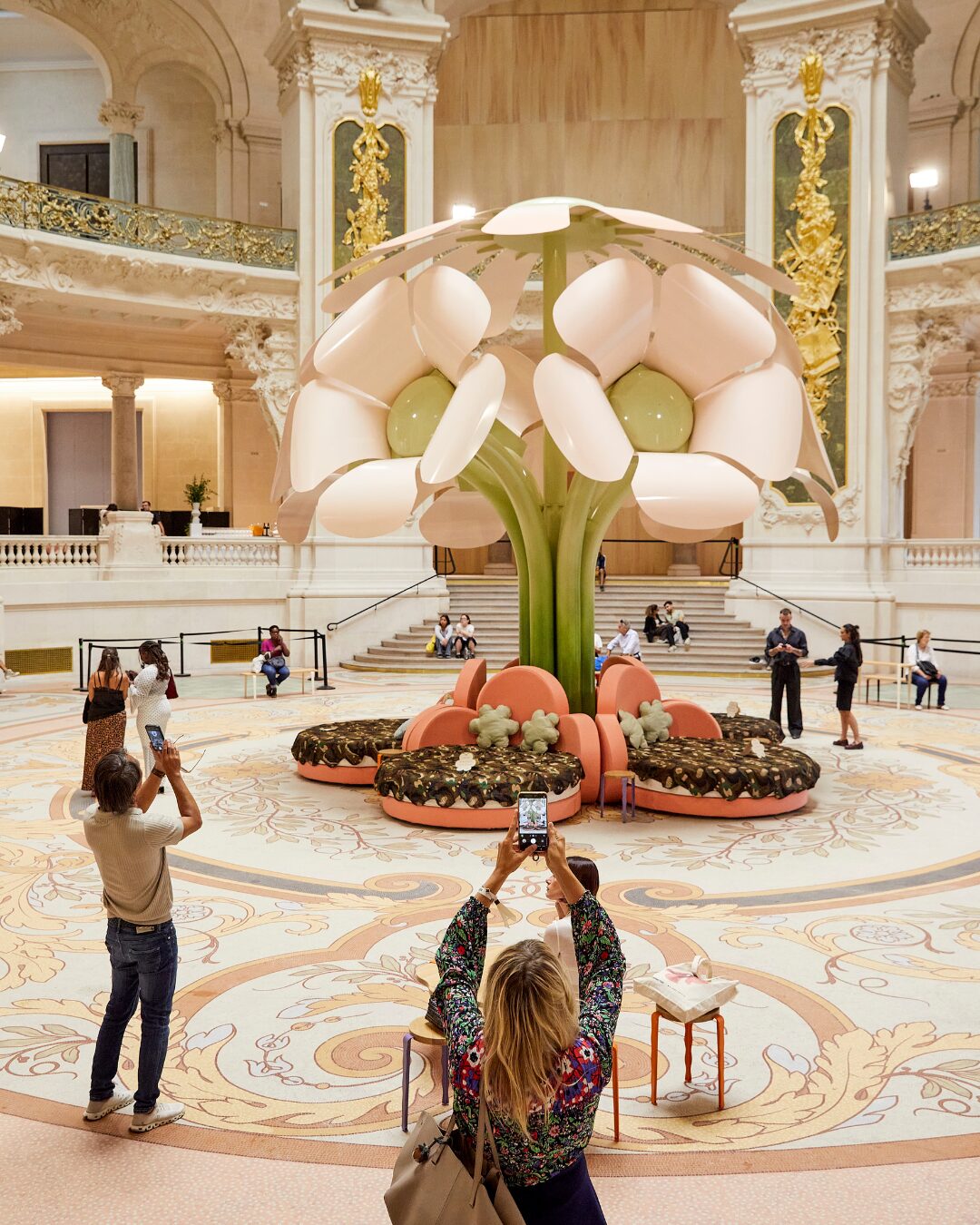
Alongside these more experimental approaches, Paris Design Week also offered room for a different kind of experience, where architecture, design and scenography come together. On the occasion of the event, Julien Sebban for Uchronia transformed the Rotonde d’Antin at the Grand Palais with Le Grand Bouquet, a monumental installation inspired by floral motifs and the historic decoration of the venue.
The work unfolds as a spectacular bloom across the architecture, guiding the gaze through the space and creating a moment for contemplation. Developed in collaboration with several French craft houses, the installation brings together craftsmanship and contemporary creation, while a selection of objects inspired by the same universe is presented at the Grand Palais’ Boutique Design and Métiers d’Art.
Dedans: experiencing design through everyday life at Paris Design Week
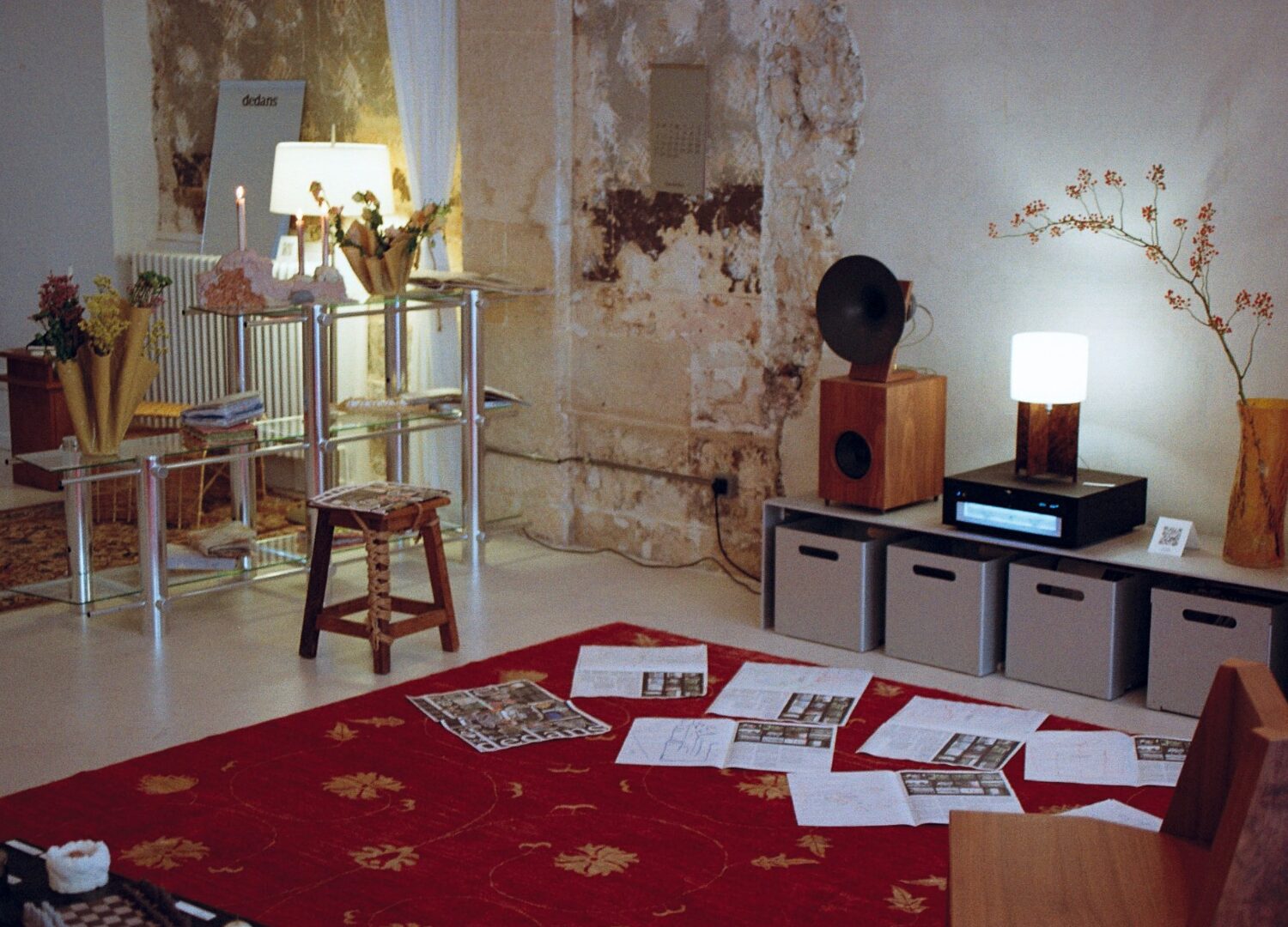
Another project during Paris Design Week that approached design from the perspective of everyday life was Dedans: The Feeling of Home, an independent exhibition conceived for Paris Design Week by an intercultural hub of creatives – Belgian designers Olivier Requier and Thibault Baes, Turkish-Spanish designer Pablo Sinan Akgül and South Korean architect Minkyu Park – all based in Paris. Hosted at Services Continu in Le Marais, the exhibition brought together around twenty designers and artists within a 150-square-metre environment halfway between a gallery, a showroom and a model apartment.
The idea behind Dedans was to question the way design is usually displayed: instead of isolating objects on plinths or presenting them as finished pieces to be looked at, the exhibition placed them within an inhabited environment. Chairs could be sat on, lamps illuminated a reading corner, tables gathered objects and artworks occupied the walls alongside fashion and other elements of domestic life. The visitor was invited to move through the space and experience the objects through use, rather than simply observing them.
The title, What’s the Feeling of Home, also reflected the personal experience of its four curators, all foreigners who have made France their adopted country. Their different backgrounds became a starting point for thinking about how a sense of belonging is constructed through memories, encounters and new environments. In this sense, Dedans proposed design as a tool for creating relationships between objects, spaces and people, while also questioning the distance that can sometimes separate design from the public.
Materials, heritage and participation across Paris Design Week
Taken together, the projects presented across Maison&Objet Pulse and Paris Design Week offered a picture of a design scene moving in several directions at once: towards new materials and production systems, but also towards craftsmanship, cultural identity, heritage and more direct forms of participation. From the experimental processes of Future on Stage to the dialogue between Anthony Guerrée and Bourdelle, from Omnibite’s open construction system to the immersive setting of Dedans, the common thread was perhaps less a specific aesthetic than a renewed interest in how things are made, experienced and shared.
Paris Design Week in September showed that design can still function as a meeting point: between generations, disciplines and territories, but also between the object and the life that surrounds it. The city offered a collection of different answers – some technological, some artisanal, some deeply personal – to the same question of how contemporary design can remain relevant to the world it inhabits.
About the author

Ludovica Proietti, journalist, design historian and curator, teaches in universities and curates events, always exploring projects with fresh, unconventional perspectives.
Instagram