Reishi™ in the Nordic Light: Danish design heritage and biomaterial innovation
Under the creative direction of Marie-Louise Høstbo, the new collection by MycoWorks unfolds through the vision of five designers, each interpreting the new patented material through Nordic light and material sensitivity.

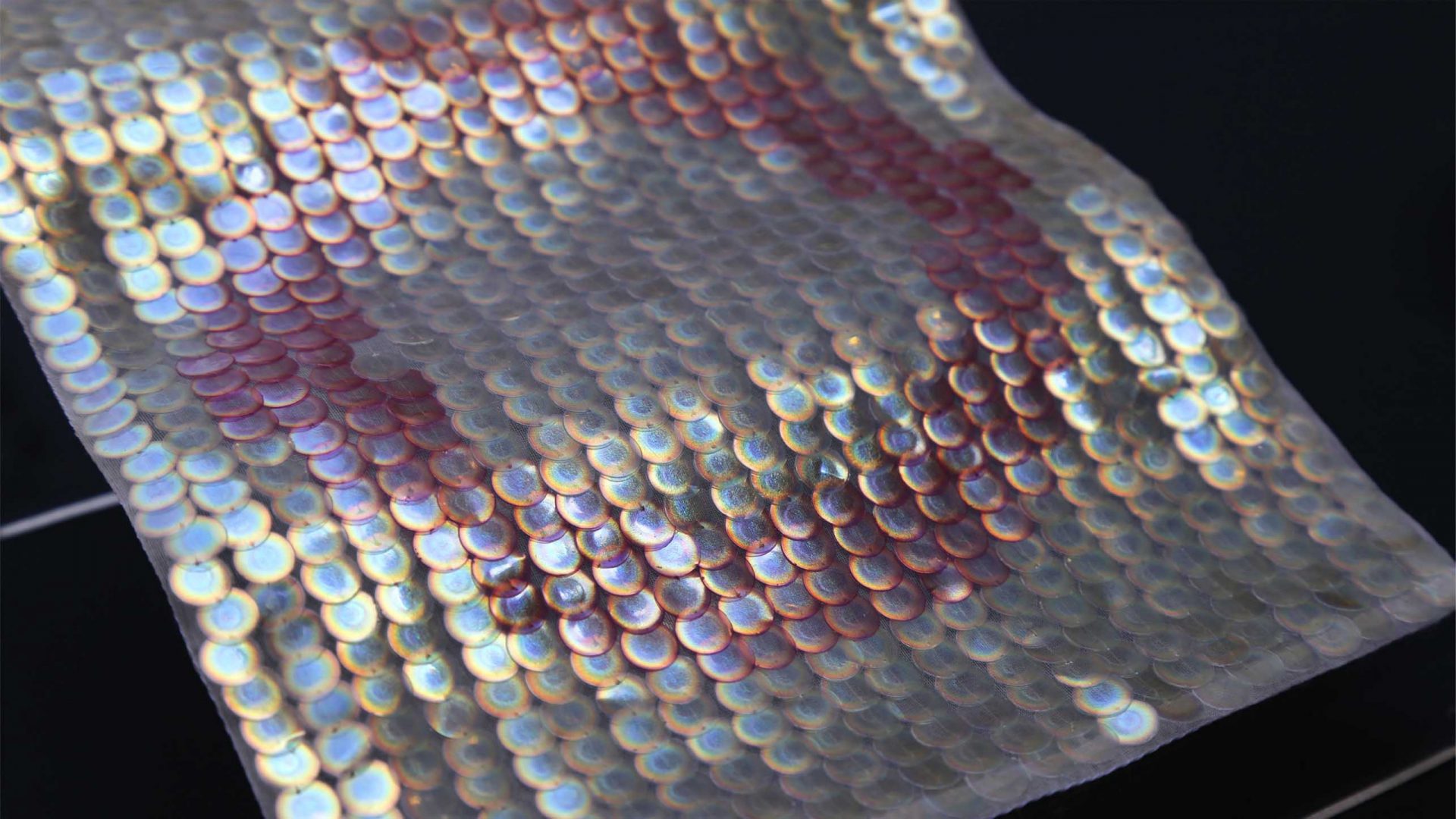
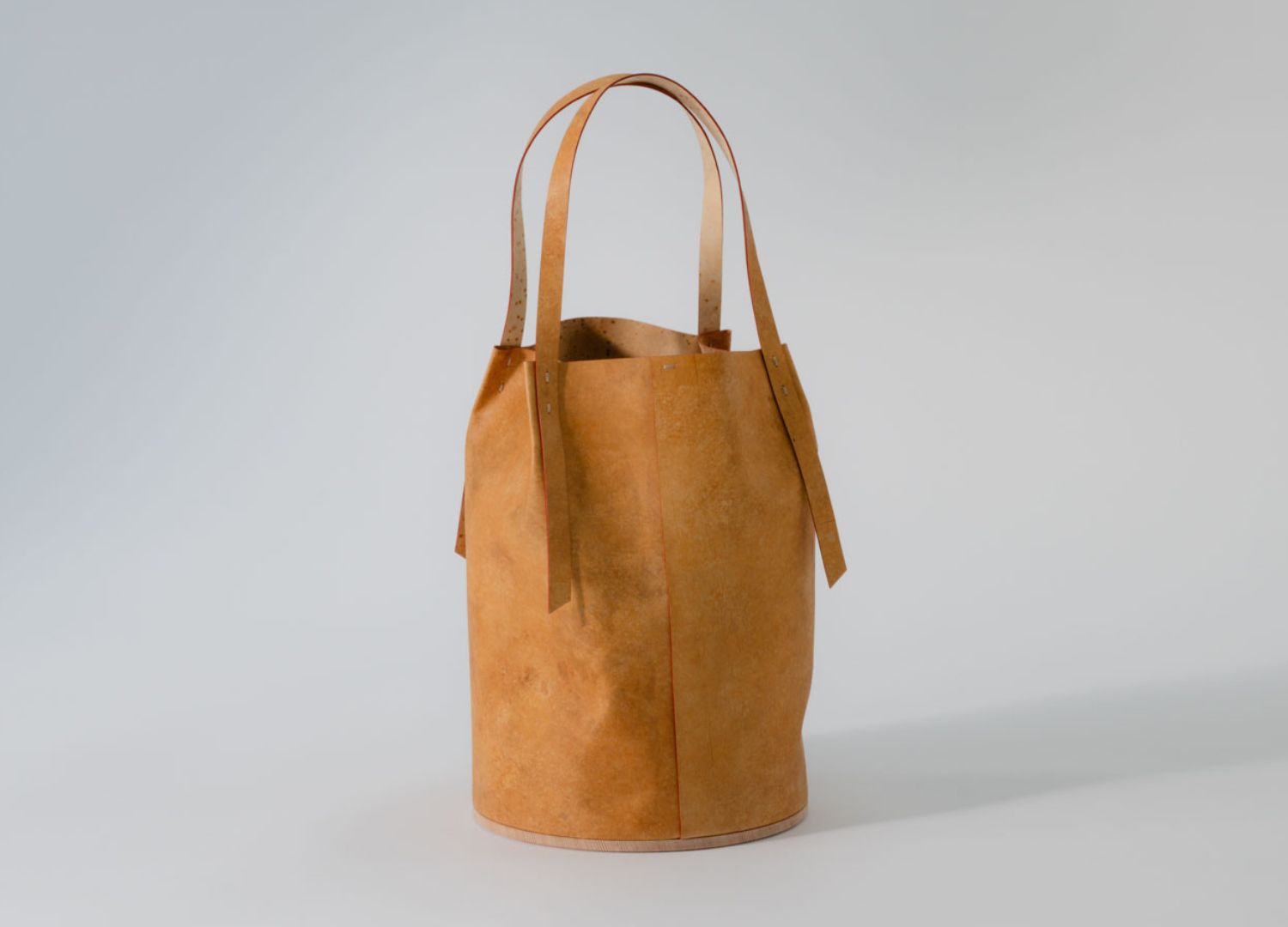
A peculiar relationship with light, an extraordinary sense of space, and a tradition that merges Scandinavian design with new materials: this is the essence of the Reishi™ in the Nordic Light collection, showcased last June at 3 Days of Design in Copenhagen by MycoWorks. The brand has patented a groundbreaking material that blends the innovation of mycelium – a self-grown substance cultivated directly from mushrooms – with the look and feel of leather, without harming animals. Produced through MycoWorks’ Fine Mycelium™ technology, it combines strength, durability, tactility, and sustainability. Reishi™ is proof of how far this technology can go, and how it can be applied across an impressive range of design disciplines.
The relationship between Nordic countries and light has always been fascinating – especially from my southern European perspective. I am used to thousands of hours of daylight, long sunsets, and the interplay of natural and artificial light shaped by soft shadows. In Scandinavia, the seasonal extremes – the long, dark winters with almost no natural light and the brief yet beautiful, uncanny summers – make the need to shape environments through light feel entirely natural. It’s a design culture that understands light as both a practical necessity and an emotional experience, especially in objects like lamps that define space and mood.
Gallery
Open full width
Open full width
This collection reflects both the innovative drive typical of MycoWorks – founded in the 1990s in San Francisco by artist Philip Ross – and the vision of Danish design, where simplicity, functionality, tactility, and minimalism converge to create beauty, comfort, and joy: that distinctive hygge feeling.
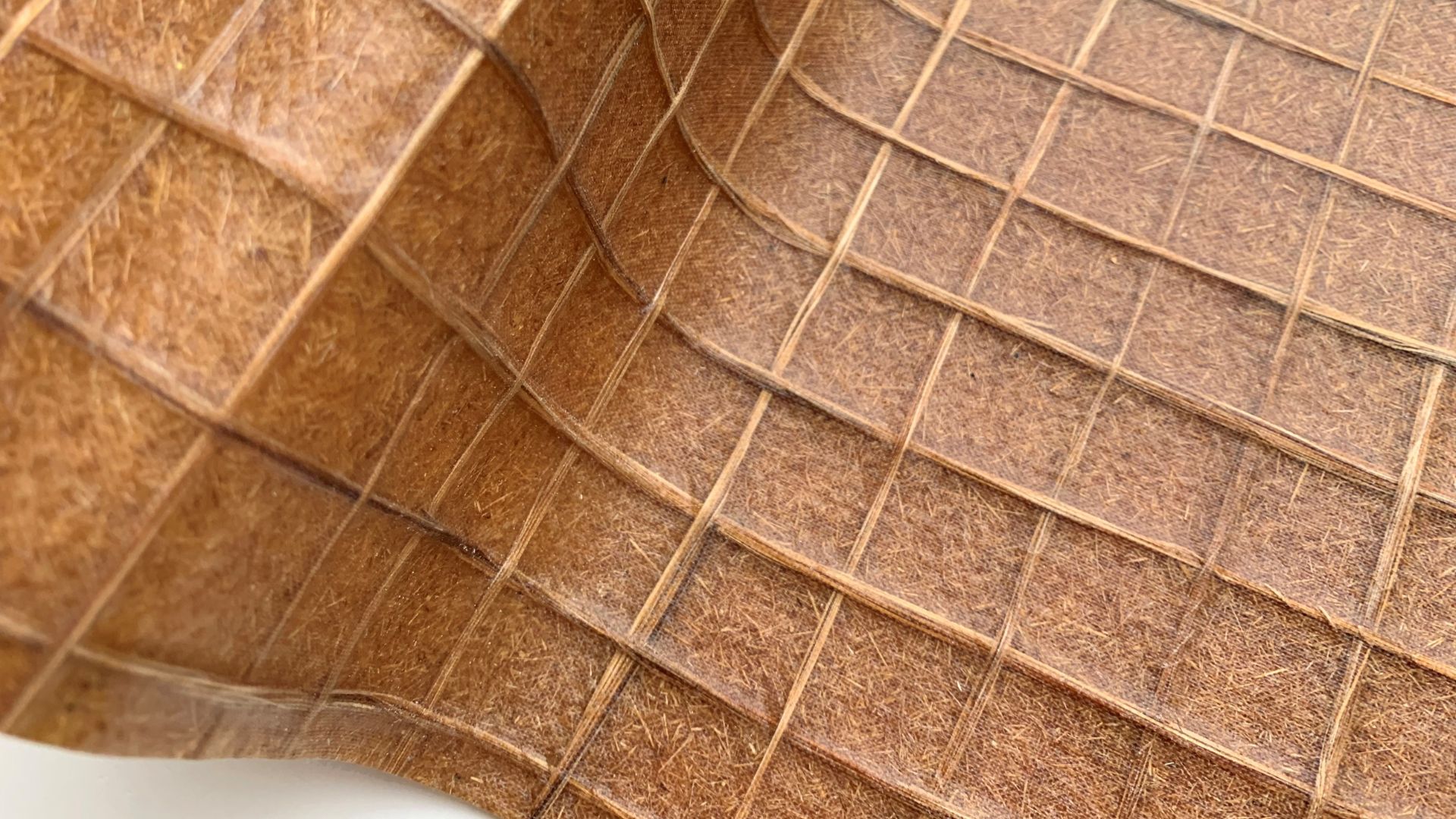
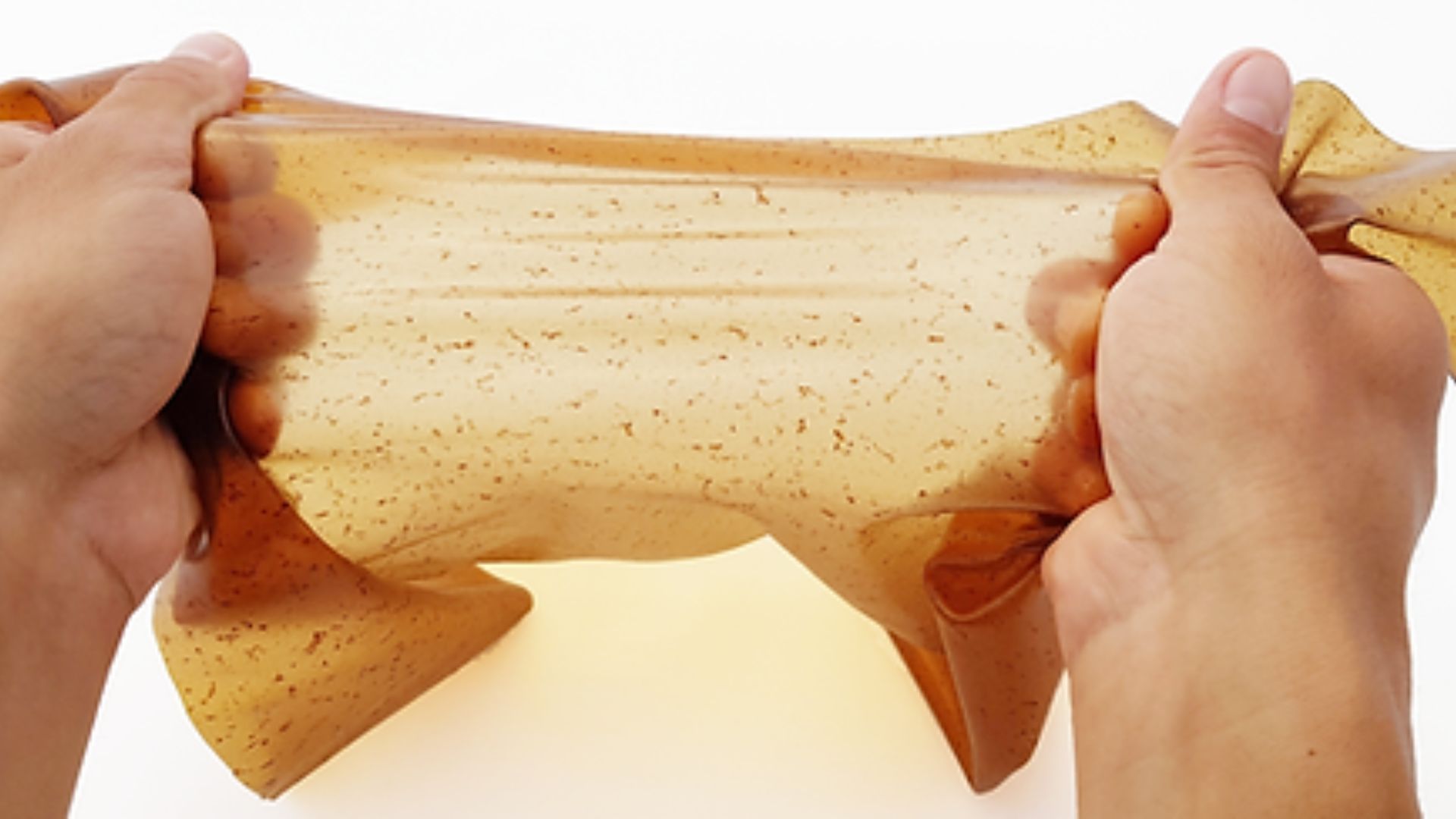
Under the creative direction of Marie-Louise Høstbo, the collection set out to shape a dialogue between heritage and innovation through a group of local designers, each exploring the dual nature of the material: sculptural yet poetic, delicate yet robust, flexible yet leather-like, premium and luxurious yet sustainable and eco-friendly. The designs also embrace the material’s natural imperfections, enhancing its emotional resonance through fresh textures and a glowing, translucent quality.
The collection unfolds through five distinct visions, each interpreting Reishi™ through Nordic light and material sensitivity.
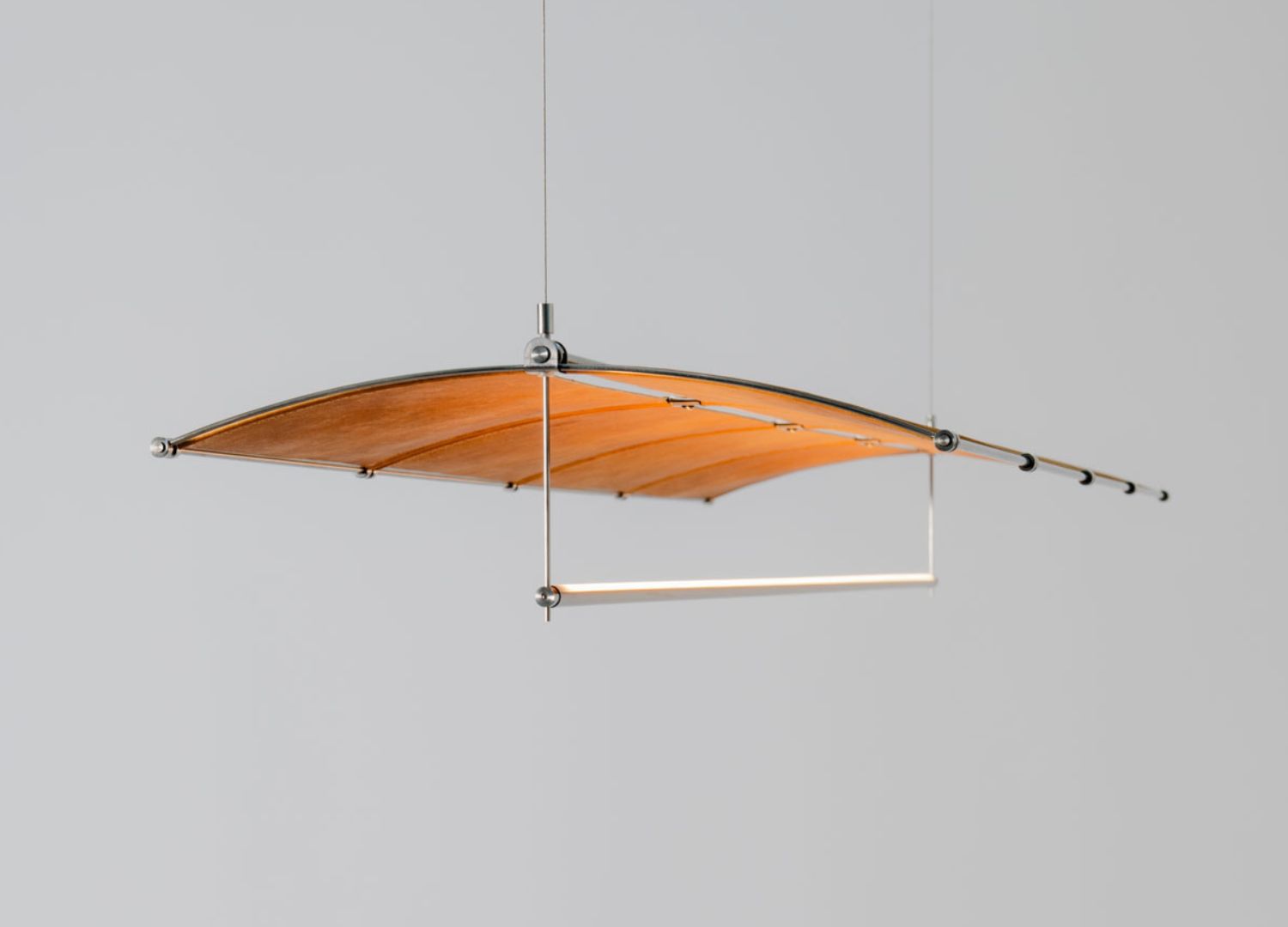
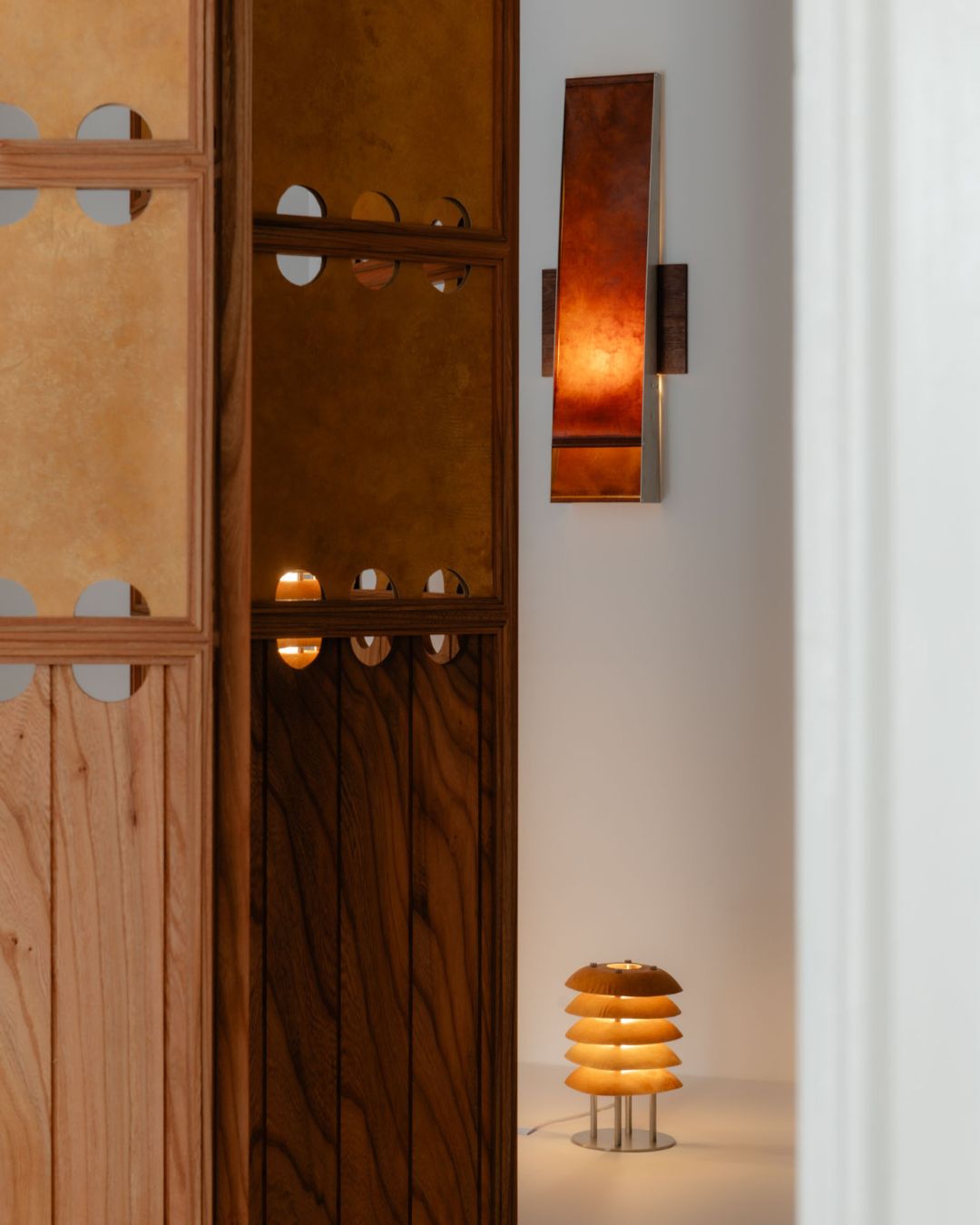
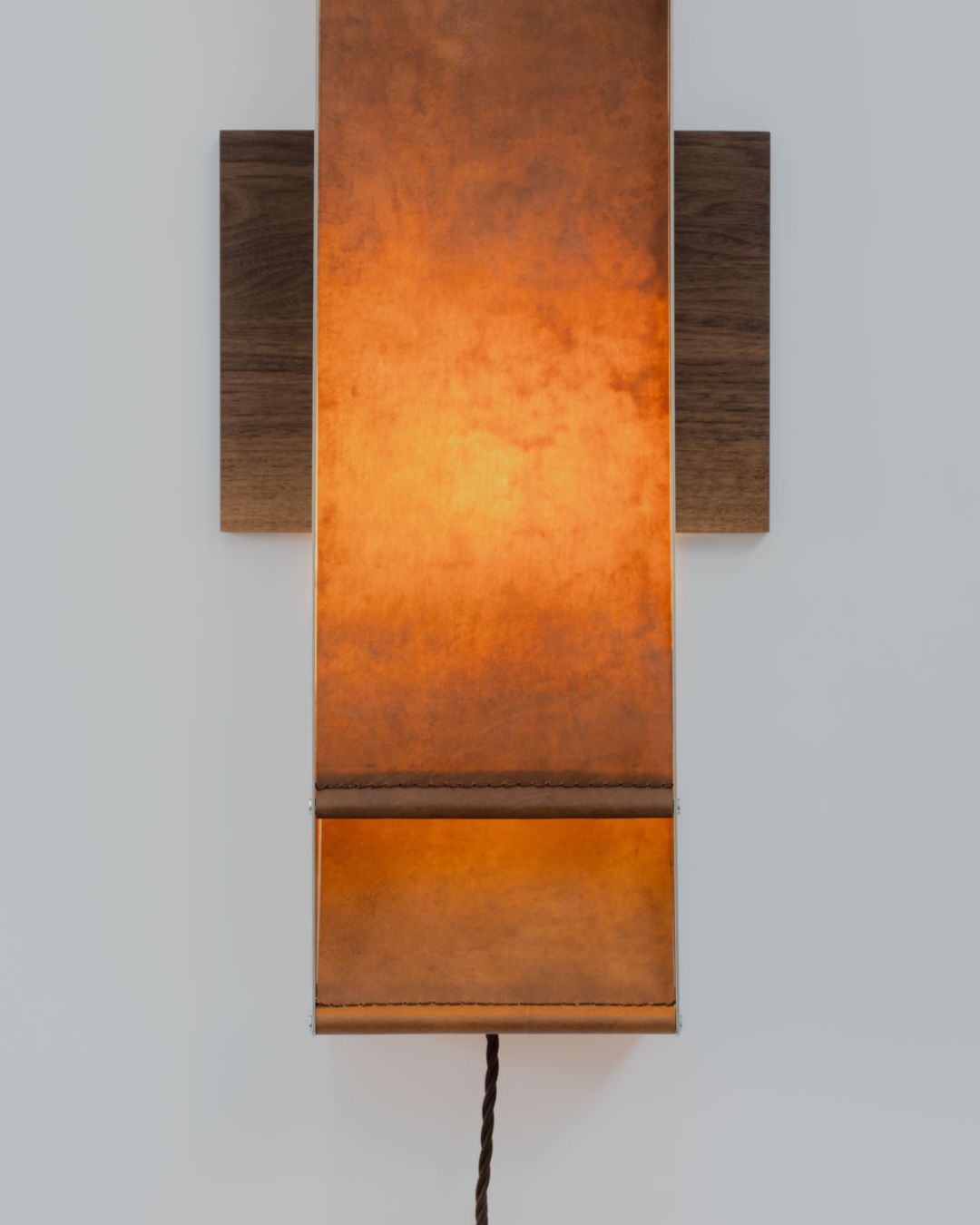
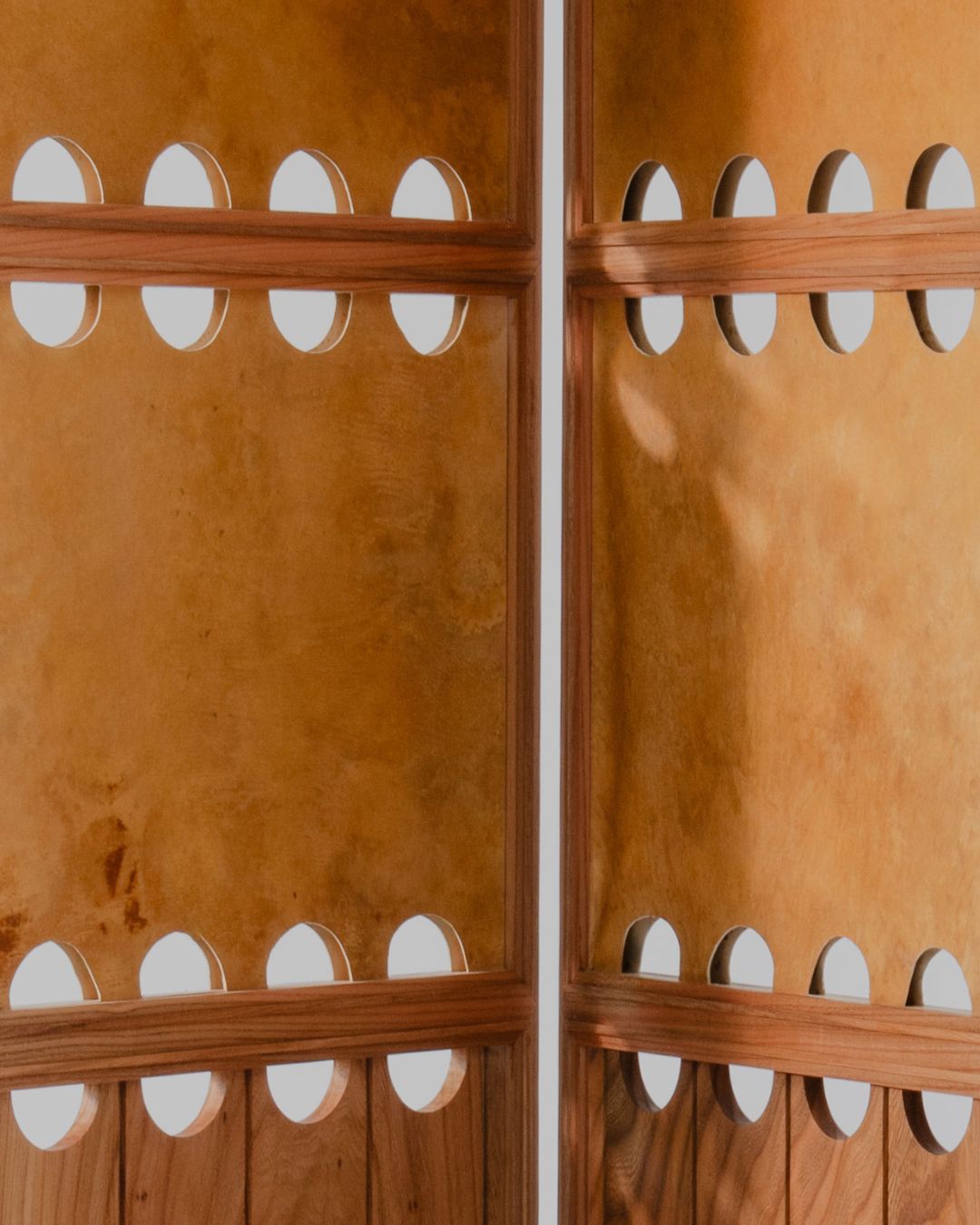
Frederik Gustav’s Arbor suspension light recalls the delicate geometry of a kite in flight, with Reishi™ panels suspended in a slender steel frame, hovering as they catch and filter light in constantly shifting ways. Atelier Axo’s Eaves lamp brings architectural clarity to the wall in a modular, geometric composition; here, the material becomes a luminous skin, a subtle texture revealed by the soft glow of integrated backlighting. Maria Bruun’s Subject Matter paravent is both furniture and sculpture, combining FSC-certified wood with translucent Reishi™ to create a screen that modulates space and atmosphere, casting diffused light that shifts throughout the day.
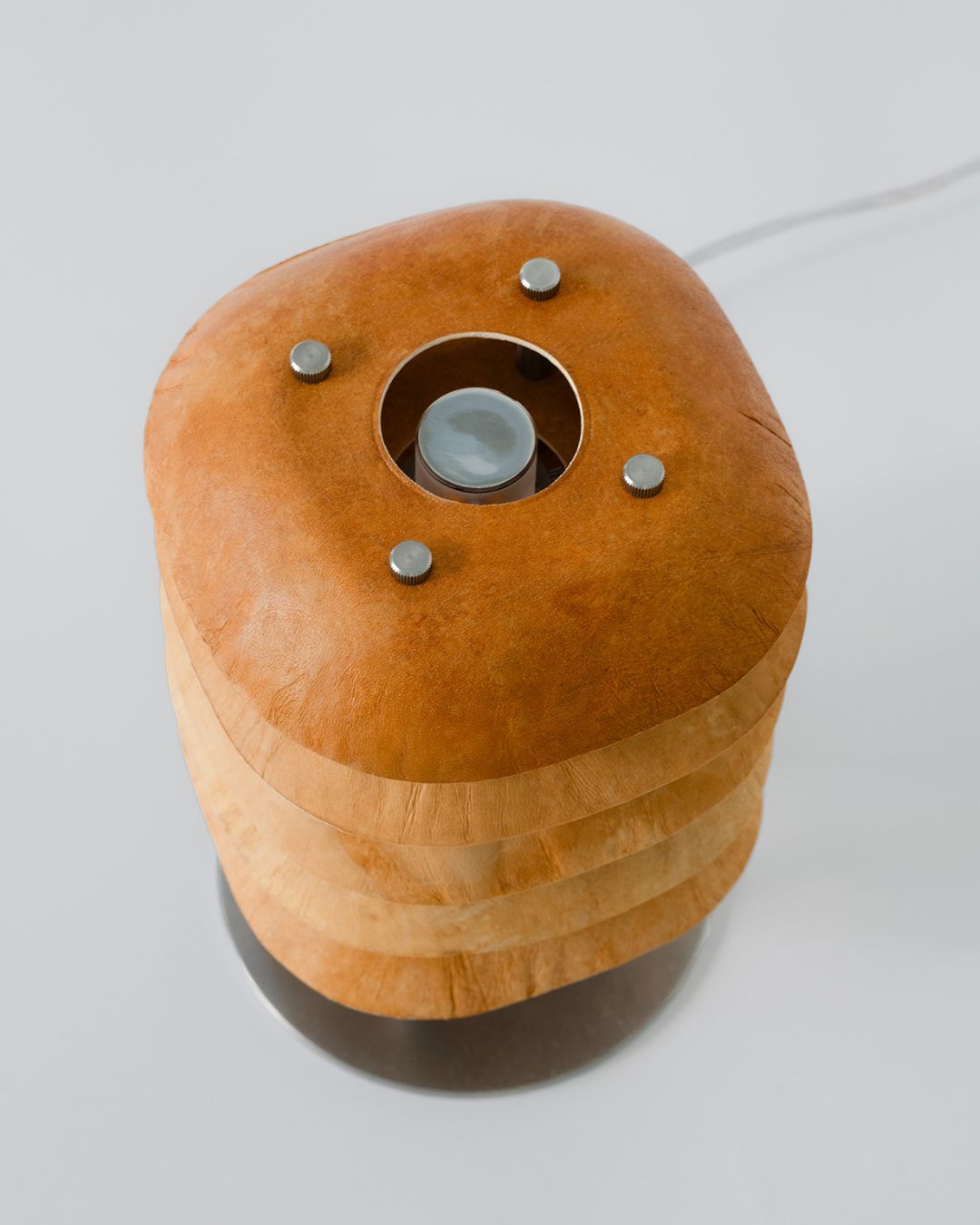
Cecilie Manz’s Et Ark offers a quiet study in proportion and restraint: a minimal container in Oregon pine and Reishi™, where the wood’s natural grain meets the biomaterial’s fine tactility, celebrating imperfections as part of its beauty. Finally, OEO Studio’s Centurio lamp embraces precision and warmth, with structured Reishi™ fins encircling a central light source, creating a minimal yet tactile presence that draws the eye while inviting touch.
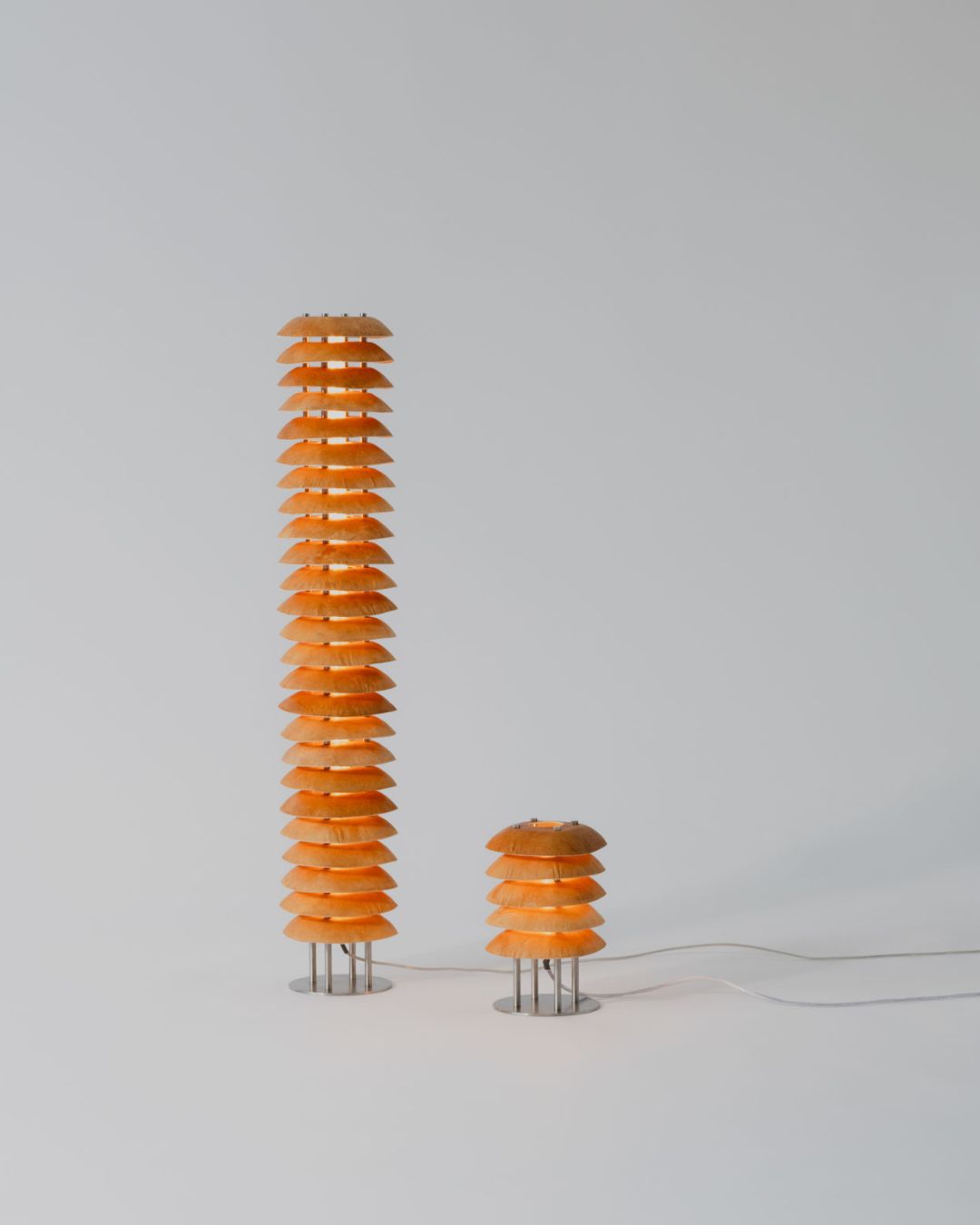
Together, these works reveal Reishi™ as a material capable not only of replacing traditional luxury leathers but also of opening entirely new possibilities for light, form, and sensory experience. As curator Marie-Louise Høstbo notes, “we have redefined how we engage with materials; here, functionality meets tactile beauty, and innovation becomes part of the emotional connection we form with the objects around us.”
The collection stands as a manifesto for a future in which biomaterials are not mere experiments, but a way to reframe core concepts such as luxury, sustainability, and – more than ever – the mission of design itself. And, all together, these works reveal Reishi™ as a material capable not only of replacing traditional luxury leathers, but also of opening entirely new avenues for light, form, and sensory experience.
About the author

Ludovica Proietti, journalist, design historian and curator, teaches in universities and curates events, always exploring projects with fresh, unconventional perspectives.
Instagram