Surfaces that feel: interactive textiles come to life through conductive printing
Ricoh brings together smart materials and AI to create responsive interiors that sense, adapt and promote well-being in everyday spaces.

What if surfaces could sense our emotions? What if a sofa or a curtain could interact with its surroundings? This isn’t science fiction—it’s the vision driving Ricoh, the Japanese company that has been pioneering printing solutions and digital services for over 85 years. Today, it looks to the future to innovate the way people, technology and spaces connect, creating intelligent environments where well-being is at the heart of everyday experience.
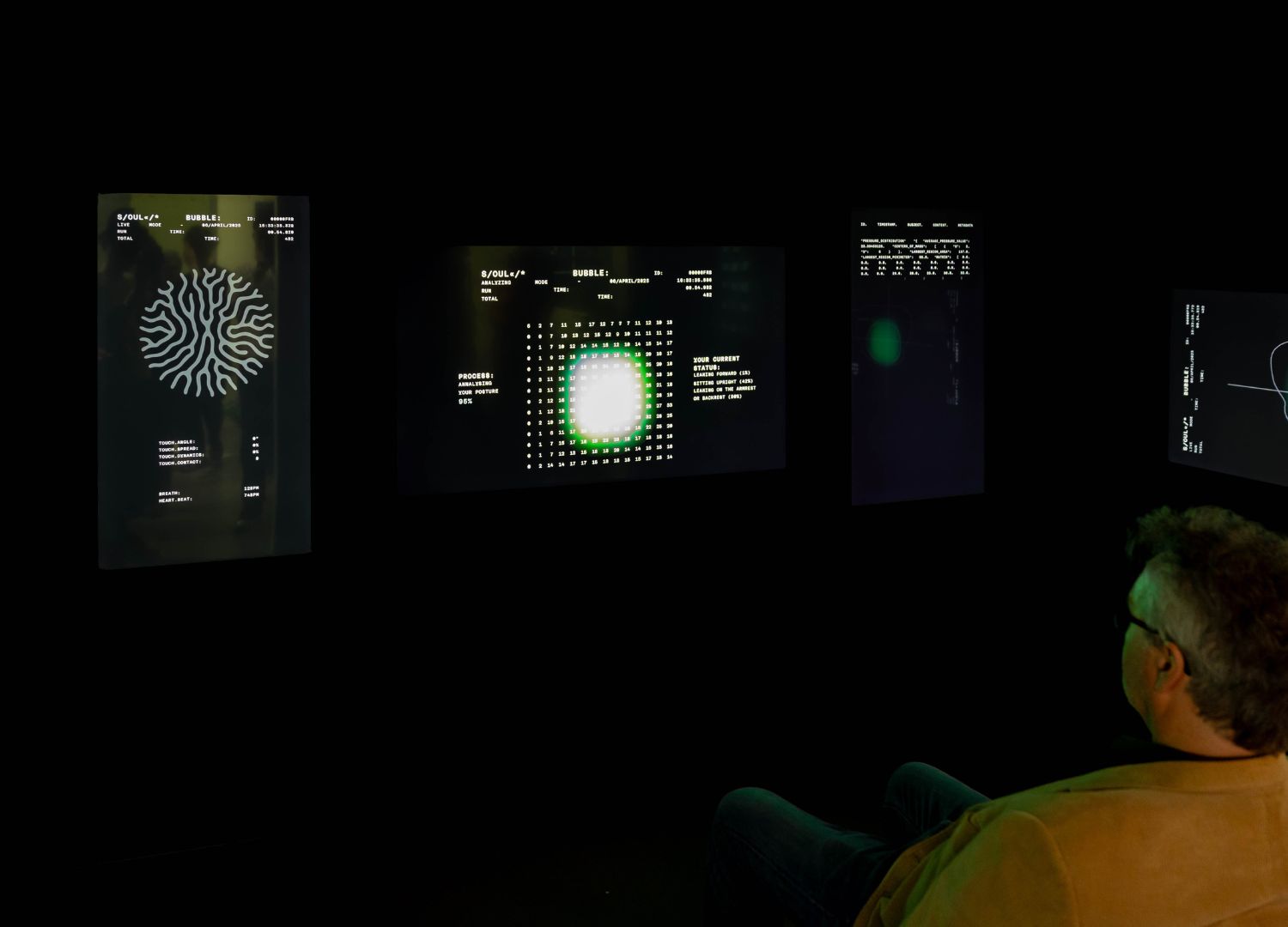
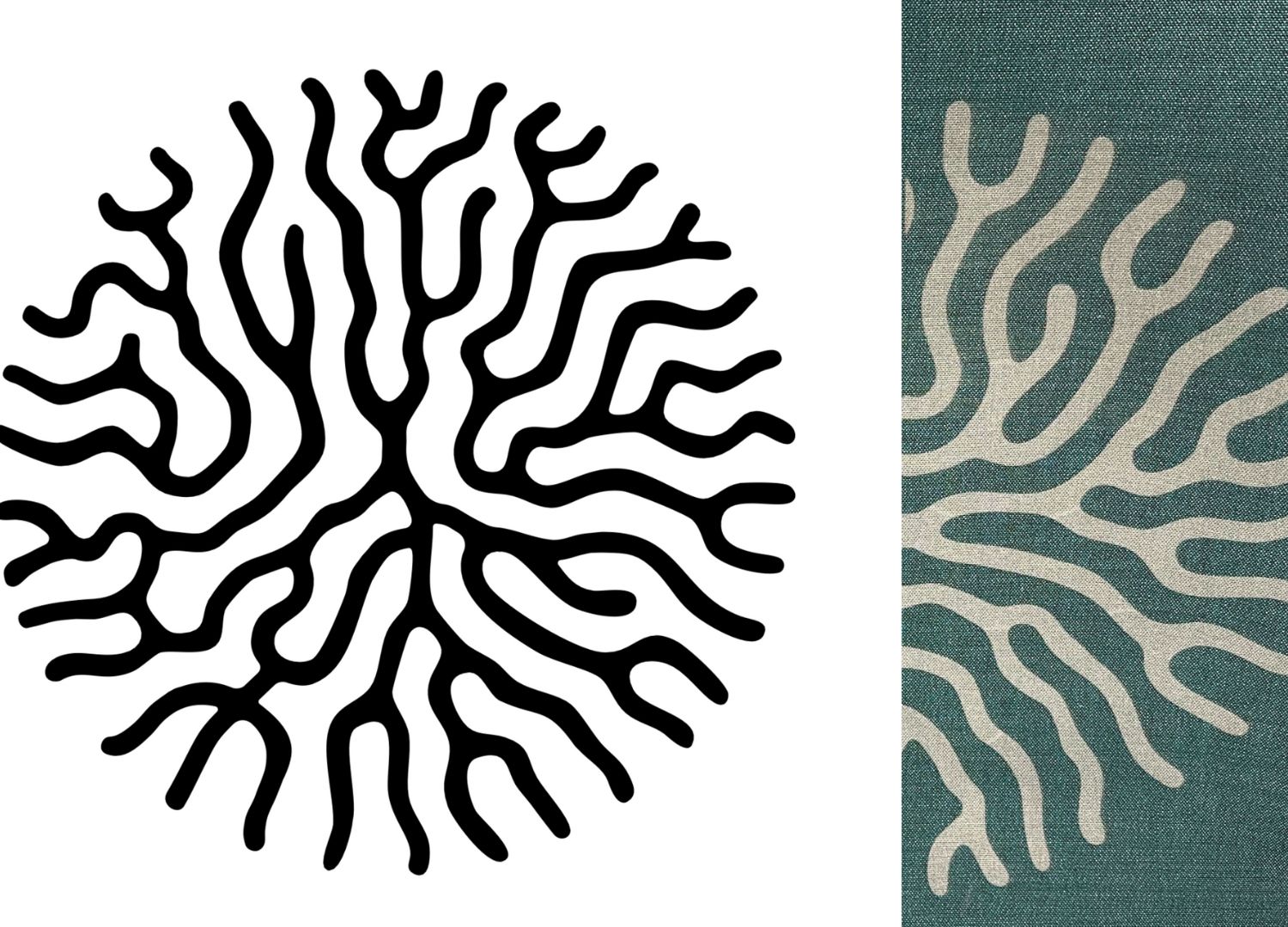
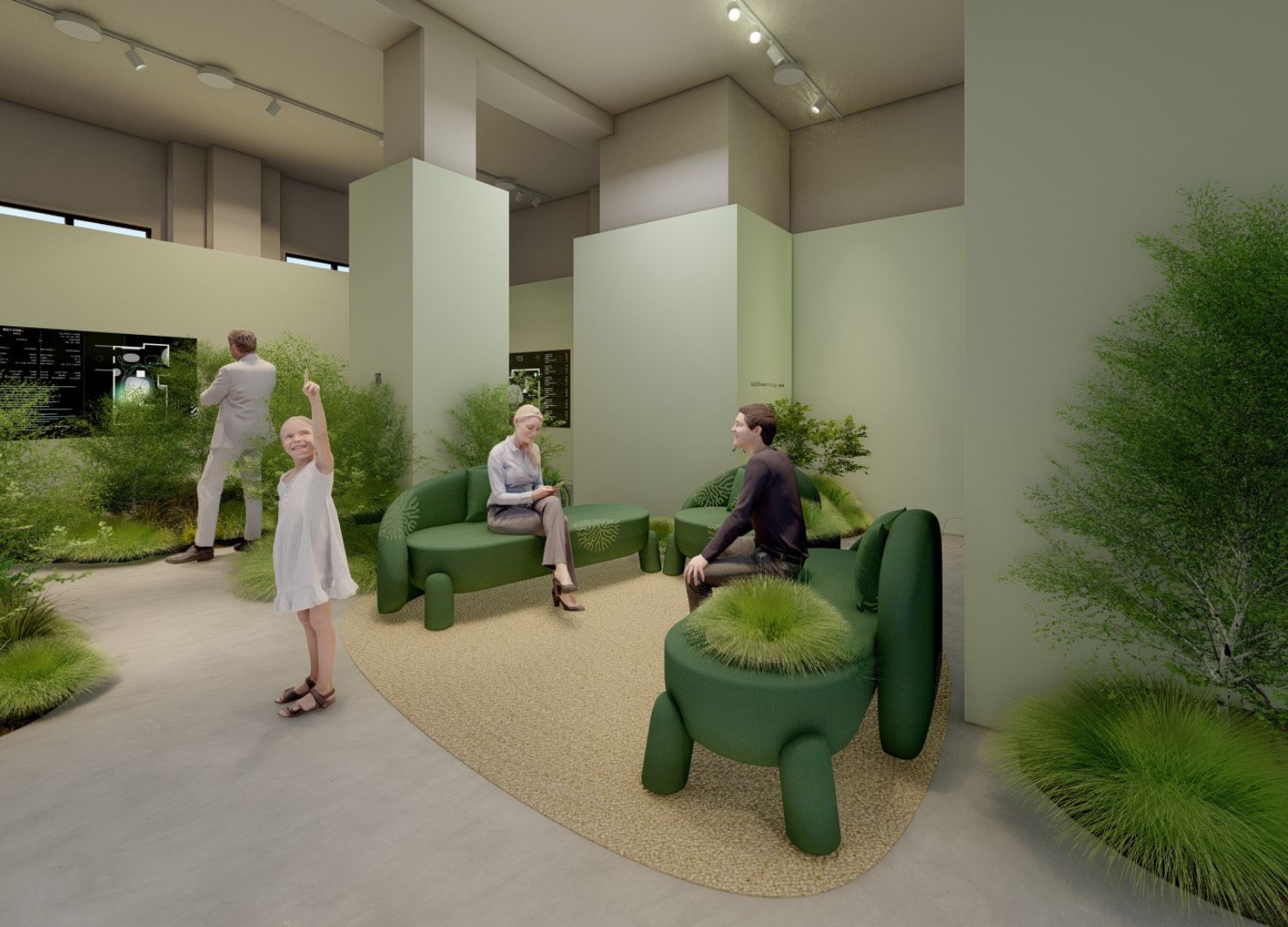
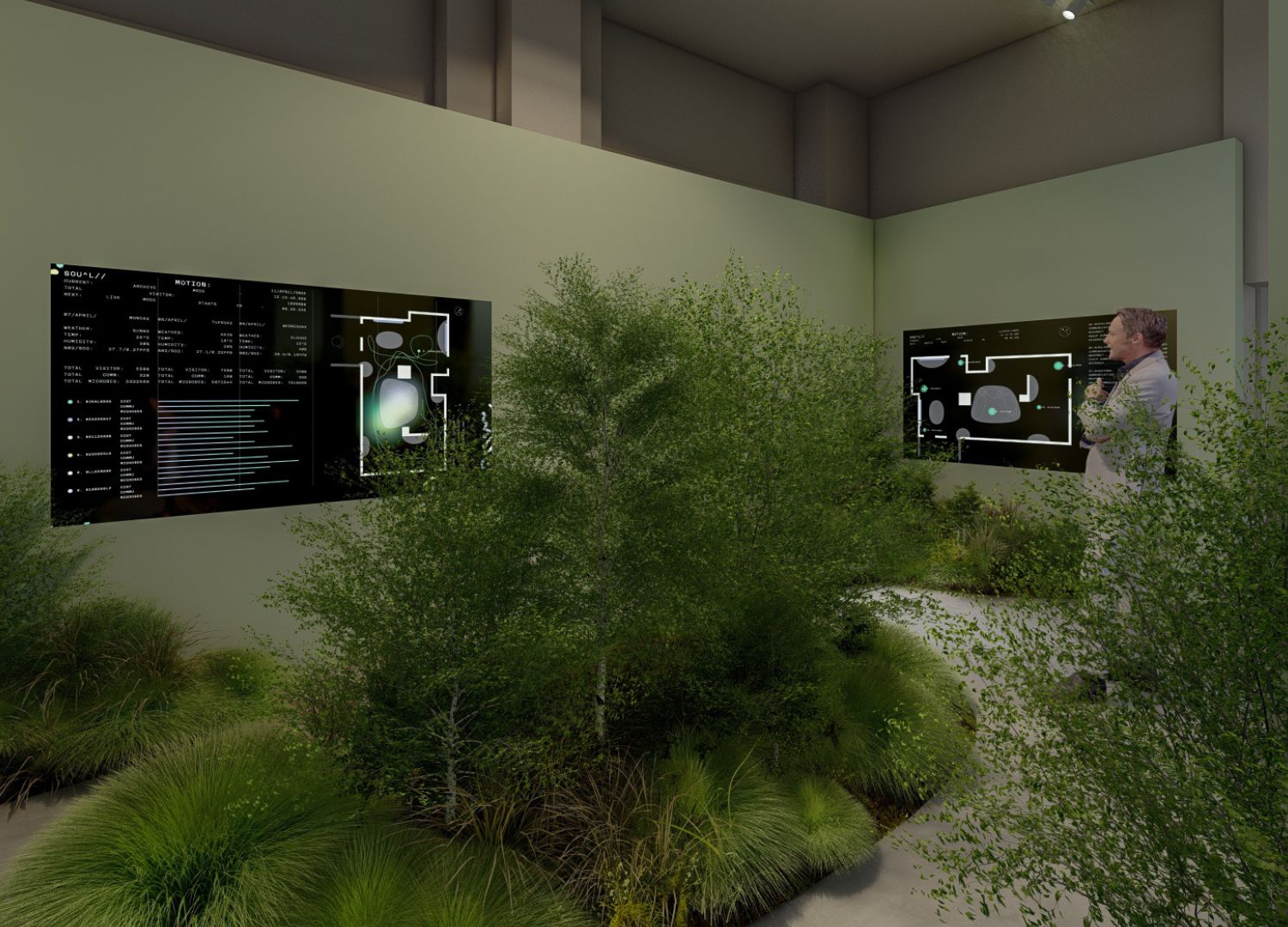
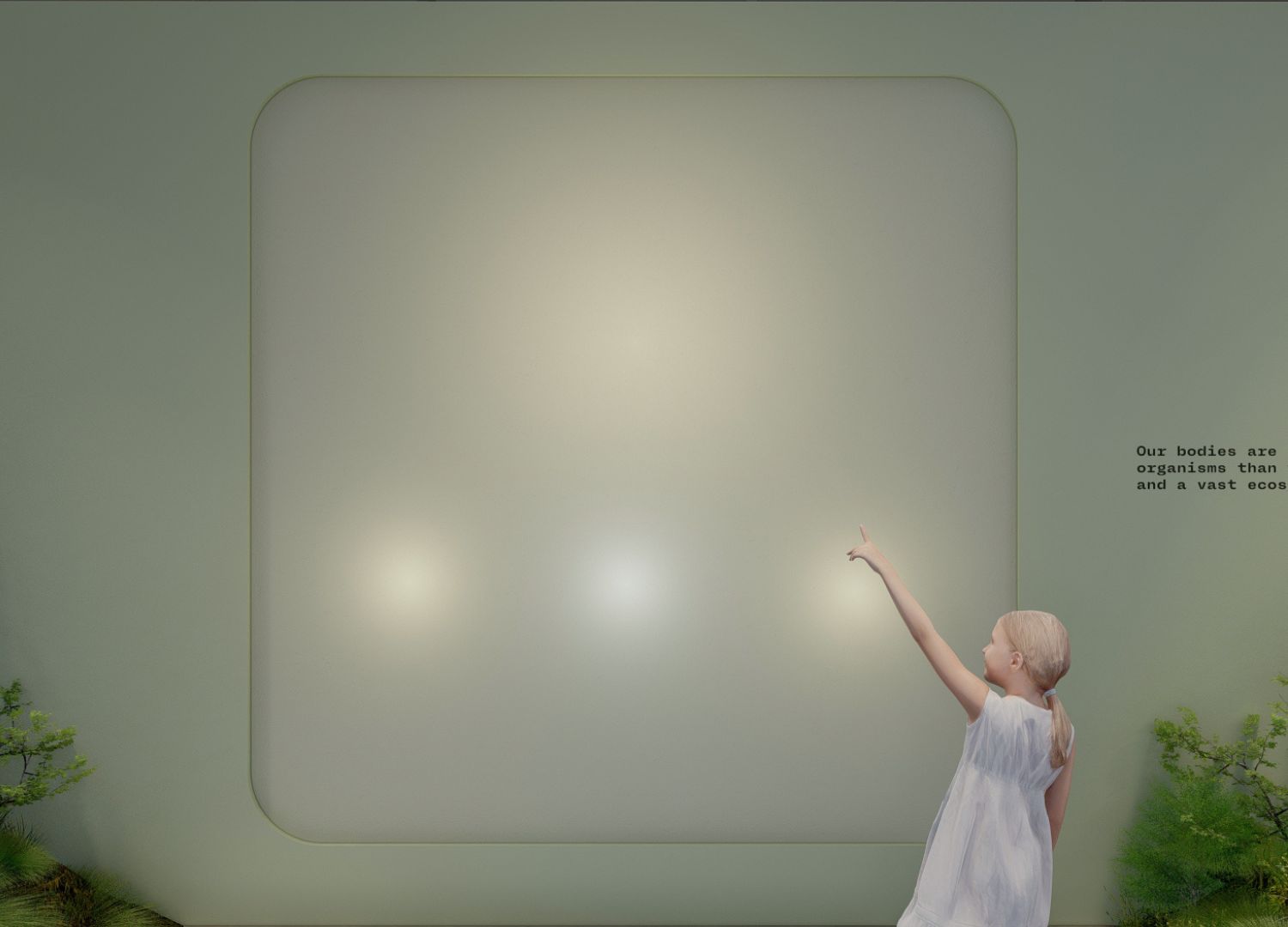
This vision takes shape in the “Soul and Soil” project, presented during Milan Design Week 2025 with an immersive, hyper-technological installation. Through a conductive printing technique and the use of artificial intelligence, fabrics and furnishings are transformed into sensitive surfaces capable of communicating with the environment and those who live in it. A simple gesture – such as sitting down – is enough to activate the interaction, generating and transmitting data in real time. This technology opens up new perspectives in interior design, home automation and the design of smart spaces.
Gallery
Open full width
Open full width
These materials, thanks to special conductive patterns printed directly onto the fabrics, become true smart sensors. They can detect both personal and environmental data through ultra-wideband wireless communication. The result is a sophisticated system that integrates advanced functionality without compromising aesthetics. At the heart of this innovation are two core technologies: conductive printing and indoor communication. Together, they enable a new generation of furniture and surfaces capable of adapting to context, responding to user needs, and gathering meaningful data to improve spatial quality.

“We believe that human relationships and mental well-being—although invisible—are essential to collaboration,” says Haruki Murata, the company’s Creative Director. “That’s why we strive to reveal the unseen by designing environments that nurture both mind and body, enhancing the creativity of those who inhabit them.” There are many possible applications for this technology.
For example, it can be used in health monitoring, in the management of complex environments such as airports and hospitals, and in the real estate sector, where smart surfaces redefine the relationship between people and architecture. Another area of research concerns the integration of materials and biological well-being. Ricoh is exploring the use of surfaces that support the growth of beneficial microorganisms, helping to create healthier spaces that support microbial diversity and promote human health, especially in work environments.

With nearly 90 years of experience and a presence in around 200 countries, Ricoh continues to invest in research and innovation, placing artificial intelligence at the service of people. The mission is clear: to transform the workplace into a smart, dynamic, and human-centered space where technology and design work together to improve everyday life.