Looking for balance: Matteo Ragni on Taami
How a cardboard prototype turned into a patented wooden balance board, and what it takes for a designer to bring an object to market
Do you ever feel the temptation to keep a good idea to yourself rather than propose it to a manufacturer? And consider becoming the brand that makes it and sells it?
If you have, then you know that having a superior concept is only a (tiny) part of the story. Because once you decide to test yourself in a field which is not your own – business –, you soon figure out that lots needs doing (and it’s not all that easy): you have to protect the idea, find someone willing to produce a few hundred pieces rather than a few thousand, set a price that is neither a gallery mark-up nor a loss, decide where to sell, and keep stock somewhere. And these are things that most design schools never teach.
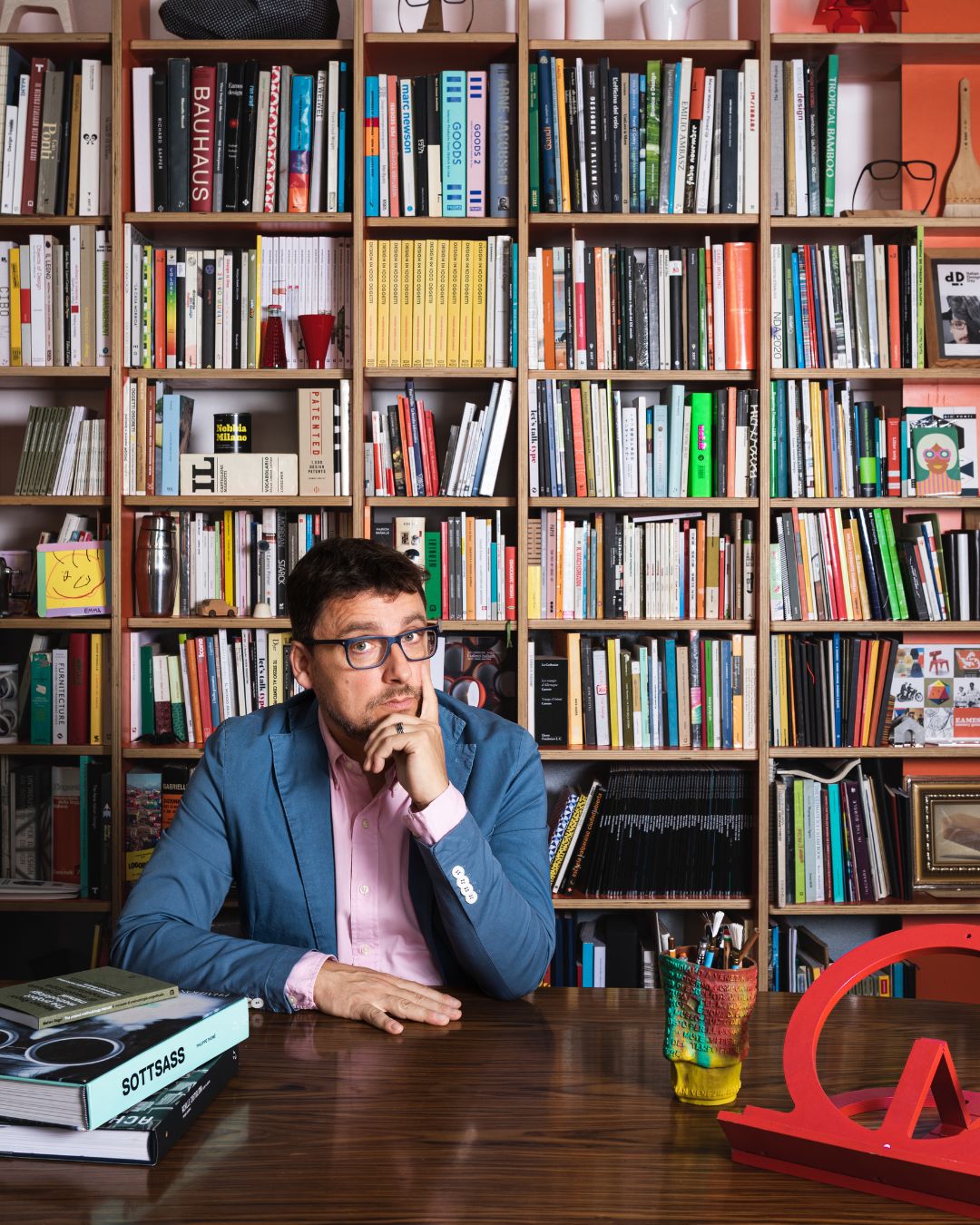
This is what Matteo Ragni, a Milan-based architect and twice Compasso d’Oro winner, has spent the last few years doing with Taami, a wooden balance board that he patented, branded and now sells himself.
Gallery
Open full width
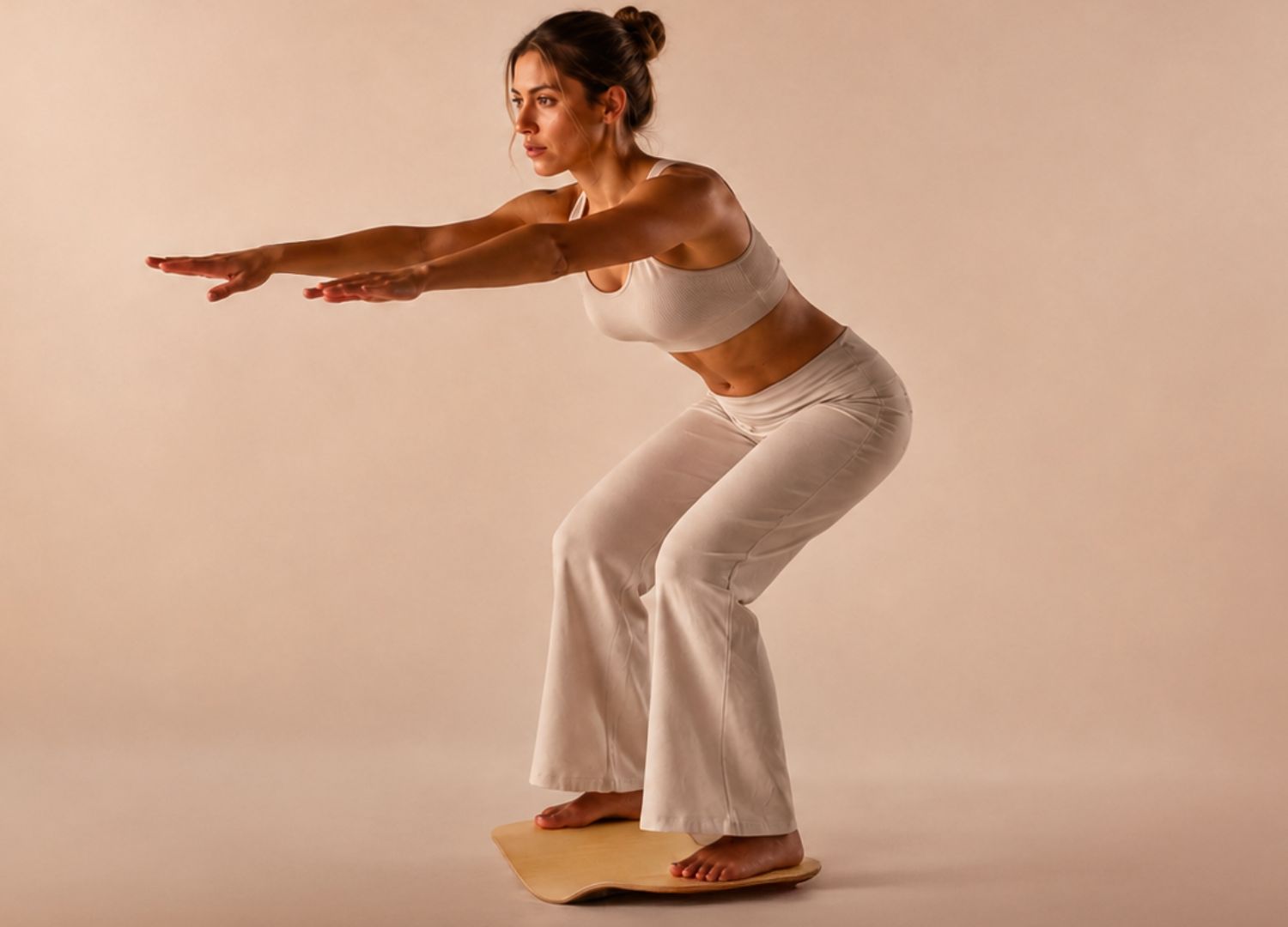
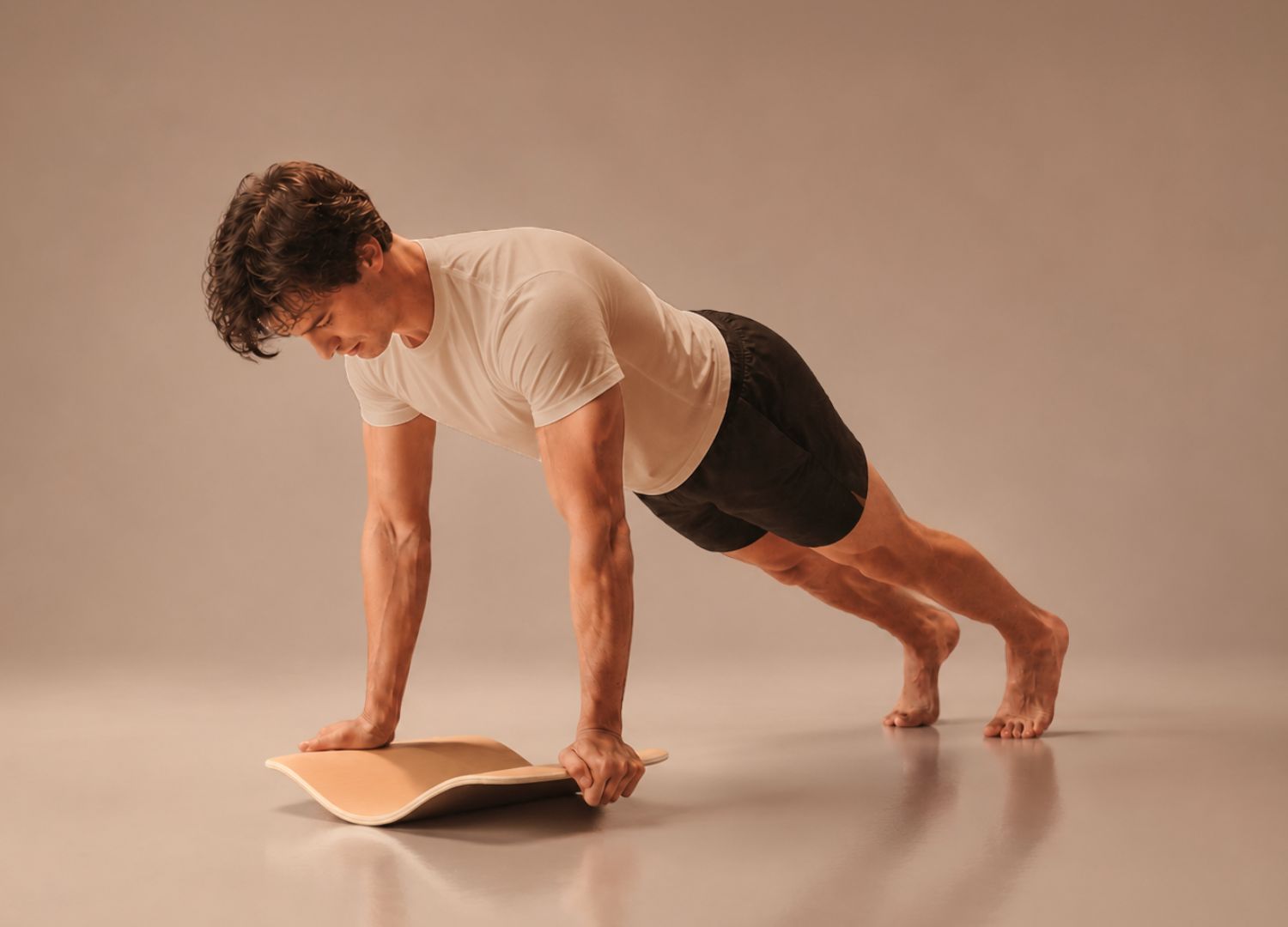
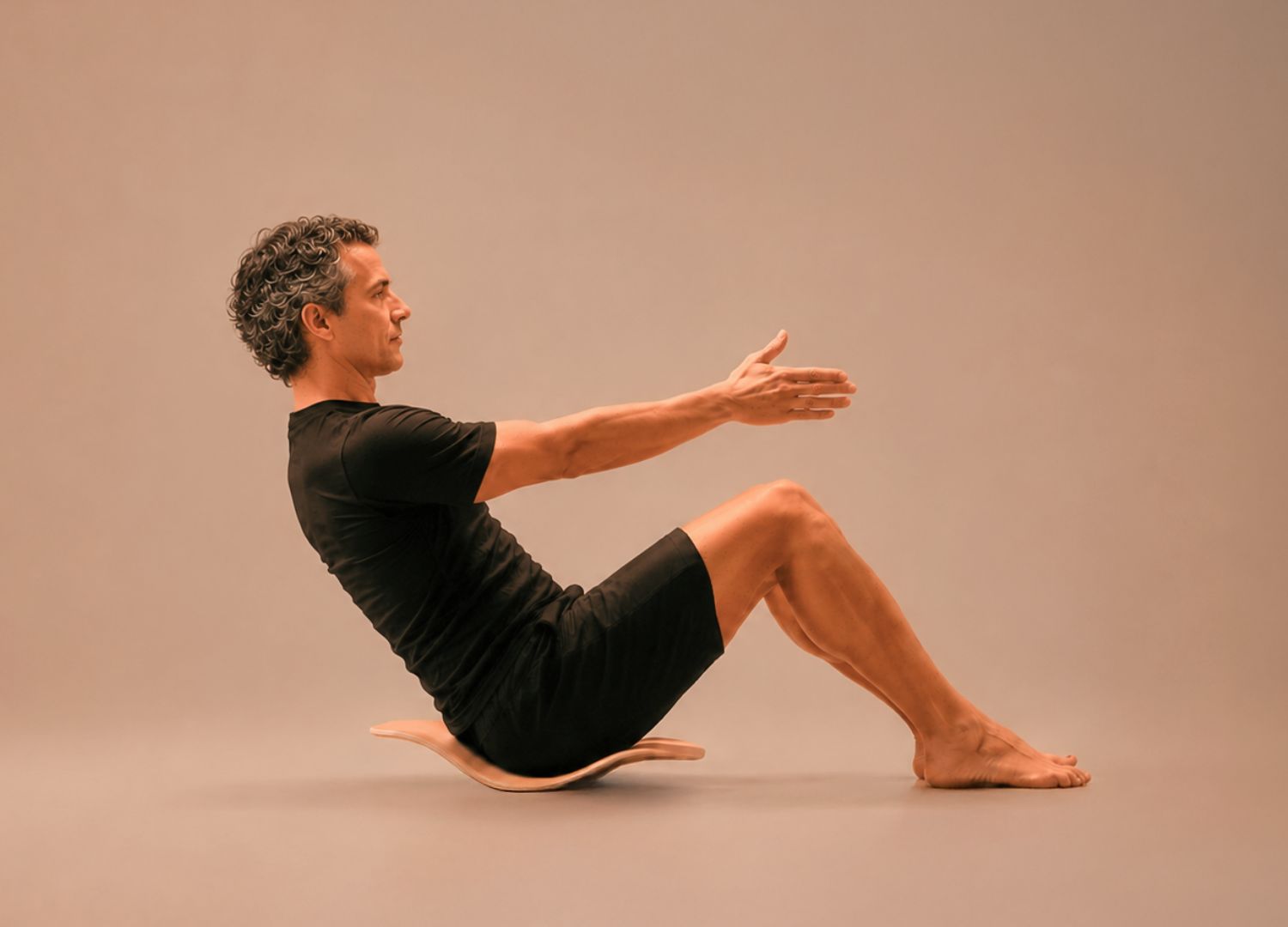
Open full width
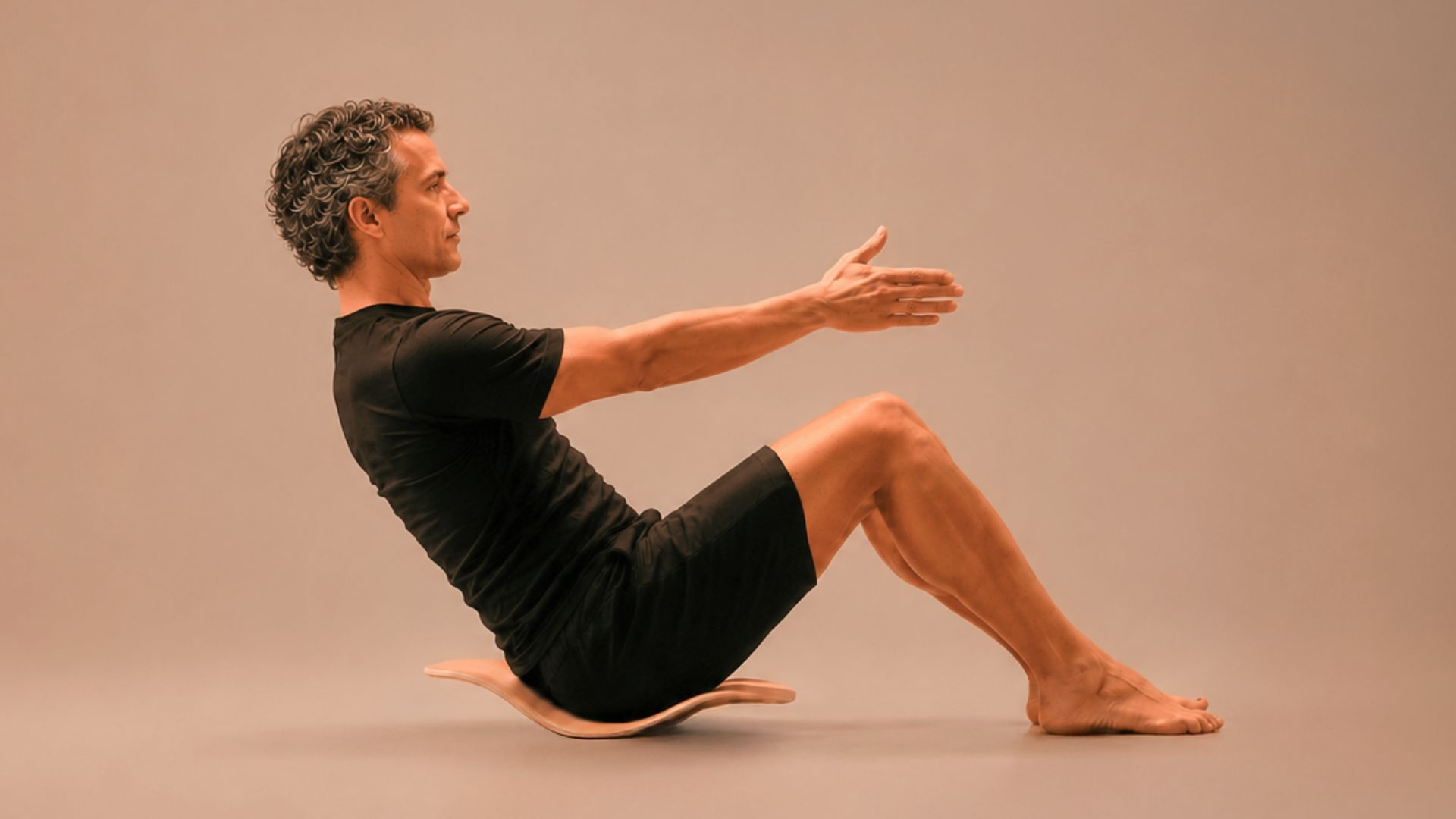
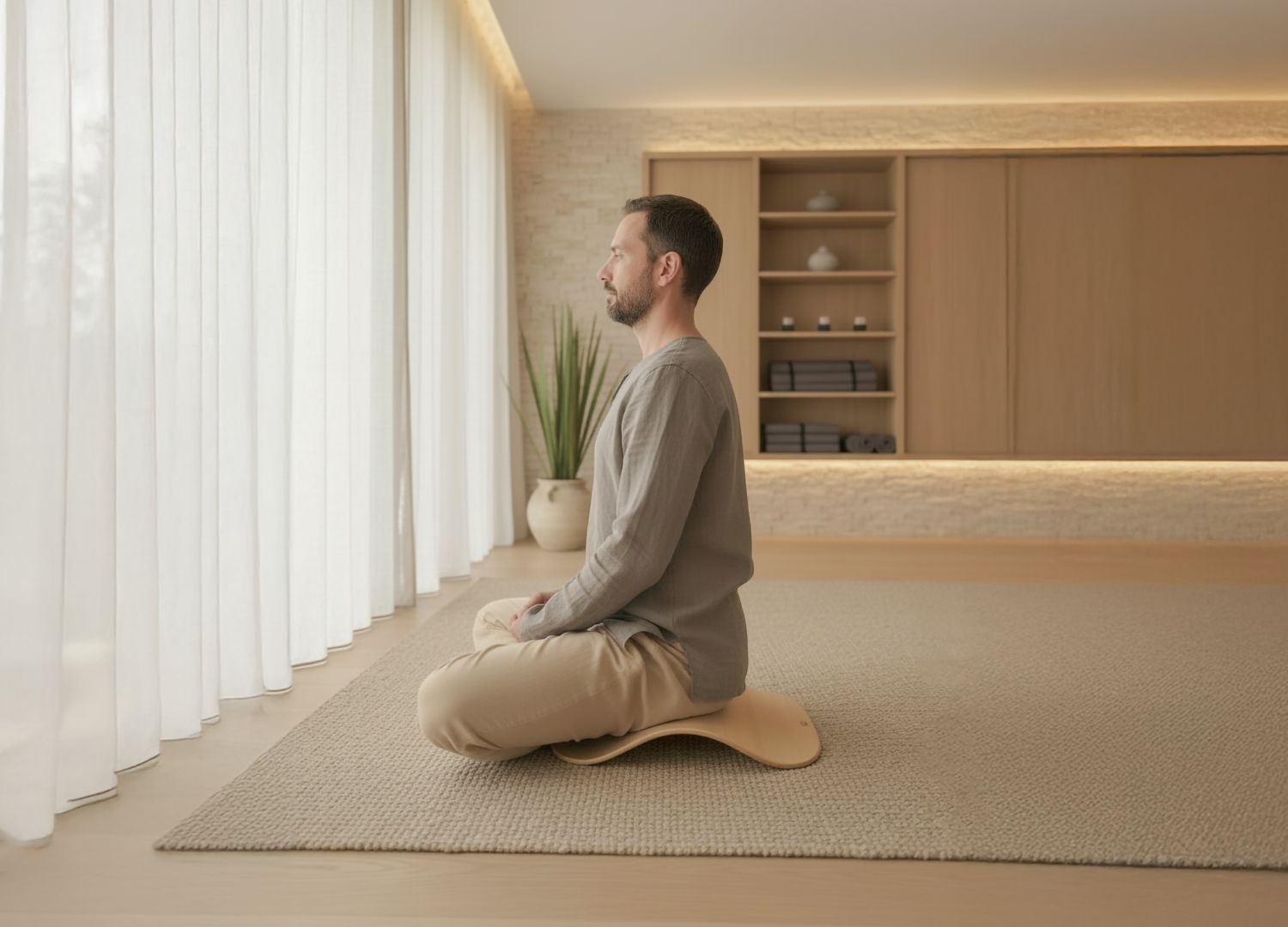
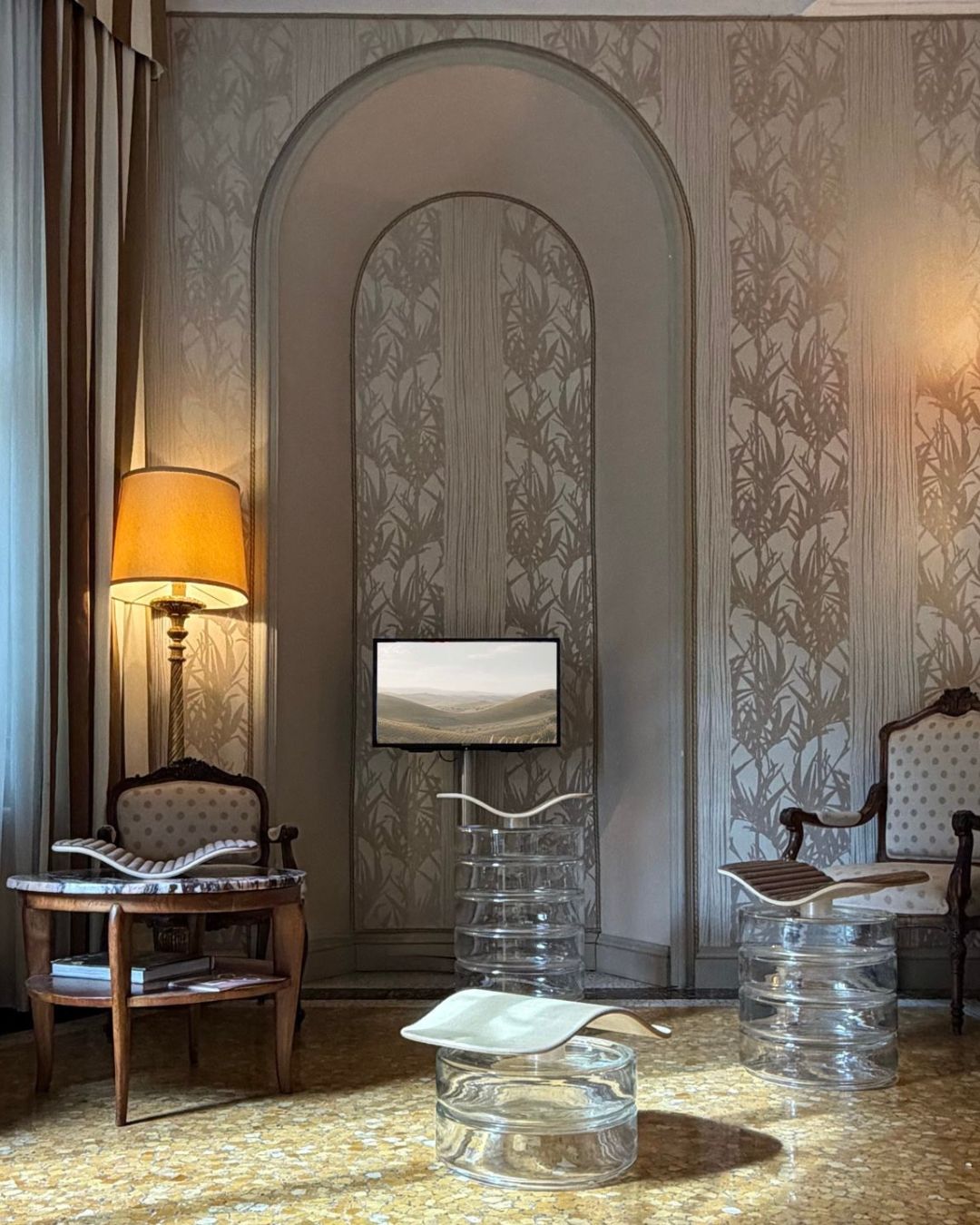
Taami is a balance board in bent birch and ash plywood: a single soft, edgeless curve you stand on looking for balance, sit on or turn upside down to stretch. But you can also do countless other movements with it. It has that honest furniture design quality when you touch it because it’s sanded by hand, curved using methods that belong to the tradition of Made in Italy products.
In a world where fitness and sport activities are increasingly related to data, Taami is insistingly analogue and its only add-on is an optional cushion in recycled technical fabric. No apps or programs. Because the idea is also that you feel free to try things as you go… We spoke to Matteo Ragni to understand why this particular object – out of all the ones that come out of his studio – was considered good to become a business and how he is building a brand as a designer.
Interview with Matteo Ragni:
Most designers, when they sell their own objects, do it through galleries or online, leveraging the author’s name. Is this the case?
Matteo Ragni:
«No. A physiotherapist suggested to me to do exactly that: sell it for €300, turn it into a “signature” piece and aim high. I went the other way, though. I want Taami to cost under €150, because I think this is the pain threshold for an object like this. I don’t want it to be elitist, and I don’t want gallery-style mark-ups. I’m not interested in hype, I want to make an object that is as honest as possible, including on price».
But I can buy a balance board for almost nothing. Did the world need Taami?
Matteo Ragni:
«Of course you don’t need it as such, just like you need virtually no equipment to keep fit, but just your desire to do sports. But I feel that there is a widespread need to take care of our own time and Taami taps into that attitude. And into my desire to give form to that particular moment in which people say: “I want to look after myself, on my own terms”».
Where did the particular shape come from?
Matteo Ragni:
«We could be very poetic to answer this question because Taami looks like it’s almost drawn by nature. No sharp edges, no centre, a sort of quadroid or a superellipse, a very soft form with no beginning and no end. In section, there’s this rise and then a return to normal, a kind of climb and re-balancing.
We could, but the truth is that Taami is shaped like this because it was born as a footrest.
During Covid, working from home, I felt the need to have one for my home office so a small cardboard prototype: a wave with a flat surface on top for the feet. At some point we took the top off and the wave remained. I saw that it rocked, so I stood on it. It was a surprise for everyone, me included».
So the shape of Taami is literally the footrest without its lid?
Matteo Ragni:
«Yes. And this is what makes it different from other balance boards that are normally flat, sitting on a ball or on a section of a cylinder. This shape is the distinctive element, and it’s also what allows you to turn it upside down and use it in a more static way, to stretch your back and neck».
Why did you feel that out of all objects you design this one could become your own brand instead of going to a manufacturer?
Matteo Ragni:
«There is a need to make time for caring for ourselves. And looking for a balance is a large part of this search. I feel this need myself very much and I know from working for many brands that already tap into this trend that it’s a diffused feeling. So this beautiful object that you don’t need to hide away and can provide you with that ‘searching for balance’ approach seemed like a very good fit for these times».
Years ago you self-produced the ToBeUs wooden toy cars, an experience that was also supported by an exhibition with 100 designers involved. Did that experience help you recognise the right object?
Matteo Ragni:
«It taught me that the market is made of niches, some big and some small. The big ones today are wellness, fitness and body care. The children’s niche is – and was also back then – much harder. It requires certifications, which were very expensive, and with ultra-cheap online platforms, the price parents will accept for a toy is far lower than what an object designed and made by hand in Italy should cost. With the cars, I wanted to stay under €50 retail. Each one cost us €20 to make and we sold it at €48 including VAT, so when we sold directly, our margin was almost double.
When we sold to a shop, we sold at around €24, so we were barely covering costs. Still, it was a beautiful experience. I met many designers and people who shared a different idea of consumption: objects you can repair, made of sustainable wood. Taami follows the same logic. If you get tired of it, it doesn’t harm the environment. Worst case, it goes in the fireplace».
Finding the way to make Taami: was it difficult?
Matteo Ragni:
«No, because Taami is made with the technique used to bend chair backs and seats. We made a prototype in bent wood with a pilot mould and saw that it worked. The real work was finding the right compromise between the performance of the wood and the finish. The inside is birch, which is very rigid and elastic. The outside is ash, with a selection of veneers that gives it real rigour: no flaming, no knots. I didn’t want it to look rough».
Taami was patented. For many designers, a patent sounds impossibly complicated. Why did you do it?
Matteo Ragni:
«Because when you’re alone and there’s no company supporting you, you have to protect the idea somehow. The project sat in a drawer for years, it was the last item on the studio’s to-do list, something we picked up whenever there was a quiet moment. We applied for a series of regional grants and patent programmes, which came with very long bureaucratic tails. It was exhausting. But a patent does protect you. Then we registered the trademark, and that’s how the brand was born».
And the name? A brand needs one that works.
Matteo Ragni:
«It comes from Maat, the ancient Egyptian goddess of balance and of rightness, who also stood for social justice, without too many proclamations. Maat is also close to my own name, Matteo. But I liked the T: it’s a balanced letter, with its crossbar resting on a central stem.
I wanted the name to start with a T, so I mirrored MAAT and played with it until it became TAAMI, something that sounds slightly Eastern. The anagrams came later. An intern pointed out that it contains amati, “love yourself”. Then, playing word games, ti ama came out too, “it loves you”. So once you love yourself, you’re in balance, and Taami loves you back».
Do you have a business plan?
Matteo Ragni:
«We do. A friend with a background in corporate marketing made me a very professional one: break-even over three years, how much to invest in Instagram and communication, everything. We look at it and will certainly use some of the advice but I’ve reached an age where I can admit I’ve never planned these things. I’ve always done projects from the gut, and they’ve given me a lot of satisfaction».
But a brand doesn’t grow organically on its own. What’s the plan for finding customers?
Matteo Ragni:
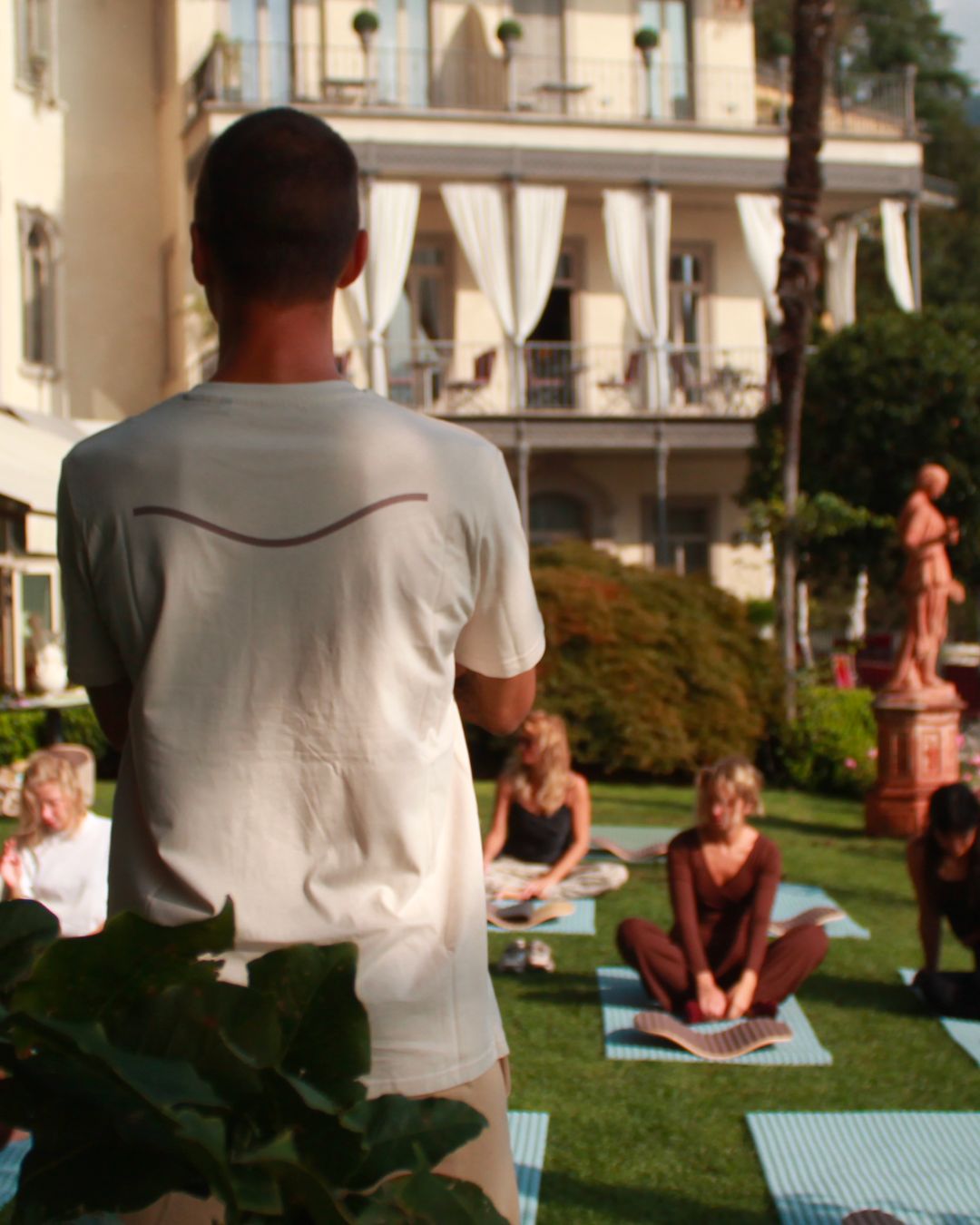
«We started in July. We will certainly invest in social media – and we will follow the business plan on that. We launched at the Lake Come Design Festival and now we’re contacting every Pilates studio, gym and school we met or found online. The terms are simple: a discount for their clients and a fee for them. For influencers, we’ve created a dedicated code: €20 off for the buyer and €20 to them for every product sold. Then we will see how it goes».
What if demand for Taami explodes? Who makes them, who ships them?
Matteo Ragni:
«We produced the first 100, then in August we launched a second batch of another 100. The idea is to keep a minimal stock and see what happens. The first ones are shipped directly from the studio. Logistics are handled by a friend’s company that already sells a lot online.
They also make the packaging and a co-branded cotton bag shaped like Taami, with the board’s silhouette on the back, almost like a logo. The online shop is integrated with their system, so when you buy, everything runs automatically. You need to think of all these things when you start a brand: what to do to sell, but also how you will handle sales when they occur. If you are a design studio, you cannot turn into a logistics center».
Did you set up a new company for it?
Matteo Ragni:
«No. I have two entities: my practice as an architect, which I’ve always had, and for some years now a limited company, Ragni Associati, which does consultancy and can also buy and sell products. It already existed, because I needed it when I made the toy cars. As an architect, you can only sell prototypes».
So, are you an entrepreneur now?
Matteo Ragni:
«No, I don’t want to be one. But I’ve brought this little creature into the world and I want to see it grow so that one day someone else can take care of it. For now, I am enjoying the pleasure of having no company telling me, “do this; here’s your royalty”. Everything that comes in, comes in to us».
About the author

Journalist, DesignAtLarge founder, internimagazine.it curator, scientific committee of the Compasso d’Oro Award member, Circular Design professor at NABA Milan.
Instagram