A robot could draw your blood at your next appointment, with Aletta by Vitestro
Vitestro’s robot promises to take one of the most annoying parts of routine medical checks out of human hands, but will it actually make a better experience?
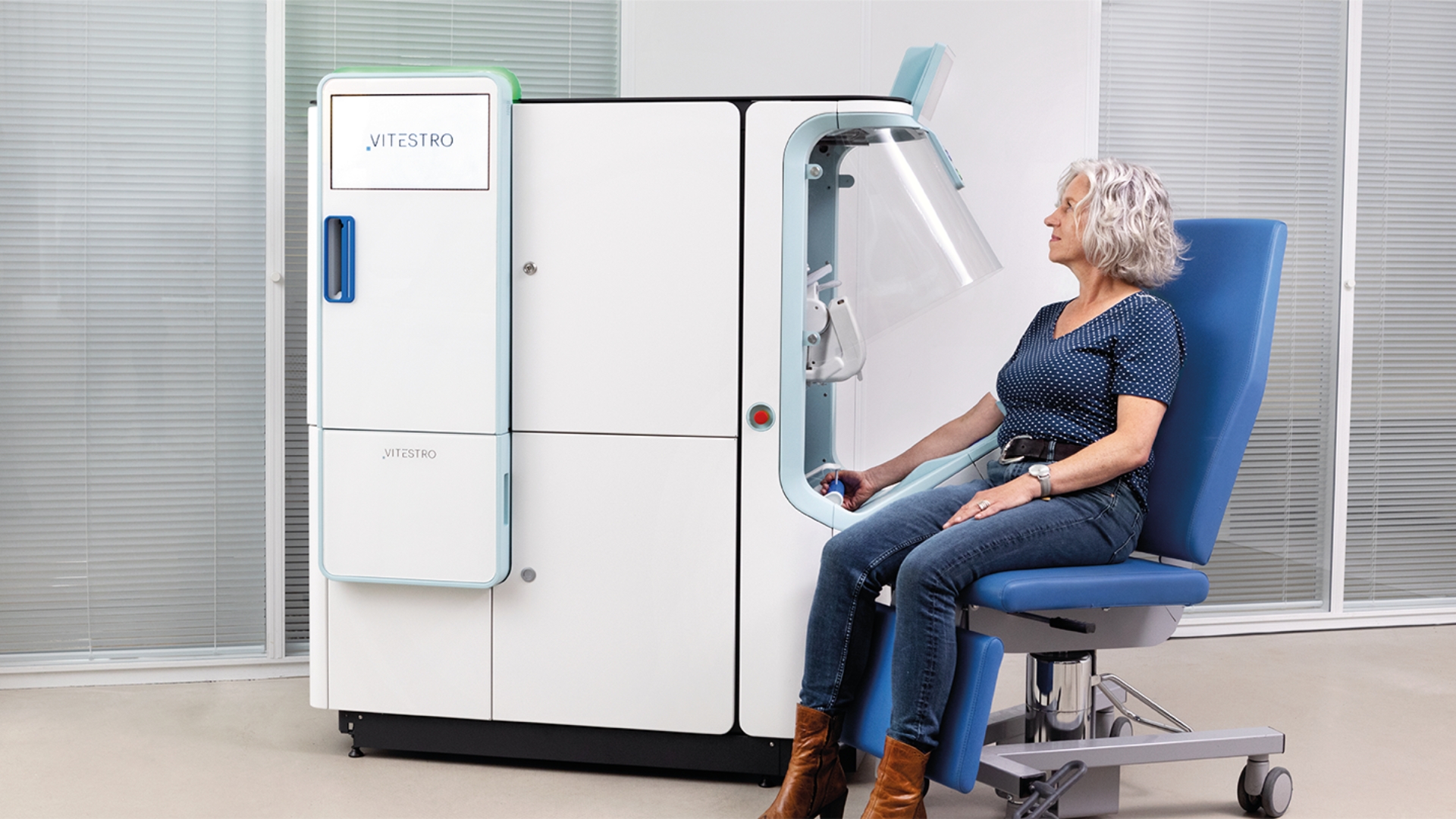
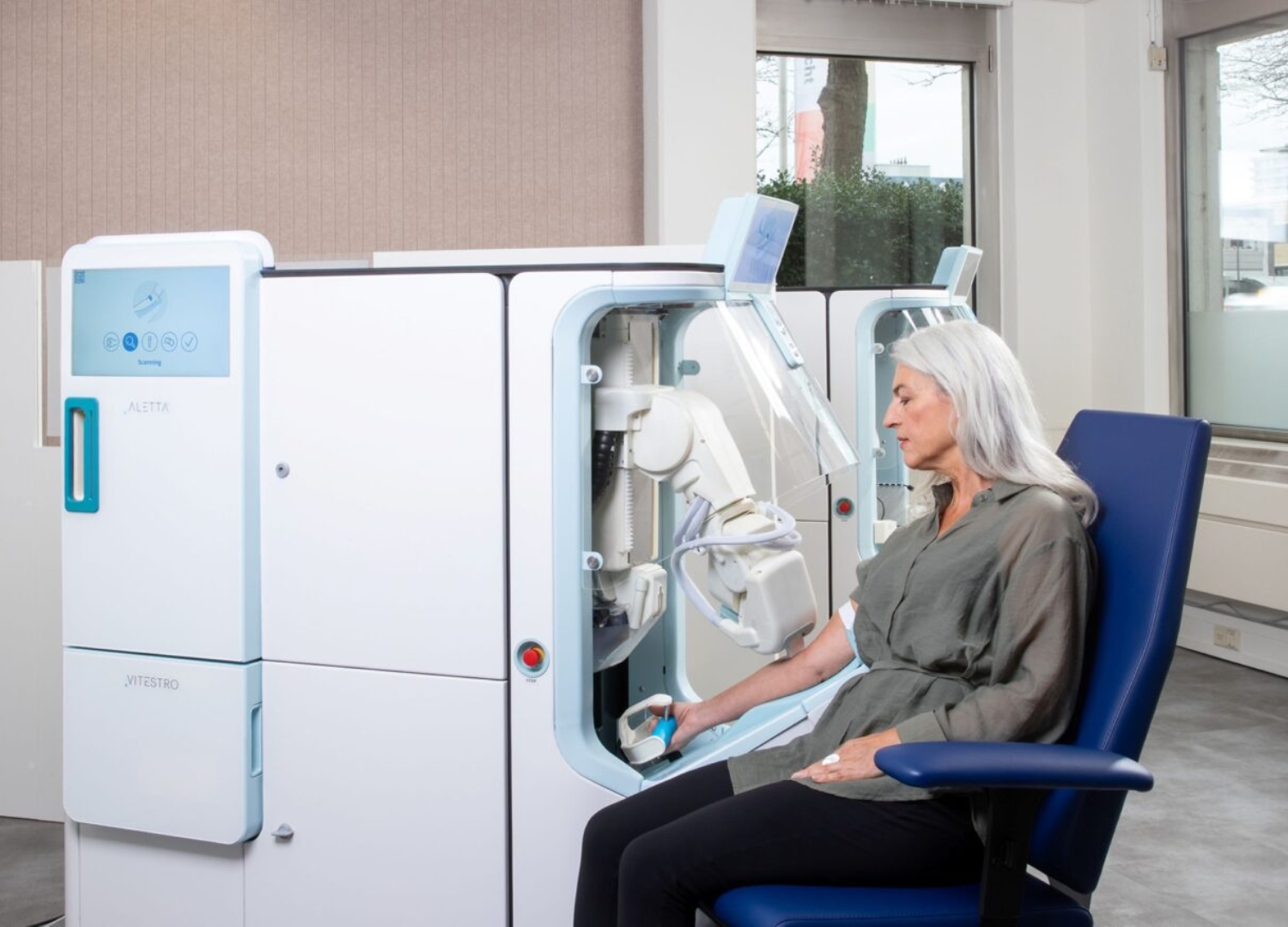
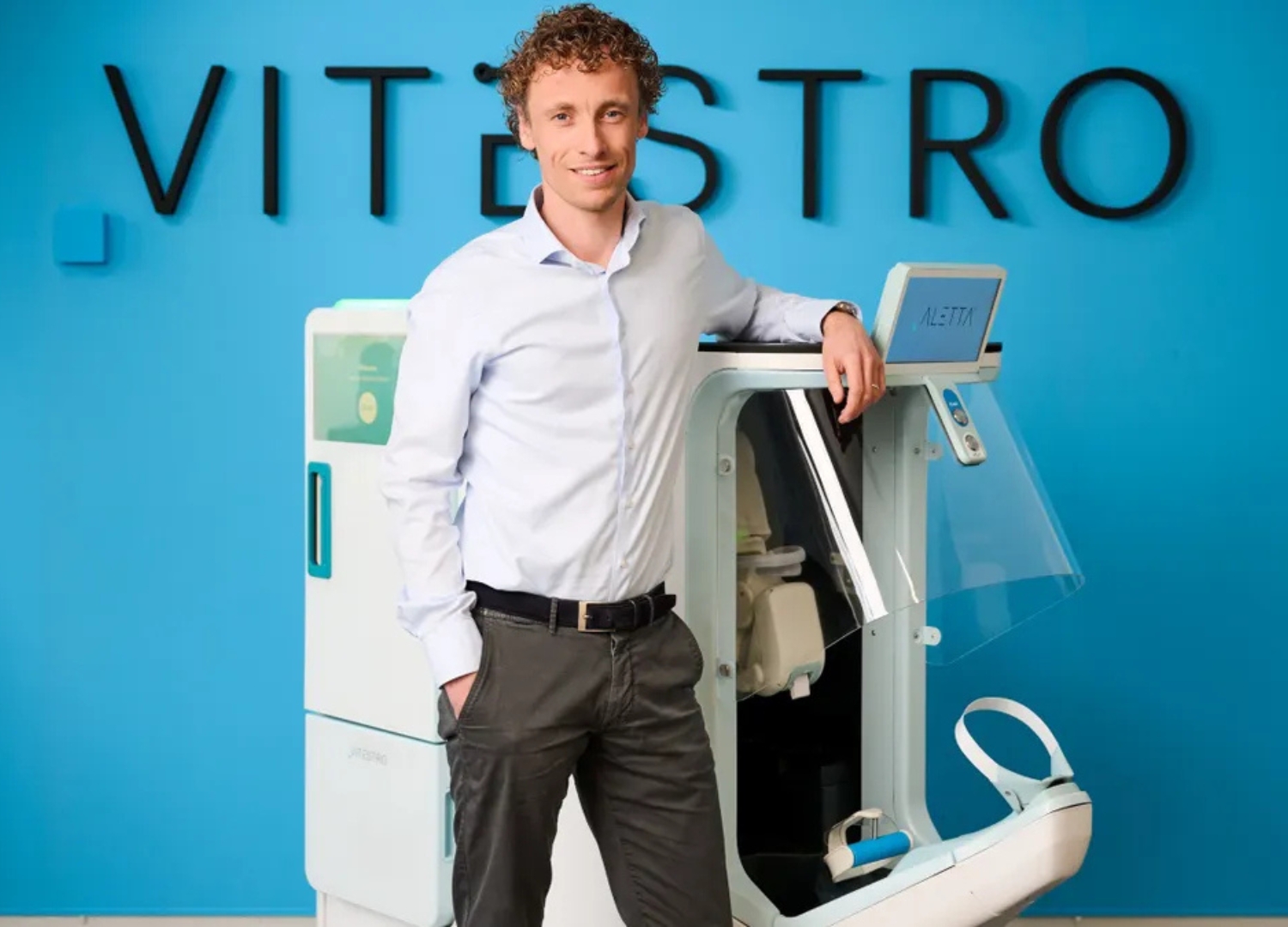
The blood draw is one of the most ordinary procedures, but also one of the more fragile ones, depending on a nurse’s training and manual dexterity, as well as a person’s anatomy and veins. Aletta, from Vitestro, is a machine meant to do it without anyone’s hands on the needle.
As medical professionals are in short supply, with nurses being short by 5.8 million workers worldwide, automating small tasks could be an answer. What remains to be seen is whether people would like it, accept it, and trust it.
Gallery
Open full width
Open full width
Aletta by Vitestro
Vitestro’s story
According to the company, co-founders Toon Overbeeke and Brian Joseph each watched a loved one struggle with blood draws. Joseph’s child needed regular tests and met long waits and errors, while Overbeeke’s friend’s father had veins that were hard to access after chemotherapy. They founded the company in 2017, and now Vitestro employ nearly 100 people.
What the machine does
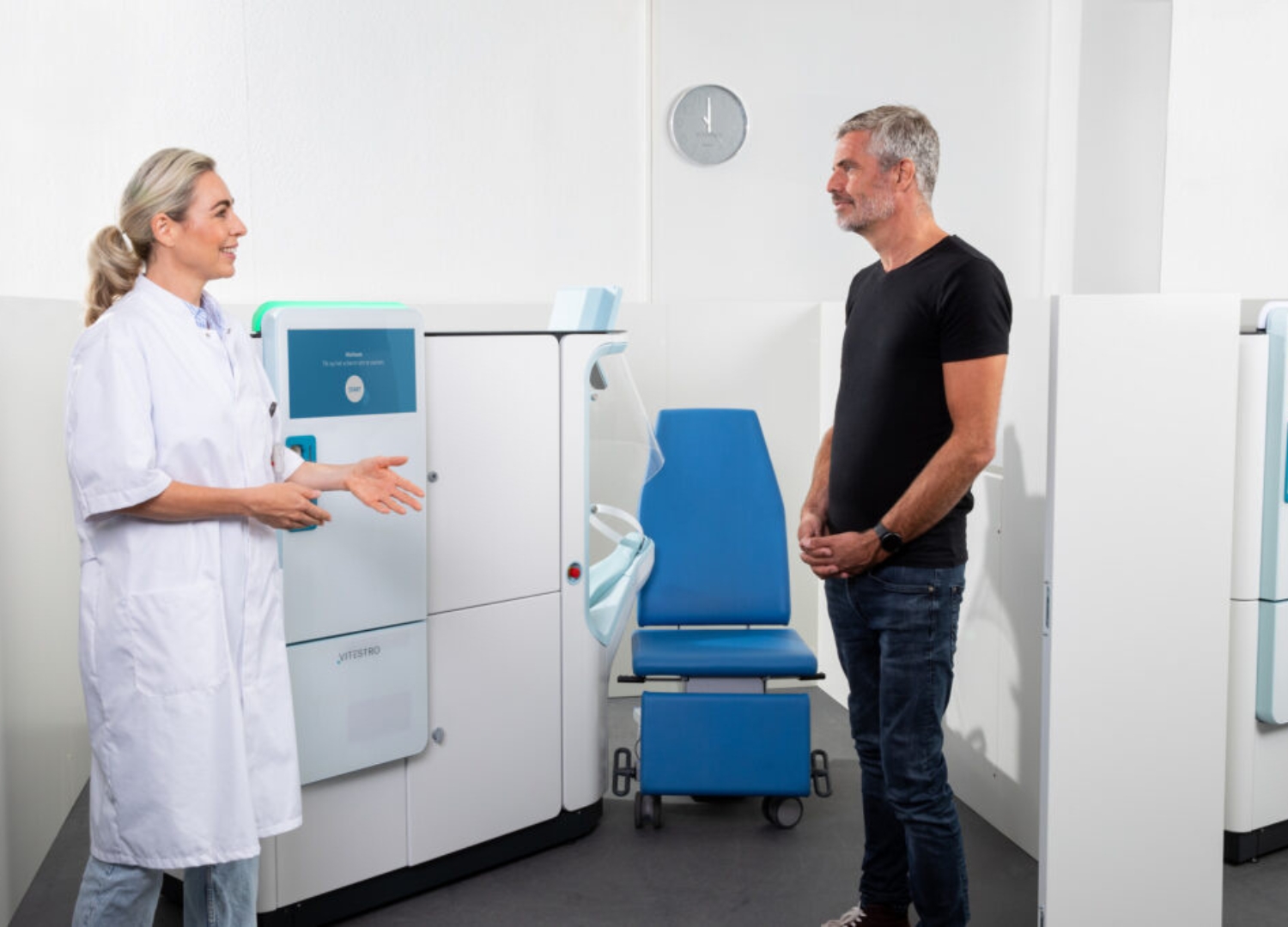
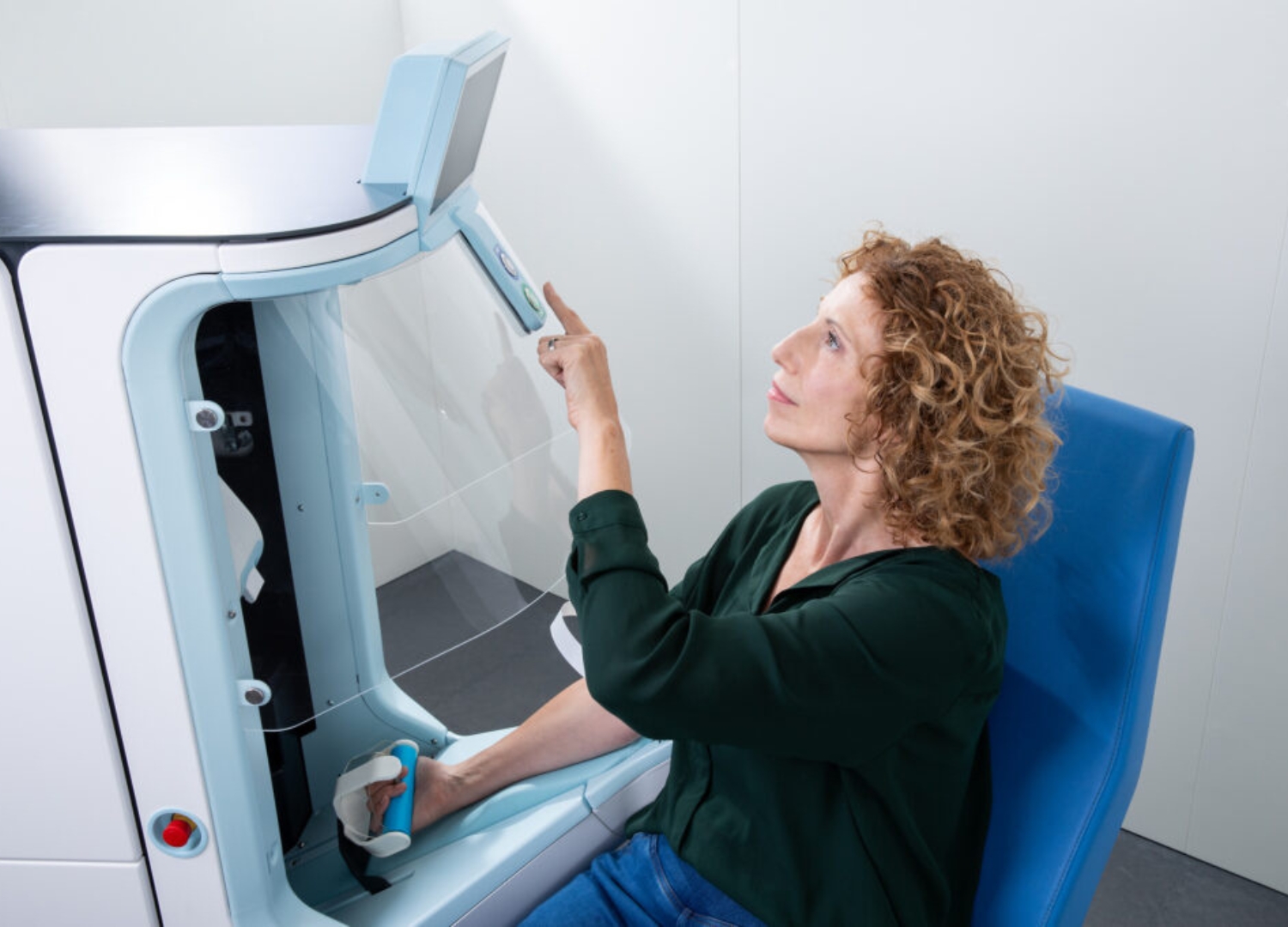
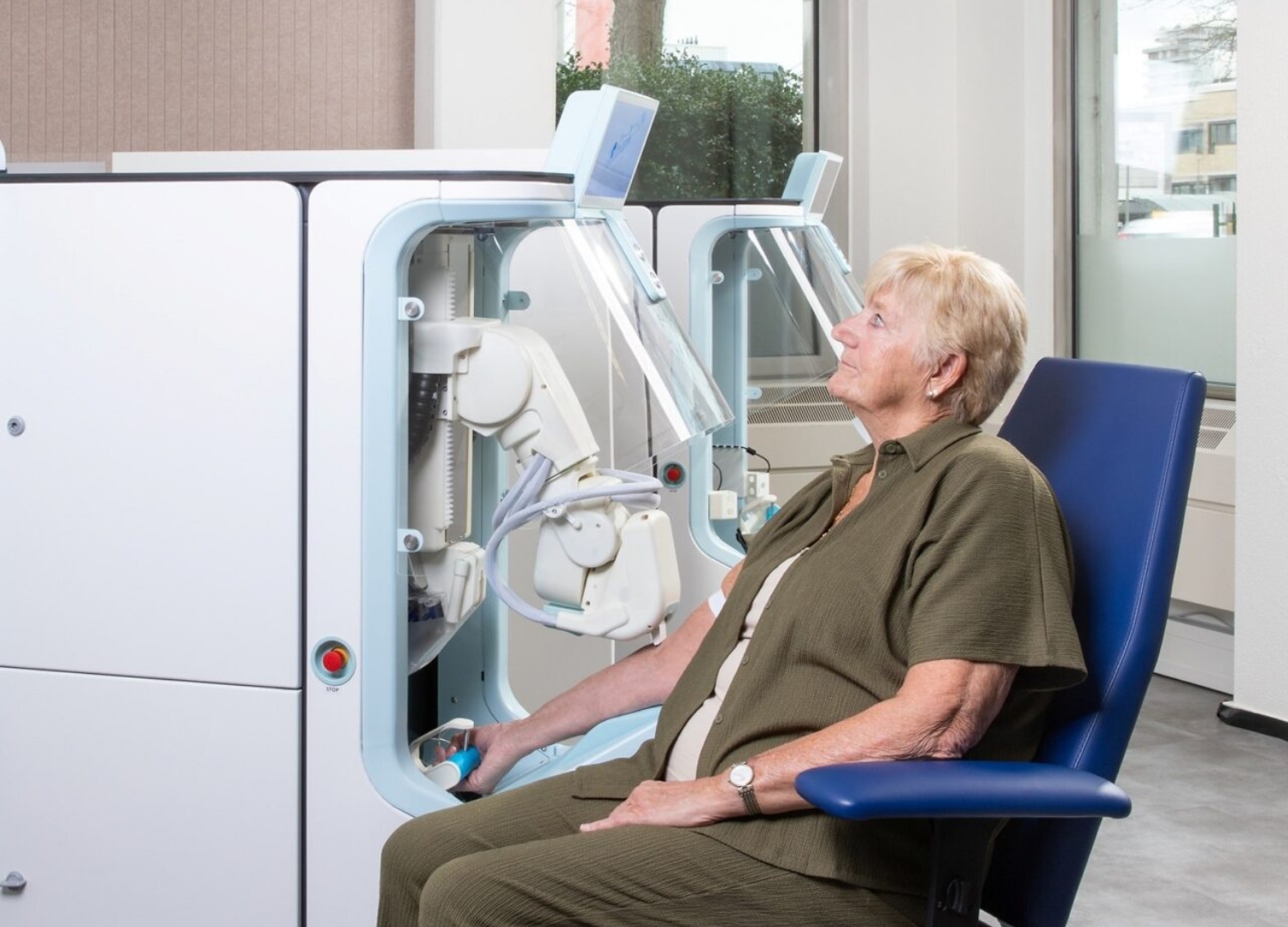
Aletta performs the whole draw, from placing the tourniquet to applying the bandage. The patient simply positions their arm in the machine, and a button starts the session. The device looks for a suitable vein using near-infrared light and ultrasound, and uses Doppler ultrasound to distinguish a vein from an artery. The company claims submillimeter precision in needle placement, and after insertion, the machine also applies the dressing.
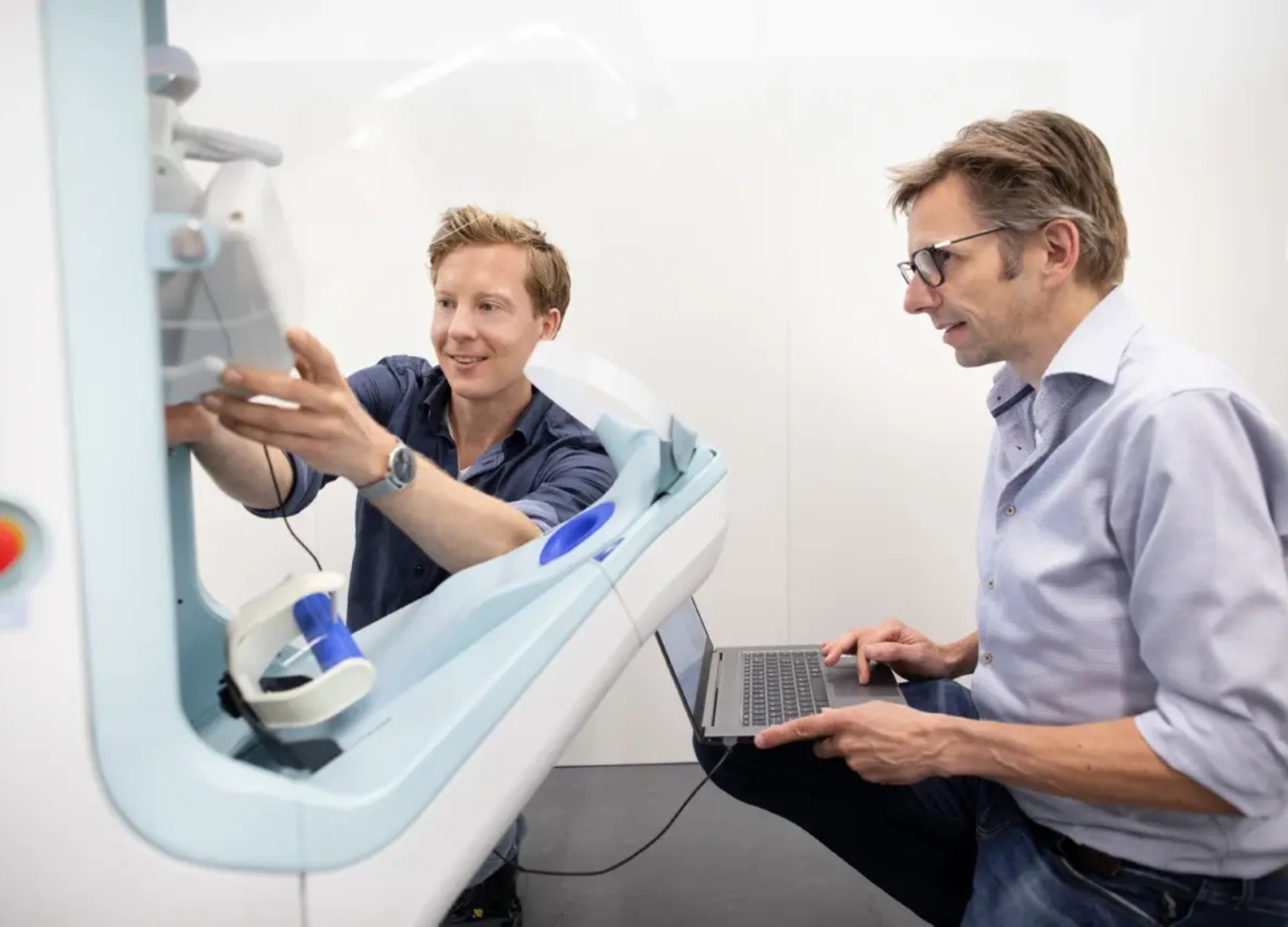
The part that matters most is the imaging. Veins are hard to see and harder to feel on some patients, and medical professionals rely on touch and experience to find them. Combining optical and acoustic sensing could guarantee fewer failed attempts and a faster procedure. The whole process is still meant to be overseen by a professional, with one phlebotomist for up to three devices.
The case for Aletta is that it eases staff shortages by letting one trained person supervise three machines. Solving a shortage of people by spreading them thinner across more patients may be good economics, but it is not good care, as a supervisor cannot give one unwell person their full attention without neglecting the other two.
The project’s results
In August 2026, the FDA has authorised Aletta as the first standalone robotic device able to draw blood for use in outpatient settings. The route was the De Novo pathway, intended for new types of low to moderate risk devices. Vitestro also received its CE mark for Europe in 2024 and is currently being introduced in clinical settings.
The device shows a 94.5% first-stick success rate, and 82% of patients either preferred Aletta or had no preference. However, this sample comes from people who had voluntarily chosen to trial the device and is not representative of the same pool or state of mind of people who would encounter Aletta in their medical experiences.
Is automation a good choice?
A medical professional does more than just insert a needle; identifying the patient, explaining the procedure, reassuring anxious patients, telling jokes or stories to distract them, and responding immediately when someone feels unwell. “Whether we like it or not, human interaction is a fundamental part of this job,” says a nurse from the Policlinico hospital in Milan, “and automation disregards it, as well as disregarding a person’s need to be reassured, or the physical limitations of fragile patients.”
Aletta is a real technical achievement, but a procedure that “can be done by a machine” is not the same as “should be done by a machine.” Medical technology has always been uneven in who it serves, as it tends to be built around the patient who is easy: cooperative, steady, calm, able to sit upright and keep an arm out. However, the categories that need the most help, who have blood drawn more frequently and need more support during it, are left out.
Caring for people is human work, and fragile categories will be further pushed away from the medical setting if its human part is reduced. None of this means technology has no place in medicine, but that the question to ask first is not what it can do, but who it works for, and who it leaves to cope.