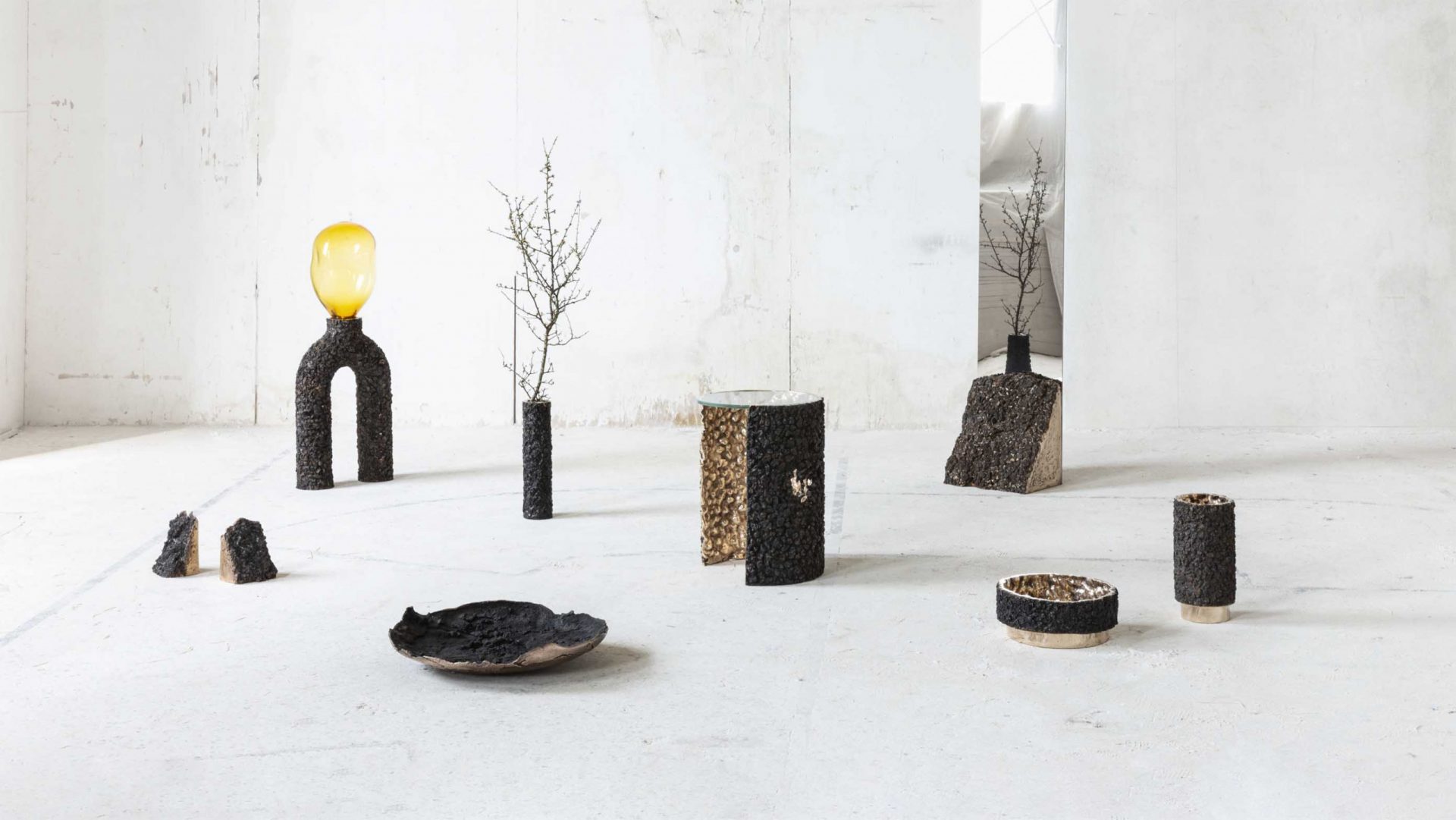
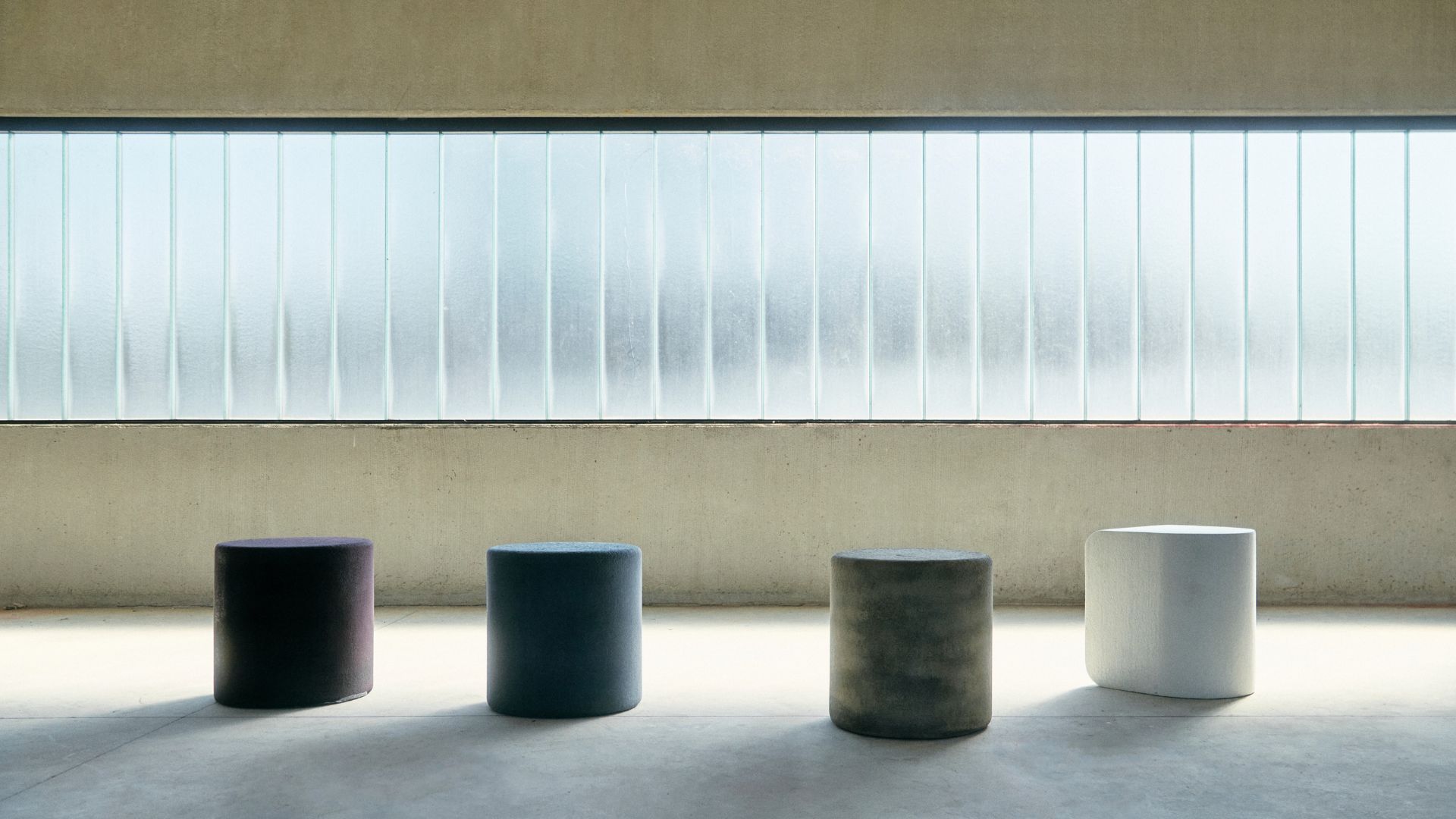
3 Thai biomaterials for circular design: MyraShell, Mush Composites, and Wasoo
Three brands explore new approaches to circular design with three resources – mycelium, organic waste, and agricultural waste – that become innovative biomaterials that support local economies and enhance local specialties.
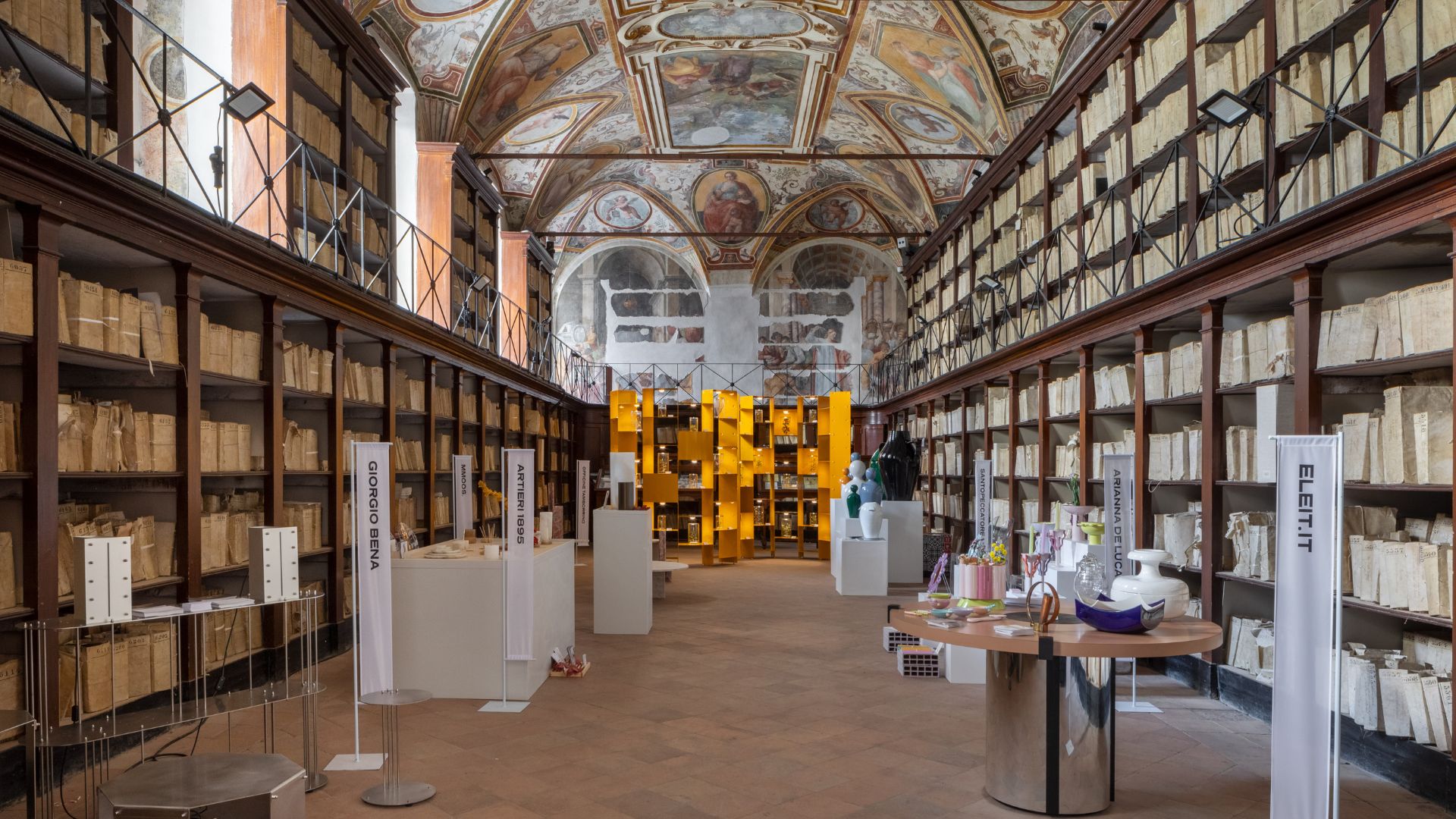
Presented during Milan Design Week 2026, this selection of three Thai biomaterials – MyraShell, Mush Composites, and Wasoo – showcases different approaches to using waste and their potential applications in the local context.
The beauty of biomaterials lies precisely in this: not only do they offer the opportunity to create solutions that promote the circularity of a specific type of waste, but they also contribute to the development and revitalization of new local economies, based on the unique characteristics of a particular place or geographic area.
Gallery
Open full width


Open full width
3 Thai biomaterials for circular design:
MyraShell, inspired by the sea
Created in Bangkok by Avalon Artisan Gallery / Manee Mongkhol Gems Factory, this new biomaterial was born from a simple question: can discarded natural materials become something emotionally valuable?
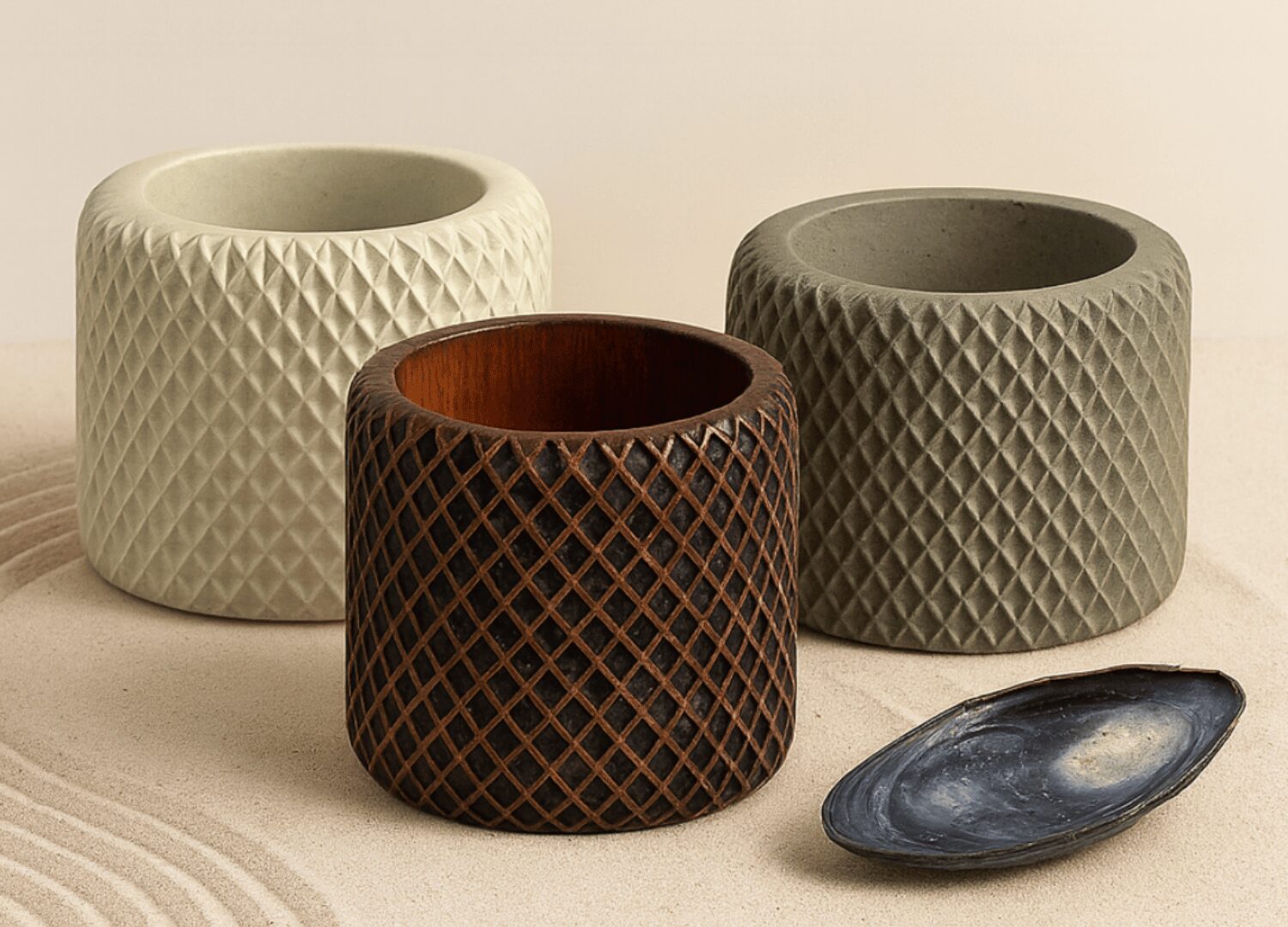
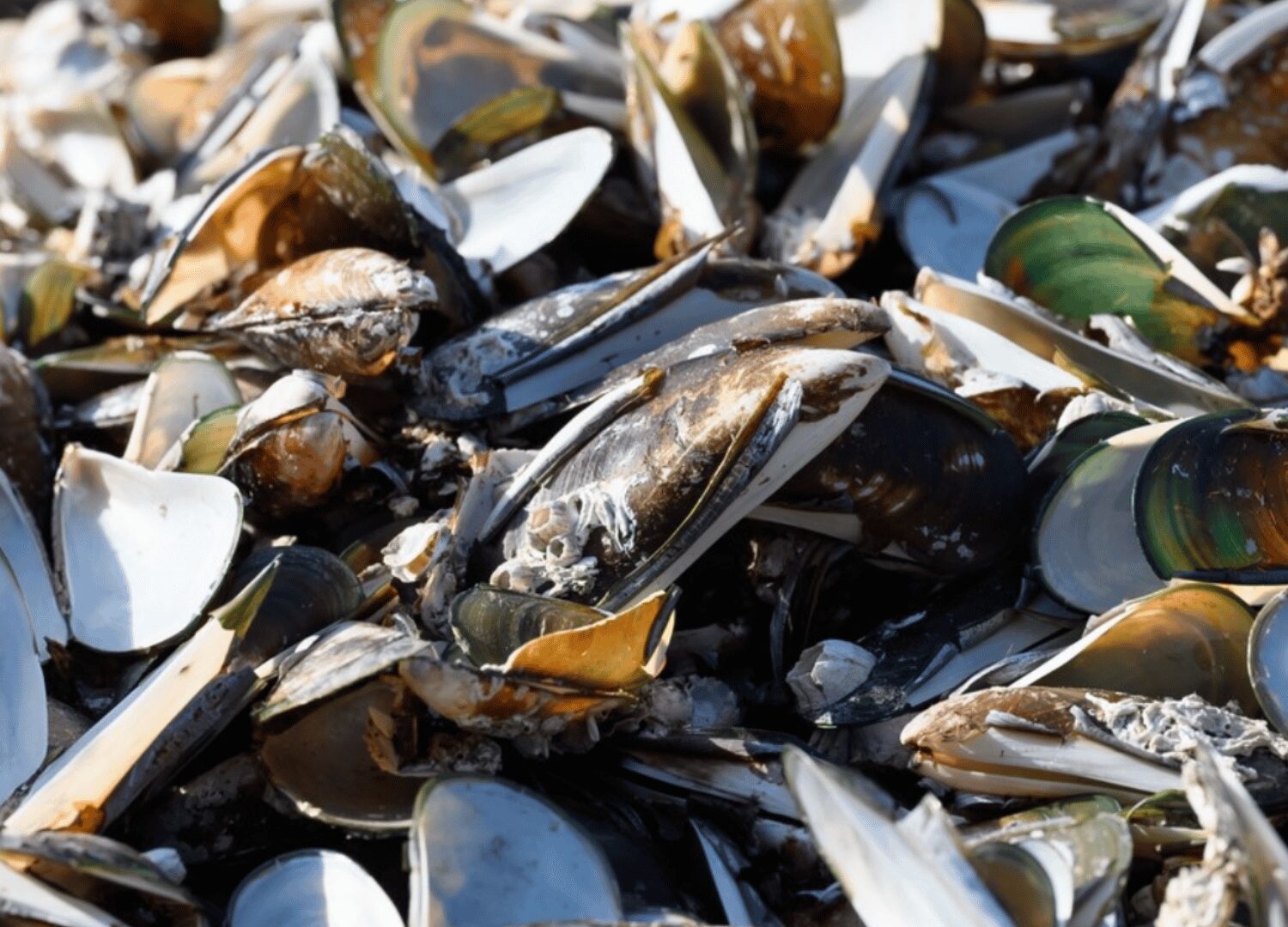
The answer – which unites sustainability, craftsmanship, and modern aesthetics – is called MyraShell. It is a high-quality, bio-based, handcrafted solution and is developed from recycled green mussel shells sourced from Thailand’s coastal fishing communities. As the brand explains: “Over 50,000 metric tons of mussel shells are discarded every year.”
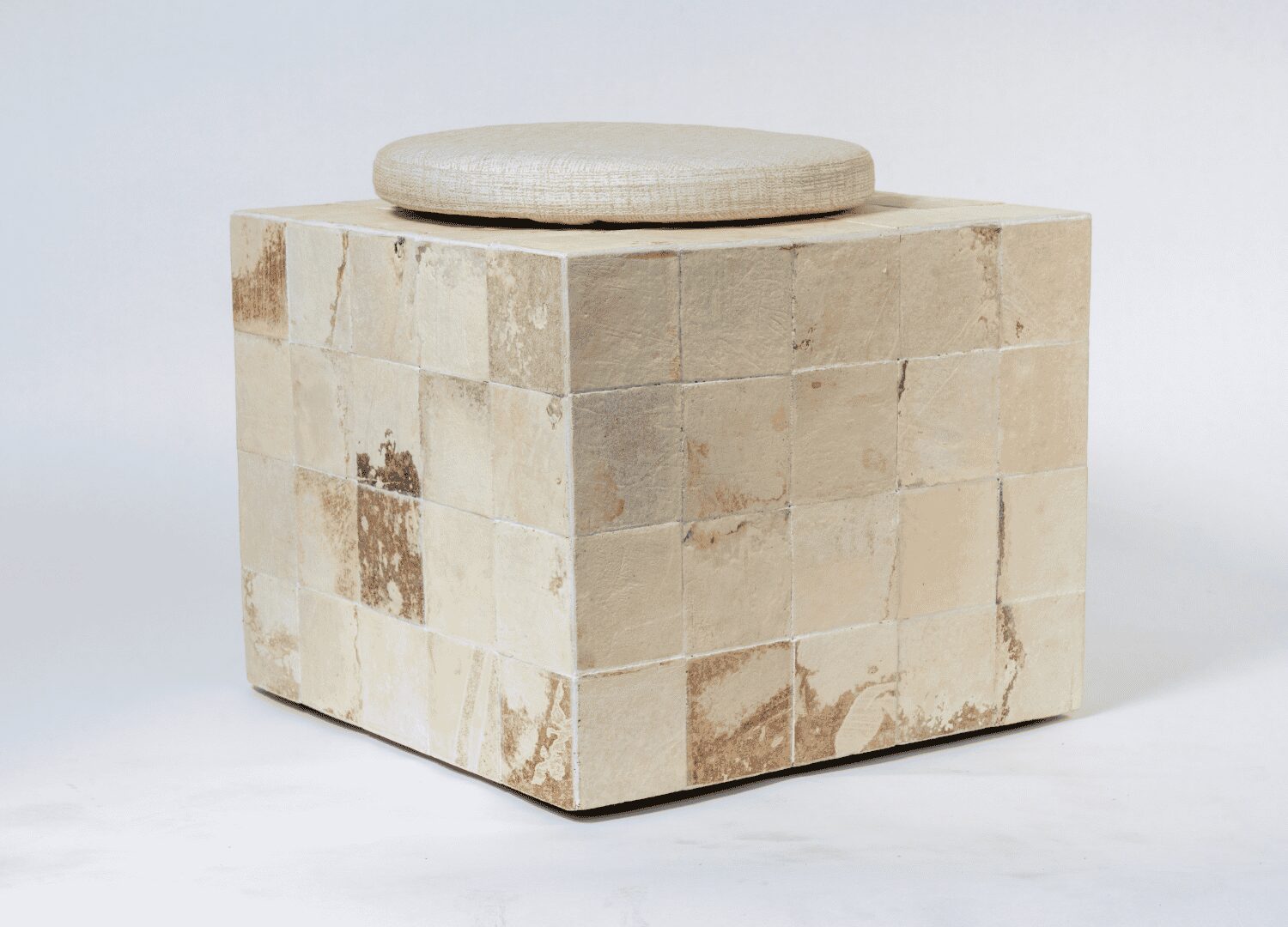
Initially created as a response to the massive amount of shell waste generated by the fishing industry, the biomaterial has been refined into a sophisticated composite suitable for luxury applications: from home accessories to decorative gemstones for jewelry (MyraGem division), all the way to functional products for everyday life.
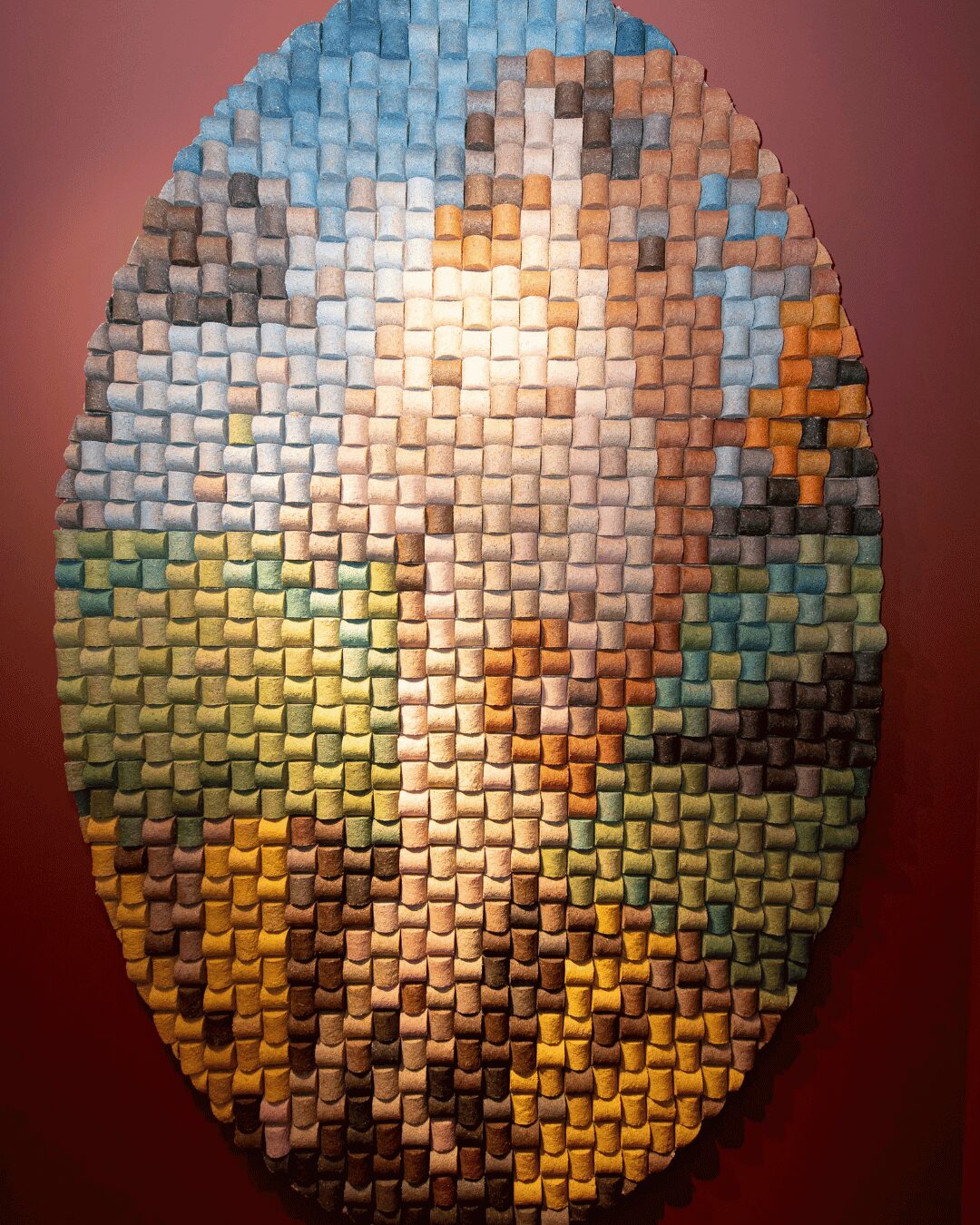
Another aspect related to MyraShell’s low environmental impact is its color: instead of being applied to the surface, it is directly integrated during the production phase. The final result features an organic, natural, and original appearance that highlights small imperfections and makes each piece unique.
Another feature, which not all biomaterials have, is a microporous structure that allows the object to naturally diffuse fragrance without the use of heat or electricity, similar to porous ceramic aroma stones. The effect lasts about 20 days, but once this period has elapsed, the fragrance can be reapplied. This process does not damage the material, so it can be repeated as often as desired. The brand is currently developing a new collection that uses this material to create functional products such as lamps and small side tables.
Mush Composites, the biomaterial that grows
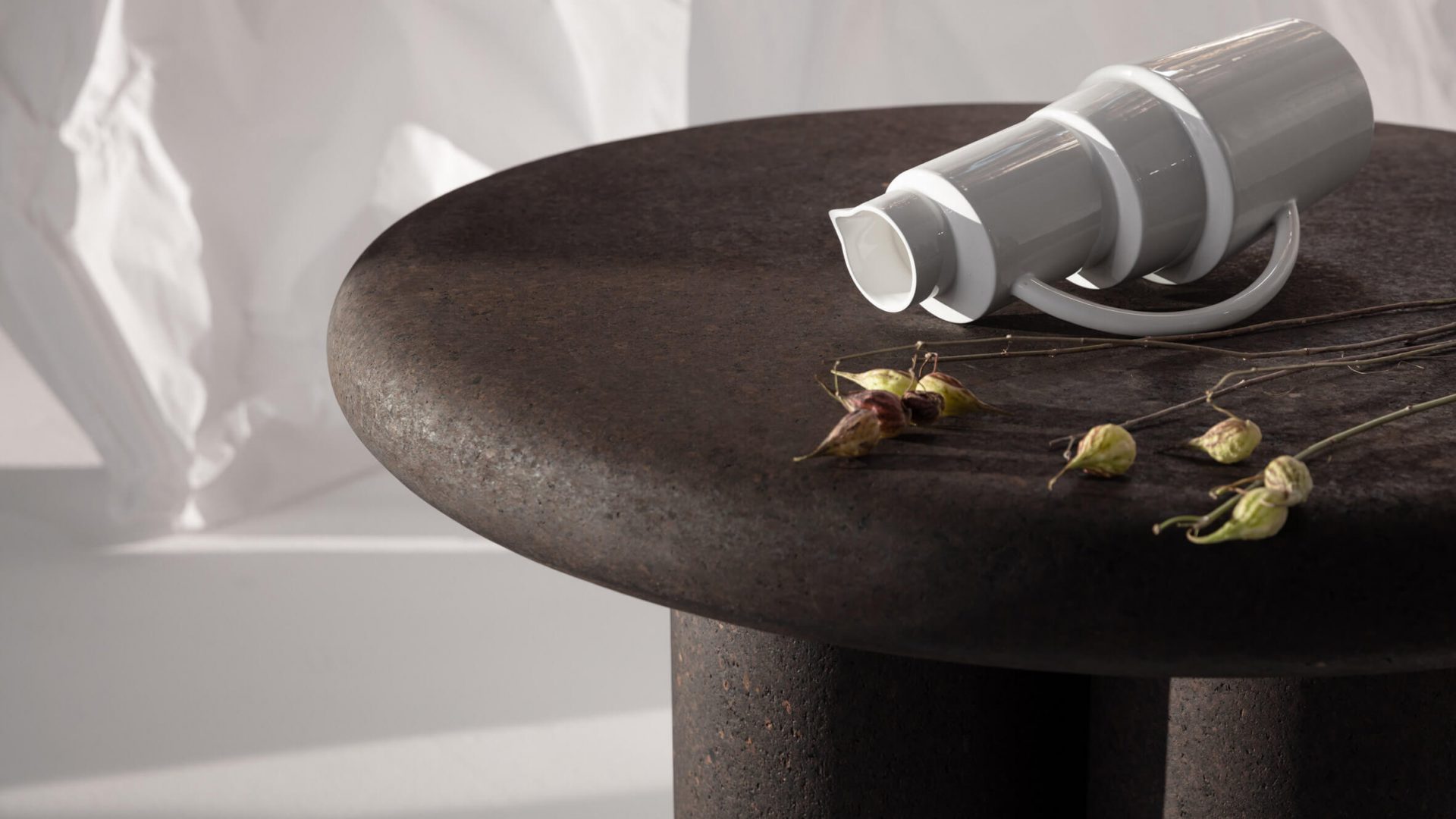
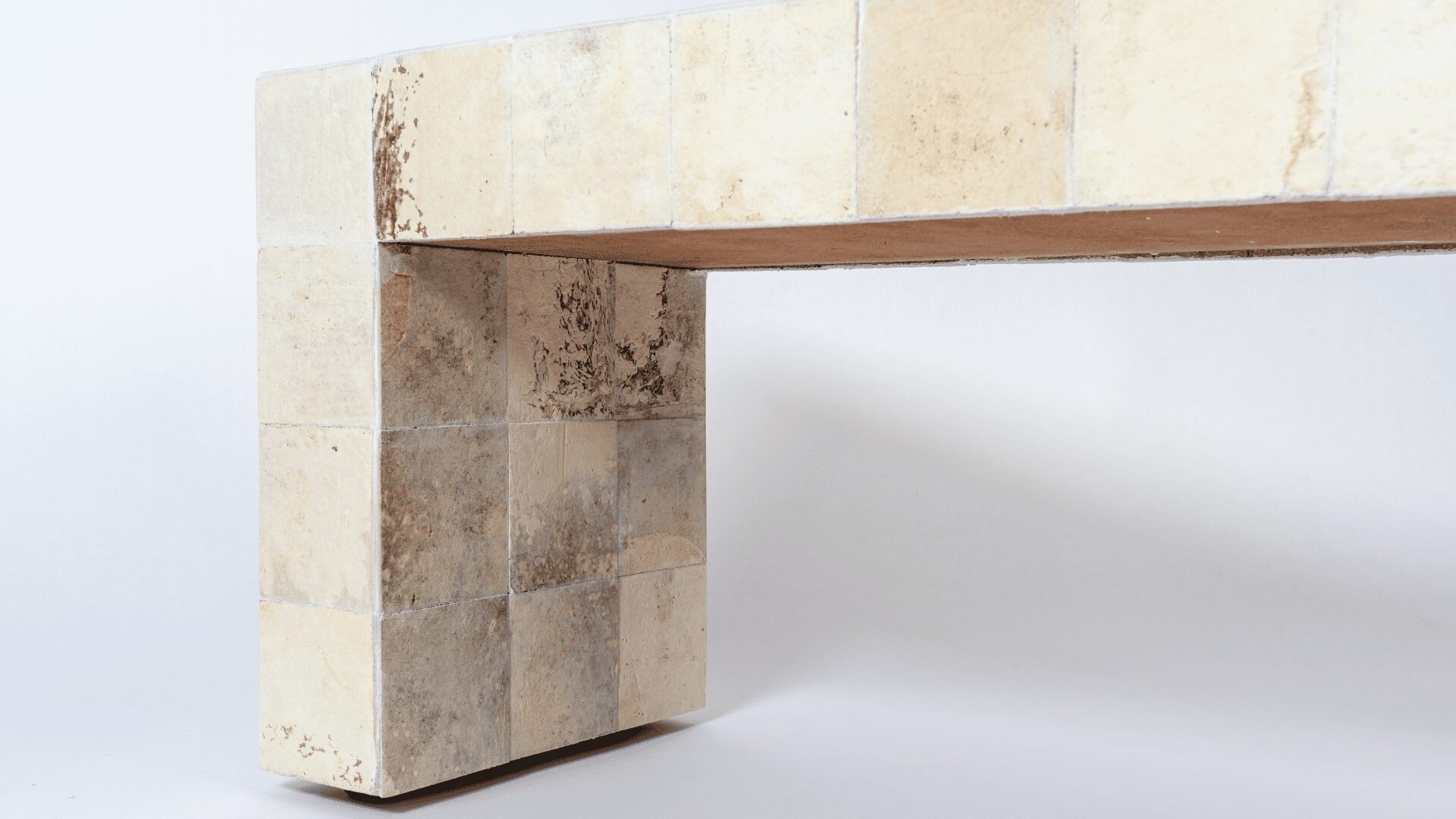
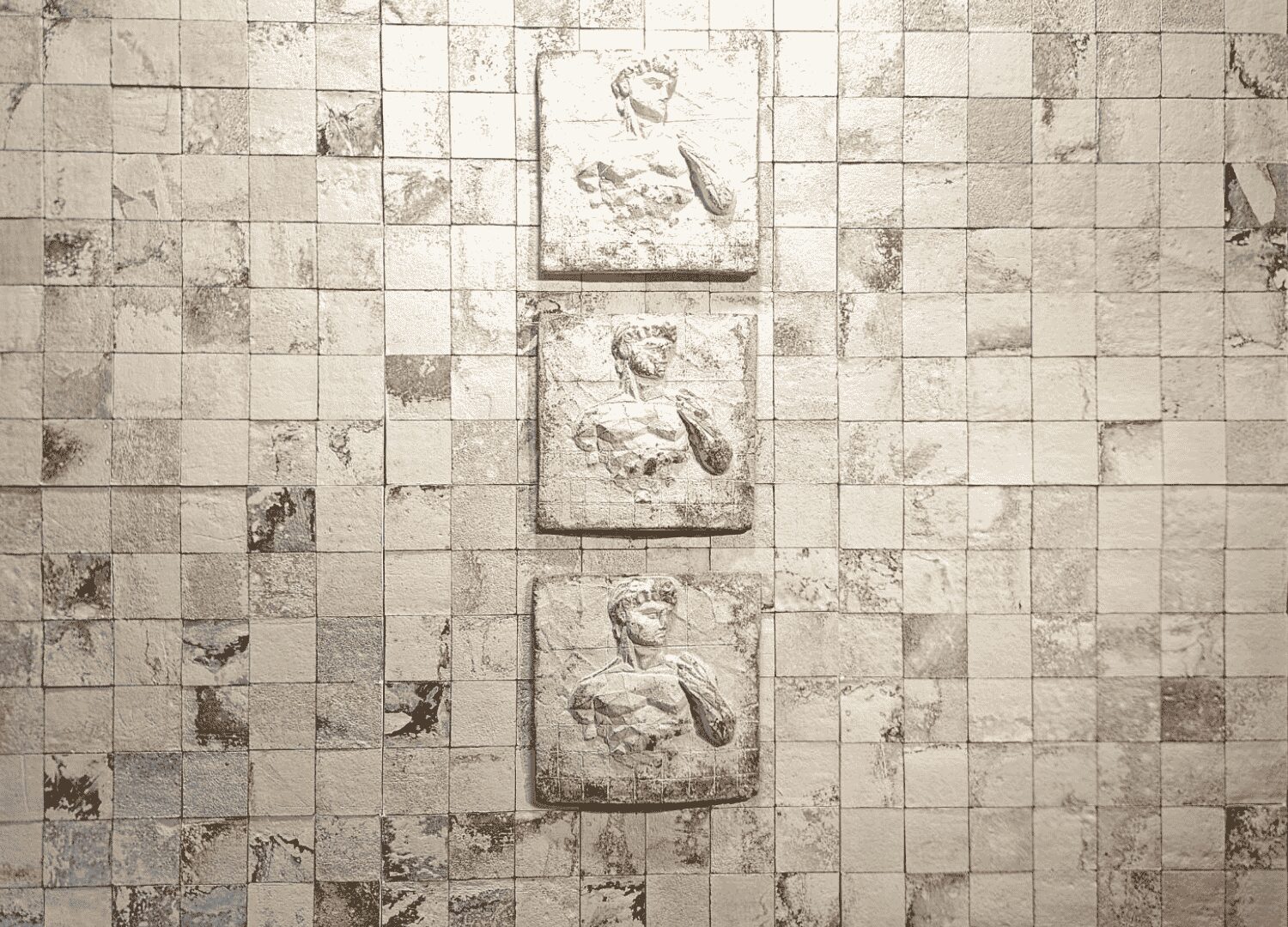
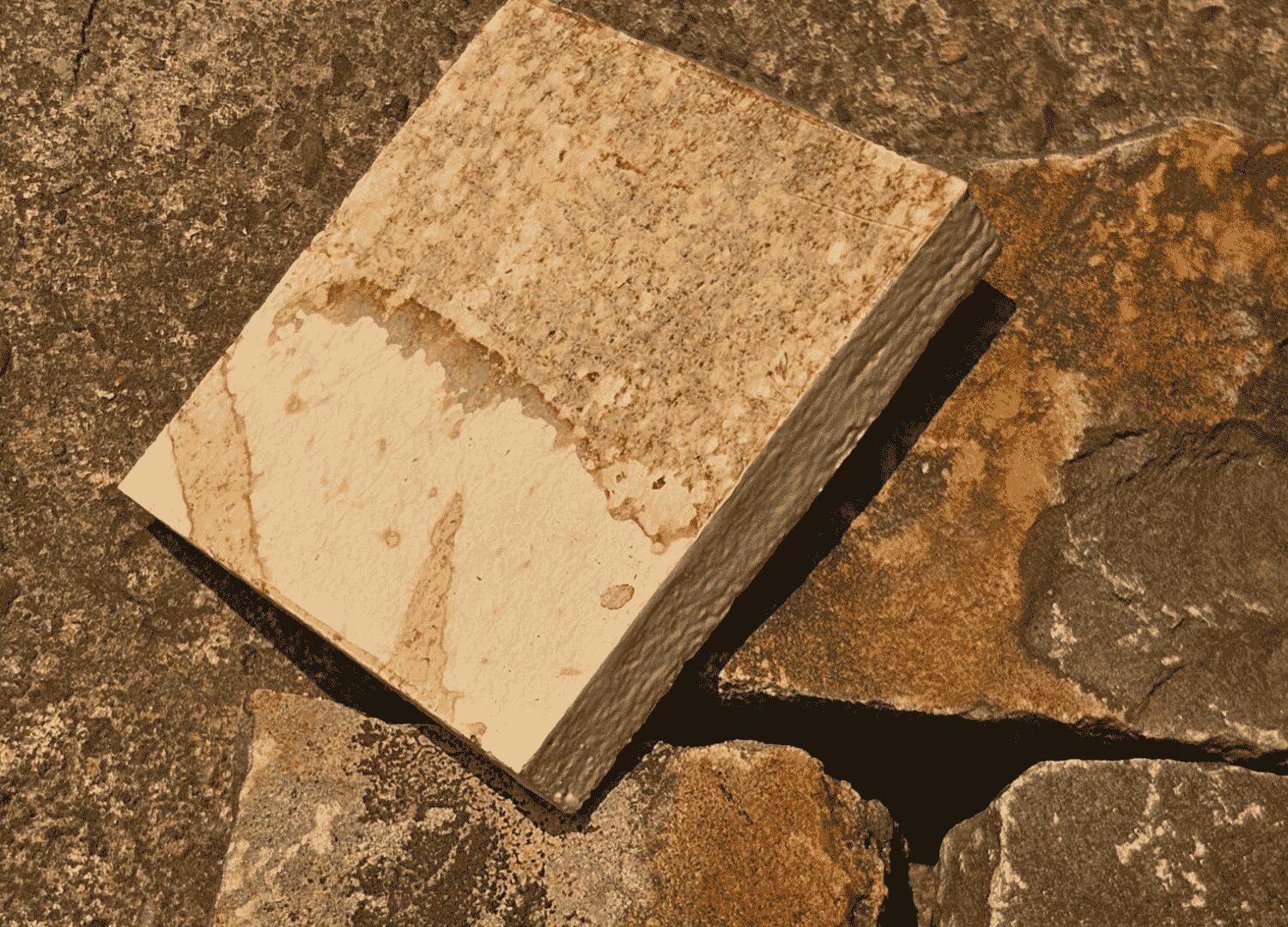
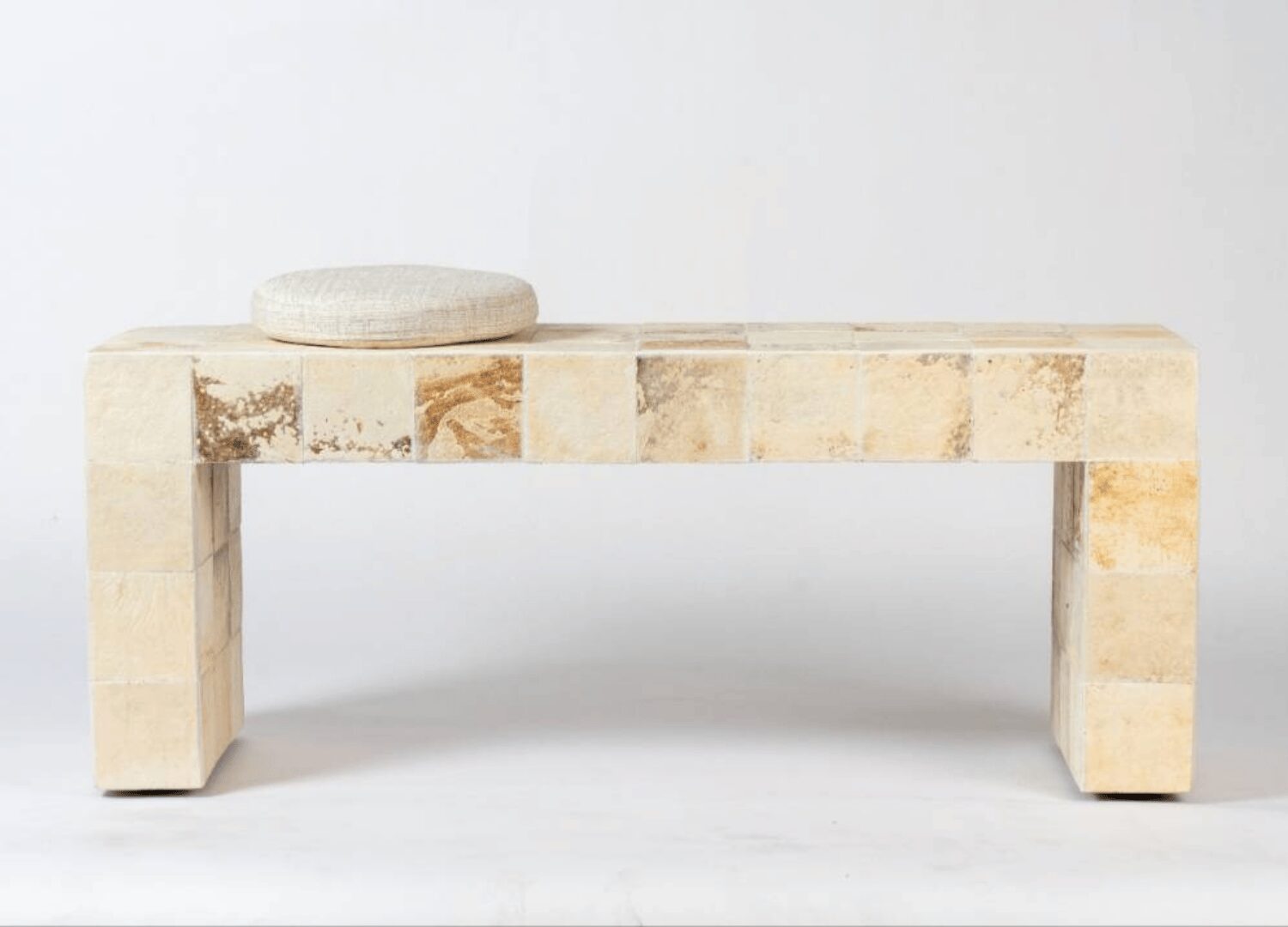
Mush Composites stands out from other projects both because it uses mycelium as its primary resource and because the resulting biomaterial serves as an alternative to stone in architectural and interior design applications. With a 70% reduction in weight compared to stone, the Chiang Mai-based brand develops flat biocomposite panels and provides environmentally friendly structural surfaces designed for luxury retail and high-end interior design.
With a production lead time of 8 to 12 weeks for custom projects, Mush Composites offers various solutions divided primarily into two main categories: forms and surfaces. The V-Series enables the creation of complex, solid forms, ranging from grooved column cladding to custom-made monolithic furnishings.
Instead of resorting to costly CNC milling on stone, the product is created through a zero-waste biological growth cycle, producing solid yet lightweight and structurally robust elements. The most contemporary applications include custom architectural moldings, reception desks, or even bespoke light diffusers
The S-Art and S-Arch series, on the other hand, are designed for flat surfaces: in the case of the former, the entire process is entrusted to the mycelial network, which – by binding with the brand’s patented mineral aggregates – creates an aesthetic effect similar to that of rock, with a unique and original texture for each panel. The S-Arch series, on the other hand, is designed to ensure uniformity. It fits perfectly on large vertical surfaces, allowing architects to specify a monumental, brutalist masonry aesthetic without the need for heavy steel reinforcements.
Wasoo, eco-friendly, healthy, and energy-efficient biomaterials
The Wasoo brand produces 100% organic decorative materials for living and working spaces, giving new life to agricultural waste.
“Our goal is to reduce PM2.5 air pollution and carbon emissions resulting from the burning of agricultural waste. By recycling rice straw instead of burning it – and subsequently coffee grounds – we are committed to creating safe and healthy products for our consumers,” explains the brand.
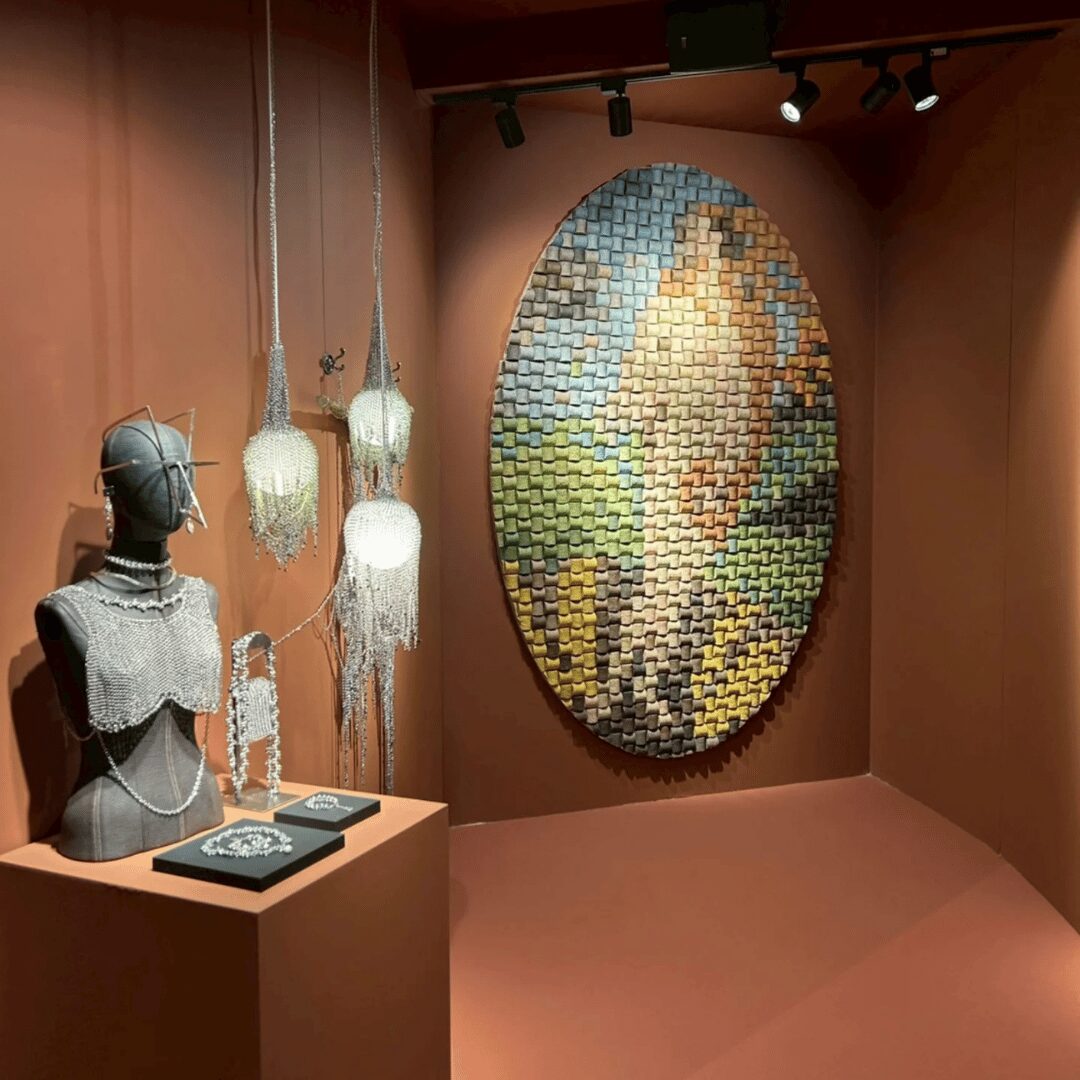
Natural wall coverings (100% organic) have exceptional thermal and acoustic insulation properties, and these findings are the result of research conducted in collaboration with the NSTDA (National Science and Technology Development Agency) and highlight how the solution helps reduce energy costs for heating and air conditioning.
Although made from natural resources, WASOO is flame-retardant, does not attract termites, is biodegradable, and is highly cost-effective. In short, it is an eco-friendly, healthy, and energy-efficient product. Last but not least, the project “From Waste to Wealth”, in which Wasoo in collaboration with students, teachers, parents, and local communities, organizes educational and social activities to bring people closer to the world of biomaterials and understand sustainability more deeply.