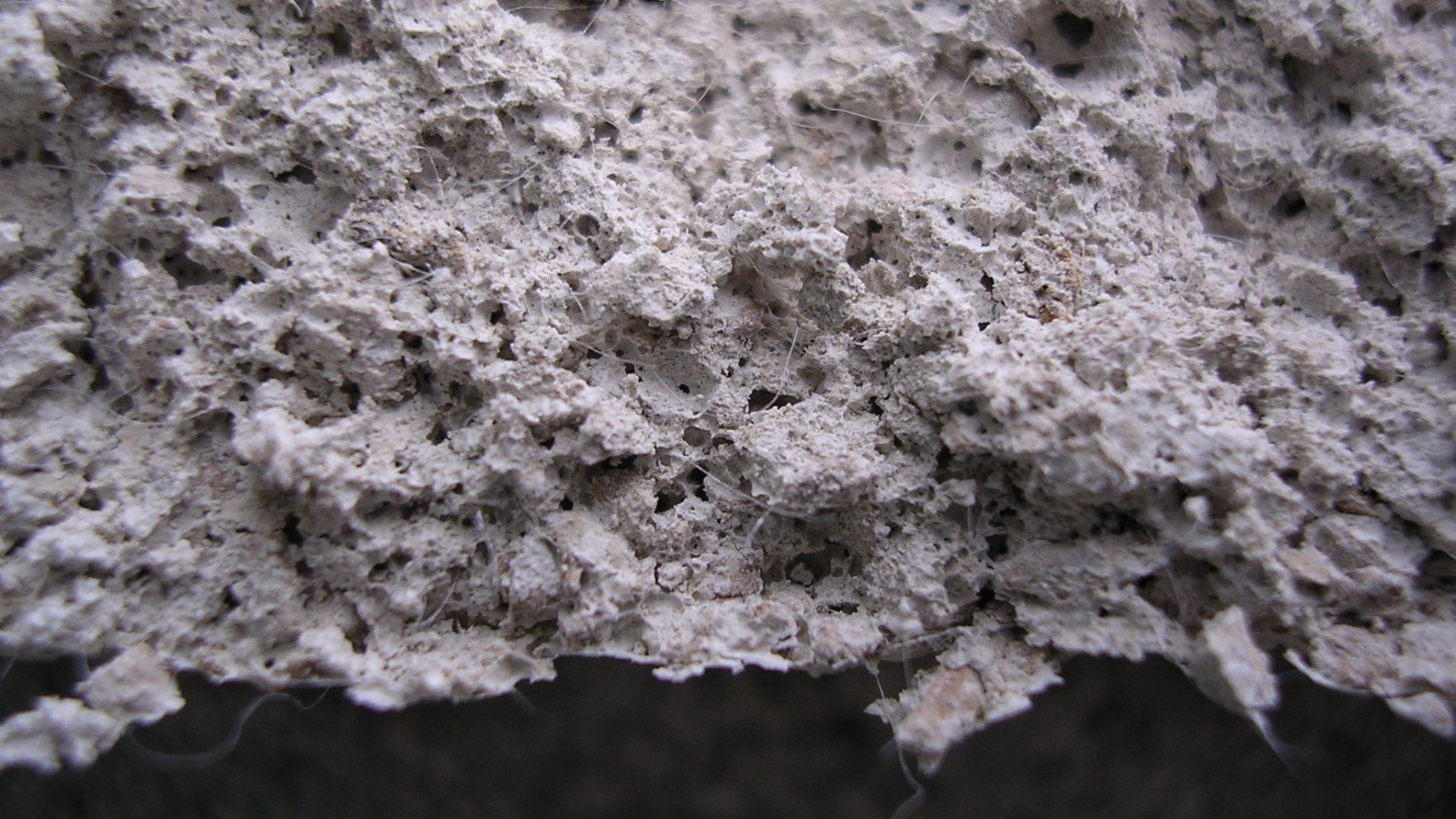
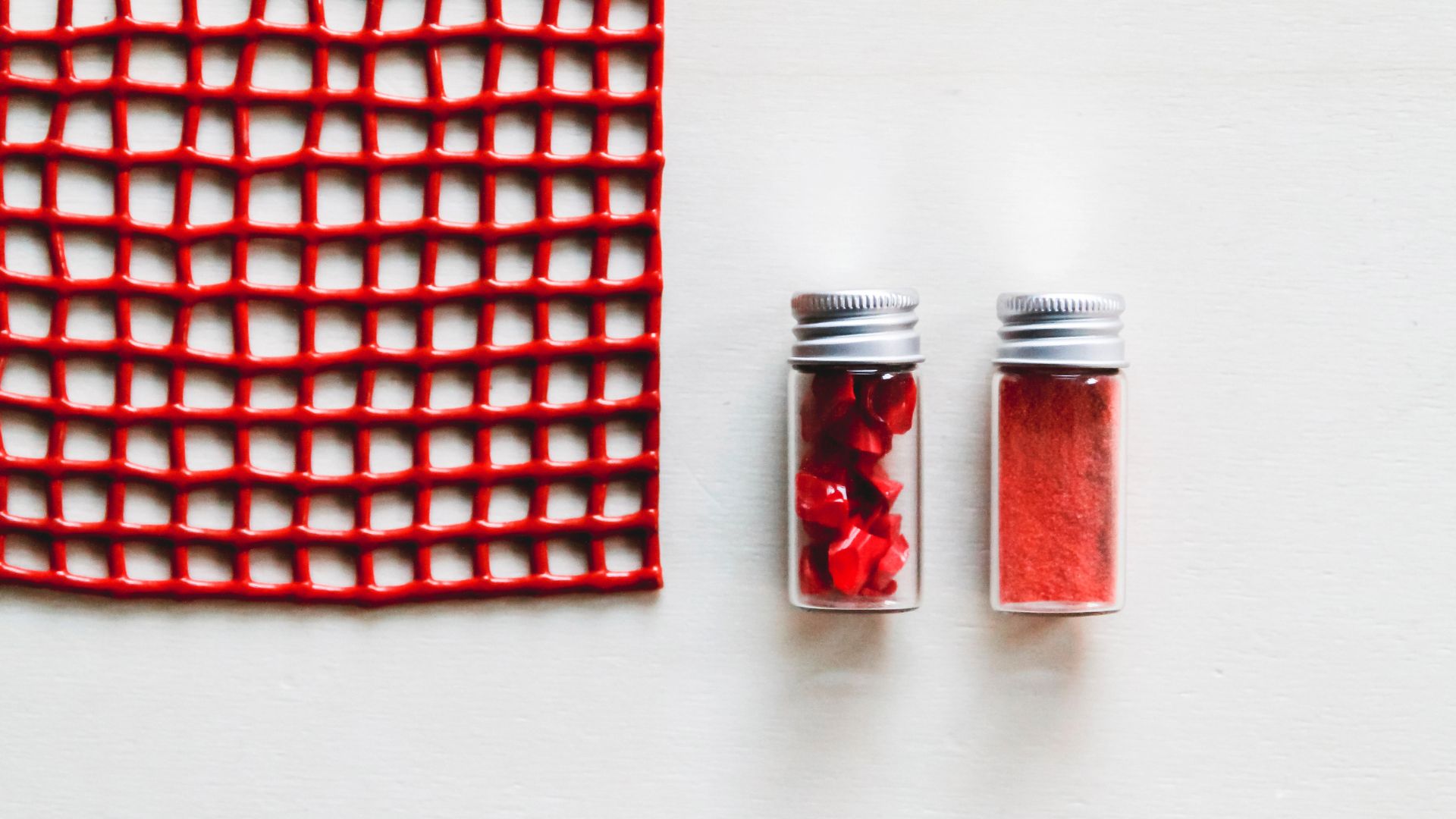
Transforming textile waste into innovative spray-on surface finishes
Pulvera and Cooloo’s collaboration turns discarded textile scraps into spray coatings that retain the look, texture and material history of what they came from.
The European textile industry discards millions of tonnes of production waste each year. Pulvera, a startup from Brianza, and Cooloo, a Dutch material company, are partnering up to work on a different outcome, one that treats waste not as a disposal problem but as a valuable raw material.
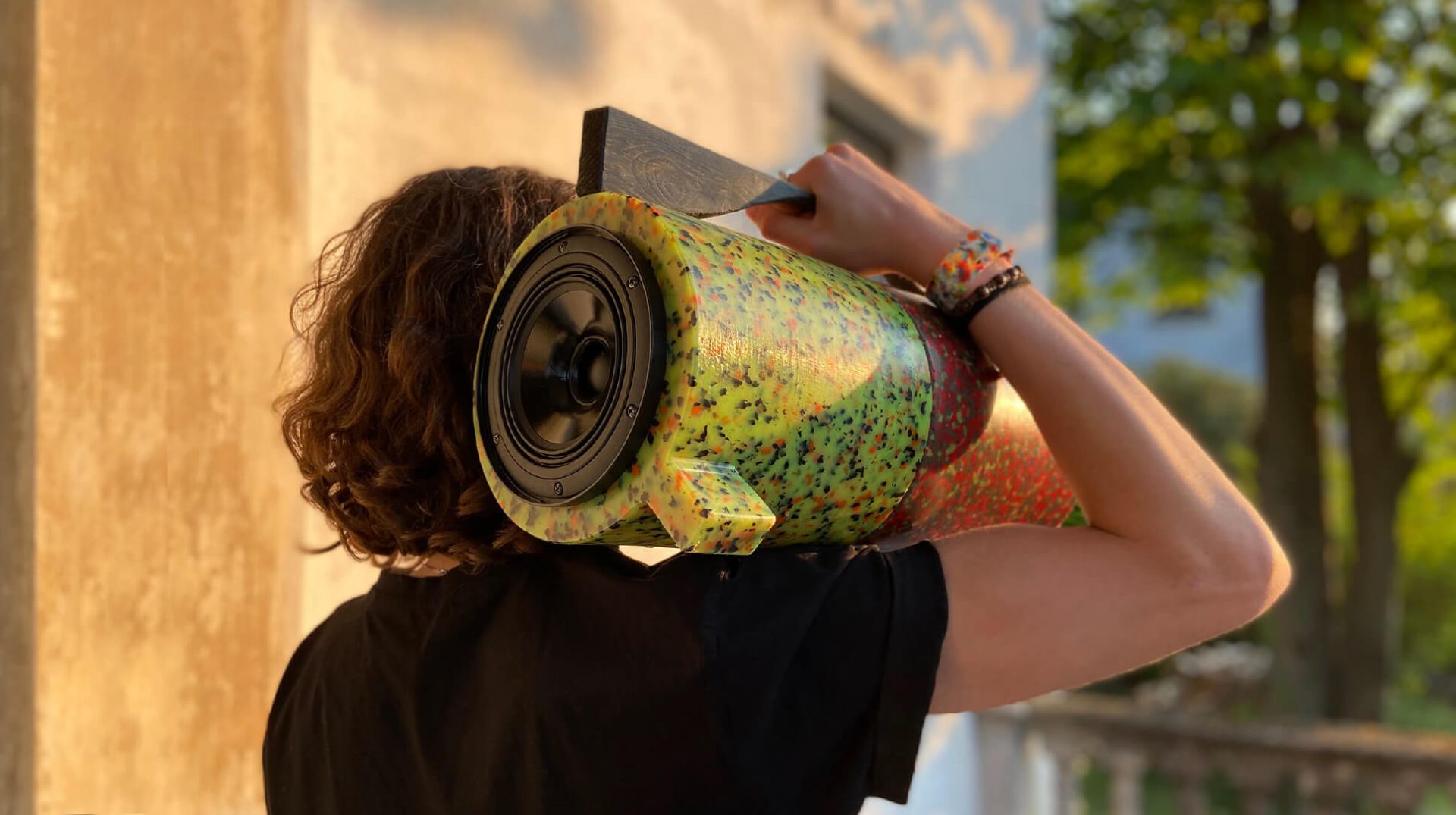
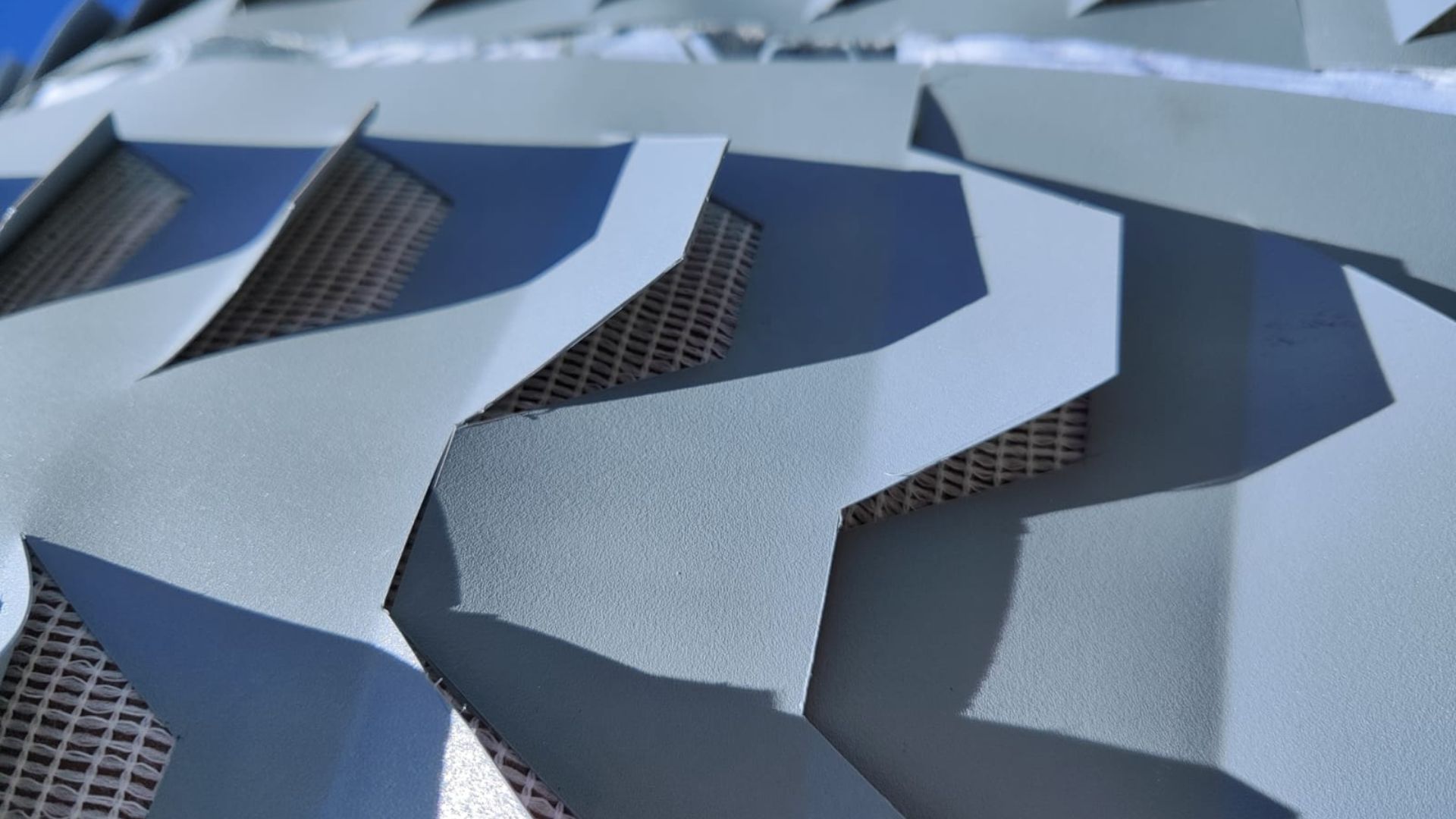
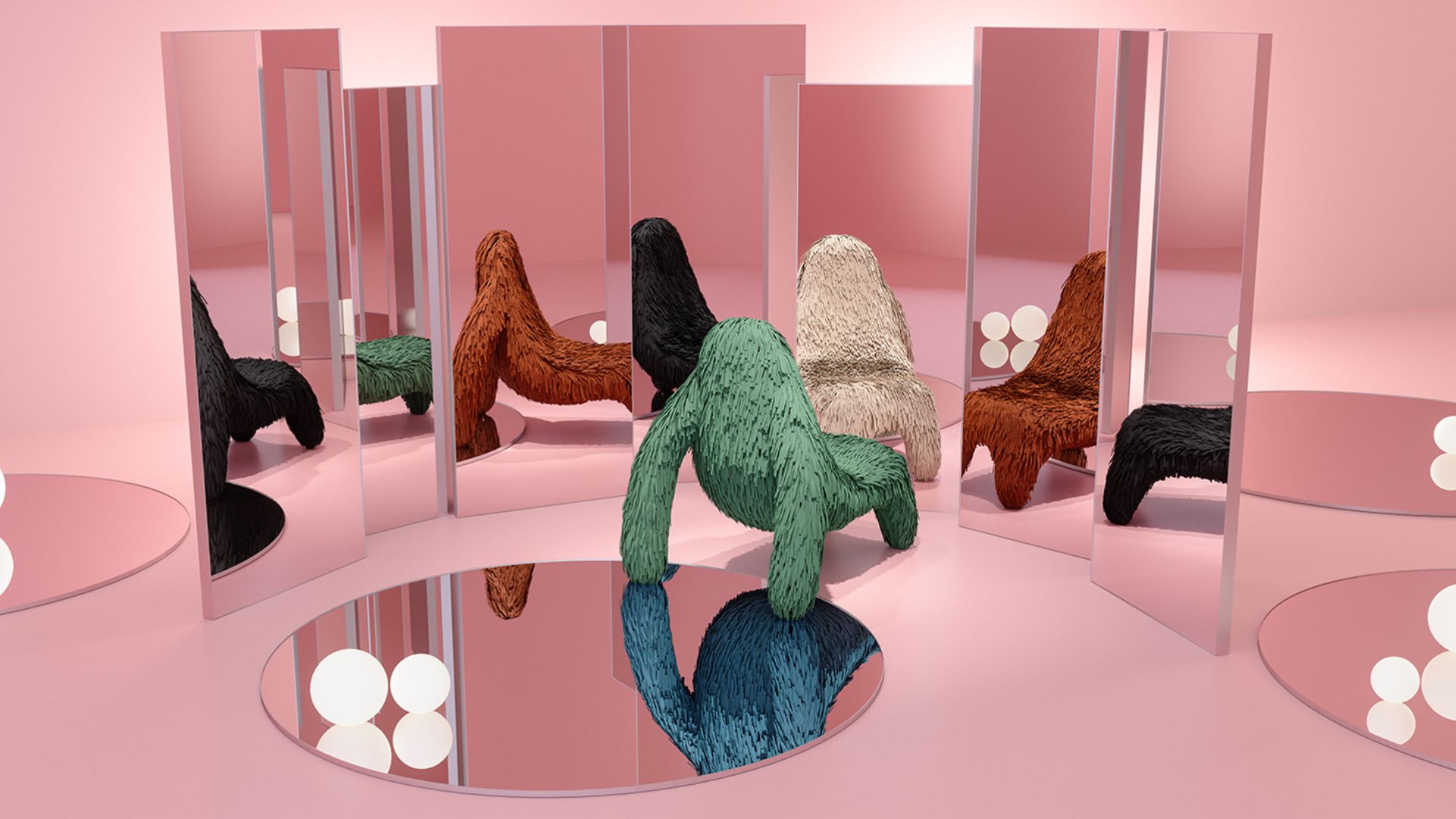
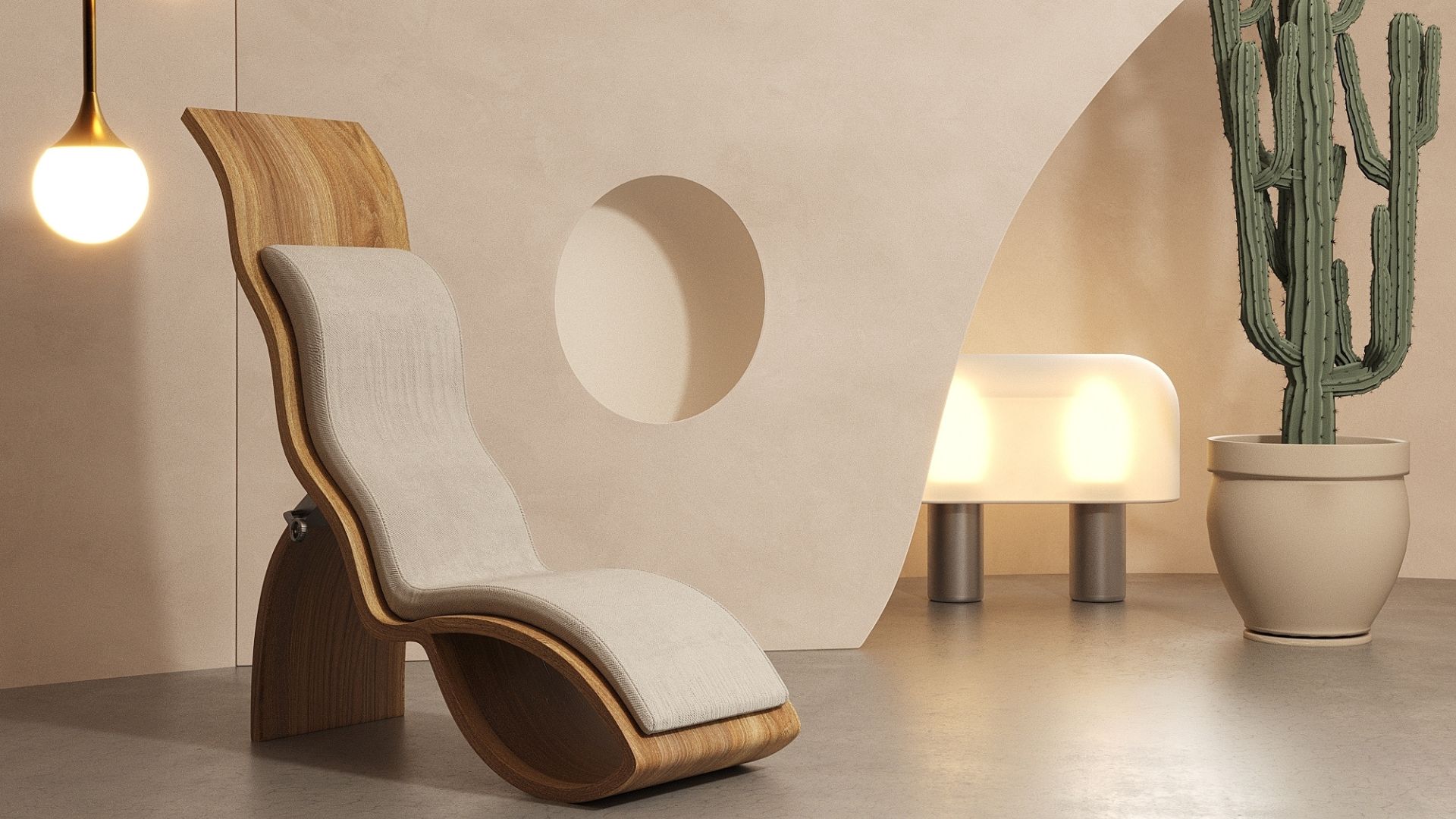
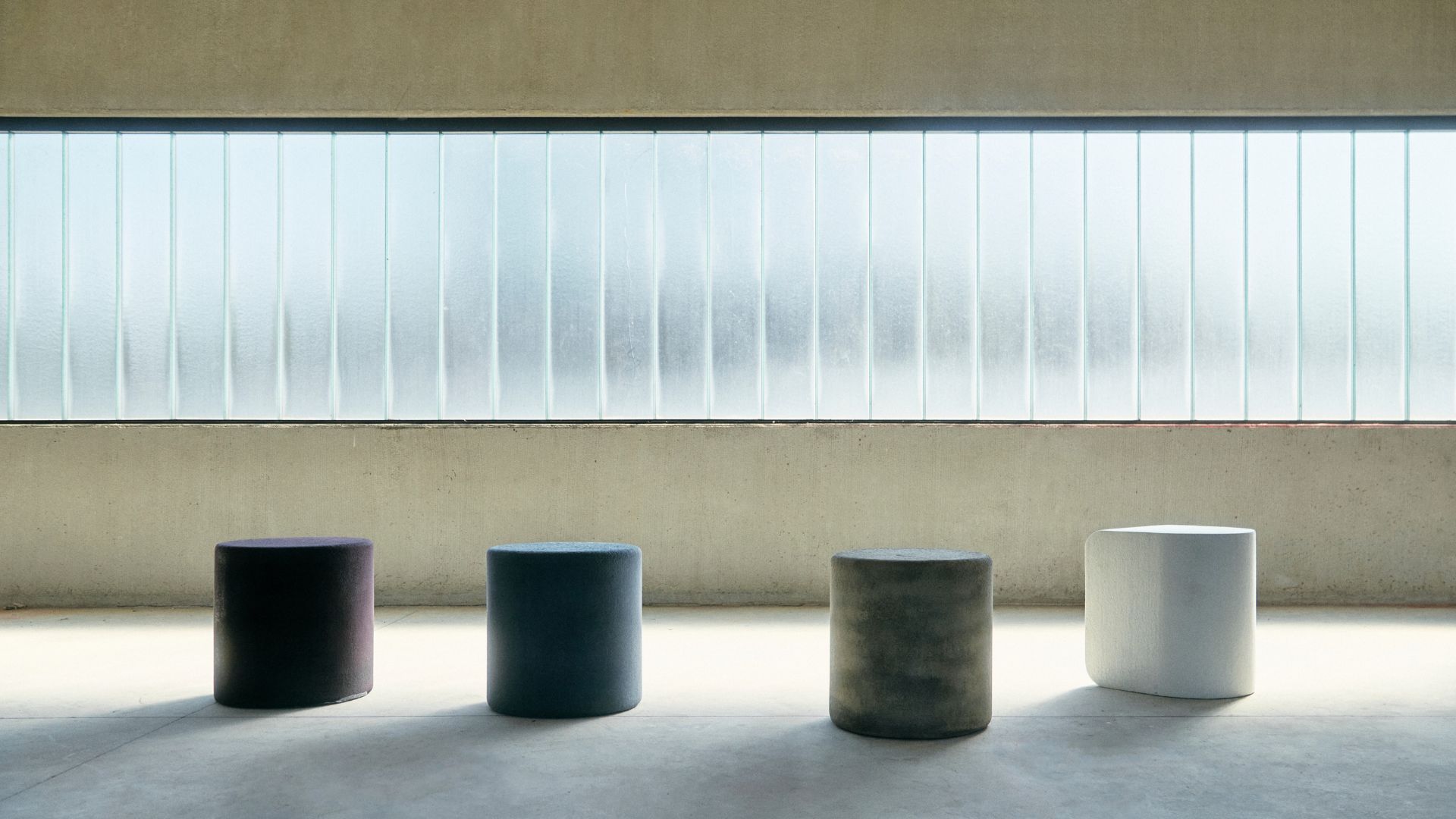
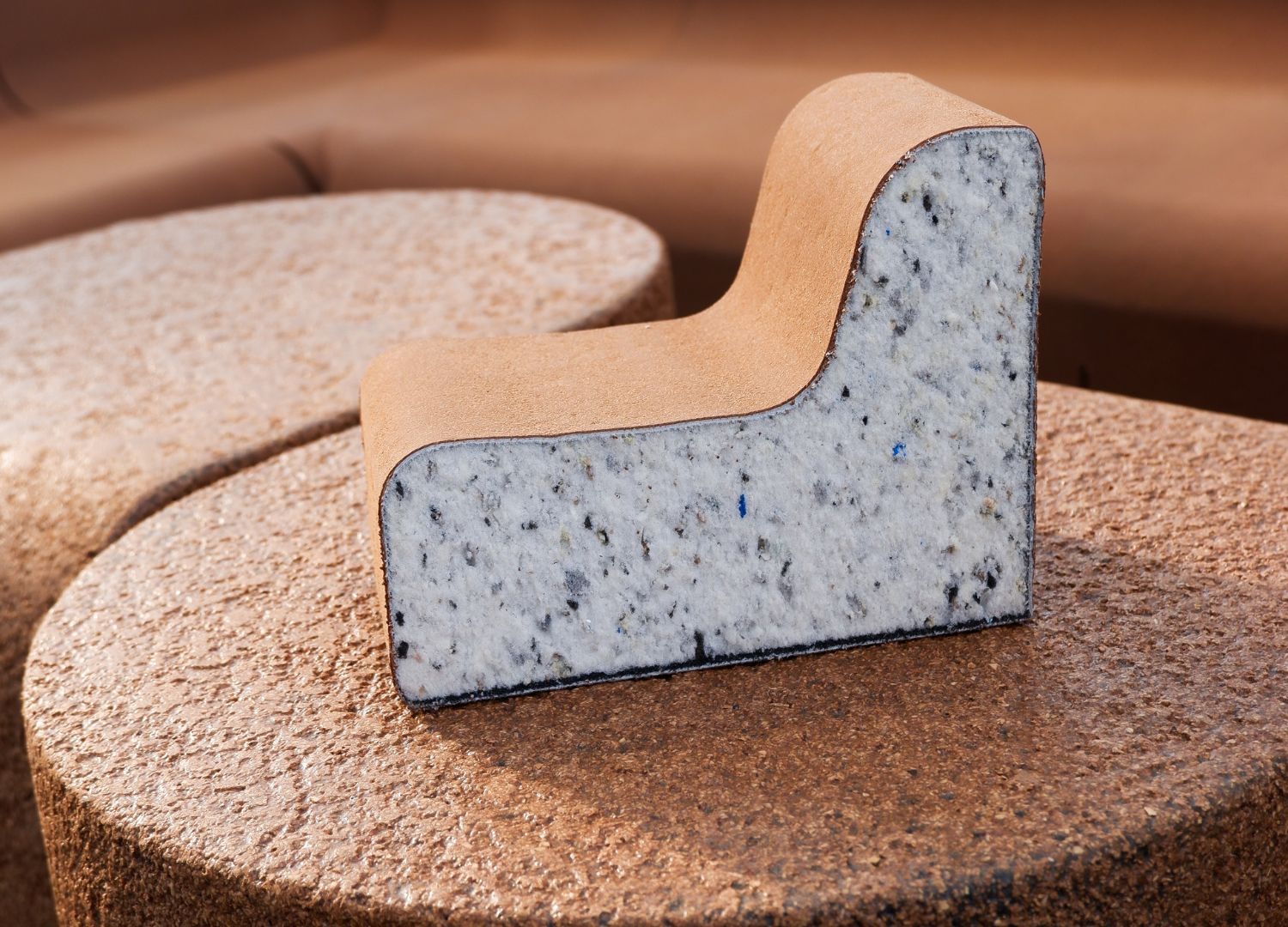
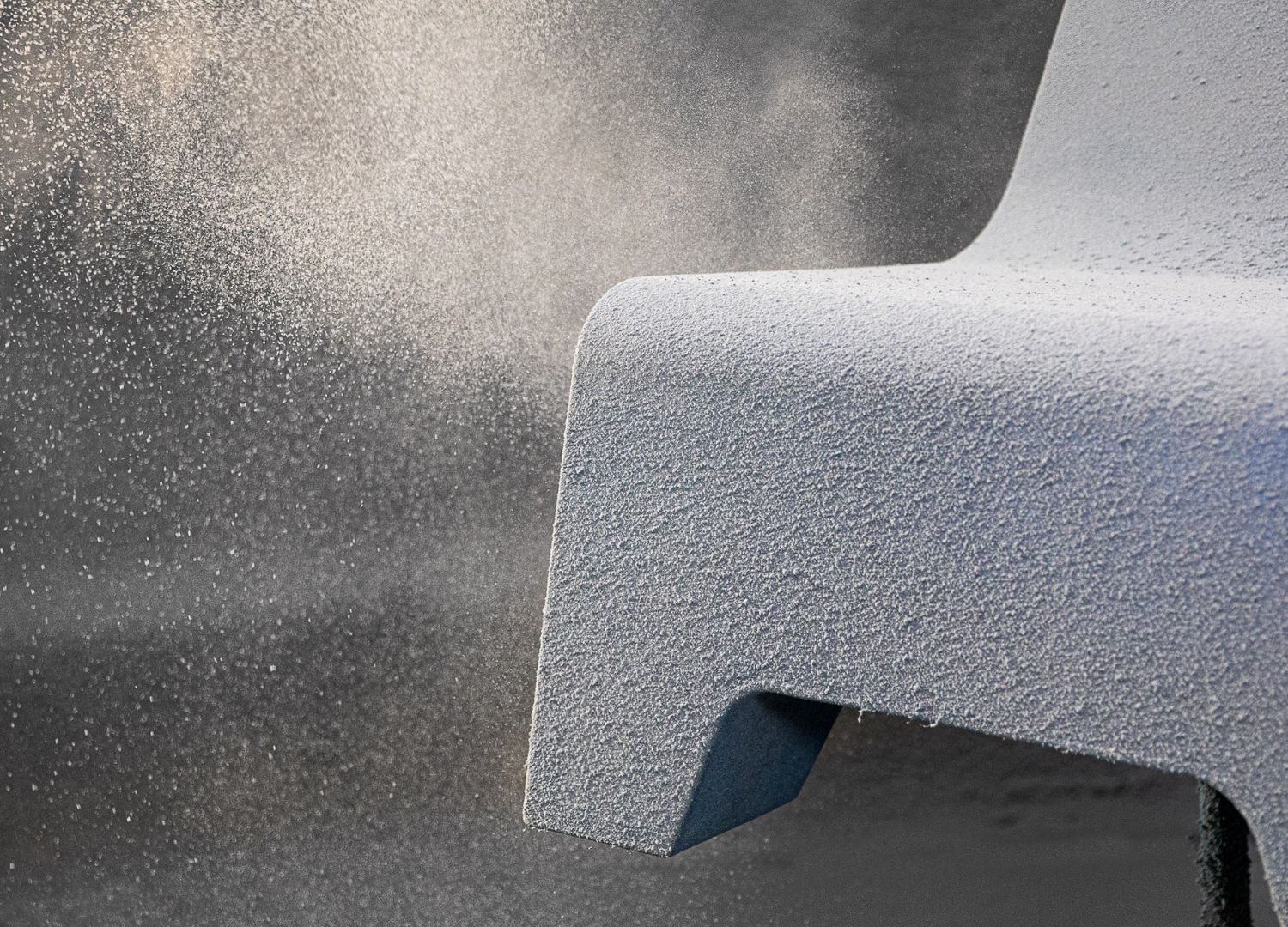
Together, the two companies have created an innovative spray-on surface material, derived from pulverised textile waste. Unveiled at Baolab’s exhibition during Milan Design Week 2026, the project asks what new faces recycling can look like, proposing novel solutions that can truly reframe how waste is seen in design.
Gallery
Open full width
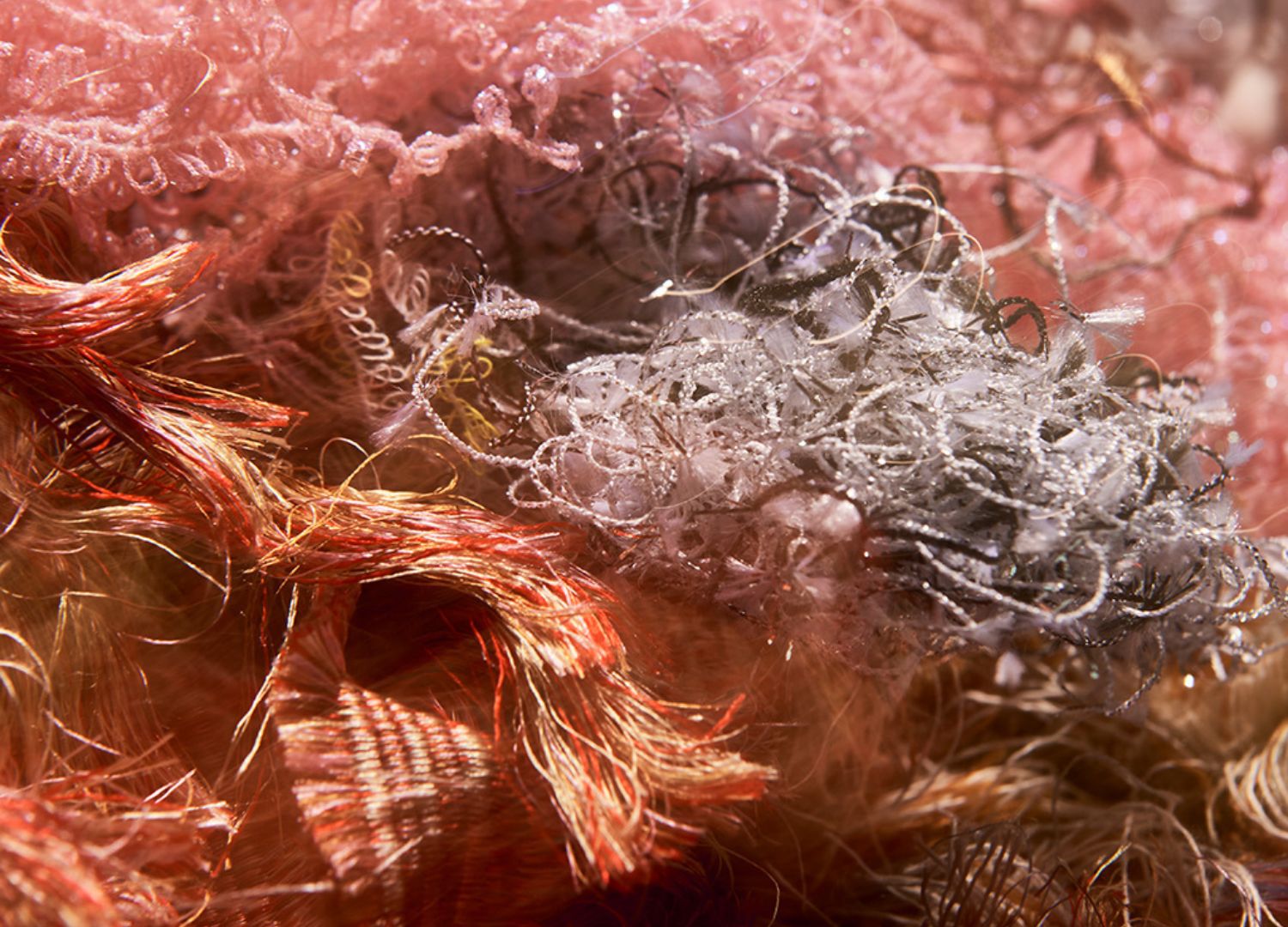
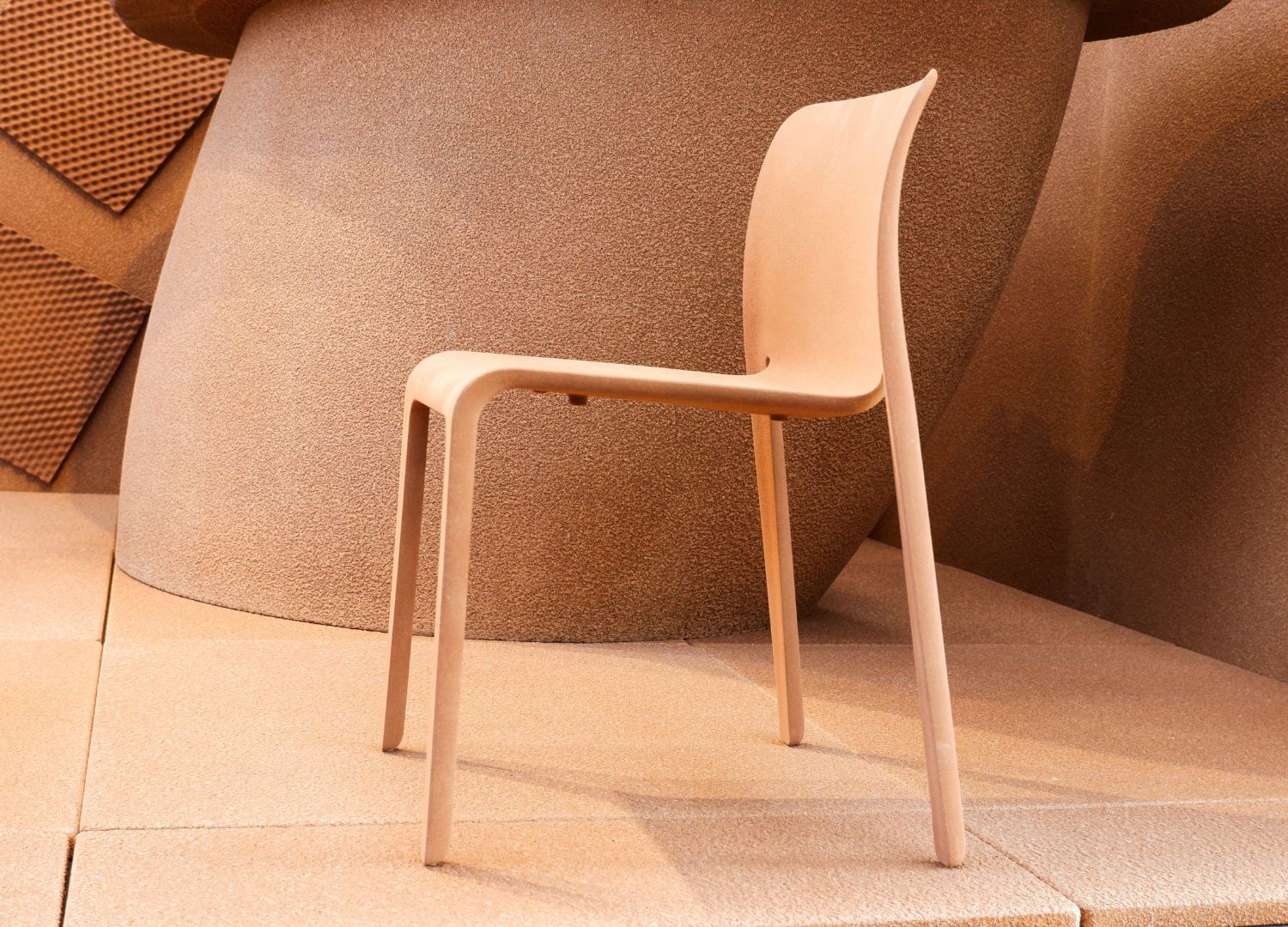
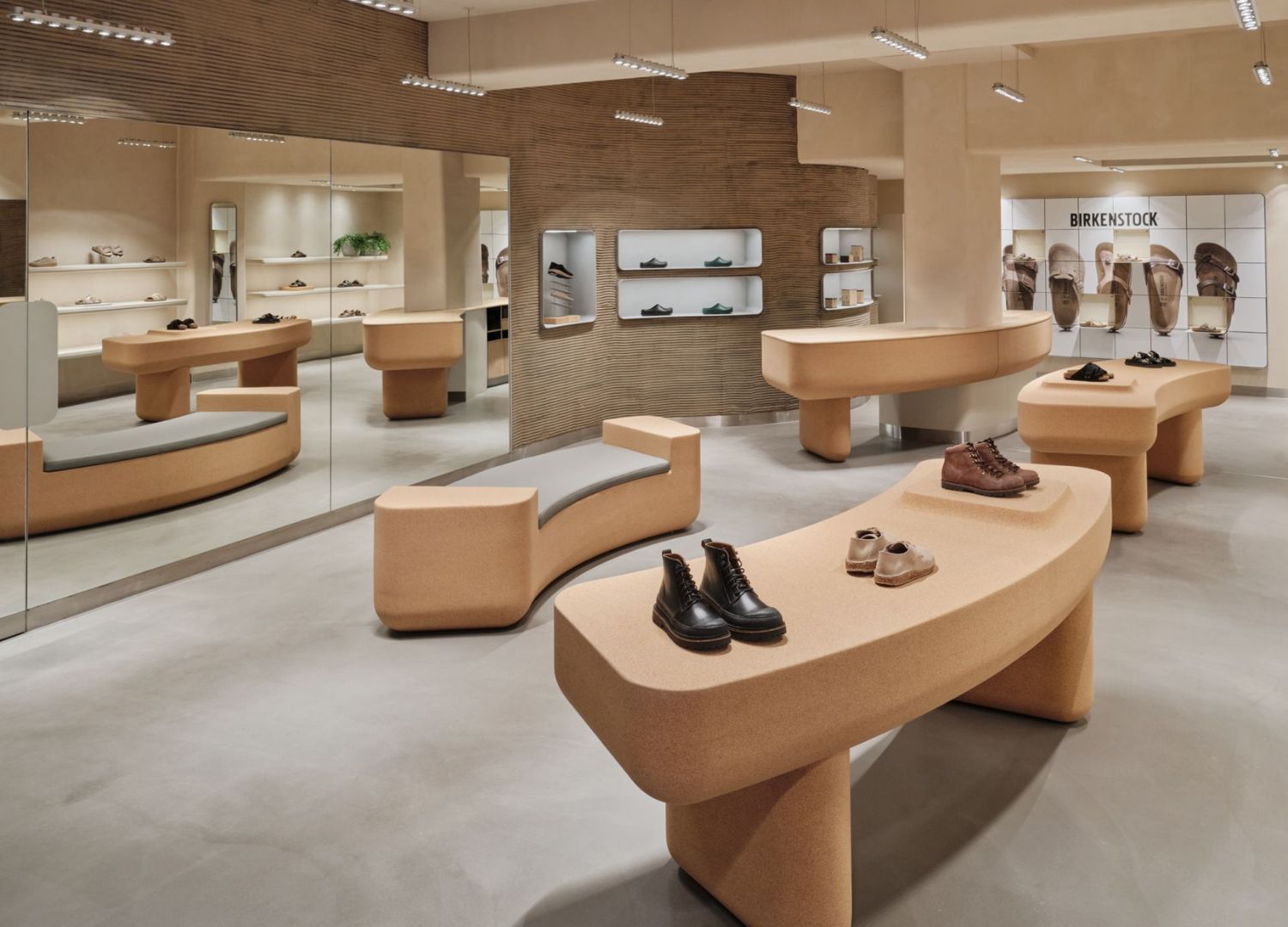
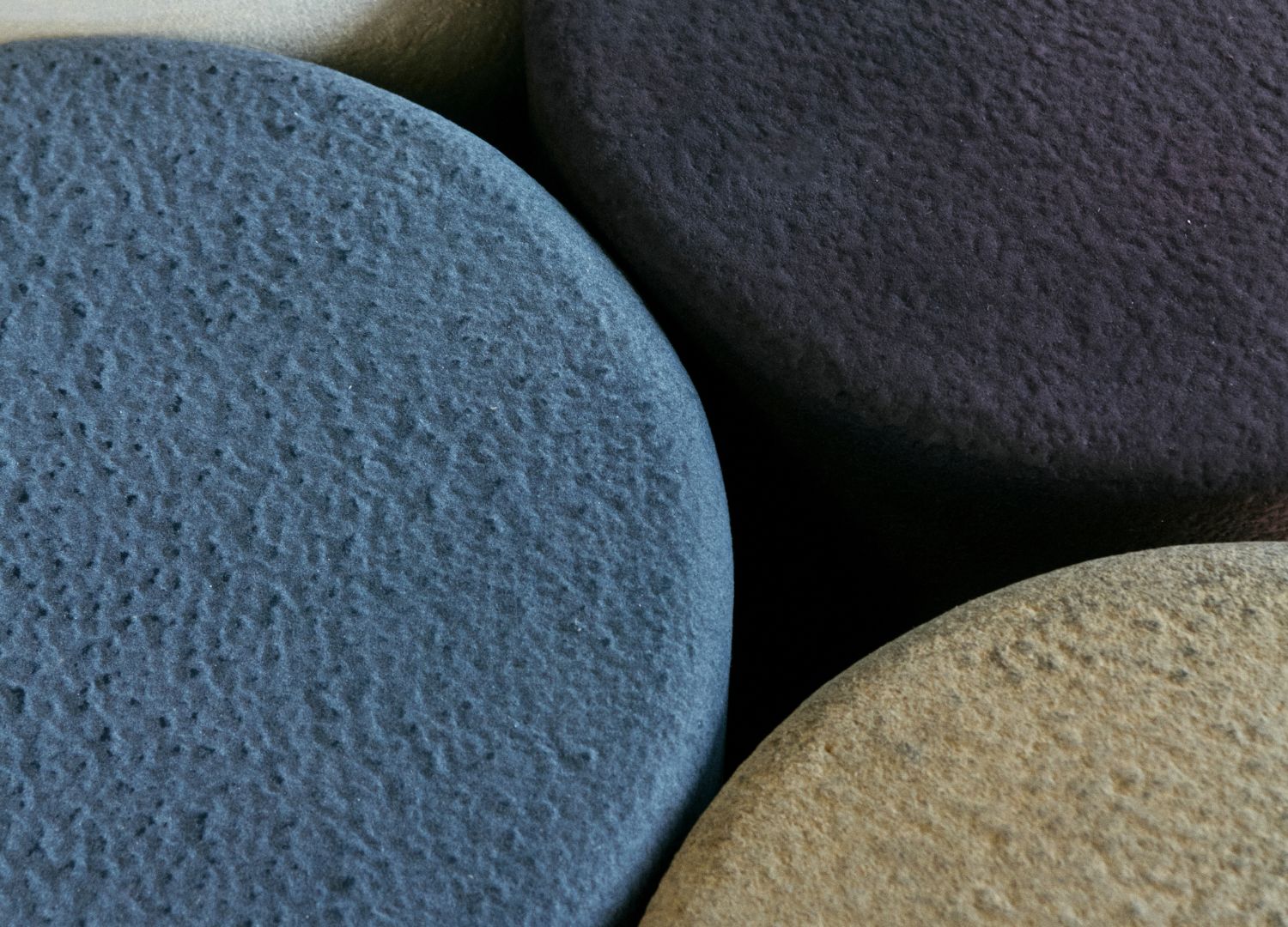
Open full width
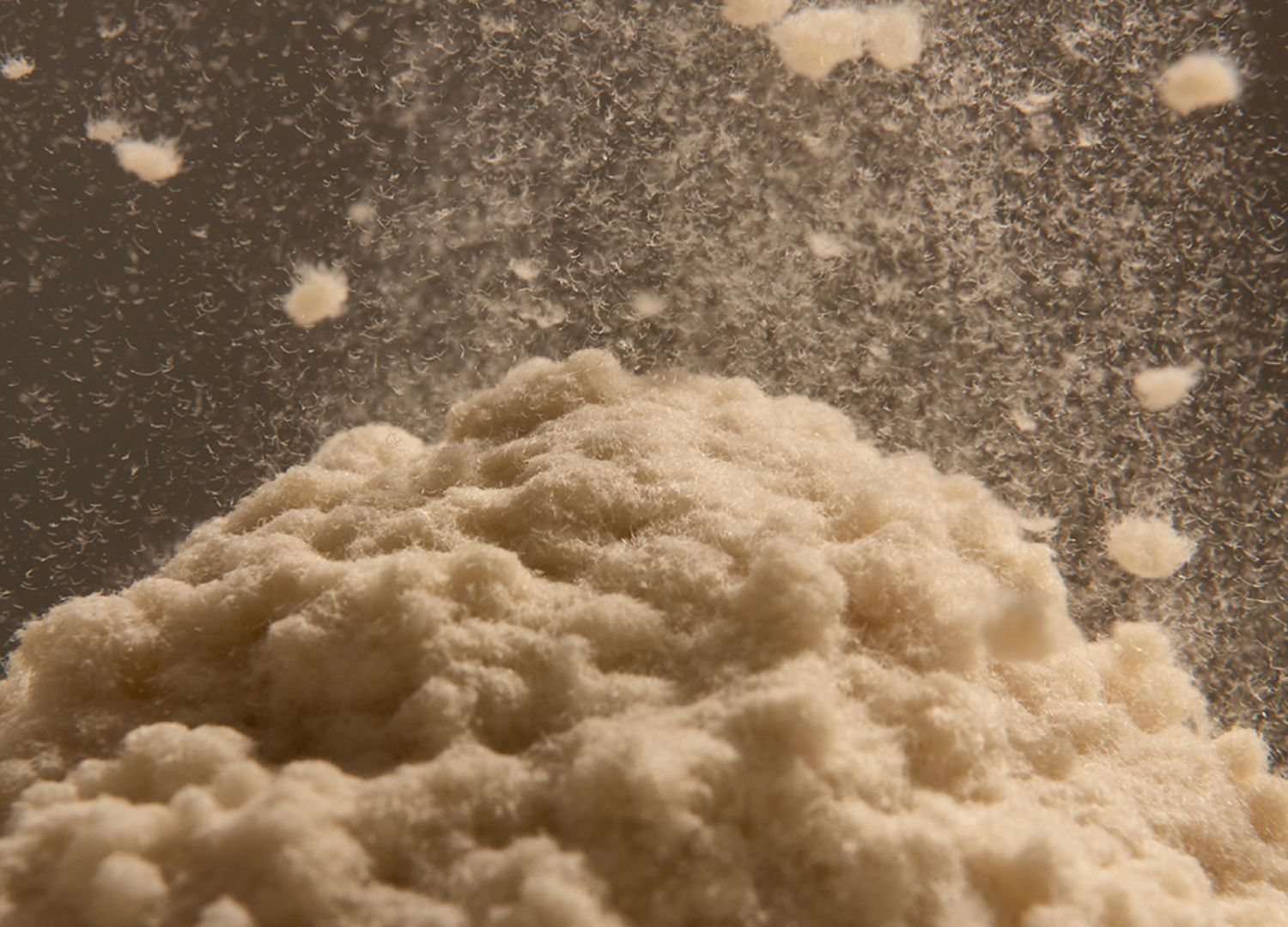
Pulvera is a startup born in Renate, in the Brianza design district, from a company with decades of experience in the textile industry. Its founding logic is to take the scraps of all kinds of textile materials that are supposed to go to waste and reduce them to powder. This process undoes the original object completely, handing back the discarded material as new potential. This powder can then be used by other companies for diverse applications.
Cooloo is a Dutch company that revolves around its Endless Life® technology, essentially an advanced spray coating system which uses pulverised waste to create surfaces. Founded on the principle that the furniture industry wastes massive amounts of value by discarding what could be refurbished, Cooloo developed a patented process that combines waste powders with bio-based binders and applies them as a coating to virtually any surface. The result is a material that is waterproof, non-toxic, solvent-free, and most importantly, re-applicable, so that as use wears it down, it can be renewed again.
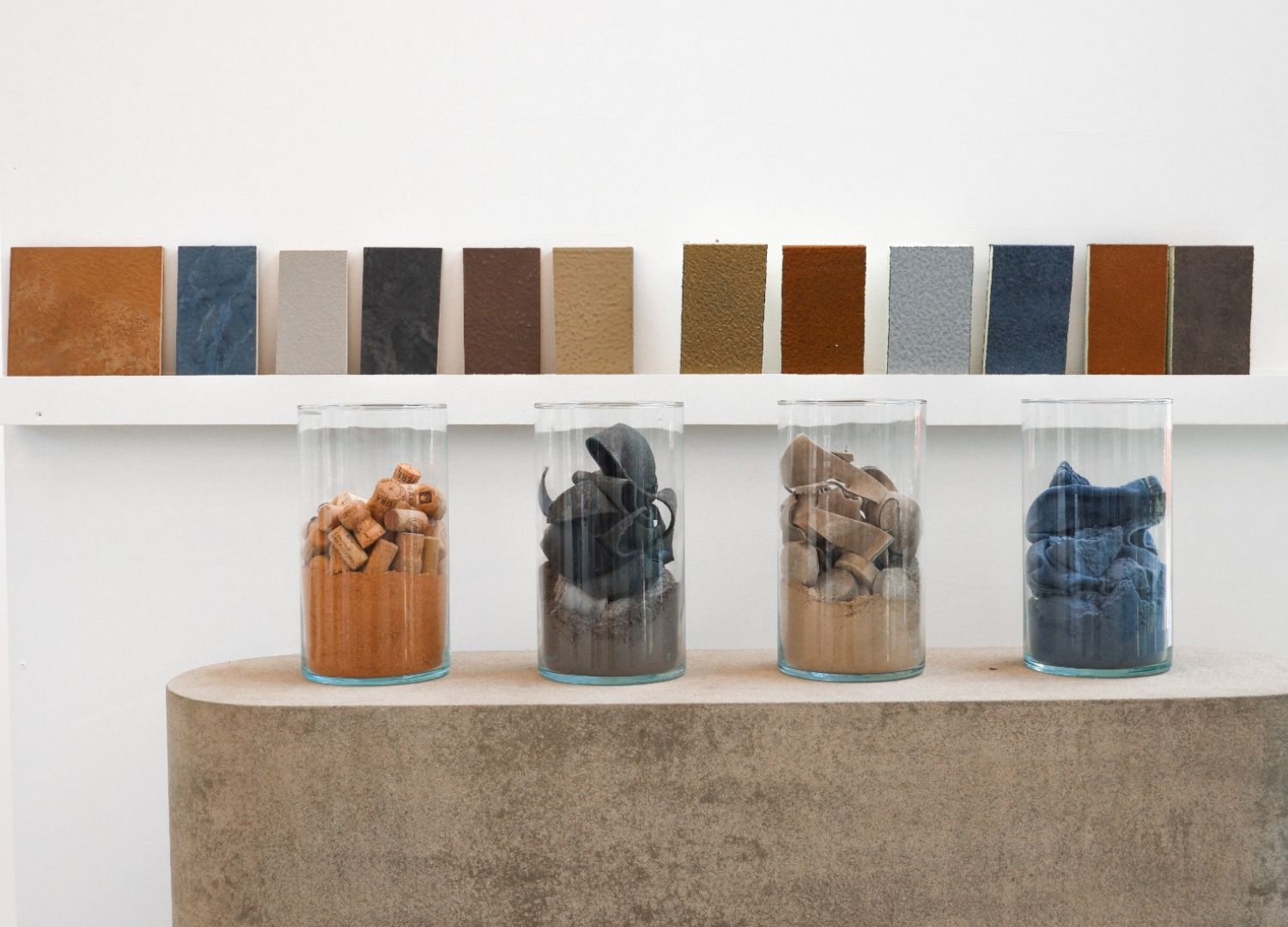
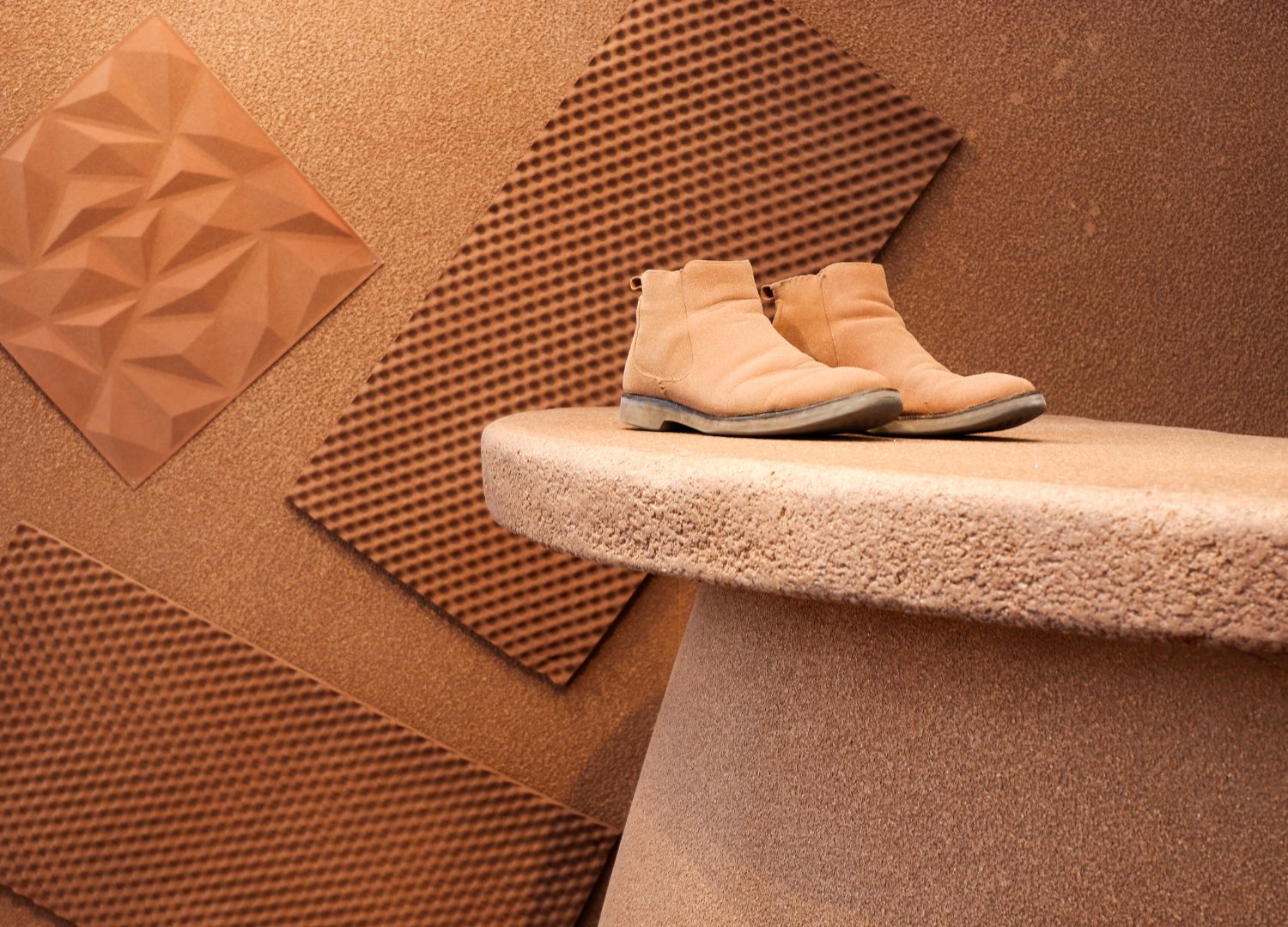
What makes the partnership possible is the direct integration of Pulvera’s textile powder into Cooloo’s coating system. The most interesting part is that Pulvera’s material doesn’t just disappear, it remains legible. For example, CoolJeans, one of Cooloo’s existing coating materials, is made from denim waste, and it looks and feels like denim. The same logic applies to other materials of course; the waste does not disappear into a neutral product, but it remains legible.
“We are taking part in Milan Design Week to show companies and designers how sustainability can take a leap forward, becoming not only responsible but also desirable,” comments Eleonora Casati, co-founder of Pulvera. “This collaboration with Cooloo demonstrates how, starting from waste, it is possible to create surfaces and applications with a strong visual and design impact, and we are pleased to present to the public a technology that is almost entirely new in Italy, but with strong potential for development across the territory.”
Casati uses the word desirable, a key theme in contemporary sustainable design. Sustainability is often described as necessary, ethical, fair, but rarely desirable. The question of how we can make sustainability desirable is a question that the design discourse has circled around for years, without ever fully resolving it. Cooloo’s answer is to not ask the material to apologise for what it is; denim coating looks like denim because it is denim, in direct opposition to the many sustainable materials that aim to cover up a material’s history, like by trying to make food waste look like plastic.
Pulvera and Cooloo are creating a different model of reuse, and of what a surface is; they are proposing that the end of one product can be the beginning of another, but it can also be a rebirth. By allowing a material to retain its original qualities, simply used in a different form, they are proposing a new model of what a waste material can become.