Arper Environmental Department – Designing the world we live in
In 2005, Arper established the Arper Environmental Department, a tentative first step as sustainability was emerging as the critical issue of our generation.
The main goal of the Arper Environmental Department is that of reducing the environmental impact of material extraction, handling, manufacturing, shipping, use, and recycling. It’s a slow, meticulous process, a series of minor accomplishments in the face of the overwhelming climate crisis. But the enormity of the problem, and the dire consequences of inaction, demand a relentless vigilance and an unwavering commitment of time, skill, resources, and ideas.
Gallery
Open full width





Open full width
Every product is evocative in its own right of the minimal impact and intelligent design strategies essential to sustainability. From the beginning, Arper has worked to strengthen this relationship through a principled approach to craft, embodied in their design ethos: the pursuit of the essential.
Durable, timeless furnishings, intended to transcend trend and serve diverse purposes over their extended lifetime, valuing lightness and simplicity and aiming to reduce materials to a minimum. The brand’s modular approach to construction reduces production complexity and creates opportunities for disassembly and component recycling. Finally, soft technology, the subtle integration of intuitive ergonomic features, is weaved into every design, emphasizing natural interaction, and improved functionality.

Over the years, Arper Environmental Department has worked hard to obtain both product and process environmental certifications. For products: EPD® International System, GECA (Good Environmental Choice Australia), Greenguard. For process: EPD Process Certification, FSC (Forest Stewardship Council), ISO 14001. Over the past fifteen years, certifications have been used as a tool to measure and keep track of the company’s efforts.
Simultaneously, Arper performs comprehensive Life Cycle Assessments on its products to ensure that they adhere both to industry standards and their own internal benchmarks. With these learnings, they analyze and share the implications of their products before they go into production. Transparency is paramount. We all deserve to know how much each product impacts the environment.
Working with like-minded partners is integral to the process. Through close collaboration with designers, architects, academic institutions, and organizations, they have been able to share their questions, insights, and expertise with each other, in order to reach their collective sustainability goals.
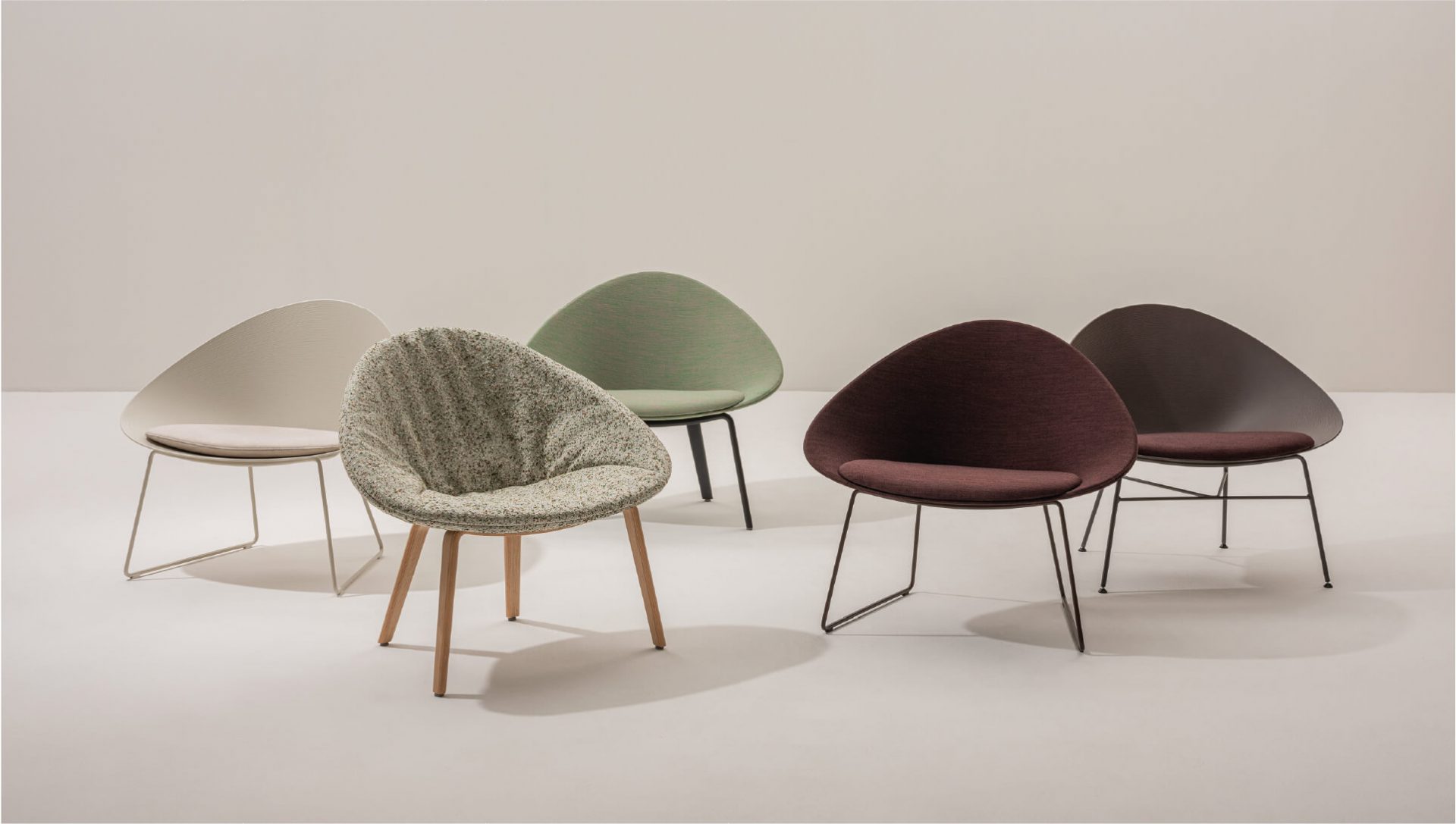
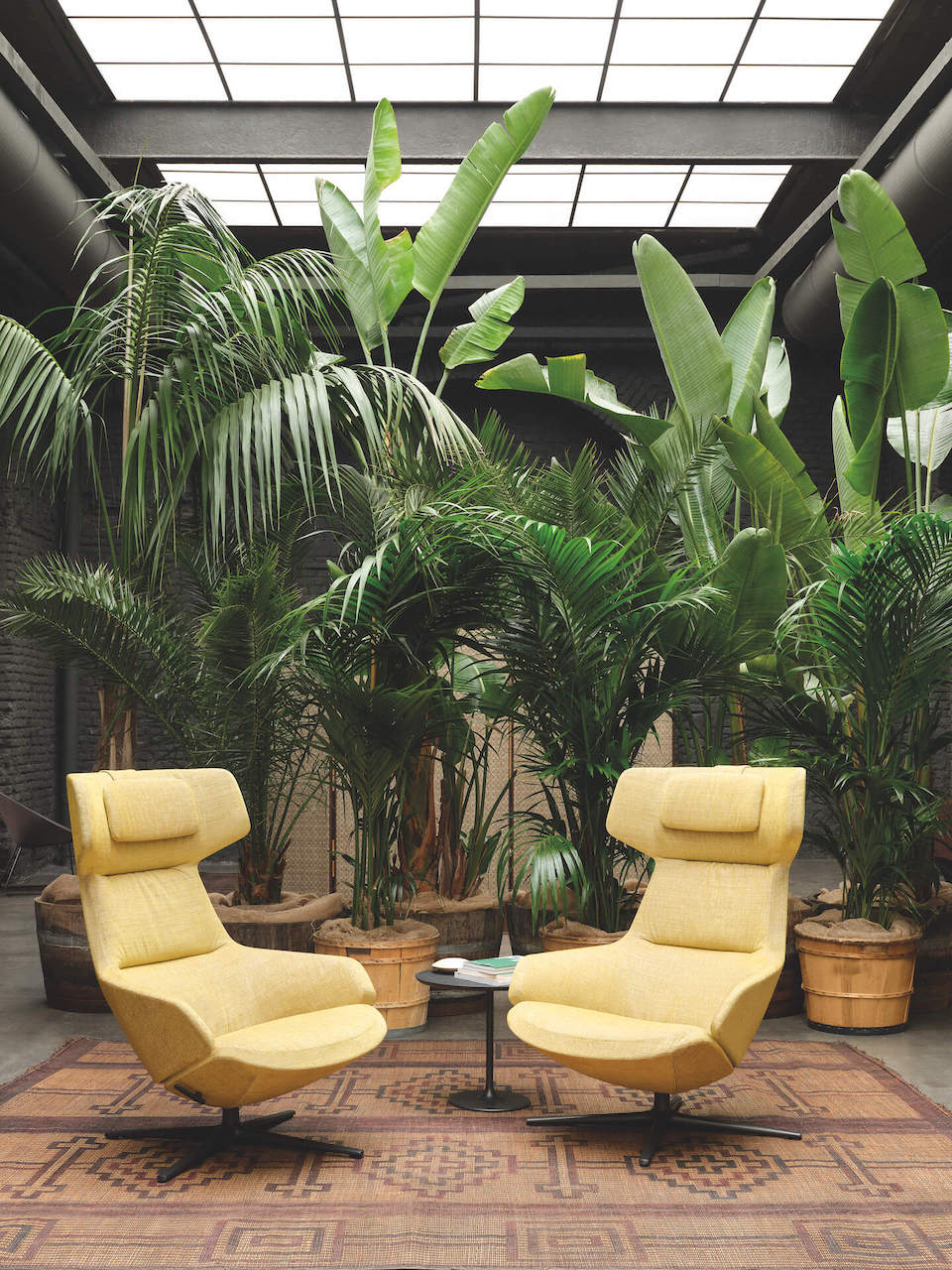
The new 2020 collections, the chairs Adell and Aston Club, represent all these principles: they are made with recycled plastic from industrial waste, can be entirely disassembled and all pieces can be recycled or upcycled, hence reducing overall waste.
They are made with no glue to eliminate emissions and ensure all component parts can be recycled or repurposed. Adell wood base version is certified by the Forest Stewardship Council®, while Aston Club uses a powder-based coat that is free of VOC* emissions.

The new generations are particularly sensitive towards the subject: they want to know how the products are manufactured and what the production and marketing logics are. Until a few years ago, in the furniture sector, aesthetics was the main factor when choosing a product. Today, however, it is only a small part of design.
The fact that a company’s business model is sustainable and ethical is perhaps even more important than aesthetics, at least for the younger generation. Consequently, sustainable financial reports, social impact, and b-corp are crucial tools for the future of companies.