When Barbie melts down: gomi’s Childhood Memories collection and the limits of toy circularity
The Barbie x gomi collaboration is turning waste into audio equipment, commenting on sustainability, designing for children, and consumer nostalgia.
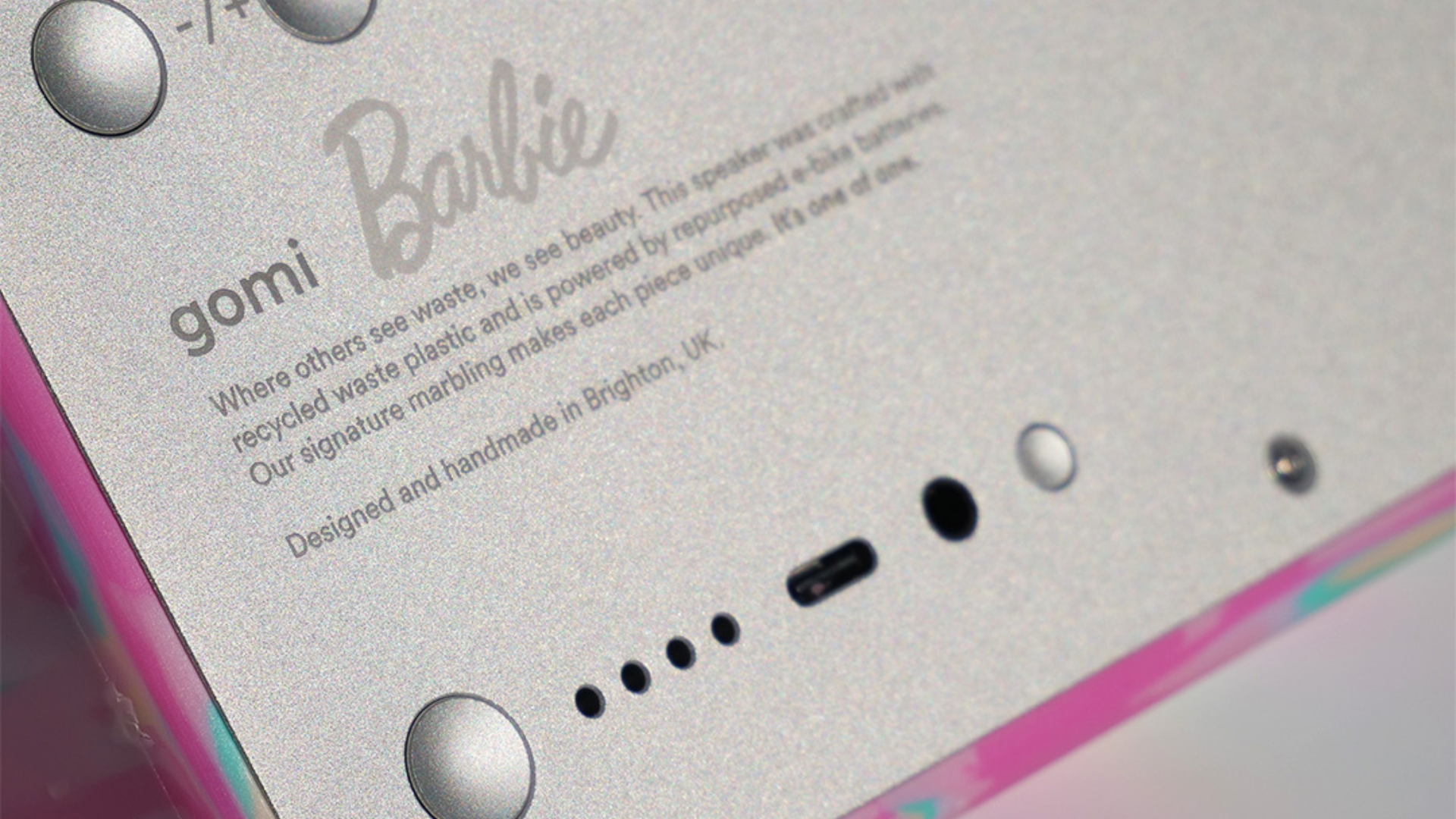
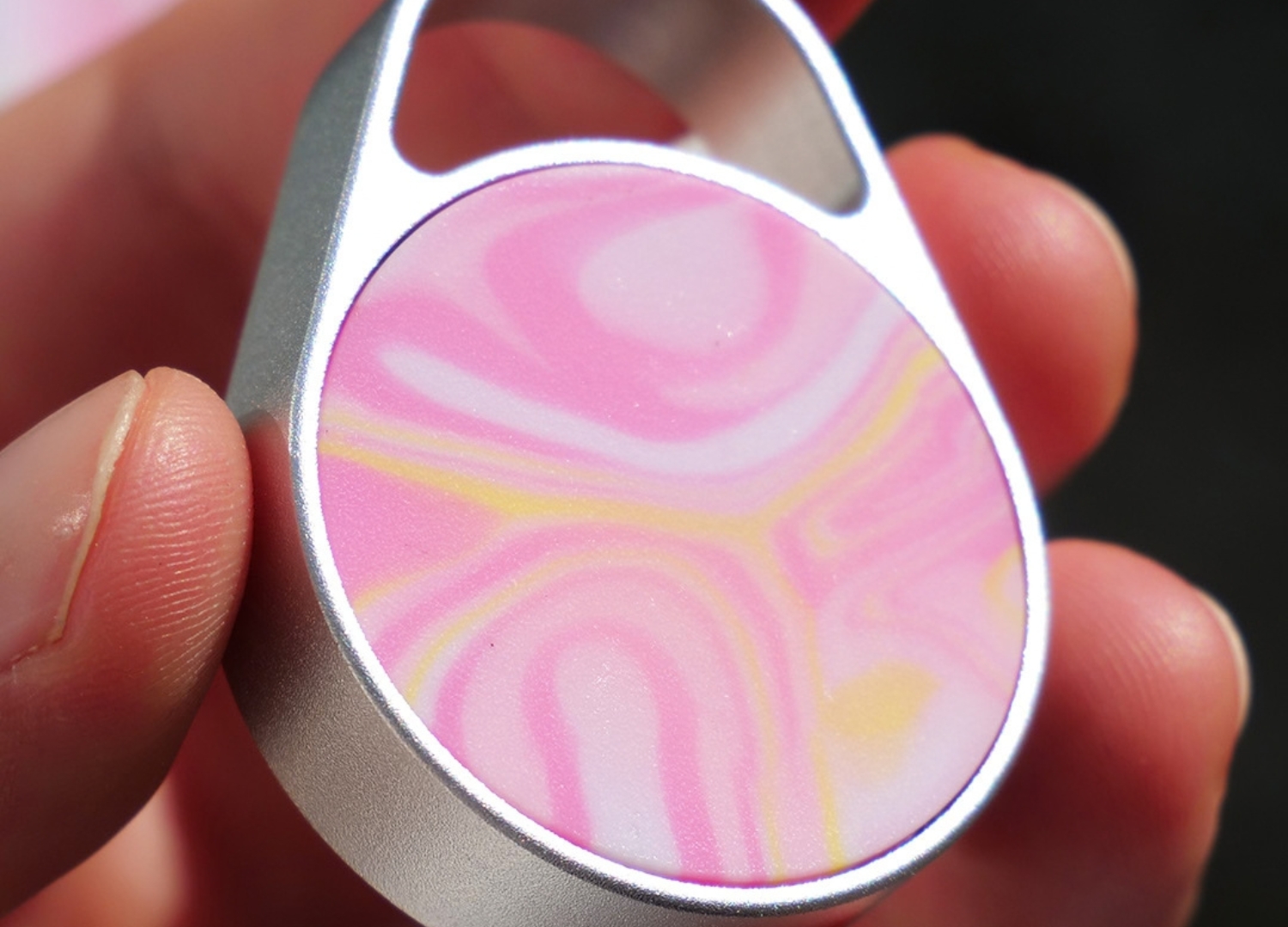
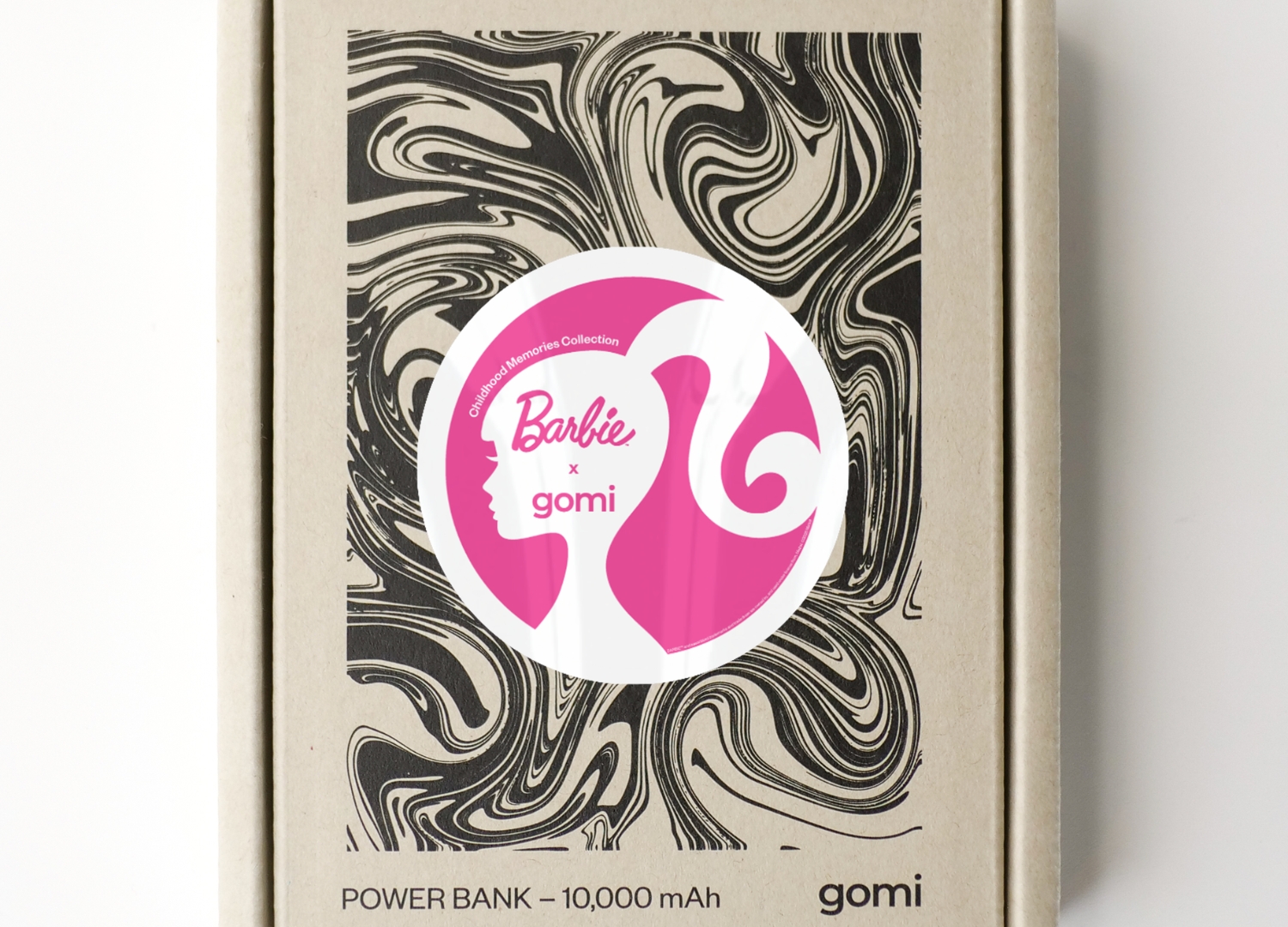
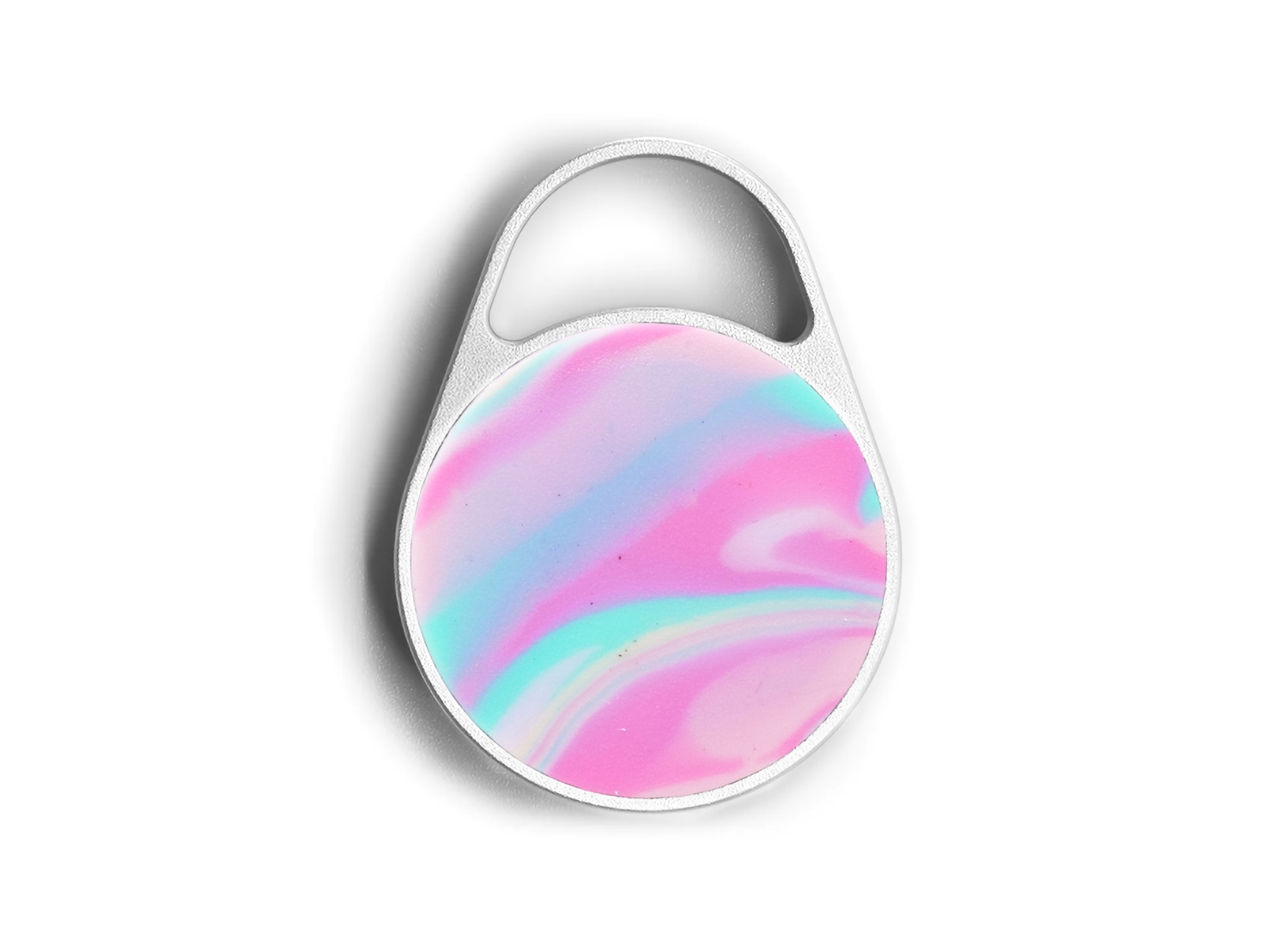
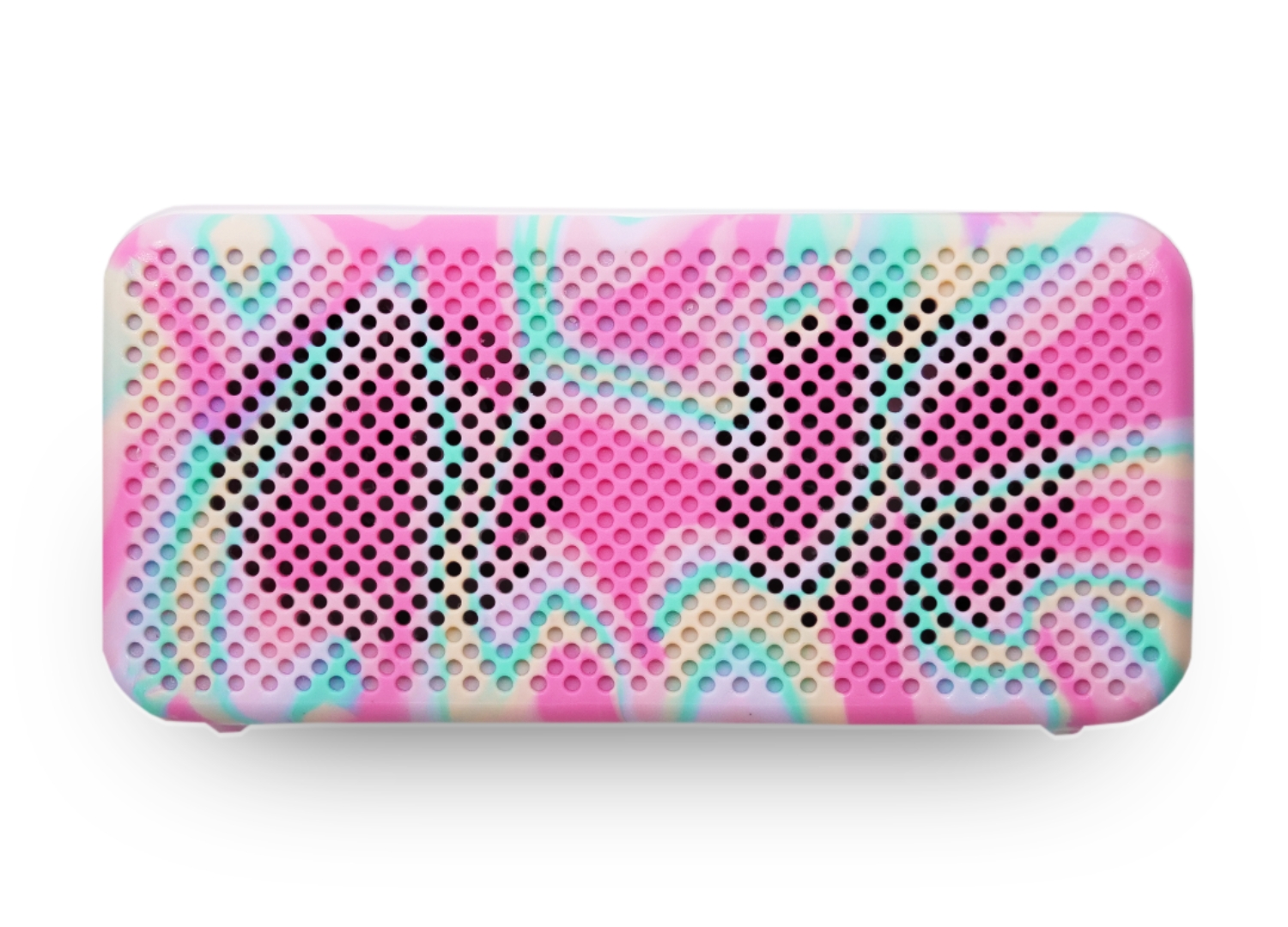
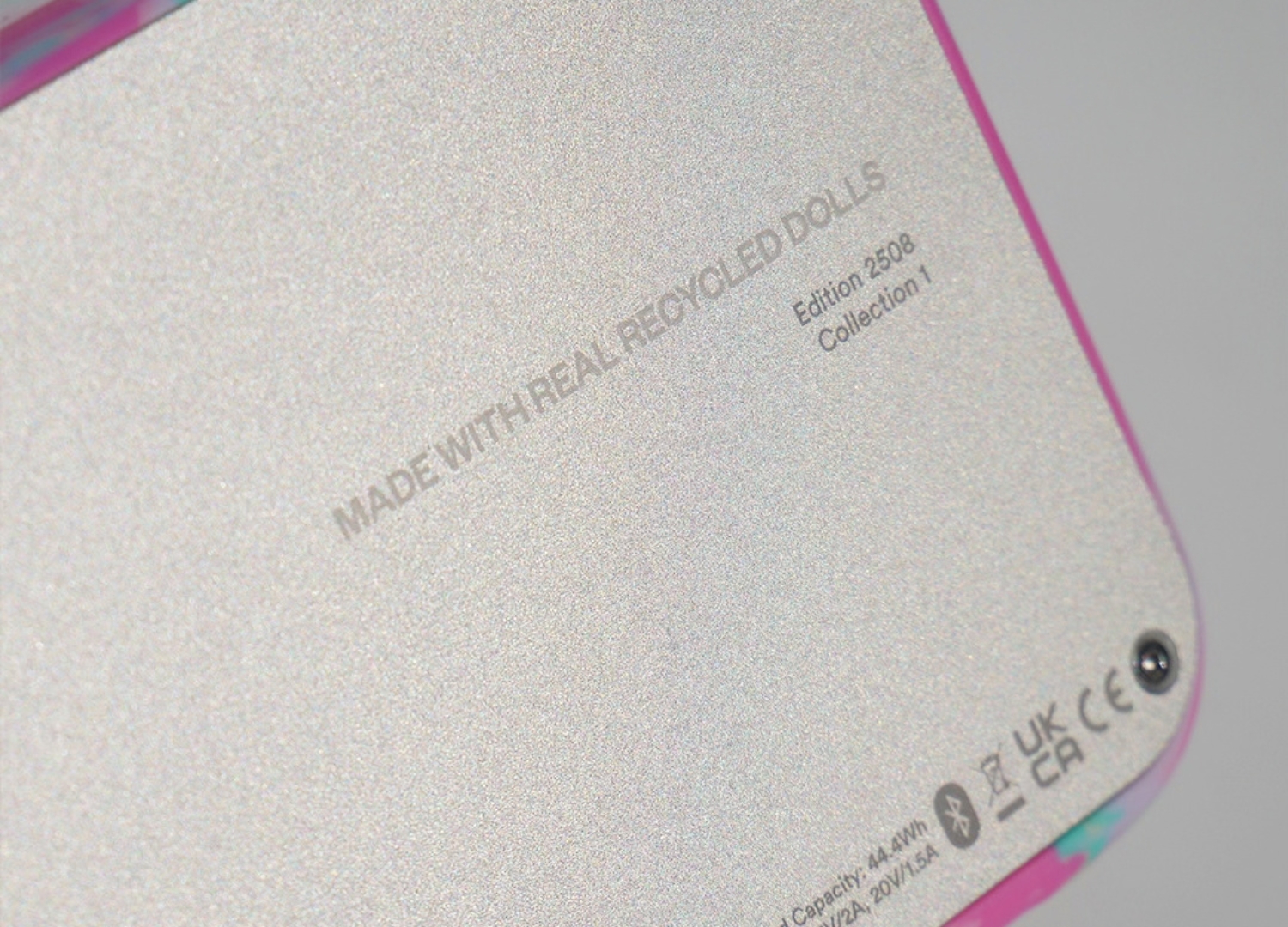
On the 24th of September 2026, the Brighton-based design studio gomi launched a range of bluetooth speakers, power banks, chargers, and tracker tags made from melted-down Barbie and Ken dolls. Barbie x gomi‘s first collection, “Childhood Memories”, invites the public to post in their old dolls so that the company can grind them, blend them with other reclaimed plastic, and remould them into gomi’s signature marbled housings.
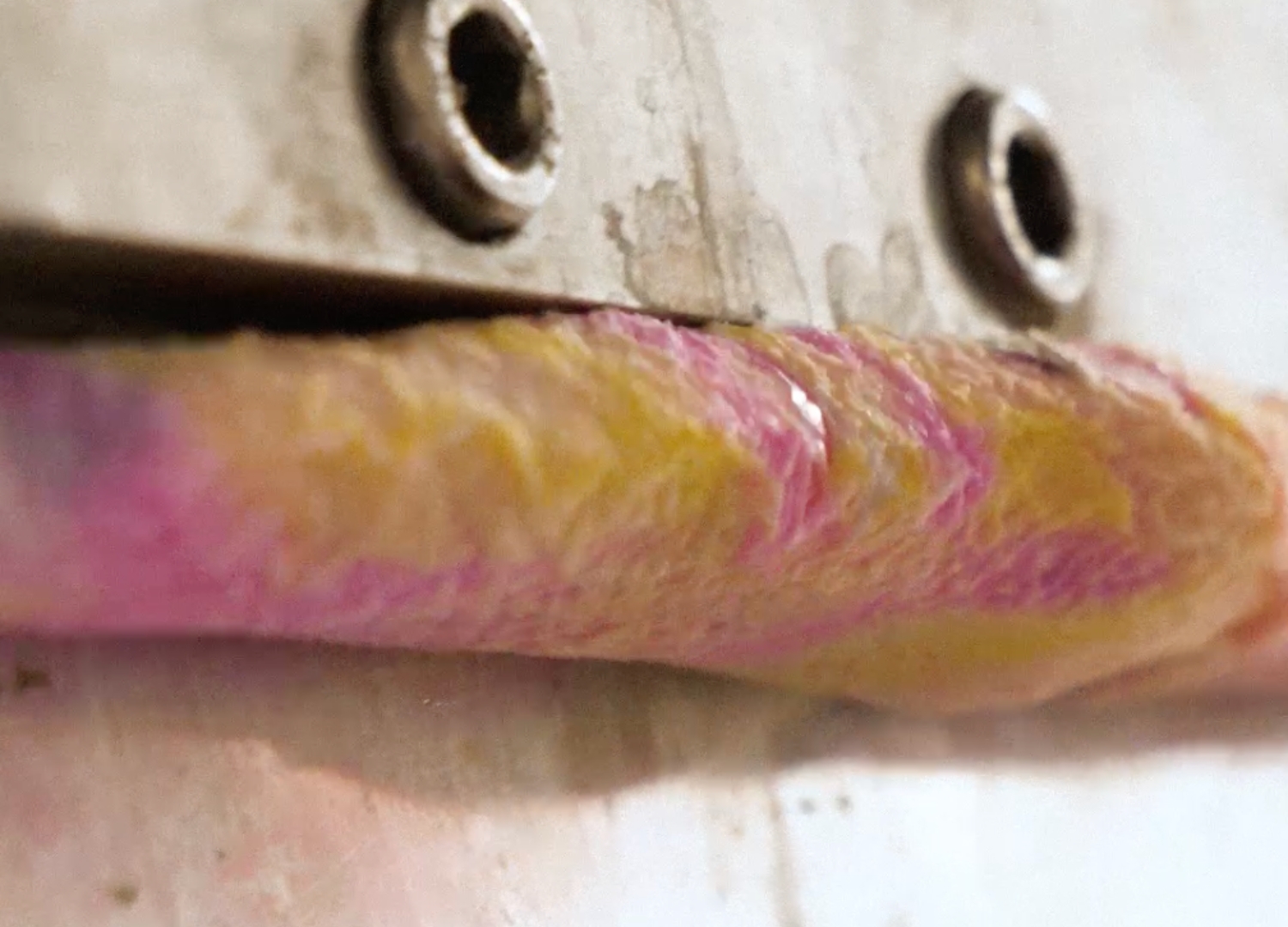
Each piece is handmade in Brighton, unique by design, and released as a monthly limited drop. The speakers also run on repurposed e-bike batteries, and the whole line is built to be assembled with screws rather than glue for easier recycling and repairability.
Gallery
Open full width

Open full width
Barbie x gomi
Waste is a material, not a problem
gomi was founded in 2017 by Tom Meades, a graduate of Brighton’s 3D Design and Craft programme. The studio’s founding project addressed flexible plastic waste (LDPE) that UK councils typically do not recycle. Rather than treat that waste stream as trash, gomi began recycling it and marbling it by hand, using it to create speaker housings that were initially launched through Kickstarter.
The studio’s first full commercial speaker line “Collection One” followed in 2023, and established the template that the Barbie collaboration now extends: casings from reclaimed plastic, reclaimed batteries, handmade production and design for repairability. gomi frames its aesthetic in fairly grand terms, with Meades describing it as “a collision between Dieter Rams and Picasso.”
By the company’s own account, 43.9% of a speaker’s weight comes from post-consumer waste streams, and the finished product carries a 50.4% lower carbon footprint than similar devices. This track record is what earned Meades the Ro Plastic Prize, which was established by gallerist Rossana Orlandi specifically to reward “guiltless” uses of plastic, supporting the idea that the material isn’t inherently evil but it depends on how it’s designed and discarded.
Barbie’s plastic problem
Barbie has been manufactured continuously since 1959, and Mattel produces around 60 million Barbie dolls every year. Estimates of the resulting emissions vary, but each doll is roughly associated with 660 grams of carbon emissions across manufacturing and transport. Once discarded, the doll’s plastic persists in the environment for centuries, and because dolls combine multiple polymer types with paints, hair fibres, and metal joints, they are notoriously difficult for public recycling plants to process at all.
Mattel has responded to this with its own sustainability initiatives, but most have been dismissed by researchers and the media as greenwashing practices. Scepticism reached a peak in 2023 when a group called the “Barbie Liberation Organisation” issued a fake press release claiming Mattel would go plastic-free by 2030. The hoax fooled many outlets, showing how much appetite there is for Mattel to actually solve this problem, and how little confidence exists that it will.
What the collaboration gets right
In regard to the products emerging from this collaboration, they will be as sustainable as gomi’s regular products are, since they will still be using a substantial amount of plastic waste. The purpose of the collection is not to improve sustainability rankings (though it gives good optics to Mattel), but to add an emotional and intimate aspect to the usually sterile world of plastics and recycling.
Almost everyone who has played with dolls as a child has, eventually, faced the guilt of throwing one away. A Barbie that’s been loved into disrepair does not feel like ordinary rubbish, it feels like it deserves better than a landfill, because it was once bound up in someone’s imagination, their first stories, their earliest sense of who they wanted to be. The initiative gives people a way to pass the object forward, giving it a second, useful life.
When we think of reclaimed plastic, ugly images usually come to mind: used bottles crowding beaches, huge fishing nets being abandoned, and the general idea of trash. But how differently would people think about recycled materials if they thought of their past as their previously loved possessions? If the case for participating in circular design stops being about civic duty and starts being about sentiment, it could be the beginning for all of us to act differently.