Every October, Eindhoven turns into Europe’s centre for experimental and radical design. Dutch Design Week 2026 is spread across more than 120 locations, with over 2,500 designers showing work to more than 300,000 visitors. From old Philips Factories to a former courthouse, the festival is arranged so that you don’t just go to visit an exhibition, you wander around, cycle, get lost, and the city itself is the real host.
This year’s theme was R.A.W., short for Rebel, Authentic, Worth, backing rugged and unrefined work at a time when many festivals keep moving toward cleaner lines. Biodesign, new materials, and AI-driven projects were everywhere, and design students shared stages with established studios. The result is a festival where the design object is not really at the centre, sharing the spotlight instead with research and speculative practices.
Dutch Design Week 2026 – Highlights:
We Harvest Wind by Thijs Biersteker x Polestar
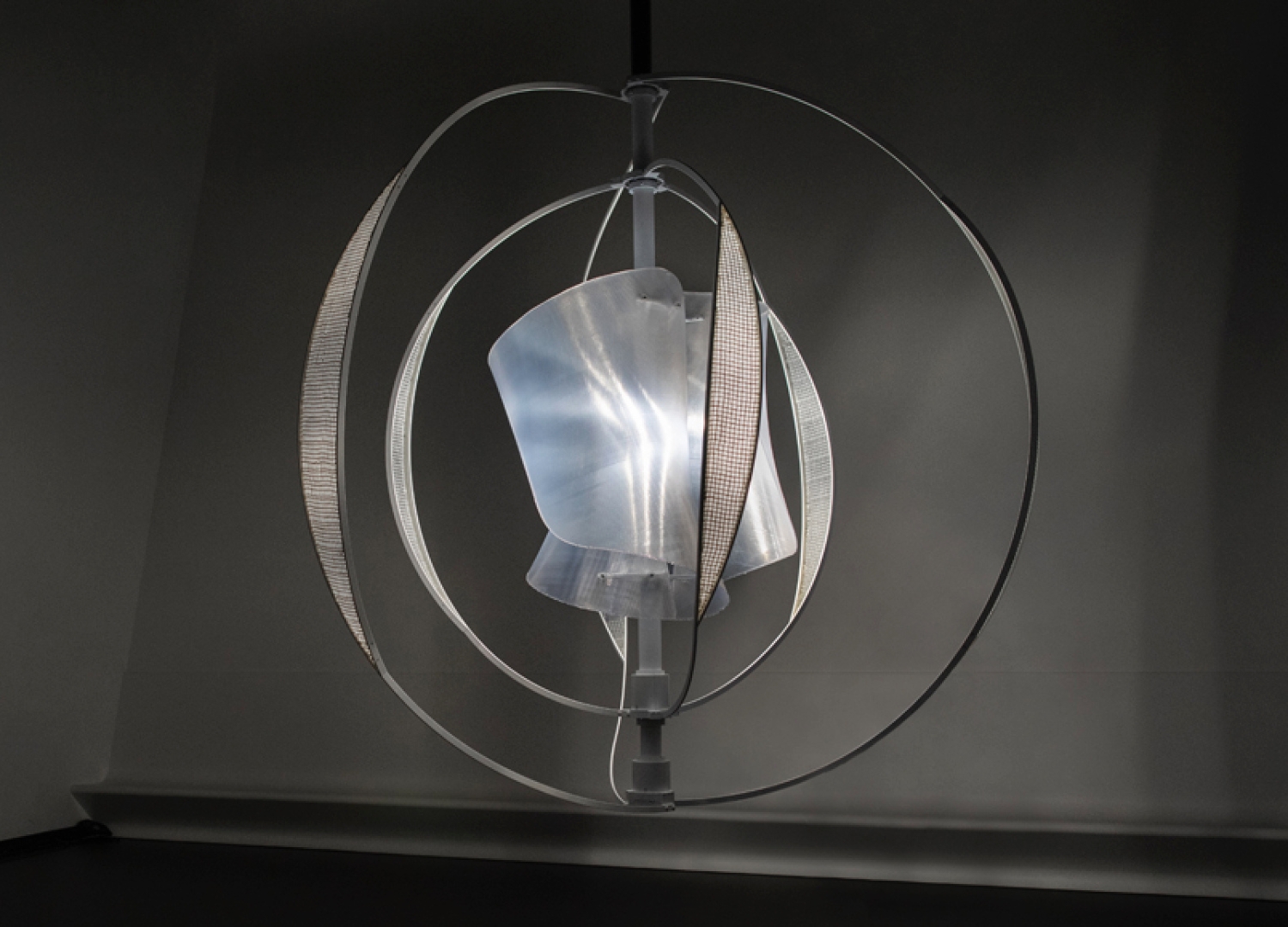
Polestar’s installation was designed by Thijs Biersteker, and put the focus on renewable energies, specifically wind power. The central sculpture was made of three-metre blades constructed from recycled PET bottles and a biocomposite, and users could activate fans representing the wind that would make the blades move.
The goal of the installation was to show an aspirational model of how beautiful renewable energies are. A particularly important point was about the visitors being the ones to activate the show’s movement, a reminder that the power for sustainable change is in our hands.
Local Linoleum by Christien Meindertsma
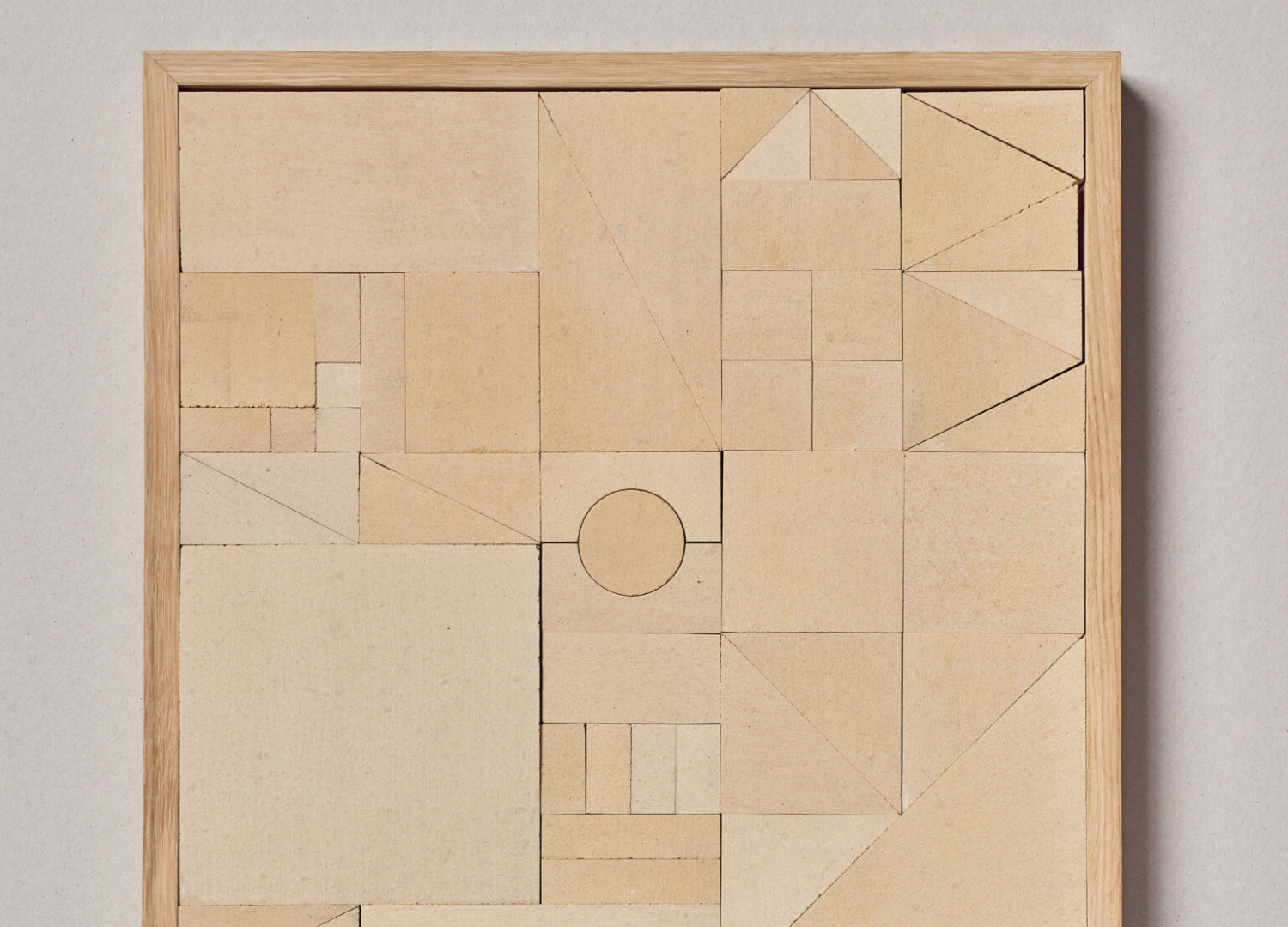
Linoleum is generally a surface material, best known as a floor covering, and it’s made from solidified linseed oil, which comes from flax. Meindertsma’s proposal is to make it a solid building material, one that is re-pliable at the end of its life. This Local Linoleum is made from entirely local materials, sourcing linseed oil from local flax farmers, wood dust from nearby woodworking companies, and chalk as a by-product of drinking water production.
The resulting material is very solid, comparable to MDF blocks in a way, and cuts very precisely when worked similarly to wood, with the difference that it can be softened and reshaped instead of thrown away. The project is part of the designer’s ongoing research at the V&A in London, through a commission from MAKE GOOD.
Systemic Reef by Michele Martelloni
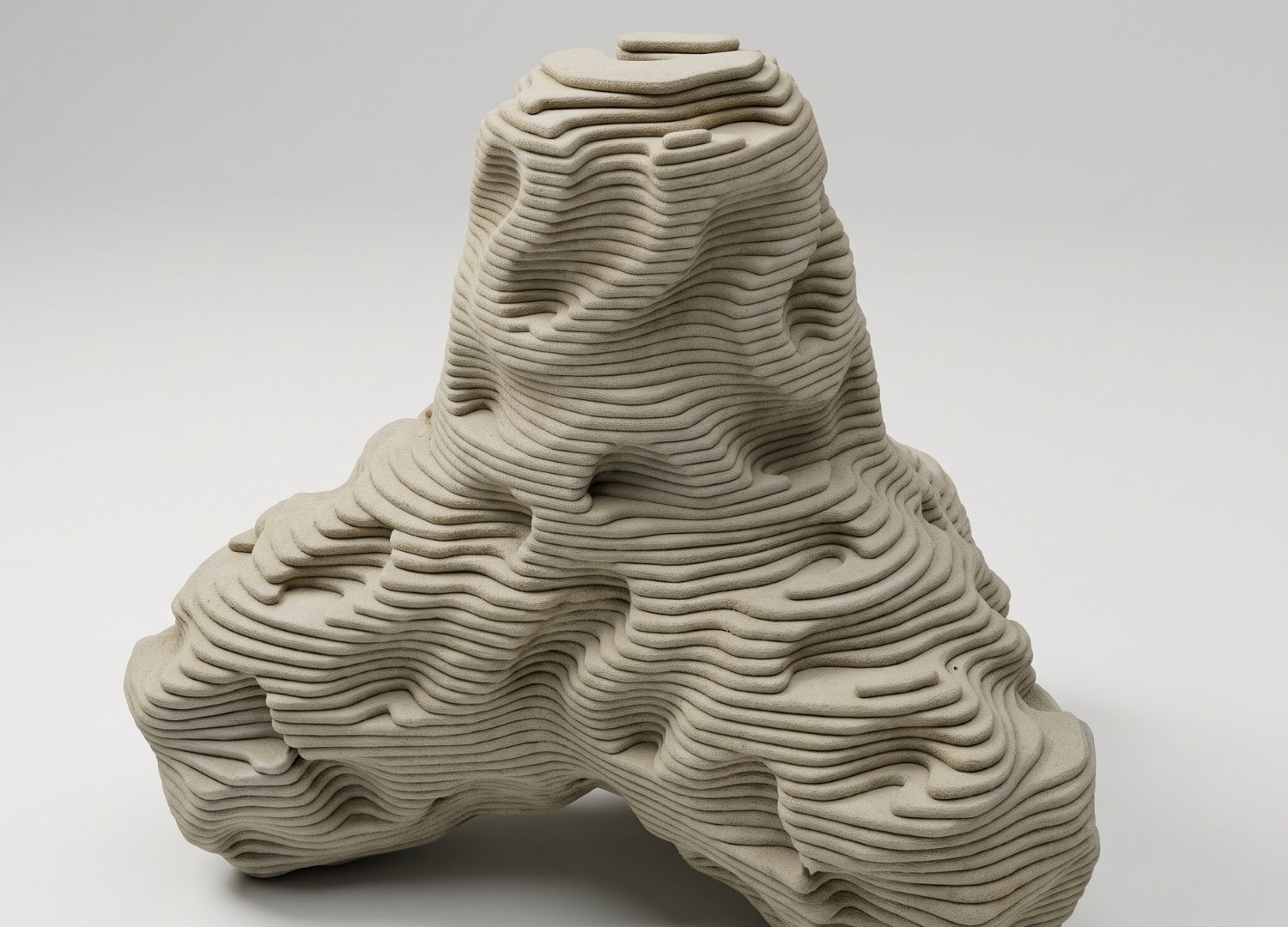
Martelloni’s project emerges from the selection of IED Product Design projects from the Class of 26 exhibition, and it is a modular, submerged structure developed specifically for the Apuan coast in Tuscany, an artificial reef designed to calm waves and give marine life somewhere to settle. The form reinterprets the tetrapod, the four-legged concrete block used for sea defences, as a porous lattice.
The object is made of a mix of marble powder from the region’s quarries, so that a local waste product becomes part of the habitat. The project also shows a pattern in Martelloni’s work, as he was one of the three graduates behind Hauki, another project centred around marine life that allows surfers to collect microplastics as they ride.
RELISH by Jasmin Ozturkkan Menda
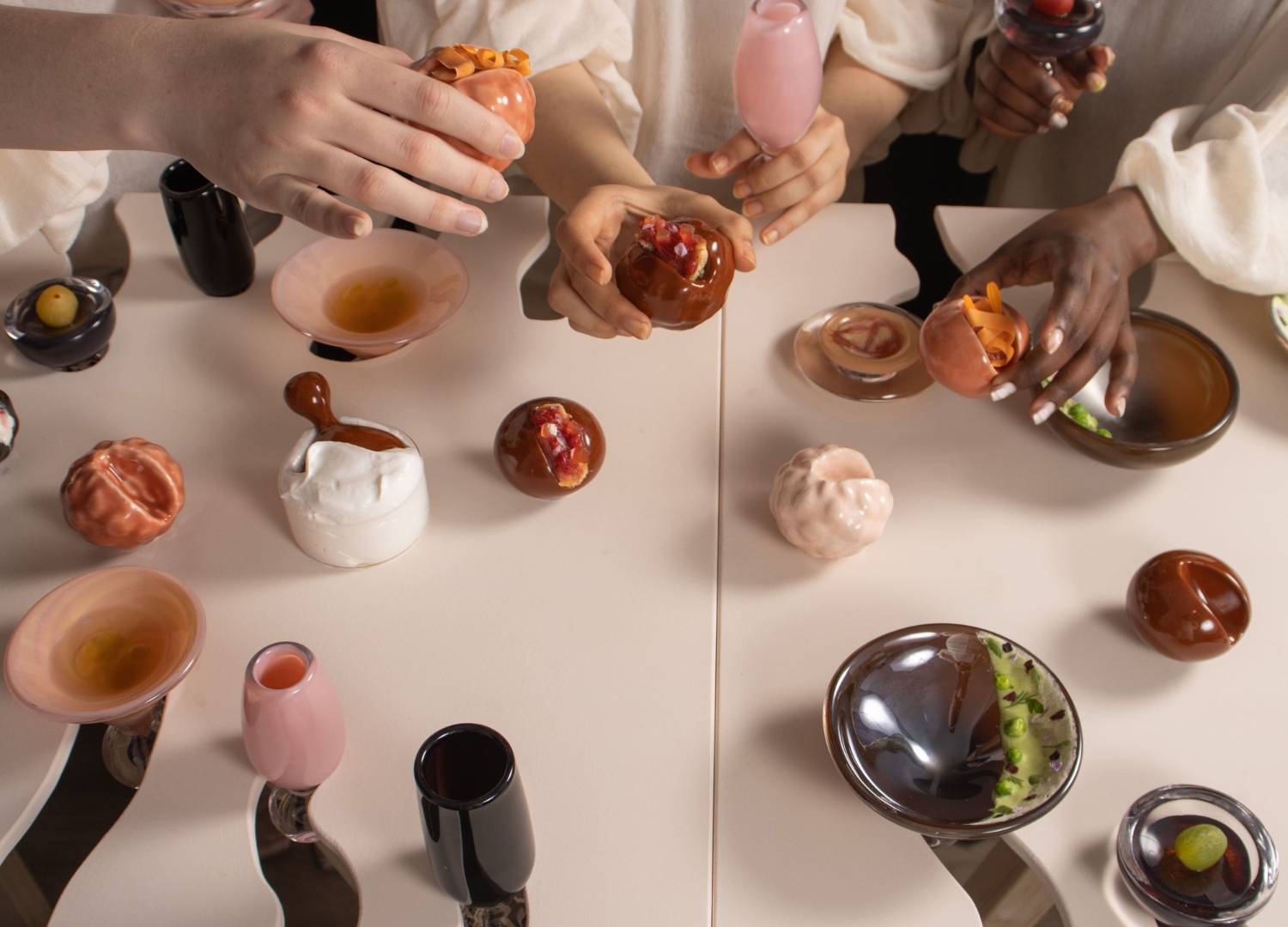
Menda’s project is a research-led investigation about food and its rituals, which led to developing a tableware collection designed to change the way we interact with out meals starting from gestures. RELISH is a collection of wearable glass and ceramic objects that changes those familiar movements, moving attention from taste alone to touch and interaction.
There is no cutlery involved so the food goes directly from its container to the mouth, creating a sometimes messy but more engaging experience. It is a project that rewards slowing down, revealing which habits we have put on autopilot and turning attention inwards during eating.
Island Under Pressure by Taiwan Pavilion
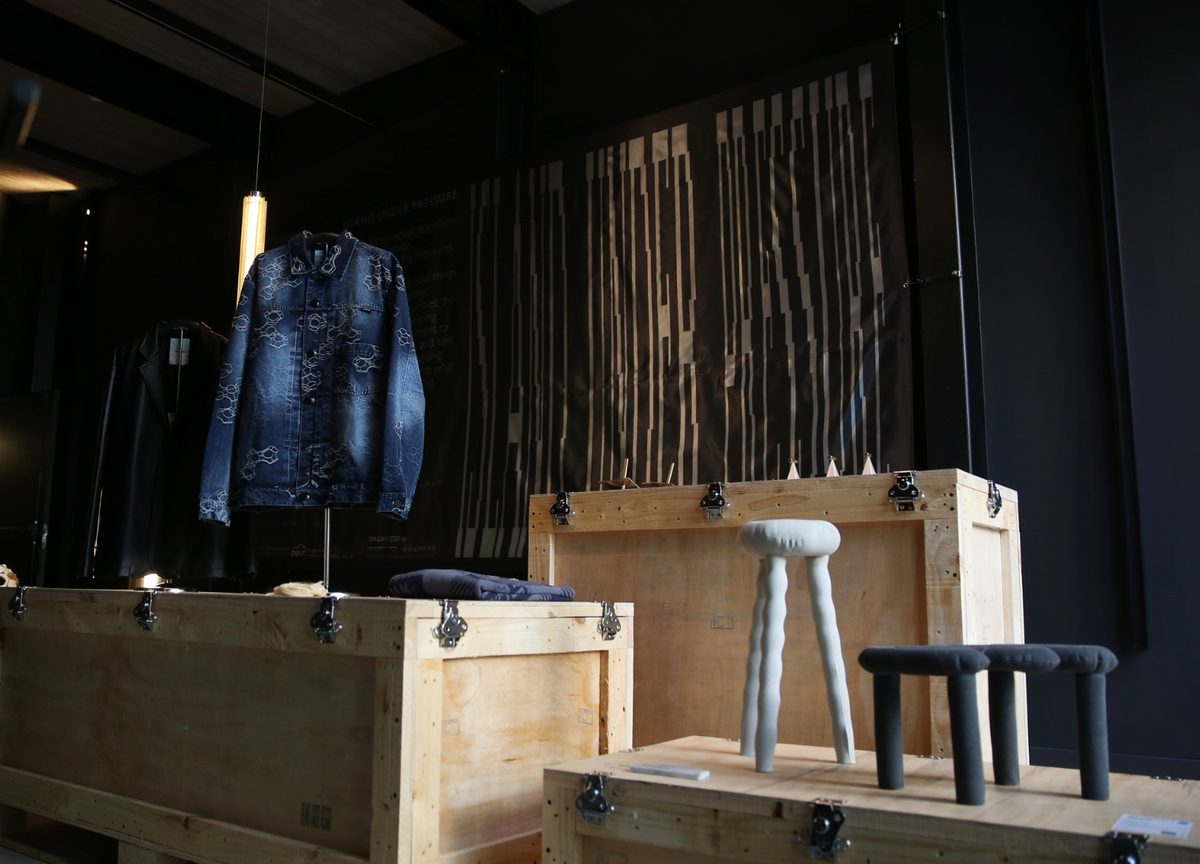
Island Under Pressure is a collective exhibition by Taiwanese designers, hosted at Kazerne. The exhibition treats pressure as a productive force rather than an obstacle, arguing that Taiwan’s mix of vulnerable geography, dense industry, and contested political status shapes how its designers work.
The show identifies five pressures (geopolitical, agricultural, climate, industrial, and manufacturing) and proposes a response to each one. The projects span from using pineapple fibres for clothing to sculptures that make stone look soft, proving just how far creativity can go despite the pressures it can be under.
Scaffolding Furniture System by Arnaud Sallard
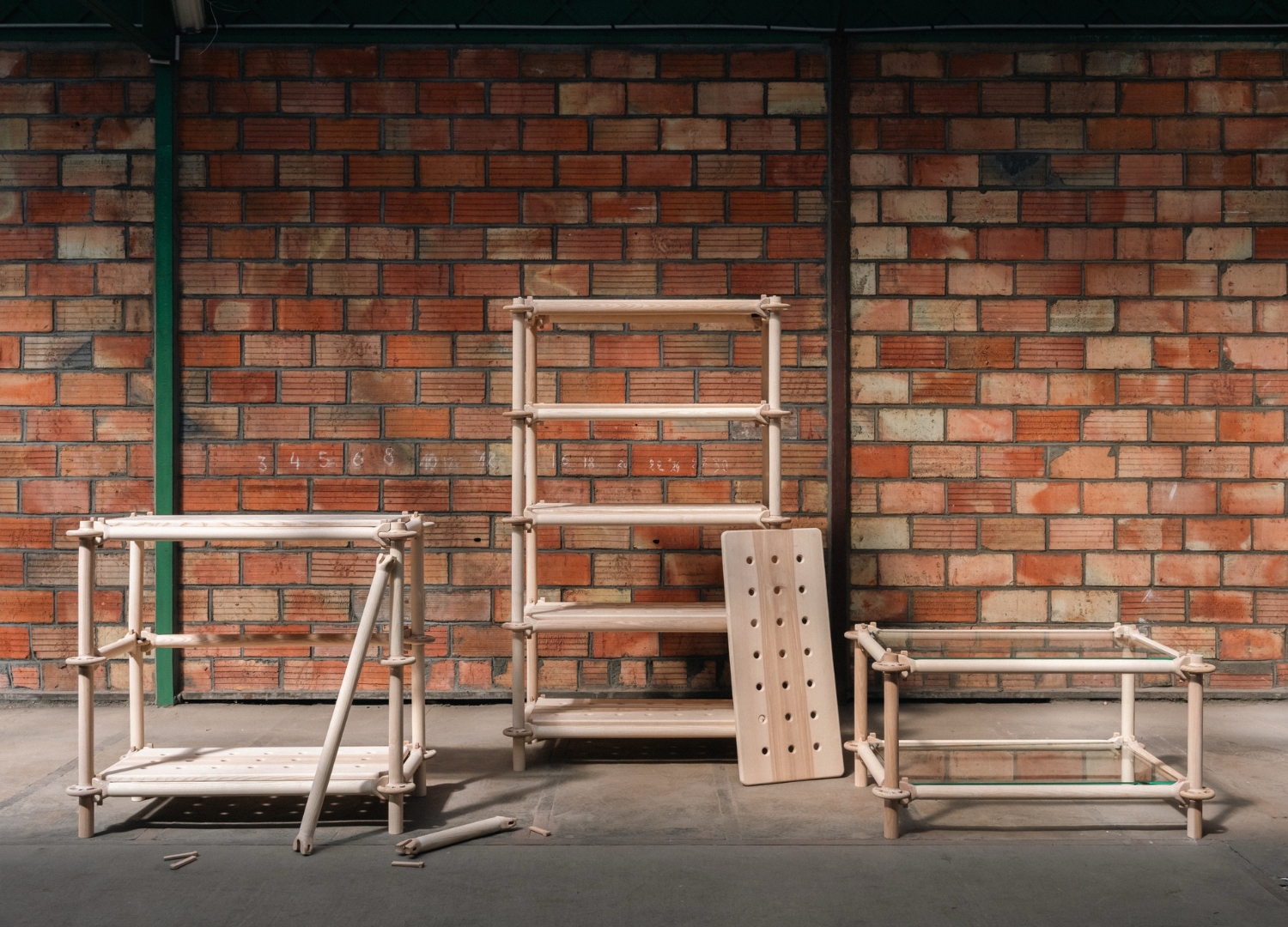
From the Design Academy Eindhoven show, Arnaud Sallard looked at the scaffolding that always seems to be wrapped around Paris, and saw furniture in it. His collection is a pale ash system that keeps the logic of scaffolding but loses its heaviness: rails joined by rounded connectors and removable pins, machined with five-axis CNC precisions for everything to fit cleanly.
A structure usually read as temporary, heavy, and annoying becomes soft and ready for the home. The same standard pieces can also be unpinned and rebuilt into shelves, tables, benches, chairs, or a sofa frame, so the shelving units that were on display are just examples, not final answers.
JOYN by HAK Studio
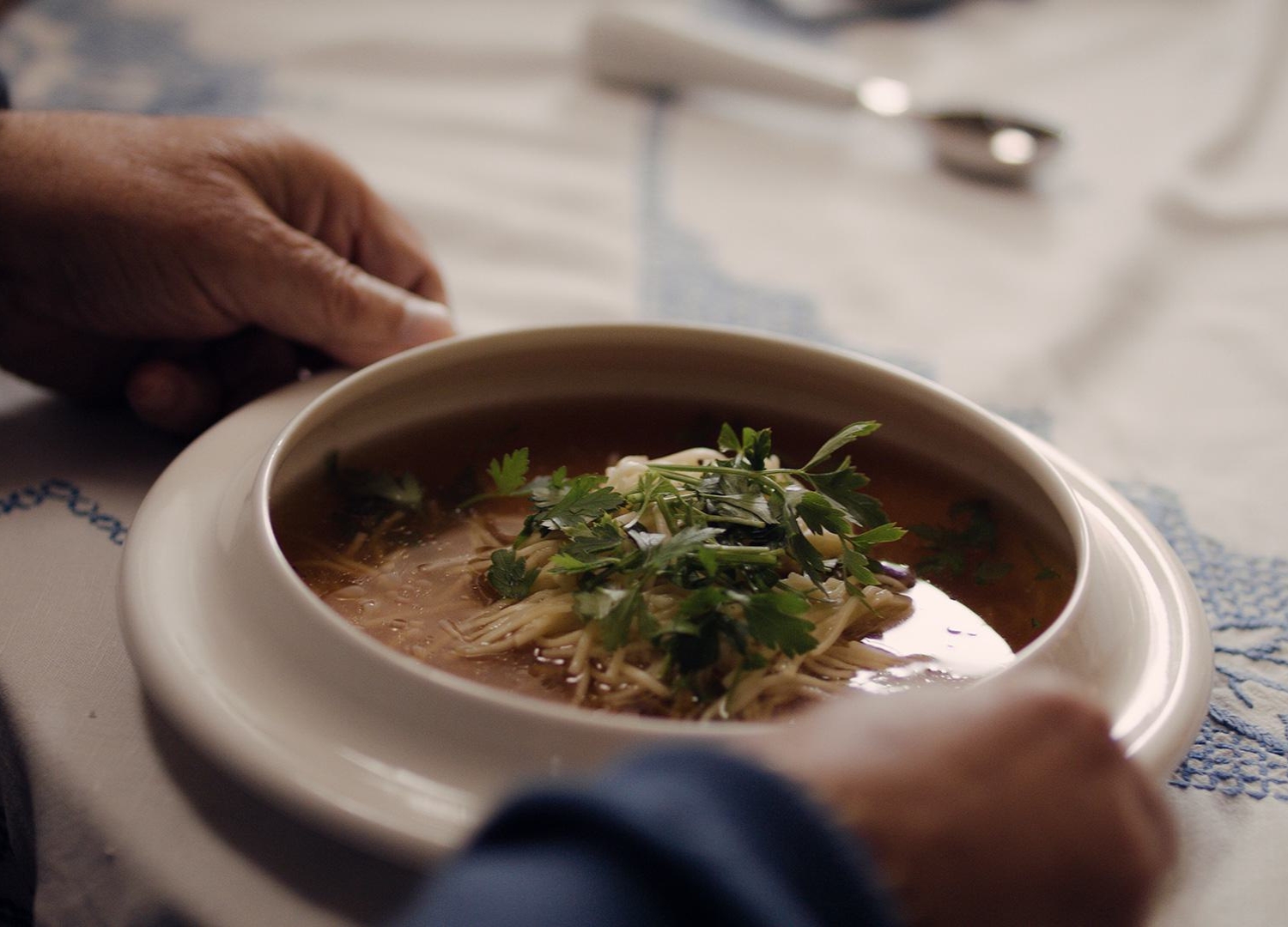
JOYN is a porcelain and stainless steel tableware collection for older adults and people with neurodegenerative conditions, aiming to support their independence, dignity, and the joy of eating together. The set features plates designed with specific curves to make eating with tremors less messy, and cutlery with a higher weight and different balance points to increase stability.
While most adaptive solutions are made of plastic and resemble something for children, JOYN was developed to look particularly beautiful and elevated, reducing social stigma and making it easier and more pleasurable for people to sit at the table with those they love.
Afterimage by Kas Hofman
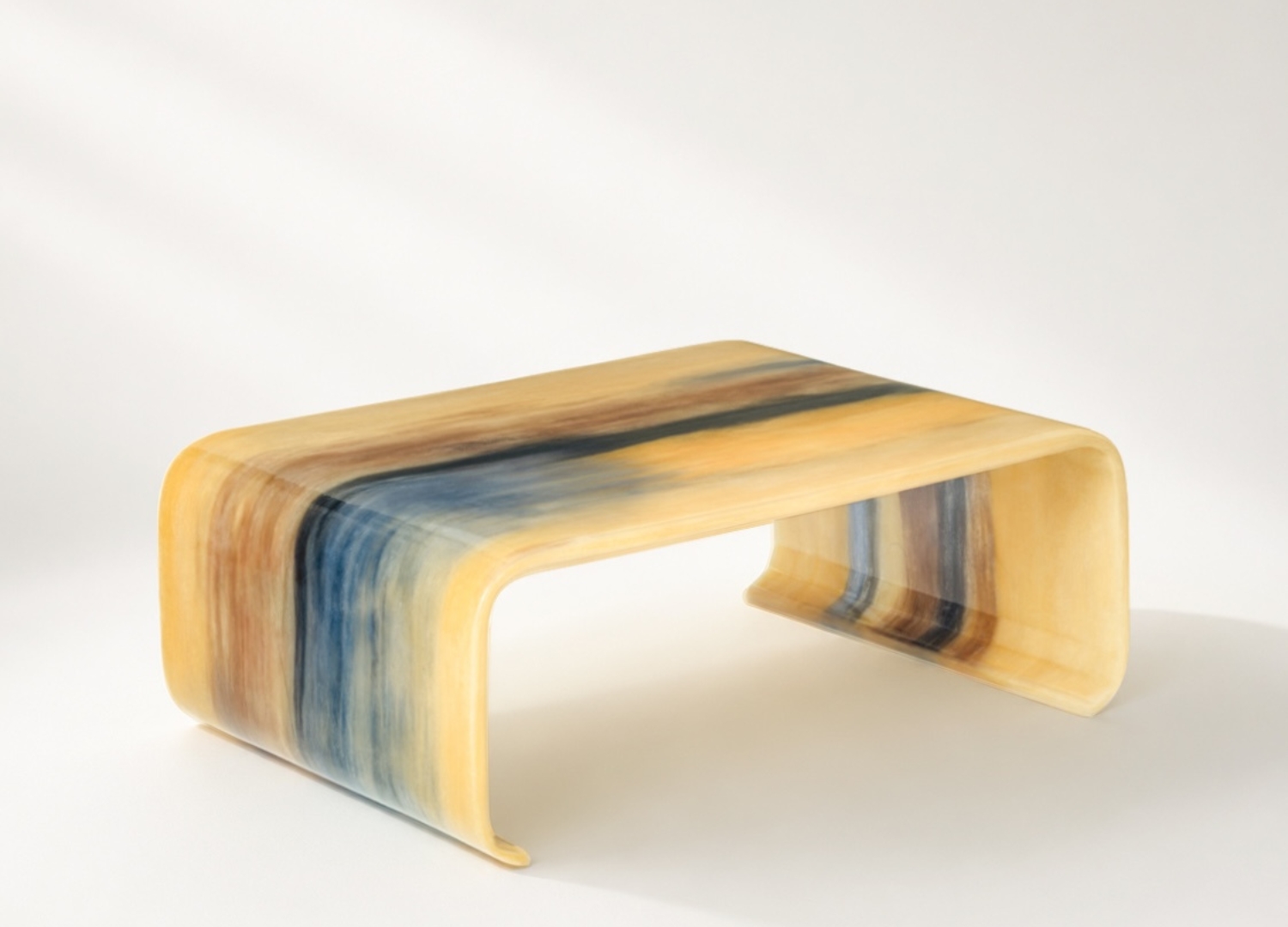
This collectible furniture collection was on show at Forward Furniture, an exhibition curated by Liv Vaisberg where she asked designers to present collections that featured at least 3 pieces. Hofman’s work is made from natural wool and transparent resin, an odd composite developed by the studio in which the fibres form the body of each piece and create layered depth.
The name of the collection is evocative of its aesthetic, as daylight sinks into the clear resin and makes bands of yellow, blue, and brown glow and soften into one another, kind of like the ghost image that lingers after you look at something bright. Every piece is laid by hand, so no two are the same.
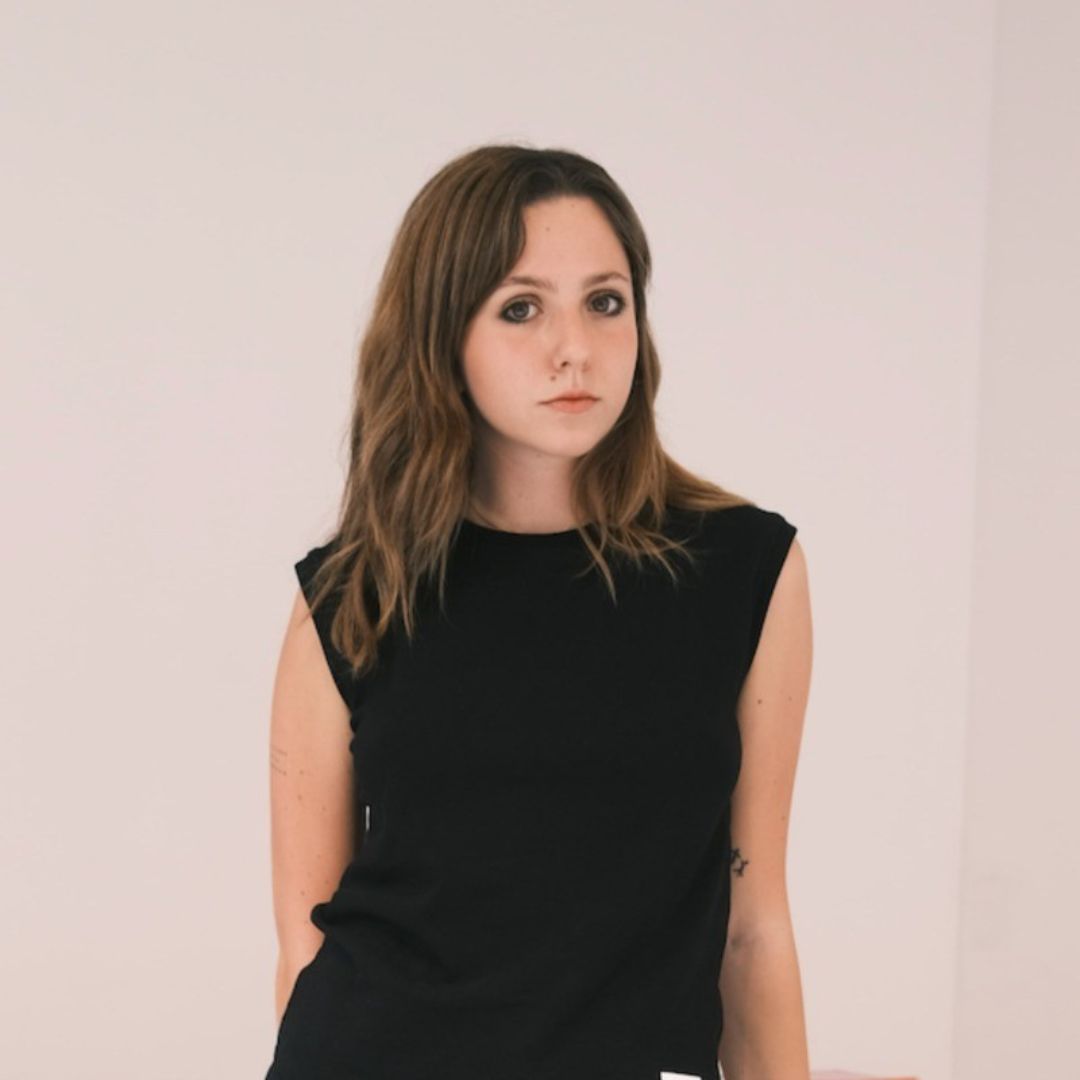
Anna Lazzaron
Anna Lazzaron is a designer, writer, and researcher based in Milan and Barcelona, working across material exploration and speculative practices.