


This episode of Behind brings us into conversation with Nicolà Munaretto and Guido Tesio, co-founders of ganko, an architecture studio whose work is defined less by statements and more by restraint. From the beginning, their practice has been shaped by a clear but demanding ambition: to design spaces that are formally precise and spatially rarefied, while remaining generous enough to host lives that are complex, unpredictable, and free.

Ganko’s architecture often appears simple at first glance. Volumes are reduced, forms are synthesized, gestures are controlled. But this simplicity is not ideological, nor is it driven by a moral stance in favor of minimalism. For Munaretto and Tesio, reduction is a working method, not a goal in itself. The intent is not to strip architecture down to an abstract minimum, but to allow it to step slightly aside. By doing so, architecture becomes a backdrop rather than a script, a spatial condition that can support different uses today and adapt to others tomorrow.
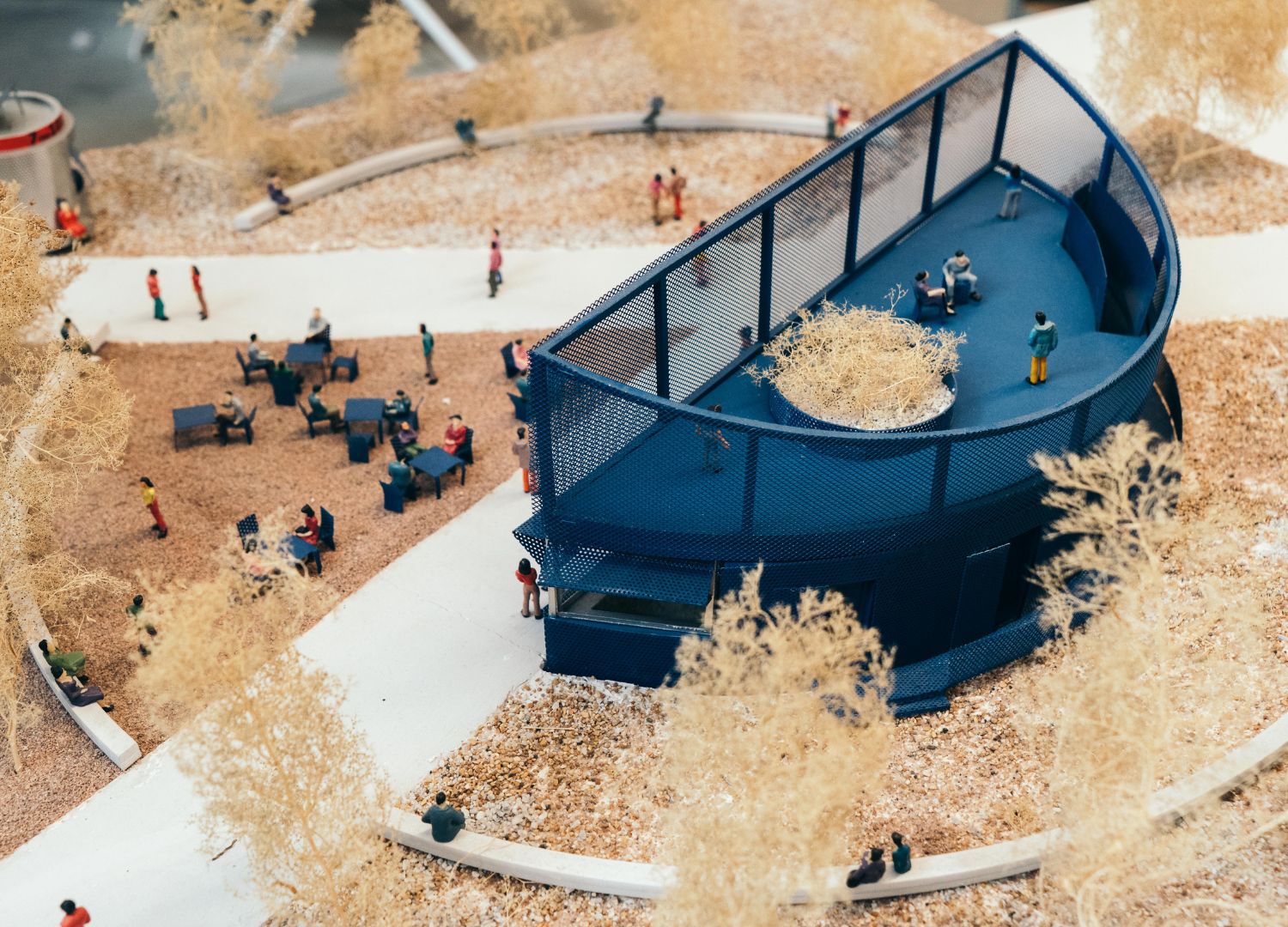
This attitude reflects a deeper belief about the role of architecture. For ganko, the essence of a project lies in the clarity of its spatial structure. Everything else comes later: life, appropriation, transformation. The people who inhabit a space, and the ways they choose to use it, are not variables to be overdetermined. On the contrary, they are the reason architecture should remain open-ended. Much of the studio’s work happens precisely in this zone of tension: arriving at a solution that is highly synthetic, yet capable of responding to a wide range of needs expressed by clients, contexts, and programs.

Munaretto and Tesio are also clear-eyed about the historical and economic conditions in which they operate. They see themselves as products of a specific moment, and their work tries to reflect that condition in a constructive way. Constraints are not treated as obstacles to overcome with expressive force, but as elements to work through patiently. Reduction, in this sense, is not about doing less, but about doing what is necessary, and nothing more.

Since its foundation, ganko has developed along several parallel lines. The studio began with a strong focus on private residential projects, a field that allowed them to test their ideas at a smaller scale and in close dialogue with clients. Over time, their practice expanded into industrial and productive buildings, offices, and corporate environments, where issues of efficiency, flexibility, and long-term use became central.
More recently, in the last couple of years, a third and increasingly important strand has emerged: public projects, often developed through competitions. Across all these areas runs a constant commitment to research, carried out by both founders as an integral part of their professional activity.
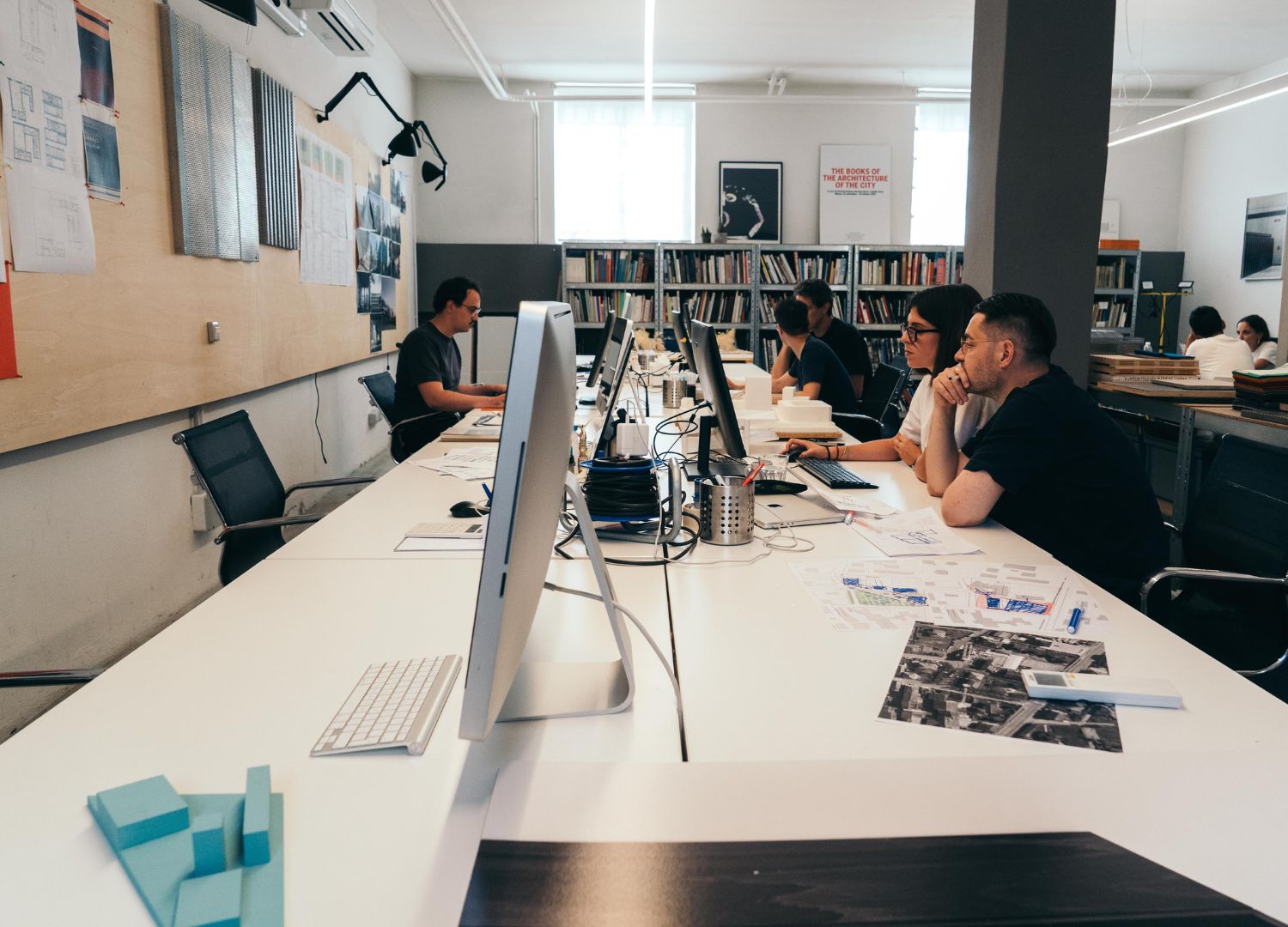
Among the projects that have played a formative role in their trajectory, the competition for the extension of the Museo del Novecento in Piazza Duomo, Milan, stands out. Although the proposal placed second, it represented a crucial moment of visibility and growth for the studio.
The project dealt with a highly complex context: the conversion of the second Arengario into new museum spaces, the relationship with the existing museum intervention by Italo Rota, and the challenge of connecting two historic buildings designed by figures such as Portaluppi and Muzio through an aerial link. Working within such a dense architectural and symbolic setting forced ganko to sharpen its approach, balancing respect for history with the need for a clear, contemporary spatial strategy.
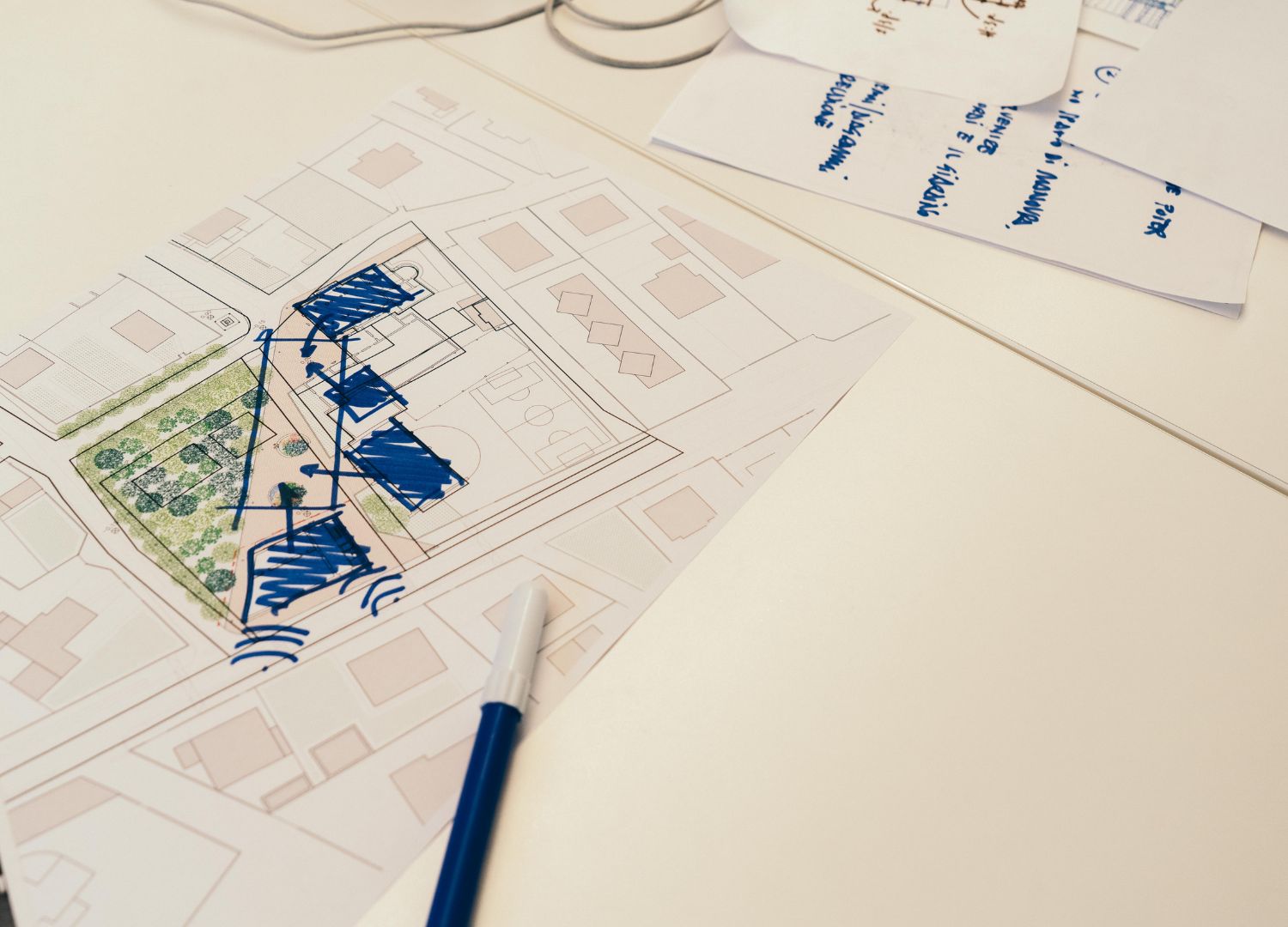
Some of the ideas explored in that competition would later find a more concrete and built expression in a recently won public project in Brescia: a new civic center housing a mediatheque, an auditorium, and a range of cultural facilities. The program includes a music school, recording studios, rehearsal spaces for dance, and areas intended for civic and cultural use. Many of these functions are, by nature, only partially defined. This uncertainty became the core of the project rather than a problem to resolve prematurely.
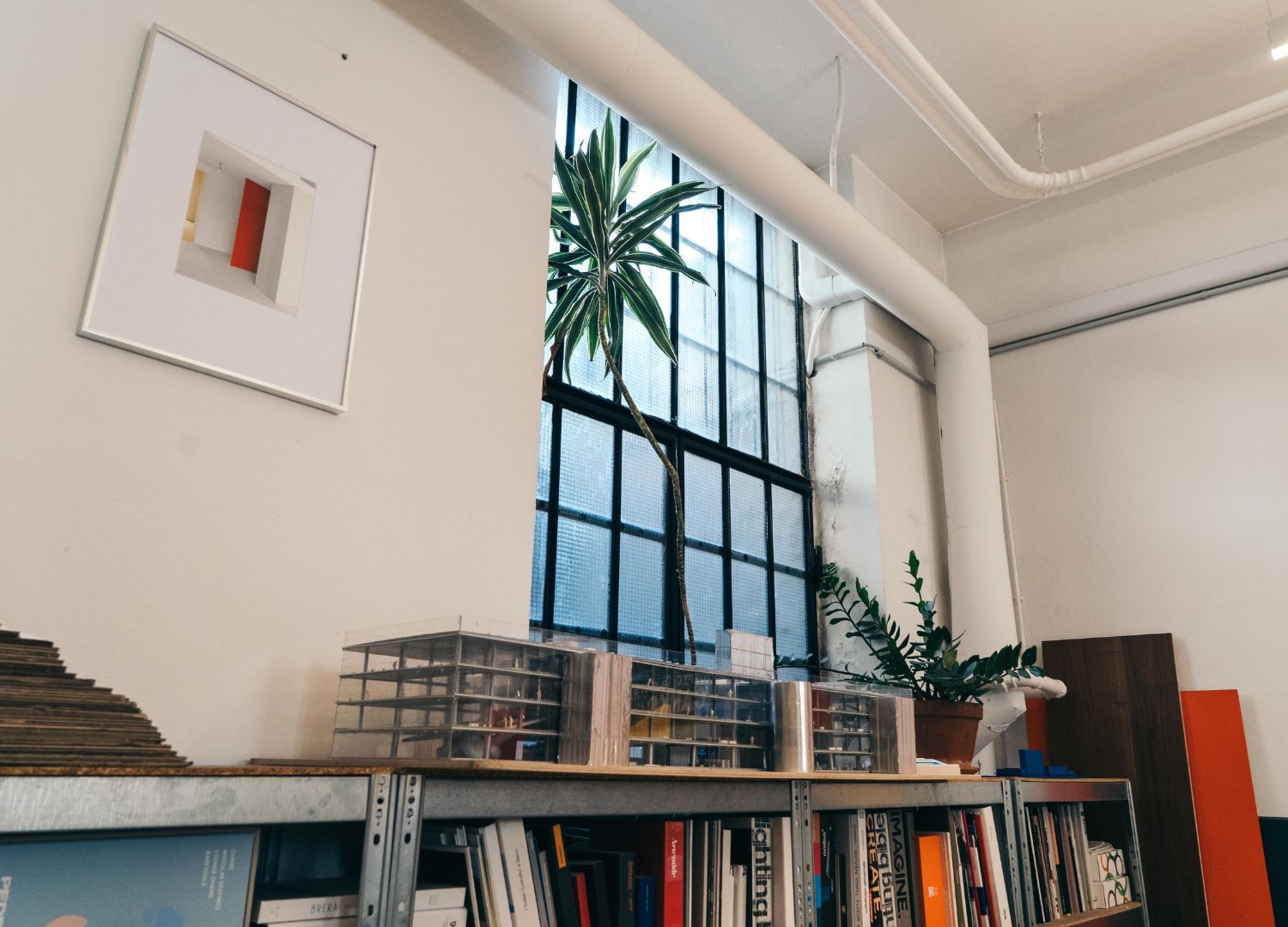
In Brescia, ganko was asked to design not a finished object, but a container capable of accommodating uses and practices that will evolve over time. For the studio, this was the first real opportunity to test, at a built scale, their idea of architecture as infrastructure: a framework for a palimpsest that neither the architect nor the client can fully predict. The building does not prescribe how it should be used. Instead, it offers spatial clarity, robustness, and adaptability, trusting future users to complete it through their actions.
Across different typologies and scales, this trust remains a constant in ganko’s work. Their architecture does not seek attention, but presence. It is precise without being rigid, reduced without being impoverished. By focusing on what they consider the essence of architecture, Munaretto and Tesio create spaces that are ready to be inhabited, changed, and reinterpreted. In doing so, they leave room for what matters most: life unfolding, freely, within and beyond the forms they design.
The original BEHIND series comes to life thanks to the invaluable support of our trusted partners: