

What does it mean to design for human life? Il Prisma responds to this question by placing behaviors, relationships, and experiences at the core of its practice. In this episode of Behind, Stefano Carone, CEO and Founder, and Michele Pini, Business Unit Director, describe a vision of architecture not as a static structure but as a living system of connections, capable of shaping the ways in which people interact with each other and with their surroundings.
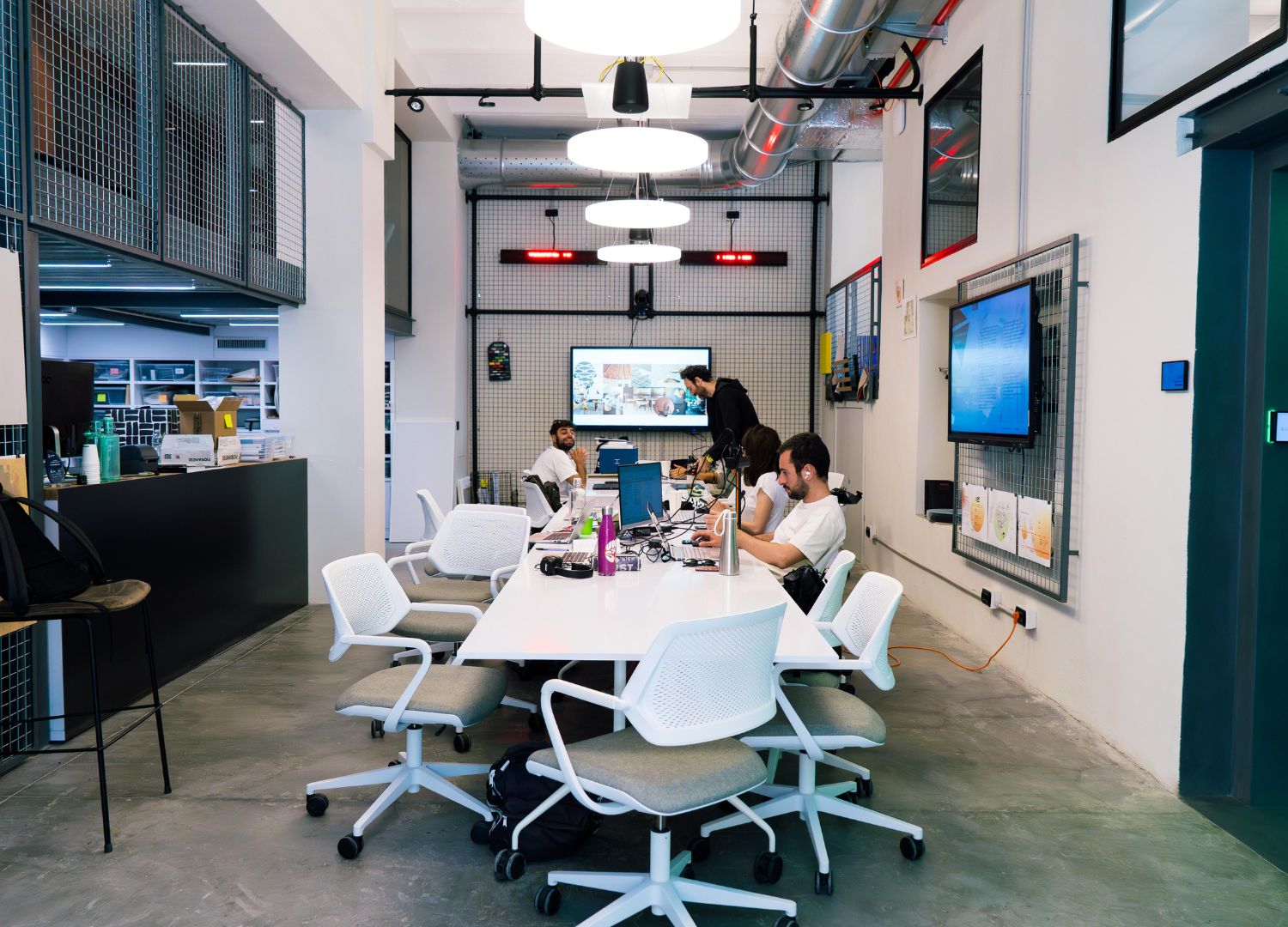
This philosophy, captured in the studio’s payoff Design Human Life, redefines the very starting point of a project. Instead of focusing on form or technical constraints, Il Prisma begins by observing how life unfolds within spaces. A workplace is analyzed through the lens of collaboration, a hotel through the lens of guest experience, a city through the dynamics of its communities. What emerges is a design process deeply rooted in everyday reality, attentive to human needs before architectural solutions.
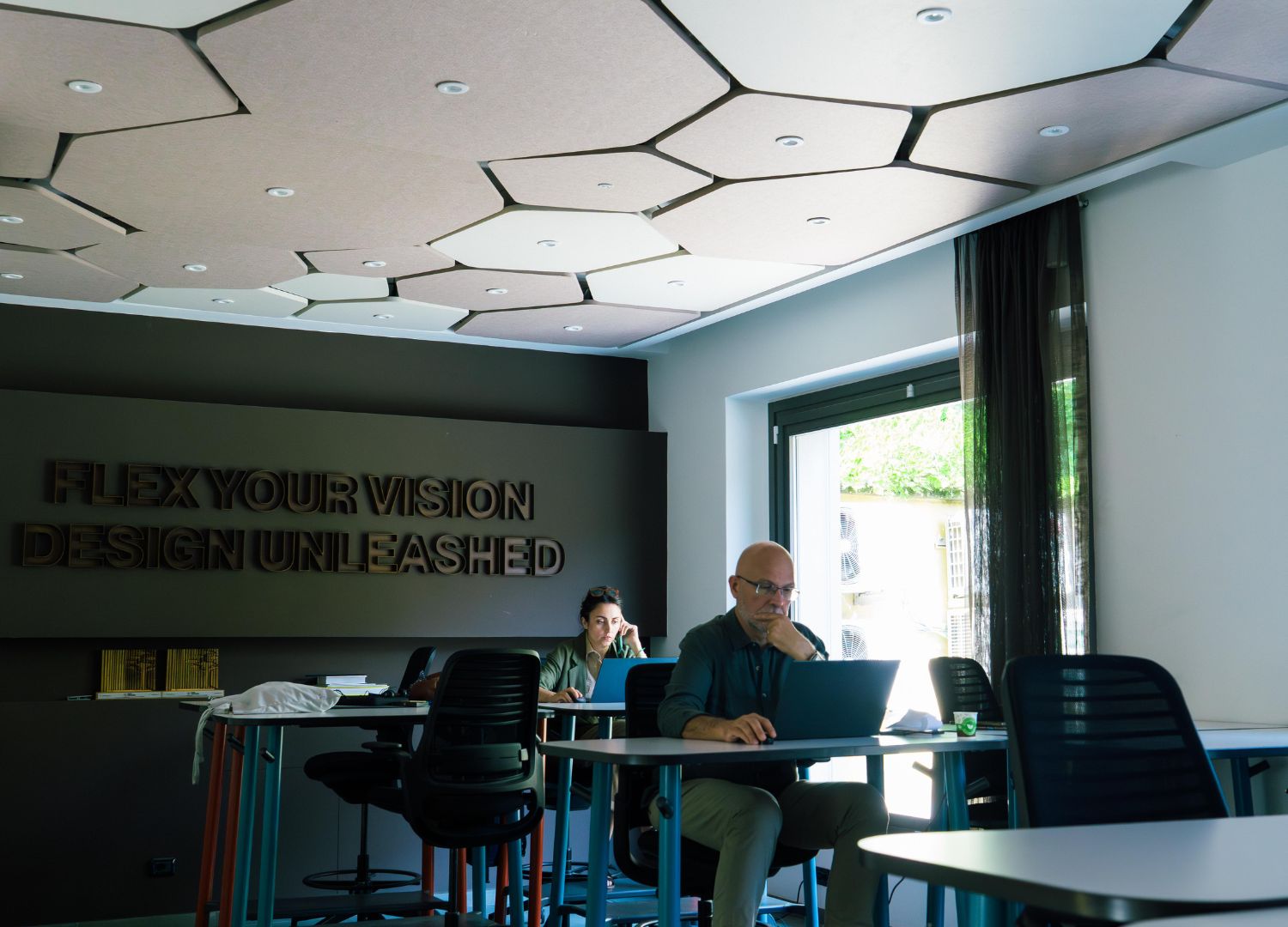
By approaching projects in this way, architecture ceases to be an isolated object. It becomes an ongoing dialogue between people and places, between private use and public benefit. Each project is conceived as a system of relationships that extends far beyond its walls, influencing the broader environment in which it is situated.
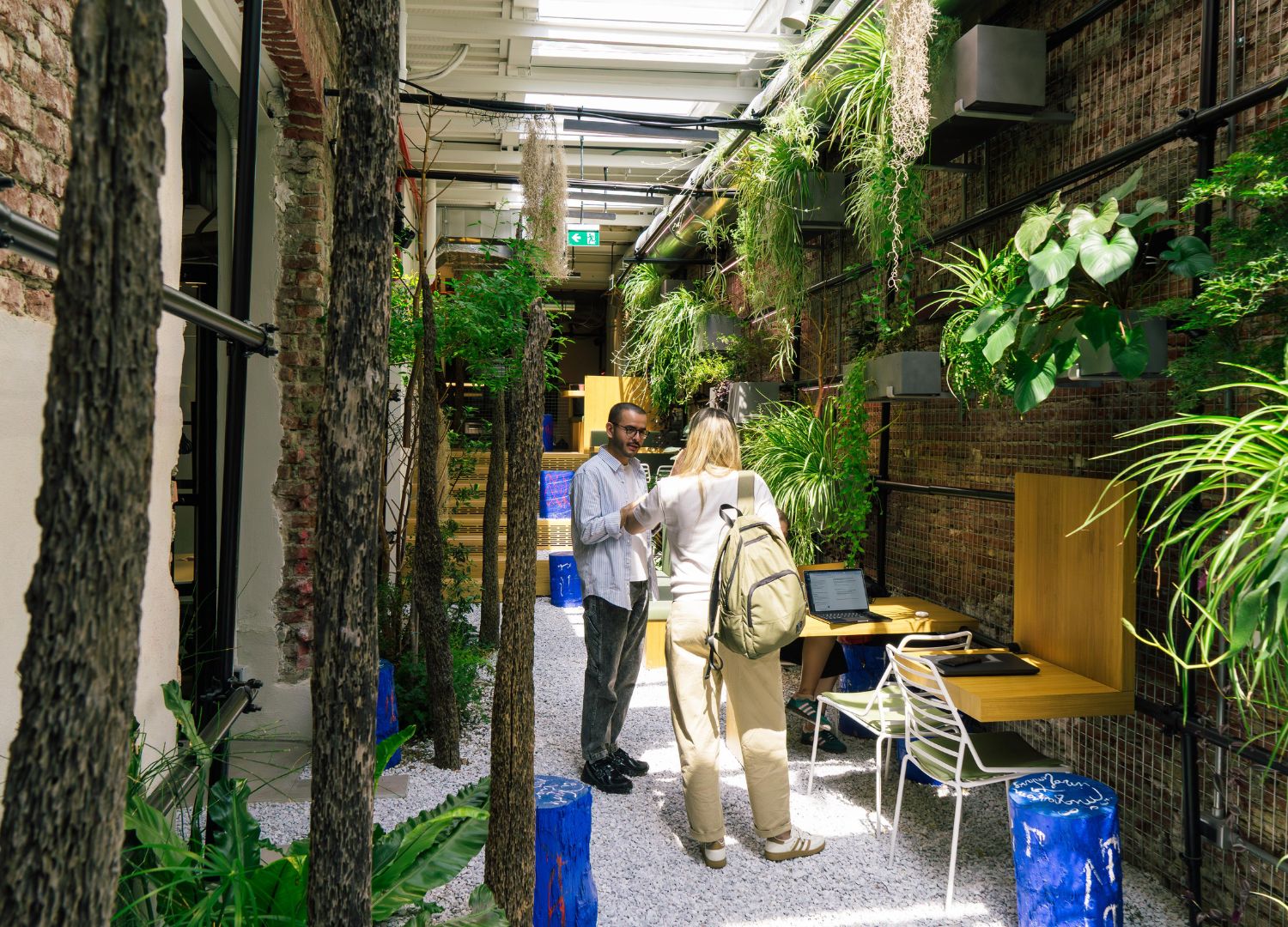
This awareness also shifts attention to phases of architecture that are often overlooked. Il Prisma highlights the construction site as one such moment. While it concentrates immense resources—human energy, investments, hours of work—it is rarely recognized as part of the cultural or social dimension of design. Too often, the site is treated as a temporary inconvenience rather than as a meaningful stage of the project’s life.
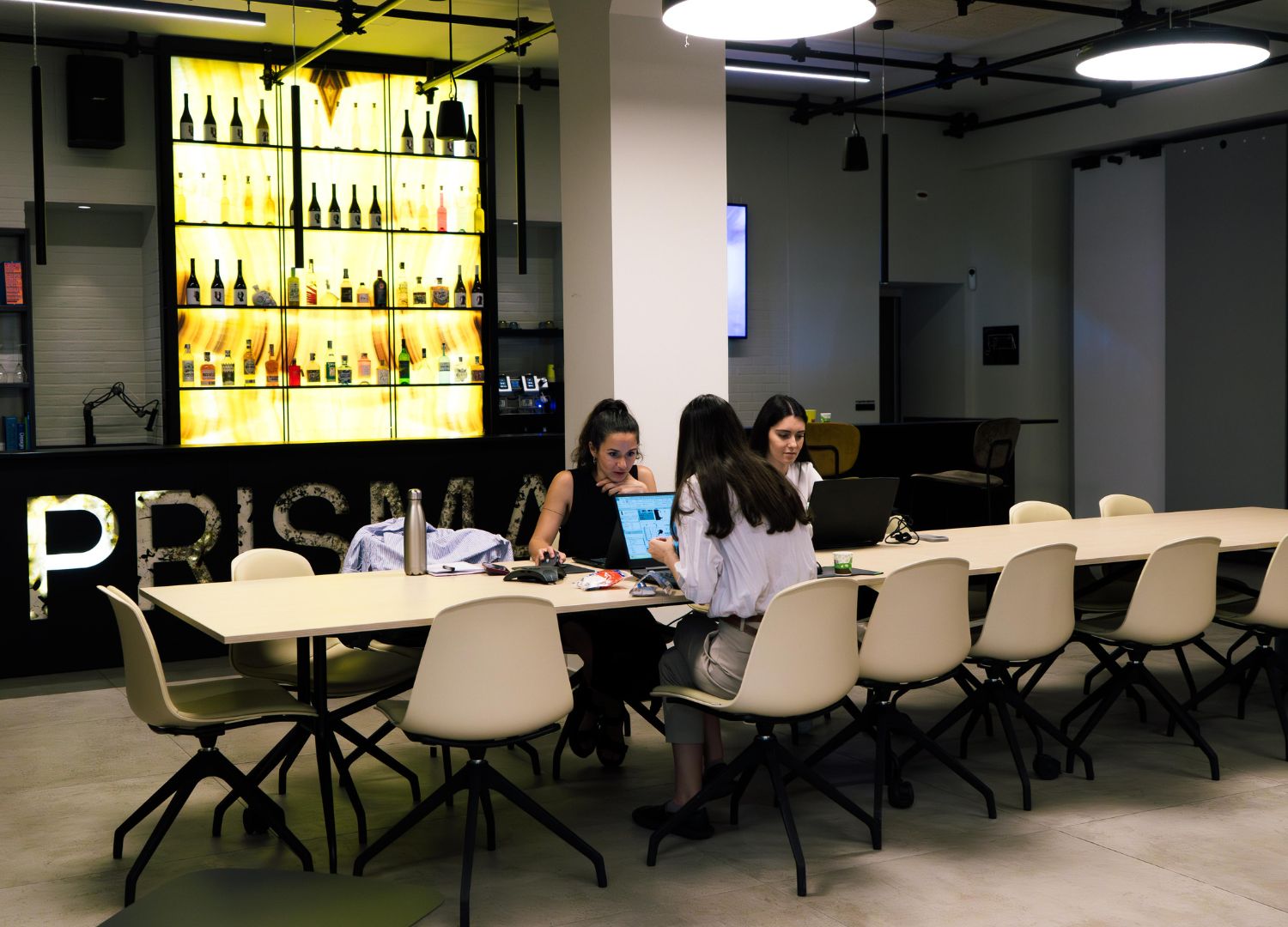
Il Prisma challenges this perception through the Cantiere Sostenibile (Sustainable Construction Site). This initiative creates an internal protocol that brings sustainability into the process of construction itself. Circularity, energy efficiency, and ethical supply chains guide the way, ensuring that the building phase aligns with the same values expected of the completed work. The goal is not only to deliver sustainable architecture but also to generate a positive impact during the act of building—an experience where workers, communities, and the environment are all acknowledged.
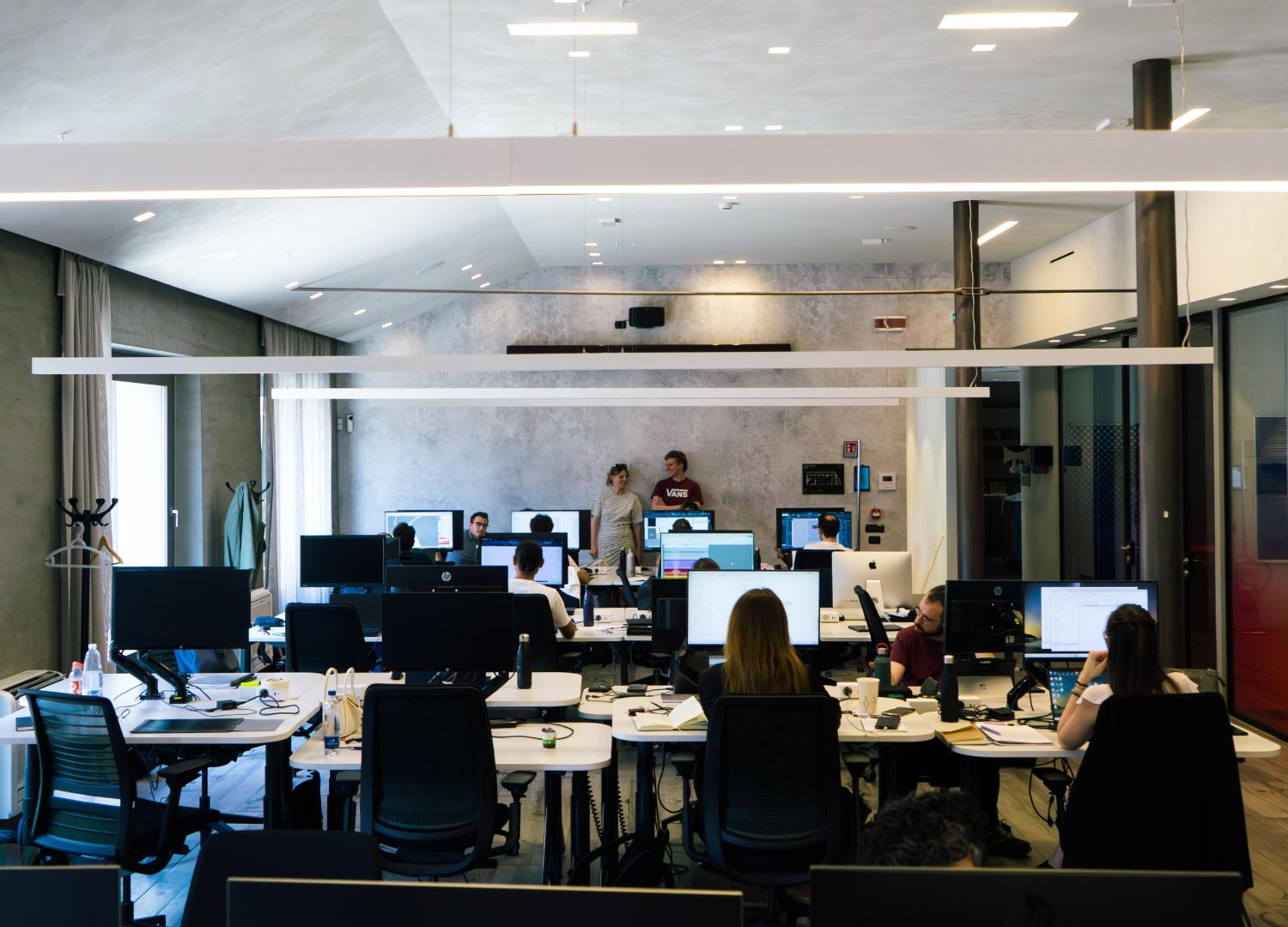
From here, the studio pushes further with the Cantiere Sociale (Social Construction Site). In this case, the site is no longer just a technical space but becomes a cultural and civic one. Il Prisma facilitates connections between developers, associations, schools, cooperatives, and citizens, turning the construction period into an opportunity for education, inclusion, and regeneration. Rather than a closed and disruptive process, the site opens to its neighborhood, redistributing energy and resources back into the local fabric. It becomes a stage not only for architectural progress but for strengthening social cohesion.
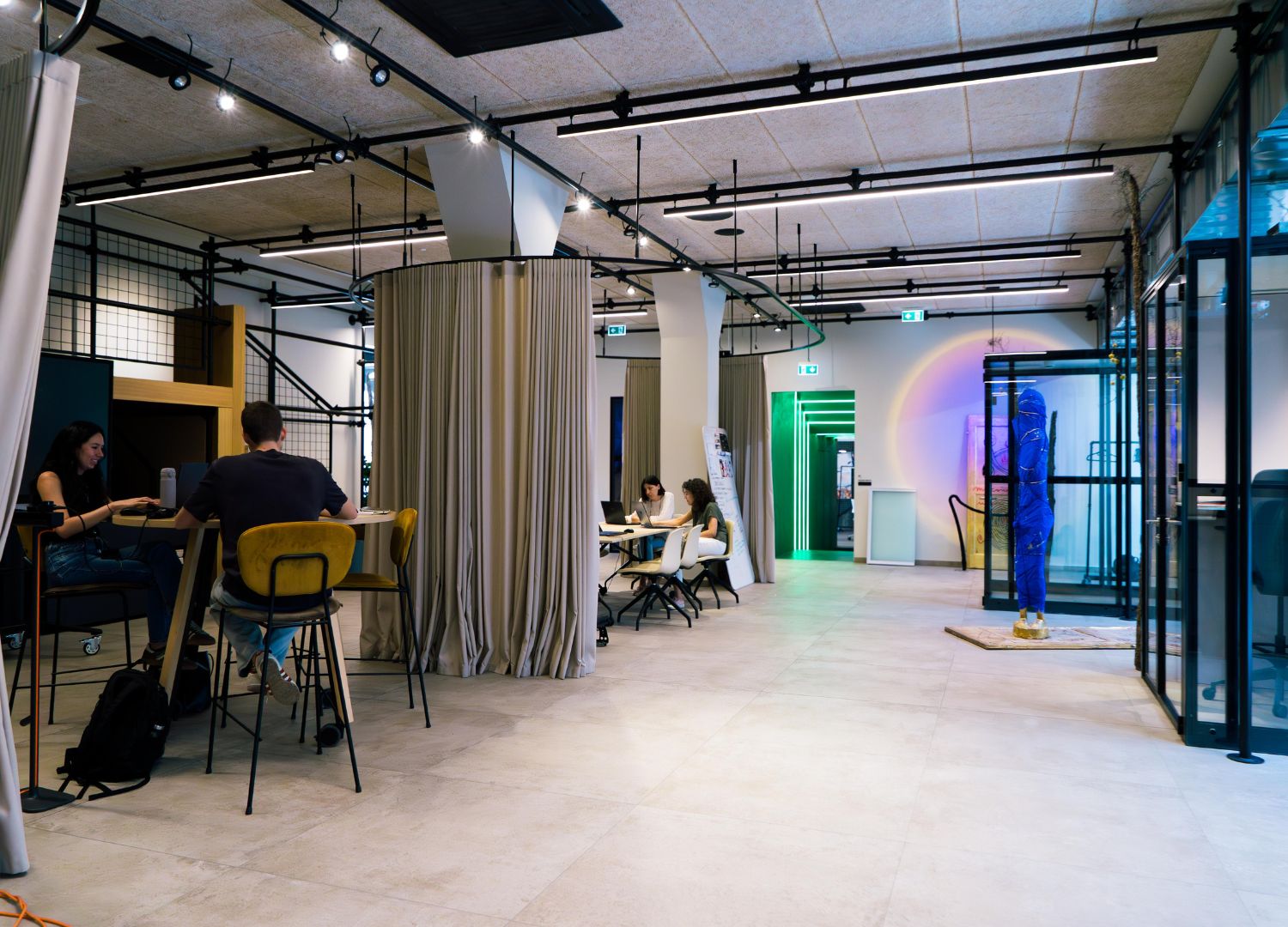
These initiatives underline a broader ethical stance. Il Prisma often works for high-profile brands or hospitality groups, projects that could easily become enclaves—exclusive spaces detached from their surroundings. The studio resists this risk by extending the benefits of such investments outward, ensuring that the presence of a new hotel or office complex enriches the life of its district rather than isolating itself from it. In this way, architecture becomes not only a private asset but also a shared cultural and social good.
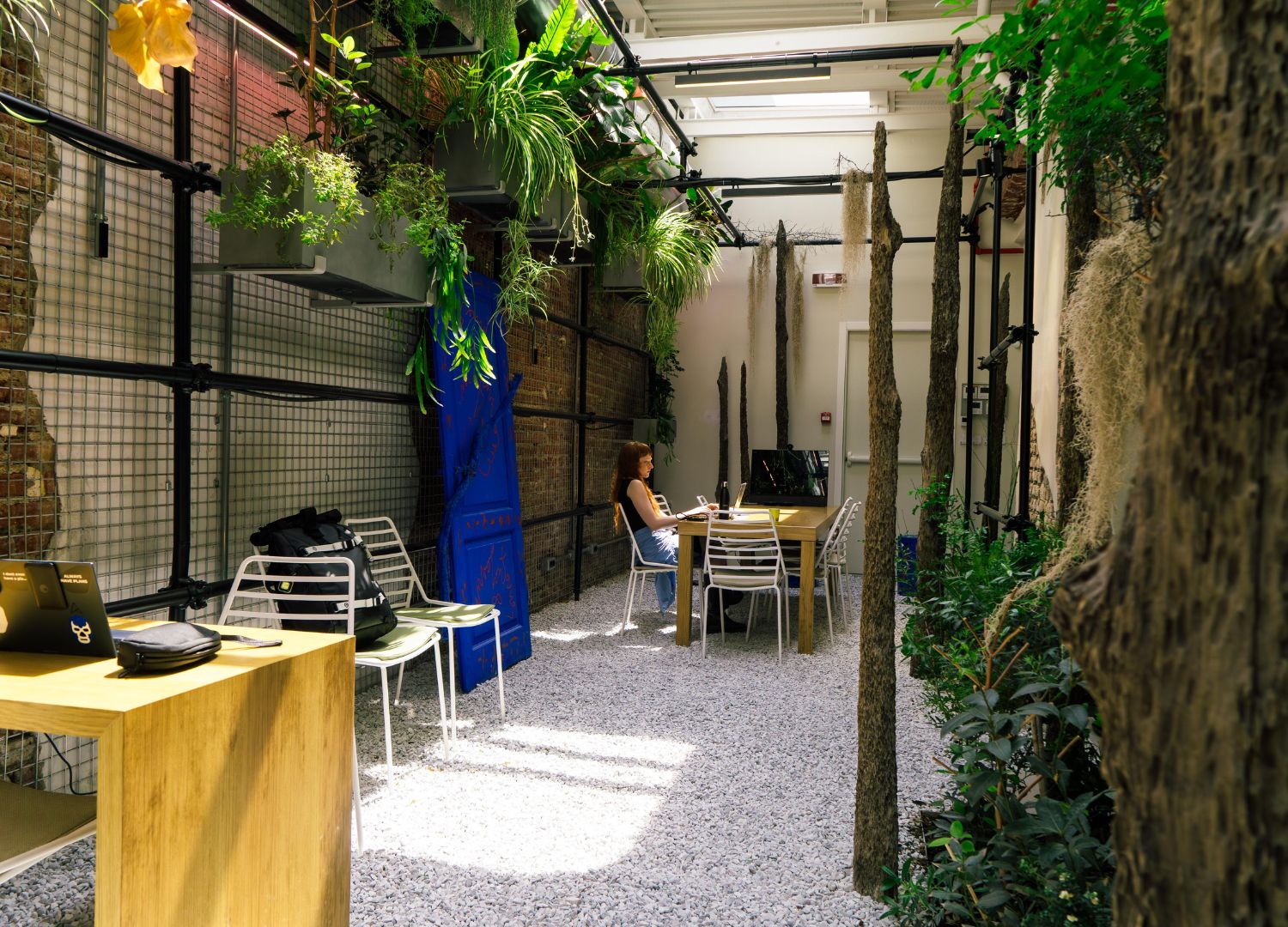
At the core of this approach is the conviction that architecture carries a duty of care. Care for people, care for society, and care for the environment. This duty does not end with the design phase, nor even with the completed building. It extends to every stage of the project’s existence, including the construction site, where attention to wellbeing and responsibility can make a tangible difference.

Through this lens, architecture becomes less about objects and more about connections: connections between individuals and their environments, between temporary processes and long-term impacts, between the energy invested in building and the communities that benefit from it. Il Prisma demonstrates that design can be an instrument of responsibility, a means to generate cohesion and awareness as much as shelter and function.
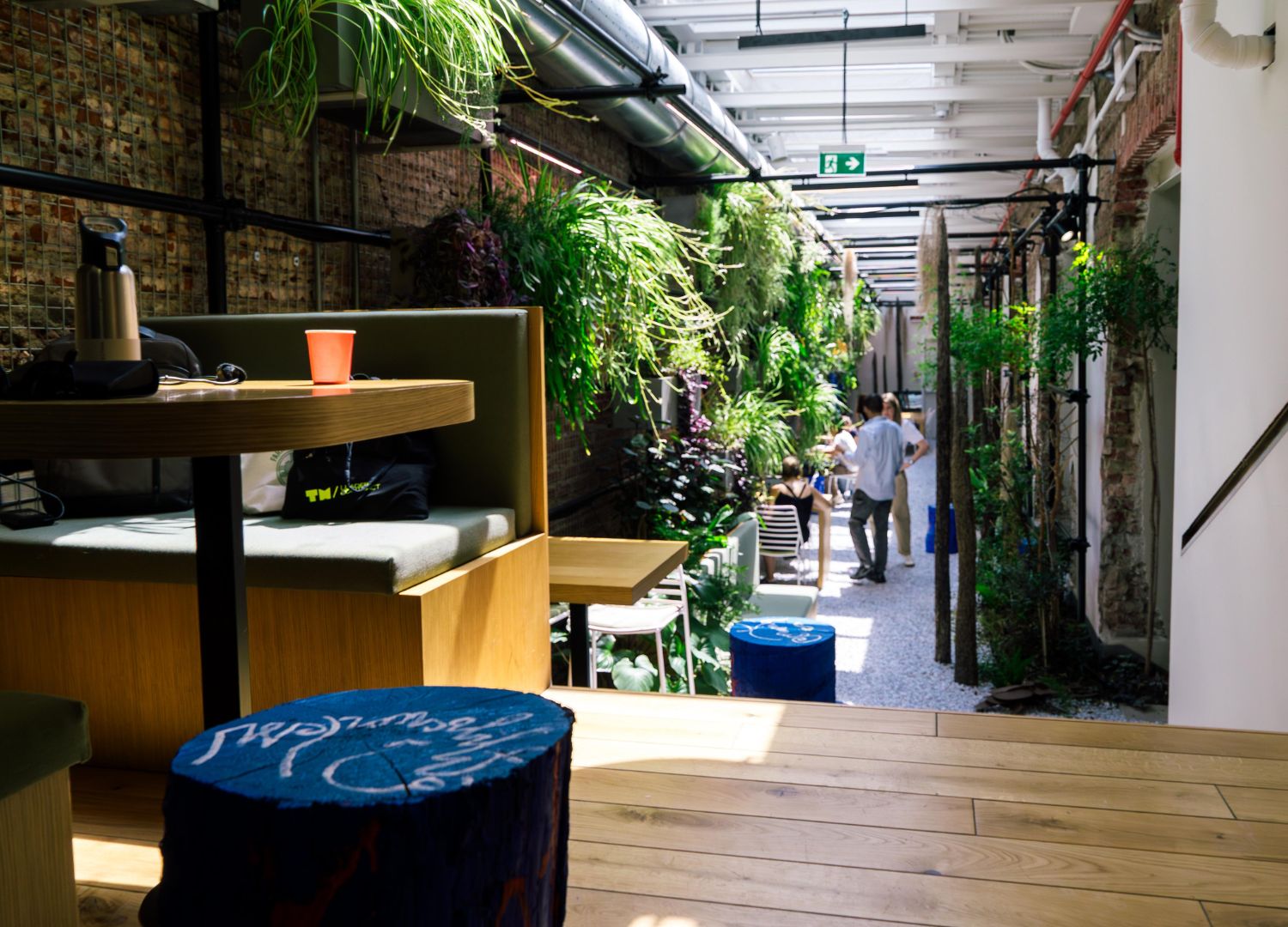
To design for human life, then, is to recognize architecture’s power to shape relationships. Buildings are not neutral containers; they influence behaviors, experiences, and the quality of collective life. By adopting this perspective, Il Prisma shows that architecture can move beyond form and utility to become a framework for care and connection, a system in which spaces are inseparable from the lives they host.
The original BEHIND series comes to life thanks to the invaluable support of our trusted partners: