


In this new episode of Behind, designer Fabio Verdelli offers an overview of a practice that moves between Milan and Foshan, near Guangzhou, connecting Italian design culture with one of China’s most active manufacturing regions. His two studios work across product design, consulting and technological innovation, covering domestic appliances, everyday devices and advanced products capable of establishing new categories.
Technology plays a central role in Verdelli’s work. His approach questions the visual codes commonly associated with innovation, including metallic surfaces, aggressive forms and the deliberate display of technical complexity. He advocates products that make technology feel natural, familiar and closely connected to daily life.

He describes this field as “gentle technology”, an approach informed by furniture, interior architecture, fashion and soft goods. Leather, textiles and other materials associated with comfort and the body can give electronic products a warmer and more familiar character. The objective is to reconsider how people encounter technology and how naturally it can enter domestic environments.
This perspective becomes particularly relevant as technological development generates categories with few established formal references. Verdelli sees an opportunity to establish new relationships between advanced systems and familiar material cultures, moving away from the futuristic imagery often applied to innovation. Technical performance, clarity and ease of use all contribute to the value of an object, allowing it to become part of everyday routines without demanding constant attention.
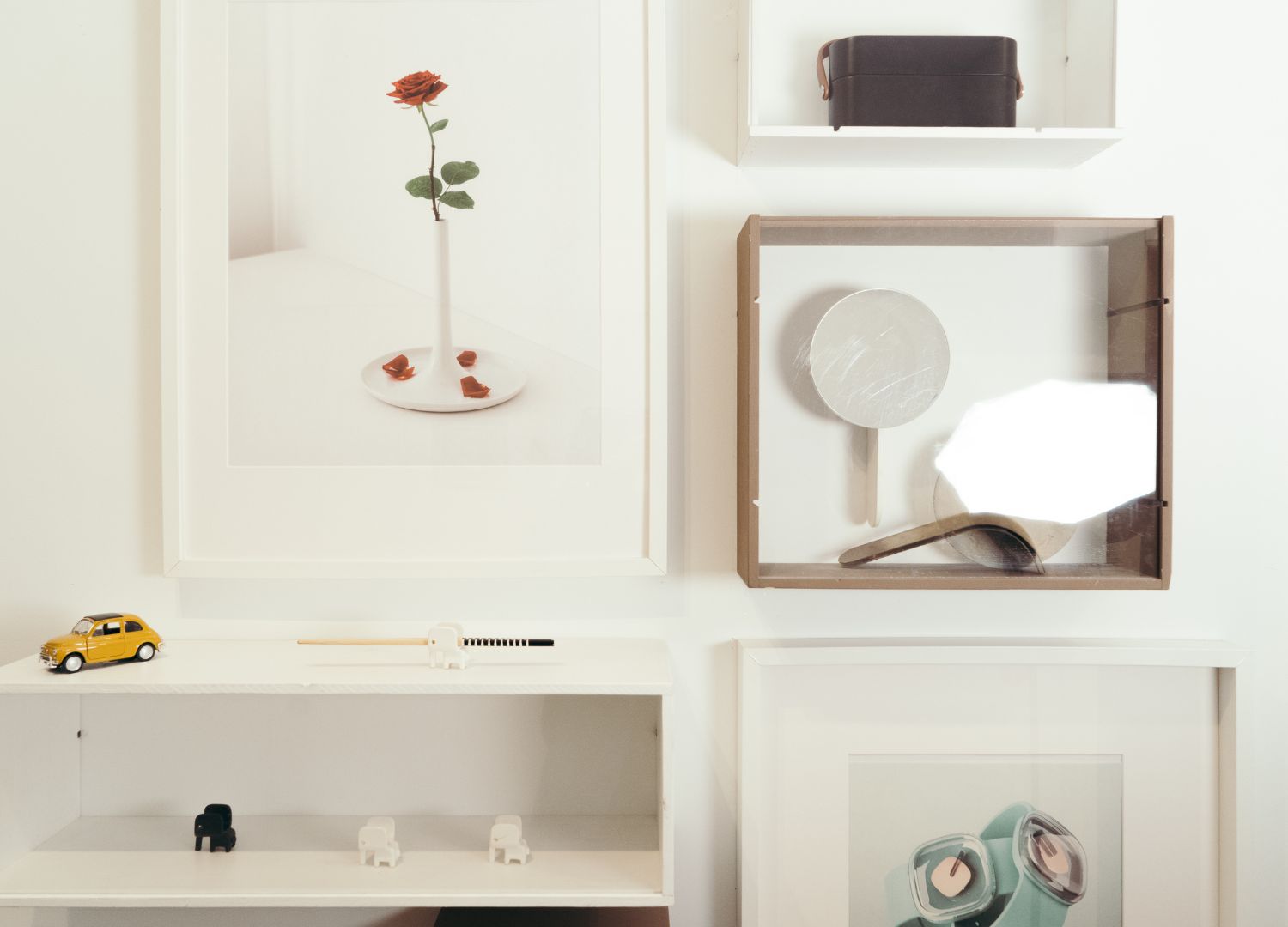
His studios operate through an international network of clients, suppliers and manufacturers. Verdelli is therefore cautious about describing his work as entirely Made in Italy. Contemporary products frequently draw on components, skills and industrial processes from several countries before reaching their final form.
Within this international structure, Italian design culture continues to provide a distinct way of making decisions. Verdelli associates it with essentiality, intrinsic beauty and natural elegance, supported by the ability to achieve expressive results with restraint. These qualities could give Italian designers and companies a specific role in shaping the next generation of technological products.
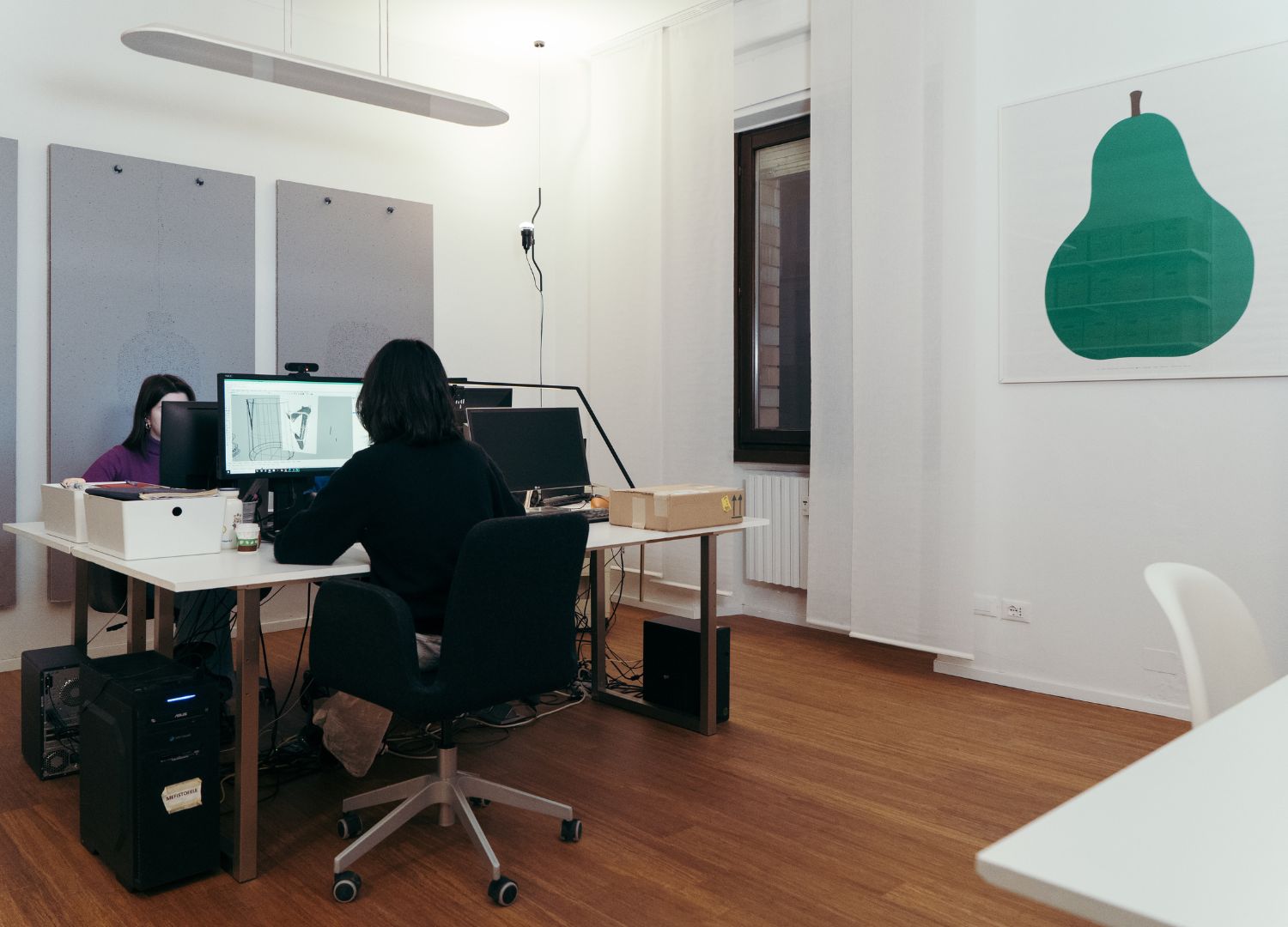
Consumer electronics have long been influenced by Nordic and overtly high-tech languages. Verdelli sees emerging technologies as fertile ground for a more Mediterranean perspective, grounded in cultural depth, material warmth and an understanding of objects as part of everyday environments. Established design intelligence can offer relevant tools for addressing unfamiliar technological conditions and defining the character of new product categories.
Verdelli captures this attitude through the expression “smugglers of wonder”, originally used by a journalist to describe Italian designers. The phrase refers to their capacity to produce surprise in difficult circumstances, with limited resources or within industrial constraints. Wonder emerges through judgement, restraint and an unexpected resolution of the ordinary, giving familiar objects a quality that exceeds their immediate function.
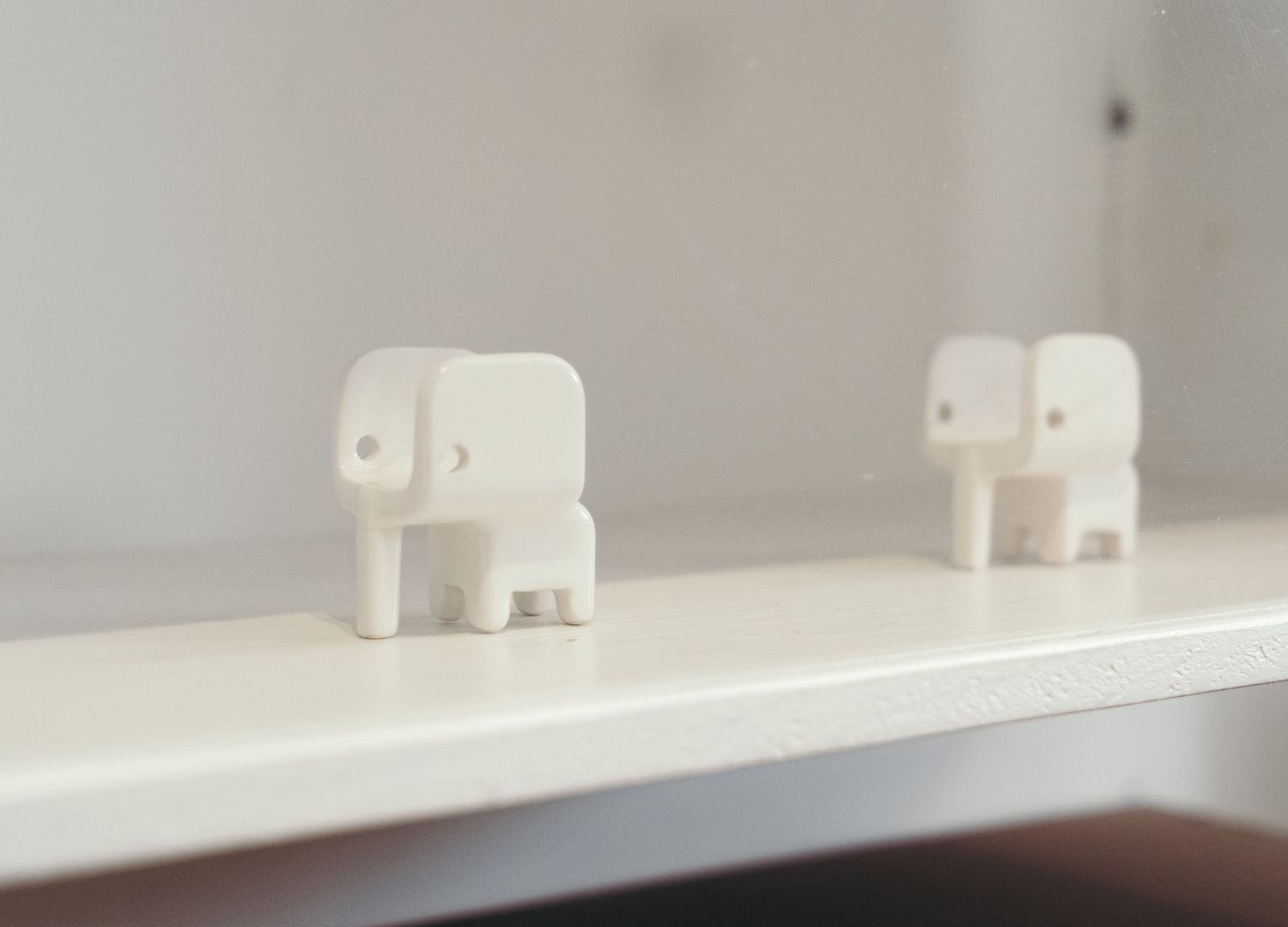
To explain this principle, Verdelli turns to Italian gelato. Its character often comes from a deliberately limited composition and the precise handling of a few ingredients. Quality depends on proportion, technique and the maker’s understanding of each element. The apparent simplicity of the result contains extensive knowledge, craftsmanship and control.
The comparison also clarifies his approach to product design. Technology offers an expanding range of functions, materials and production possibilities. The designer’s responsibility lies in selecting what is necessary, determining what can be removed and giving the remaining elements coherence. Access to more technical possibilities makes this process of selection increasingly significant.
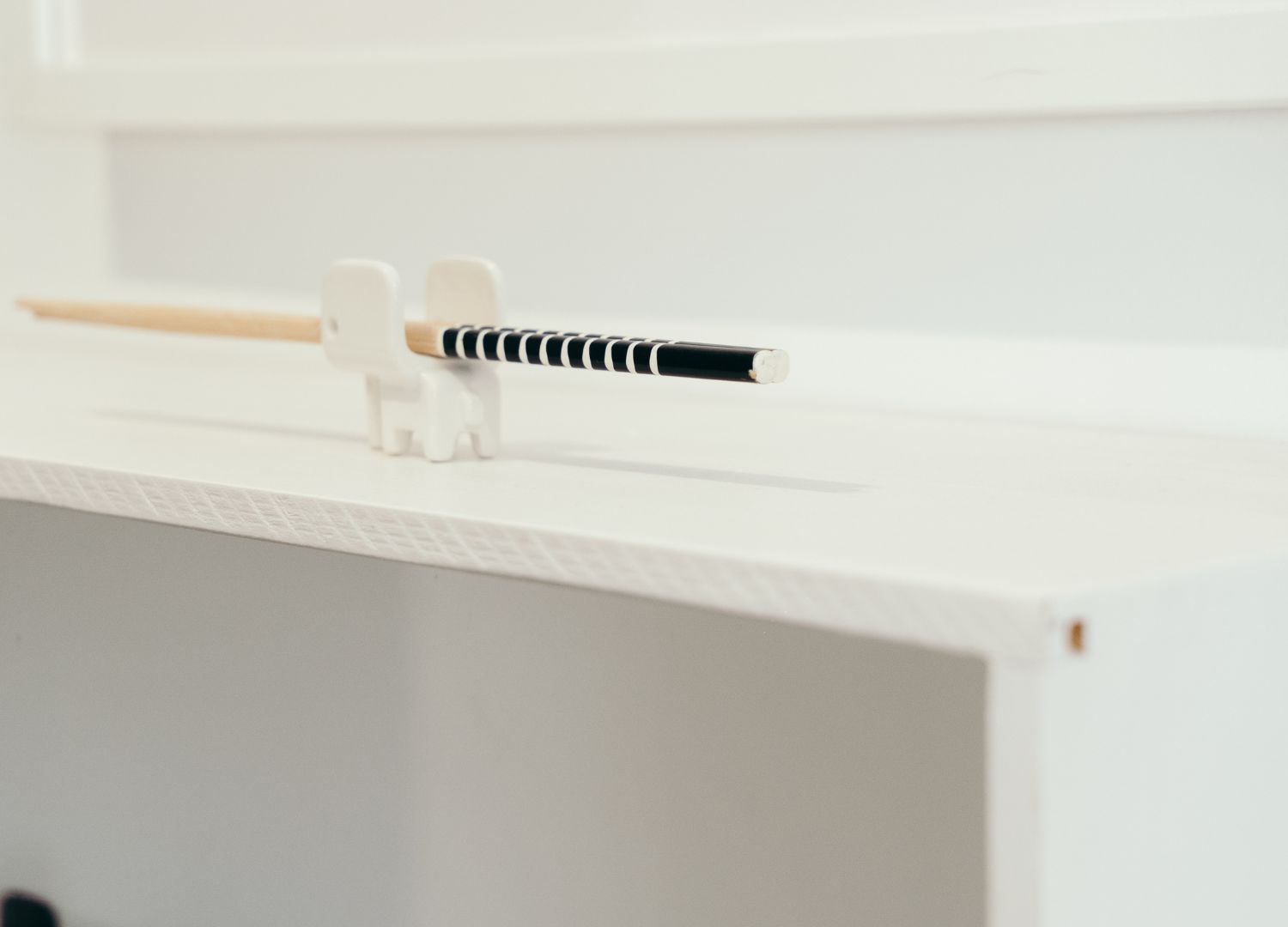
Verdelli believes Italian companies should continue to pursue this discipline as market expectations evolve. Remaining “stubbornly countercurrent” means questioning the assumption that innovation requires visible complexity or constant novelty. It calls for confidence in quieter objects whose value becomes apparent through use and develops through an ongoing relationship with the user.
Across his practice, the future is approached through familiarity and proximity. Advanced technology becomes another material of daily life, shaped through softness, restraint and cultural awareness. Italian design contributes as a method of seeing, selecting and giving technological progress a more human scale, extending its influence beyond geographical origin or a fixed definition of Made in Italy.
The original BEHIND series comes to life thanks to the invaluable support of our trusted partners: