What if your bike could detect a crash risk before you do?
Don’t wait for danger. Anticipate it. Canyon Predict combines cameras, radar and artificial intelligence to read what is happening on the road and predict potential risks. A system designed to turn the bike into a true safety ally.
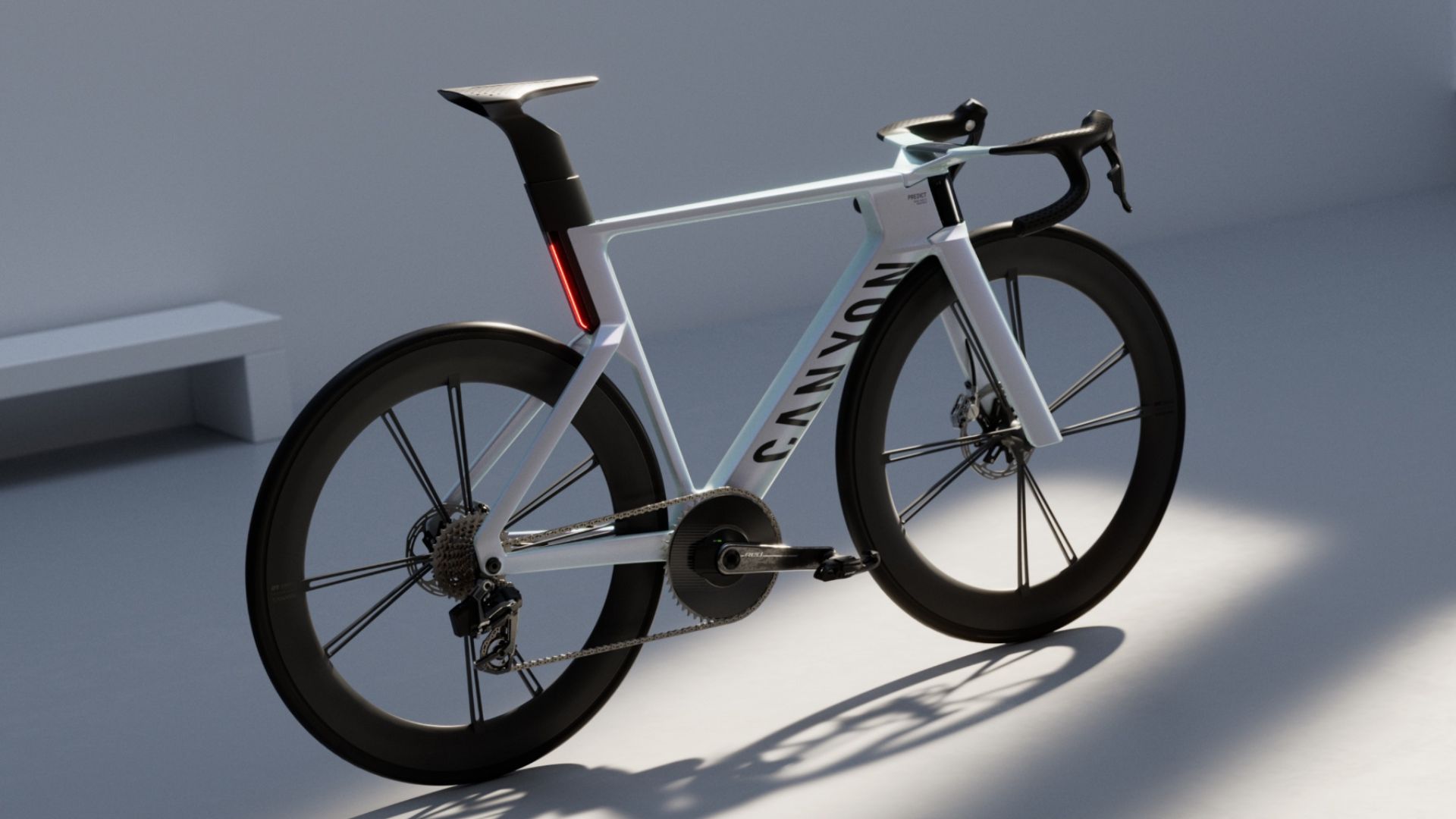
What if a bike could see what the rider cannot? This is not futuristic fantasy, but the principle behind Canyon Predict, a concept through which Canyon, the German bicycle manufacturer known for its focus on performance, innovation and engineering, explores a new approach to road cycling safety. The system follows a fast-forward approach: rather than simply reacting to an existing danger, the bike analyses what is happening around the rider and tries to anticipate what could happen next.
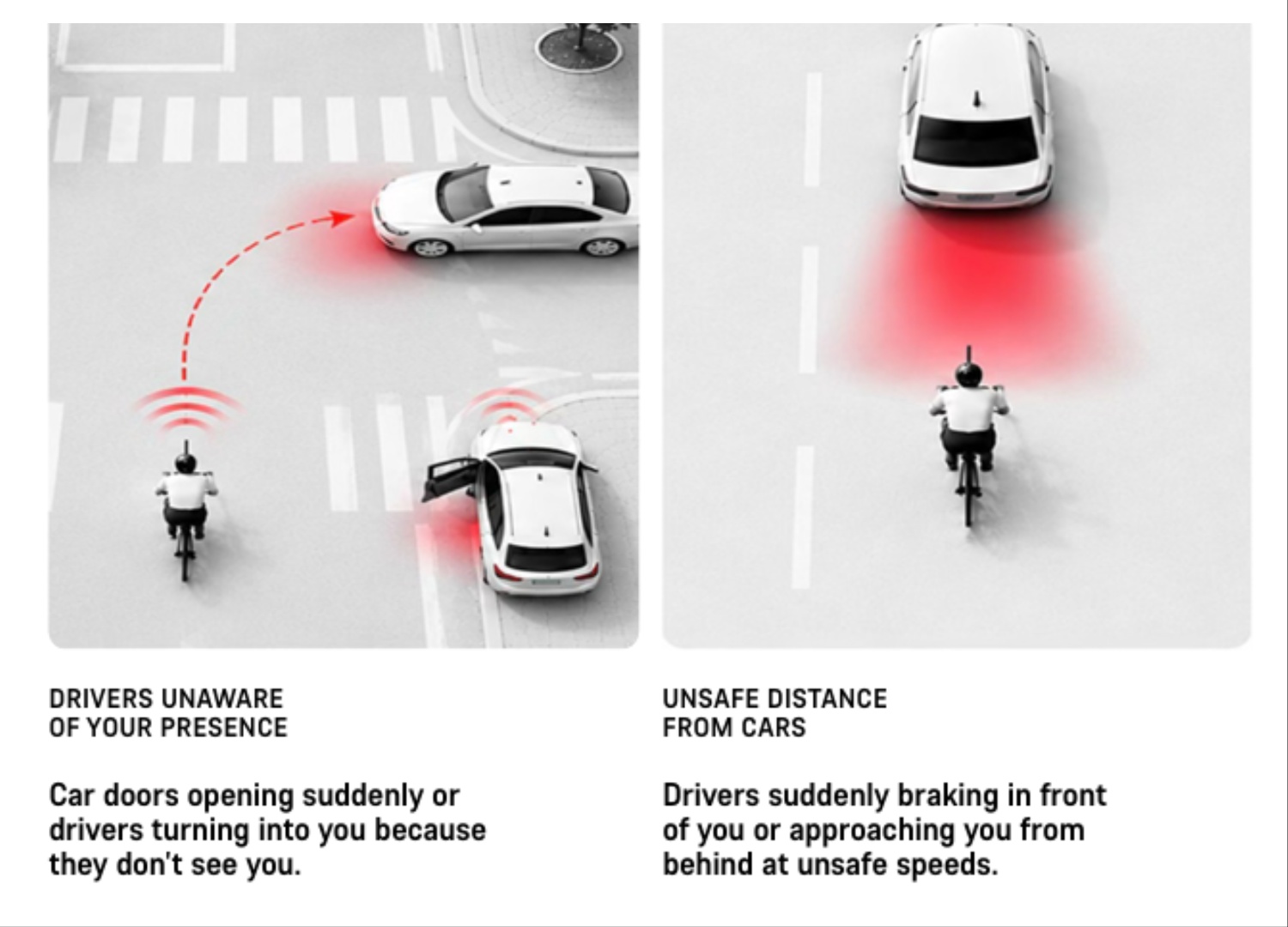
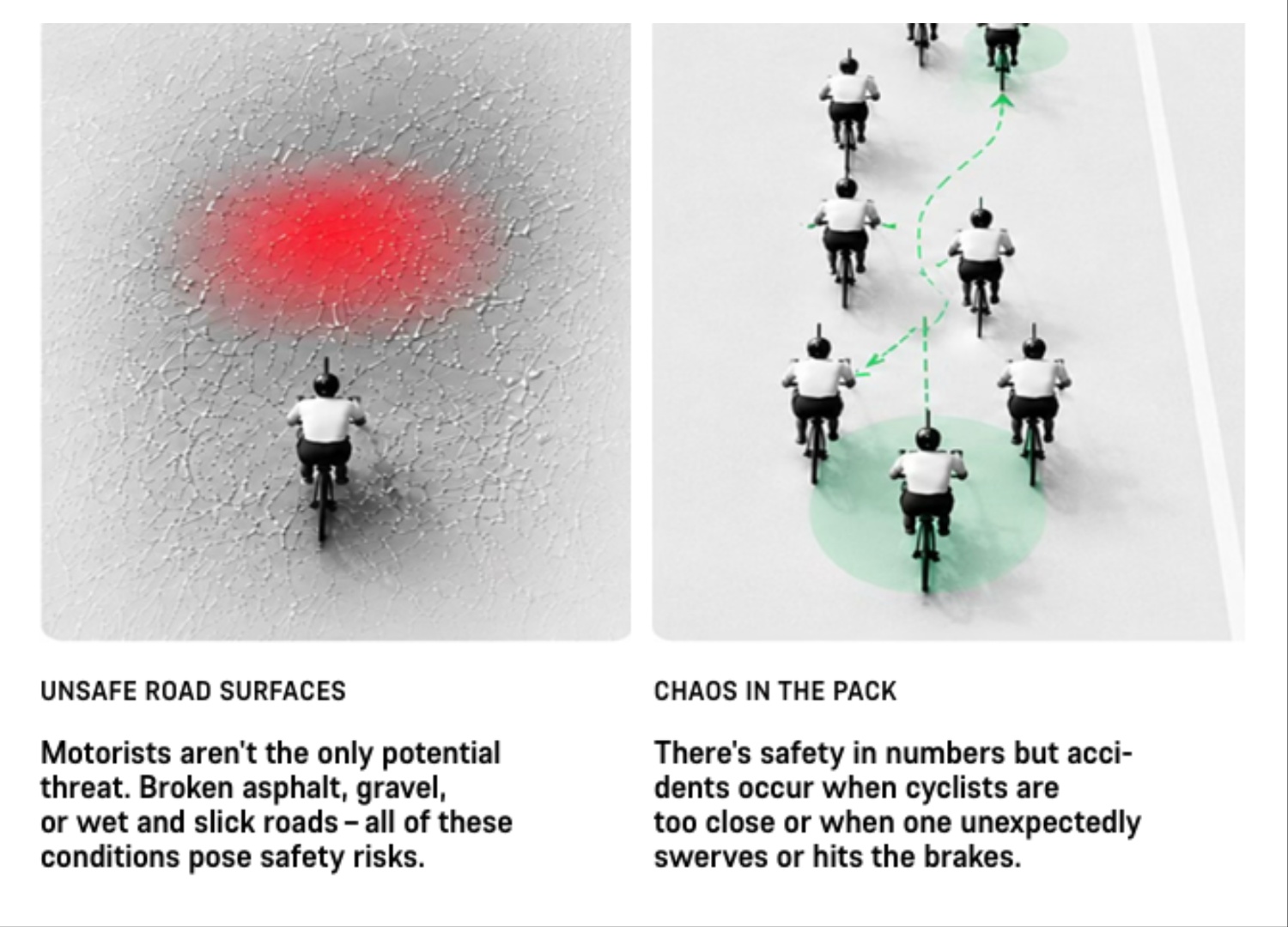
This vision was developed by looking at real-life situations that can happen every day: a driver failing to notice a cyclist, a car door suddenly opening, a vehicle getting too close, unexpected braking or a rough section of road. These are risks that are difficult to control because they can appear suddenly and often depend on external factors. This is where Canyon aims to intervene, turning a bike designed for performance into a system that can observe its surroundings, interpret what is happening and anticipate potential hazards.
Gallery
Open full width
Open full width
Canyon Predict:
A bike that sees what the rider cannot
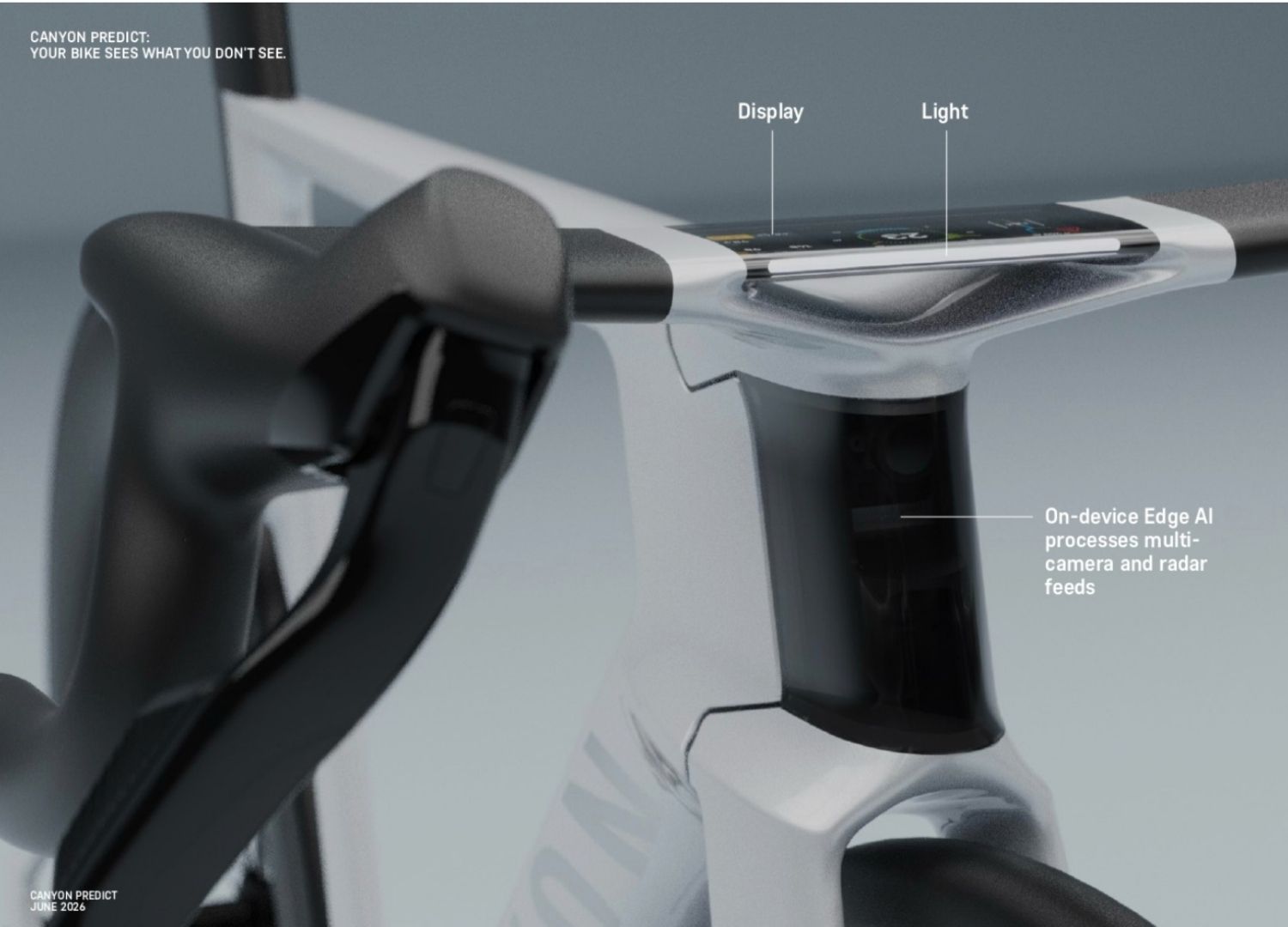
At first glance, Canyon Predict looks like a high-performance road bike, with a sleek aerodynamic carbon frame designed for performance riding. The difference is hidden inside, in its technological core: the Cognitive Core, a data processing system that combines cameras, radar and sensors distributed across the bike. The informations are then processed directly on the bike by Edge AI, without relying on an external cloud, combining sensor data with information about the rider’s behaviour, such as speed, steering angle and stability, to build a complete picture of the situation.
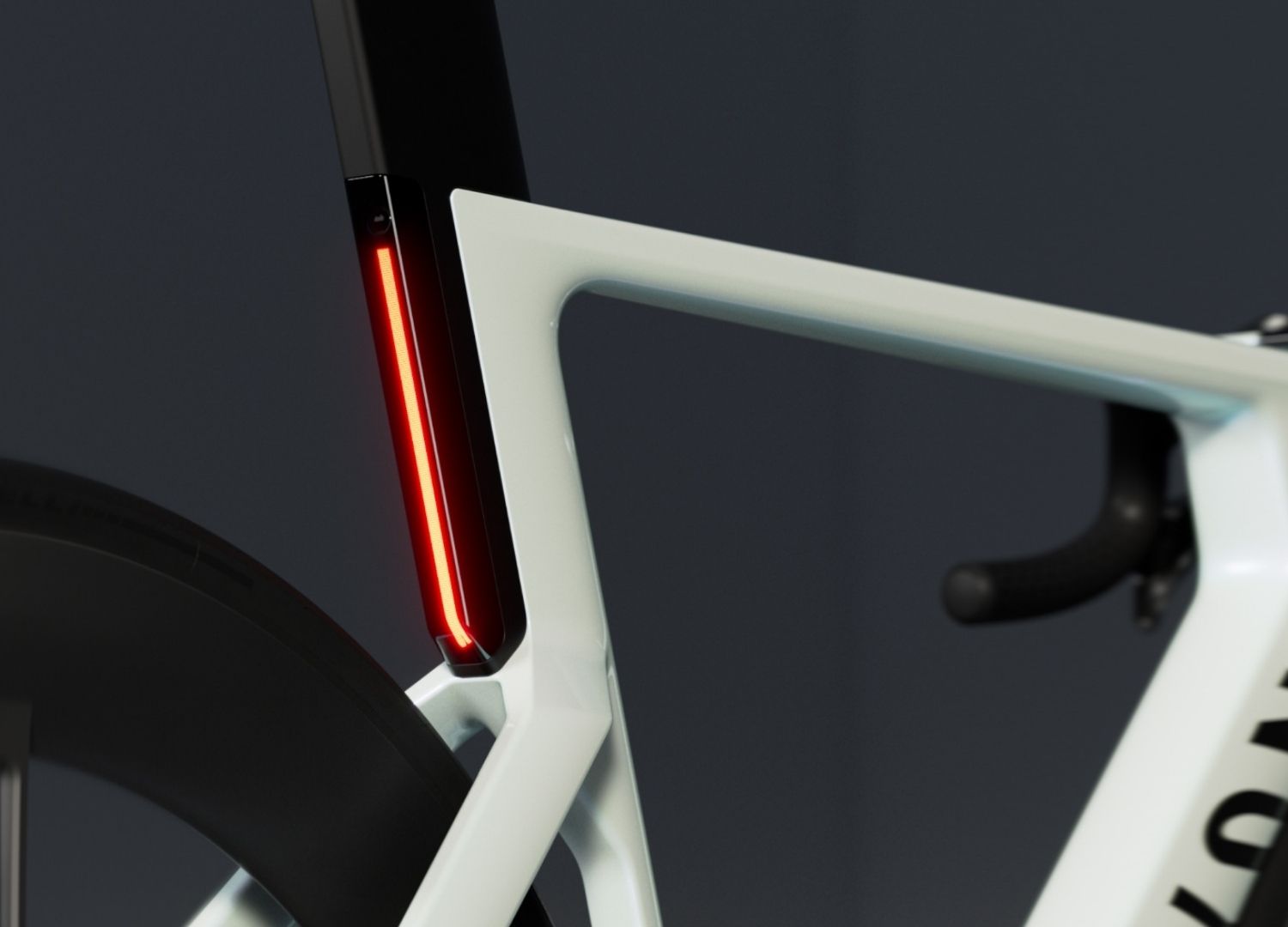
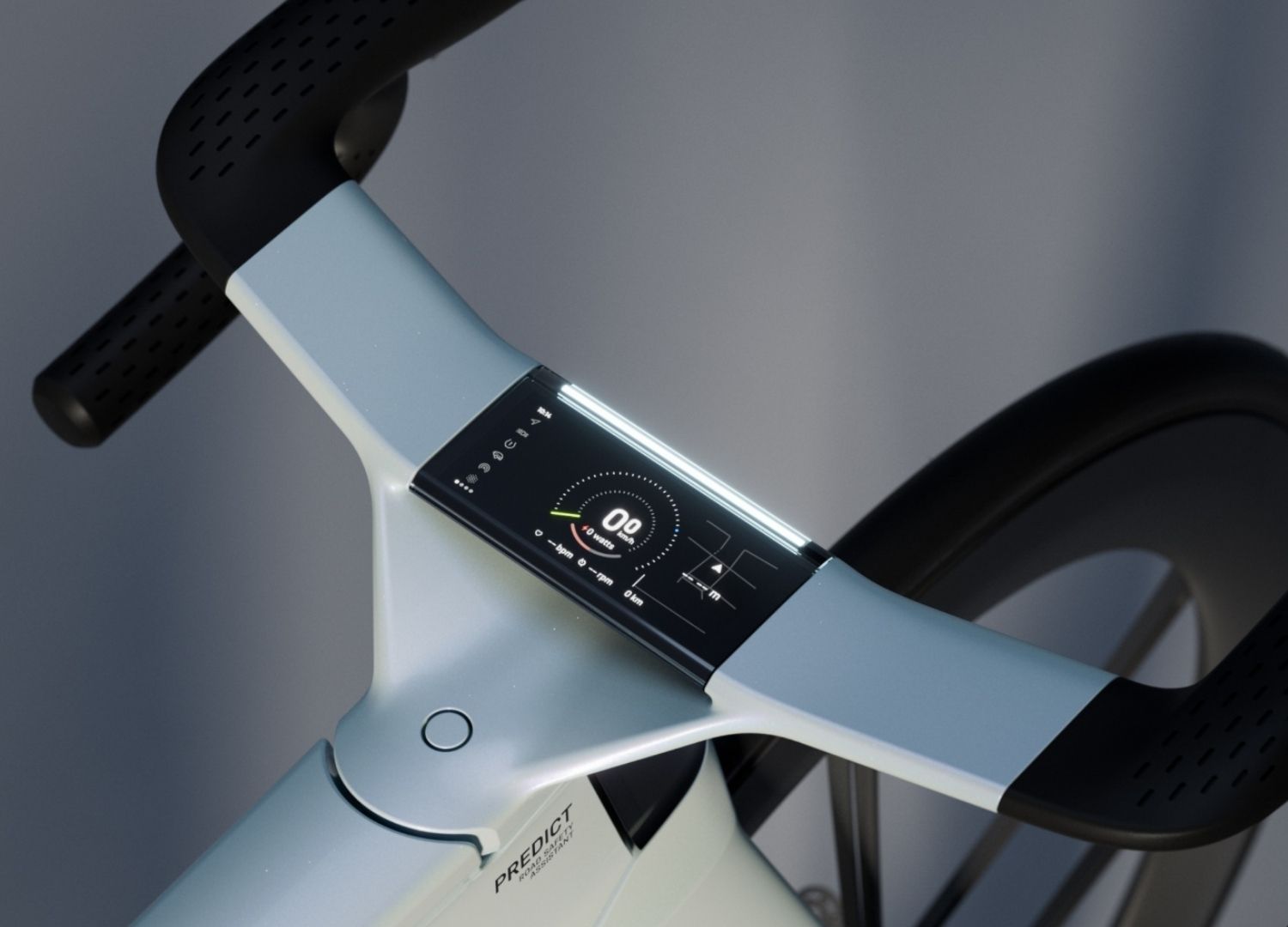
The system is not designed simply to detect an obstacle that is already there. It tries to predict what could happen next. It communicates these insights through directional lights, haptic feedback and visual guidance, giving the rider more time to react without constantly looking at a screen and taking their attention away.
The approach comes from a broader reflection on the current state of road safety, as Fedja Delic, Head of Design at Canyon, explains: “We looked at the number of people killed or seriously injured while riding, but also at those who simply do not cycle because they do not feel safe. We asked ourselves what we could do to address this problem.” For Canyon, the goal is therefore not to add technology to the bike simply for the sake of innovation, but to use what sensors and AI can now do to address a more fundamental need: safety.
From bike to helmet, technology designed around the rider
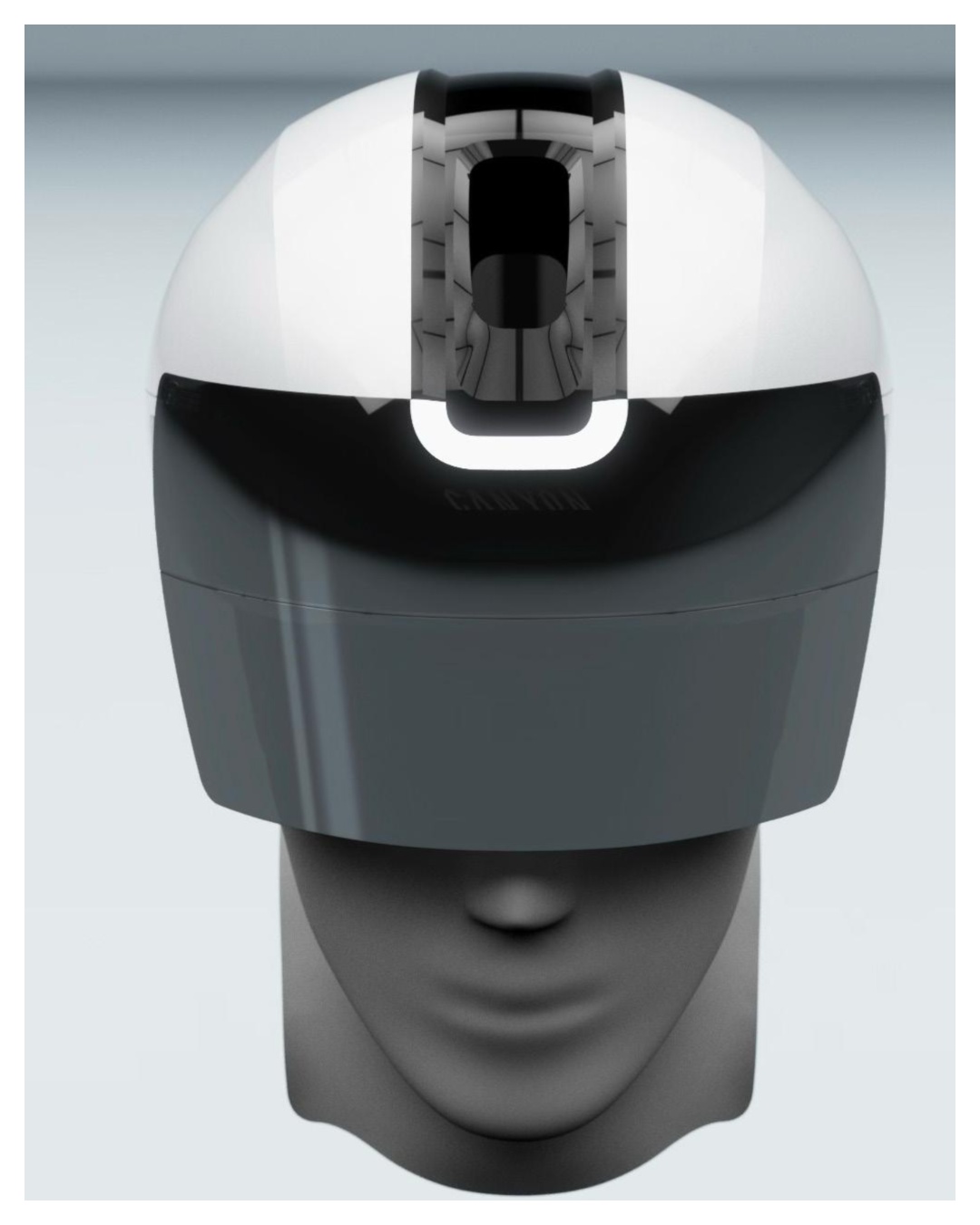
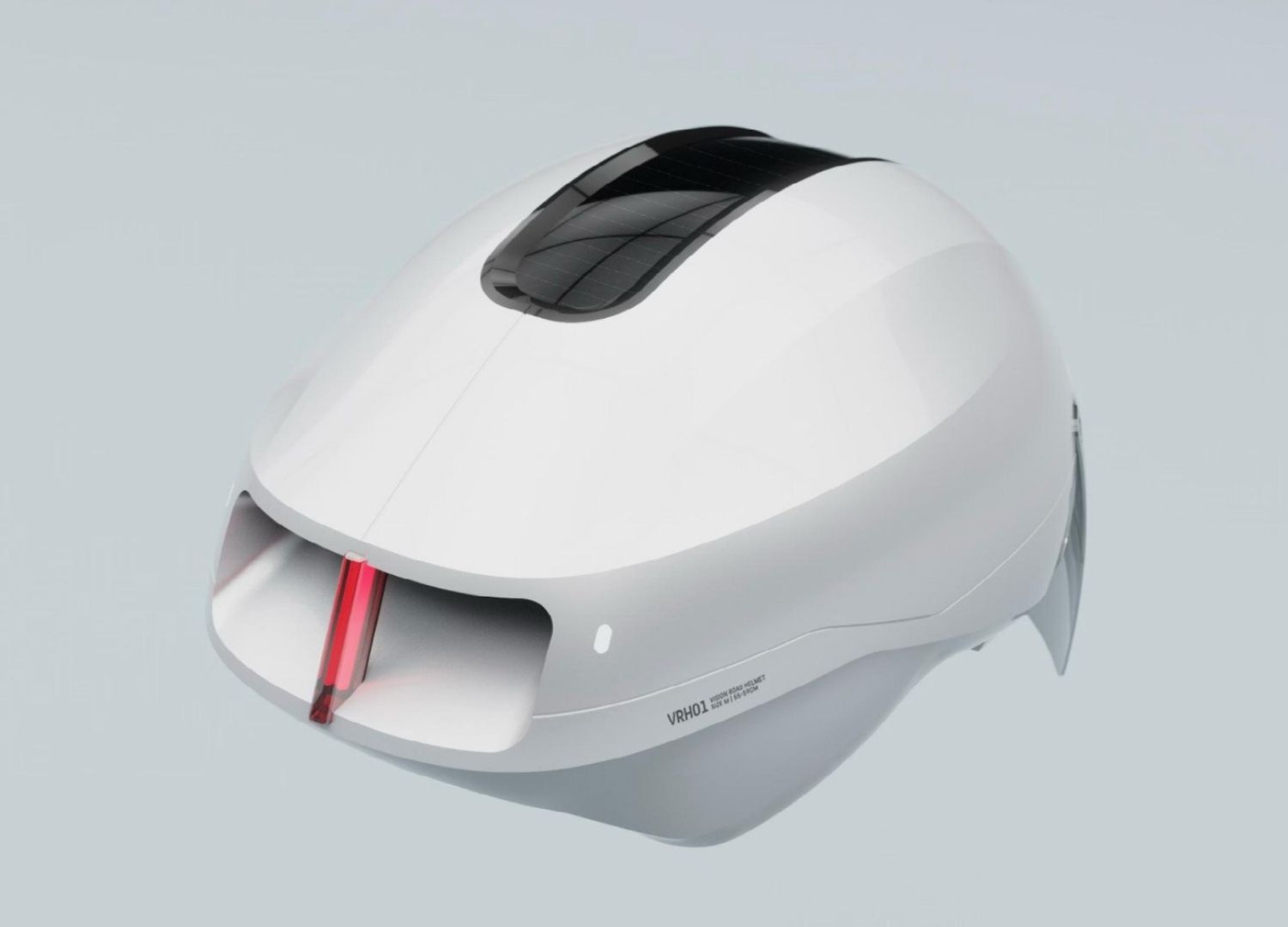
The same philosophy continues with the Stingr Smart Helmet, designed to work with Canyon Predict and bring information and functions together in a single system. If the bike observes what is happening around the rider, the helmet becomes the interface through which that information is communicated without interrupting the ride. It features a motorised, retractable visor with a Head-Up Display using transparent OLED technology, capable of showing performance data, navigation and safety alerts directly within the rider’s field of view.
There is no need to look down at a bike computer, smartphone or other device. Voice control also allows riders to change the information displayed without taking their hands off the handlebars, while the open-ear audio system delivers directions, calls and alerts while keeping the ears open to surrounding traffic. The result is an interface designed to make technology less intrusive. Bike and helmet therefore become part of a single ‘ecosystem’: the first senses the environment and analyses potential risks, while the second delivers the most relevant information to the rider.
When the bike becomes a partner
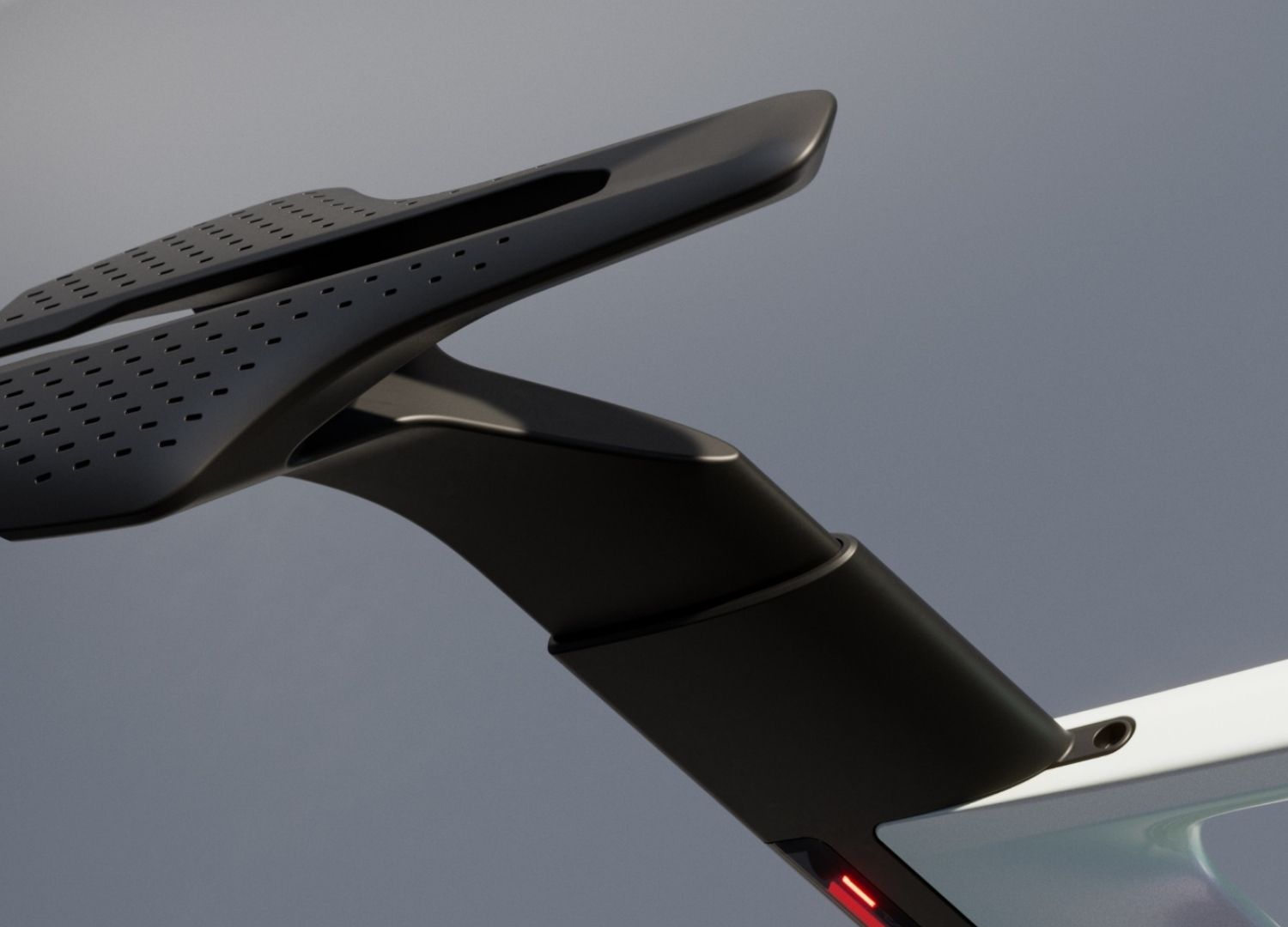
Canyon Predict suggests a broader shift in how a bicycle could be designed. Technology is no longer simply added to provide more data, but to reduce the rider’s cognitive load and help them understand what is happening around them. The concept also looks towards future developments, including a form of ‘swarm intelligence’, in which multiple bikes could potentially share information about their surroundings. In critical situations, the system could also intervene through the bike itself, for example with a seatpost that can be adjusted automatically or remotely to lower the rider’s centre of gravity and improve stability and control.
This is what makes the project particularly interesting: the bike no longer simply displays information, but starts to interpret it and respond to its context. “Road cycling needs a safety revolution. With Canyon Predict we are transforming safety from reactive to predictive,” says Mazen Jrab, IoT Hardware Lead at Canyon. Predict is still a prototype, but it points towards a possible evolution of the bicycle into a system capable of observing, interpreting and anticipating what happens around the rider. The technology works quietly in the background, leaving the cyclist with what matters most: the road and the pleasure of riding.