CES 2026: how tech is moving from prototype to product
As this year’s consumer tech fair comes to an end, here are ten innovations that are redefining not only the future of the industry, but also how the relationships with our tools will change.

The Consumer Electronics Show (CES) wrapped up its four-day run in Las Vegas last week, marking another year as the most impactful tech event in the world. The fair is an annual trade show organised by the Consumer Technology Association (CTA), and it has been running since 1967. During the past decades, CES hosted many fundamental innovations in the technological field, such as the launch of the first-ever home VCR, the first CD player by Sony and Philips, as well as the video game Tetris. With such an exciting background, this year’s fair hosted over 148,000 visitors from around the globe and more than 4100 exhibitors. What was the most interesting consumer tech coming out of CES 2026?
From rollable gaming laptops to stair-climbing robot vacuums, this year’s show proved that innovation is moving from theory to practical applications across the industry. Here are ten standout projects that captured the attention of CES 2026 attendees and demonstrated how these new technologies will integrate seamlessly into our lives.
Gallery
Open full width


Open full width
CES 2026 – HIGHLIGHTS:
Micro RGB TVs by Samsung
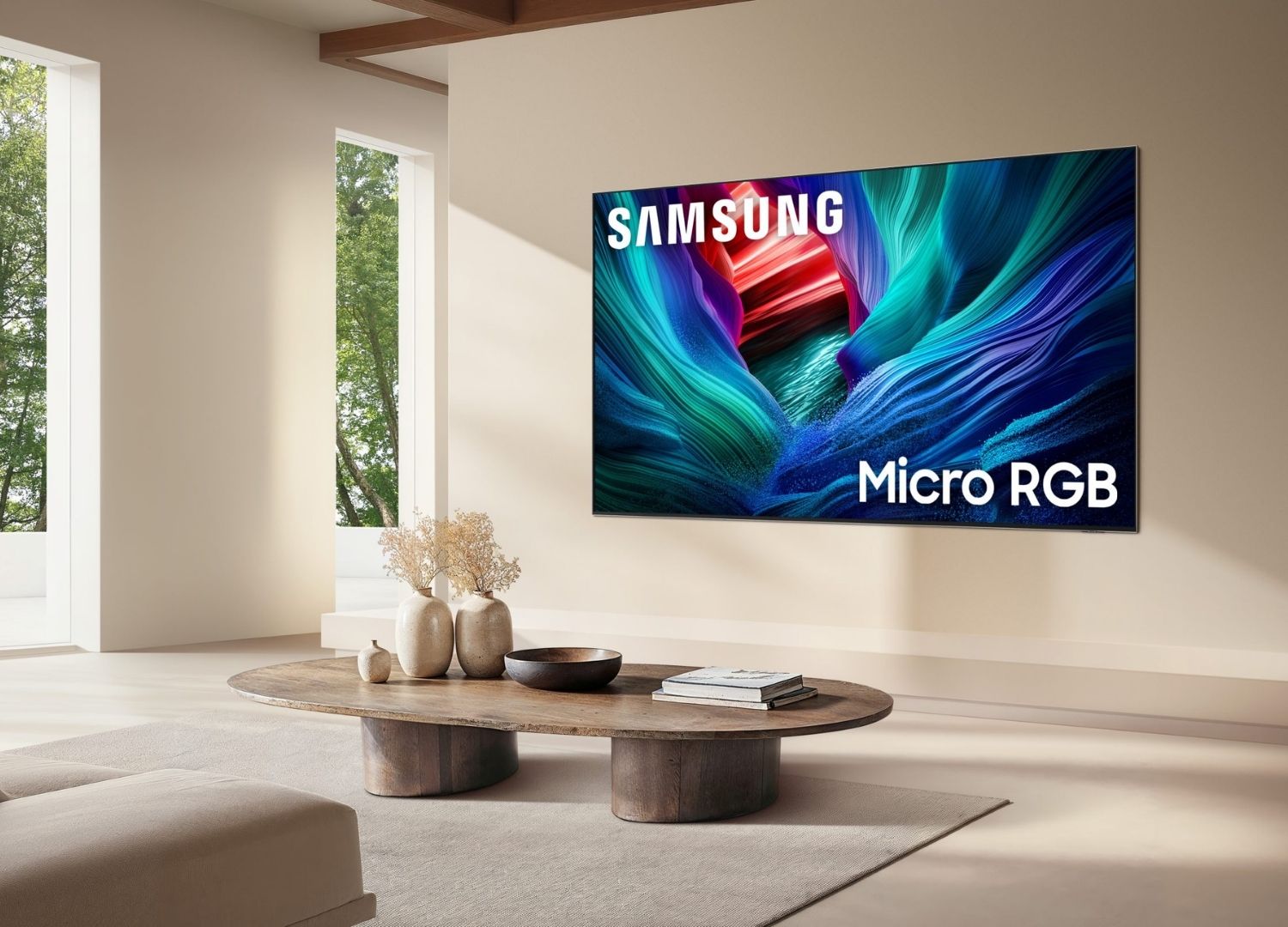
Samsung is making a bold statement in display technology by announcing eight new Micro RGB televisions for this year, including a flagship 130-inch model that won the CES 2026 award for Best of Innovation in Embedded Technologies. This is the world’s largest Micro RGB display ever, used in a design called “Timeless Frame“, which draws inspiration from architecture to create an effect resembling a massive, immersive view outside of a window.
Micro RGB technology uses red, green, and blue backlights smaller than 100 micrometres. The result is exceptional colour and dimming accuracy, resulting in a higher quality watching experience. The TV will be available in the US at the sheer price of $29,999.
Smart Play by LEGO
LEGO unveiled what it calls the most significant evolution of its play system yet, bringing the physical brick to life through invisible technology. At the heart of the system is the LEGO Smart Brick, which houses a custom-made 4.11 mm ASIC chip which can interpret motion, orientation, and magnetic fields in real time. The brick contains sensors, accelerometers, light and sound detectors, plus a miniature speaker. This innovation will change how children interact with one of their favourite games, which will now have more complex functionalities and interactions.
The brick will be launched in a partnership with Disney through Star Wars-themed sets, Luke’s Red Five X-Wing, Darth Vader’s TIE Fighter, and the Throne Room Duel & A-Wing. Features include lightsaber roars and laser-shooting sounds to make play more interactive for children.
ROG XREAL R1 Gaming Glasses by Asus and XREAL
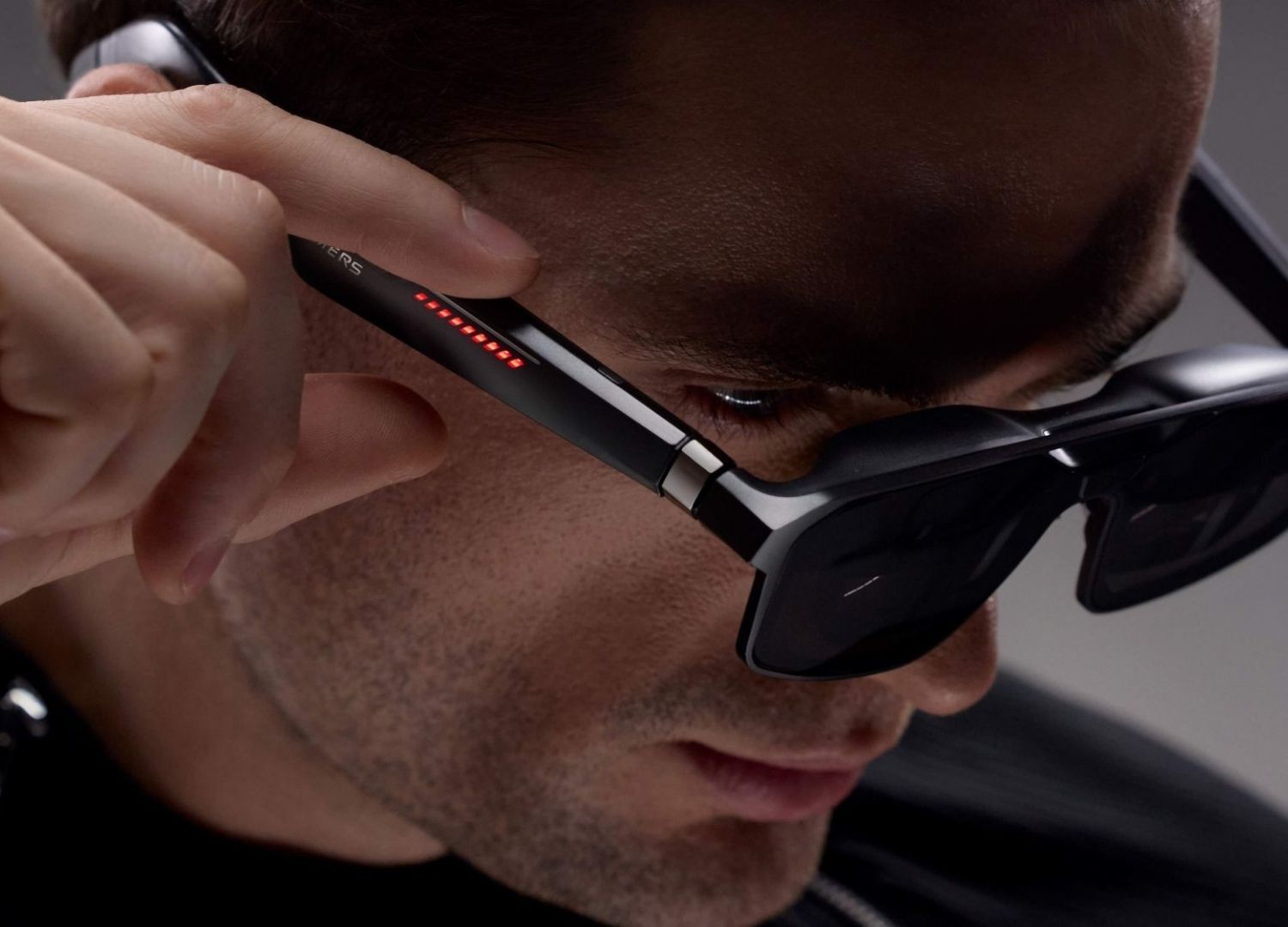
This product represents the world’s first 240Hx micro-OLED gaming glasses, allowing gamers to play wherever, regardless of their actual physical space available. By wearing these glasses, a virtual 171-inch screen is created, with full HD resolution. They are incredibly lightweight at just 91 grams, and they incorporate a technology that automatically adjusts the lens tint based on ambient lighting. The built-in Sound by Bose technology delivers spatial audio without requiring traditional headphones.
The wearable was created through a collaboration between XREAL and ASUS Republic of Gamers, and the device’s integration with the digital gaming ecosystem is seamless and direct. Expected to ship globally in 2026, these glasses might just change the entire gaming experience worldwide.
Saros Rover by Roborock
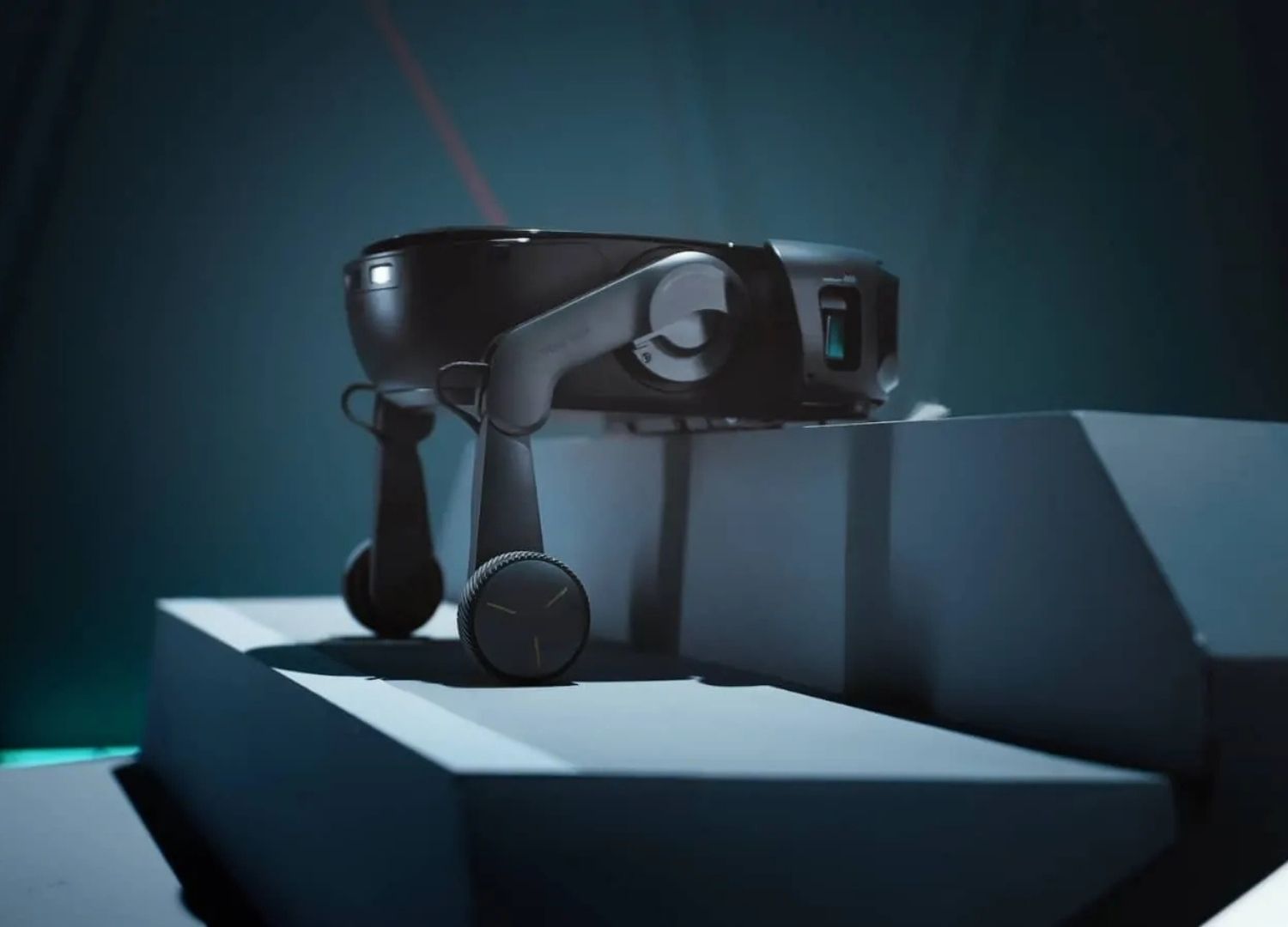
The robot vacuum category took a leap forward with Roborock’s Saros Rover, featuring the world’s first robovac able to climb and clean stairs. The device has two wheel-legs providing independent reach, lift, and height adjustment. The system imitates human mobility, with the robot being able to perform small jumps, agile turns, and make sudden stops while maintaining its balance.
The robot can climb traditional staircases, curved ones, and even carpeted stairs with bullnose fronts. It can map its navigation through Dual-Flash LiDAR and use AI algorithms to move through various terrain types. If delivered successfully, it can be a real upgrade in robotic cleaning.
LG CLOiD by LG Electronics
LG Electronics‘ vision for the “Zero Labour Home” took physical form with CLOiD, an AI-enabled home robot designed to perform and coordinate household tasks across connected appliances. This humanoid robot represents a significant leap beyond the concept robots that have been seen at tech fairs for the past few decades; this one actually performs real chores.
CLOiD features a head unit with an expressive display, cameras, sensors, and a chipset that acts as its brain. The torso has two articulated arms, matching human arm mobility, and is equipped with five independent fingers per hand. Beyond chores, CLOiD can act as a personal fitness coach, reach for items to aid physically disabled users, and provide conversational interaction.
Legion Pro Rollable by Lenovo
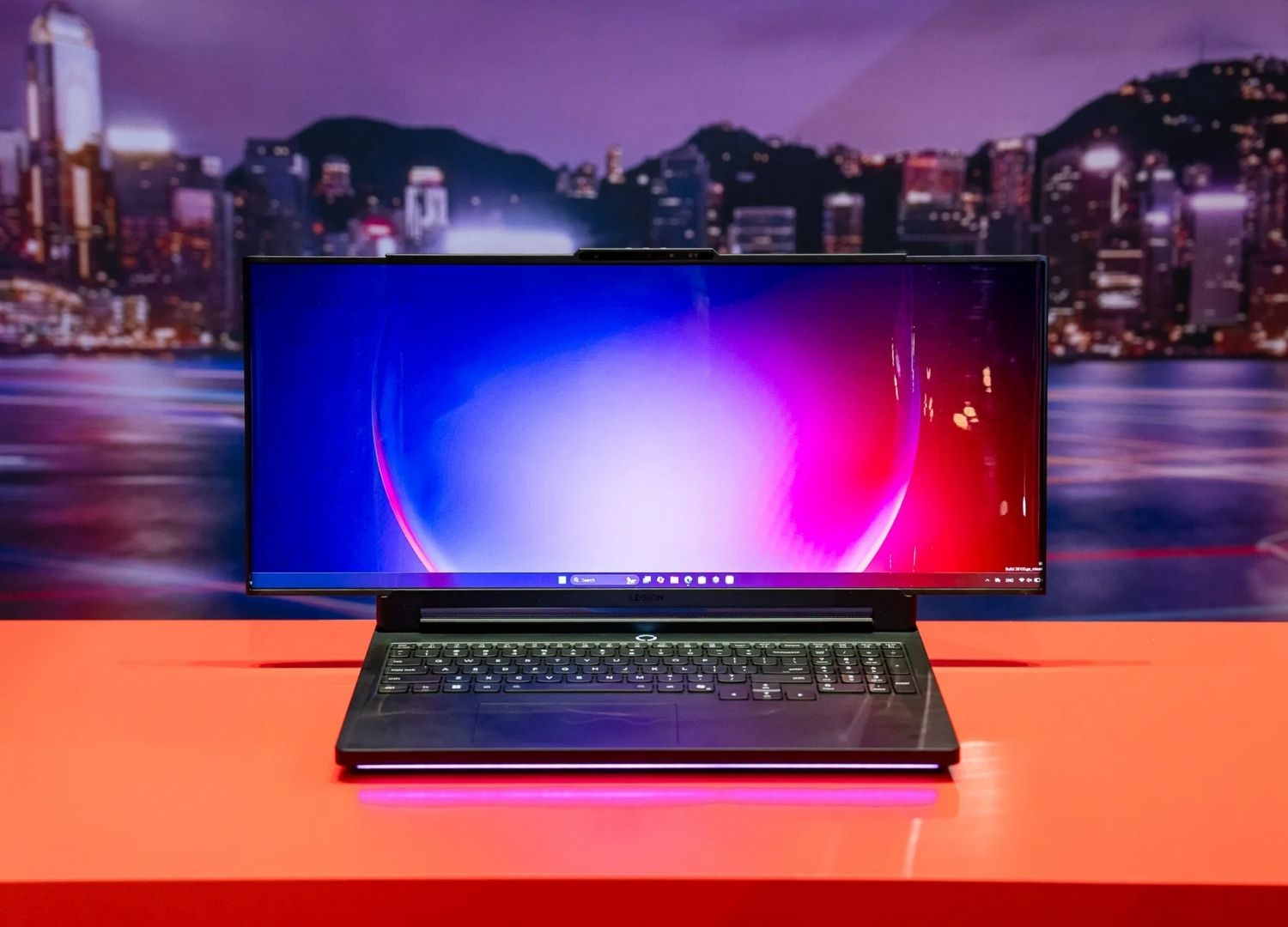
Gaming laptops have always faced a struggling balance between portability and large screen areas. Lenovo’s Legion Pro Rollable features a rollable display that expands horizontally to 21.5 inches in “Tactical Mode” or to a huge 24 inches in “Arena Mode“. The innovation lies in Lenovo’s dual motor, tension-based design that keeps vibration and noise minimal while the display extends in both directions.
The laptop is powered by Intel Core Ultra processors and NVIDIA’s GeForce RTX 5090 Laptop GPU, and is specifically designed for e-sports athletes who need tournament-grade setups while travelling. While only the concept version was available at CES, it shows that the gaming experience that was previously limited to desktop setups could soon fit in a backpack.
Robot Phone by Honor
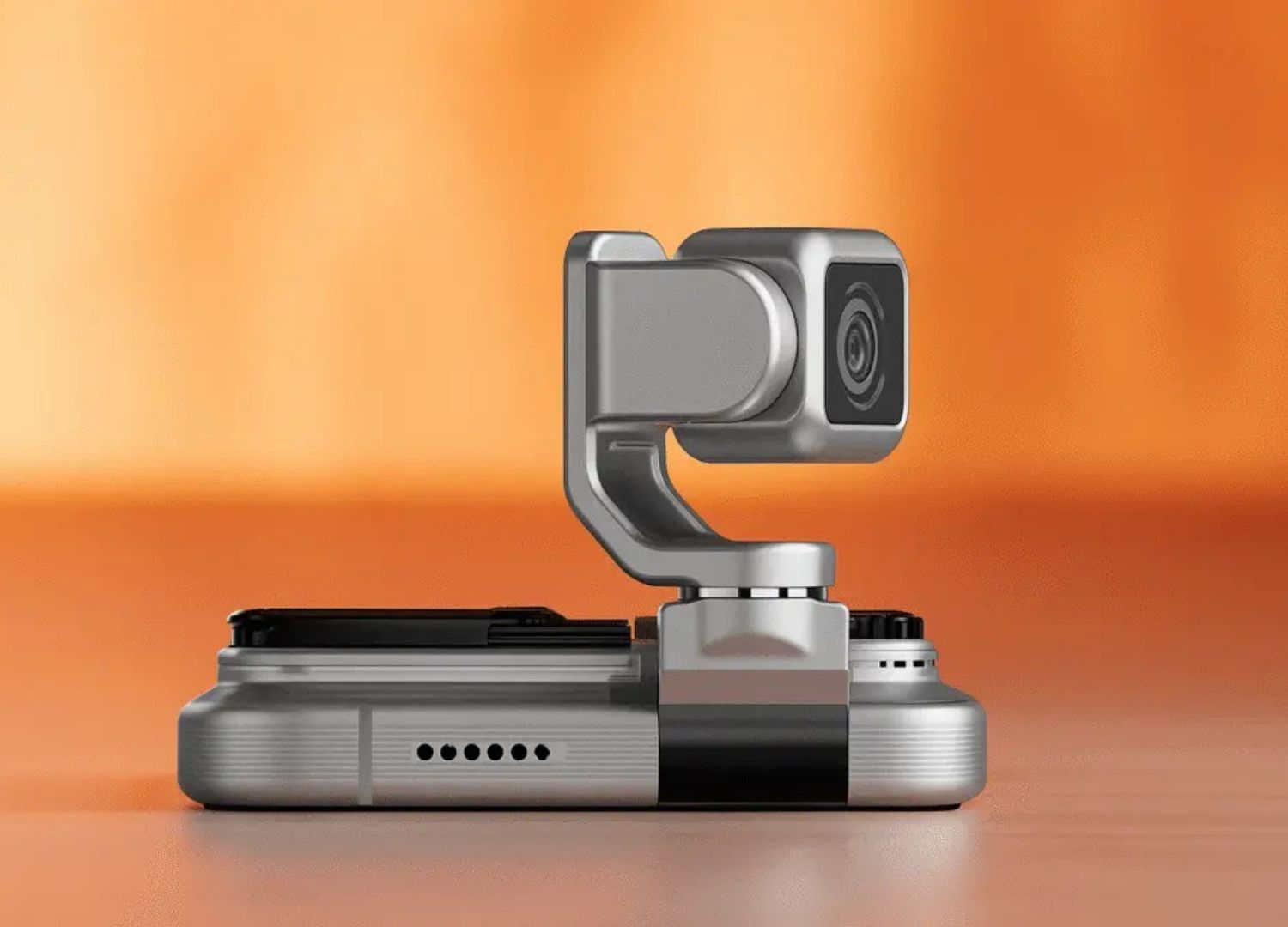
Honor showcased what may be the most unconventional smartphone camera system yet: a working prototype with a motorised three-axis gimbal built directly onto the device. The phone appears relatively conventional when retracted, aside from a notably deep camera module. When you press a button, a protective panel slides aside to reveal a camera that extends from the phone’s body. The system can rotate, tilt, and track subjects autonomously while providing professional stabilisation.
The product’s trade-off is its thickness, as it has a substantial camera bump and won’t be able to compete with today’s ultra-thin smartphones. However, for content creators and videomakers, that can be a reasonable compromise.
C-200 Ultrasonic Chef’s Knife by Seattle Ultrasonics
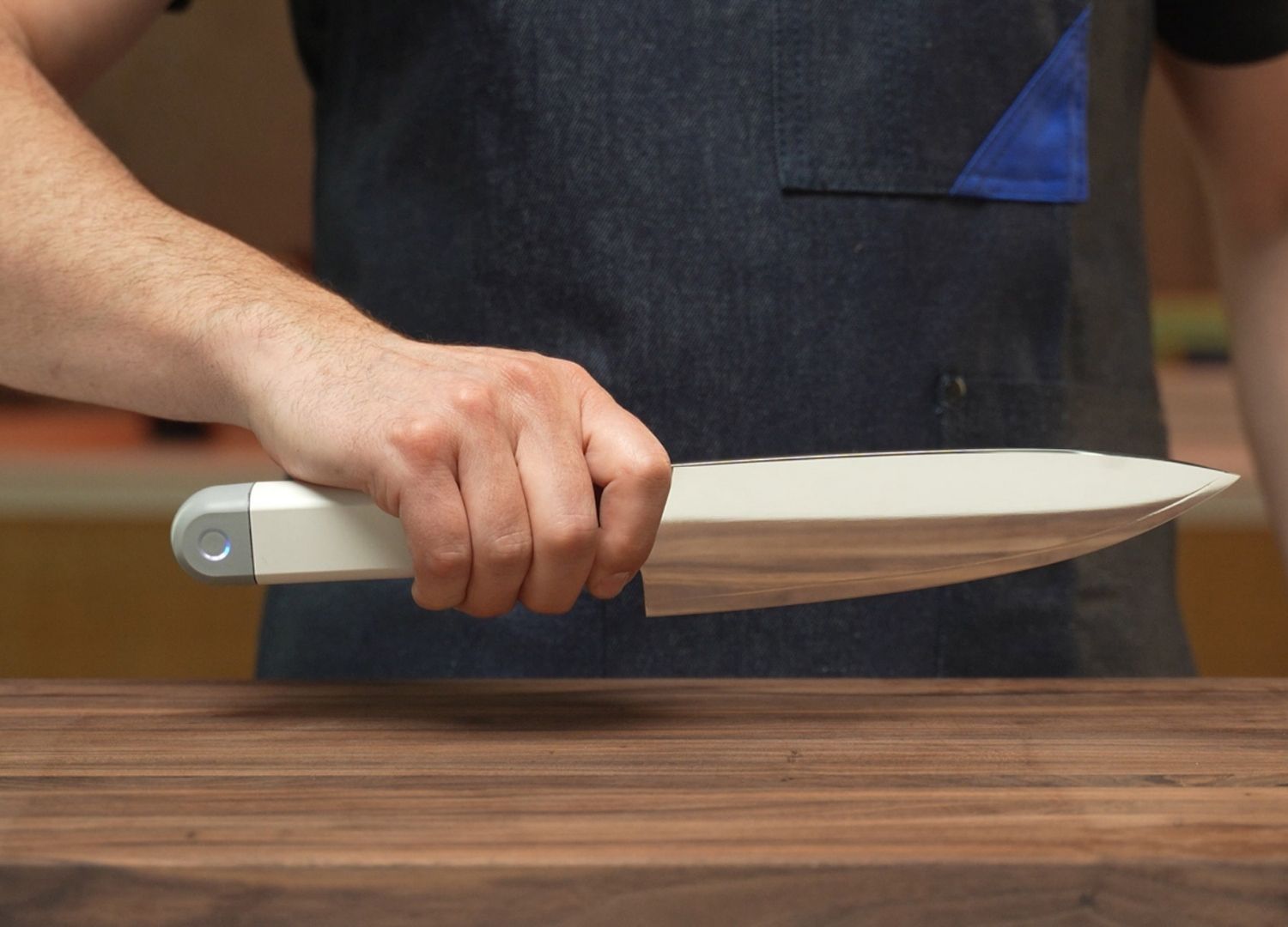
Seattle Ultrasonics is bringing a top-level industrial cutting technology into the home kitchen with the C-200, the world’s first ultrasonic chef’s knife designed for home cooks. The company’s founder, Scott Heimendinger, spent six years developing the knife, which vibrates over 30,000 times per second to cut with way less effort than its traditional counterpart.
The innovation lies in piezoelectric ceramic crystals that are mounted onto the blade and activated through an orange button on the handle. The crystals expand and contract at a microscopic level, generating mini shock waves that cause the blade to resonate at ultrasonic frequency. The vibrations make the knife behave sharper than it physically is, while also creating a non-stick effect that prevents food from clinging to the blade.
Music Studio 5 by Erwan Bouroullec for Samsung
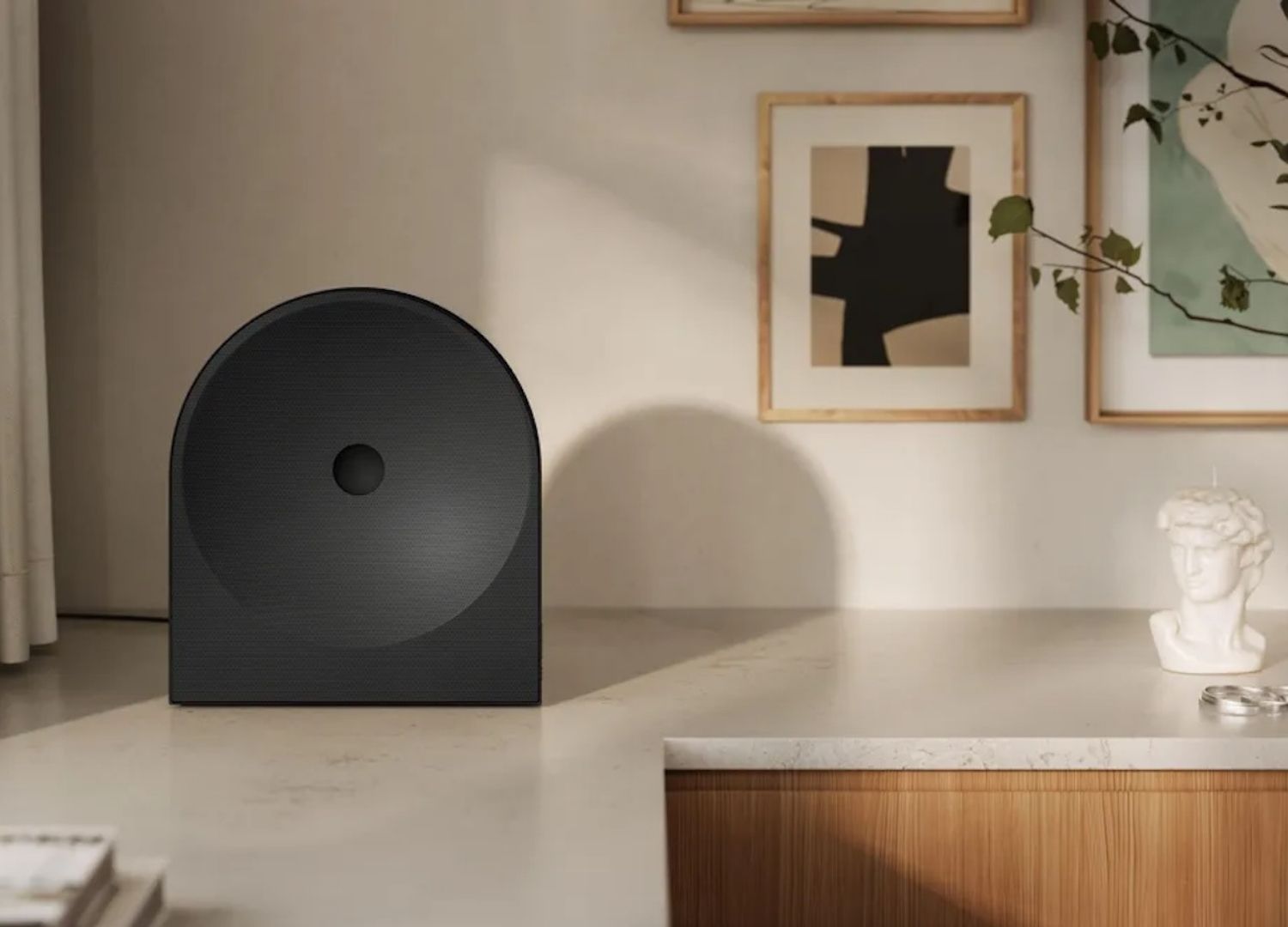
Samsung’s second entry in our highlights list is an audio ecosystem designed in collaboration with French designer Erwan Bouroullec. The speakers’ aesthetic represents a philosophy where technology should enhance living spaces even when it’s not in use. The product received a CES Innovation Award 2026 honour for its emphasis on integration between object and interior, technology and everyday life.
Its look is inspired by the motif of the “dot” as an abstract reference to musical notation. The speaker houses a 4-inch woofer and dual tweeters, with built-in AI dynamic bass control that deepens low frequencies without distortion.
MobED by Hyundai Motor Group
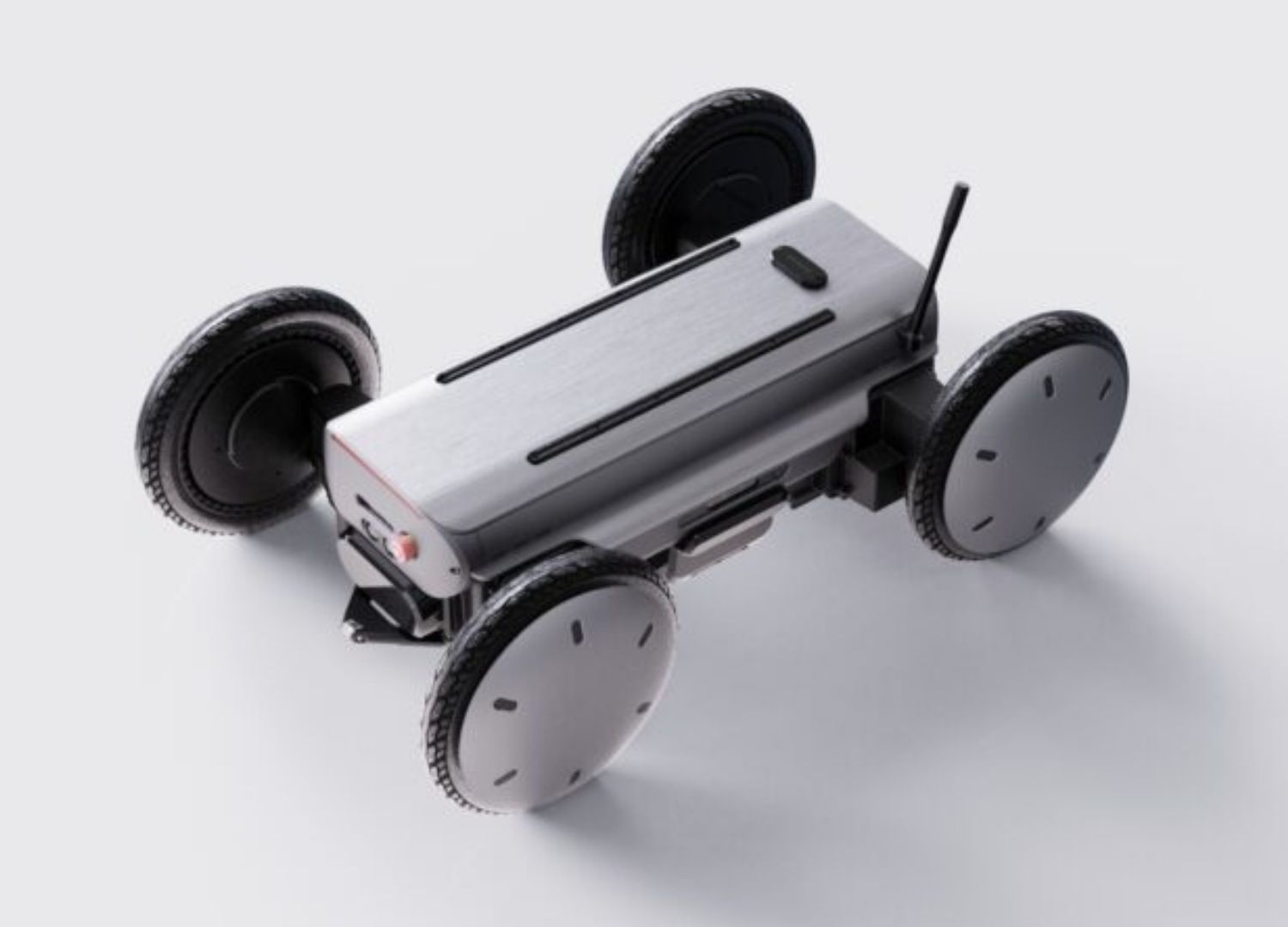
Hyundai Motor Group‘s robotics lab has earned the Best of Innovation Award in Robotics at CES 2026 for MobED (Mobile Eccentric Droid). The device is a compact mobility platform equipped with proprietary drive and lift technology, where each of the four independently driven wheels features three motors handling driving, steering, and tilting.
At CES 2026, the exhibition featured two models for different markets. MobED Basic is an experimental platform, offering flexibility for research and development applications. The MobED Pro, on the other hand, features autonomous navigation, integrated with AI algorithms and LiDAR camera sensors, enabling it to safely and efficiently navigate complex and diverse environments. The device was presented as a concept at CES 2022, but is now ready for market launch.
These ten innovations from CES 2026 demonstrate a consistent theme: technology is moving beyond impressive concepts and into becoming practical, solution-oriented, offering market ready products more often than not. As Kinsey Fabrizio, president of CTA, noted, “CES brings the global tech ecosystem together for an unmatched volume of deal-making, partnerships, and idea-sharing. The innovation unveiled spanning AI, quantum, mobility, robotics, health, and so much more, underscores CES as the global stage where bold ideas move from vision to reality.”