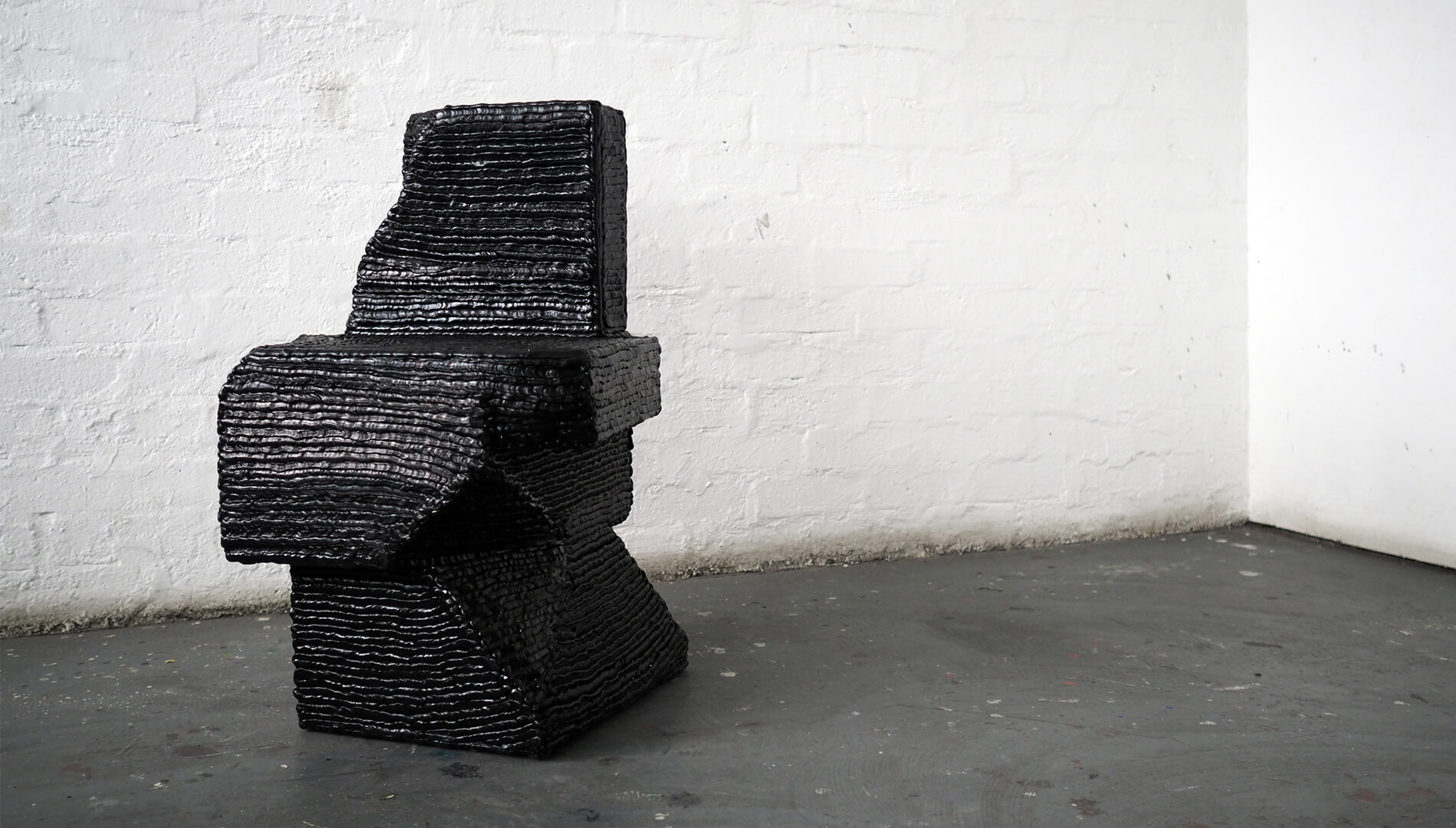
China’s biggest furniture stage just rewrote its own rules
CIFF Shanghai 2026, the 58th edition of the China International Furniture Fair, will run September 5-8 at the National Exhibition & Convention Center in Shanghai Hongqiao, built around three pillars: design, digital intelligence, and sustainability.
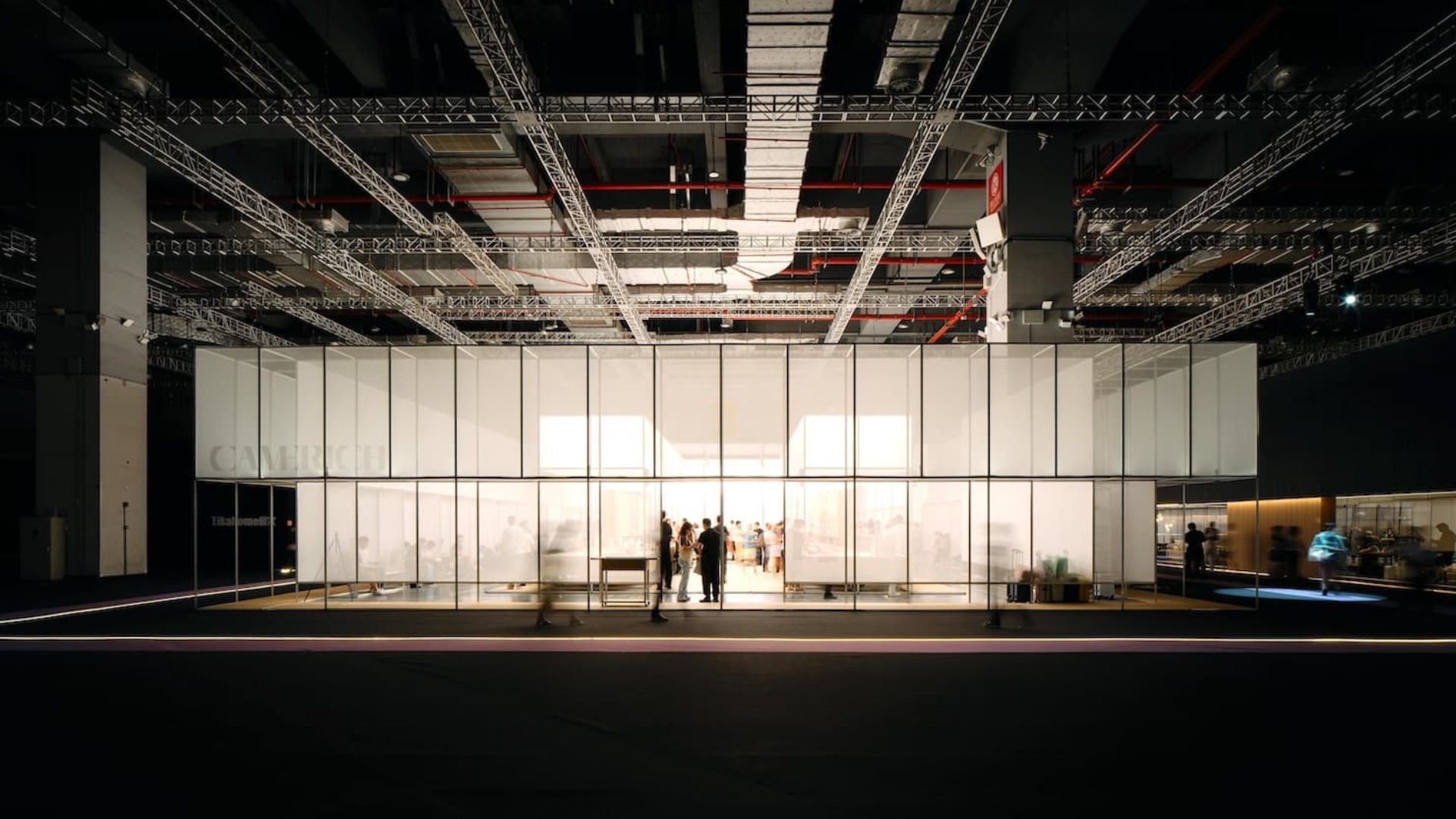
For anyone tracking where the global furniture industry is actually heading — not just where it’s been — CIFF Shanghai has quietly become one of the events worth watching. This September’s 58th edition doesn’t just add new booths and brands, it repositions CIFF Shanghai 2026 as a platform where design culture, smart retail technology, and sustainable manufacturing are meant to converge rather than compete for attention.
For DesignWanted readers, that matters for a simple reason: China’s furniture and design industry is no longer just a manufacturing base, it’s increasingly a proving ground for retail formats, materials, and design ideas that end up shaping markets well beyond Asia. Here’s what’s actually new.
Gallery
Open full width

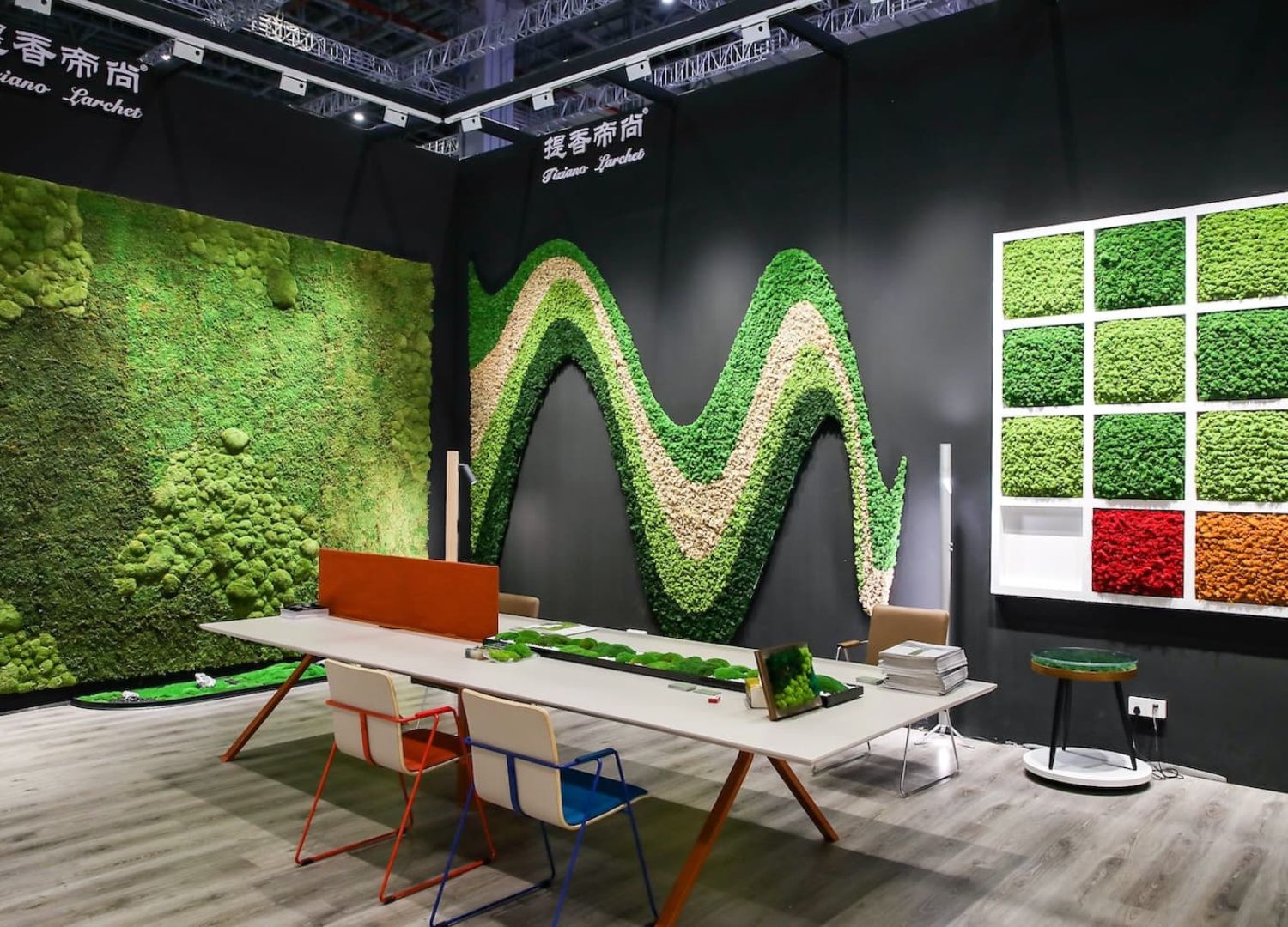
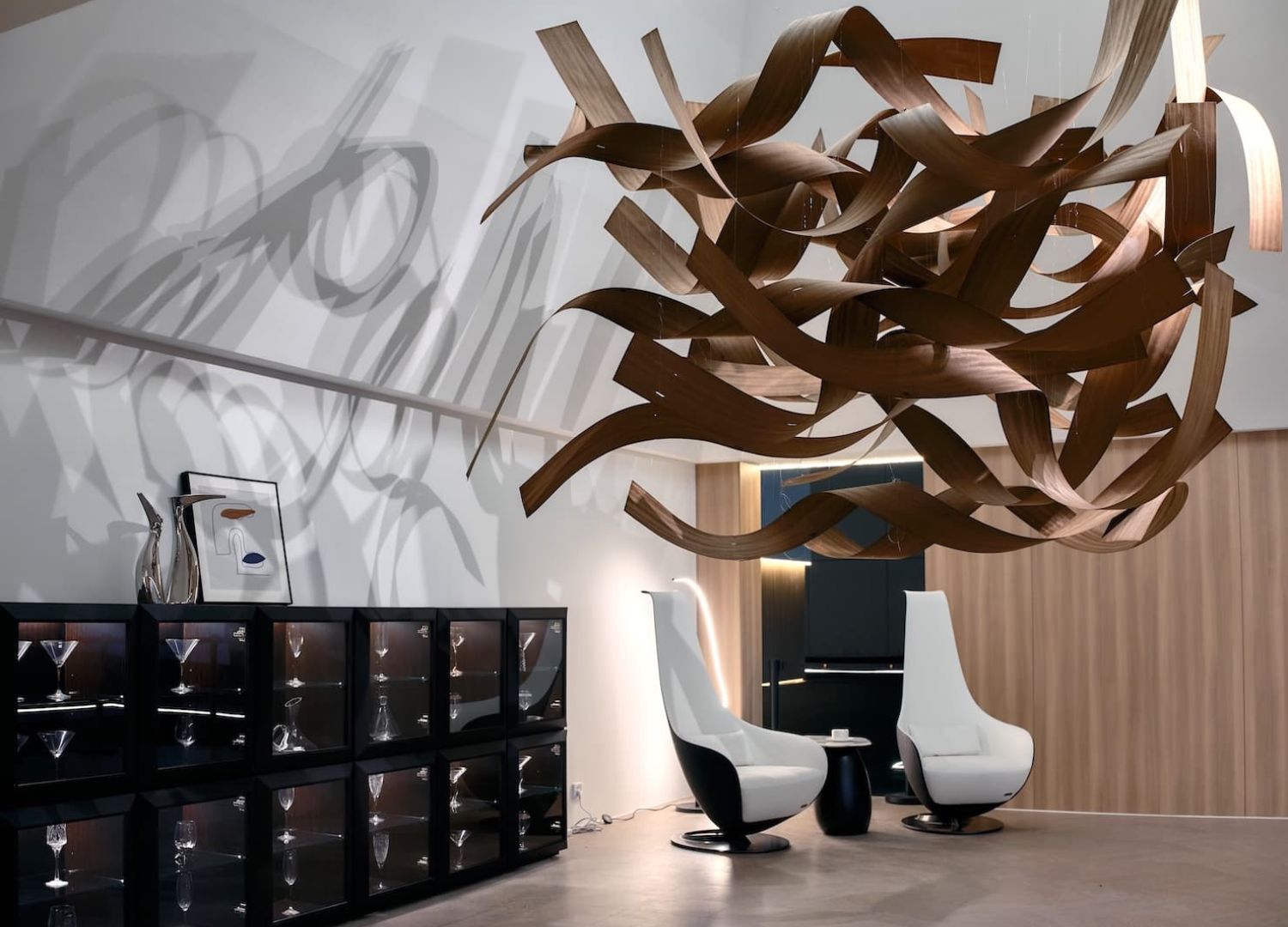
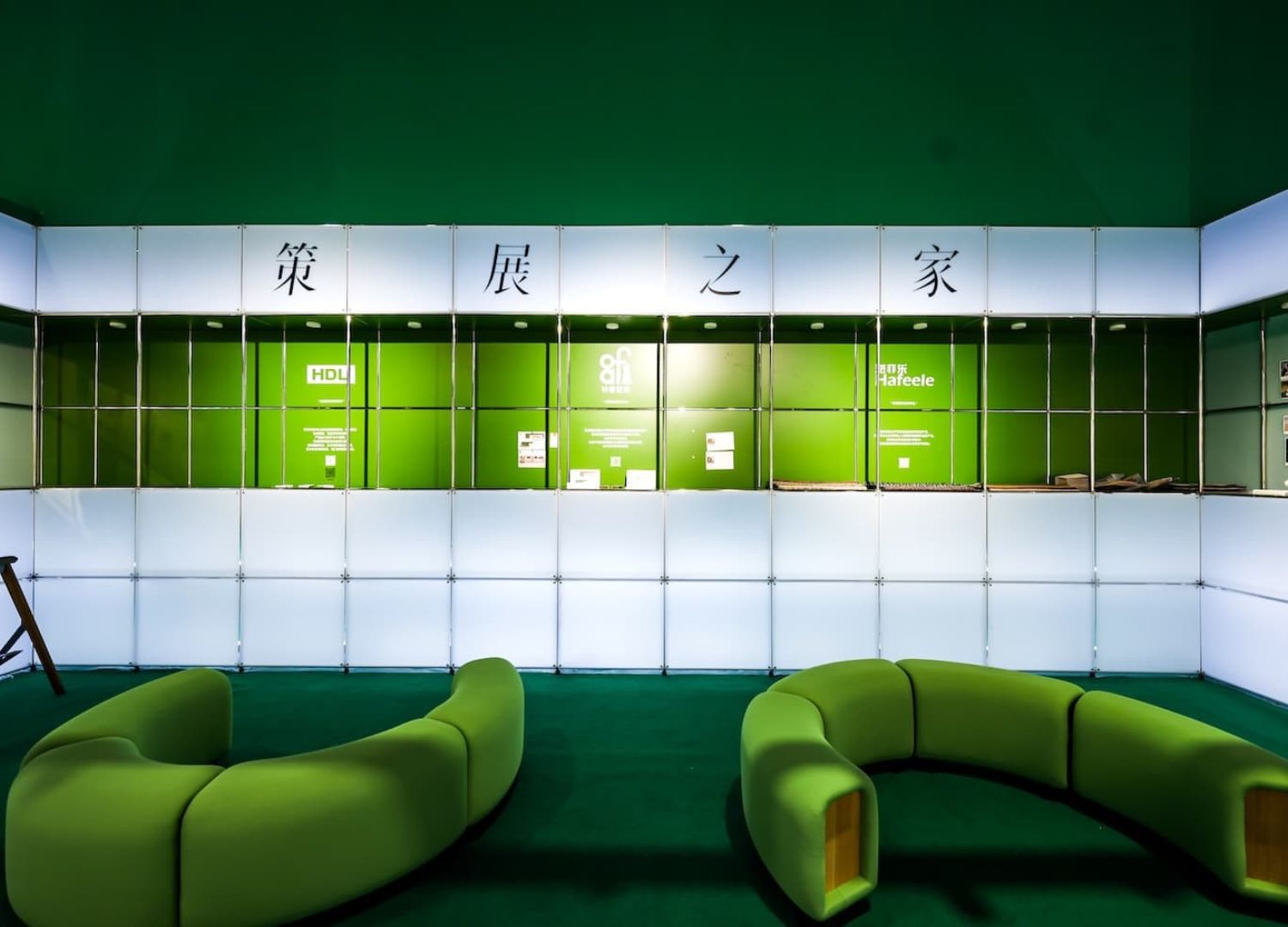
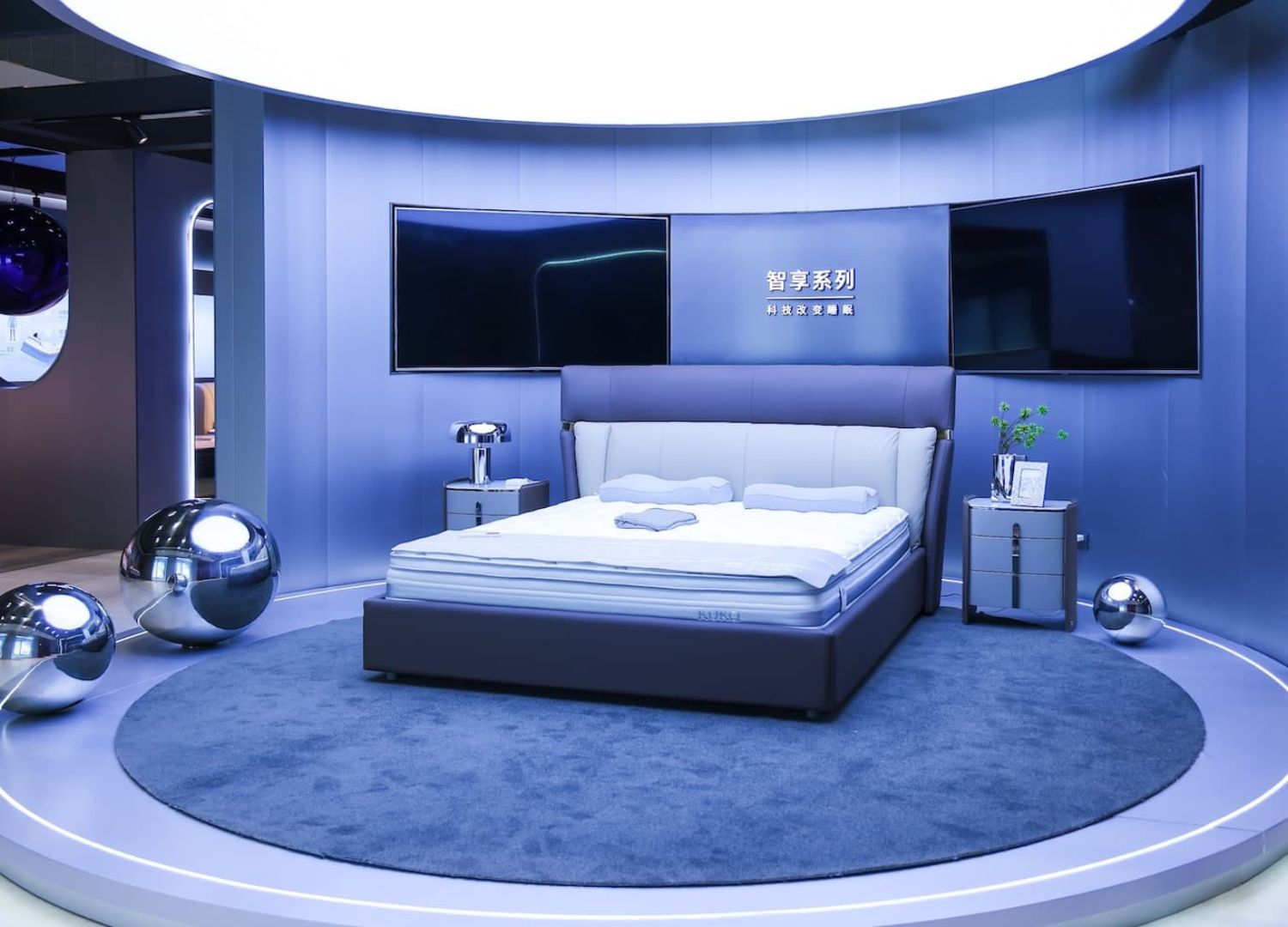
Open full width
CIFF Shanghai 2026 – Design, Digital Intelligence & Sustainability:
Design gets its own neighborhood
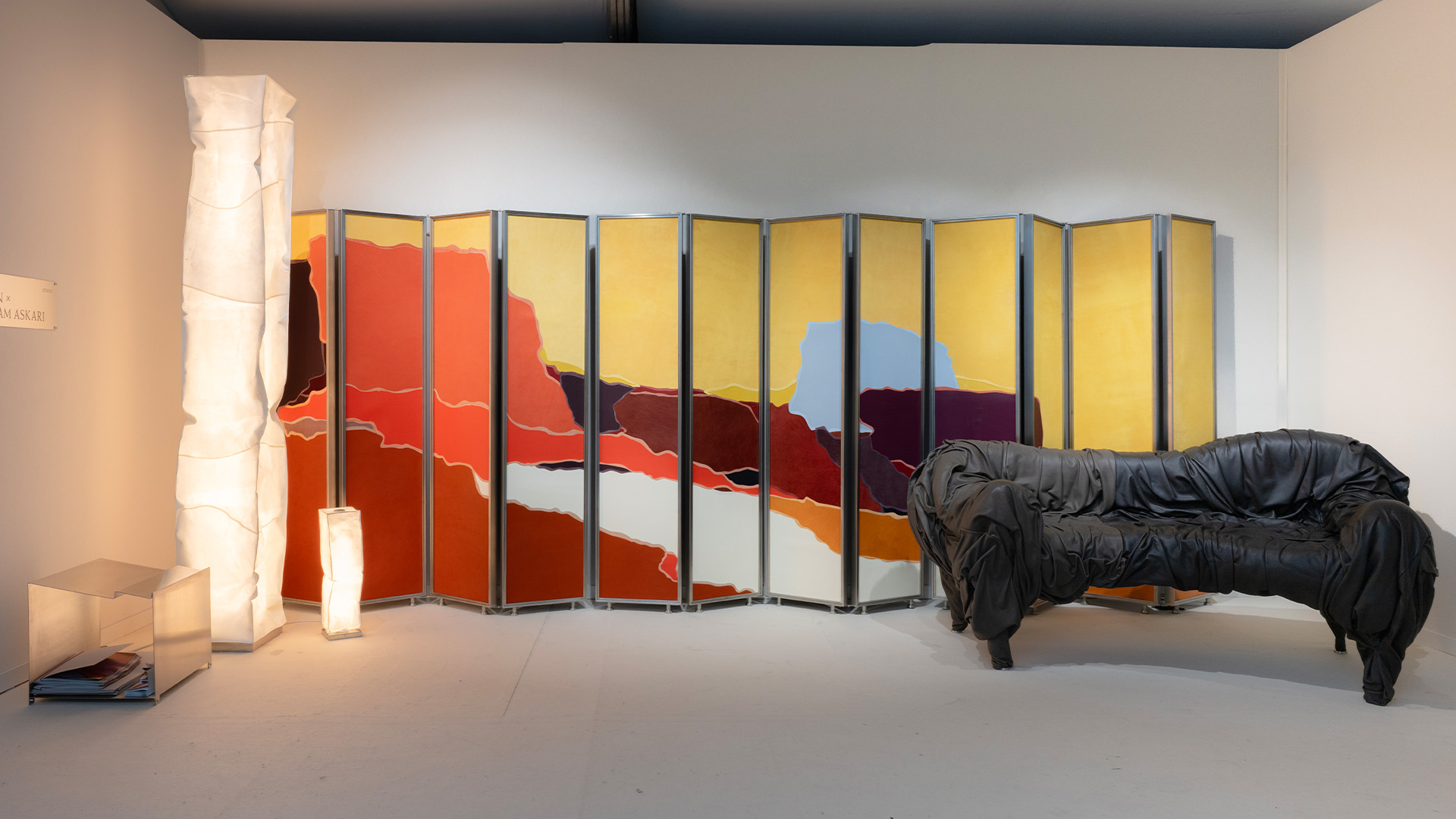
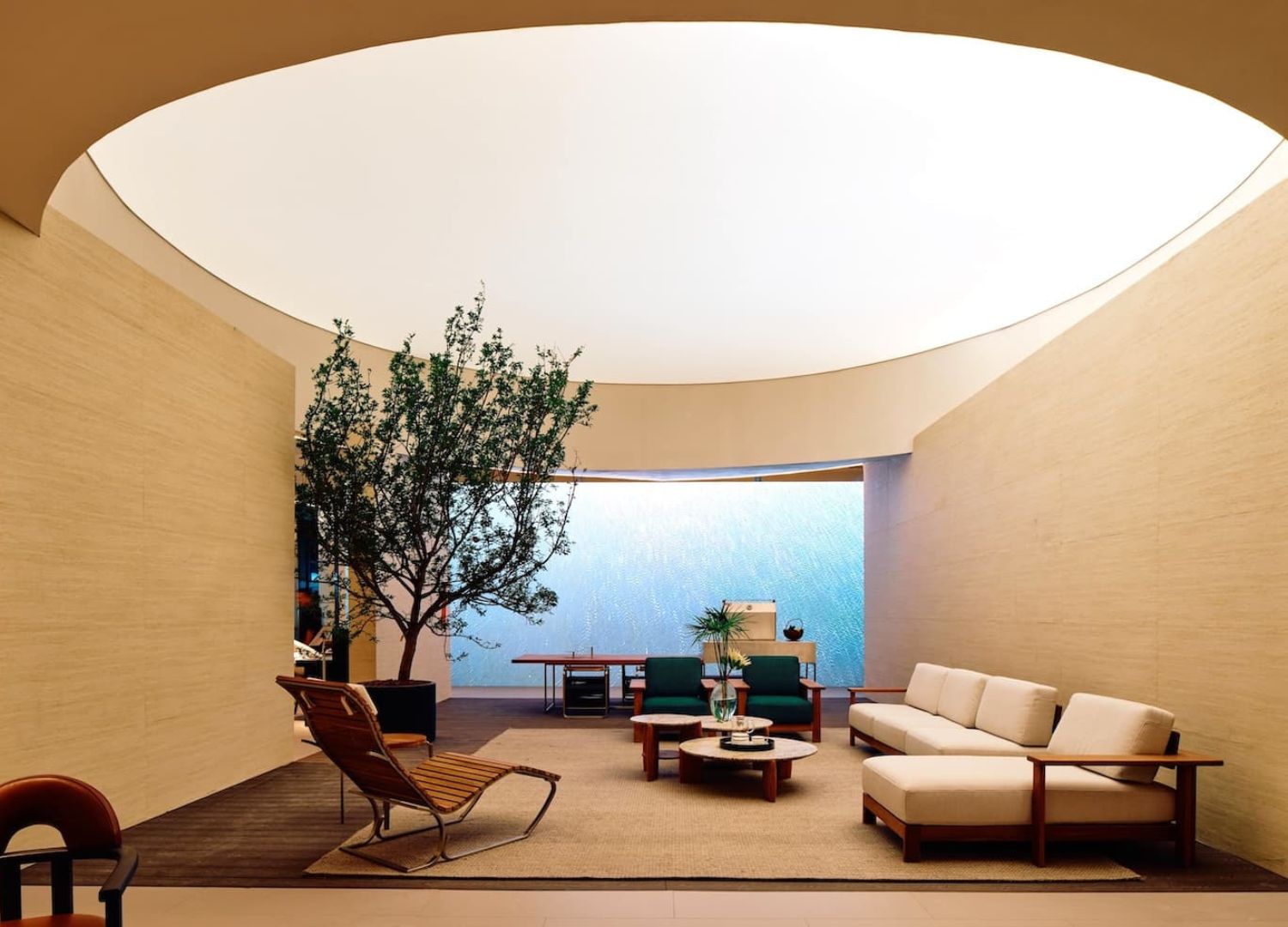
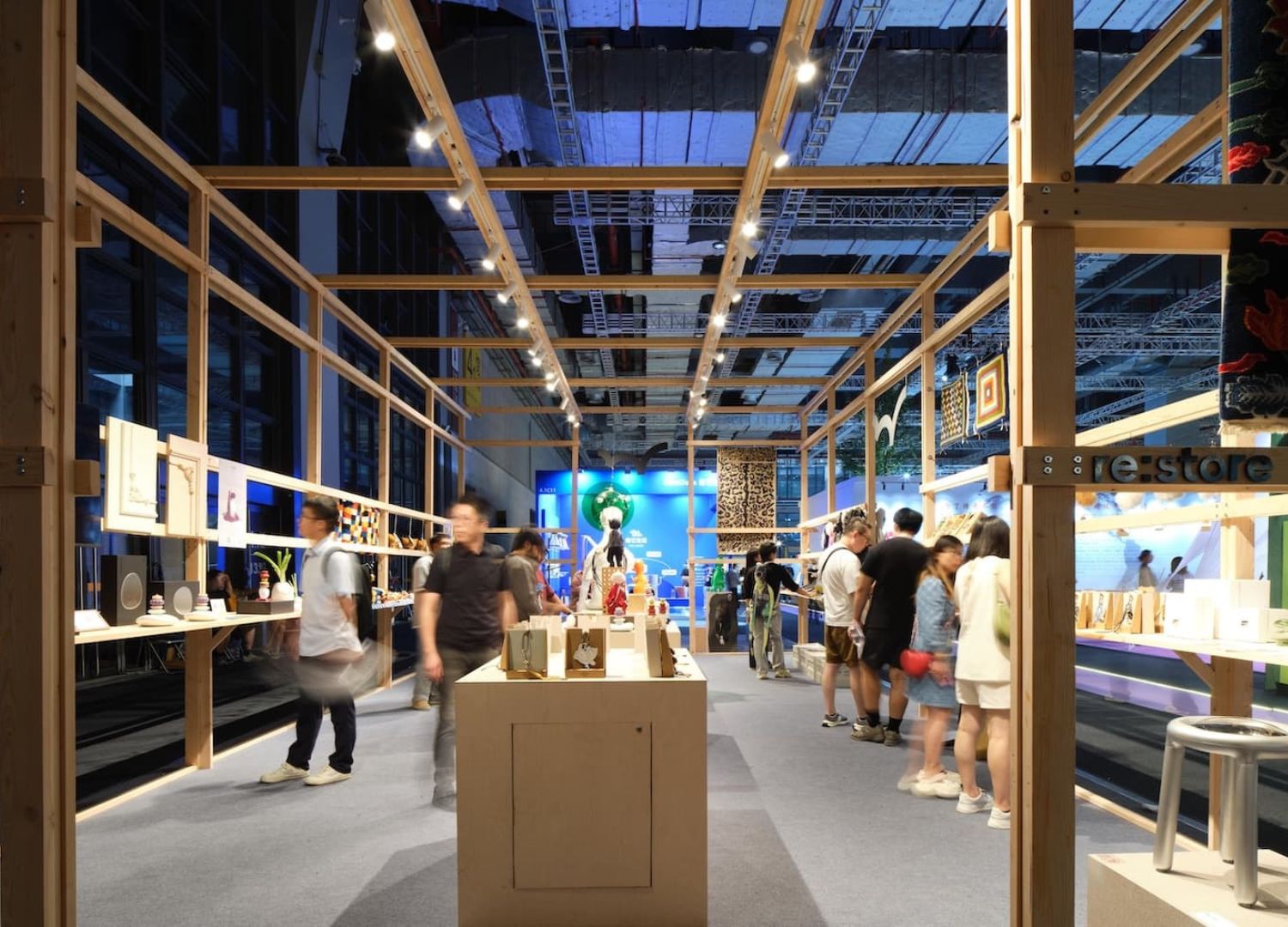
At the center of the 2026 program is Design Eden – Contemporary Design Trade Fair, a 50,000 sqm area dedicated entirely to design brands, independent studios, and emerging designers, complete with exhibitions, forums, and launch events. It’s CIFF Shanghai‘s clearest signal yet that it wants to be taken seriously as a design platform, not just a trade fair for volume manufacturers.
Running alongside it, the CIFF Shanghai Design Conference will bring international designers together with leading Chinese creatives, and the fair will debut the Golden Creation Award, a new prize aimed at recognizing product innovation and setting fresh design benchmarks for the industry.
Retail goes data-driven, with VR and AR in tow
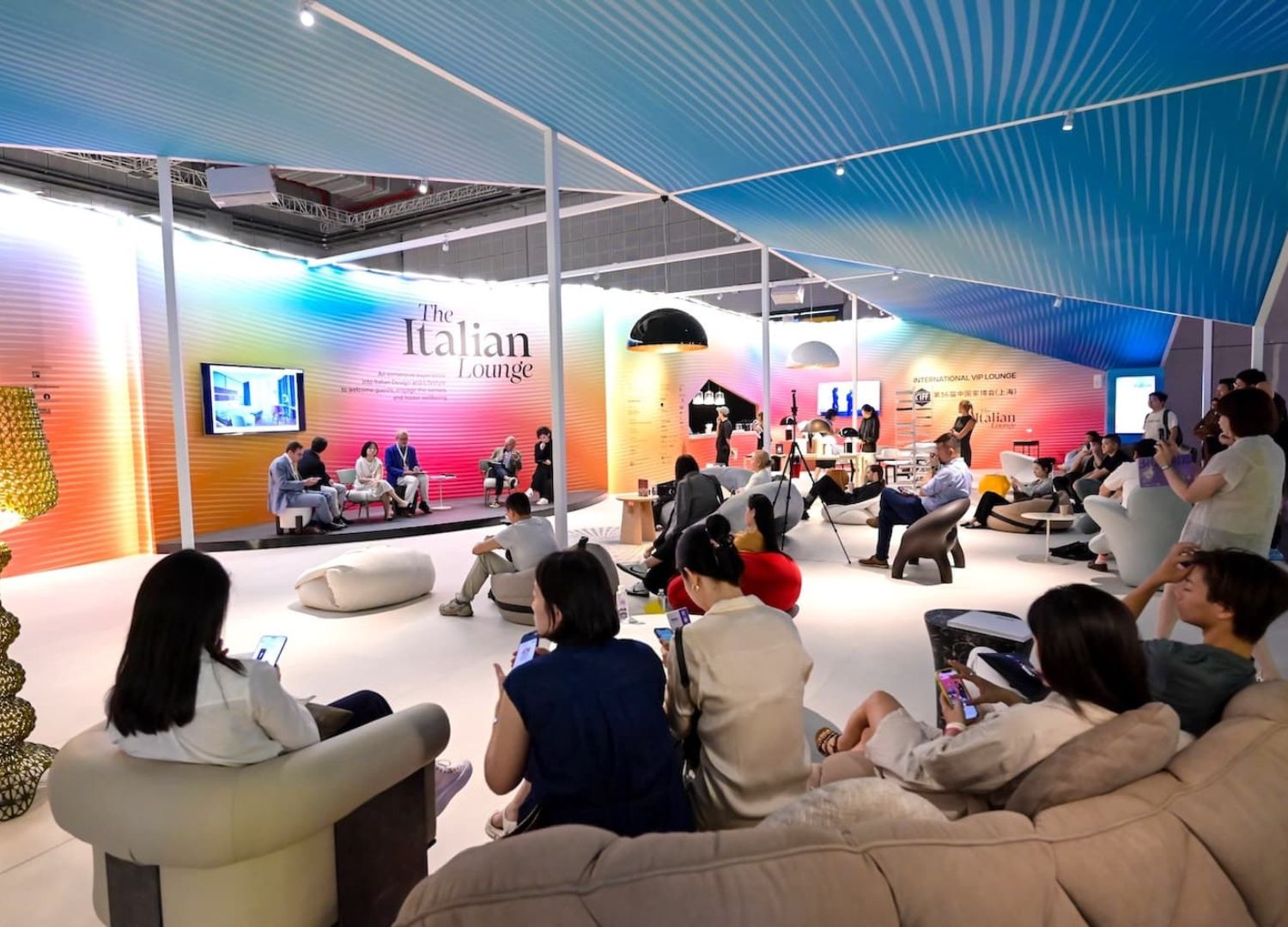
The second pillar, digital intelligence, is where CIFF Shanghai is placing a serious bet on the future of retail. The renewed New Retail Hall — 8,000 sqm featuring 15 leading brands — will showcase integrated retail scenarios that blend online, offline, and data-driven store management, essentially a live preview of what furniture retail could look like once digital and physical stop being treated as separate channels.
VR and AR technology will be used to create immersive product and spatial experiences, while an upgraded multilingual online platform and social media ecosystem will support exhibitors and international buyers before, during, and after the fair. CIFF Shanghai is also partnering with Red Star Macalline on a nationwide matchmaking program designed to connect brands, distributors, and retail channels more efficiently — a detail that signals how seriously the organizers are treating distribution, not just exhibition.
Sustainability moves from talking point to structure
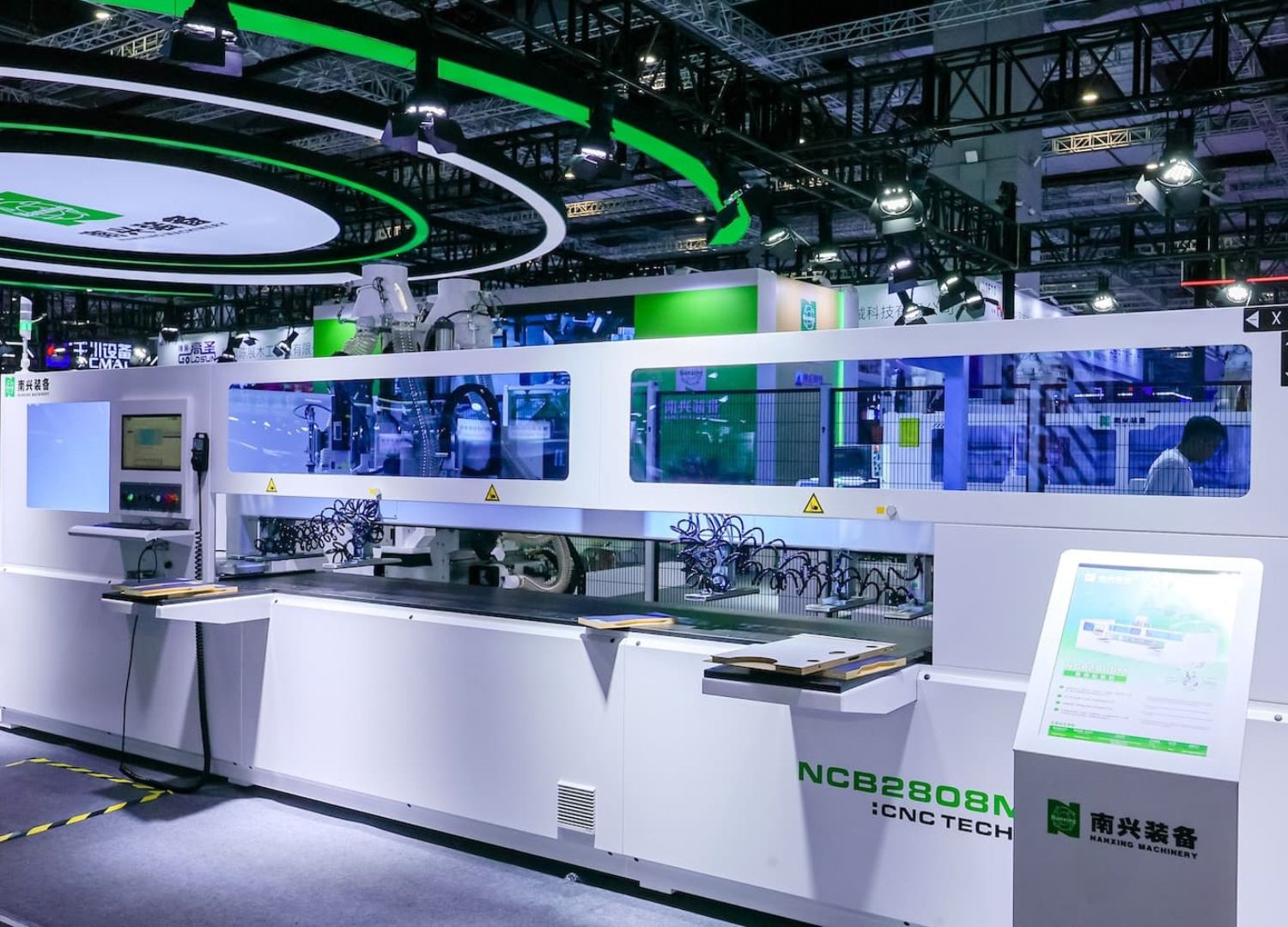
The third pillar treats sustainability as a matter of long-term competitiveness rather than a marketing checkbox. Held concurrently with the main fair, the CIFF Shanghai WMF International Woodworking Machinery Fair will present technologies aimed at more sustainable woodworking and better resource use.
The new Golden Creation Award 2026 will include a dedicated Green Sustainability Award, recognizing recyclable structures, eco-friendly materials, and low-emission construction solutions. A new International Materials Selection Center will showcase next-generation sustainable materials, aimed squarely at helping manufacturing supply chains go greener.
Five sectors, one increasingly global ambition
Beyond the three pillars, CIFF Shanghai 2026 is organized around three major content areas — Design Eden for original design and product launches, New Retail for immersive and data-driven retail models, and Integrated Home Building, developed with the China International Building & Decoration Fair 2026, addressing the growing demand for fully integrated interior design solutions.
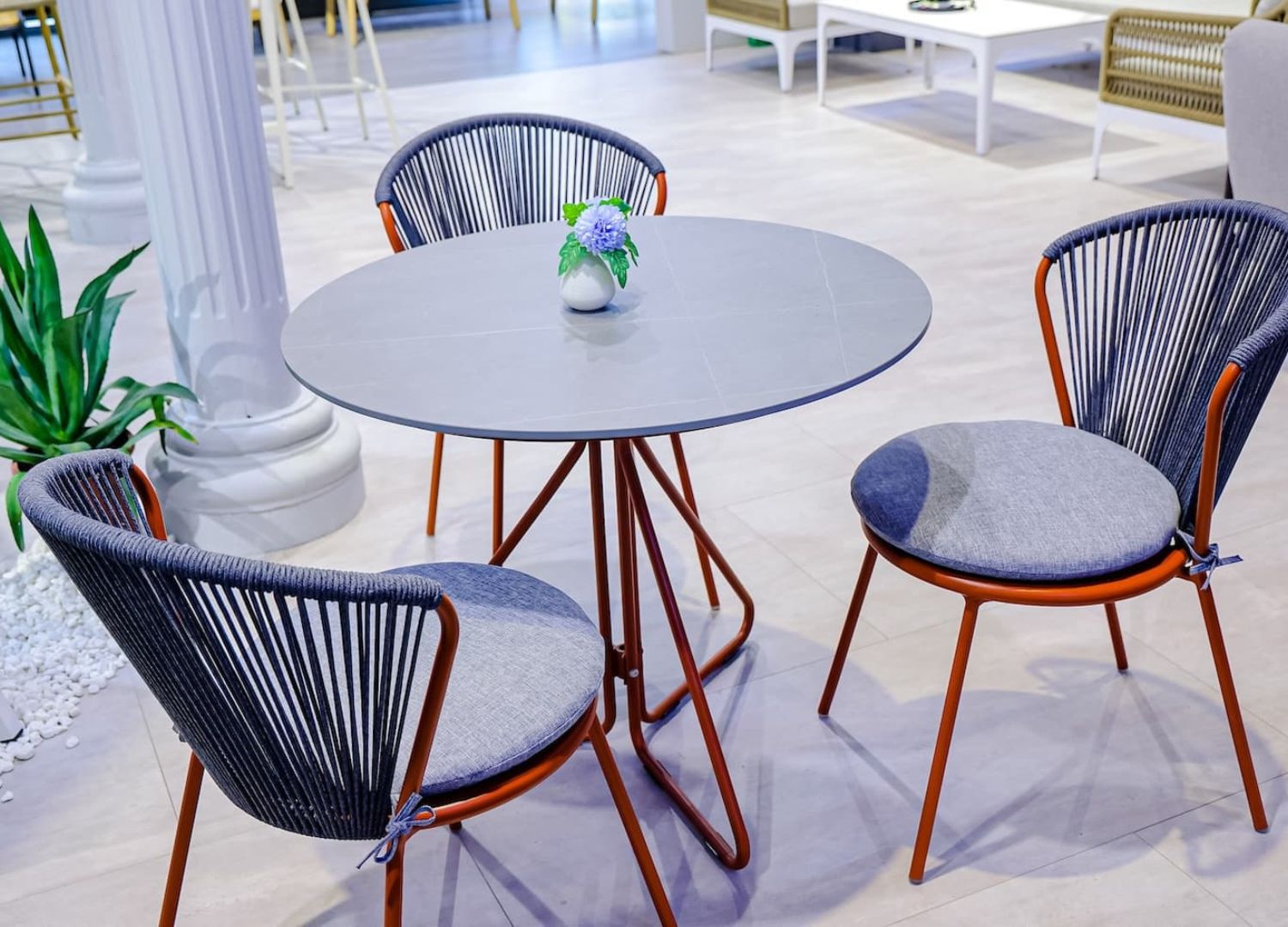
The fair continues to invest in five strategic sectors: woodworking machinery, upholstered furniture, outdoor living, office spaces, and living & dining spaces. The push to internationalize is backed by numbers: in 2025, CIFF Shanghai’s roadshows and matchmaking programs generated more than 470 business meetings and onsite orders exceeding USD 8.14 million, a benchmark the 2026 edition is explicitly aiming to build on.
Culture, not just commerce
CIFF Shanghai is also leaning into its role as a cultural platform, with five curated exhibitions exploring the intersection of design, lifestyle, and sustainability through immersive and interdisciplinary formats: The Hidden Realm Thematic Exhibition, HOTLINE – Joint Exhibition of Design Creators, Grand Tea Gala, The Design & Imagination Contemporary Design Exhibition, and Design Gravity.
Taken together, these projects reflect where the organizers say CIFF Shanghai is heading next: from a single trade event to a year-round active platform, from one-way information dissemination to collaborative content creation, and from exhibition services to a broader industrial service ecosystem.