A window to the future: design that shapes a more sustainable world
With a vision that unites innovation, circularity, and responsible design, Deceuninck builds solutions that combine technical excellence with long-term sustainability — for windows that improve life and respect the planet.
Innovation is not measured by speed, but by impact: by the way it improves what surrounds us. For Deceuninck, this is not a slogan, but the essence of a philosophy that places technical progress at the service of both people and the planet. As the company states: “We innovate to improve people’s lives and build a sustainable future, where every detail matters: from the choice of materials to environmental care, from technical quality to beauty that stands the test of time.”
It’s not just a statement of intent, but the tangible expression of an industrial culture that has turned the window frame — an apparently technical object — into a symbol of responsible innovation and lasting value. Through the balance of engineering, research, and vision, Deceuninck has shaped a pioneering approach to sustainability, built on a simple principle: improving efficiency without compromising quality.
Gallery
Open full width
Open full width
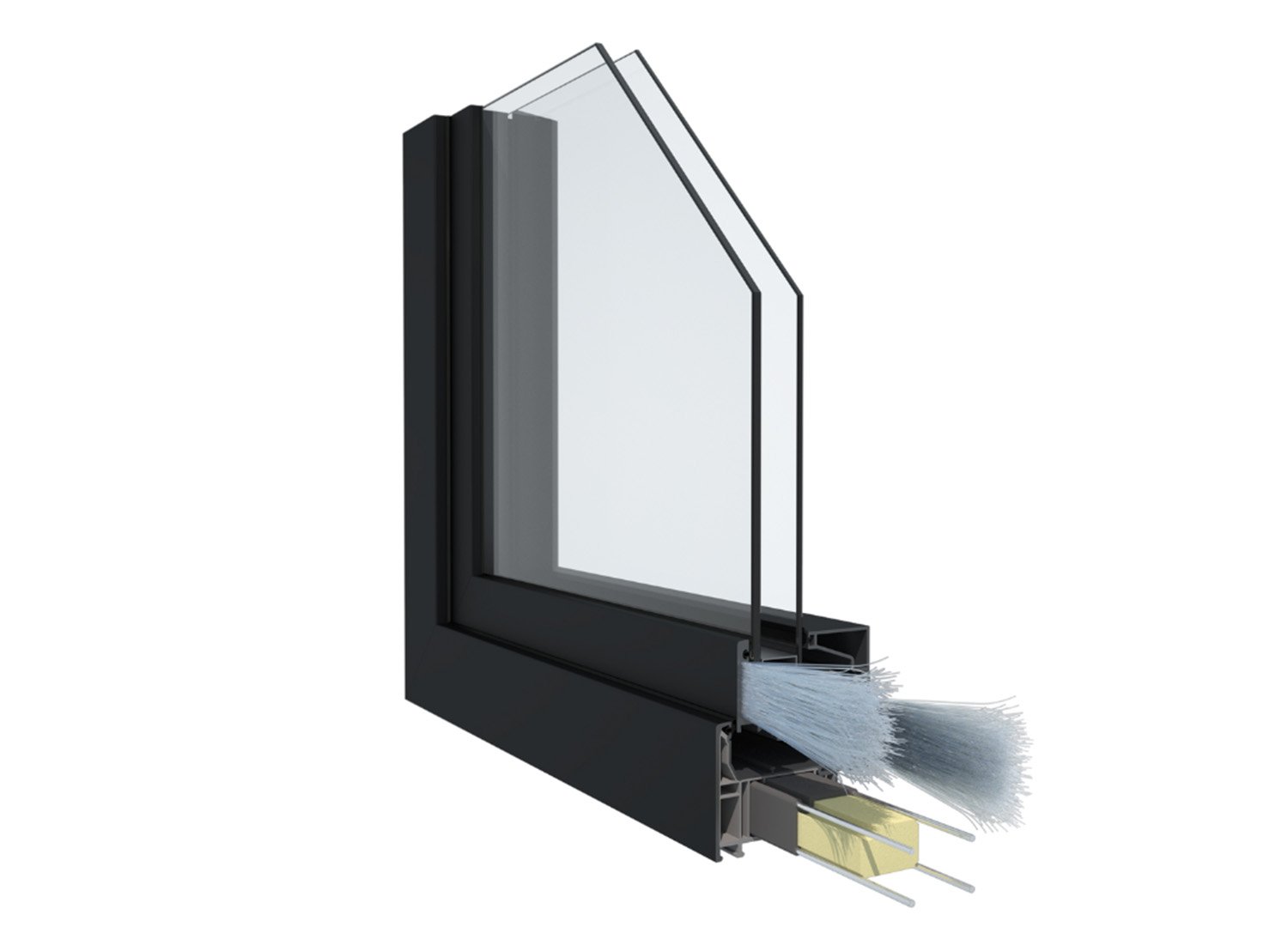
The most emblematic result of this journey is the Elegant ThermoFibra range, a window system that embodies the company’s vision of combining technological innovation, efficiency, and design into a single, sustainable language. At the heart of the project lies ThermoFibra, an advanced reinforcement solution that integrates continuous glass fibers directly within the PVC profile. This approach eliminates the need for traditional steel reinforcements, resulting in a lighter, stronger, and fully recyclable frame.
With this structural evolution, Elegant ThermoFibra windows achieve thermal insulation values of up to 0.85 W/m²K, significantly reducing both weight and energy loss. Complementing the system, materials such as Forthex — an expanded PVC reinforced with steel wires — and the EcoPowerCore structure enhance strength, durability, and circularity, ensuring consistent performance over time. Altogether, the project represents the perfect synthesis between engineering and environmental responsibility, a model of applied sustainability where technology and design coexist coherently and measurably.
Aesthetically, Elegant ThermoFibra translates technical precision into creative freedom: slim profiles, clean lines, and over sixty finishes — from natural wood tones to metallic shades — designed to dialogue with contemporary architecture. It’s a clear example of how innovation can be invisible yet perceptible, turning a functional element into a conscious design gesture.
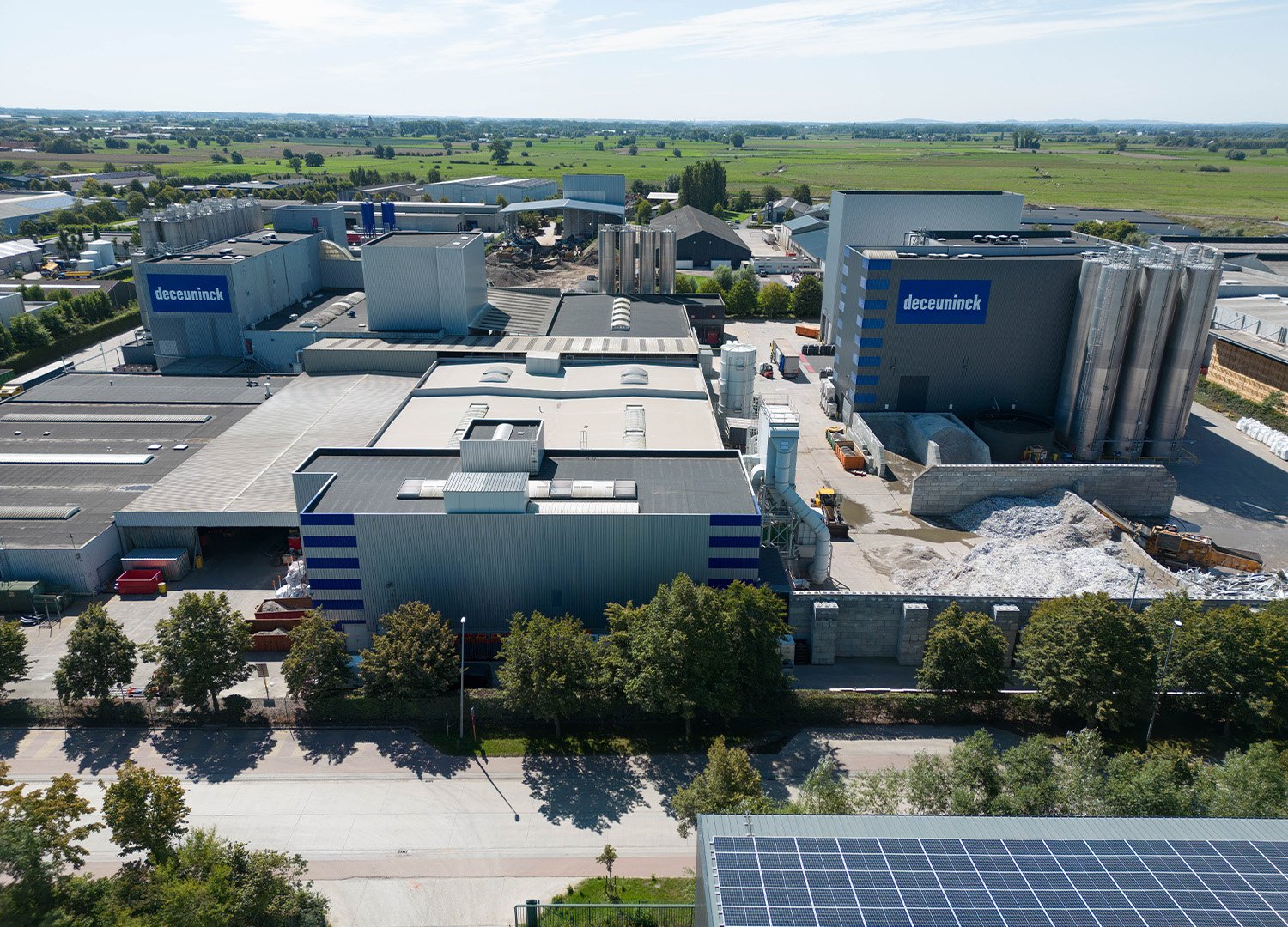
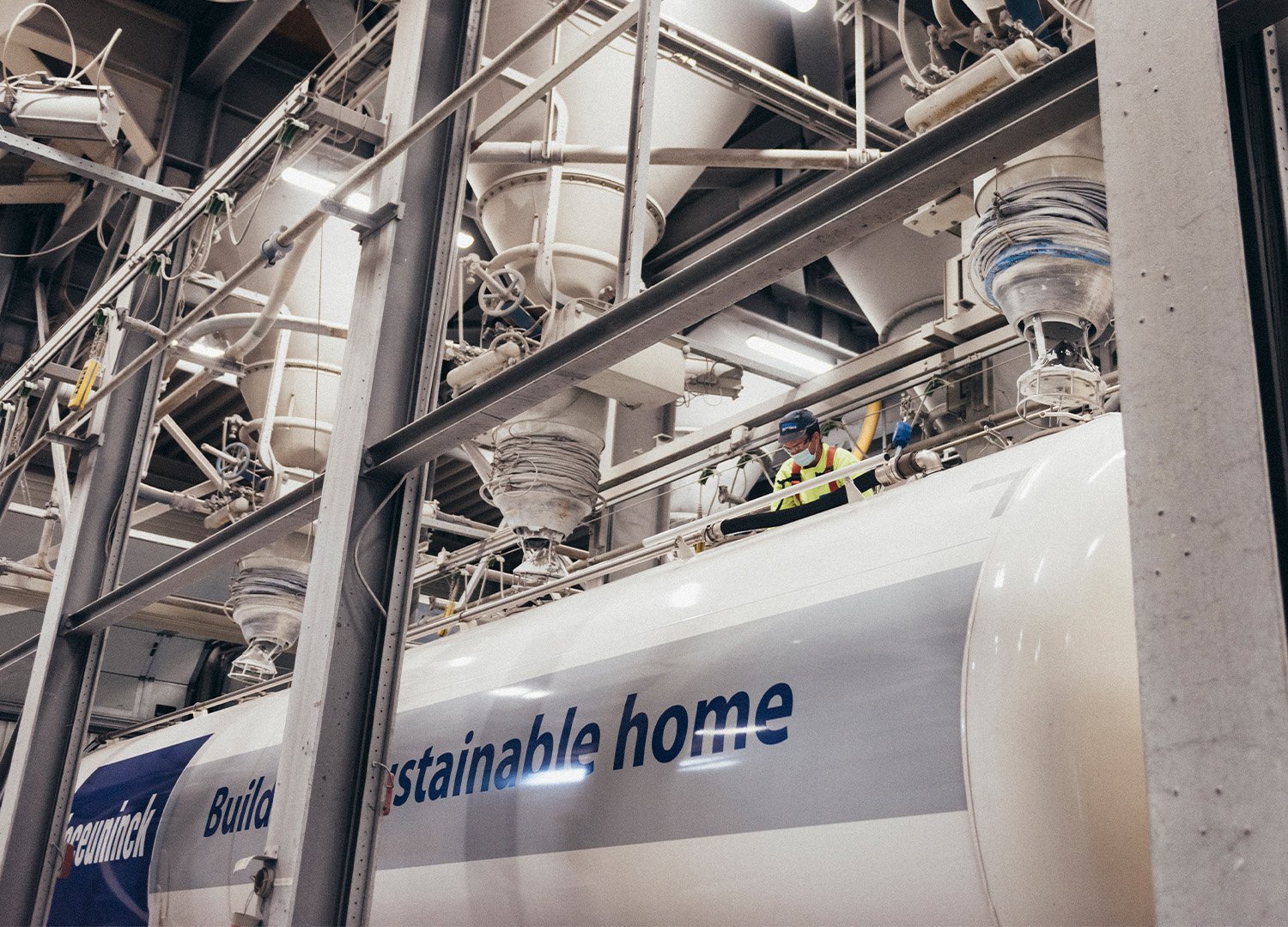
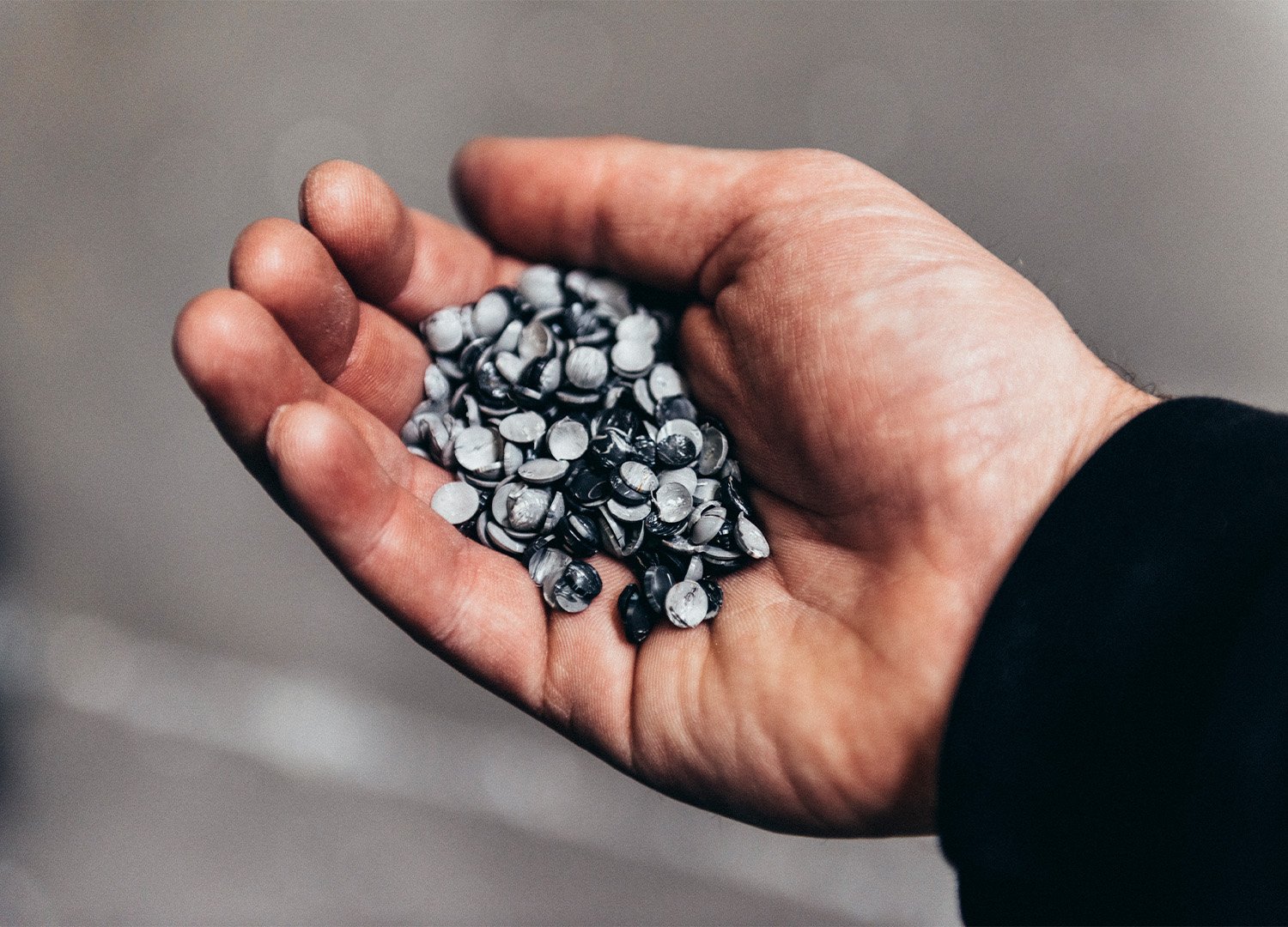
But for Deceuninck, sustainability goes far beyond the product itself. It’s a principle that guides every process, one that, in 2012, led to the acquisition of the largest PVC recycling plant in the Benelux, located in Diksmuide, Belgium. The plant has a maximum recycling capacity of up to 40,000 tons of PVC per year, processing material sourced from industrial waste and end-of-life windows. These are sorted, purified, and reintroduced into production, maintaining the same mechanical properties as virgin PVC. The process is EuCertPlast-certified, ensuring traceability and quality in post-consumer recycling.
Thanks to this facility, the company has effectively closed the PVC loop, contributing concretely to the circular economy within the building industry. Remarkably, PVC can be recycled up to eight times without losing its mechanical properties, giving it a potential lifespan of around 280 years. This achievement was made possible because environmental care at Deceuninck is not an isolated department but a principle that permeates the entire organization, from design to communication, from partner selection to customer training.
As the company explains, it’s not a department but a way of working: a shared culture that guides every decision and unites different skills toward a common goal. This systemic — and cultural rather than merely technical — approach has made Deceuninck a benchmark in Europe for coherence, continuity, and vision.
At a strategic level, the company has turned this vision into measurable action by joining the Science Based Targets initiative (SBTi) and setting clear goals for emission reduction across its entire value chain:
• 60% in direct emissions (Scope 1 and 2) by 2030;
• 52 % in indirect emissions (Scope 3) per ton of product;
• climate neutrality by 2050.
To support these goals, Deceuninck has implemented management systems certified to ISO 14001 and ISO 9001, publishes Environmental Product Declarations (EPD), and has obtained the VinylPlus® Product Label for several product ranges. These tools not only ensure transparency but also measure real progress and encourage continuous improvement.
The results validate this path: a 12% reduction in the company’s internal carbon footprint and a recycling capacity of up to 40,000 tons of PVC per year, with actual volumes varying from year to year. This milestone is not an endpoint but proof that innovation and sustainability can evolve together, becoming a true driver of competitiveness and environmental responsibility.
So, what does it mean to build the future when change is already here? For Deceuninck, the answer lies in continuing to innovate, but with an even broader perspective: accelerating toward a circular, digital, and decarbonized model, where every choice, from materials to energy, reduces impact and increases value for people.
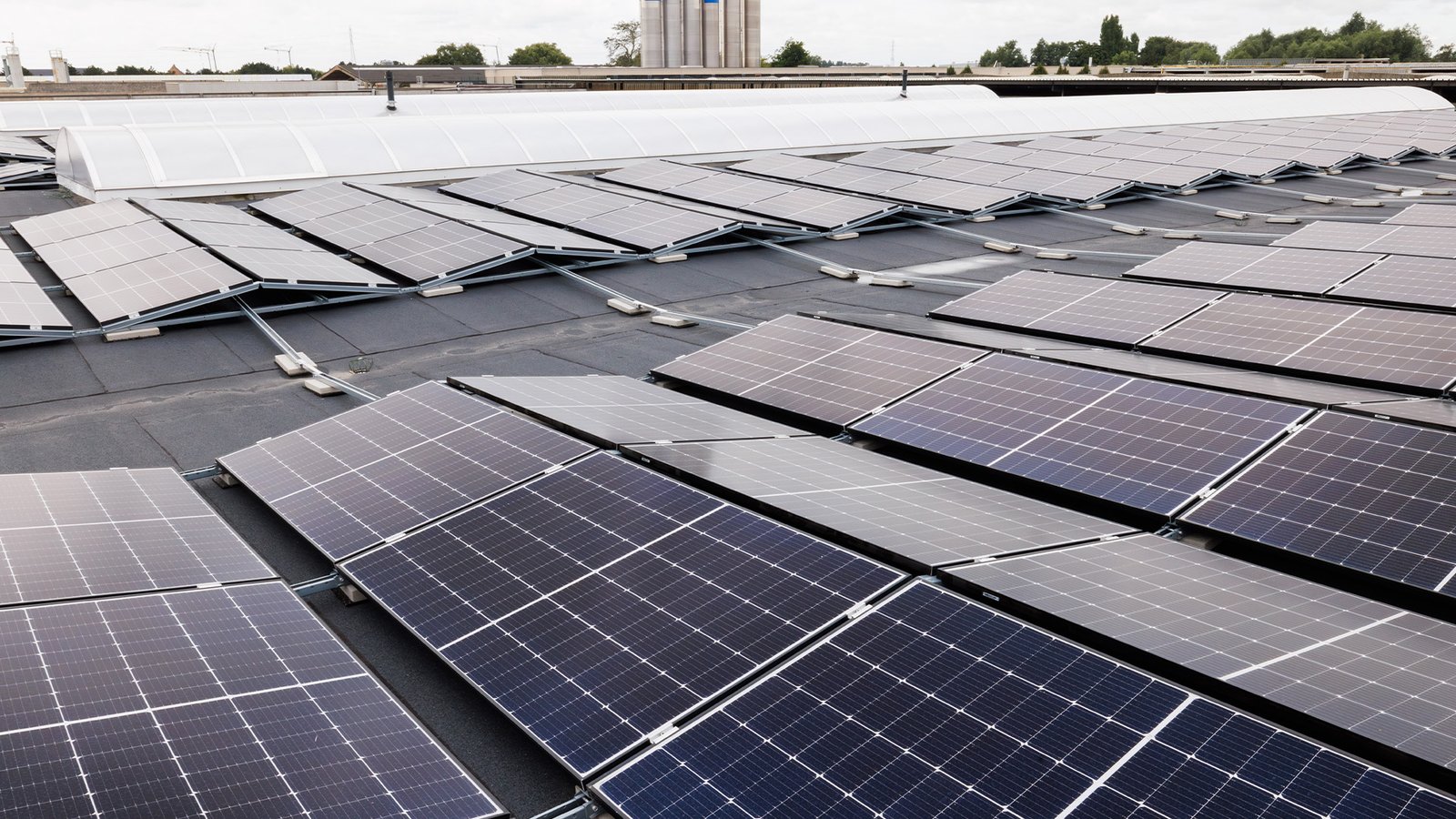
In the coming years, investments will focus on fully electrified processes, the exclusive use of renewable energy, and the development of smart materials and modular systems like iCOR, designed to simplify production and optimize product lifecycles. Meanwhile, research is already looking further ahead: photovoltaic and photochromic windows, capable of generating energy or modulating natural light, are paving the way for more efficient, connected, and interactive architecture.
Yet as technology evolves, so must the language of design. That’s why aesthetics remain an integral part of the brand’s innovation strategy: an extensive range of finishes, textures, and colors allows each solution to adapt to its architectural context, offering creative freedom to designers without compromising sustainability.
It’s a vision where innovation is never an end in itself, but a way of reinterpreting the relationship between industry, environment, and everyday life. Because, ultimately, every window that opens is not just a passage of light: it’s an invitation to imagine a future that’s more efficient, more beautiful, and more sustainable.