6 future-forward design master’s programmes worth knowing
As climate systems, food supply chains, and political institutions strain under pressure, a new generation of postgraduate design programmes is reclaiming design as a form of inquiry.
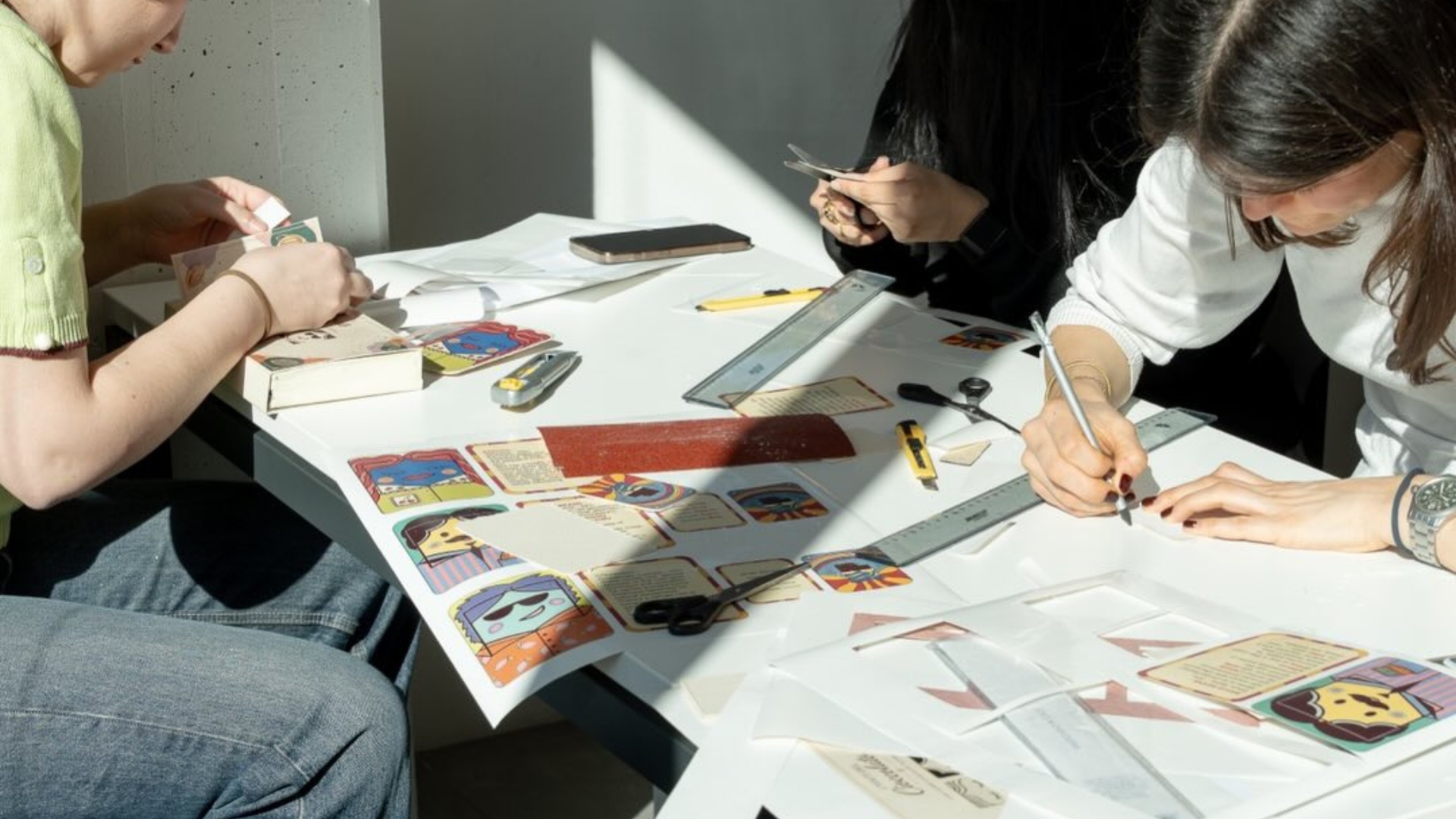
While bachelor’s degrees are usually to cover the basics, design master’s programmes are where the fun can truly start. In an industry where a formal education is often unnecessary, students choosing this route are often looking for innovation, ways to do design that distance themselves from the norm, and to explore new philosophies, emerging fields, or research practices.
Rather than training designers to execute briefs more efficiently, these programmes ask what design could become, pushing students to think about the larger issues our discipline is embedded in. The six programmes listed here, spread from Barcelona to Singapore, represent different bets on what that future-facing design education should look like, through fabrication, materiality, political critique, business innovation, or sustainability science.
Gallery
Open full width


Open full width
6 design master’s programmes worth knowing:
Political Architecture: Critical Sustainability at the Royal Danish Academy, Copenhagen
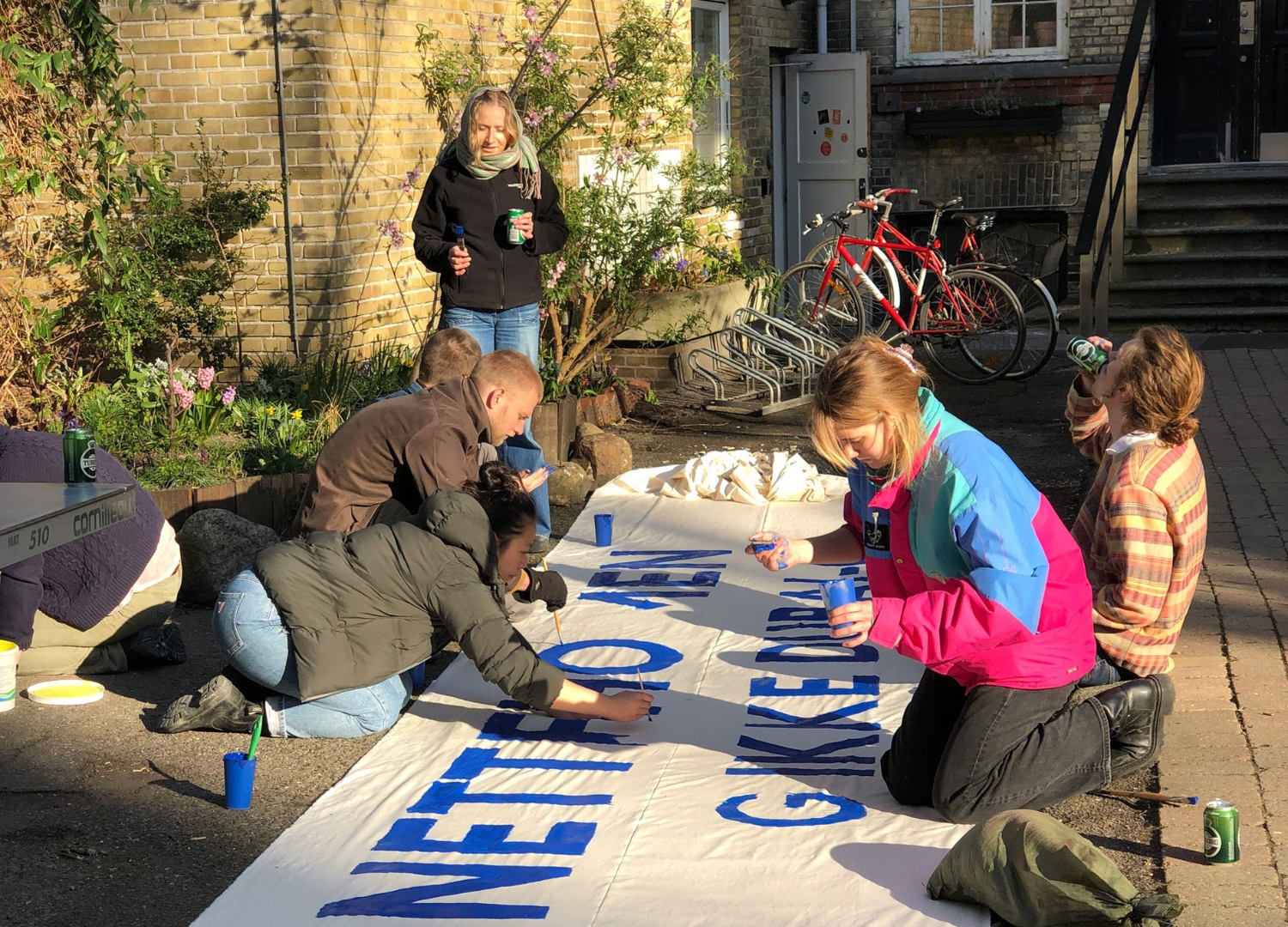
The two-year MA from the Royal Danish Academy takes as its foundational premise that architecture is never neutral, but always complicit in the consolidation or transformation of power. Architecture influences both private and collective life, having an impact on how communities interact as well as on how living conditions are regularised.
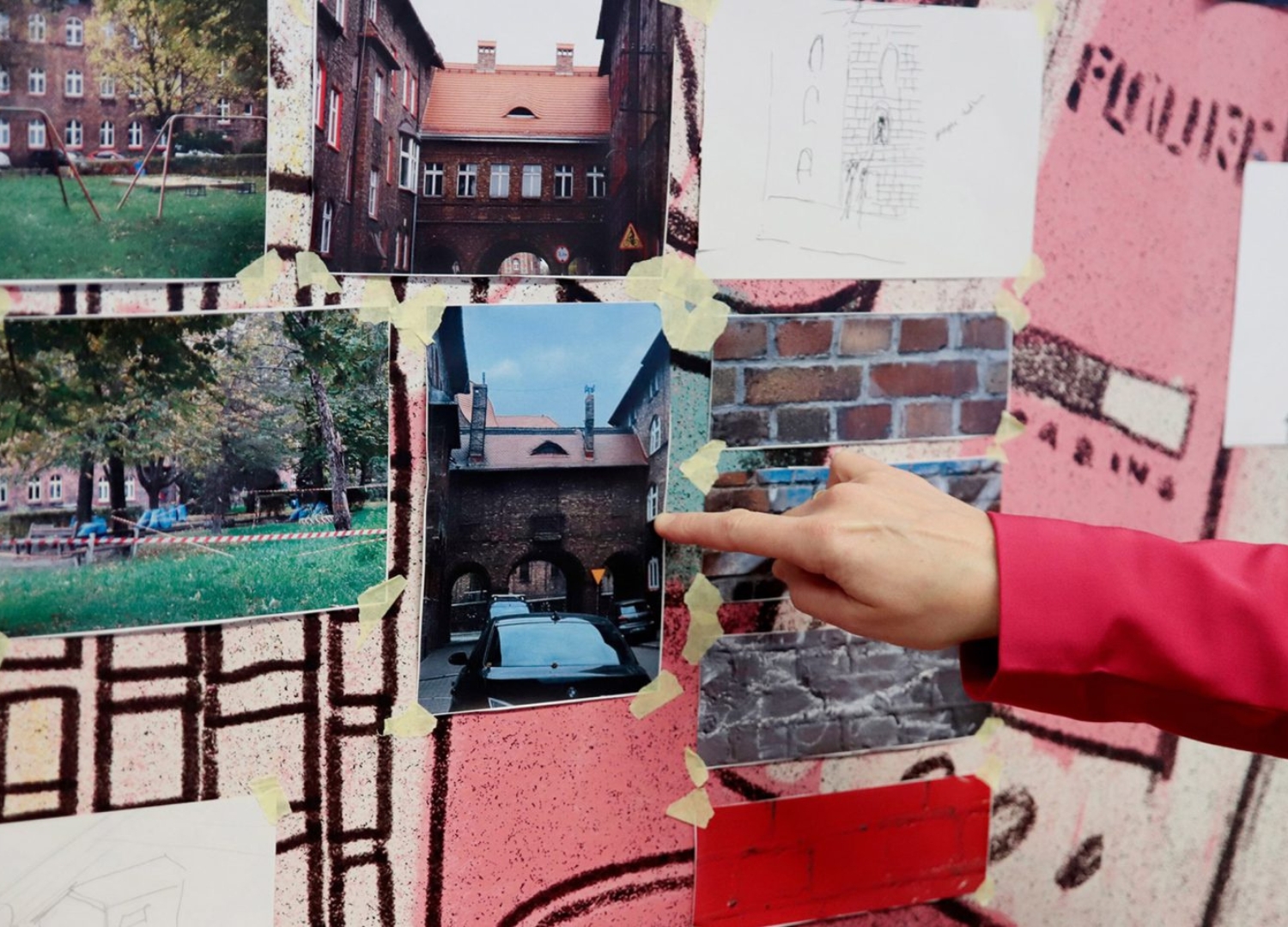
The programme includes a mandatory annual fieldwork campaign that sends the cohort to a new site each year for a few weeks, and the resulting research anchors the project work for the rest of the year. Teaching is tutorial-based, built on long weekly conversations with a tutor and “philosophicum” runs alongside the studio work, intended to give students a conceptual grounding for their future practices.
Master in Design for Emergent Futures at IAAC, Barcelona
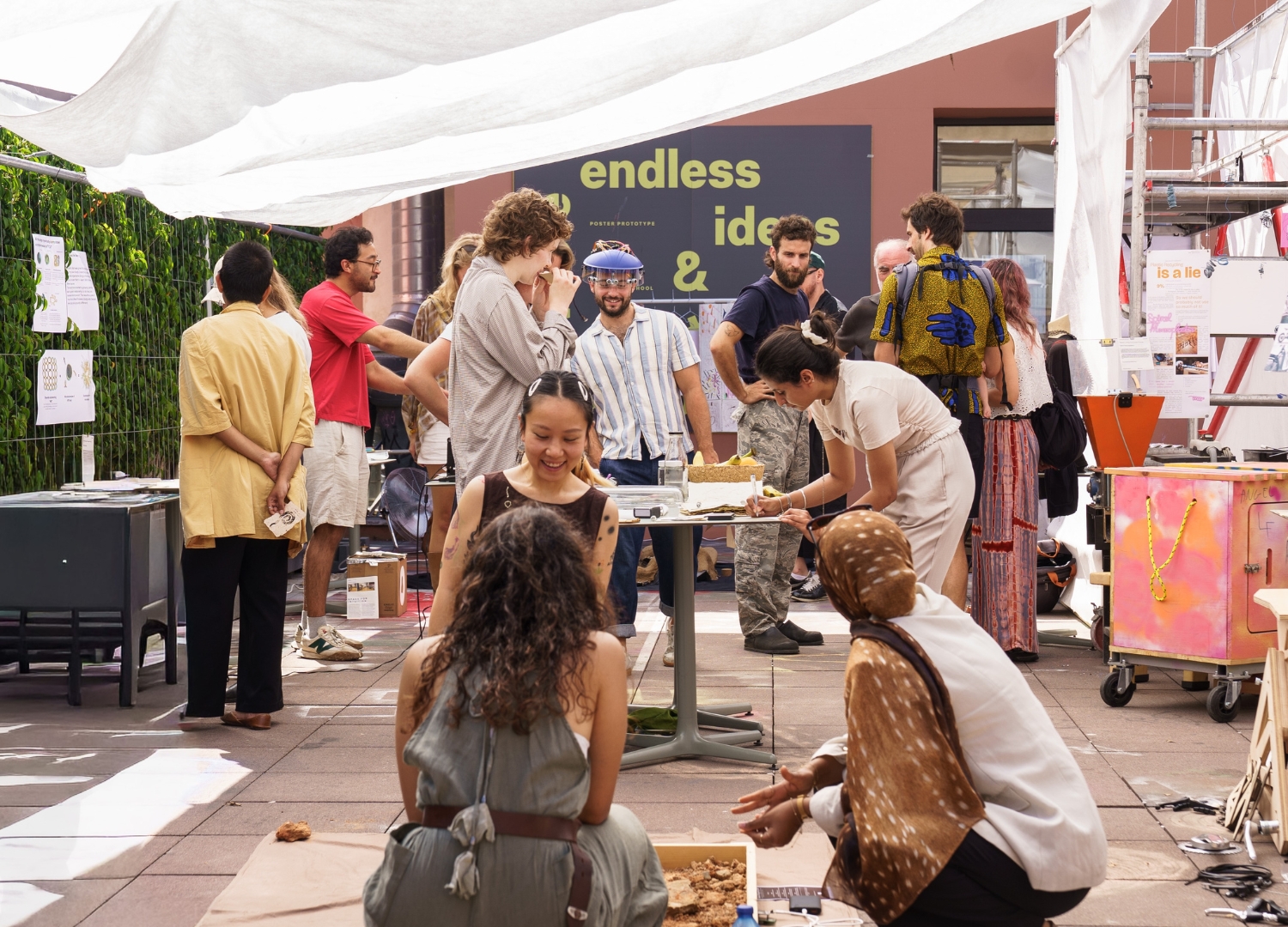
The Master in Design for Emergent Futures (MDEF), run by the Institute for Advanced Architecture of Catalonia together with Elisava, treats design as a tool for confronting systemic problems. The ten-month programme moves students through a design studio sequence grounded in situated research and hands-on prototyping, with the possibility to extend the course to a second year focused on project work.
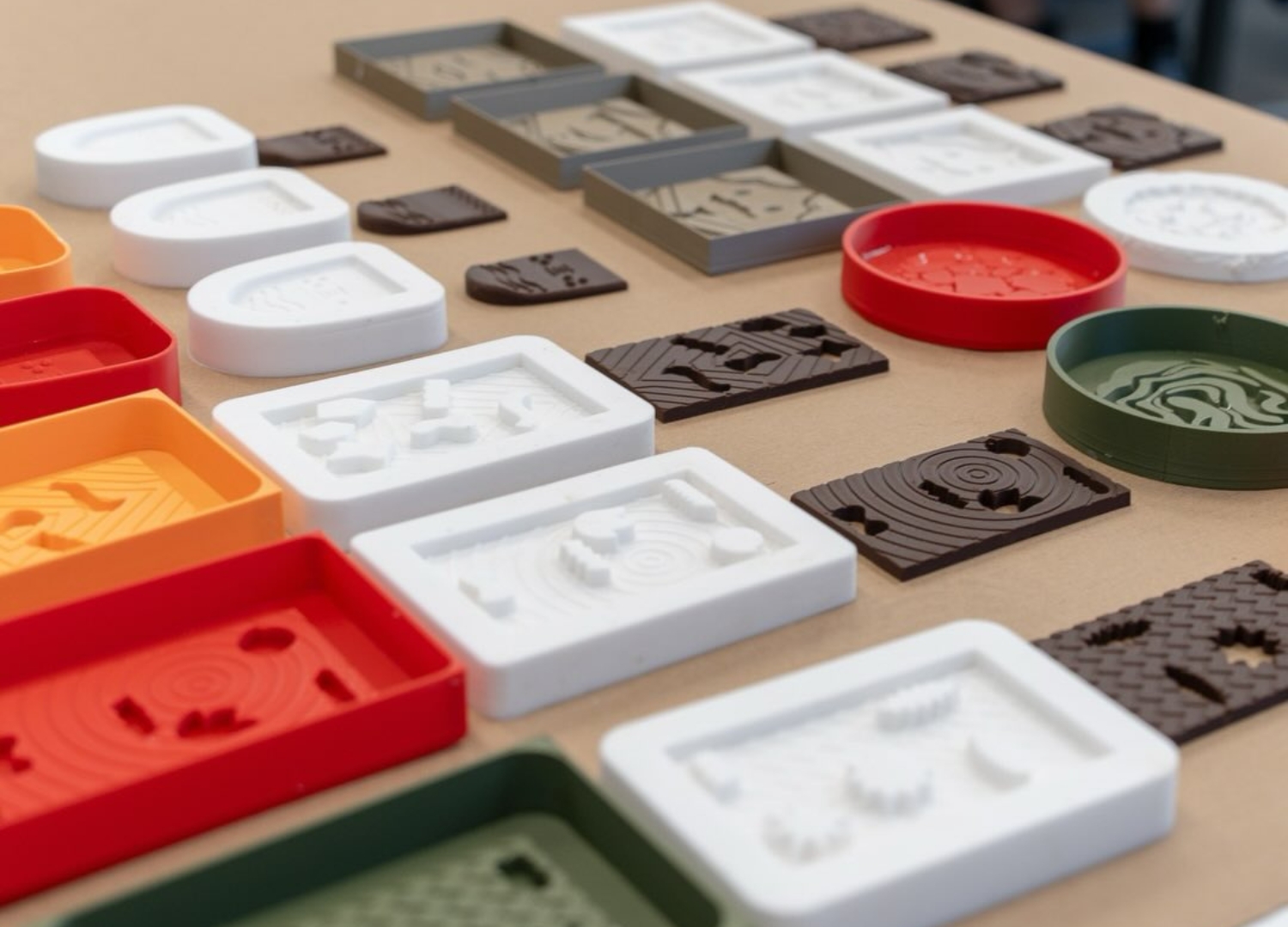
The emphasis throughout is on flexibility of skill rather than the mastery of a single medium; students are expected to develop a personal strategic vision for navigating uncertainty through their work. What sets the course apart is also the integration with Fab Lab Barcelona, which gives students direct access to makerspaces and a grounding in coding, physical computing and synthetic biology alongside their conceptual work.
MA Material Futures at Central Saint Martins, UAL, London
At Central Saint Martins, this course starts from the premise that materiality is the most honest starting point for imagining how we might live differently. The programme draws students from fashion, architecture, industrial and communication design into a shared enquiry that blurs disciplinary lines, integrating high and low technology material processes and asking students to combine social, ecological, and economic research into their work.
The course is often chosen for its connections to industry, as past student placements have been at Adidas or Louis Vuitton, but its distinguishing feature is a persistent demand for critical self-awareness. Admissions will explicitly look for applicants who can actively discuss the ethical and moral dimensions of their material choices. In an industry where “sustainable materials” are often a technical checkbox, MA Material Futures insists that practising material design seriously means studying the systems that produce, use, and dispose of them.
Master in Design for Food at POLI.design, Milan
The Specialising Master in Design for Food at POLI.design takes a systemic view of a subject often reduced to plating and packaging. The programme integrates design methodology and food engineering with humanities, sociology, and gastronomic science, walking students through the entire food system, from industrialised processes to Michelin dishes.
Structurally, the course alternates frontal lessons with hands-on workshops, as well as a compulsory 500 hour internship. Based in Italy, arguably the food capital of the world, the course looks at food from a cultural lens, investigating how it shapes identity and community beyond its most primary purposes.
Master of Science in Integrated Sustainable Design at the National University of Singapore
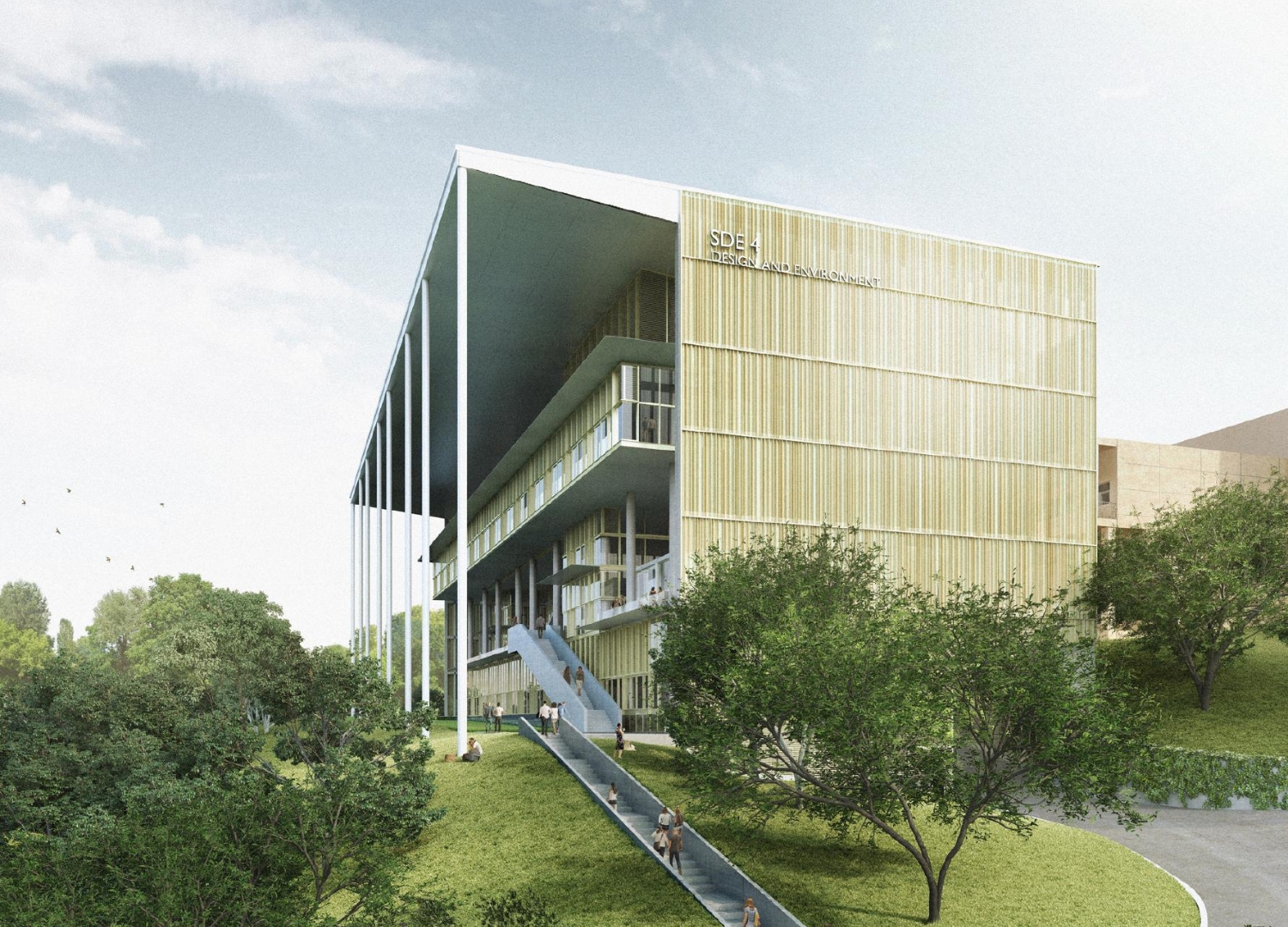
The MSc in Integrated Sustainable Design at NUS approaches sustainability from a different angle, as a matter of urban and building-scale systems engineering, calibrated specifically for Asian cities. The one-year programme draws together architecture, structural and environmental engineering, landscape design, planning, and biological science.
Its cohorts are international, but its programme is deliberately Asia-heavy, as much of its research treats density and circularity as problems that cannot be solved by importing solutions developed for Western contexts.
Master HES-SO Innokick at ECAL, Lausanne
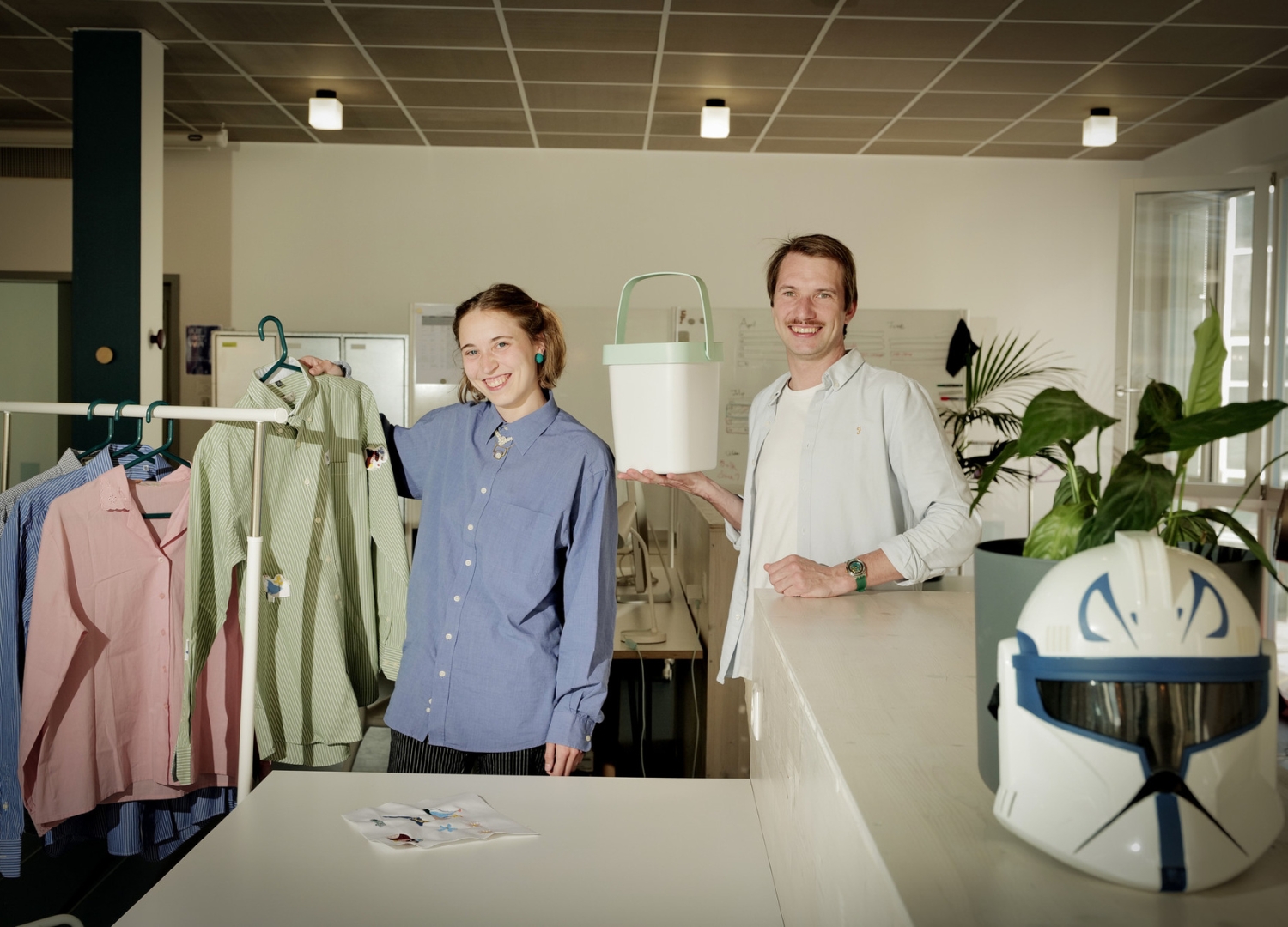
Innokick, run jointly by ECAL and the HES-SO university network, runs for three to six semesters and is built entirely around project-based learning in partnership with real organisations instead of simulated briefs. Students are trained to design products and services that respond directly to identified social, economic, and environmental needs, with academic teaching running in parallel rather than in sequence.
Taught bilingually in French and English and open to graduates from design, engineering, and business alike, Innokick reflects the growing idea in design education that innovation cannot be taught as a purely creative skill, but as an intersection of different disciplines.