DESIGNART TOKYO: what is instinct in contemporary design?
Japan’s design festival celebrates instinctive and intuitive creativity, from personal to commercial projects, transforming the entire city into a museum.
From October 31 to November 9, 2025, Tokyo became an expansive museum without walls. DESIGNART TOKYO operated under the theme “Brave – In Pursuit of Instinctive Beauty”, and welcomed approximately 250,000 visitors across 91 venues spanning Omotesando, Shibuya, Roppongi, Ginza, and beyond. The festival showcased roughly 300 creators and brands from all around the world, spanning artists, architects, designers, and more.
From experimental manufacturing techniques using 3D printers to upcycled designs transforming waste into objects of beauty, the festival offered many different points of view into the multidisciplinary landscape of contemporary design. The event’s relevancy was easily demonstrated through its outreach, which generated 4.33 million online views and obtained 628 media mentions across online and offline publications, as well as social media.
Gallery
Open full width
Open full width
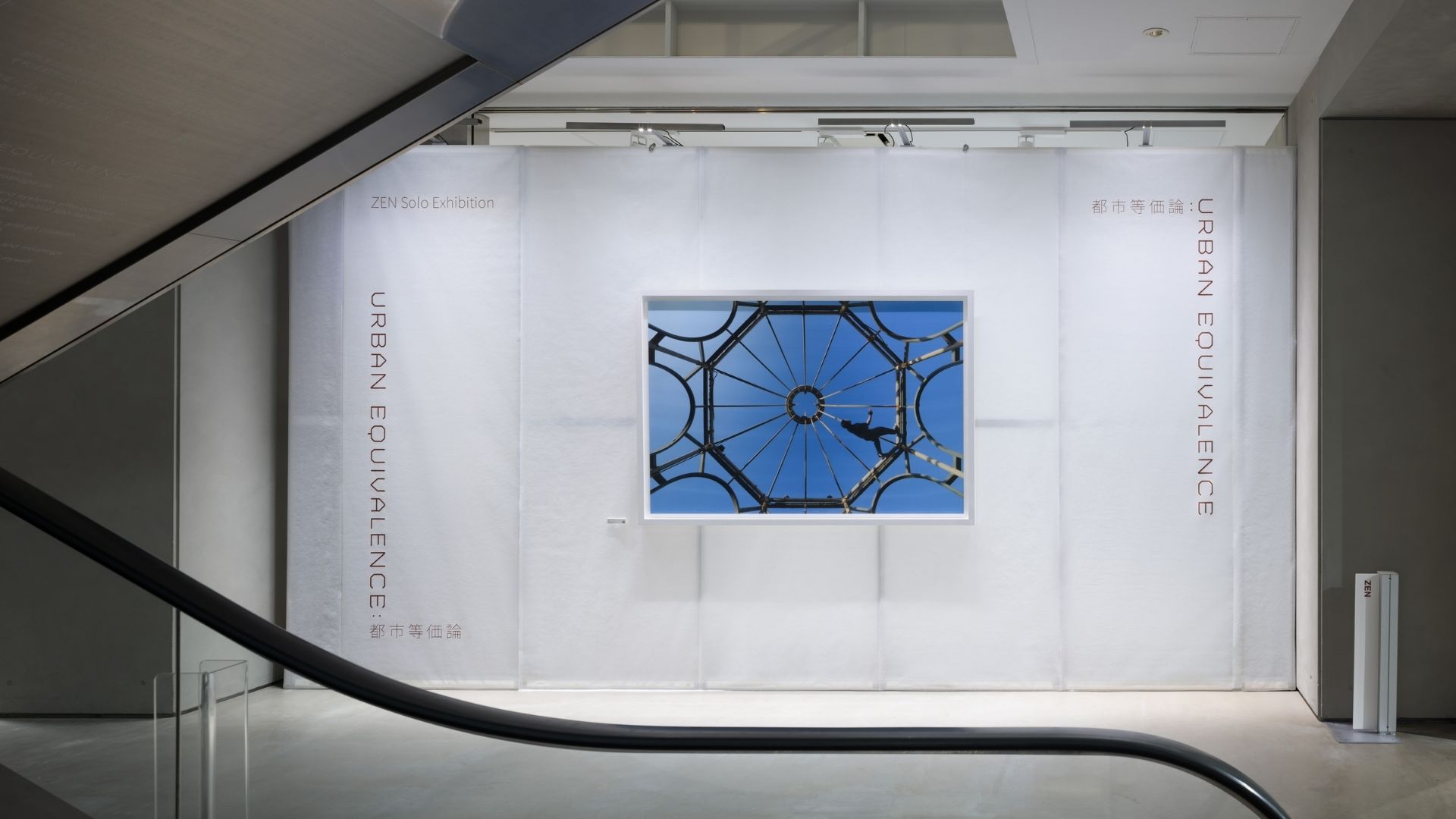
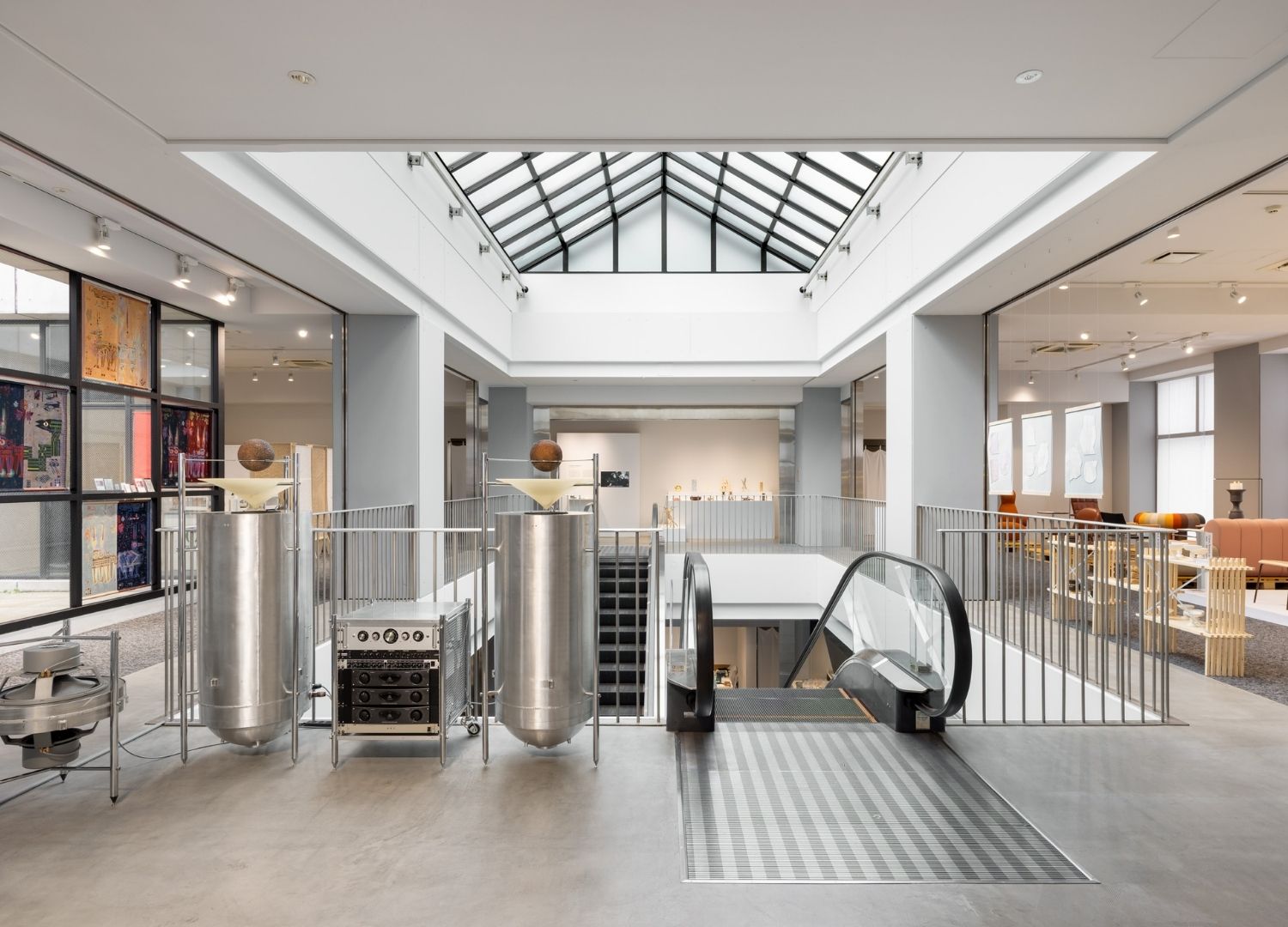
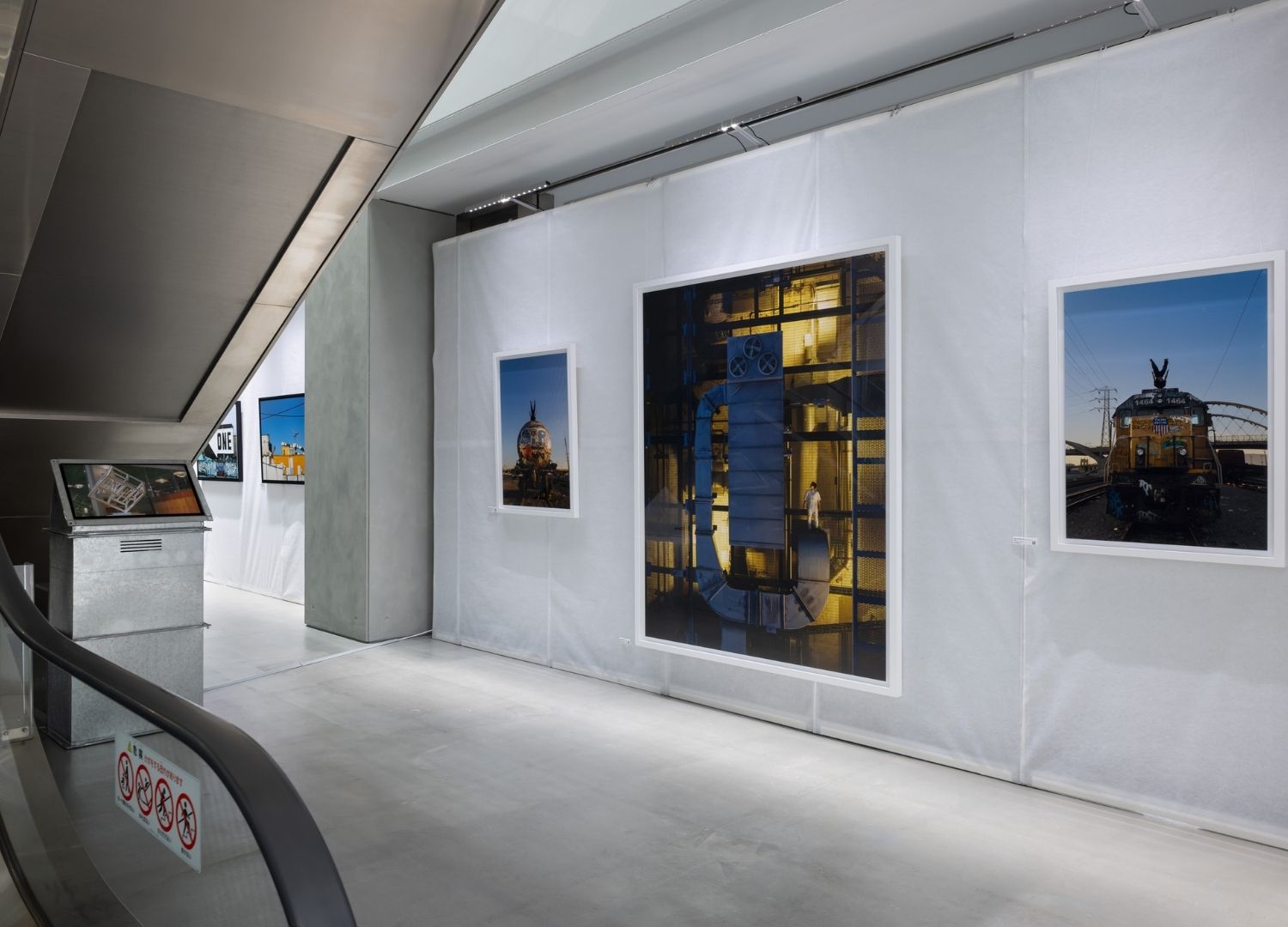
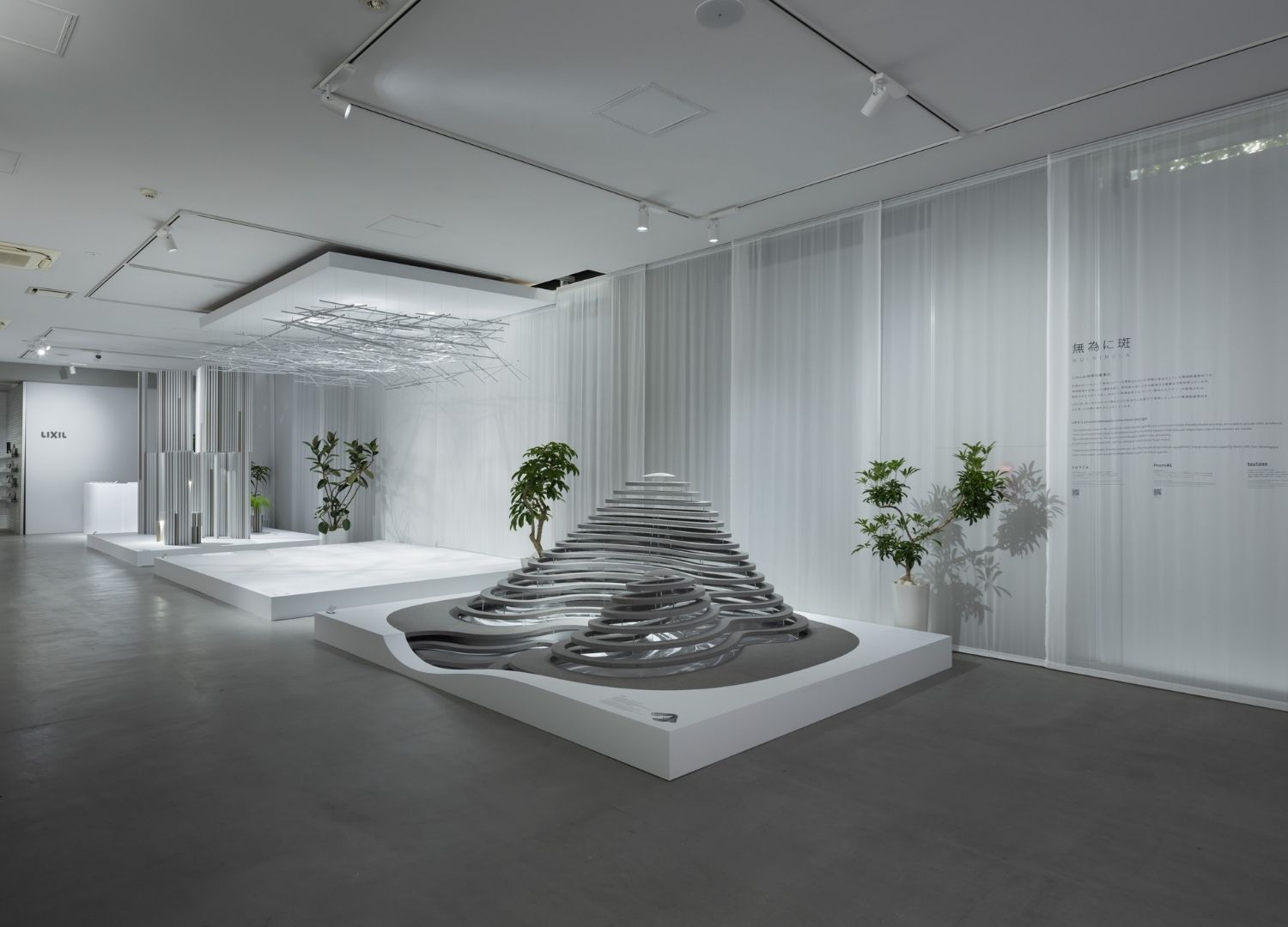
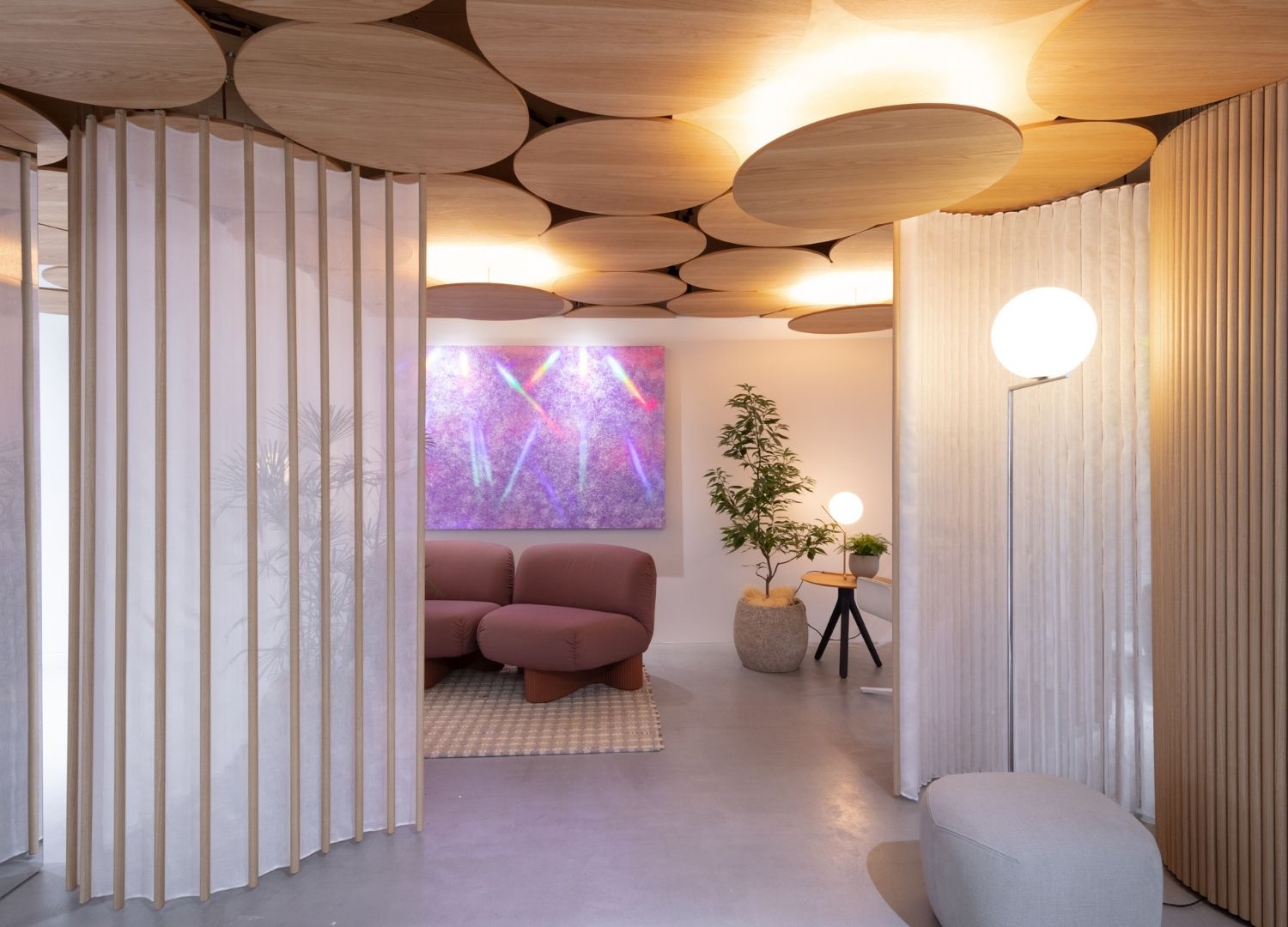
The festival’s nucleus was the DESIGNART GALLERY at the Media Department Tokyo in Shibuya, which served both as a general information centre and as a talk lounge. Here, 33 domestic and international presentations created a dynamic showcase of creativity. Hong Kong-based architecture studio COLLECTIVE made their Japanese debut with a spatial installation that reinterpreted the traditional shoji screen, using reusable aluminium structures covered in non-woven fabric. The installation created an atmospheric play between interior and exterior, synchronised with photography by ZEN, the festival’s key visual artist.
Among the festival’s works was Relation Wall, a collaboration between architect Yuko Nagayama and Daikyo Inc.‘s rebranded condominium line, The Lions. The product is a movable wall that slides freely along rails mounted on the ceiling, so that residents can flexibly modify the layout of their living space according to their personal needs. This approach challenges what is called the LDK (living-dining-kitchen) model that has dominated residential architecture for decades. The goal of the project was defined as “challenging the creation of entirely new homes that enhance the quality of life,” which represents The Lions’ vision for the future of housing.
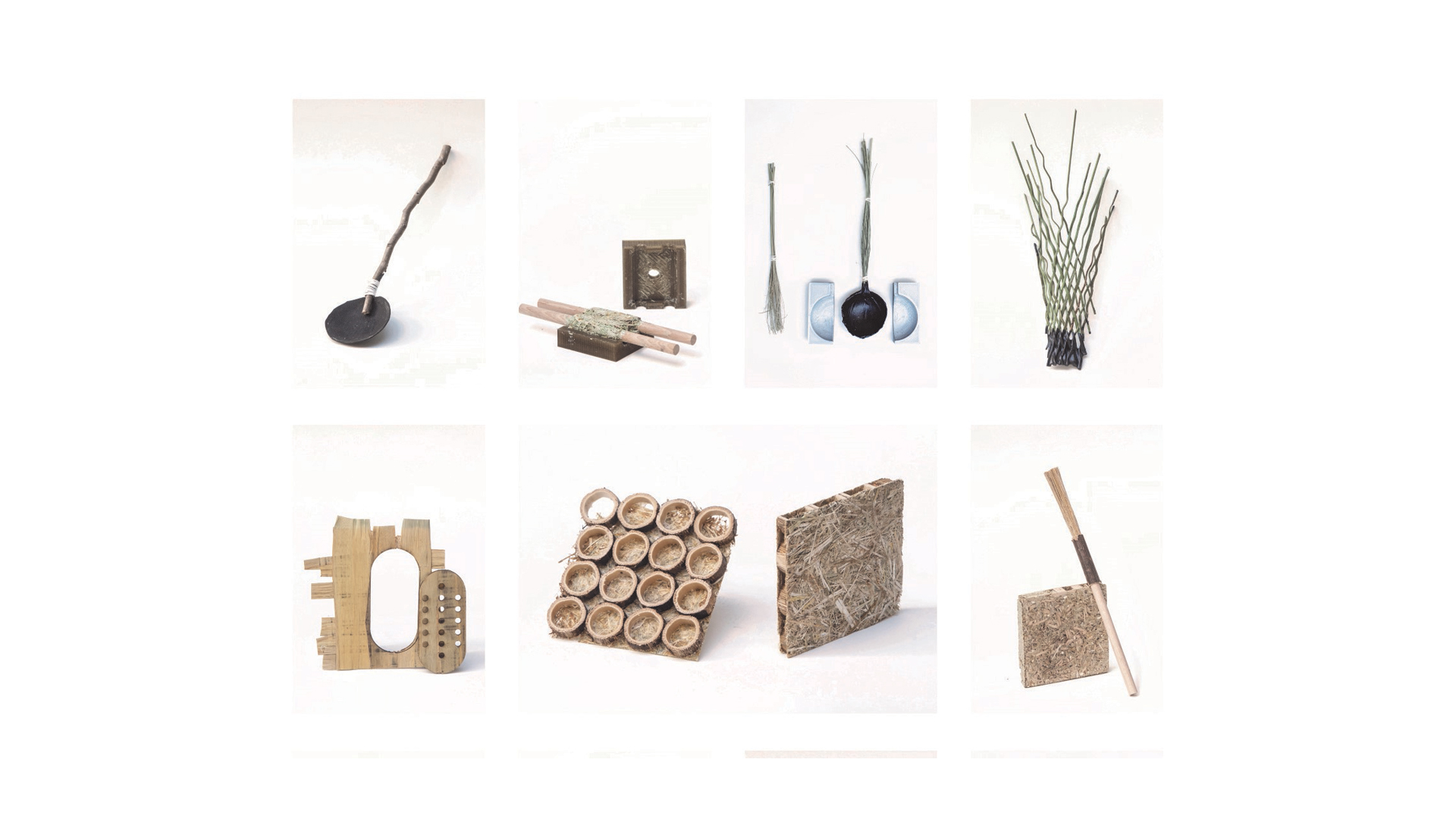
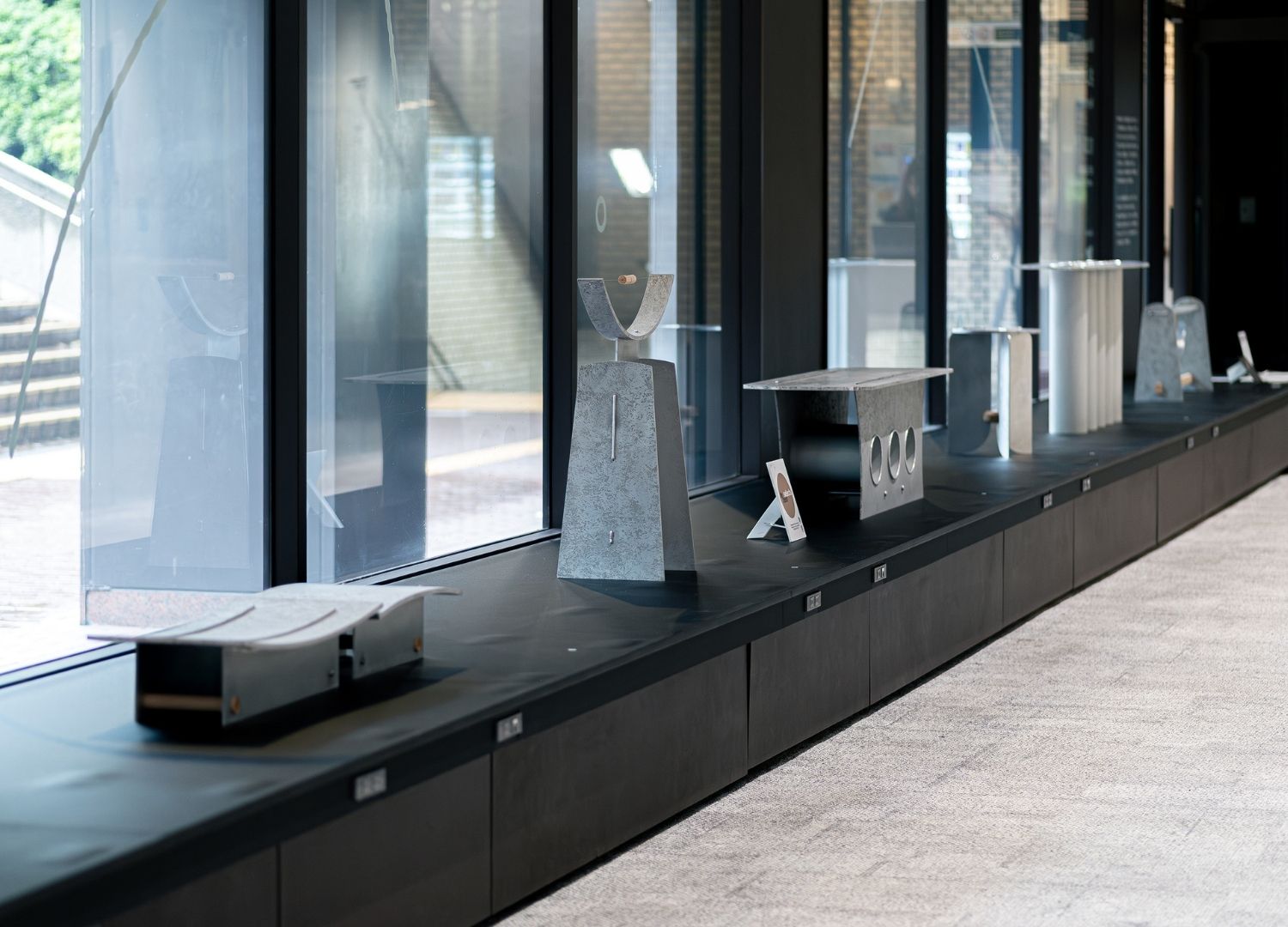
Kizashi – From Error to Mirror is a work by Natsumi Komoto, a young Japanese designer trained between Tokyo University of the Arts and ECAL. Her work looks at objects as tools for introspection, spanning diverse fields. In her exhibition, she presents various scaps and offcuts derived from her making, which she feels drawn to for their “natural unnaturalness.” Kizashi means “sign” or “omen” in Japanese, which is what she sees from these accidentally created objects, especially when re-finding them after they had been buried for a long time.
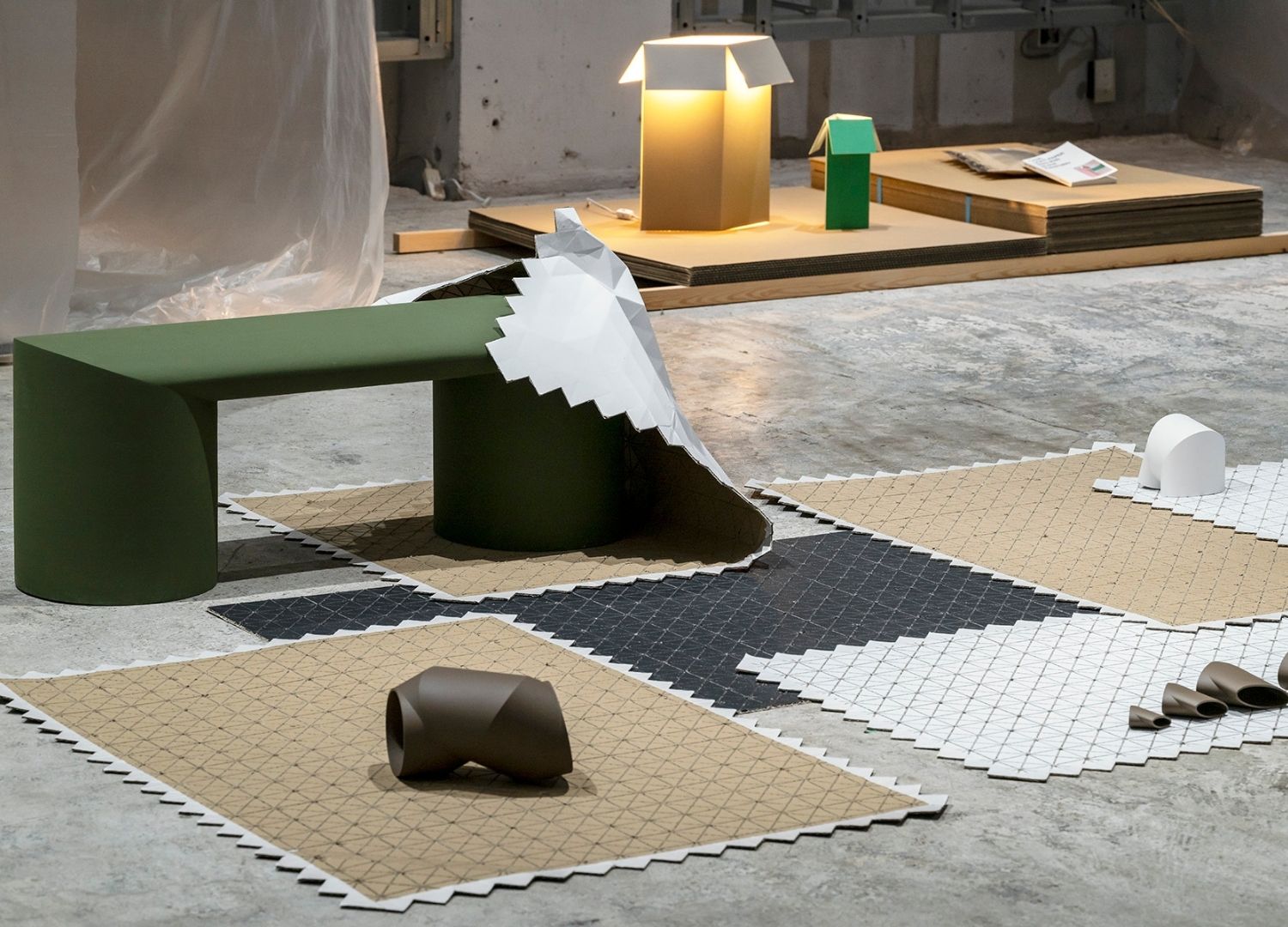
Nomadic is a design collective recognised in the festival’s Under 30 category, which presented Packing for the Method as their work for this exhibition. The project focuses on process rather than product, emphasising that shifting the attention on design methodology means that the final form of an object won’t have a single fixed state. They developed a cardboard lattice cutout that can allow for reconstruction into various shapes that can adapt as packaging materials for different kinds of objects.
Through the projects shown, we can see that DESIGNART TOKYO 2025 has demonstrated that contemporary design lies not just in novel forms but in fundamental questions about how we create, what we value, and what objects stand for. In transforming the city into a gallery, the festival reminded us that design happens in dialogue, whether with urban inhabitants, with personal reflections, or industrial processes, and above all, it happens in the instinct of creators brave enough to follow them.