A room with a view of Vesuvius: EDIT Napoli turns 8
Around 80 exhibitors, a new format, two hands-on workshops, and a new itinerary – the eighth edition of Naples’ design fair is its most elaborate yet.
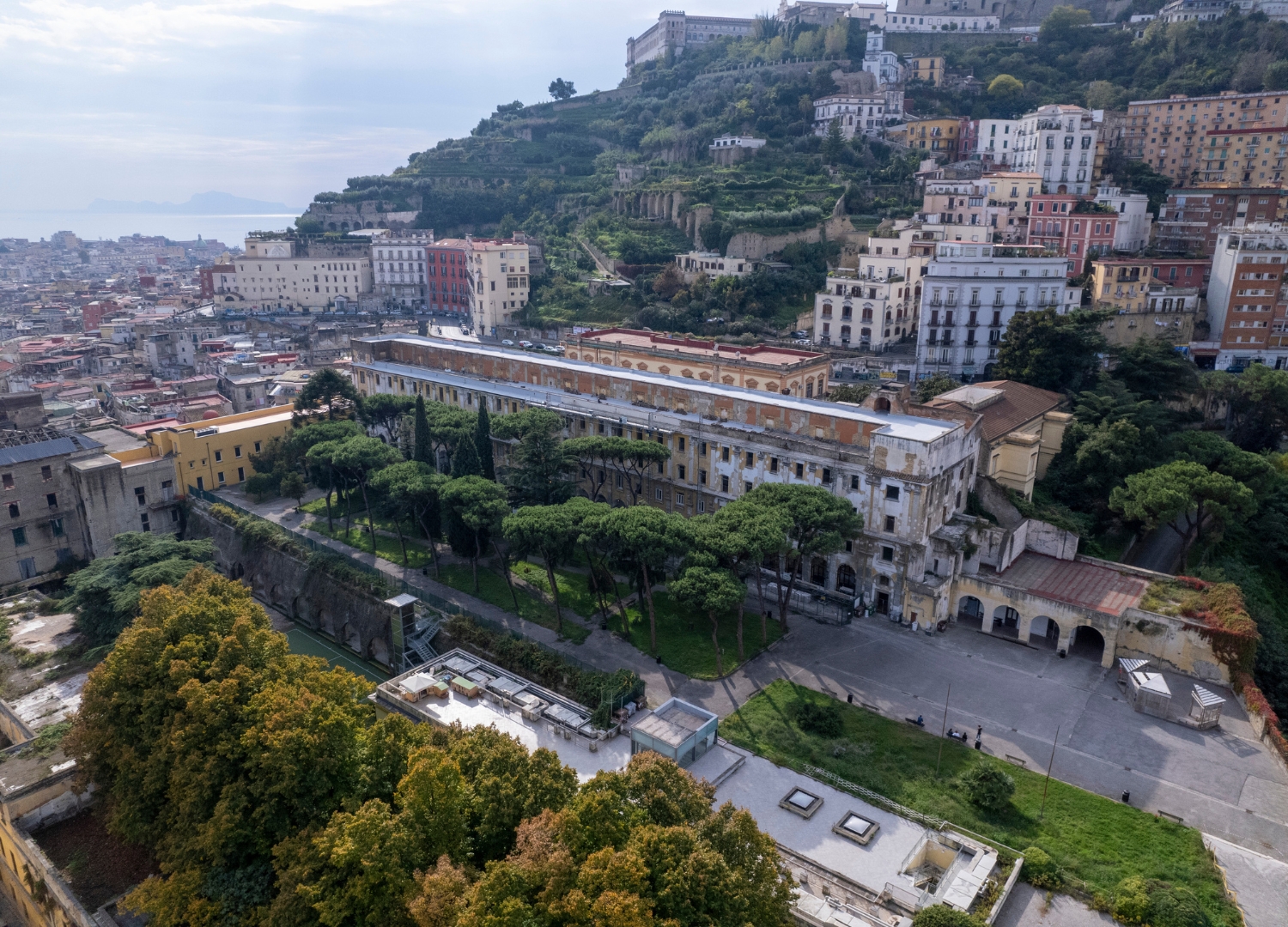
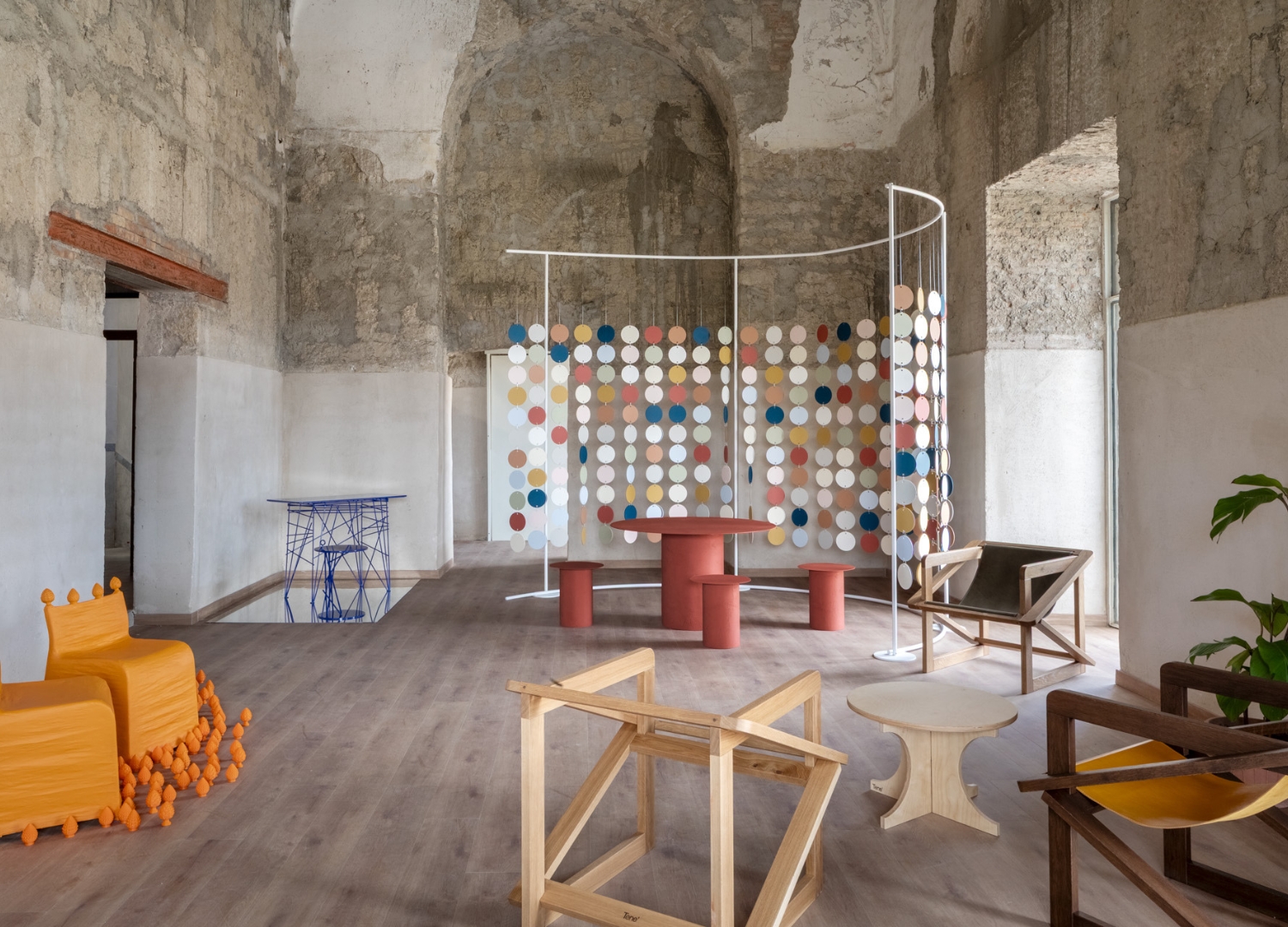
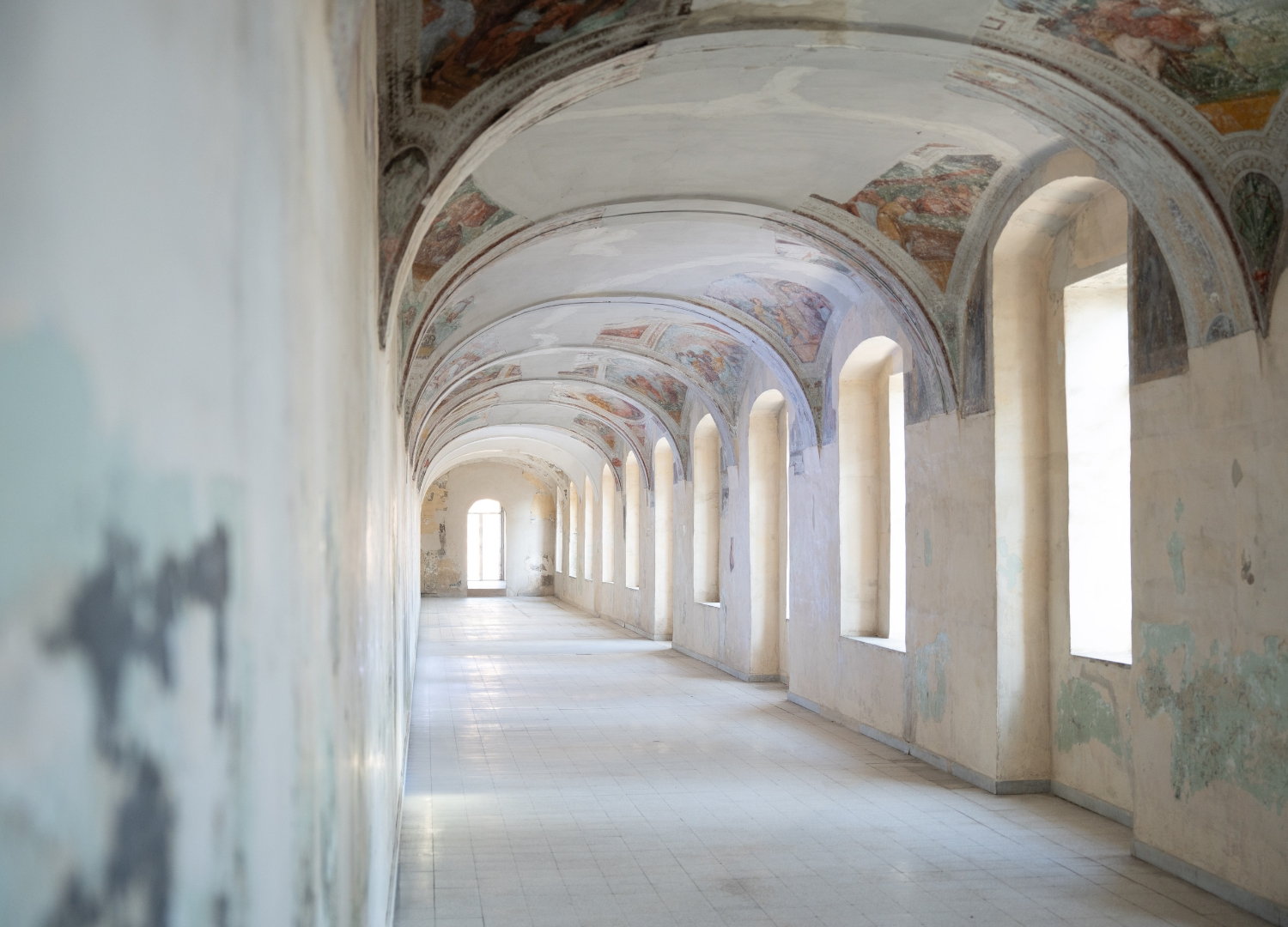
From the 9th to the 11th of October 2026, EDIT Napoli returns to La Santissima for its eighth edition. The venue is the monumental complex of the Santissima Trinità delle Monache, perched above the Spanish quarters, where the fair moved in 2025. This year, the fair’s new home will hold around 80 Italian and international exhibitors, spread across the main section, the new Camera con Vista, and Seminario, the platform dedicated to designers under 30 and to new enterprises.
This edition’s campaign slogan is “Where Design Shapes,” aiming to restore the importance of research in the design space as the key characteristic that allows objects to generate culture, value, and new opportunities.
Gallery
Open full width
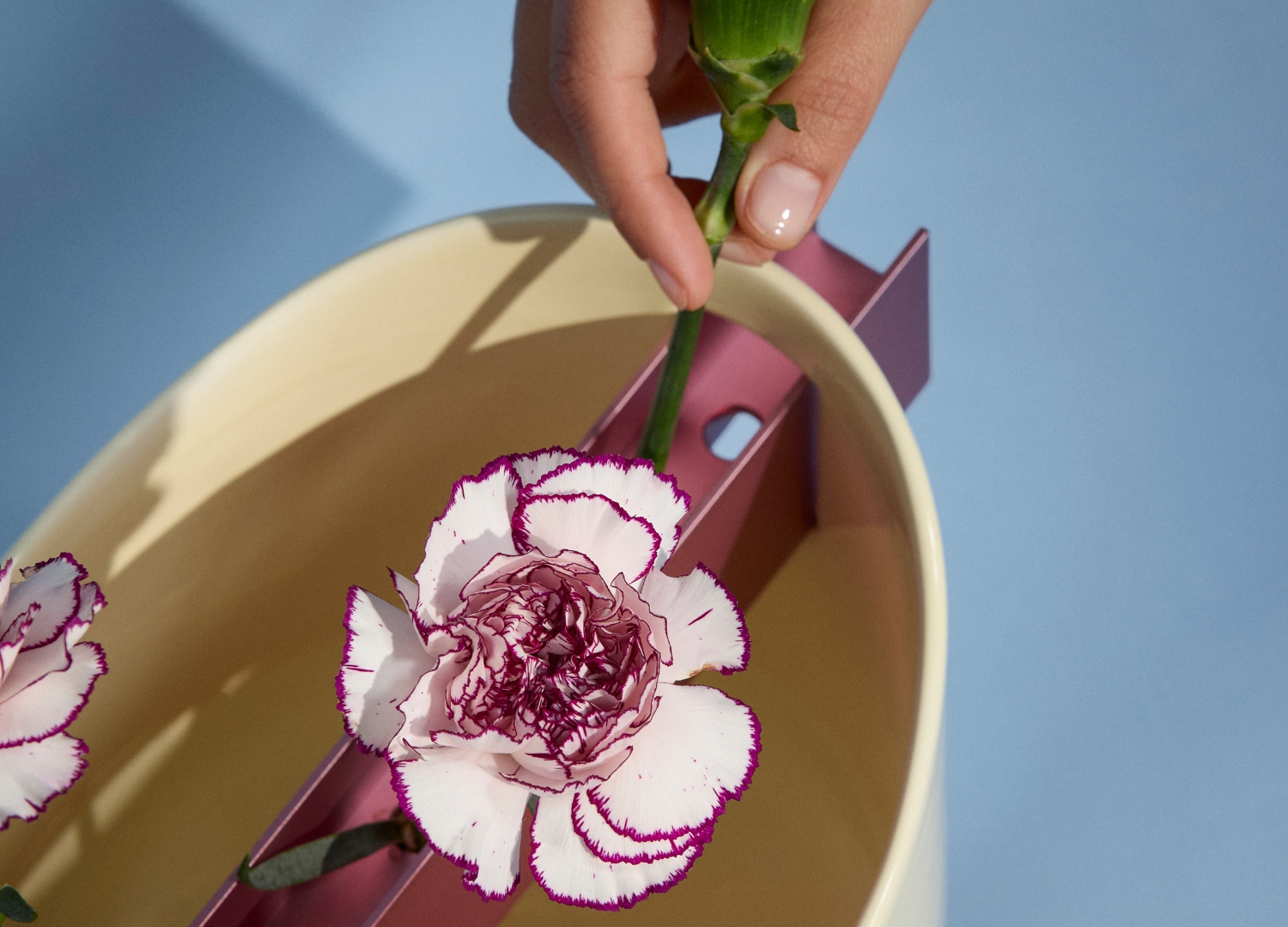
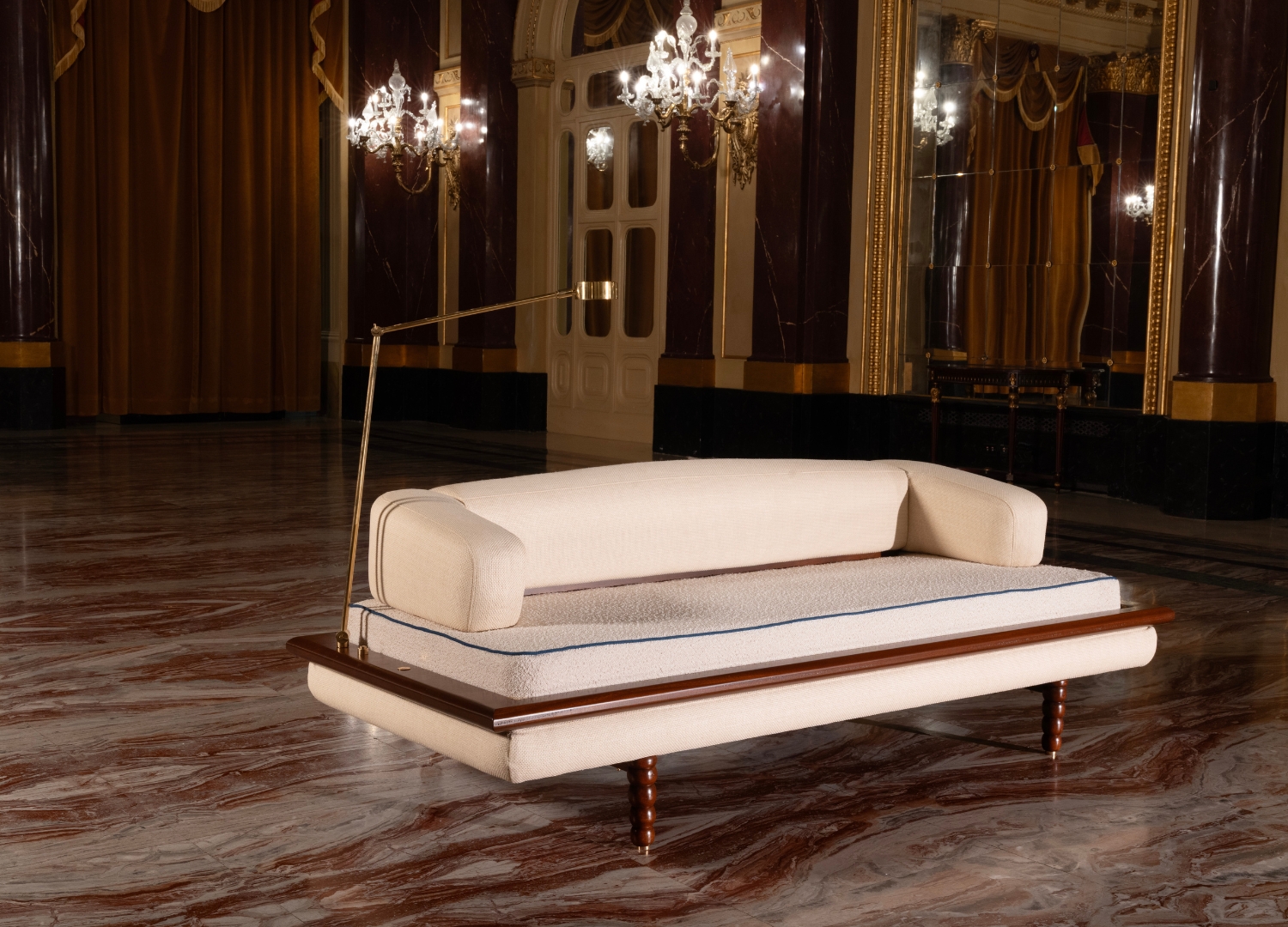
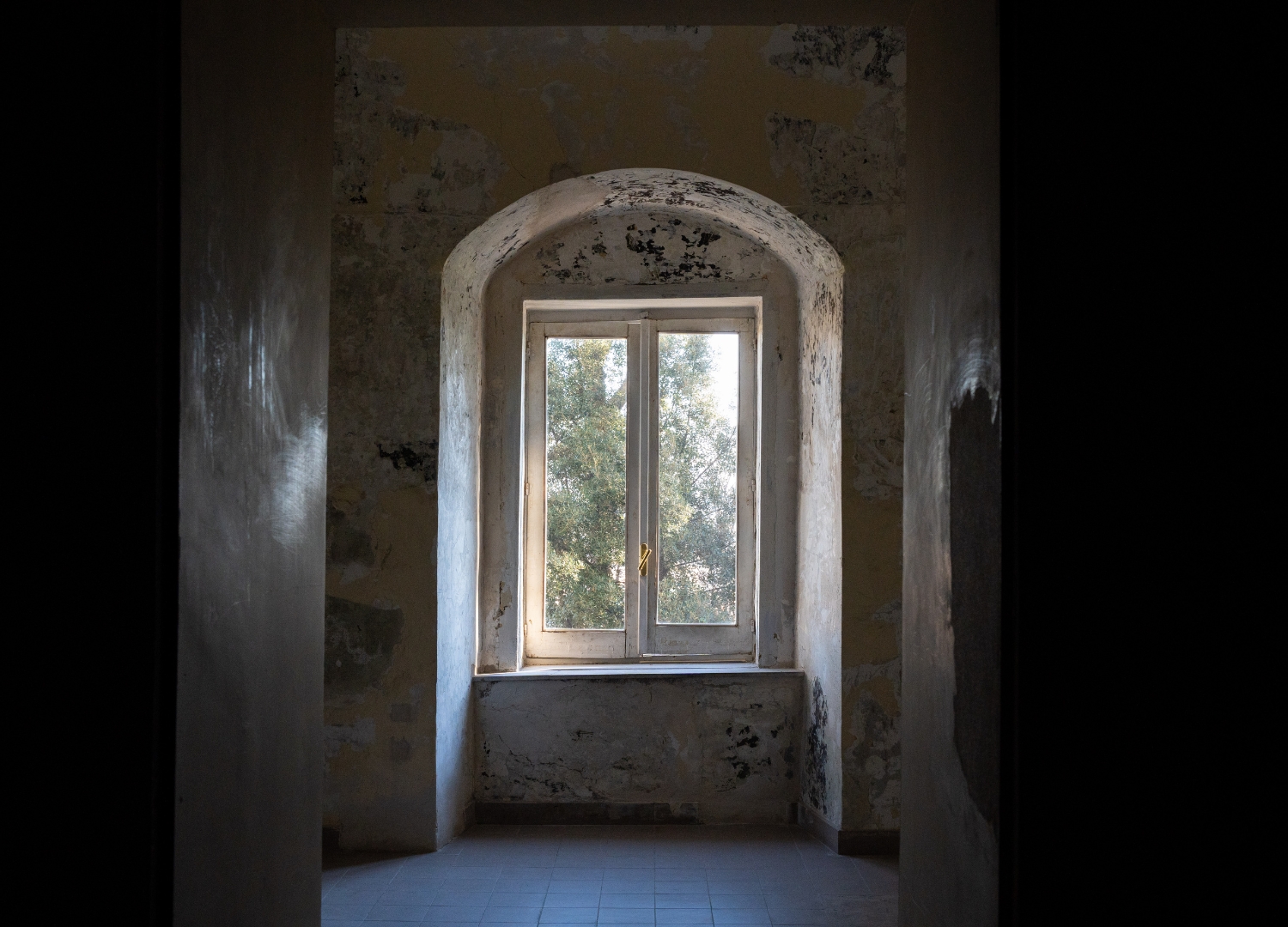
Open full width
EDIT Napoli 2026:
The fair’s history
EDIT Napoli was founded in 2019 by Emilia Petruccelli and Domitilla Dardi, two opposite but complementary professional figures. Emilia trained in engineering and finance, worked in consulting, and then opened Mia, a design gallery in Rome. Domitilla is an architectural historian and was for years the design curator at MAXXI in Rome.
When they came together to propose a fair, the goal was for it not to be another collectible design event, as the market was already saturated. EDIT was instead built around editorial design, and as a fair for the “designer-maker” because of its attention toward production and craft, dedicated to practitioners who handle conception, fabrication, branding, and production themselves.
Camera con Vista
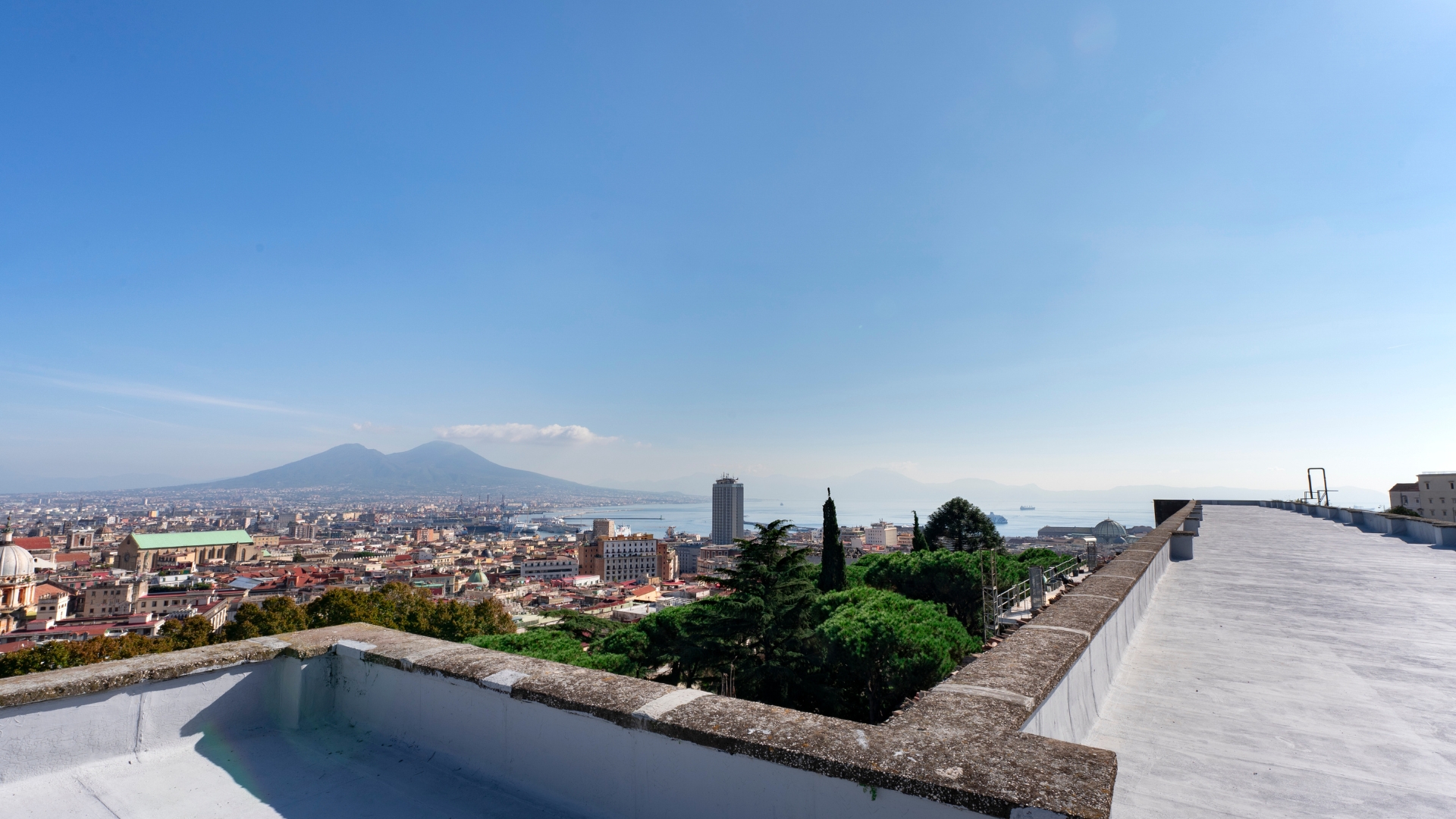
This year’s most important novelty is Camera con Vista, a space that invites designers to treat a room as a habitable set piece rather than an exhibition booth. The rooms face Vesuvius, linking the designs exhibited in the interior with their surroundings, as the fair has always been deeply tied to its host city, Naples.
Fair booths are notoriously a bad medium for furniture, which is made to be lived among and is instead lined up under harsh lighting against a white wall. Asking exhibitors to build a room, with the Gulf of Naples as a fourth wall, forces a question about domesticity that is usually absent from other formats. The selection stars a mix of product designers, architects, and manufacturers, featuring Lucas Muñoz Muñoz, AG Space Atelier, THiRTYONE, and more.
The installations
La Santissima also hosts two large commissioned installations. Lancia joins as a main sponsor for the first time, taking the first floor with an environment built by DWA Design Studio around the launch of the new Lancia Gamma, with the car’s characteristics translated into light, matter, and movement reworked as sculptural objects.
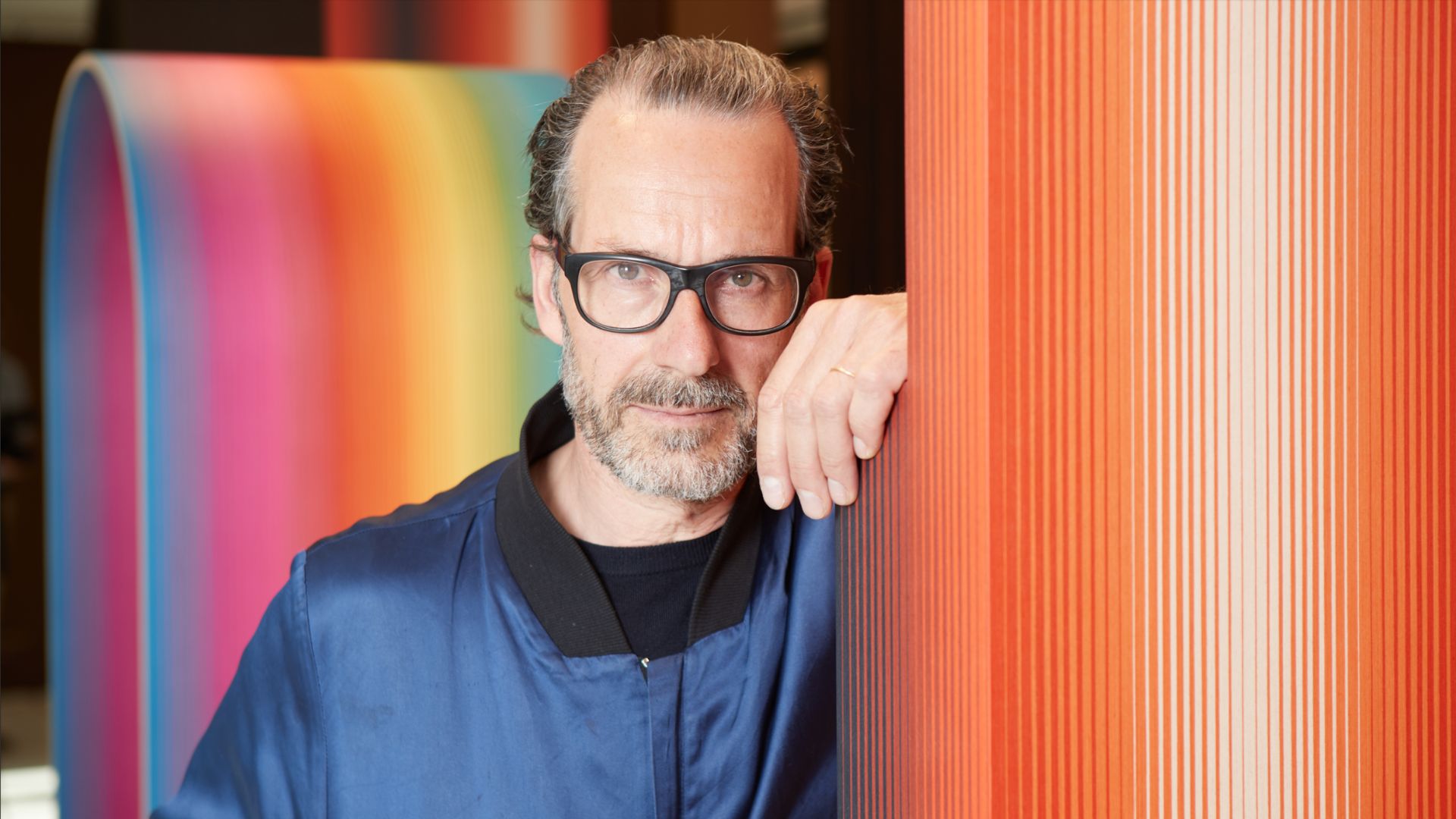
The fair’s welcoming installation will be designed by French artist Olivier Vadrot, which will be an initial meeting place. The designer’s practice sits between art, design, architecture, and public space, treating furniture as social infrastructure.
The winners return
Two of last year’s winners, Chiara Lionello and Katryna, return, demonstrating the direct impact of how the EDIT award works. The prize for the best unreleased product comes with a free stand at the following edition, showing how the curatorial team aims to support emerging designers and sustain their future careers.
This year’s jury consists of Aliai Forte of Rocco Forte Hotels, the designer Francesca Lanzavecchia, Asad Syrkett, head of editorial content at AD Italia, and Maria Dolores Uribe of Studio84 and UNNO Gallery. They have expressed their interest towards intelligent design, respect for cultural heritage, and a well-calibrated price point, which is an unusually candid criteria.
EDIT CULT
EDIT CULT is also back, with a programme of installations, exhibitions, and site-specific projects spread across the neighbourhood of Chiaia. While previously hosted in the Vomero or other elevated areas, this year the itinerary purposefully descends towards the waterfront, framed as an approach to the sea and to the 38th America’s Cup, which Naples will host in 2027.
At Palazzo Ruffo della Scaletta, Lombardini22 will show “L’Equilibrista,” a project centred around balance as a physical but also relational dimension. Shown through an environment of suspended elements and visible counterweights that shift their centre of gravity as people pass through, the installation puts the focus on the visitors rather than the objects on display.
“Light on Spain” will be held at Palazzo Cellamare, a show dedicated to contemporary Spanish design, featuring lighting designs from Tomás Alía, Álvaro Catalán de Ocón, Curro Claret, Mayice Studio, Lucas Muñoz Muñoz and Jorge Penadés. Curated by EDIT with the support of the PICE Programme of Acción Cultural Española, the exhibition celebrates the strong cultural ties between Spain and Naples, highlighting mutual influences and shared values.
The virtues behind the fair
What EDIT Napoli has always represented is a counter-proposal to the design week as a spectacle, full of social media-ready moments, brand activations, and gadget queues. Dardi and Petruccelli push for fewer exhibitors, a harder selection, and an insistence on quality, research, and process.
While design weeks across Europe are all converging into one familiar shape, EDIT Napoli resists, with a defiant character shaped by Naples’ unconventional personality. As we wait for the doors to open in October, we hope that other fairs can take it as an example, putting projects with depth and value back in the spotlight.