EDIT Napoli and the making of a design city in the words of Domitilla Dardi
Historian and curator Domitilla Dardi, founder of the Neapolitan fair alongside Emilia Petruccelli, reflects on how EDIT has evolved over the years, transforming both the fair and its city into a platform for design in edition, a reference point for interiors, and a way of interpreting the present.
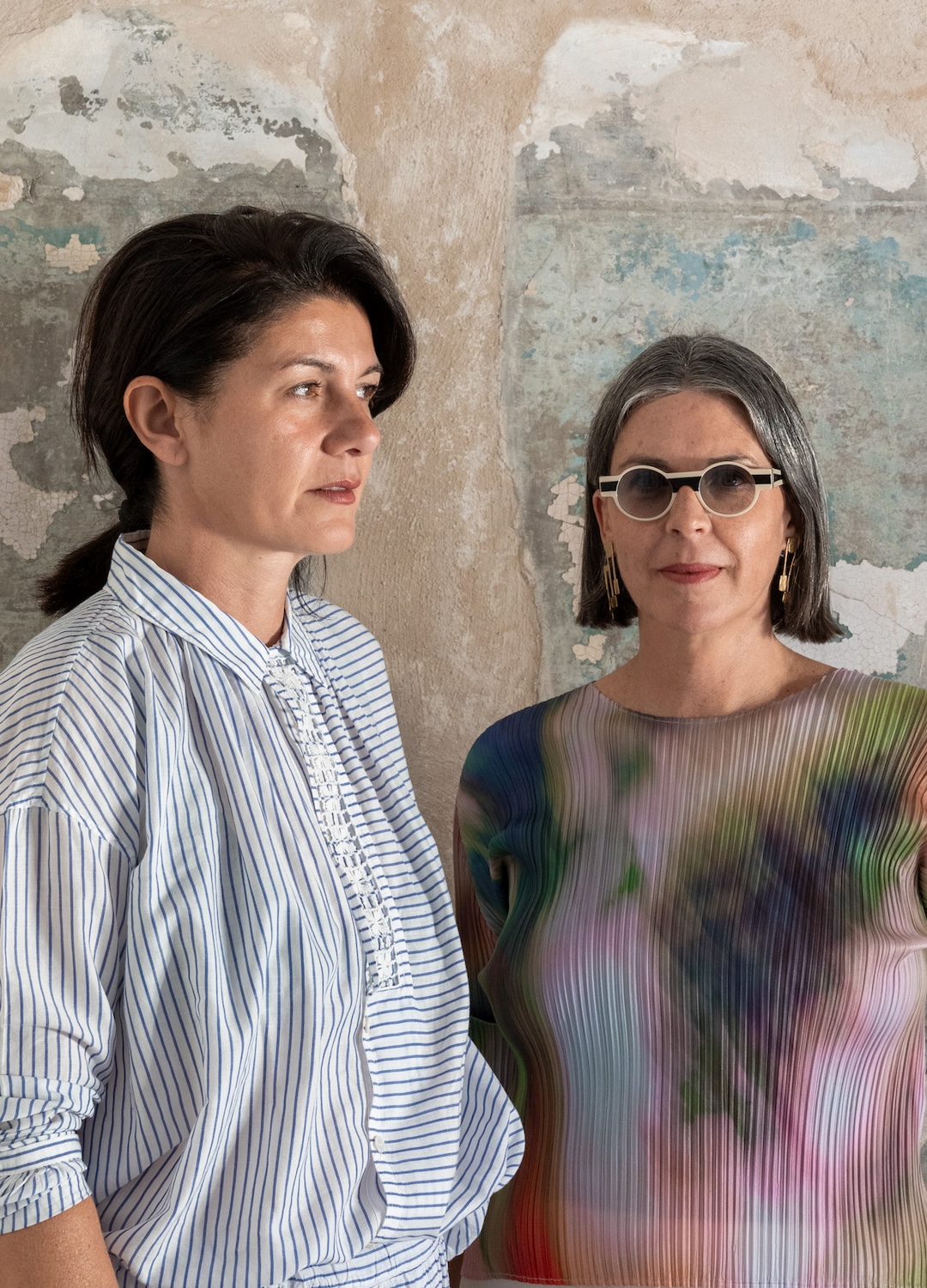
There are people who observe a field from the outside, and others who help shape the way that field is understood. Domitilla Dardi belongs to the second category. As both a historian and curator in charge of design at MAXXI in Rome for many years, she is a teacher and author who has worked in the fields of research, exhibitions, publishing and education. Throughout her career, she developed a unique vision about design that goes beyond the object and takes into consideration a variety of factors such as systems, stories and relationships.
Alongside Dardi, there is Emilia Petruccelli, whose path into design came from a different direction. An engineer by training, Petruccelli entered the field through retail, buying and the direct relationship with designers and producers, founding MIA Home Design Gallery in Rome in 2008. It was precisely this combination of a close understanding of the market and a strong interest in independent production that eventually brought her together with Dardi, leading to the creation of EDIT Napoli in 2019. The two backgrounds are different, but perhaps complementary: one rooted in research and cultural interpretation, the other in production, business and the concrete dynamics of the market. Together, they shaped EDIT‘s original premise.
Gallery
Open full width
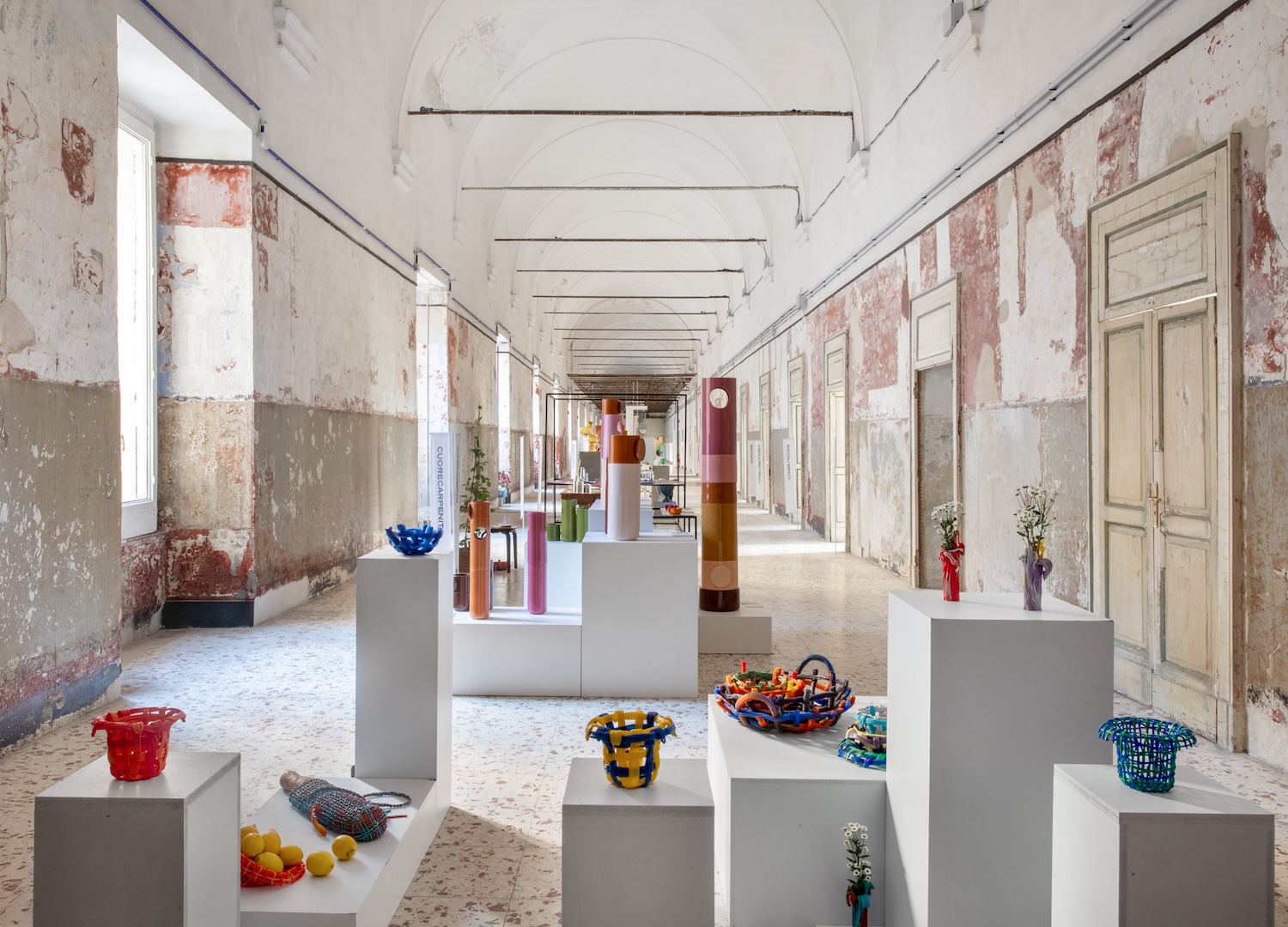
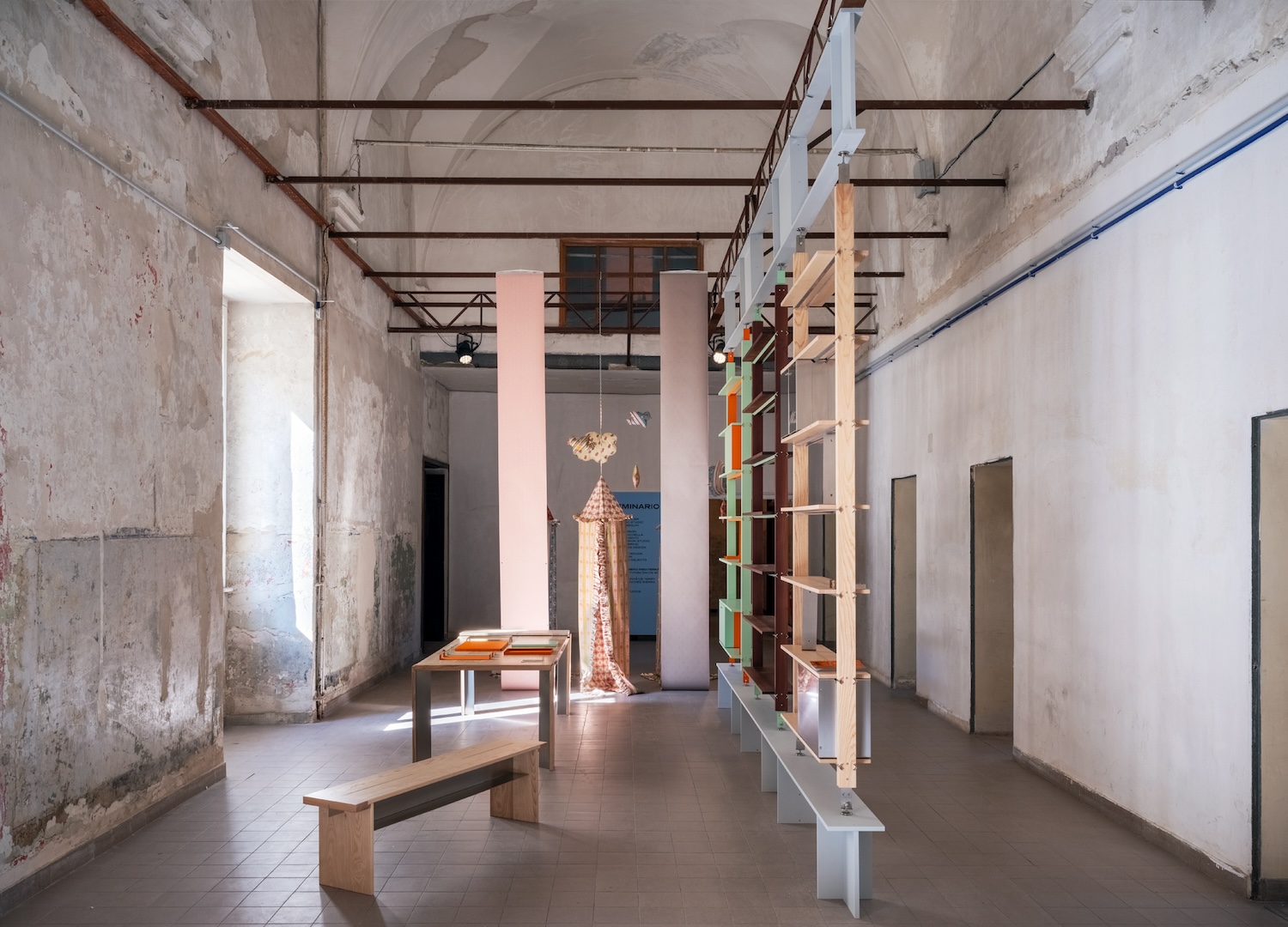
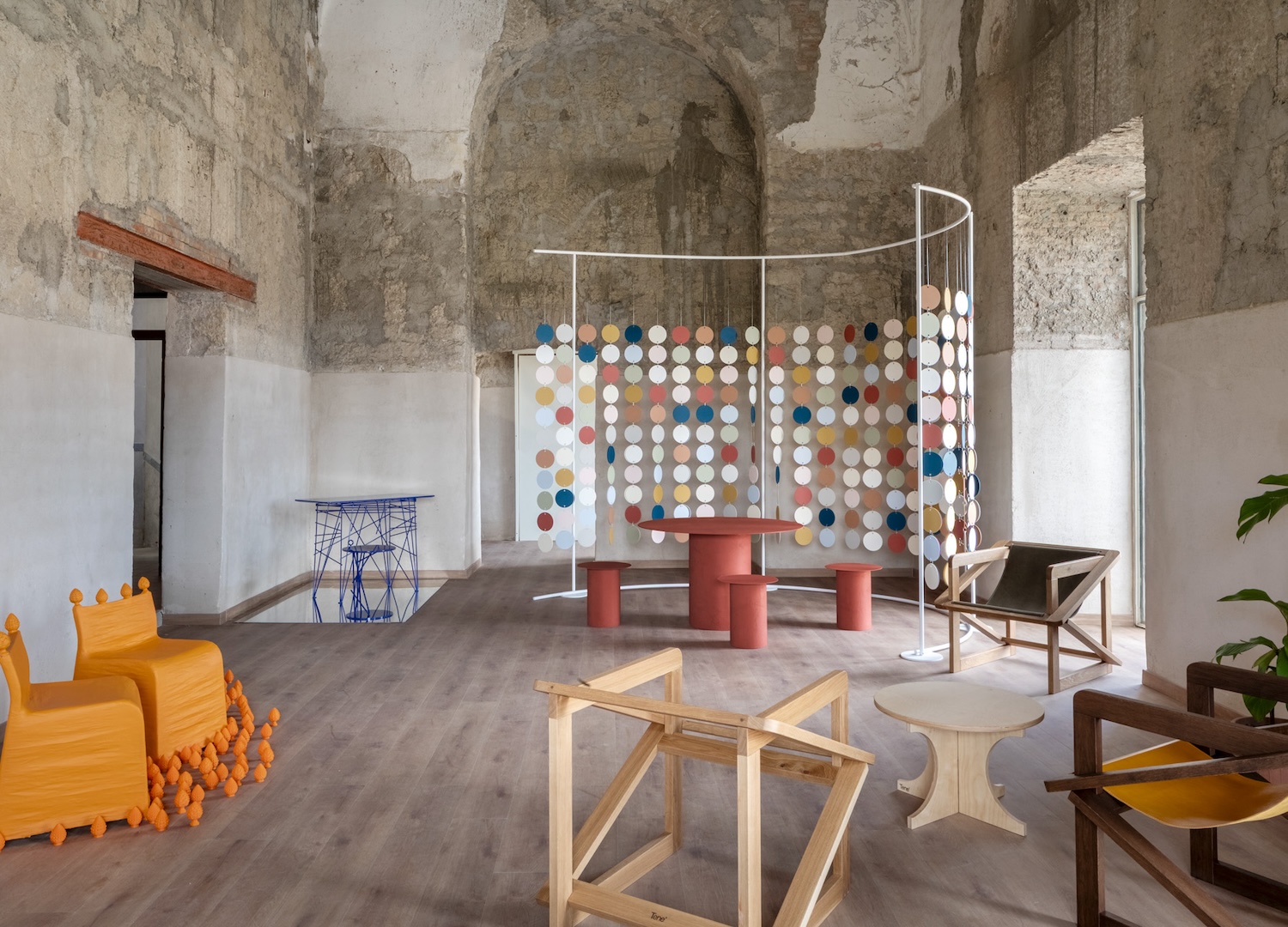
Open full width
Seven years later, this project has evolved into a successful multinational project that includes a number of activities that connect designers, manufacturers, galleries and other participants of the industry.
Ahead of the 2026 edition, we spoke with Domitilla Dardi about where EDIT began, what has changed since its first edition in Naples, the relationship with the city, and what happens when a fair starts becoming a network.
EDIT Napoli 2026 – Interview with Domitilla Dardi:
EDIT Napoli was born from the feeling that something was missing in the design fair landscape. How did you and Emilia first identify that gap, and how has that original idea evolved over the years?
Domitilla Dardi:
When Emilia and I first met, coming from our respective backgrounds, we felt there was a surprisingly clear gap in what was already a very crowded fair landscape. There were already many fairs, events and design weeks, and there are even more today, but we felt there was a lack of an event specifically dedicated to design in edition, auteur design and small-scale production: limited numbers, high quality and a strong sense of authorship.
At the time, this kind of design was often squeezed between two worlds. On one side, there was industrial design; on the other, collectible design, which was still largely associated with the established art-fair circuit. For years, if you wanted to see collectible design, the reference points were essentially the major art fairs – Art Basel, and then Paris, New York, London and so on. We felt there was room for an event with its own clearly defined territory.
What happened afterwards was that this field itself began to evolve. Collectible design gradually found its own spaces outside the art-fair system, but when we started talking about EDIT Napoli, the boundaries were still quite blurred. It wasn’t immediately obvious what exactly we were trying to do, so we had to insist on that definition and work constantly to make the perimeter clearer.
The audience we were addressing already existed; we didn’t invent it. But we had to be very precise about how we described it. I sometimes explain EDIT Napoli to people who don’t work in design through the metaphor of music: you can say you’re organising a music festival, but what kind of music? Music is an enormous container. We chose jazz rather than pop or techno. Once you understand that design is a much more varied field than simply producing objects, you can also begin to define your audience more precisely.
In fact, very early on, we found that our audience was already there. On one side, there were professionals and the press; on the other, exhibitors who were coming to us. We do a lot of scouting, particularly because supporting people who are just beginning to work in this area has always been one of our priorities, but after the first editions we realised that most of the people approaching EDIT were already right for EDIT. By around the third edition, it was quite clear who our audience was.
That made some things easier, but it also made it increasingly important to distinguish between genuinely new projects and projects that were simply new to us. You have to look at other fields, learn from them, and remain very clear about how you relate to the people who come to the fair.
You often say that you don’t like talking about numbers. If growth isn’t really about quantity, how would you describe the evolution of EDIT Napoli?
Domitilla Dardi:
We have never really liked talking about numbers. We did it when the numbers were small, and we don’t feel the need to do it now that they are bigger. For us, it’s much more about profiling: about having understood who our audience is and whether we are reaching the right people.
What has definitely grown is the fair itself, but also its quality and complexity. We increasingly find ourselves having to explain what EDIT is less and less. And the same is true of the question, “Why Naples?”
That brings us to Naples. The choice of the city seems to have become self-evident over time, but how much does the relationship work both ways? You chose Naples, but how much is Naples choosing EDIT now?
Domitilla Dardi:
There was certainly an element of luck, or perhaps of a fortunate sequence of events. When we chose Naples, the reason was quite clear: we didn’t want to compete with cities that already had a strong identity and established primacy in design. We didn’t want to interfere with those existing imaginaries.
Then Naples experienced an incredible boost – through sport, cinema, football and now the America’s Cup, among other things – and there has been a very important international reawakening around the city.
We chose Naples precisely because it has such a strong international vocation. It is a city that has become a brand in itself. You don’t have to explain Naples to a foreign visitor; it immediately generates curiosity, including among investors working in very different fields.
From the beginning, we saw a very strong and healthy part of the city that wanted to be known and wanted to establish itself differently. Naples was incredibly generous in opening its doors to us, and that continues today. Of course, Naples is a city of enormous contradictions. There are difficult realities, but there is also an extremely capable, open and prepared side of the city, with genuine excellence. That duality is reflected in EDIT as well.
In which way?
Domitilla Dardi:
The projects presented at EDIT often involve a high degree of reflection on contemporary culture and on how things are produced. In that sense, they also reflect the complexity and contradictions of contemporary design. And I think people have understood that these are projects that require time. EDIT lasts three days as a fair, but in reality it lasts an entire year – both for us and for the people we work with.
This year, for example, we had one project that arrived almost at the absolute deadline. We actually set a deadline precisely because we know that this kind of work cannot be improvised. EDIT isn’t about agencies looking for a location and filling it with objects. We work very closely with designers to understand what they want to put on stage and then find the right stage for it.
The dialogue is never automatic. We rarely work with private individuals, and working with the private sector isn’t necessarily easier than working with public institutions. The public sector has its own procedures and bureaucracies, which inevitably require a certain amount of planning and time.
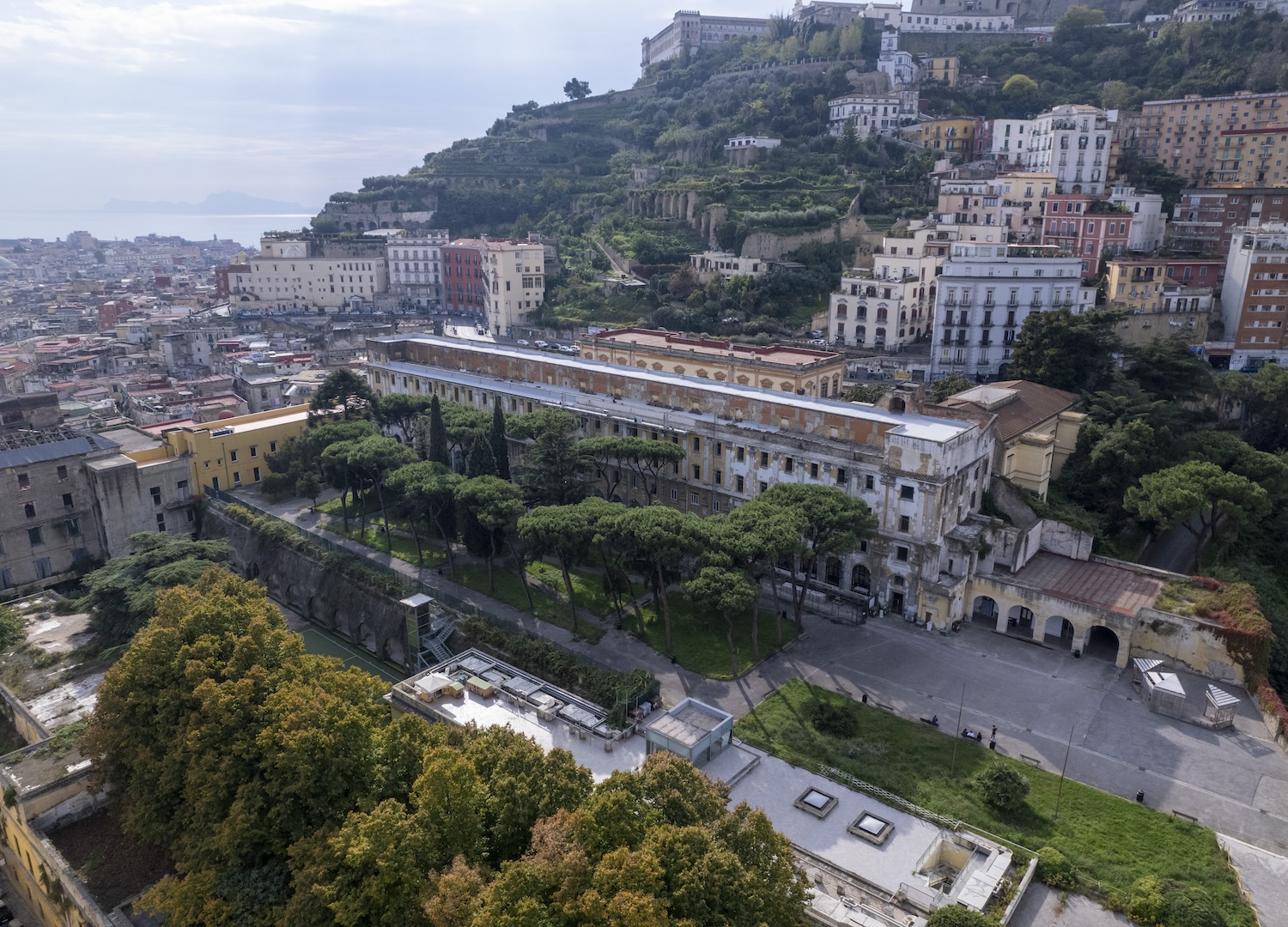
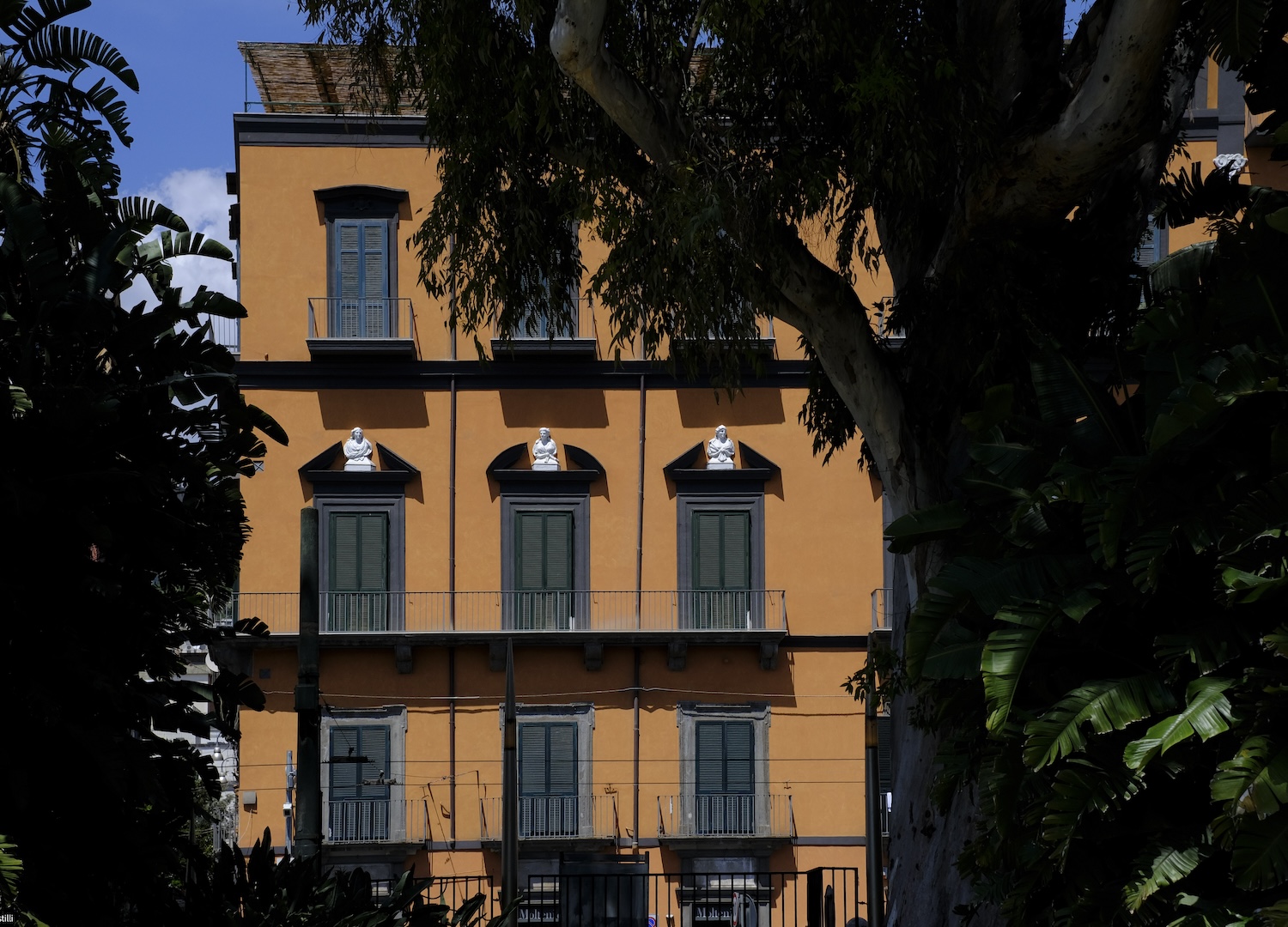
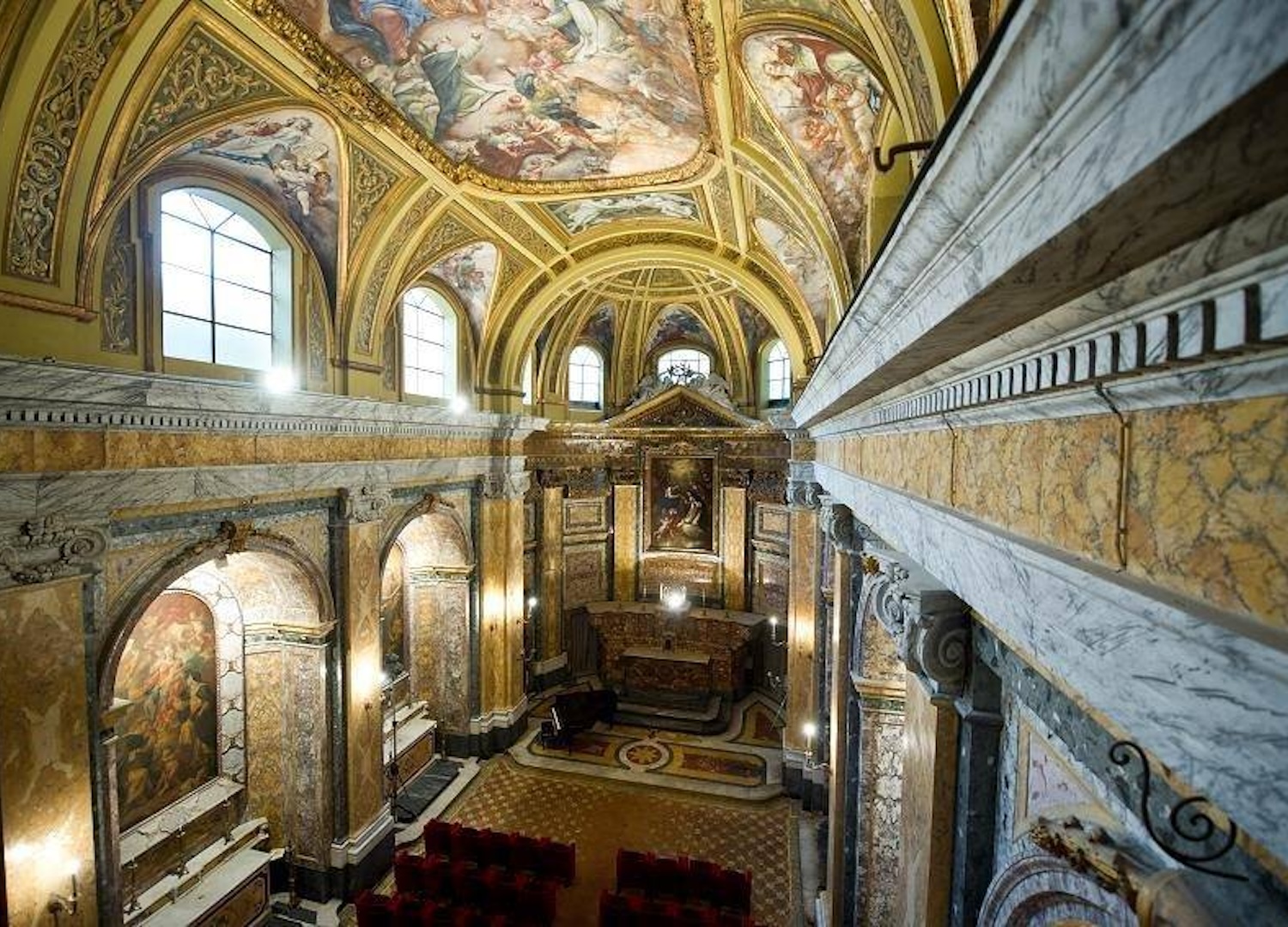
The evolution of EDIT Napoli can also be read through its locations. You started at San Domenico, then moved to the Archivio di Stato and eventually to the Santissima. What does that progression tell you, as an organiser, about the evolution of the fair itself?
Domitilla Dardi:
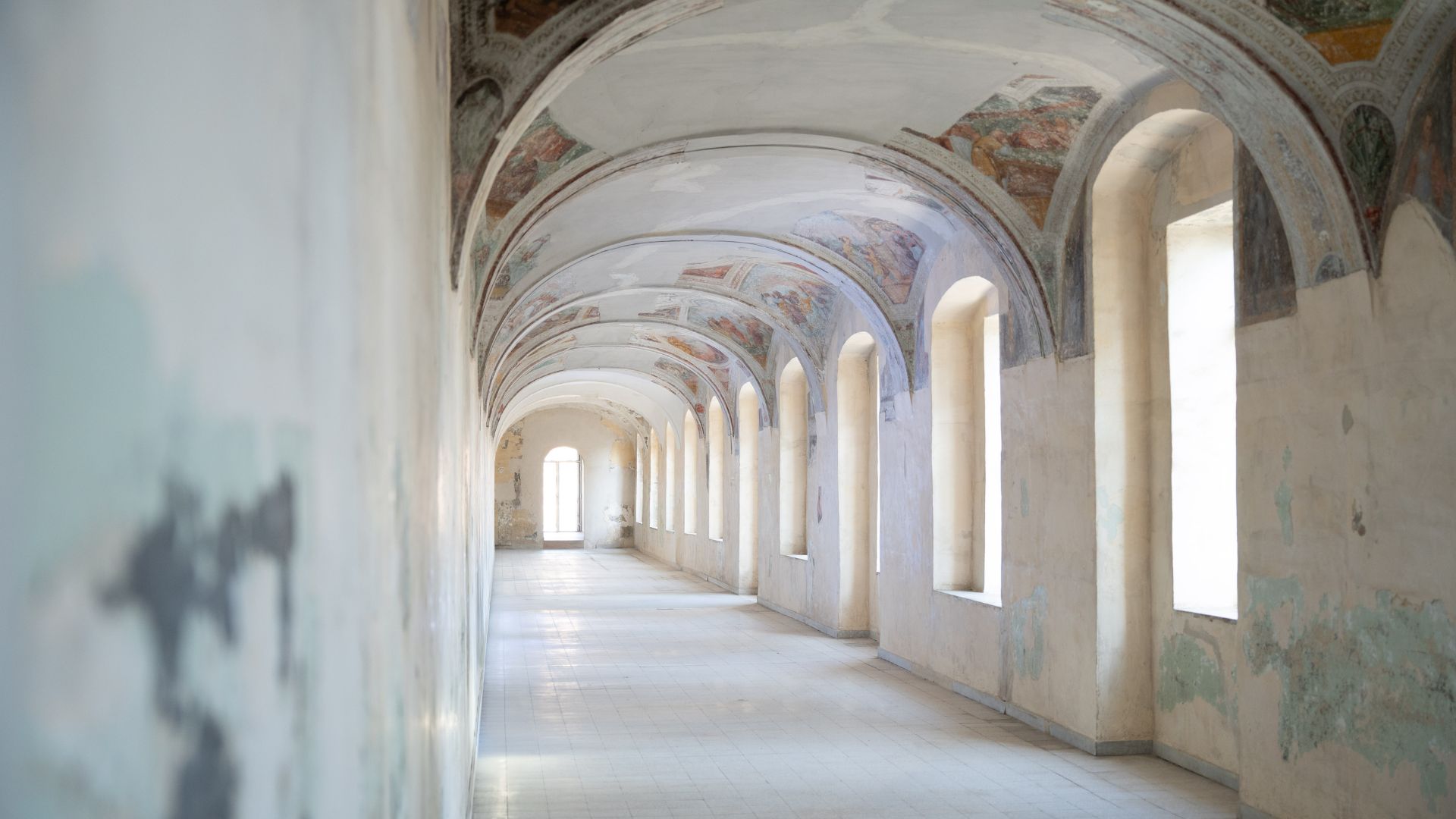
What it tells me, looking at the three locations together, is that we always end up in monasteries. Always among saints, nuns, large shared spaces and smaller, more concentrated rooms. So that is definitely one recurring theme. More seriously, some things simply happen. There isn’t always a master plan. Some things can only be discovered by doing, and there has been a gradual adjustment between what we needed and the spaces that were actually available to us.
The Santissima has some particularly fortunate characteristics and, I think, reflects the current moment of the fair very well. At the same time, we’re noticing that its individual rooms are actually supporting another evolution that EDIT has undergone over the past two or three years, and that we’re consolidating this year: the increasingly close relationship between edition and auteur design and the hospitality sector.
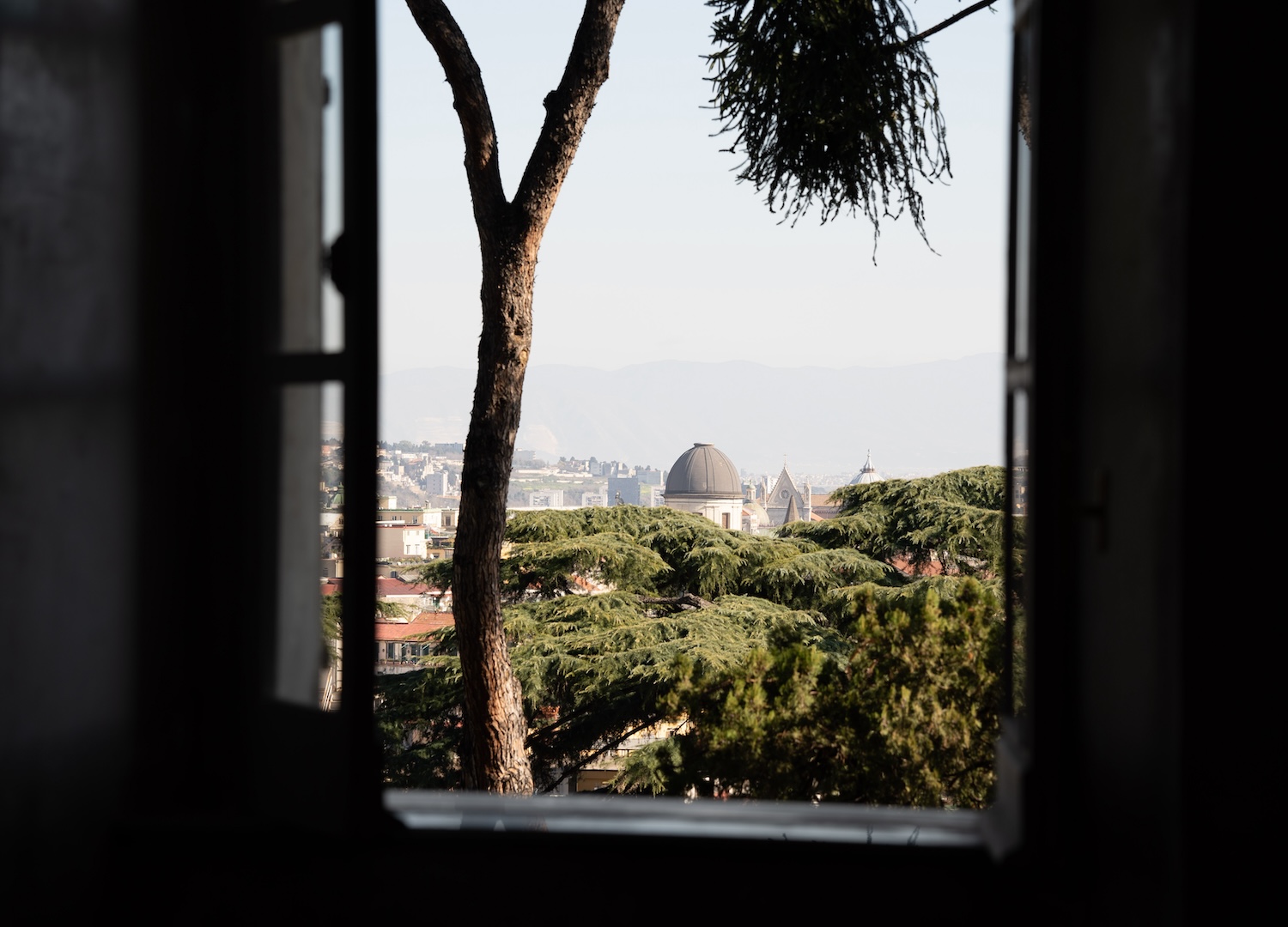
This year, for example, we are introducing Camere con vista (Rooms with a view), a new section specifically conceived around this relationship. The idea is to show the hospitality world how a designer can bring together several elements, potentially several brands, and create an interior. Until now, EDIT has mainly shown possibilities through furniture and objects. This year, for the first time, we are also presenting interiors – environments, really, where the designer’s role becomes even more visible.
Another interesting element is that the balance among EDIT‘s exhibitors is changing. The number of designers and interior designers who self-produce or bring together different brands is growing. We’re now almost at a 50/50 split between companies and brands on one side, and designers working directly or independently on the other. This is even more evident in the CULT projects. This year, at least five out of six are essentially author-led projects. Last year we were already seeing this shift, but this year it has become unmistakable.
The sixth project is slightly outside the programme. It is more purely an exhibition, and it will remain on view until the America’s Cup. In a way, it also represents my personal desire to return to the origins of exhibitions that are less tied to a product.
This also seems to connect to something that has happened beyond the fair itself. EDIT Napoli is increasingly developing spin-offs, collaborations and projects outside those three days in Naples. Would you say that is becoming a platform or a network rather than simply a fair?
Domitilla Dardi:
Absolutely. EDIT is a platform.
I think we’re gradually systematizing something that previously happened more organically, through sharing opportunities with the right exhibitors. We’ve always suggested collaborations, connected people and shared opportunities, and we continue to do that. But when we see that something could have a stronger dimension if it were brought together within a more structured framework, we do it.
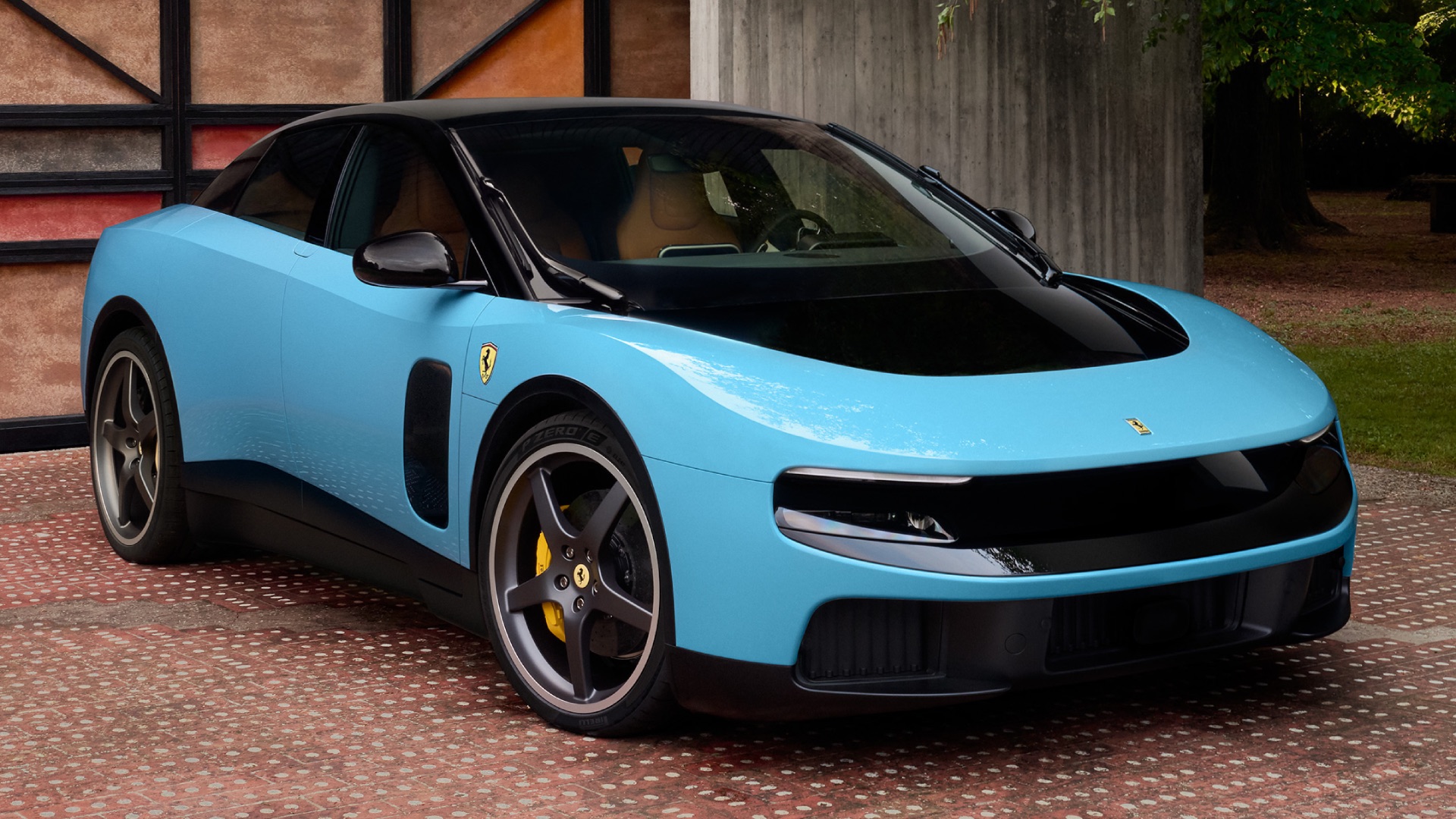
So yes, spin-offs are important, as are collaborations with hospitality and other sectors. Another interesting development this year is the interest we’re receiving from companies outside the design sector that nevertheless identify with the EDIT approach. This year, for example, we have a partnership with Lancia, from the automotive world.
When the idea was first presented to us, we were obviously cautious. We always try to make collaborations very tailored and specific, so before we even knew the brand’s name, we had several meetings with the agency that had created the connection. They couldn’t tell us who it was.
After each meeting, Emilia and I would say: “Who could it possibly be? It must be Lancia.” Because Lancia has historically occupied a very particular position within automotive design. There has always been a strong attention to car design, detail and interiors – something quite close to the way we think about design at EDIT Napoli. It’s neither luxury in the traditional sense nor mass-market pop. It occupies a more specific territory. So what I was saying earlier has happened within design, but it is now happening outside design as well. It is proof that, after communicating what EDIT stands for for so many years, the message is beginning to reach other sectors too.
And the same seems to be true of the press. There is a community around EDIT that has been following it from the beginning.
Domitilla Dardi:
Absolutely. Very few times have we felt that we weren’t understood by the press. And “community” has become one of those horribly overused words, but the concept is real.
If you belong to the same group, you work for the success of the other because ultimately that success becomes your own. Whether that’s generosity or strategy, I don’t know. But community is probably the right word: a sense of belonging to a project and recognising yourself in that project, regardless of who is behind it.
And despite this being our eighth edition, EDIT is still very much family-run. Not in the sense of blood relations, of course, but in the sense of relationships that have developed through years of working together. That’s our core.
I sometimes think of it like a restaurant that wants to preserve its quality. At a certain point, you know you can’t keep adding tables indefinitely. You need to know exactly who is in the dining room, who is in the kitchen and what everyone’s role is.
There is also a new geographical dimension this year, with the Chiaia area and the approach to the sea. How does that fit into the evolution of EDIT Napoli?
Domitilla Dardi:
Chiaia is important because it brings us closer to the sea and also begins to introduce the relationship with the America’s Cup, which will take place in Naples in six months. We are still quite far from the event in temporal terms, but we wanted to open ourselves towards the sea. We had never worked in Chiaia before. It’s one of the city’s most representative neighbourhoods, and this year everything will be quite concentrated and logistically accessible, which is another important element.
Last year, with the Santissima, we said that we were leaving the historic centre and raising our gaze. We moved upwards, to Vomero and the Polo Museale, precisely because we wanted to experience Naples from a different perspective. Now we’ve reached sea level, and that feels like another step in the evolution of EDIT.
You have been talking about sustainability in relation to edition and auteur design for years. Do you think this model also offers a different way of thinking about how we produce and consume design?
Domitilla Dardi:
Without any particular presumption, I can say that the editorial model is the one I personally perceive as being more sustainable in terms of production dynamics. It demonstrates that it is possible to buy less and buy better. And it’s also about relationships. I think many of us think twice before throwing away a piece of furniture or an object when we have come to know it intimately – when we know the designer, remember when we met them, remember what they told us about the project.
This was very much part of Italian design culture, and now, returning to that sense of familiarity, is only effective when the object is actually in front of you and there is a direct story attached to it.
Looking ahead, which sectors do you think are most likely to connect with this approach to design, and where do you see the greatest potential for EDIT Napoli to expand?
Domitilla Dardi:
It was interesting to see that hotel directors are finally noticing it. Very few of the hotels that make it into all the usual best-of lists are large chains. There is also a loyalty that comes from human relationships. I know many people who return to the same places, including hotels and guesthouses, because of that relationship.
If someone can tell you the story behind a piece of furniture, that becomes valuable to the person who has to present it. Stories are what human beings respond to. I suppose I will keep being a storyteller.
About the author
Ludovica Proietti, journalist, design historian and curator, teaches in universities and curates events, always exploring projects with fresh, unconventional perspectives.
Instagram