What a board game can teach us about autism and empathy
Designed for adults with autism, EMO+ is a game that helps improve emotional understanding for both neurotypical and neurodivergent players.

Despite being one of the most common neurodivergencies, autism remains widely misunderstood, especially in adulthood, when formal support drops and external expectations get stronger. Though it is a lifelong condition requiring constant adaptations, most resources focus only on childhood, leaving millions of adults alone in navigating complex social and emotional landscapes as they age.
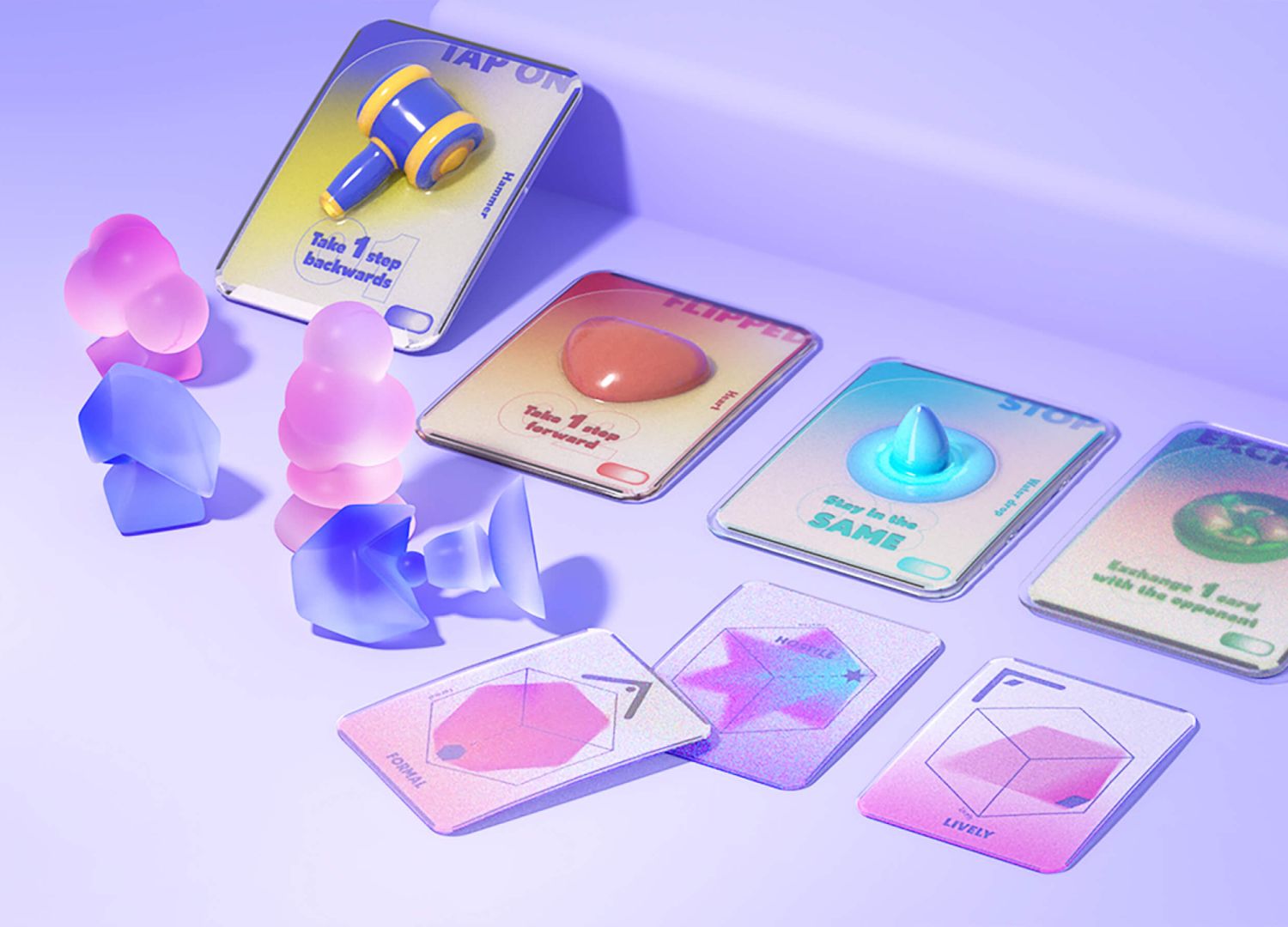
EMO+ is a project by Jeni Huang and Xingxue Wang developed to address this critical gap in an unexpected format: a board game. Through play, it creates a shared emotional language between neurotypical and neurodivergent participants, where understanding each other becomes a joint effort.
Gallery
Open full width

Open full width
Autism is a disorder that essentially makes it harder to understand emotions, both in yourself and in others, because of a difficulty in comprehending social norms of communication. This is not due to a lack of empathy or emotional depth, but to differences in how emotional information is processed and communicated.
Societies are built on conventions, unspoken rules like subtle facial expressions or implicit emotional cues, that neurotypical people have no issue in grasping and adapting to, but can be difficult for individuals with autism to decode. Similarly, it is also hard for neurotypical people to understand the communication styles of their peers with autism, which can appear too straightforward according to the established social conventions. These differences create barriers between relationships that affect relationships, workplace dynamics, and community inclusion.
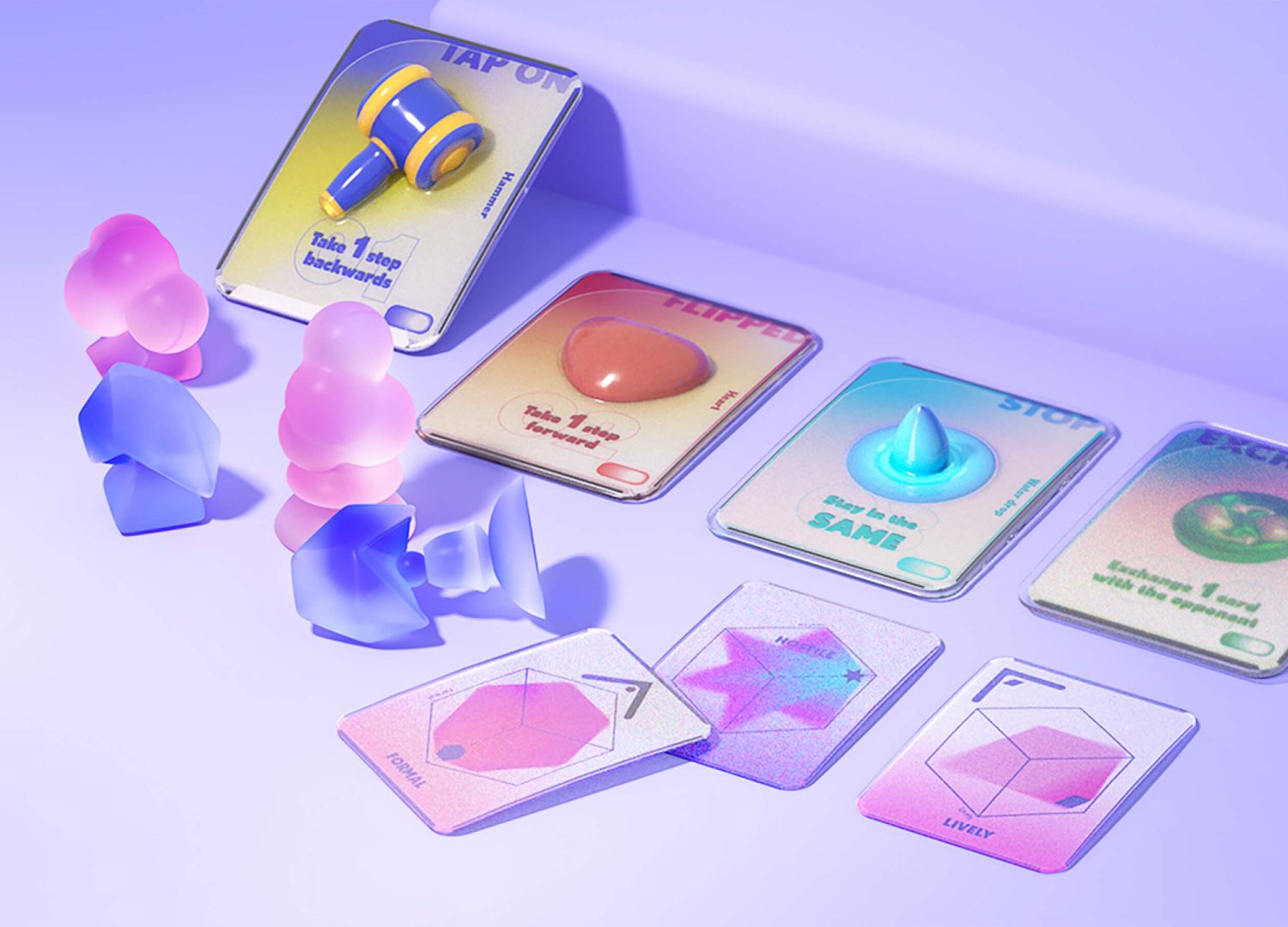
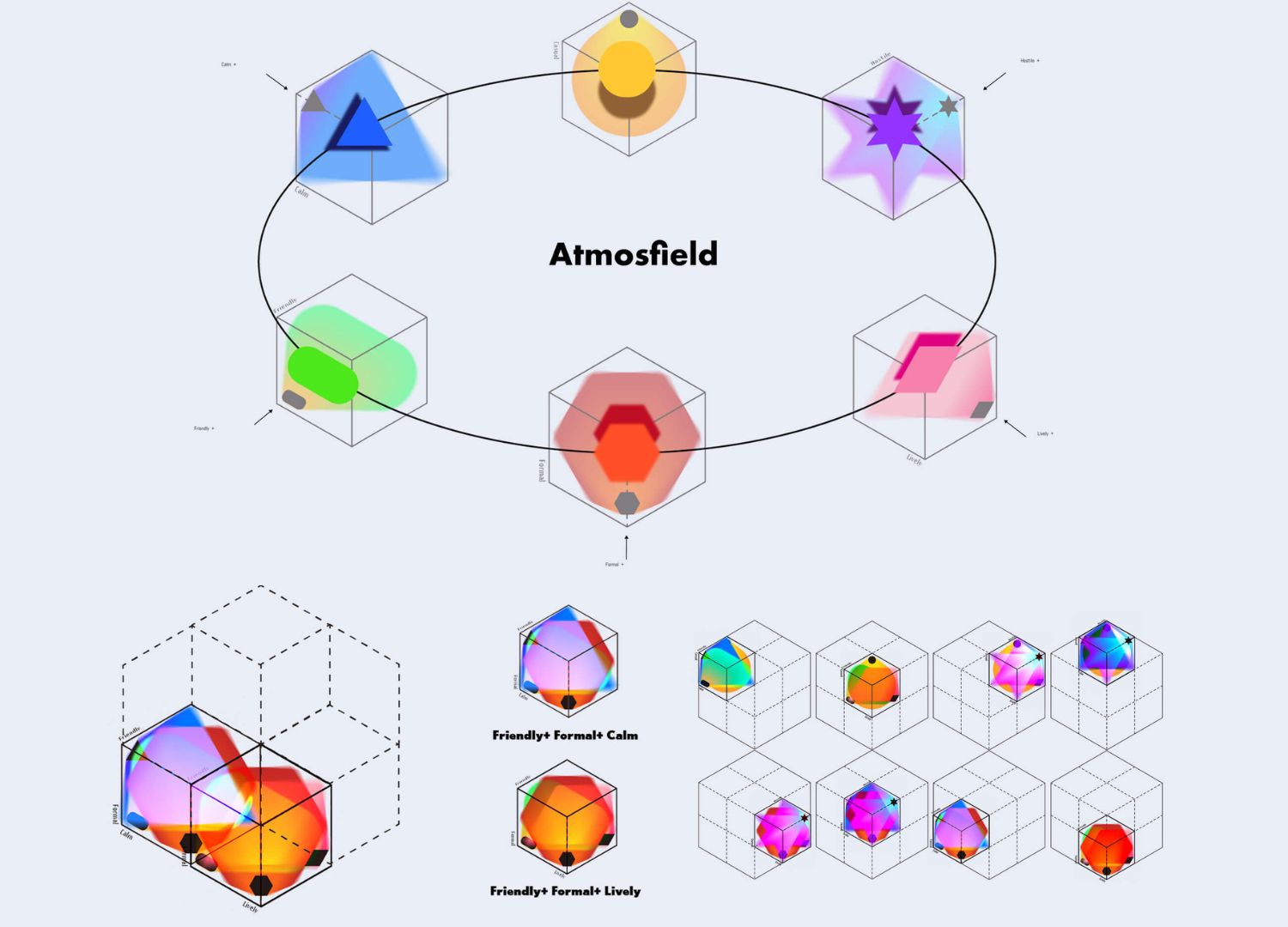
The goal of the EMO+ game is to address these differences by trying to have all players speak the same emotional language. It does this through the Atmosfield framework, a model derived from human-robot interaction research, which maps emotional states along three axes: Friendly-Hostile, Lively-Calm, and Casual-Formal. This approach transforms abstract emotions into concrete representations, levelling the playing field for everyone.
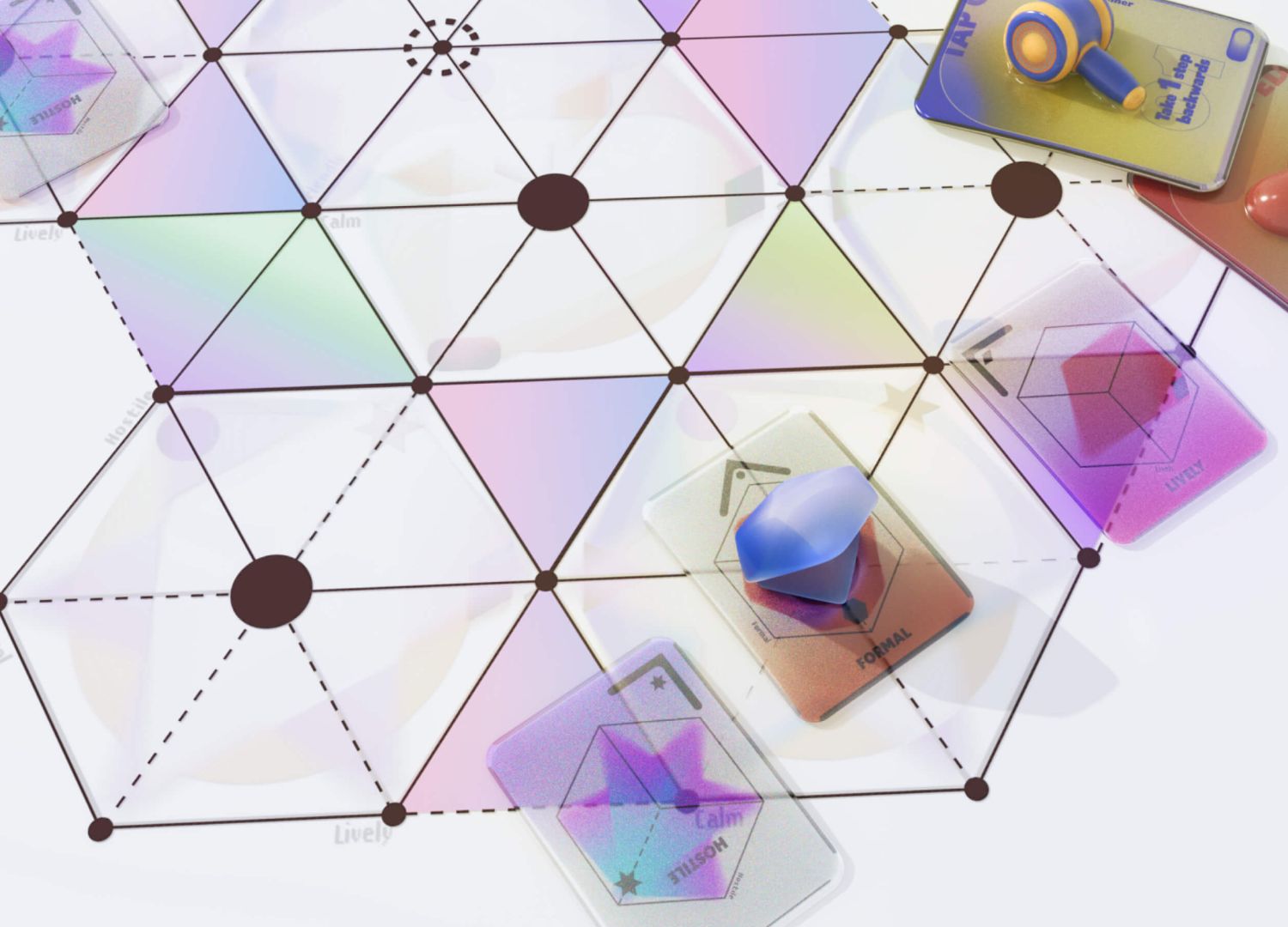
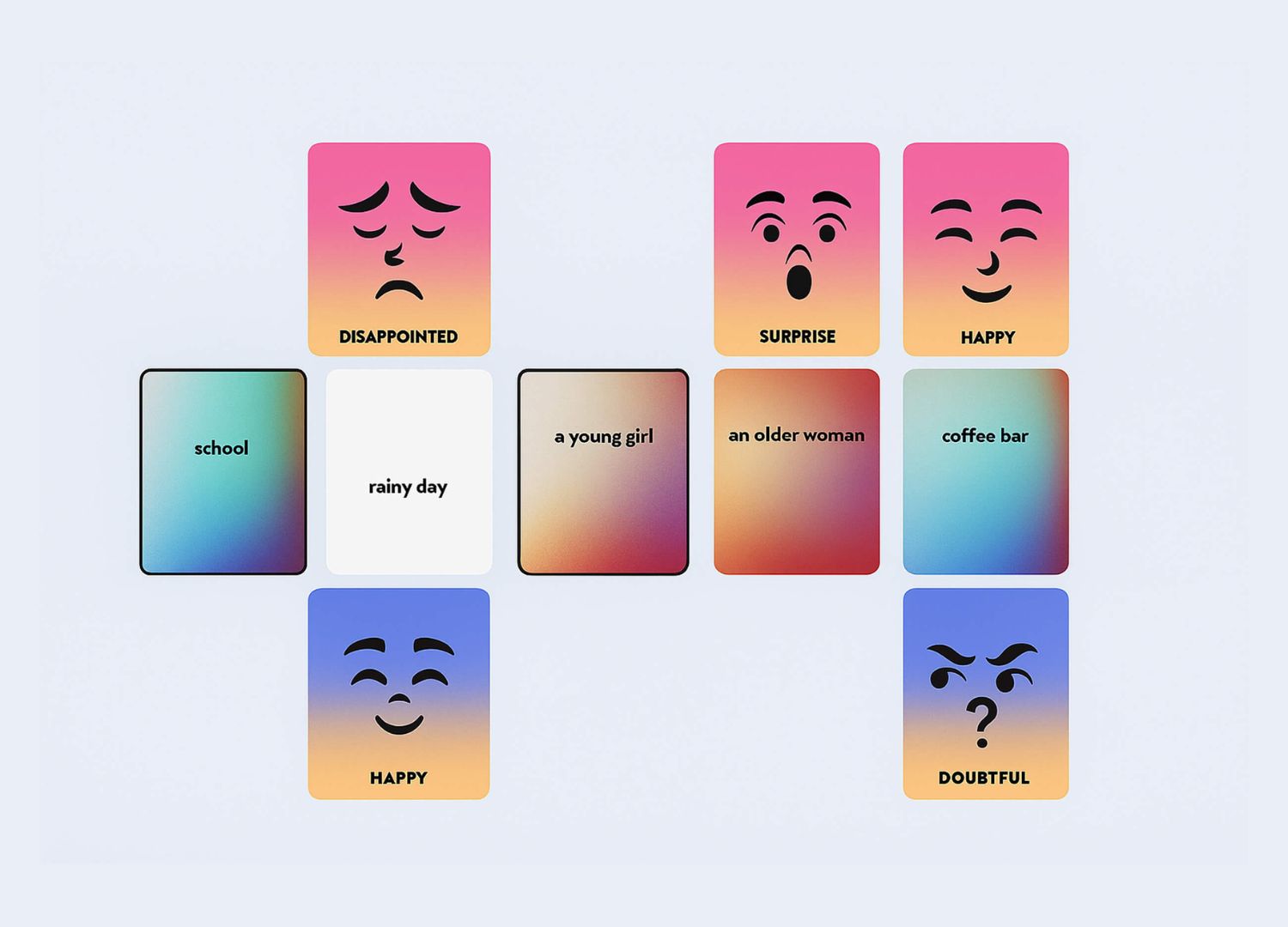
The game is structured in two phases. In the first one, players draw cards illustrating hypothetical social scenarios, for example, “an unexpected compliment”, and use the emotional scales to represent how a character might feel in that scenario. The second phase is about “conflict analysis”, where players use visual tokens to come closer to each other’s emotional reaction through mutual understanding. All players can then use what they learnt in the game to understand more about their peers’ mental loops, and all can be more comfortable in discussing their emotions with this new shared language in future real-life scenarios.

This board game is an effective means of communication for adults with autism because it speaks their language, using clear structures, rules, and scales. When neurotypical people experience the structured communication style that autism usually prefers, they often easily see its effectiveness and clarity. While traditional therapies often focus on the neurodivergent individual having to forcefully adapt to neurotypical expectations, EMO+’s shared language shifts the responsibility for understanding from solely the person with autism to all participants.
EMO+ aligns with the social model of disability, which states that barriers exist not only within an individual but especially in systems and environments that fail to account for diversity. When neurotypical individuals begin interacting with disabilities through tools like EMO+, it creates ripple effects throughout communities. Research consistently shows that inclusive environments benefit everyone. By developing a better understanding and killing stigma, workplaces become more inclusive, friendships deepen, and communities become stronger.
For adults with autism who have long navigated a world that was never designed for them, EMO+ provides validation and a structure needed for authentic understanding. Resisting the medicalised impulse to “correct” autistic behaviour, the game reframes communication in a way where neurotypicals are just as accountable for bridging the gap. EMO+ is a tool for listening differently, carving space for adults with autism to be met on their own terms.