Faith Park: an architectural view of Albania’s diverse spirituality
This proposal for Tirana’s new park is a monument to the country’s unique interfaith heritage, designed to host any kind of religion in a shared, safe space.
When Albania’s National Territorial Planning Agency launched an international competition for Faith Park in Tirana, they were asking for something more than just urban design; they wanted to create a cultural statement through public architecture, dedicated to the country’s religious harmony and diversity. PARK, Openfabric, AMDL Circle, Tharm architects, MIC-Hub, and Lachlan Turczan proposed a shared interpretation of this challenge: a sixty-hectare landscape where the country’s culture of tolerance is translated into space and matter.
To understand the logic behind Faith Park, one must know about Albania’s religious journey. Christianity arrived in Illyria soon after the time of Jesus, with the first records dating to 58 AD. When the Roman Empire divided, Albania fell under Byzantine rule, which later created a new religious geography in which the north followed Rome’s Catholicism and the south aligned with Constantinople’s orthodoxy. The country was then conquered by the Ottomans, introducing a third major faith, Islam, which gradually became the majority religion.
Gallery
Open full width
Open full width
By 1945, approximately 68% of the population identified as Muslim, 19% as Orthodox, and 13% as Catholic. This coexistence was roughly interrupted in 1967, when Albania’s communist regime outlawed religion entirely, relinquishing all religious institutions and architecture. The campaign created the world’s first atheist state: faith became a family secret, practised behind closed doors and passed down in private. When communism collapsed, an entire generation had grown up with almost no formal exposure to religion, but somehow, the tradition of interfaith harmony survived.
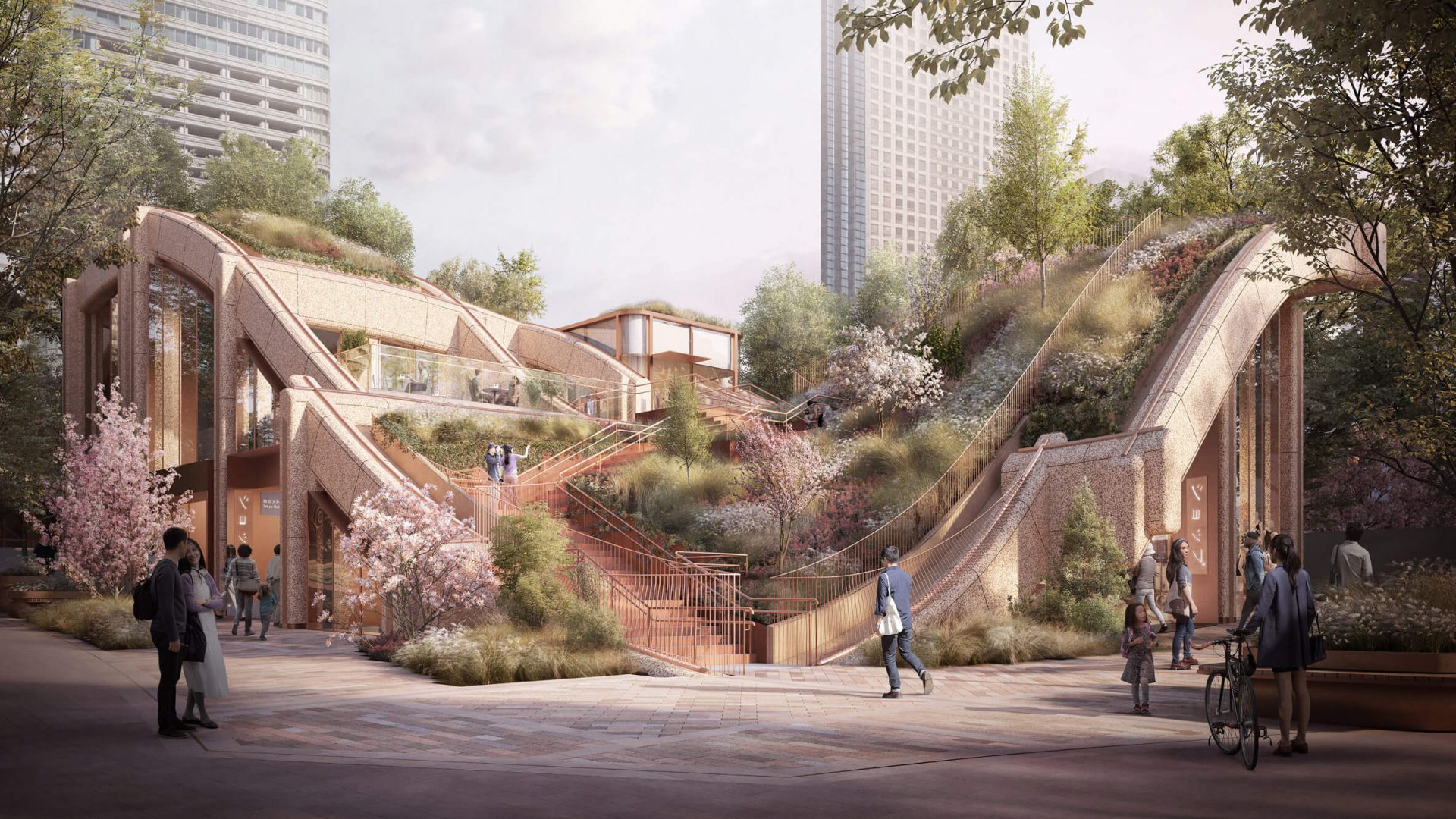
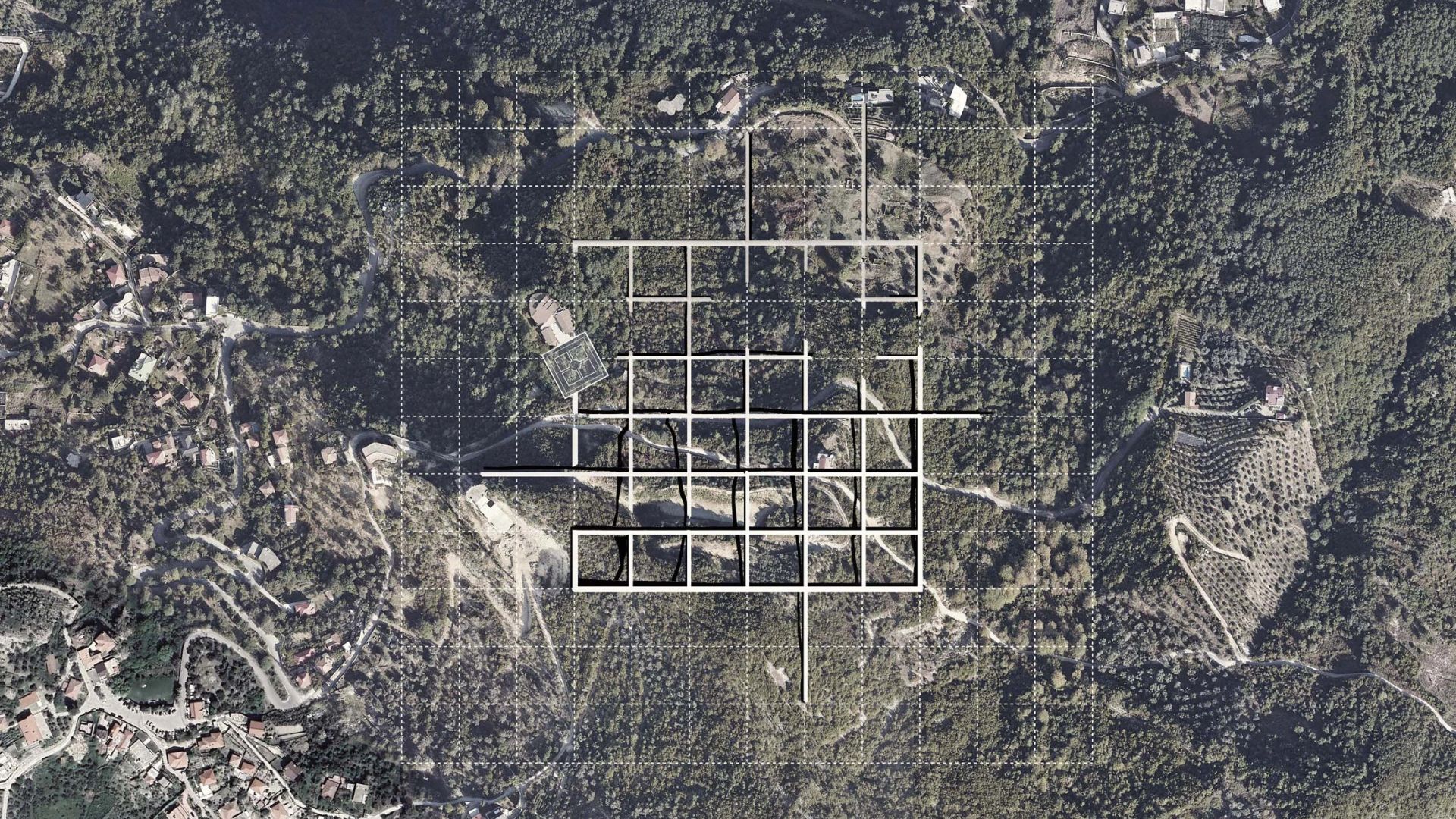
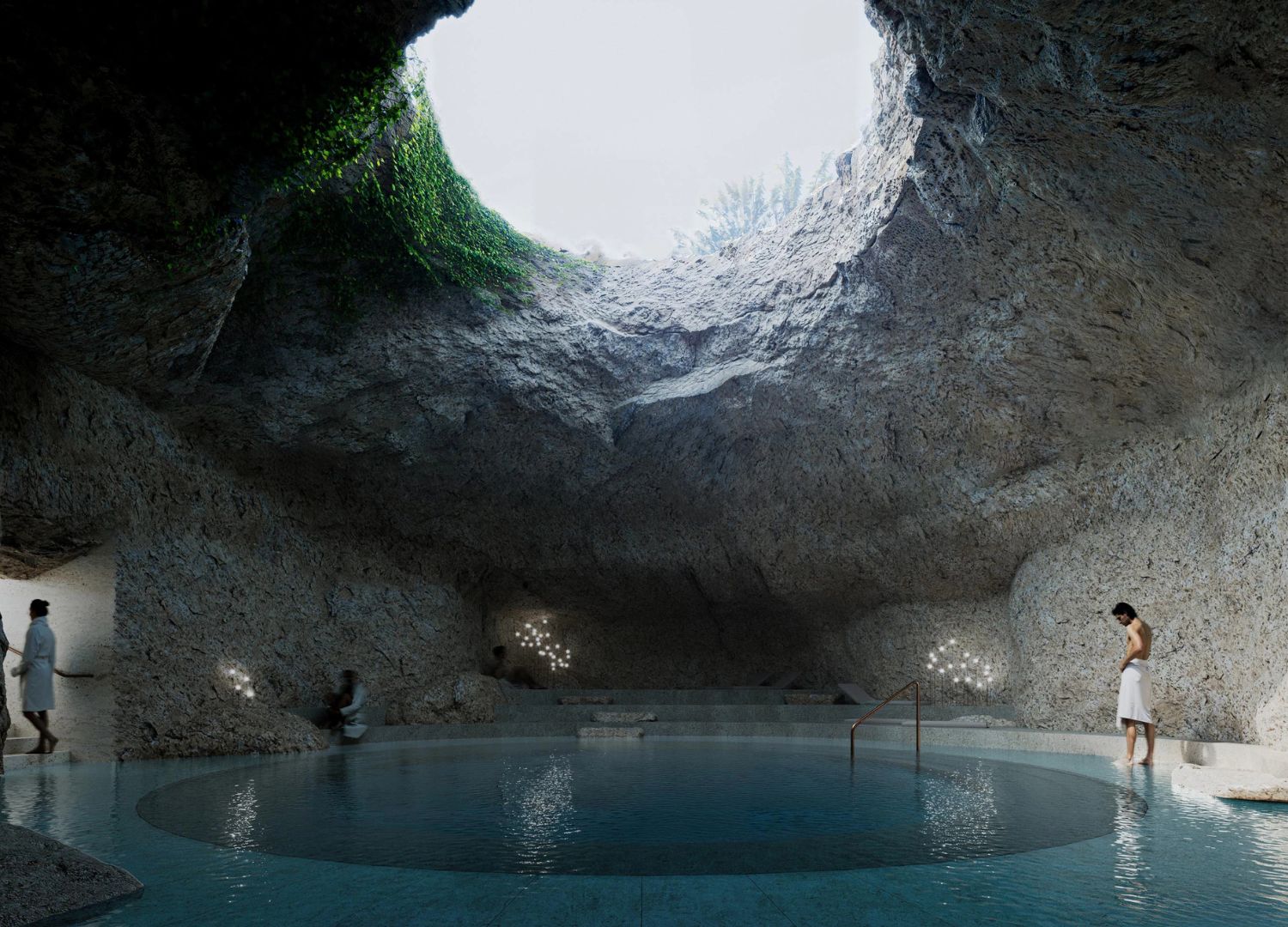
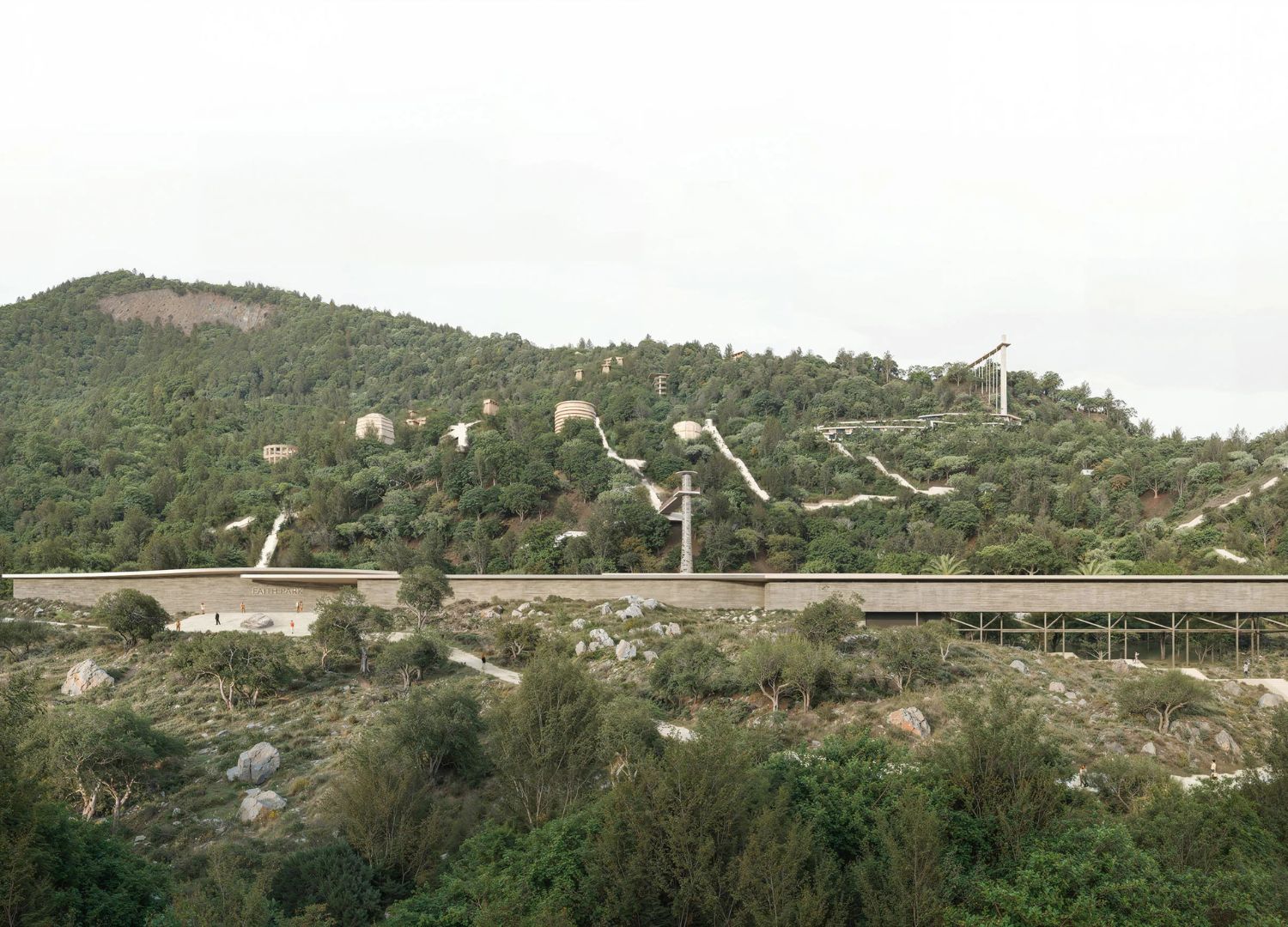
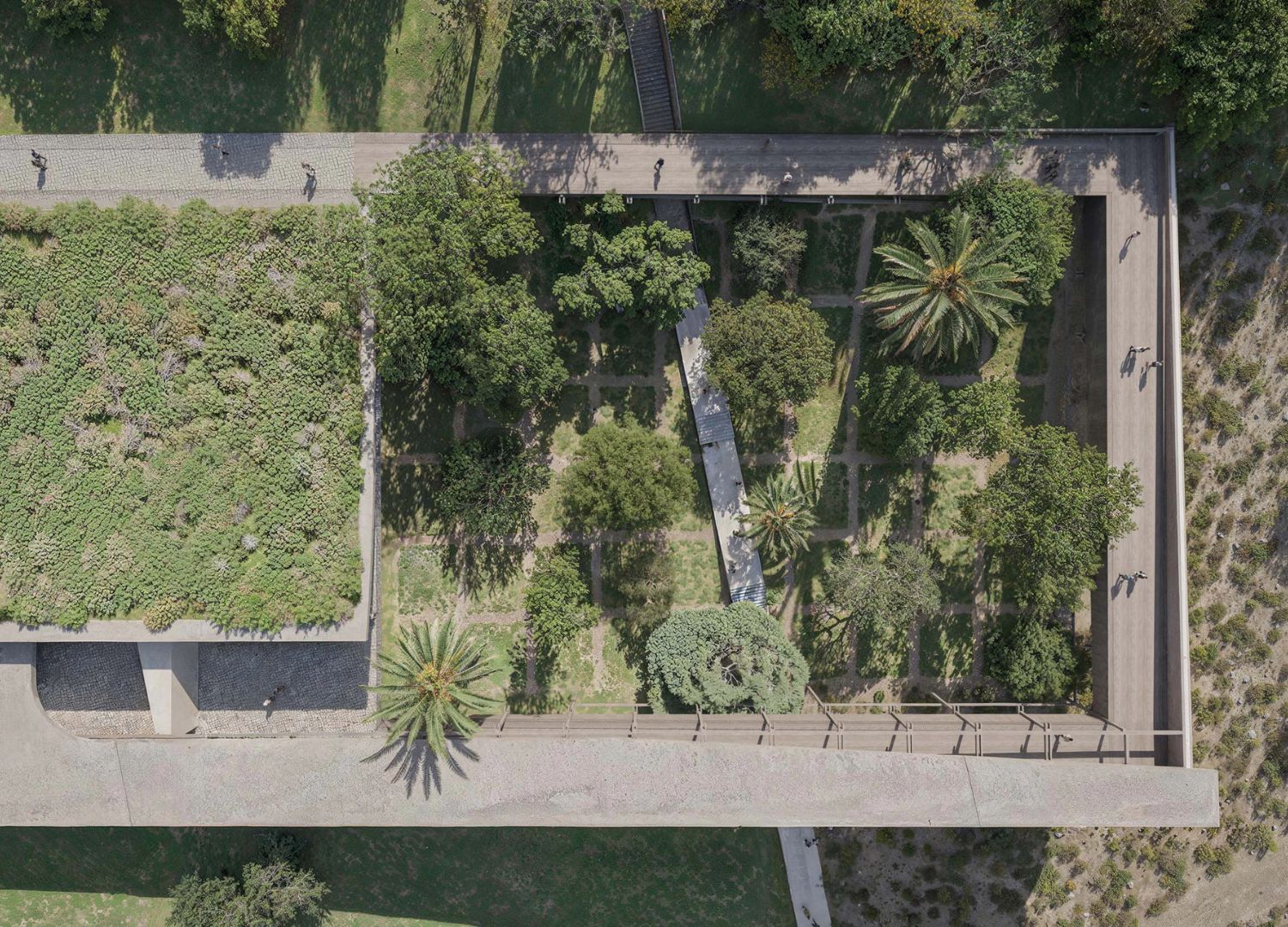
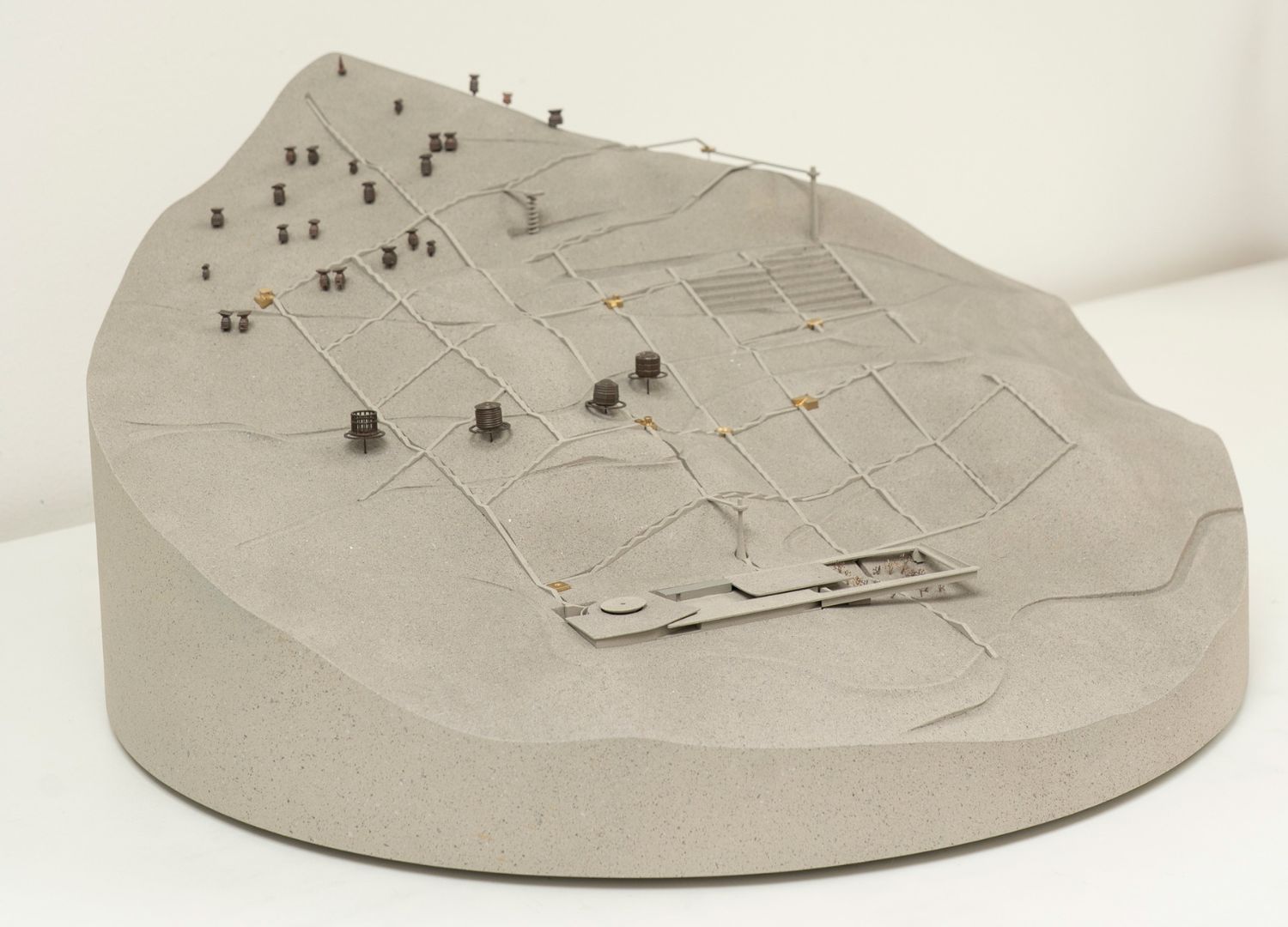
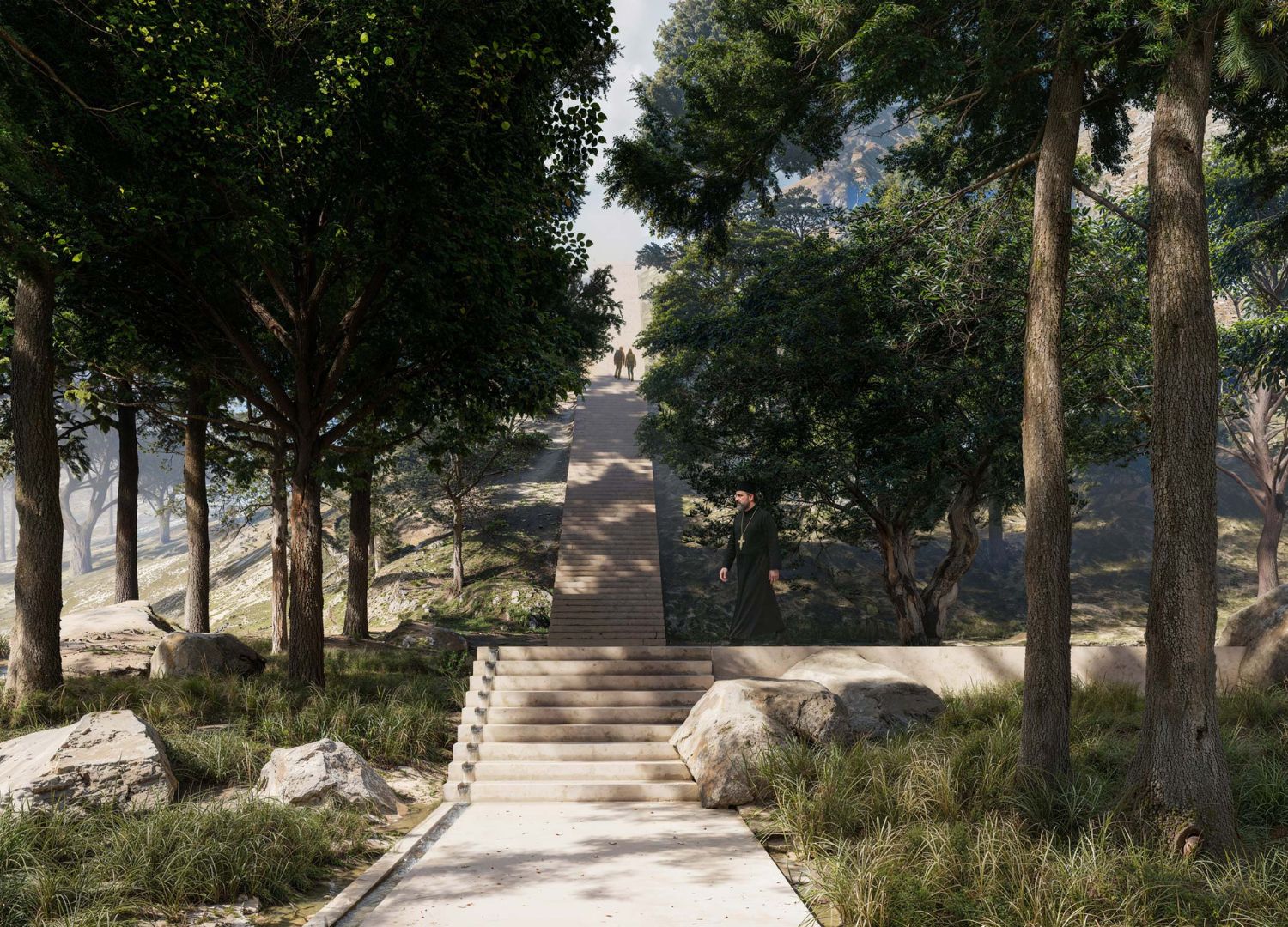
Against this backdrop, the proposal embraces a clear vision of Albania’s diversity. The masterplan begins with a symbolic grid that structures the park, creating a network of paths and stairs that frame 28 different perspectives and 33 points of encounter between citizens. Movement through the park was designed to be meditative, as walking through the sedimentary stone paths becomes an introspective ritual in itself.
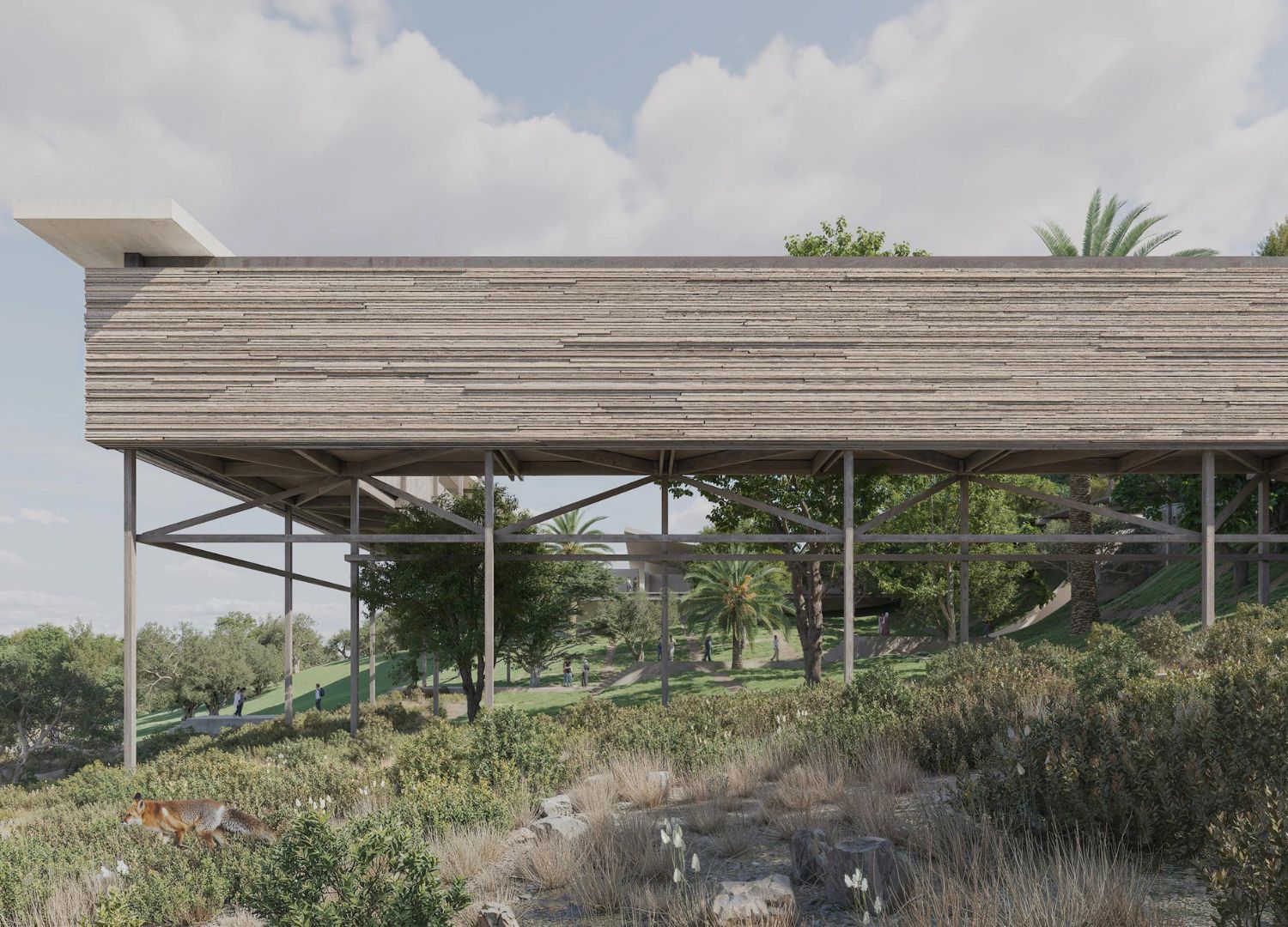
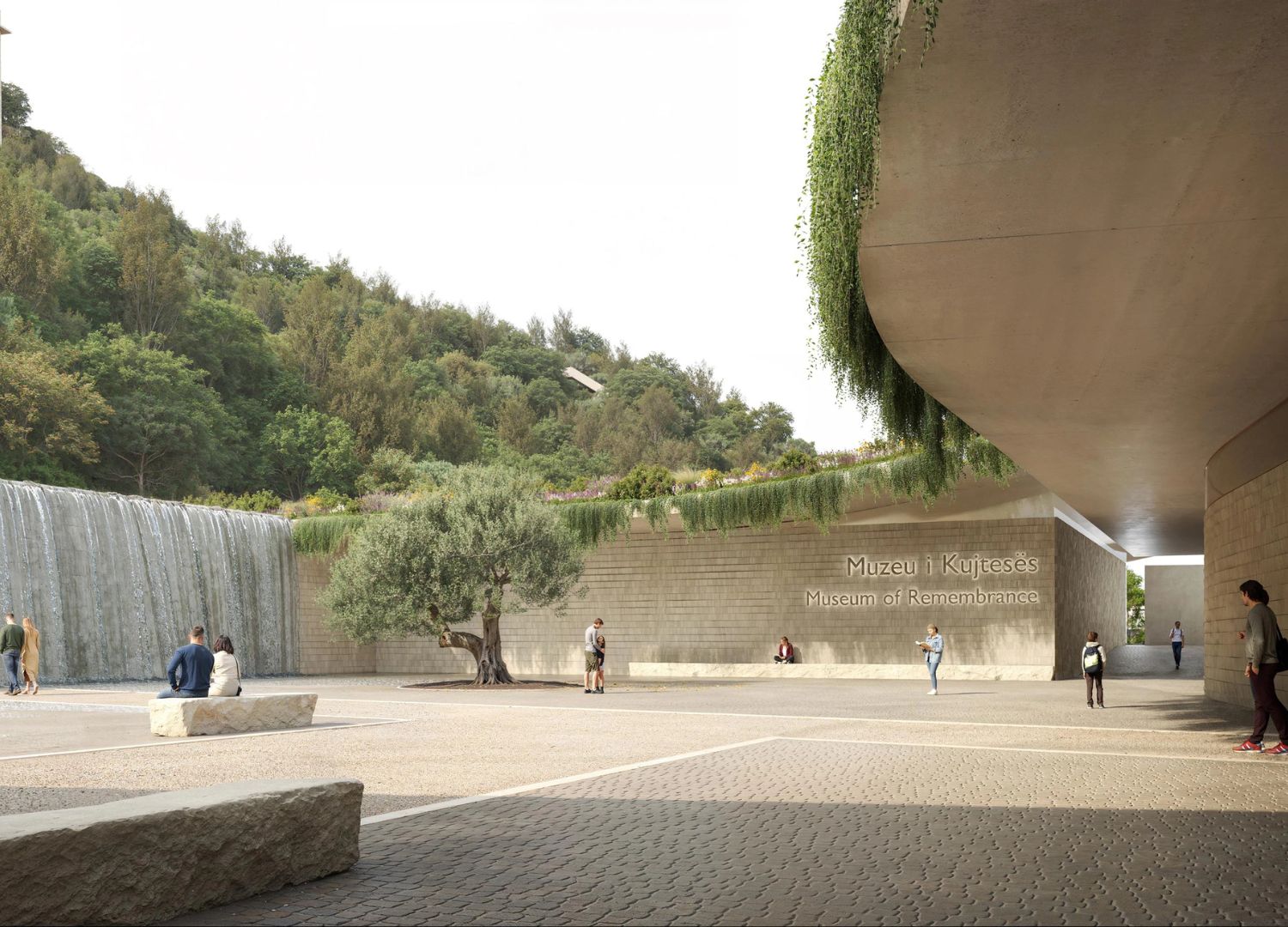
The vertical organisation of the park establishes a narrative arc, with each level corresponding to a different intensity of experience, inviting visitors to walk through the space as a spiritual growth journey. At the base lies the Threshold building, which includes the Welcome pavilion, the Museum of Remembrance, the Event structure, and the Restaurant. Throughout the grid, the park features small structures that host art installations, collective rituals and performances, as well as eco-conscious accommodations. This layout balances order and freedom, with a grid that organises the space but also leaves room for personal freedom, for one to choose their own journey.
The proposal also integrates environmentally conscious mobility solutions, promoting accessibility through shuttles and slow-mobility systems to connect the park to the capital city of Tirana. Faith Park is not conceived as a retreat from the city but as an extension of it, a place that locals can visit frequently to connect with their beliefs and their communities.
Although the proposal was not chosen as Faith Park will be constructed by Danish studio BIG, the project still shows a lot of value in terms of empathising with the local culture and its diversity. What defines the architecture is its balance; it acknowledges the violence of the past, with the Museum of Remembrance being dedicated to the previous decades of persecution, while insisting on a future built on the radical inclusivity that defines Albania’s contemporary identity. PARK‘s design proposes a new understanding of the sacred: open, inclusive, and rooted in this shared land. Faith Park recognises that Albania’s greatest spiritual resource is not any single tradition, but its capacity to hold them all.