The power of sculpting atmosphere of Fenna Kosfeld
Through limited editions and spatial installations, the German-born material explorer investigates how matter, perception, light and lived environments intertwine in modern space and culture.
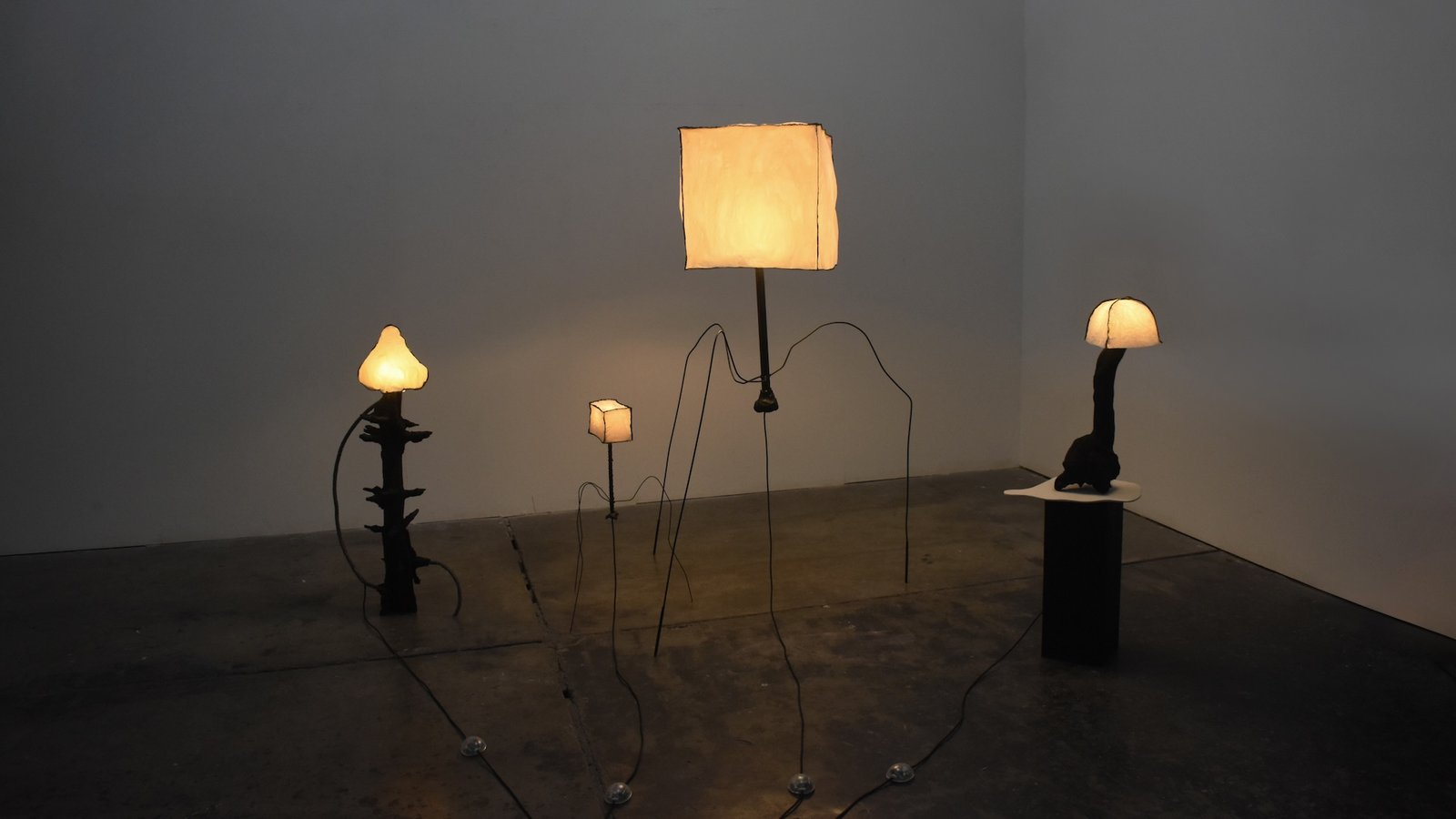
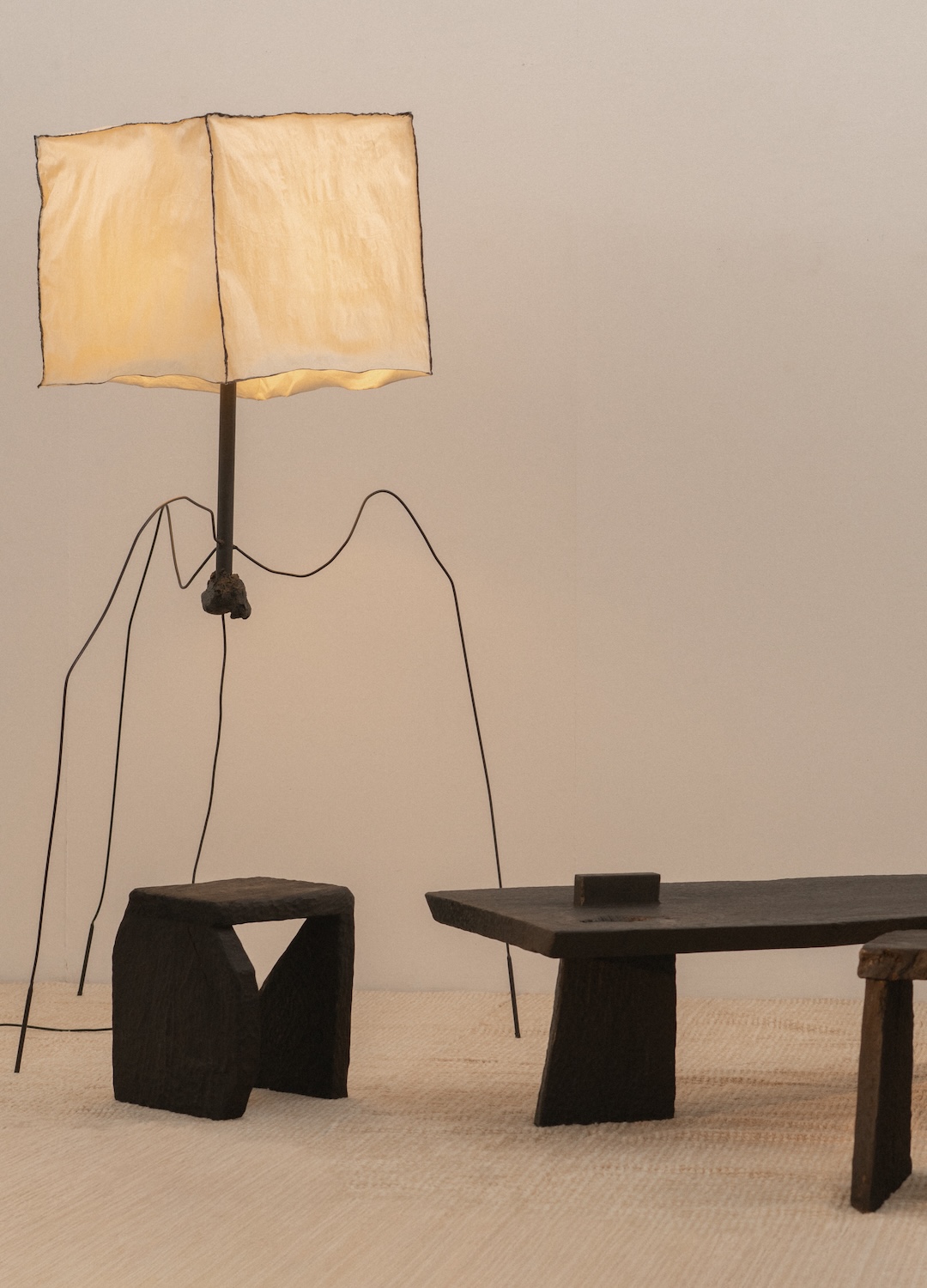
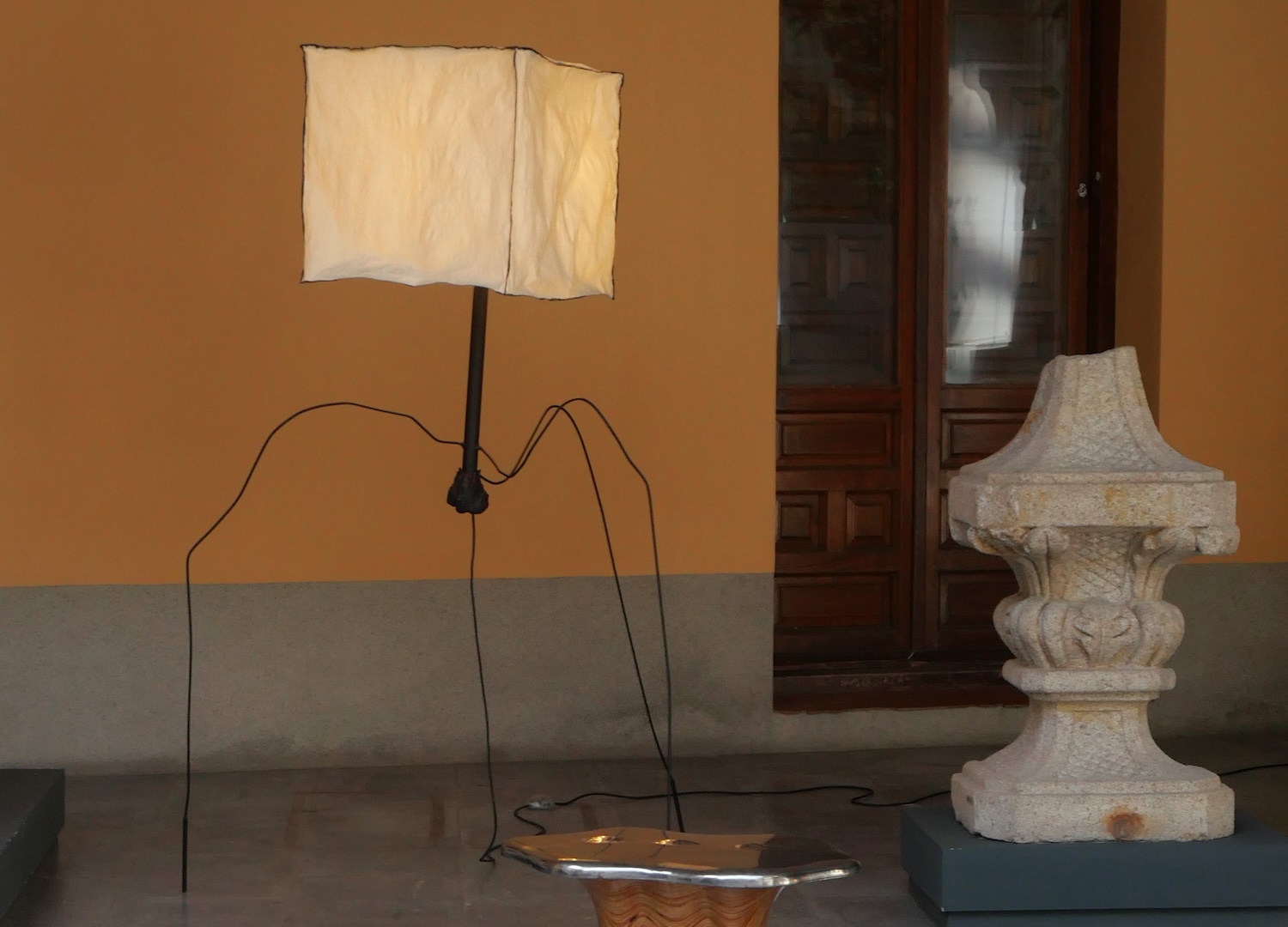
Fenna Kosfeld is a young German-born artist and material explorer who works between Germany and Barcelona, with the goal of developing a practice that moves fluidly across sculpture, objects, light and experimental material research. Trained in Fine Arts at the University of the Arts London and later in New Materials at Elisava School of Design and Engineering in Barcelona, Kosfeld’s work sits at the intersection of artistic intuition and research-driven experimentation, creating objects able to inhabit our homes like true creatures or, as she prefers to call them, companions.
Through material exploration, that create sculptural works that oscillate between object and organism, often appearing as creature-like presences inhabiting interiors, exhibition spaces and landscapes, where light plays a central role. More than a functional element, it becomes both medium and metaphor, shaping atmosphere and perception while reinforcing the ephemeral character of her work. Rooted in ecological awareness and a persistent sense of curiosity, Kosfeld’s practice unfolds as an evolving dialogue between material, environment and experience.
Gallery
Open full width
Open full width
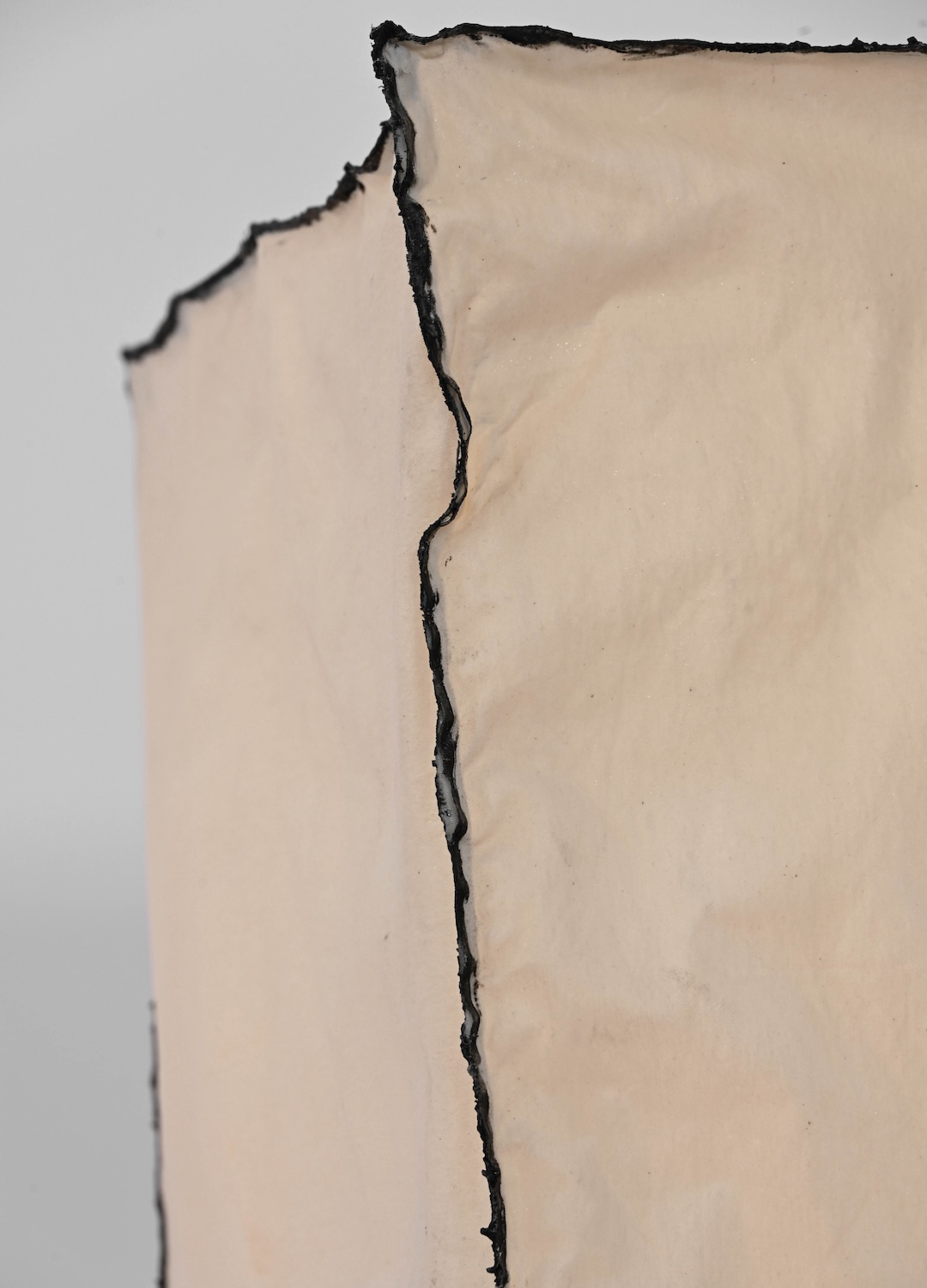
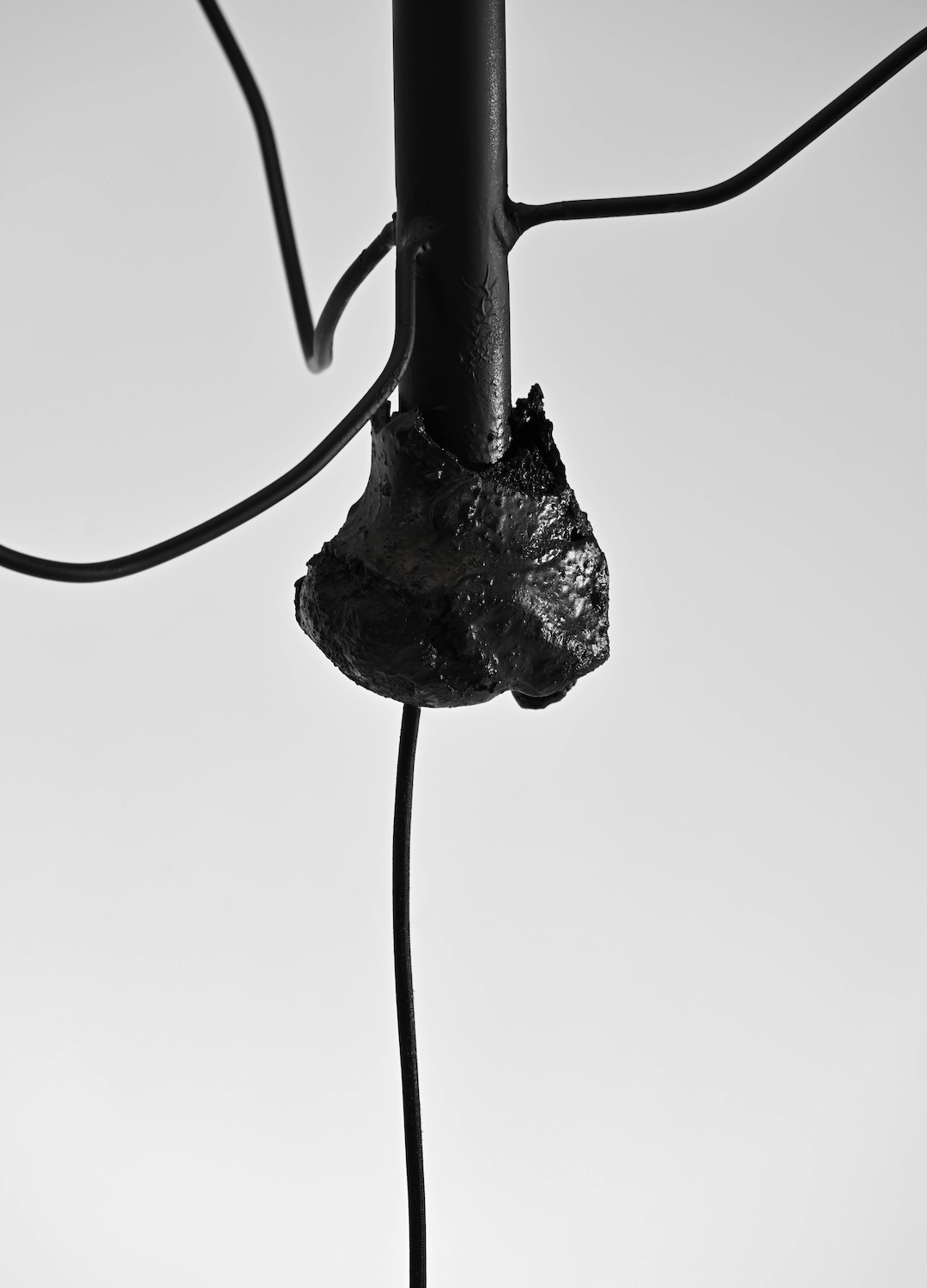
In her studio, making becomes a process of inquiry: Kosfeld works with materials such as charred bone, oxidised steel, biopolymers, cotton and fire, treating transformation itself – burning, charring, binding and restructuring – not simply as techniques but as ways of understanding matter and its cycles of life, decay and reactivation, investigating how matter, space and atmosphere are intertwined within broader ecological systems.
In this conversation, the urge emerges to reflect on the origins of her sculptural language, the role of intuition and science in her process, and how light and materials become tools to explore interconnection, perception and the subtle presence of objects in space.
Your works feel more like light sculptures than conventional lamps. How did your practice begin?
Fenna Kosfeld:
I started with sculpture when I was about fourteen or fifteen. Later I went to university in London, and my work gradually evolved into an exploration of the ephemeral and the intangible – things like energy and invisible forces. My research has always moved between a scientific approach and a very sensory, intuitive one.
Your work seems to move between scientific thinking and a very sensory perception of the world. How do those two approaches coexist in your practice?
Fenna Kosfeld:
I’m fascinated by scientific language, by measurement and quantitative systems, because they stand in strong contrast to how I experience the world. There is an intellectual curiosity there, but also a very primal and highly sensory way of perceiving life. That contrast reflects something fundamental about the world we live in: on one hand, we try to define and understand everything, and on the other, there is the pleasure of simply wondering. My mother is an interior designer, so I grew up visiting her studio, playing with material samples and observing how spaces are arranged. Early on I became sensitive not only to materials and composition, but also to the atmosphere or energy of a room.
When did light become the central medium of your work?
Fenna Kosfeld:
I have experimented with found objects from the forest and light since the beginning but at a certain point I realized that light is an extremely powerful medium. And the use of light is not only functional, it also has a metaphorical and poetic dimension that people instinctively understand because it is so fundamental to our experience of the world.
During my studies, I became very interested in ecology and the idea that everything is interconnected. I often wondered how the feeling of light – or the absence of it – changes our awareness of a space but also our existence. Light can heighten perception and appreciation. It highlights and intensifies the experience of a physical but also an internal place. From there, I began thinking about how light might act as a mediator, something that can communicate ideas about interconnection without being didactic.
Materials also seem to play a fundamental role in your work. How did that interest develop?
Fenna Kosfeld:
Eventually this research turned into a more intuitive process of making. I started asking myself how to bring together science, sensation and ecology. The core element became material. Looking closely, all matter is made of atoms and molecules. On a fundamental level everything is made of matter and light is the giver of presence. Humans are made entirely of non-human matter. That realization led to a deeper fascination with materials. The tactile interest I always had became a research direction: exploring materials and light together. Play has always been an important part of that process.
At the end of my studies, during the pandemic, I had a large but isolated studio to myself at Chelsea College. With the campus almost empty, I spent a lot of time thinking about how art and objects could coexist with everyday life while still creating a subtle sense of appreciation for our interconnectedness. That led to founding a garden project with my friend Marnie, called GREENHaus, in which we introduced sculpture into living ecosystems and let coexistence happen.
That’s where my first outdoor light sculpture really came together. It was made of birch bark and installed in an outdoor garden space, illuminated by solar panels. For the first time the narrative, the material choice, the surrounding space and light as a medium all converged.
Light is a difficult concept for designers. As you said before, it is technical, but also poetic. Did you choose it precisely because of that challenge?
Fenna Kosfeld:
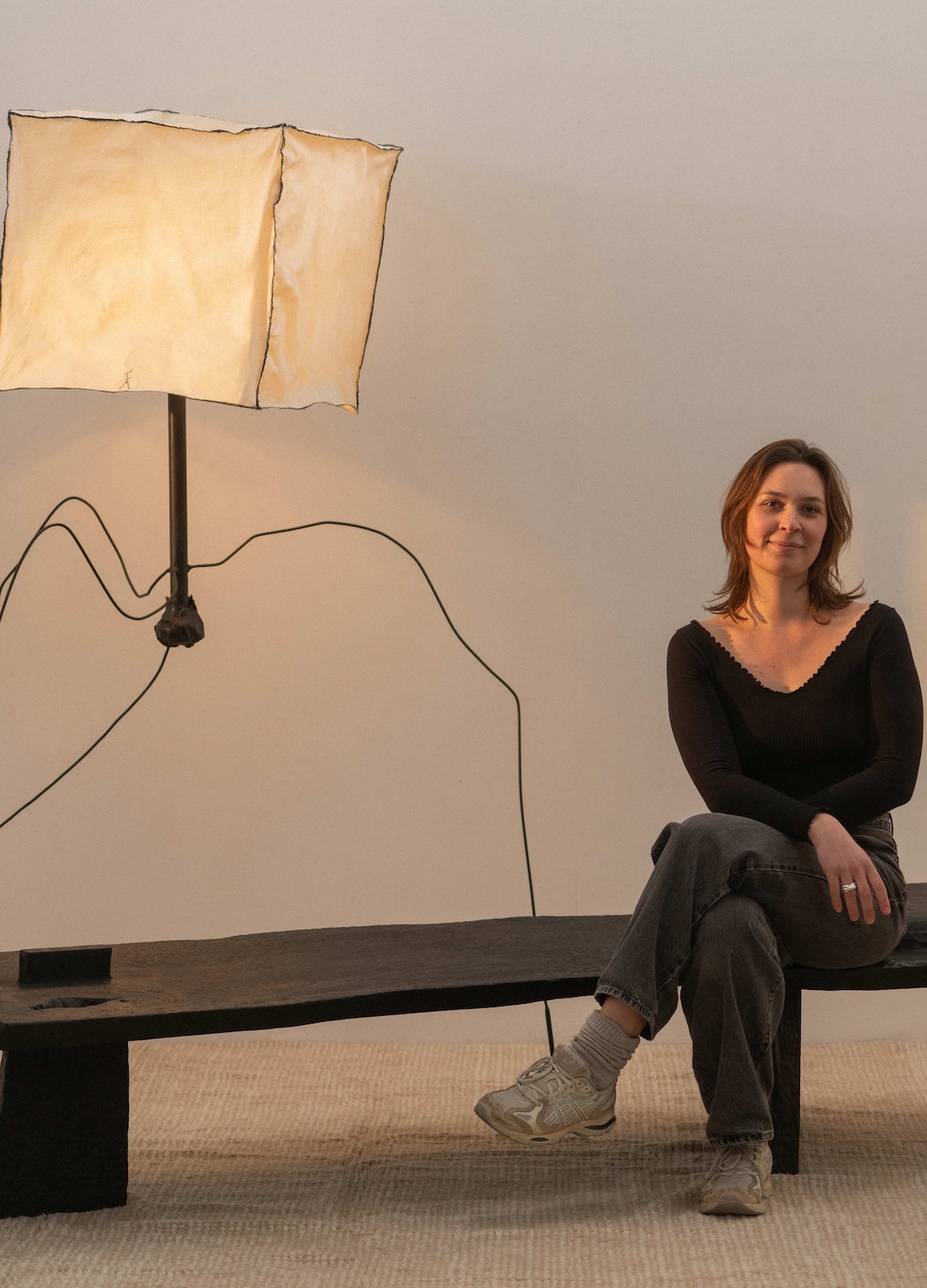
Yes. In my artistic practice, I don’t approach it from a solution-oriented perspective. I do have a material research practice that is more “mad-scientific” and technical, but the work I’m focusing on now comes from a creative exploration. Using material poetry and visual storytelling to evoke appreciation and emotion. The objects are functional, but they are not simply lamps. I realize that many people see them that way when they encounter them online. But when people experience them in person, their reaction is very different. There is a kind of presence around them. Something mystical.
Part of that comes from movement. The pieces move, and that changes the relationship with the object. For me, this movement enables to connect with it on a very personal level. It merges artistic and design practice. They can exist in a domestic space and be used, but they also evoke something more experiential.
The fact that they move is very interesting. I would personally place something like this in my home and use it both functionally and emotionally.
Fenna Kosfeld:
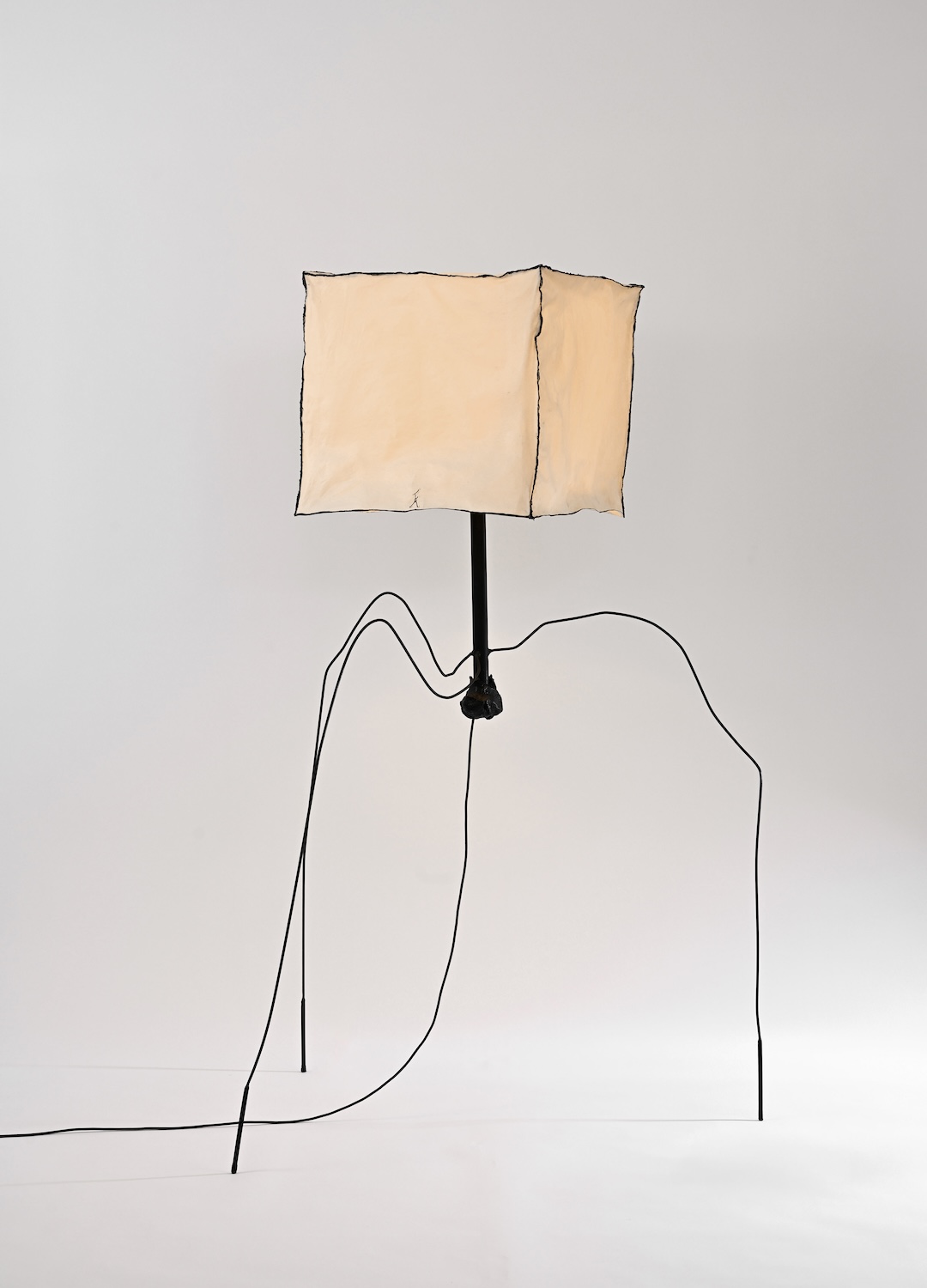
That’s because, I think, I see them as creatures, or, better, companions. The moving series is called the Dweller family. It began with a simple sketch. I then spent almost a year in my studio focusing entirely on my practice, giving myself the time to explore it properly.
I work a lot with metal, which is my primary sculptural medium, alongside some unusual materials like bones. The forms developed through physical shaping and movement. Dance also plays a role in my process – moving my own body, letting gestures and breath guide the shaping of the piece.
The sculpting was very intuitive. At one point the piece was standing in the studio and I began gently moving it. It may sound strange, but I started dancing with it. That was how the balance and structure emerged. Only later did I begin to understand the mechanics that make the object stable while still appearing fragile. The initial idea was simply to have a companion in the studio – something at my height, present with me while I worked. Ideally, that sense of connection can also be felt by others.
Is there anything else about the work that you feel is important to understand better and deeper the meaning and the process behind it?
Fenna Kosfeld:
The bodies of the Dwellers, both the moving ones and the smaller sculptures, are made from bone – currently cow bone. This choice comes from earlier research I conducted on carbonized materials and their potential in sustainable material design.
Carbonizing organic matter creates a very porous structure. Each material forms its own kind of carbon architecture, capable of holding nutrients, water, liquids, and even absorbing smells. It behaves almost like a battery, storing and interacting with its environment.
During my master’s research I studied the carbonization process not only from a scientific perspective but also from a ritualistic one: transforming something that was once alive through fire into a pure, dark material. People often associate it with death or waste, but what remains is actually pure carbon, one of the fundamental elements of life.
When I observed these materials under the microscope, the internal structure appeared like a biomorphic architecture. It was incredibly beautiful. At the time I imagined creating large sculptures from these materials that could be placed in landscapes, eventually dissolving and returning nutrients to the soil.
Even if that particular research direction is currently paused, the material still informs my work, and the charred bone carries the memory of its previous life and function. In the sculptures it becomes a kind of body, while the light acts as the counterpart that animates it.
About the author

Ludovica Proietti, journalist, design historian and curator, teaches in universities and curates events, always exploring projects with fresh, unconventional perspectives.
Instagram