Using poetry with method: the workflow behind Furf Design Studio
Being a multidisciplinary studio doesn’t mean losing the original fire that ignites the creative engine. Let’s look at how Furf stays both creative and business-oriented in today’s design field.

It’s often difficult to understand what lies behind a design studio. From the outside, it looks like designers make something “magical” – as if products pop out of nowhere. But it’s not like that. The magic happens only because someone wants it to happen. It’s the result of thought, method, and strategy. The same strategy that keeps a studio running and alive, because nothing happens by chance. Not the projects, not the growth, not the clients.
Being aware that a design studio must be competitive not only in terms of creativity, but also in how it manages people, finds clients, and promotes itself, that’s the key difference when you’re playing in a crowded field.
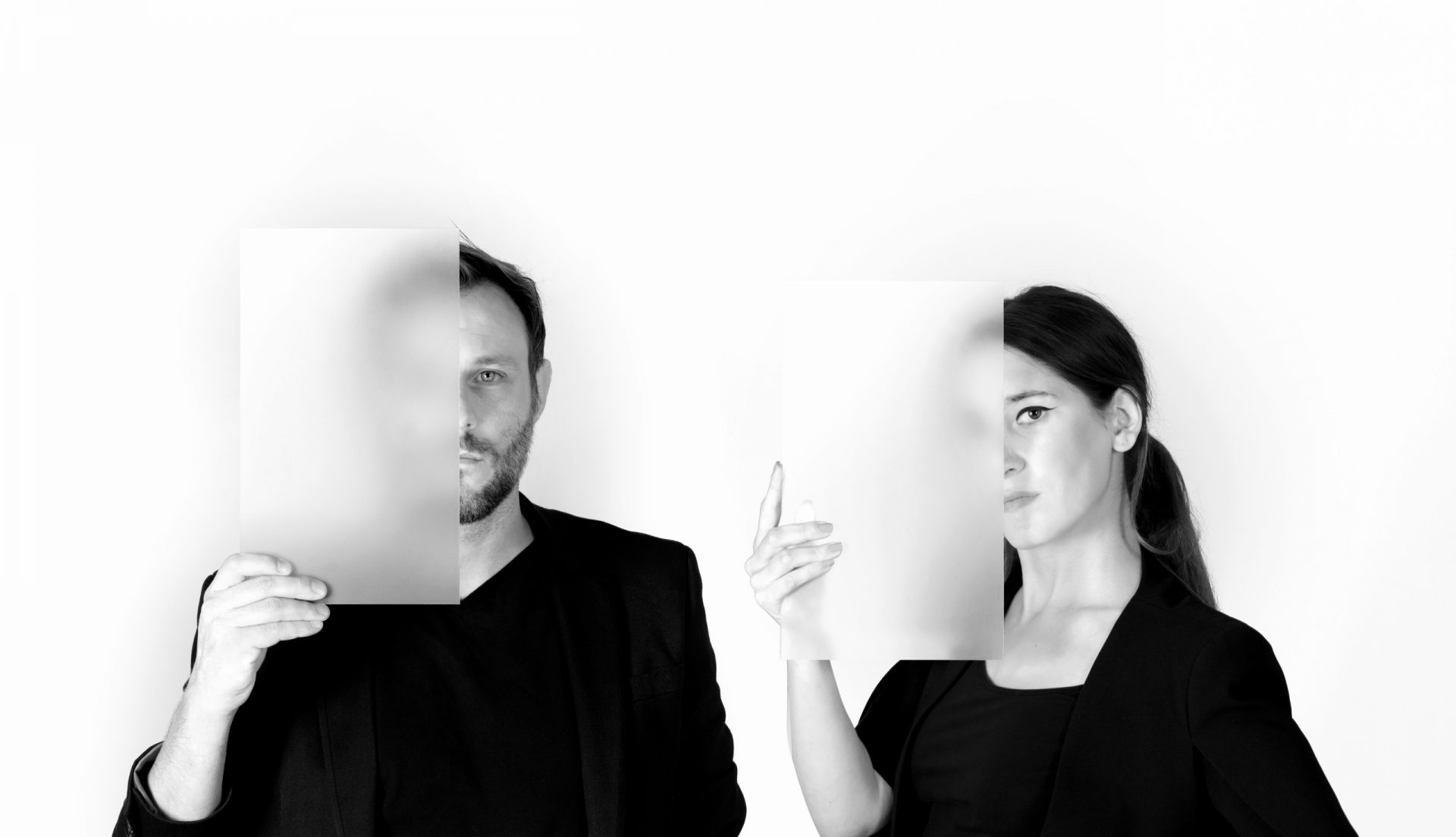
Let’s explore more deeply the story of Rodrigo Brenner and Mauricio Noronha of Furf Design Studio.
Gallery
Open full width


Open full width
Furf – Here some benchmarks:
The beginnins
Rodrigo and Mauricio relocated to Turin to attend postgraduate studies at Politecnico. But they were already running a business – so instead of pausing, they accelerated. Inspired by Italian design culture, they began traveling often to Milan, eventually relocating there permanently.
Little by little, their focus shifted. They stopped producing and selling their own objects, a time-consuming process, and transitioned into what we recognize today as a contemporary design studio, creating projects for companies and clients.

Learning by doing, inspired by Italy
Rodrigo and Mauricio relocated to Turin to attend postgraduate studies at Politecnico. But they were already running a business – so instead of pausing, they accelerated. Inspired by Italian design culture, they began traveling often to Milan, eventually relocating there permanently.
Little by little, their focus shifted. They stopped producing and selling their own objects, a time-consuming process, and transitioned into what we recognize today as a contemporary design studio, creating projects for companies and clients.

Design across industries, not borders
If you explore their portfolio, one thing becomes clear: Furf is deeply multidisciplinary. They work with companies of all sizes – from Qeeboo to Natuzzi – and across sectors, from interior to industrial design.
In today’s era of extreme specialization, this approach might seem unusual. But talking to Rodrigo makes it clear why they made this choice. In Brazil, most studios work with wood furniture brands, a strong but narrow sector. If that sector goes into crisis, the studios suffer.
That’s why Furf designed a model that allows flexibility. Working across disciplines gives them resilience and adaptability, all connected by one common thread: a strong creative process.

Creativity as a design tool
Furf’s design approach is not built on aesthetic signature or “style,” but on how ideas are born and how tools are used. After each project, the insights, tools, and prototypes don’t disappear, they become reusable assets for the next one.
Their toolkit evolves constantly: what they learn from one client becomes part of the method they use for the next. That kind of multidisciplinary knowledge becomes a key advantage, but not in a mechanical way.
Although their process is smart and efficient, Furf has no intention of becoming a “design machine.” Their strength lies in using tools intuitively and creatively, staying sharp without becoming rigid.

A lightweight structure, rooted in values
When you think of a multidisciplinary studio, you might imagine something big and complex. But the age of giant, overstructured design offices is mostly gone. Furf experimented with that model, but quickly realized it didn’t serve them well.
Now their structure is light and agile, built around a careful selection of collaborators who share their values. Their setup is sincere and flexible, leaving space for real inspiration, not just productivity.
What makes the difference are the people and the values. Designing a structure that supports ideas doesn’t mean standardizing them. Their creativity is the result of a very personal balance between imagination, intuition, and experience, something you can’t automate or outsource.
Keeping things small helps them stay human and adaptable, while still delivering at a high level.

Designing the business of design
Furf proves that you don’t need to be overstructured to be credible, nor to take on important projects. Design remains at the center, but the way they run their business is also a form of design thinking. By briefing themselves, giving themselves internal goals, tools, and timelines, they apply the same logic of a creative project to their own company structure. That’s what keeps things dancing in harmony: staying lean, staying flexible, and staying sustainable – both economically and creatively.
In their words and actions, Furf reminds us that being multidisciplinary isn’t about doing everything. It’s about doing the right things, in the right way, and staying close to the reason why you started in the first place.

We have explored more about design models, have a look.
Want to know more about Furf? Click here
About the author
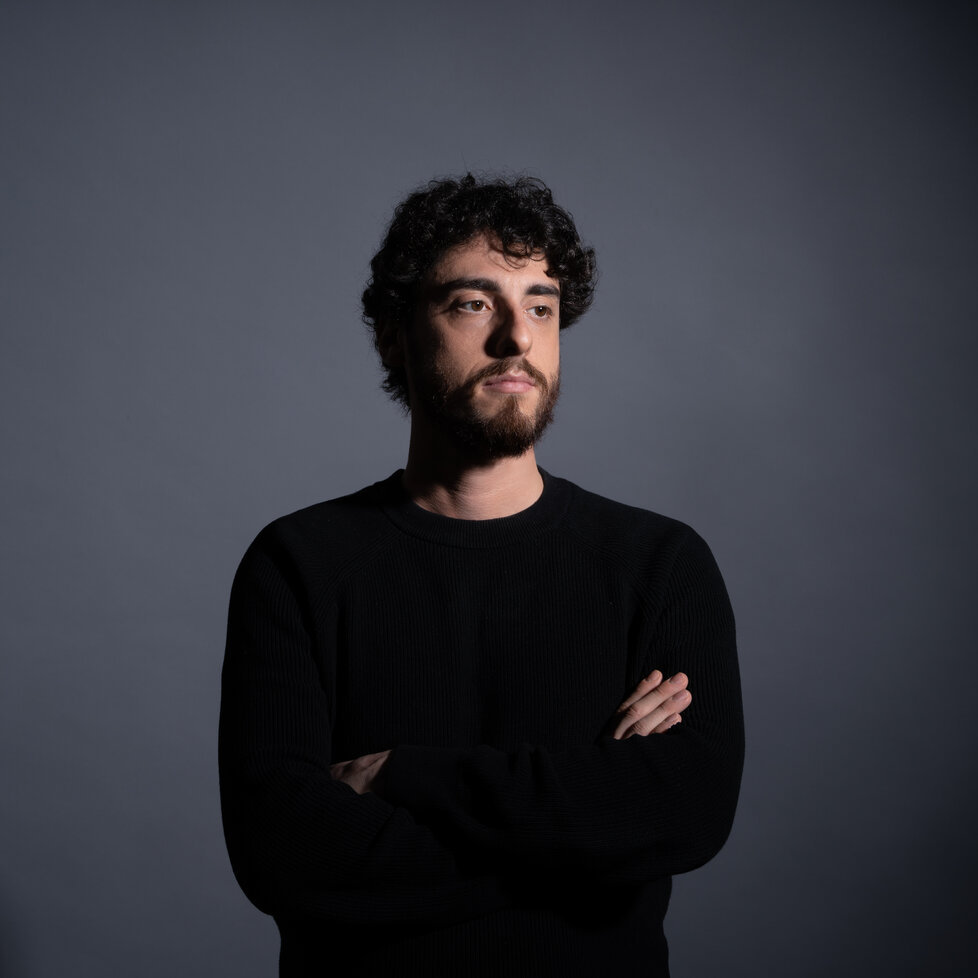
Mario Alessiani, founder and creative director of the Italian namesake design studio, specializes in product, lighting, and furniture design. His clients include companies such as Umbra, Fabbian, and Axolight. Mario also teaches at the University of Camerino, IED Rome and Sichuan Normal University in China. His work has been exhibited at prestigious events like the ADI Design Museum in Milan, Eindhoven Design Week, and Milan Design Week, earning him awards like the IF Design Award and Archiproducts Design Award.
WebsiteInstagramLinkedin