Small speaker, smaller footprint: how to do sustainable tech right
How the latest Google Home Speaker tries to prove that a mass-produced gadget can be engineered, wrapped, and eventually discarded more responsibly.
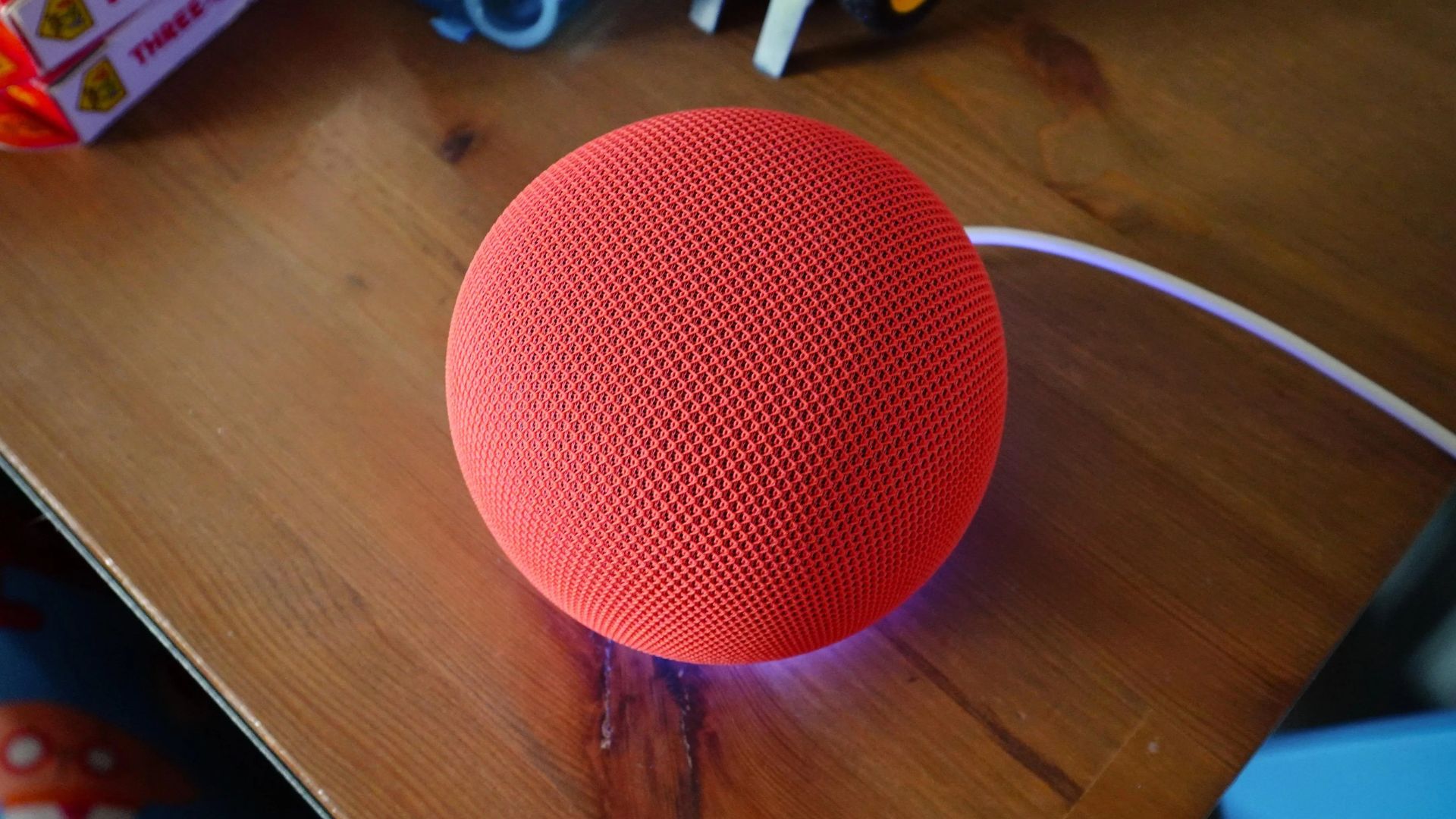
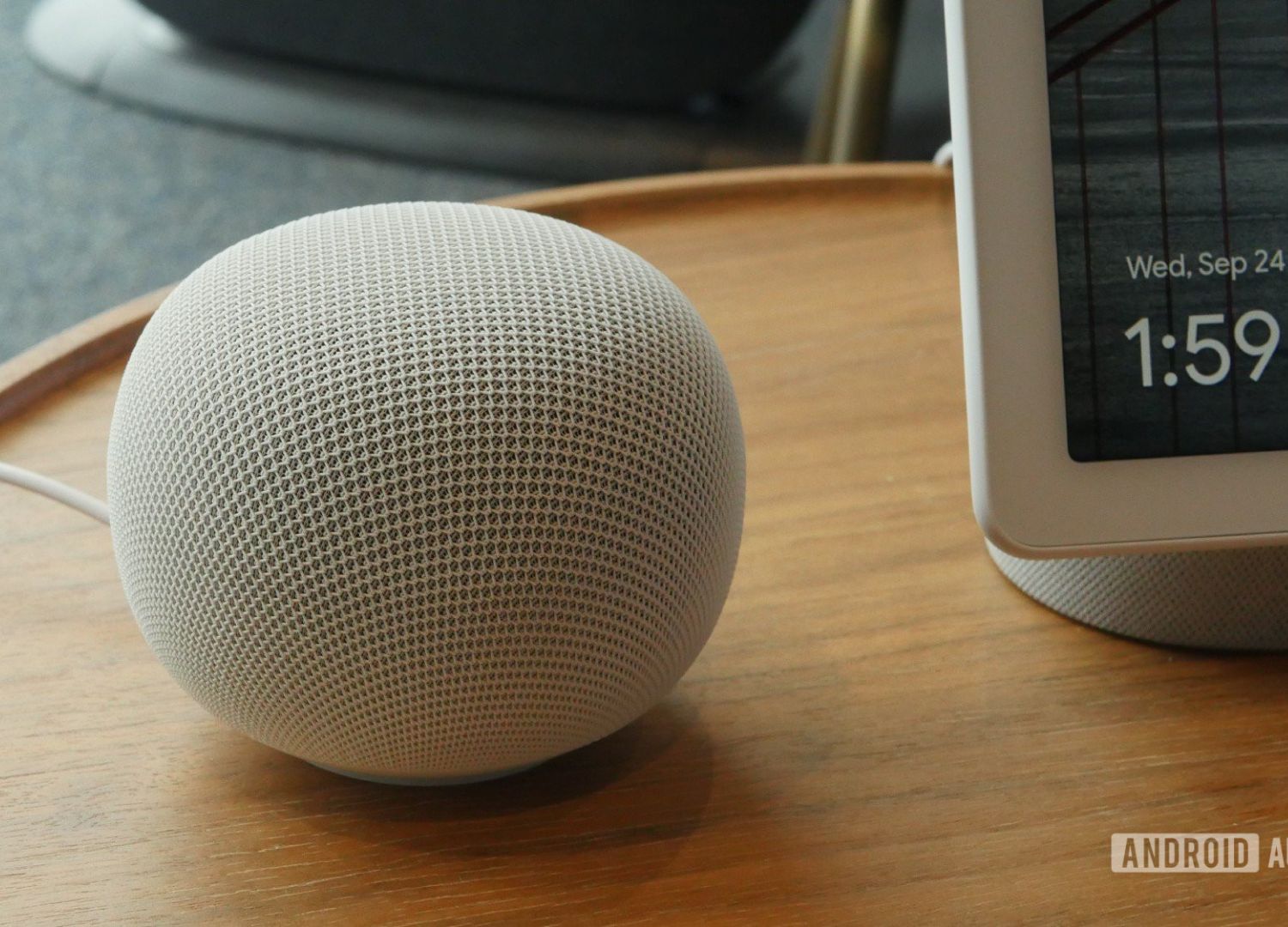
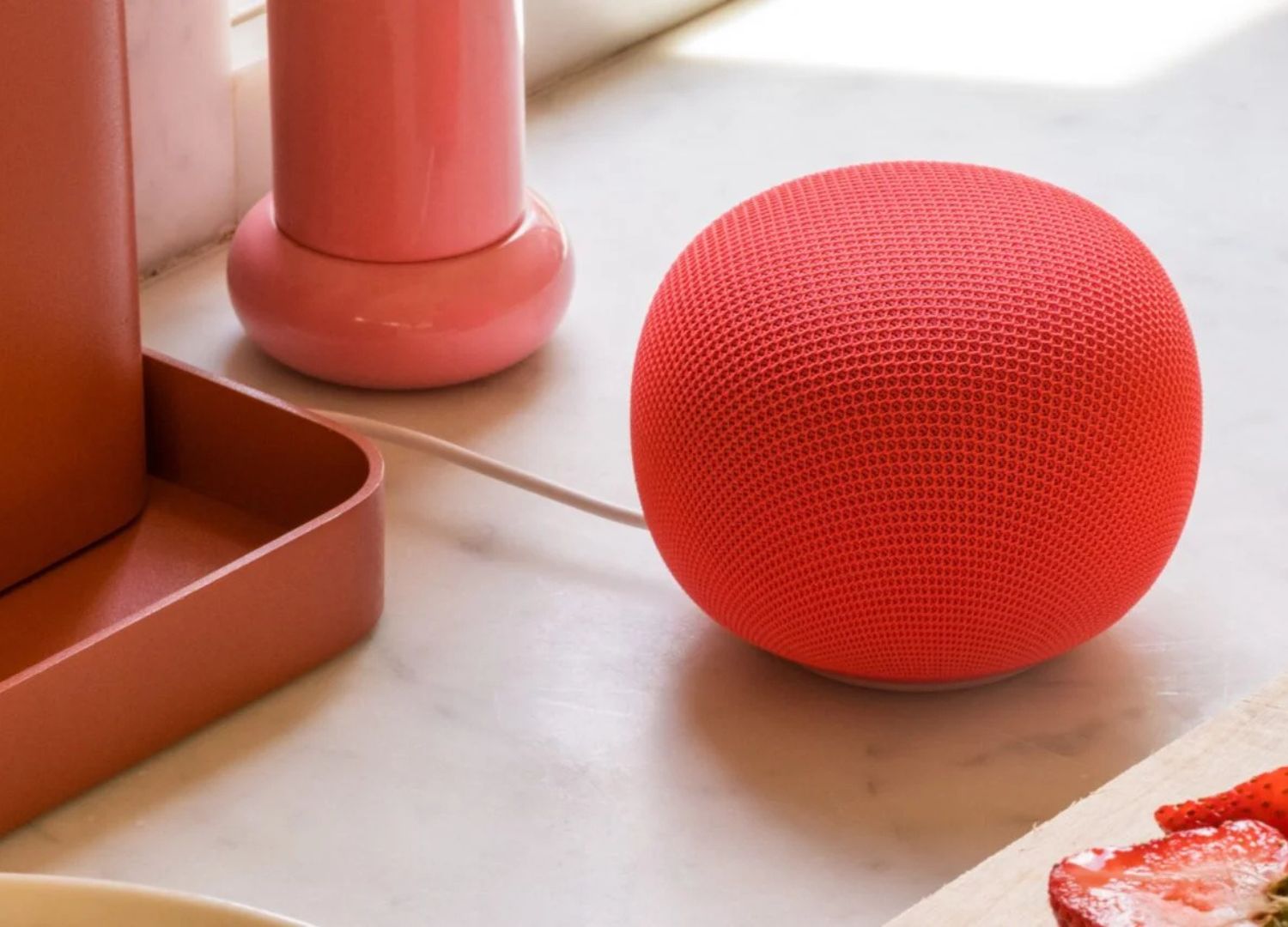
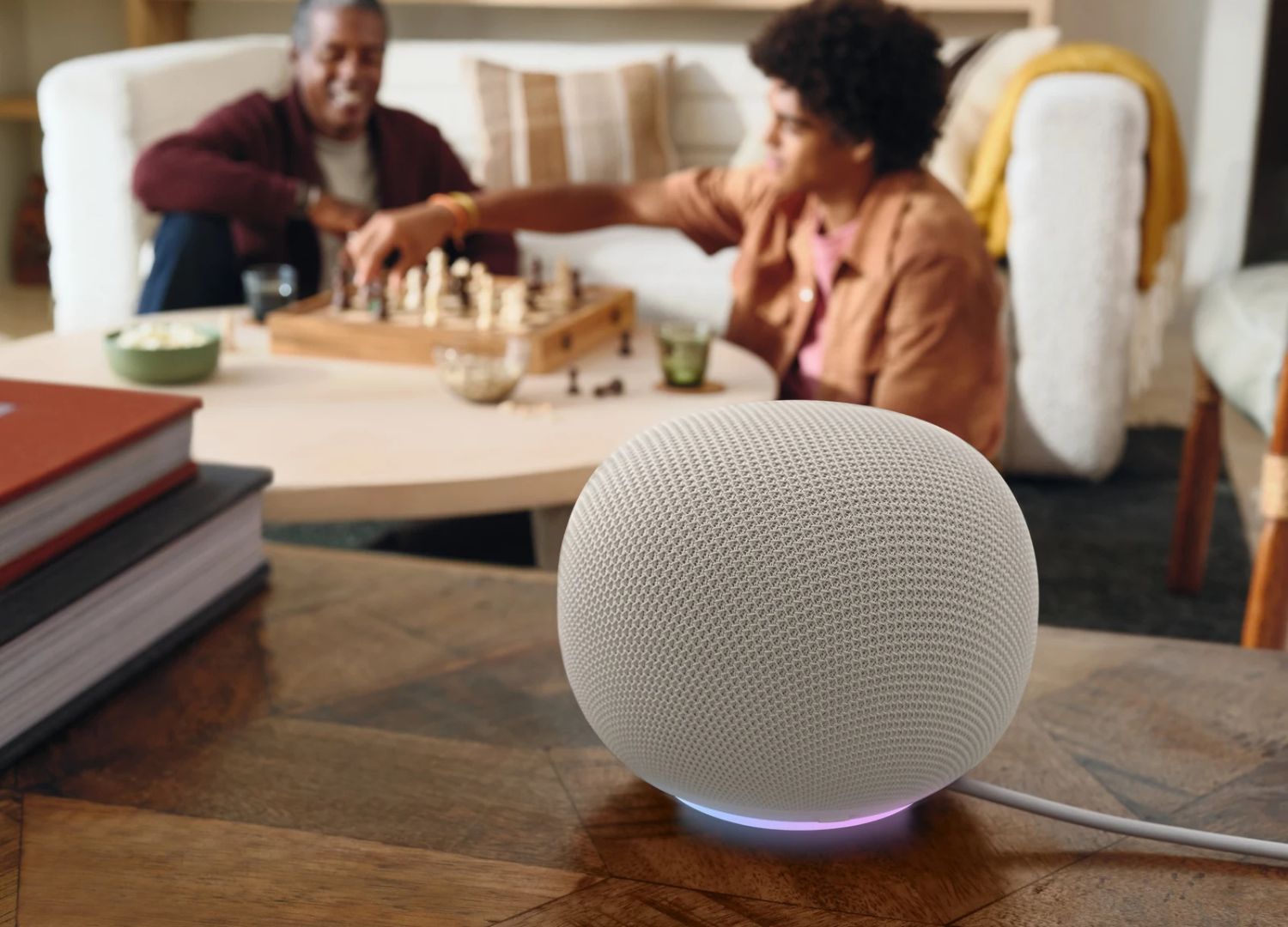
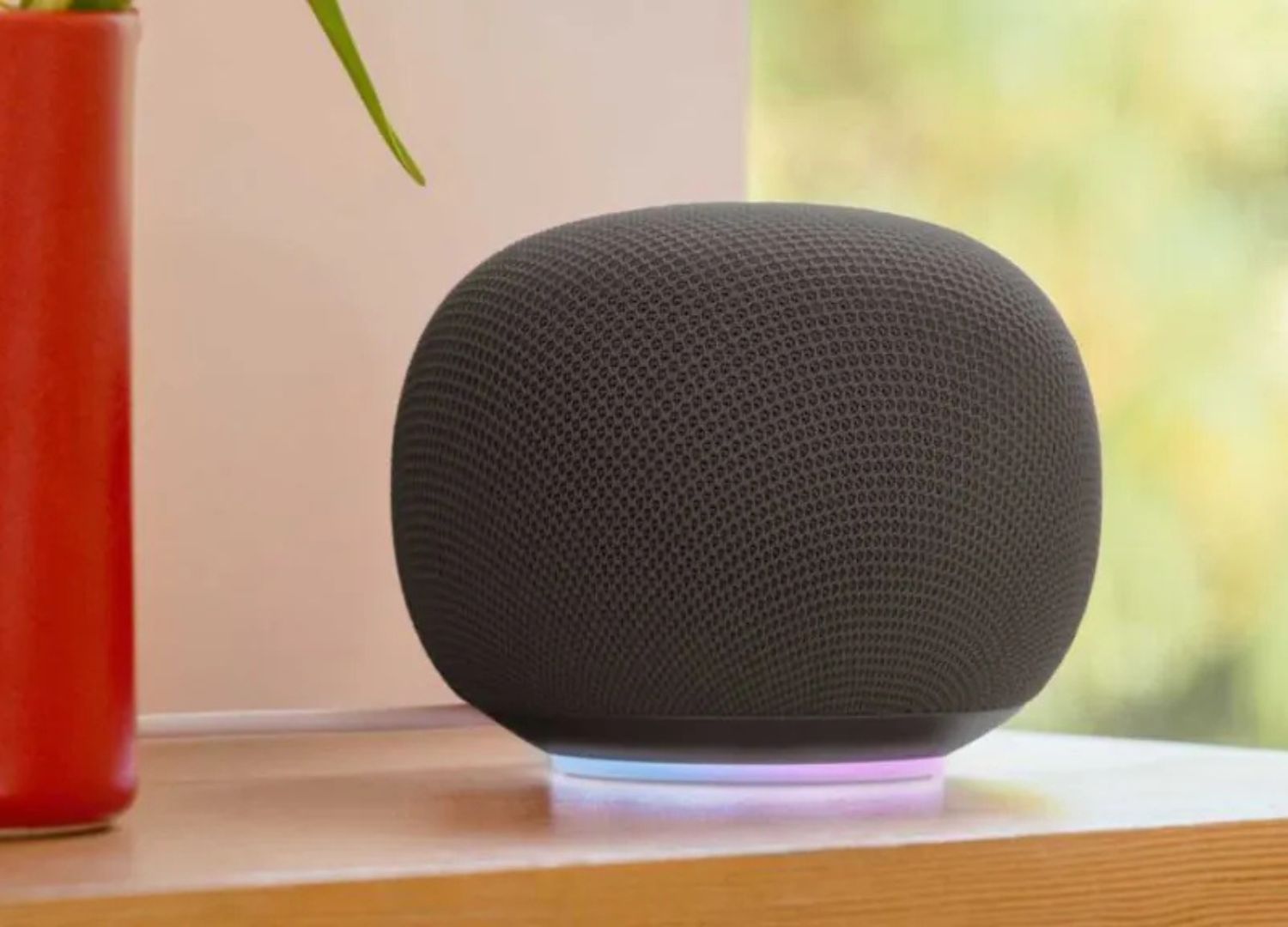
The Google Home Speaker, introduced in June 2026, doesn’t look so different from the smart speakers that have been sitting on nightstands and kitchen counters for the better part of a decade. It’s a rounded, fabric-wrapped puck about the size of a large orange, available in a muted green among other colours, designed to disappear into a room.
What is different, according to the company’s own product environmental report, is what’s inside the fabric, what the fabric itself is made from, and how the device is boxed up before it reaches a shelf. Rather than gesturing vaguely at “eco-friendly design,” Google puts numbers on the table: 44 kg of CO2 equivalent emissions over a four-year lifespan, 396 grams of material in the device itself, and recycled content of at least 37% by weight.
Gallery
Open full width

Open full width
Google Home Speaker
Responsible materials for the win
The fabric that covers the speaker is the most visibly redesigned element compared to other speakers, built with a seamless 3D-knit process that wraps directly around the enclosure. This manufacturing change seems to cut material usage by about 63% and adhesive usage by 99% compared to Google’s first Nest Audio. Adhesives are one of the most difficult things to recycle, since they make separating components difficult and are mostly petroleum-based, so eliminating most of them changes what happens to the product at end of life, not just how it’s made.
The fabric itself is described as at least 87% recycled polyester and spandex by weight, part of a broader recycled materials push that also includes recycled aluminium, plastic, and “rare earth elements,” which are, presumably, the small quantities of neodymium or similar materials in the speaker’s magnet.
Sustainable packaging
The retail box of the speaker uses no plastic, as the materials involved are recycled paper, moulded fibre, recycled newsprint, and bamboo. The box is designed to be light and compact, which cuts down on the raw material needed to produce it as well as reducing shipping volume and weight. This is framed as part of a broader packaging philosophy which leans toward using only what is structurally necessary as well as prioritising standard fibre recycling streams over other material choices.
On the rest of the company’s portfolio, Google claims to have removed 150 tonnes of plastic from its manufacturing and logistics packaging to date, plus another 50 tonnes tied to a shift from foam shipping dividers to fibre-based ones. Both come out of a pilot program started in 2021 to reduce waste in the packaging used to ship parts and components to manufacturing sites, which has since turned into a set of guiding principles and packaging standards applied across its supplier base.
Where the carbon actually goes
Of the estimated 44 kg of CO2 generated, Google attributes 67% to consumer use (the electricity draw of a device that’s plugged in), versus 27% to production, 5% to transportation, and just 1% to end-of-life processing. This shows that rethinking the materiality and physicality of the object has paid off, although that is not the biggest culprit. To subdue this consumption, the device ships with a DOE Level VI adapter, which is the current top efficiency tier for external power supplies.
No amount of recycled yarn or bamboo packaging moves the needle on this kind of product’s footprint nearly as much as how long it stays plugged in and how efficiently it converts wall power into sound and standby listening, which is what often makes tech devices inherently unsustainable. A smart speaker’s entire value proposition depends on it never fully powering down, since it keeps a wake-word detector running continuously to be able to respond to its user.
None of that makes the materials work worthless, though. Redesigning a product to use less fabric and virtually no adhesive is a real engineering achievement that will compound across every unit they make, and will also, hopefully, encourage other companies to follow since Google is a market leader.