Would you grow algae in your kitchen?
Maja Rowecka, a design graduate from Warsaw, has created the startup Greenspire, offering a kit to cultivate the world’s most nutrient-dense algae at home.
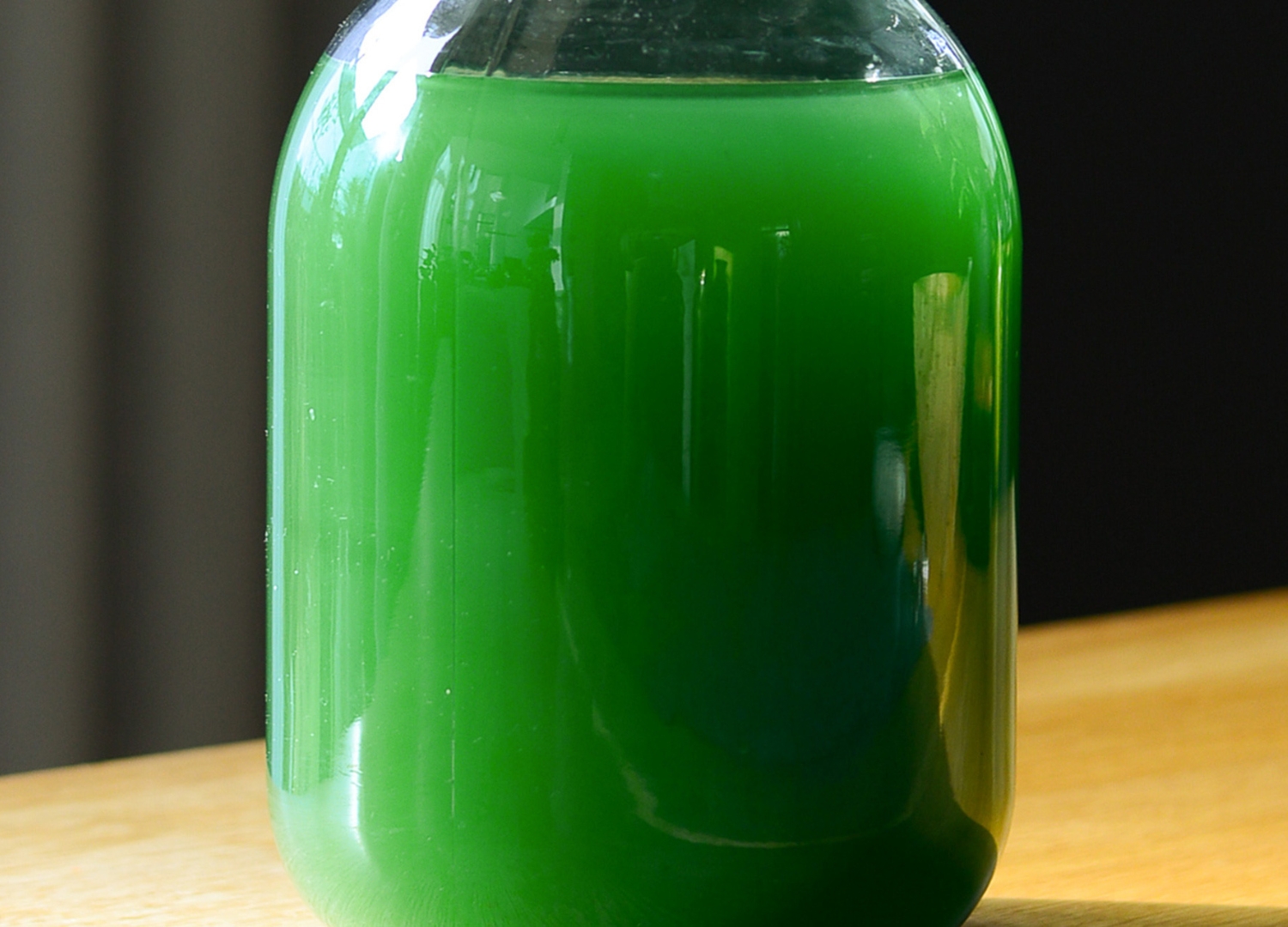
Spirulina is one of the oldest organisms on the planet, a cyanobacterium that has existed for roughly 3.5 billion years, long before there were fish, insects, or land plants to compete with it. However, today it is mostly sold as an expensive wellness supplement. Greenspire is a project by Maja Rowecka that comes in to close the gap between what spirulina offers and who gets to eat it, by proposing an easy and accessible homegrowing kit for it.
Aztec populations harvested spirulina centuries ago as a food staple, pressing it into cakes. In the 20th century, NASA studied it as a candidate food for long space missions because of its nutritional density. By weight, spirulina can be up to 70% complete protein, along with high amounts of iron, B12, and more. It requires no soil, tolerates most water, and multiplies fast.
Gallery
Open full width

Open full width
Greenspire
How it works
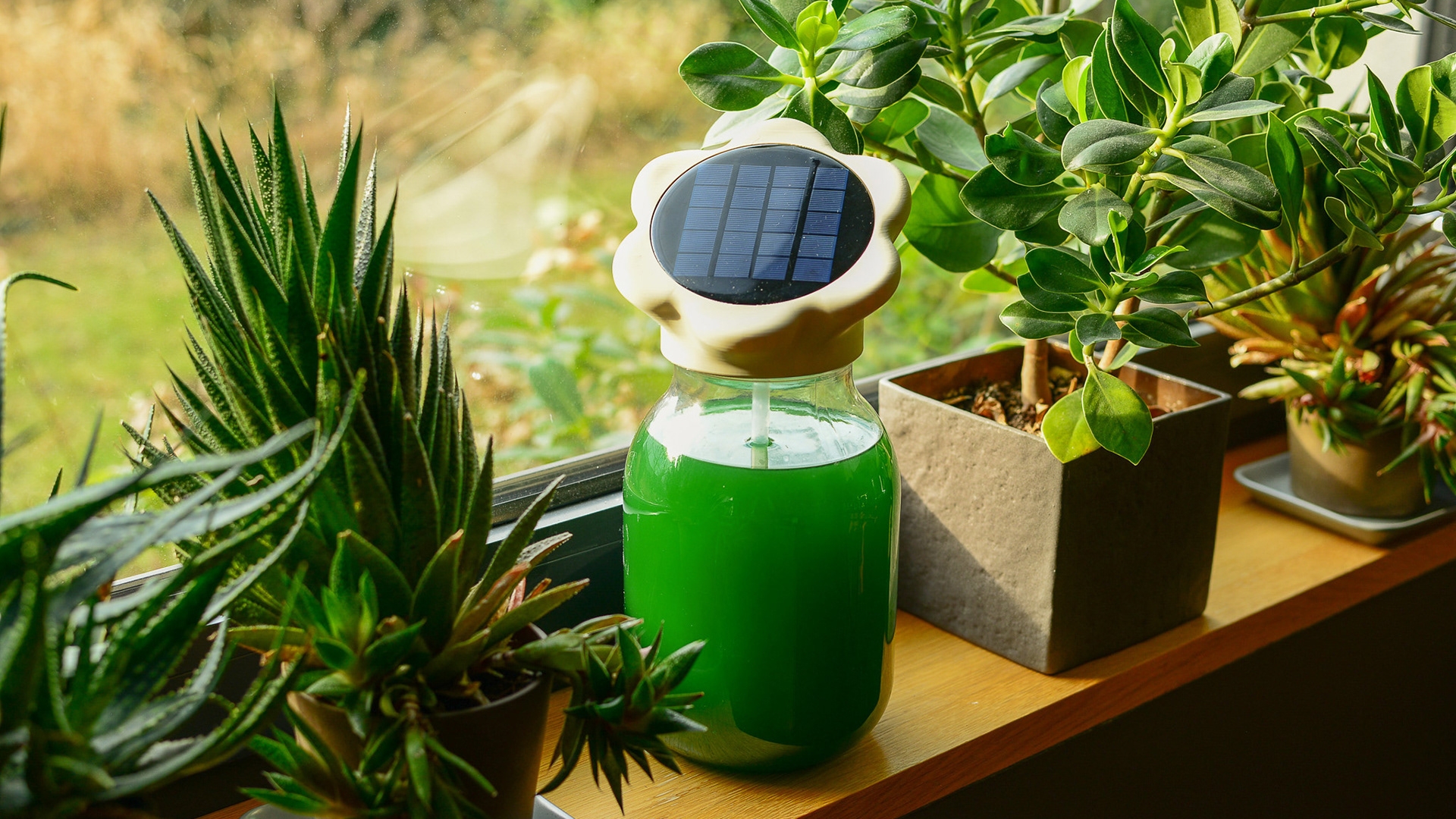
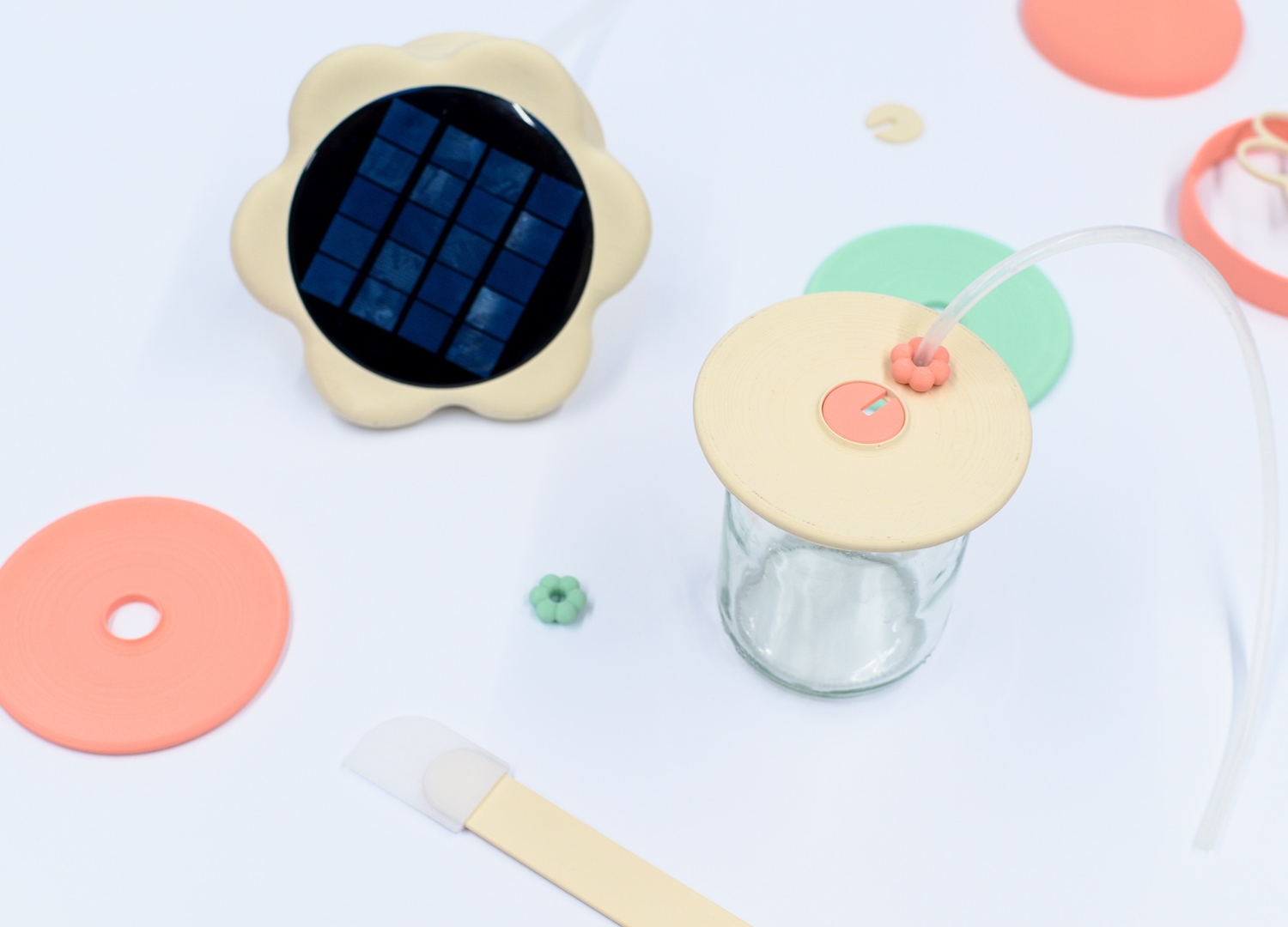
Greenspire is structured as a startup concept, but its actual output is a kit: a set of tools manufactured from recycled biodegradable PLA compatible with old jars and bottles rather than a dedicated tank, to improve sustainability and efficiency. The centrepiece of the kit is a solar-powered aerator shaped like a sunflower, since spirulina needs constant agitation to keep the culture suspended and photosynthesising evenly.
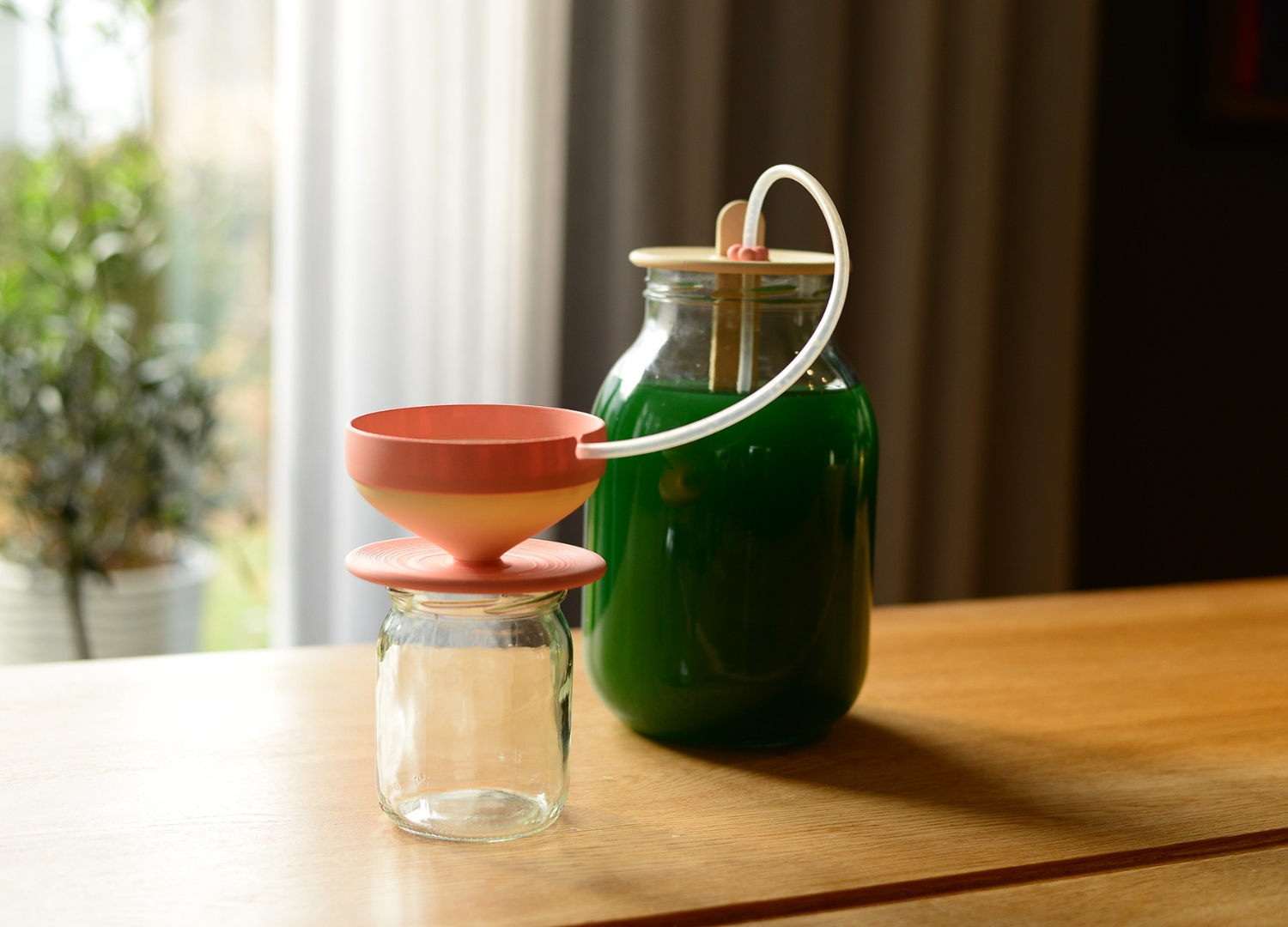
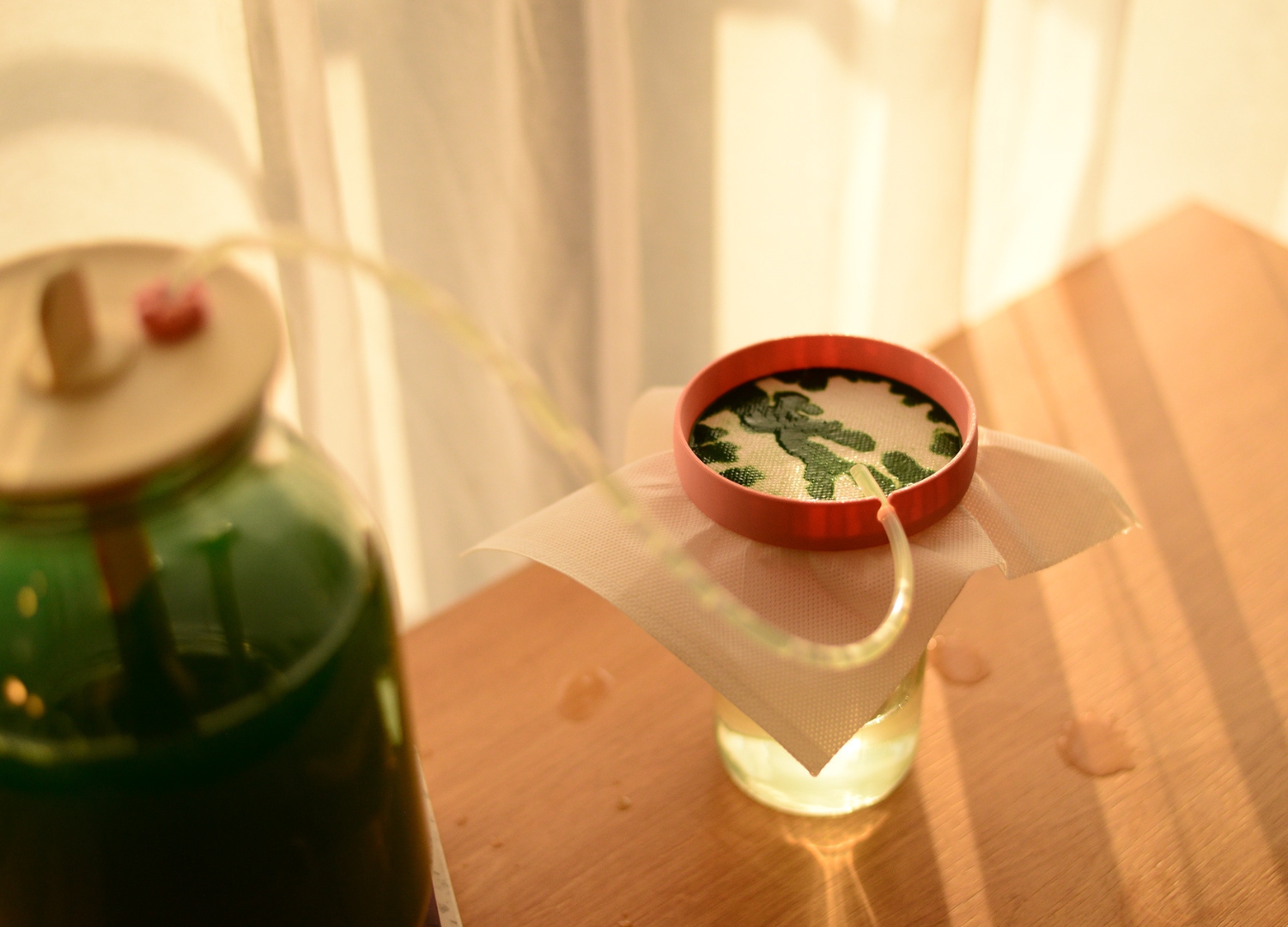
For situations without steady sun access or for users who would like to remain low-tech, Greenspire also offers a manual mixer as a backup. The rest of the kit features tools for feeding and maintaining the spirulina, and a mesh filter for harvesting it by filtering it out of its liquid growth medium.
On accessibility
All of the manufacturing files are released as open-source, pushing the project into a provocation about how food-tech is usually built. Most commercial superfood ventures compete by proprietary processing methods, branding, and price, while Greenspire inverts that. Instead of selling the algae, it sells the means of growing the algae, and the “product,” as in the actual spirulina, never has to be purchased or shipped at all, guaranteeing maximum freshness.
Guiding the user
Alongside the physical tools, the project also includes a guidebook that walks new growers through the cultivation process and offers suggestions for working spirulina into a daily diet. It addresses the unfamiliarity surrounding this ingredient, making it easier for users to adapt to both the growing process and using it in the kitchen.
Self-sufficient farming
Home cultivation also changes the relationship between a person and their food in a way that packaged ingredients cannot replicate. A jar of spirulina on the windowsill is visibly alive, it needs to be checked, agitated, fed, and cared for. This daily contact is also part of Rowecka’s project, which aims to rebuild some sense of where food actually comes from at a moment when most food arrives from invisible supply chains. By harvesting your own food, your relationship to the kitchen gains a new sense of purpose and fulfilment, beyond the objective health benefits.