Designing for a billion people: design leadership at a different scale
Patrizio Cionfoli, SVP & Chief Design Officer at Havells India, on leading a 50-person design team across five brands, designing for a billion-person market, and why local relevance is the most reliable path to global impact.
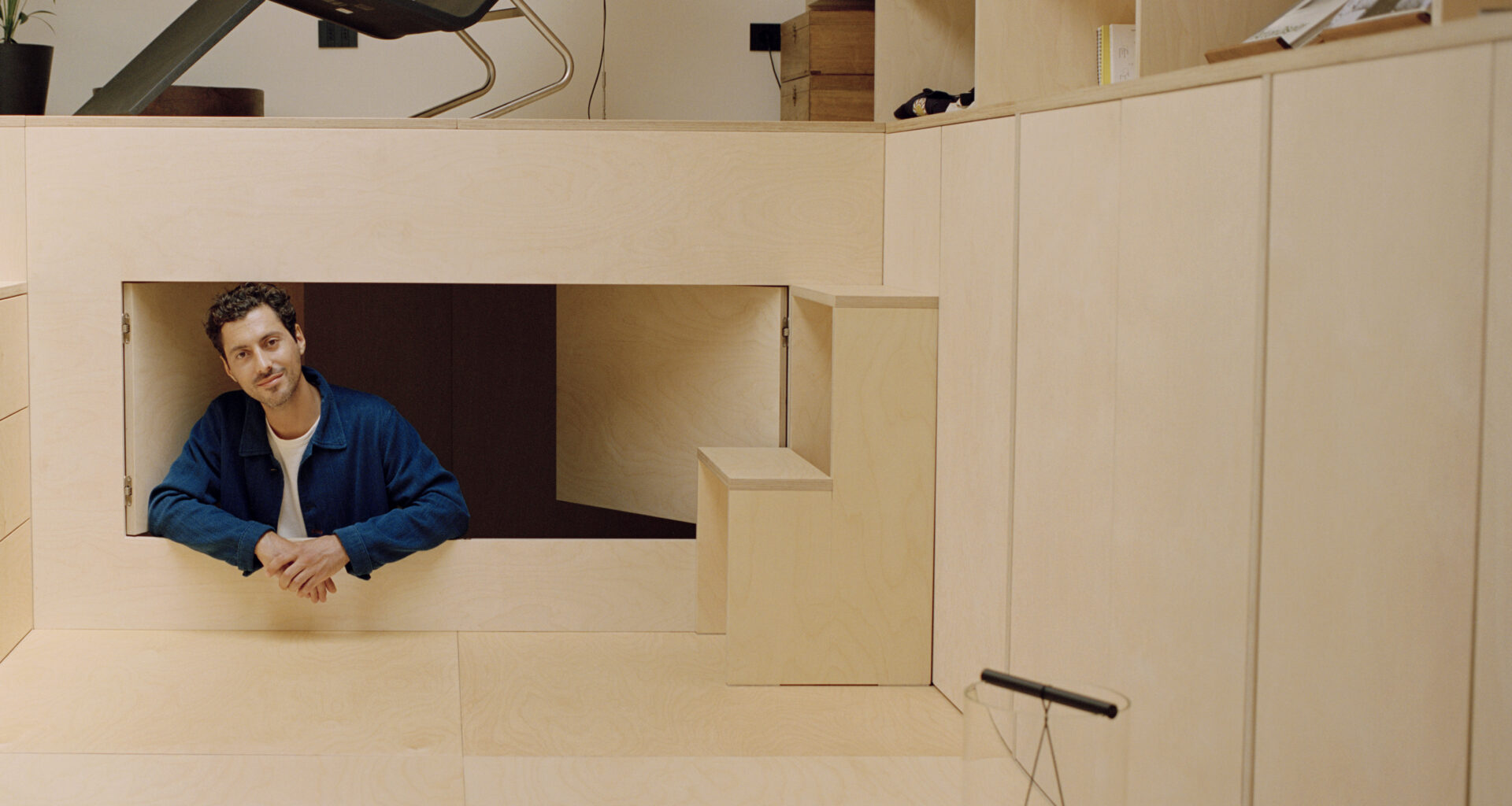
There are career moves that make immediate sense on paper, and there are those that raise an eyebrow before revealing their logic. Patrizio Cionfoli — Italian designer, former studio leader, veteran of Whirlpool’s global design organisation — packing up for Delhi to become SVP & Chief Design Officer at Havells India is the second kind. And yet, the more you read what he has to say about the experience, the more inevitable it seems.
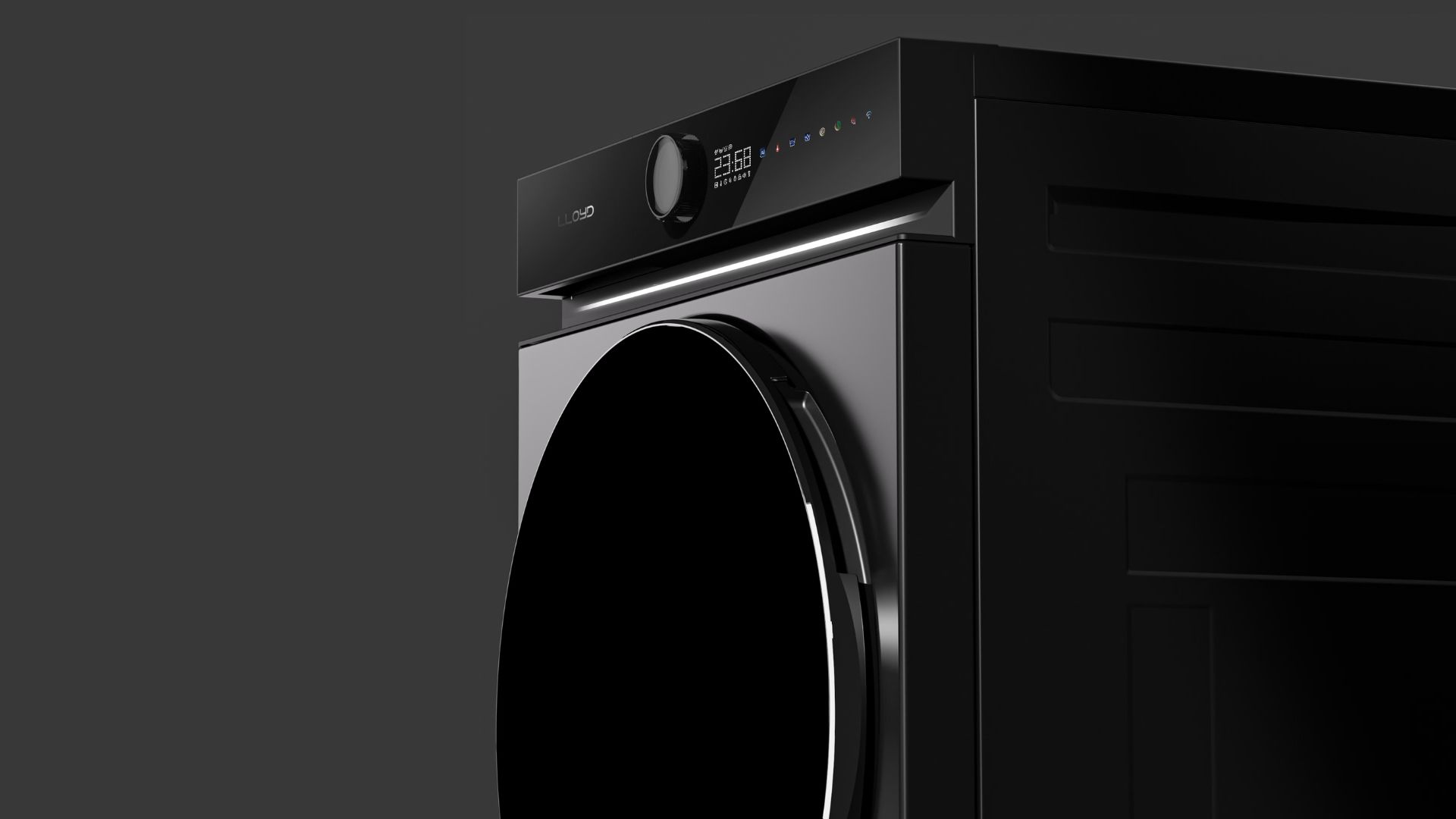
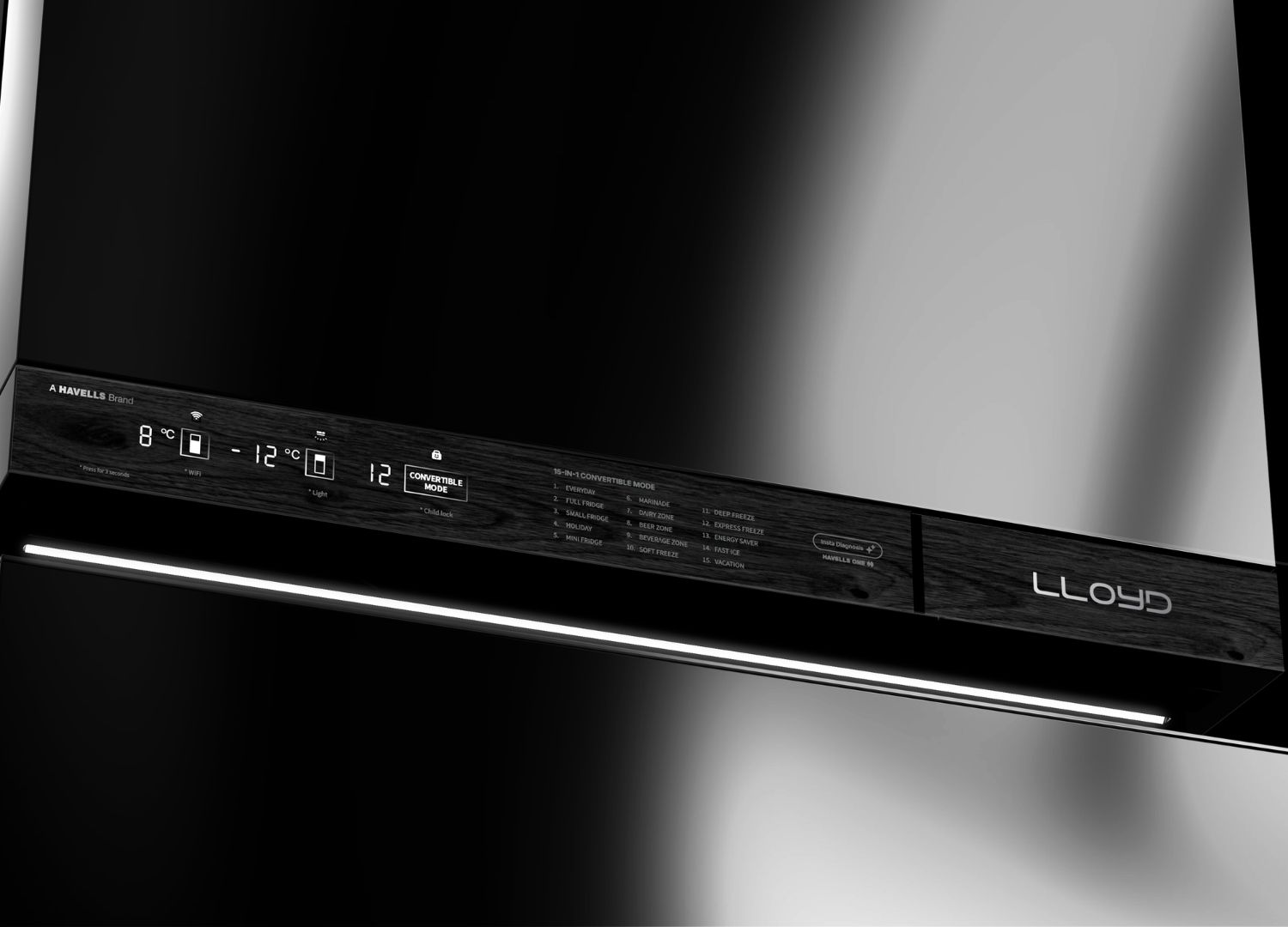
Havells is one of India’s most significant consumer electronics and home appliances companies, with a portfolio spanning fans, lighting, switches, cables, and home appliances across brands including Lloyd — a scale of design responsibility that few roles anywhere in the world can match. For a designer with Cionfoli’s background — two and a half decades of international practice across Italy, Europe, the United States, China, Mexico, Russia, and Africa — it represents something specific: the chance to not just participate in a company’s strategy, but to help write it.
Gallery
Open full width

Open full width
What follows is a conversation about what it actually means to lead design at that level. About the difference between being a designer inside a company and one alongside it. About how daily cooking habits in Indian households generate insights that become global product differentiators. About how an Italian sensibility — that near-reflexive instinct for when something is almost right and what it would take to make it truly right — translates into organisational impact at a scale that is, in Cionfoli’s own words, humbling and energising in equal measure.
For anyone thinking seriously about design leadership, about the relationship between cultural specificity and global ambition, or simply about what it looks like when a designer earns a genuine seat at the strategic table — this conversation is worth your full attention.
Interview with Patrizio Cionfoli:
You transitioned from leading a design studio in Italy to becoming SVP & Chief Design Officer at Havells India. How has this journey reshaped your perspective on design leadership?
Patrizio Cionfoli:
“Every transition in my career has begun the same way: with listening. When I arrived at Havells, my first instinct wasn’t to introduce change — it was to understand. Understanding the people, the colleagues, the team, and the cultural codes embedded in the organisation. Building new relationships in a new country, with a new language of business and a new set of human references. That process of adaptation is still ongoing, and honestly, I find it one of the most personally enriching dimensions of this role.
But as that understanding deepens, the perspective widens. And what I see is an organisation with genuinely ambitious goals — goals in which design has a fundamental role to play, not as decoration but as a strategic lever.
This is what distinguishes being a CDO inside a company from leading a design studio. In a studio, you are a partner — engaged, committed, but ultimately participating in someone else’s strategy, often across multiple projects simultaneously. The relationship has a defined timeframe. Here, I am a promoter of strategy. I am inside the transformation, not alongside it. Design doesn’t just respond to the brief — it helps write it.
This is a path I know well. My years at Whirlpool gave me a deep understanding of how design, when genuinely integrated into an organisation’s vision, can change not just products but the way people inside the company think and act. At Havells, with the scale of ambition I see here — across brands like Lloyd, across product categories from appliances to fans to kitchen — that potential feels very alive. And I am exactly where I need to be to make it happen.”
What are your core responsibilities today, and how does design integrate strategically with engineering, marketing, and business development across the organisation?
Patrizio Cionfoli:
“There is a question I keep returning to, one that has shaped my entire practice: when does design really begin? Not the sketching, not the prototyping — the true beginning, that moment when a decision is already a design decision even if no one in the room has called it that yet.
My answer is that design begins the moment someone asks what something is for. Not how it should look. Not what it should cost. What it is for — and for whom, and under what conditions, and across what span of time. That question, asked seriously and early, is the foundation of everything that follows.
This defines how I see my role at Havells. My core responsibility is to ensure that design is present at that foundational moment — not called in afterwards to refine what has already been decided, but integrated from the start into the conversations that define purpose, architecture, and direction. When design enters late, the rest of the process becomes compensation. When it enters early, it shapes outcomes.
In practice, this means working across engineering, marketing, and business development — not as a parallel function but as a connective one. With engineering, design translates user needs into structural requirements — materials, configurations, interfaces — before the first component is specified. With marketing, it ensures that what a product communicates is consistent with what it actually delivers. With business development, it helps identify where design can create measurable value: through better usability, longer product life, lower operational friction, stronger user trust.
Across the Havells portfolio — from Lloyd air conditioners and fans to kitchen appliances and beyond — these are not abstract principles. They are daily decisions. And the opportunity, which I find genuinely exciting, is to build the organisational conditions in which design thinking is not a service requested by other functions, but a shared capability that runs through all of them.”
How does your Italian design background influence your approach within an Indian company with global ambitions?
Patrizio Cionfoli:
“There is a moment that repeats itself, and I have come to cherish it. When I am introduced in a meeting, at an event, in conversation with a new colleague — and it emerges that I am Italian, leading a design team in India — something shifts in the room. People smile. They congratulate the choice. There is a genuine warmth, and with it an expectation: that what will come out of this collaboration will carry a certain elegance, a certain taste. I feel that expectation, and I take it seriously. Being Italian in design means inheriting a history. It means not disappointing.
But I want to be careful here, because I think the answer is more nuanced than nationality. There are extraordinary designers everywhere in the world. What being Italian gives me is not a monopoly on quality — it is a natural predisposition toward it, a sensibility absorbed through culture, through the way Italians relate to objects, materials, spaces, and everyday life. It is something close to a reflex: an instinct for when something is almost right, and what it would take to make it truly right.
What translates that instinct into organisational impact, however, is something else entirely — and that something comes from experience. My years at Whirlpool taught me what it means to be a designer inside a company, not alongside it. Working across multiple brands as a studio designer or creative director, you participate in strategies. Inside a company, you help build them. You move them. The difference is profound — in accountability, in influence, and in the depth of transformation you can drive.
That is the combination I bring to Havells: an Italian sensibility for quality and execution, sharpened by a global career across Italy, Europe, the United States, China, and now India — and the experience of knowing how design, when embedded at the right level of an organisation, becomes one of its most powerful strategic tools.”
How does Indian culture — in terms of lifestyle, aspirations, and daily rituals — influence the way products are conceived and developed? And how do you see this merging with the company’s international goals and your presence?
Patrizio Cionfoli:
“I have always believed that the most important tool a designer carries is not a pencil or a software — it is a question. The right question, asked at the right moment, in front of the right observation. Since arriving in India, I have been asking many questions. And India, generously, keeps answering.
Take food. In most Indian households, meals are prepared fresh every day — not assembled from convenience, but cooked, transformed, layered. This single cultural habit has profound implications for how we think about kitchen appliances: the rhythms of preparation, the volumes involved, the spatial choreography of a kitchen that is genuinely, daily, in use. It is not a market segment. It is a way of life, and it demands design that respects it.
Then there is the sensory dimension — colours, patterns, fragrances that permeate everyday life here with an intensity that is, frankly, overwhelming in the best possible sense. As designers, we cannot ignore it. These are not decorative references to be borrowed superficially. They are emotional frequencies that, if understood and translated with honesty, can give products a resonance that goes far beyond functionality.
And then there are the numbers. India is urbanising at extraordinary speed — millions of people moving from rural to urban contexts, redefining how homes are built, how cities move, how products must perform at scale. I have designed for the United States, China, Europe, Mexico, Russia, Africa. I have seen my work in homes across the world. But the volumes here are of a different order entirely. As a designer, the scale of potential impact is humbling and energising.
What strikes me most, however, is something less quantifiable. From the outside, India can appear chaotic — layered, contradictory, impossible to read. But spend time here, observe carefully, and a different picture emerges. There is an order underneath everything. I have come to call it, borrowing a phrase that felt right the moment it arrived, ordinary confusion — the kind of organised complexity that, like the best Bono lyric, only reveals its structure once you stop trying to impose one from outside. That is the India I am learning to design for. And I find it one of the most creatively alive places I have ever worked.”
How do you balance designing for local relevance while building products that compete internationally?
Patrizio Cionfoli:
“This is perhaps the question I find most creatively fertile — because I do not experience it as a tension. I experience it as a method.
Local relevance, observed carefully and understood deeply, is not a constraint on global ambition. It is its most reliable source. The most universally resonant products I have encountered in my career almost always began with a very specific human truth — a habit, a need, a frustration rooted in a particular culture or context — that turned out, once resolved with intelligence, to matter everywhere.
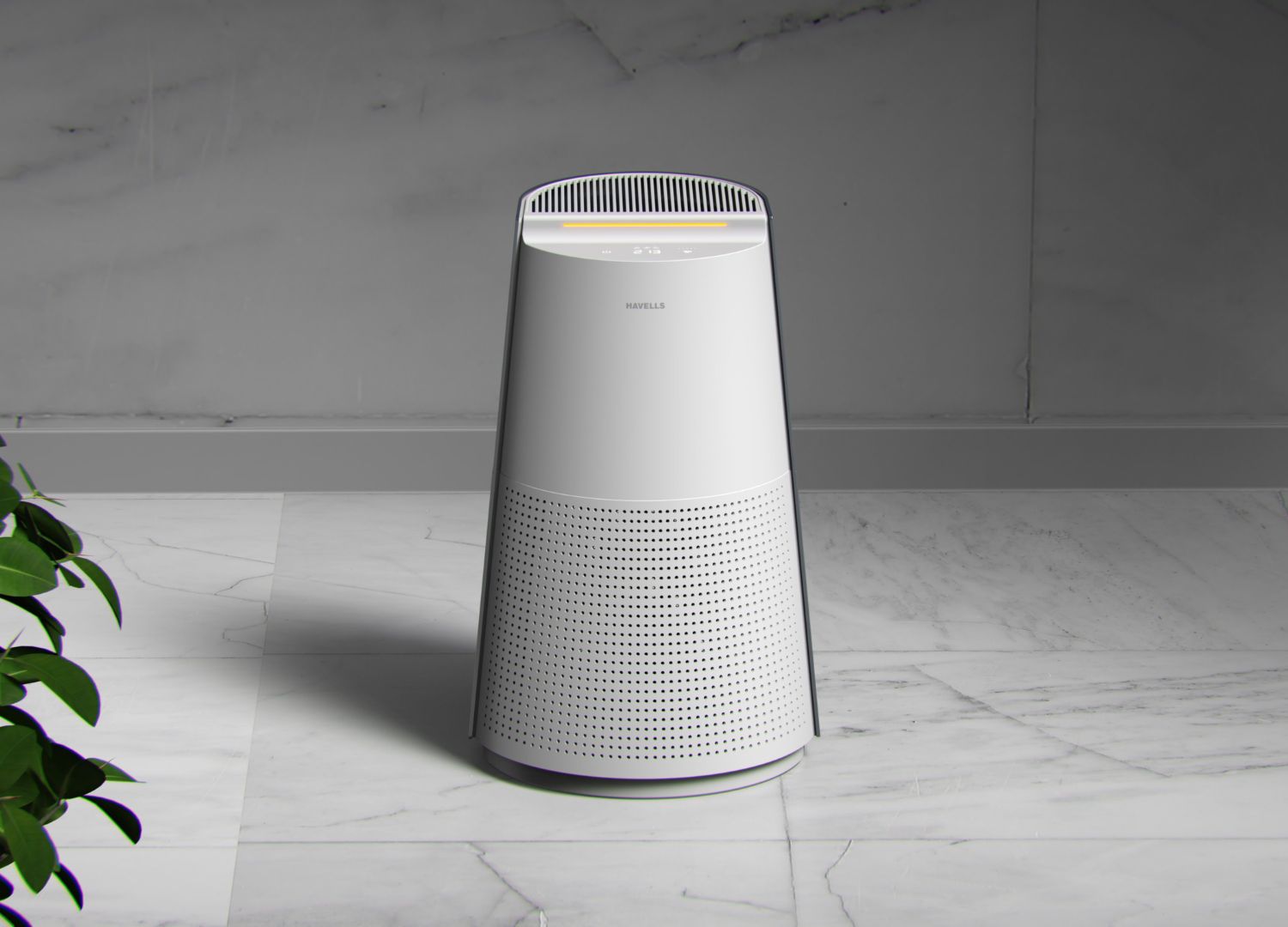
India offers this kind of material in abundance. Air purifiers, for instance, are not a lifestyle accessory here — they are a necessity, present in homes across the country in a way that reflects a real and urgent environmental reality. Water purifiers tell a similar story. These are not niche products. They are responses to conditions that, in varying degrees, exist across many markets globally. Designing them well for India means designing them well for the world.
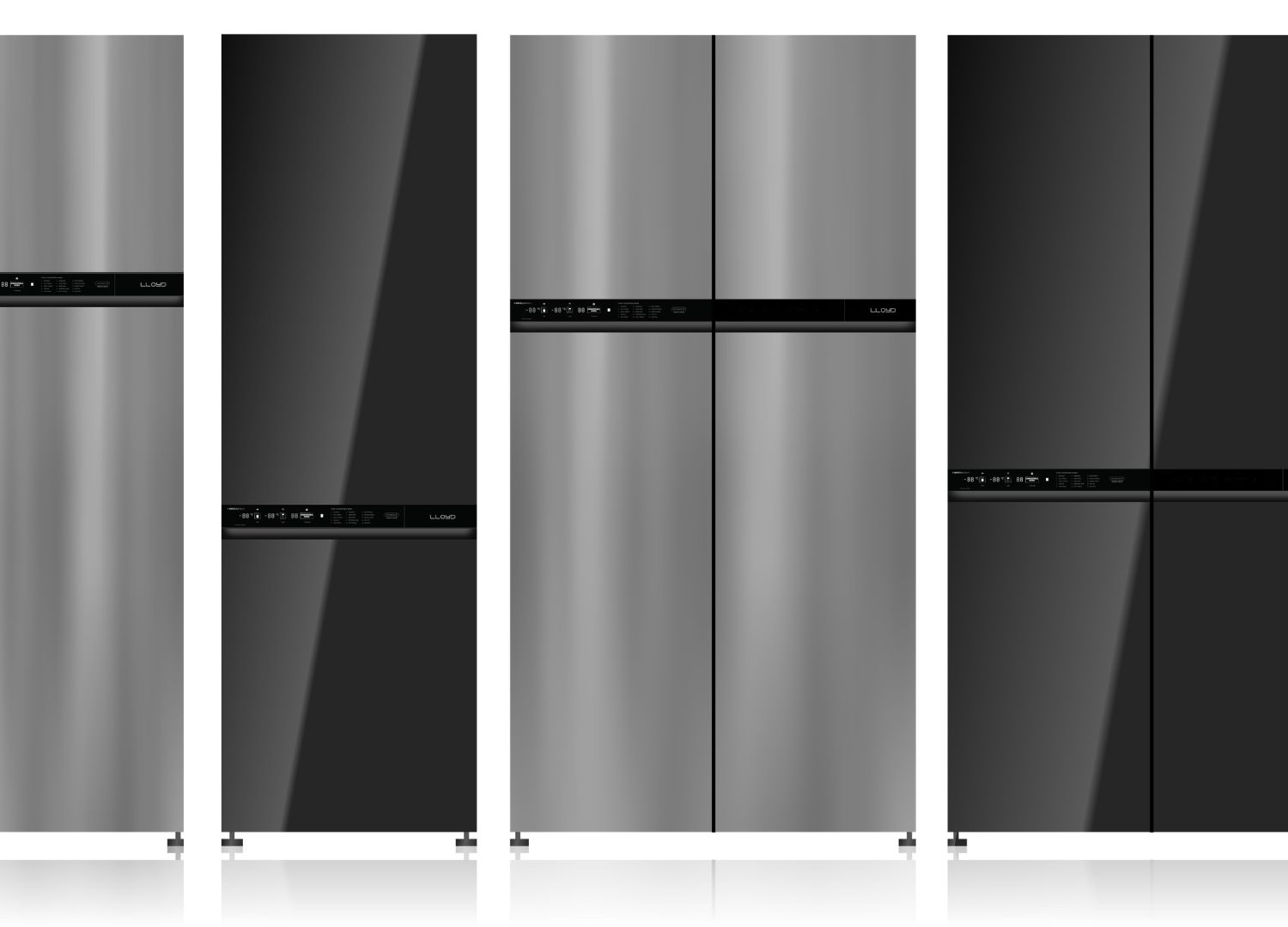
The same logic applies to refrigeration. We are currently working on refrigerators that address a very specific local need: protecting food from cross-contamination of aromas — because in Indian households, where spices and fermented foods and freshly cooked meals coexist in the same space, odour management is not a secondary feature, it is central to how the appliance is experienced daily. That insight, taken seriously and designed for with rigour, becomes a global differentiator.
And then there are the more unexpected starting points — the preparation of curd yogurt, the specific rituals around certain foods, the rhythms of a kitchen that is in continuous, intensive use. These are the details I ask my team to observe, to question, to never dismiss as too local or too niche.
The exercise I encourage every day is precisely this: look at other sectors, other technologies, other countries and traditions — then mix. Combine the specific with the transferable. The most interesting ideas almost always live at that intersection. Lloyd and Havells, across large and small appliances, give us the portfolio breadth to explore that intersection seriously. That, for me, is where the real design opportunity lies.”
With a team of over 50 designers working across five brands and numerous product categories, what are you doing to structure and align the design vision?
Patrizio Cionfoli:
“When you lead a design organisation of this scale, the risk is fragmentation — fifty talented people pulling in fifty slightly different directions, each doing good work in isolation but without the coherence that makes a brand truly legible. Avoiding that is the first structural challenge. Building something beyond it is the real opportunity.
From the beginning, I have been working on two foundational layers simultaneously. The first is a Visual Brand Language for each brand — a clear, shared system that defines how products look, feel, and relate to one another across a range. The second is an Experience Brand Language — because today a product is not just an object, it is a sequence of moments. From the first time someone encounters it online, to the moment they lift it out of its packaging, to the years of daily use that follow. Every one of those moments is a design decision, and every one of them either builds or erodes the relationship between the brand and the person using it.
Alongside this, I have introduced what I call a craftsmanship process — a way of monitoring development that keeps perceived quality at the centre of every decision, not as a final check but as a continuous thread running through the entire process. We are also rationalising the product ranges, removing what is inconsistent with the brand identity and making space for what truly belongs.
But perhaps what I push hardest on is vision. I ask my team not to respond to what marketing requests — I ask them to propose what they believe. To go further. To show the company where its products could be, not just where they are expected to go. That forward projection — grounded in observation, shaped by craft, informed by global references and cross-industry thinking — is what I believe a design team owes the organisation it works within.
The team is split across two locations — our main studio in Noida and a second in Bangalore — and one of my priorities is ensuring that distance never becomes disconnection. What I bring to both is experience: projects realised across twenty-five years of international practice, but also a constant flow of references from beyond our sector. I have friends and colleagues working in telecoms, communication design, medical devices — fields where innovation moves fast and the design challenges are often surprisingly transferable.
I teach at universities, I stay connected with studios around the world. All of that comes into the company through me, through conversations, through the work I share with the team. I see it as part of my role — not just to direct, but to open windows. It is demanding work. But it is also, I think, the only kind worth doing.”
About the author

A marketer in love with Design. Founder & CEO of DesignWanted. International speaker. Professor at Istituto Marangoni - Design School (Milan).
Linkedin