Holcim Foundation Awards 2025: Projects transforming sustainable construction
From a reclaimed jail in Dhaka to a climate-resilient park in Boston, the Holcim Foundation Awards 2025 celebrate five regional Grand Prize winners—part of a global selection of 20 awarded projects sharing a USD 1 million pool—that are quietly rewriting the rules of sustainable design.
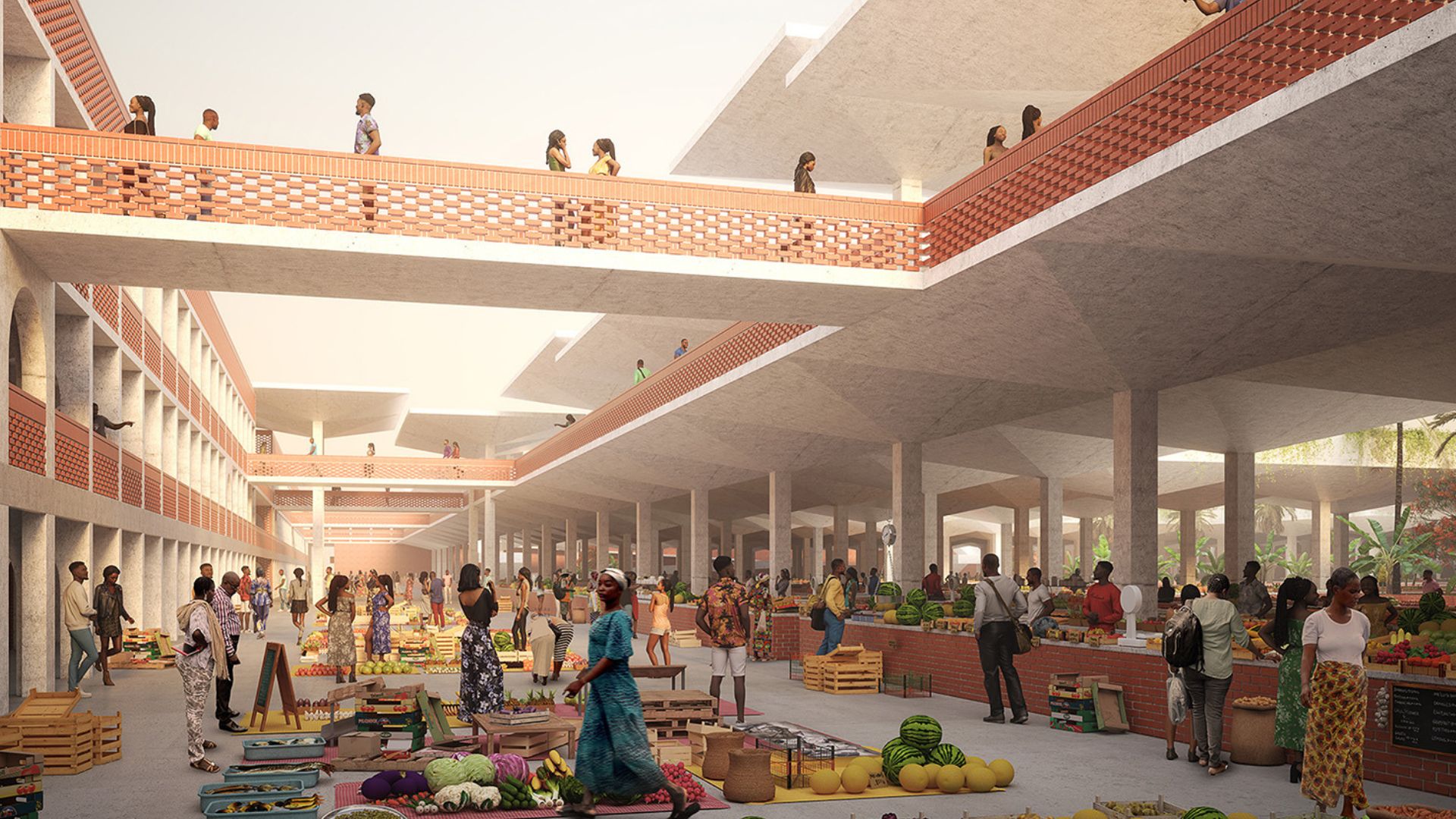
What does it really mean, in 2025, for a project to call itself “sustainable”? Not just energy-efficient, not just “green” in a cosmetic way, but genuinely transformative for people, places and the planet. That’s the question sitting at the heart of the Holcim Foundation Awards 2025, one of the world’s most influential competitions for sustainable design and construction, with a prize pool of USD 1 million shared across 20 winning projects.
The competition is backed by the Holcim Foundation for Sustainable Construction, an independent non-profit created by Holcim in 2003 to accelerate the global shift toward a more responsible built environment. Rather than operating only as an award platform, the Foundation partners with academia and industry to support education, research and events around sustainable construction worldwide. Over its eight competition cycles, the Awards have recognized more than 340 projects, building a global archive of prototypes for low-carbon, circular and socially engaged design.
Gallery
Open full width
Open full width
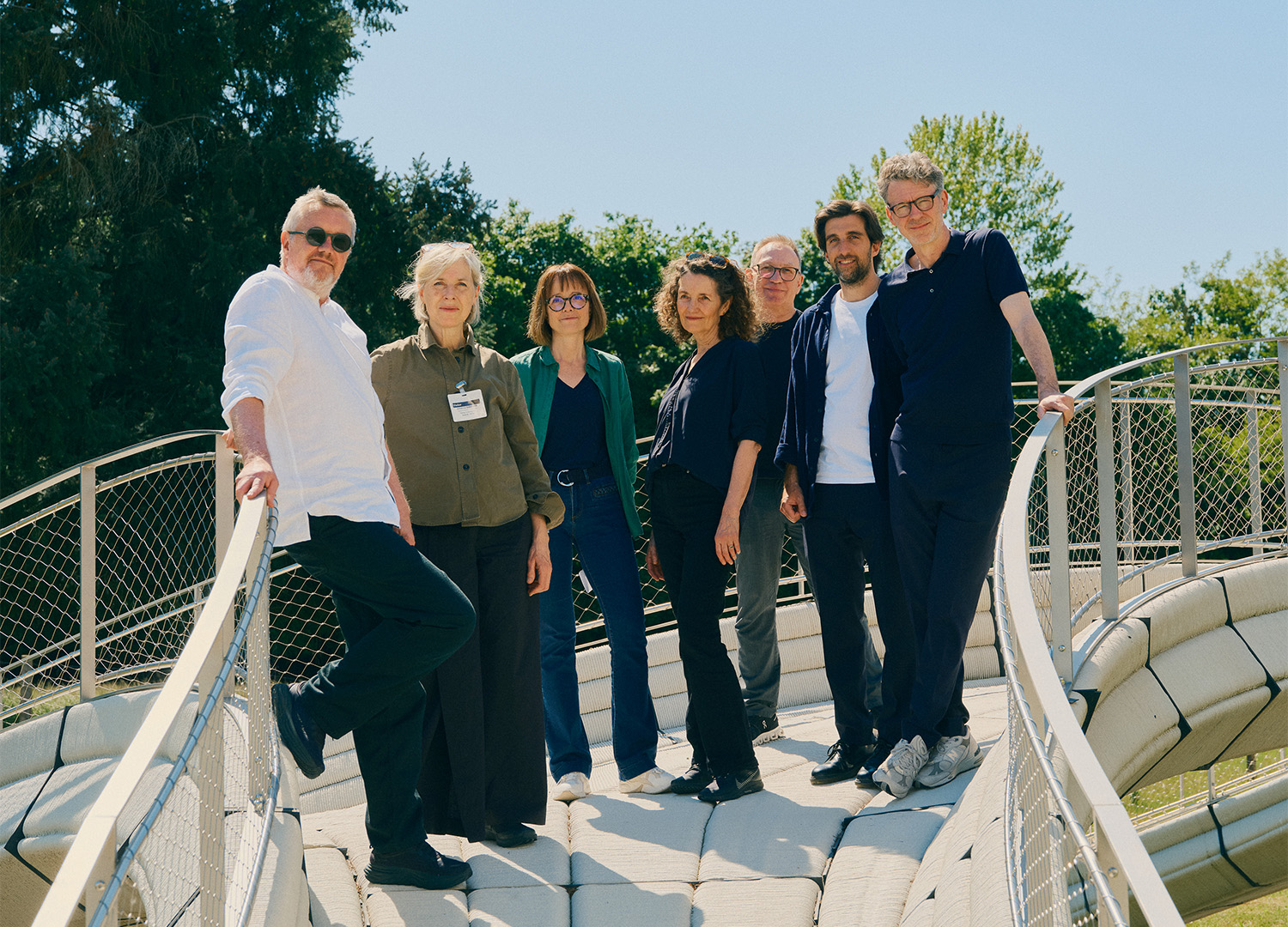
In 2025, the Awards held in Venice underwent a significant shift. Instead of the familiar Gold–Silver–Bronze hierarchy, each of the five global regions—Asia Pacific, Europe, Latin America, Middle East & Africa, and North America—now has a single Grand Prize winner, complemented by three regional winners. Every winning project receives USD 40,000, while each Grand Prize adds another USD 40,000, bringing the top award to USD 80,000. The idea is not to rank good projects against one another, but to give them all equal visibility and then spotlight those that demonstrate the greatest transformative potential.
Behind this evolution sits a clear framework. The Holcim Foundation evaluates projects against four interdependent goals—Healthy Planet, Viable Economics, Thriving Communities and Uplifting Places—guided by three principles: holistic, transformational, transferable. In other words: does the project repair ecosystems, make economic sense, support inclusive communities and create places people actually want to inhabit? And can its ideas be adapted elsewhere without losing impact?
Within this landscape, the five Grand Prize Winners offer the clearest snapshot of what “excellence” means in 2025.
Holcim Foundation Awards – Meet the 5 Grand Prize Winners
Old Dhaka Central Jail Conservation by FORM.3 Architects
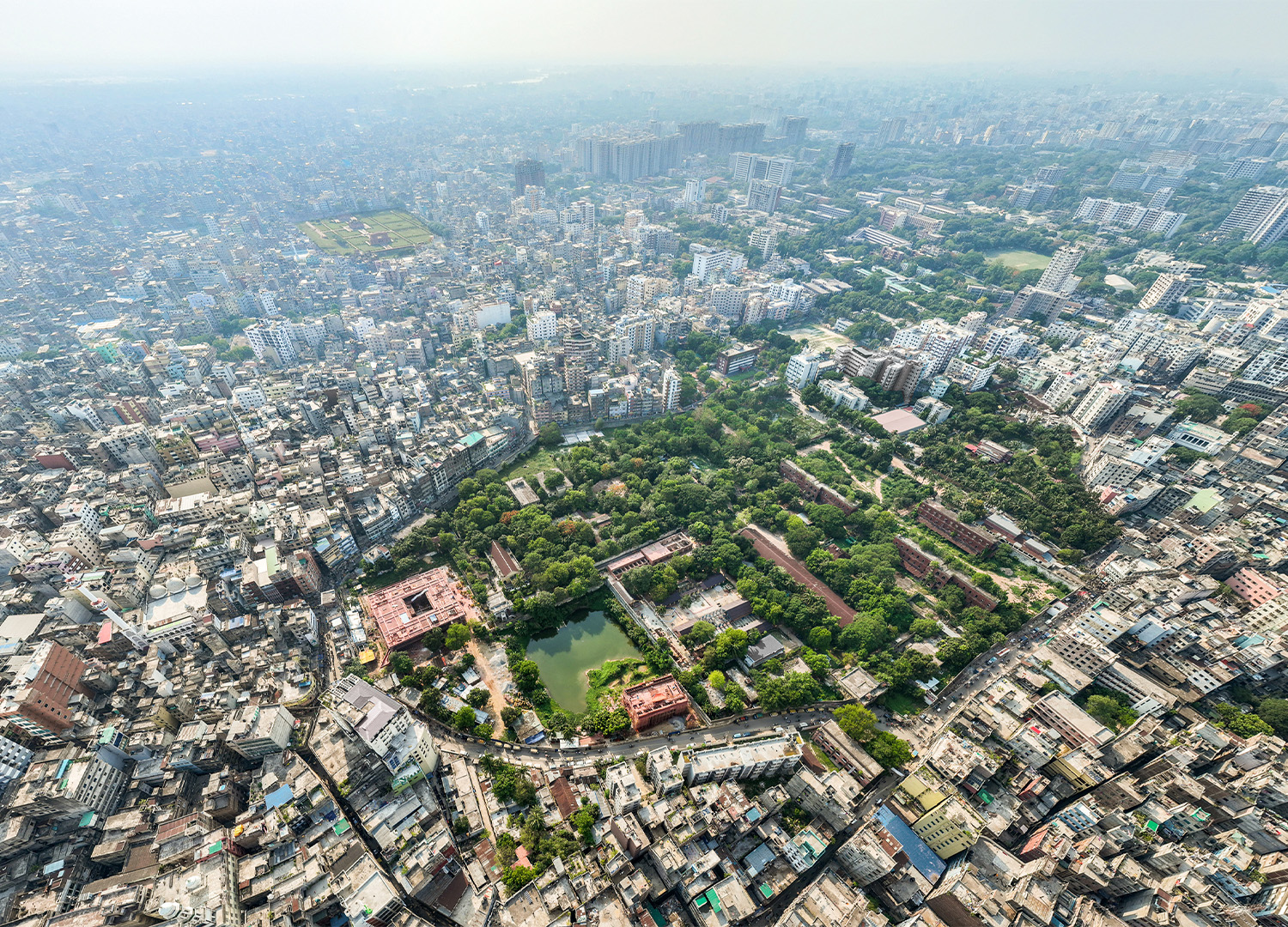
In Asia Pacific, the Grand Prize goes to Old Dhaka Central Jail Conservation in Bangladesh by FORM.3 Architects, a project that reframes a sensitive heritage site as a generous public landscape, intertwining memory, ecology and everyday life. The project combines passive cooling strategies, adaptive reuse and new green courtyards to create a low-energy civic landscape within one of Dhaka’s densest districts.
Pristina Art-Tek Tulltorja by Rafi Segal A+U and Office of Urban Drafters
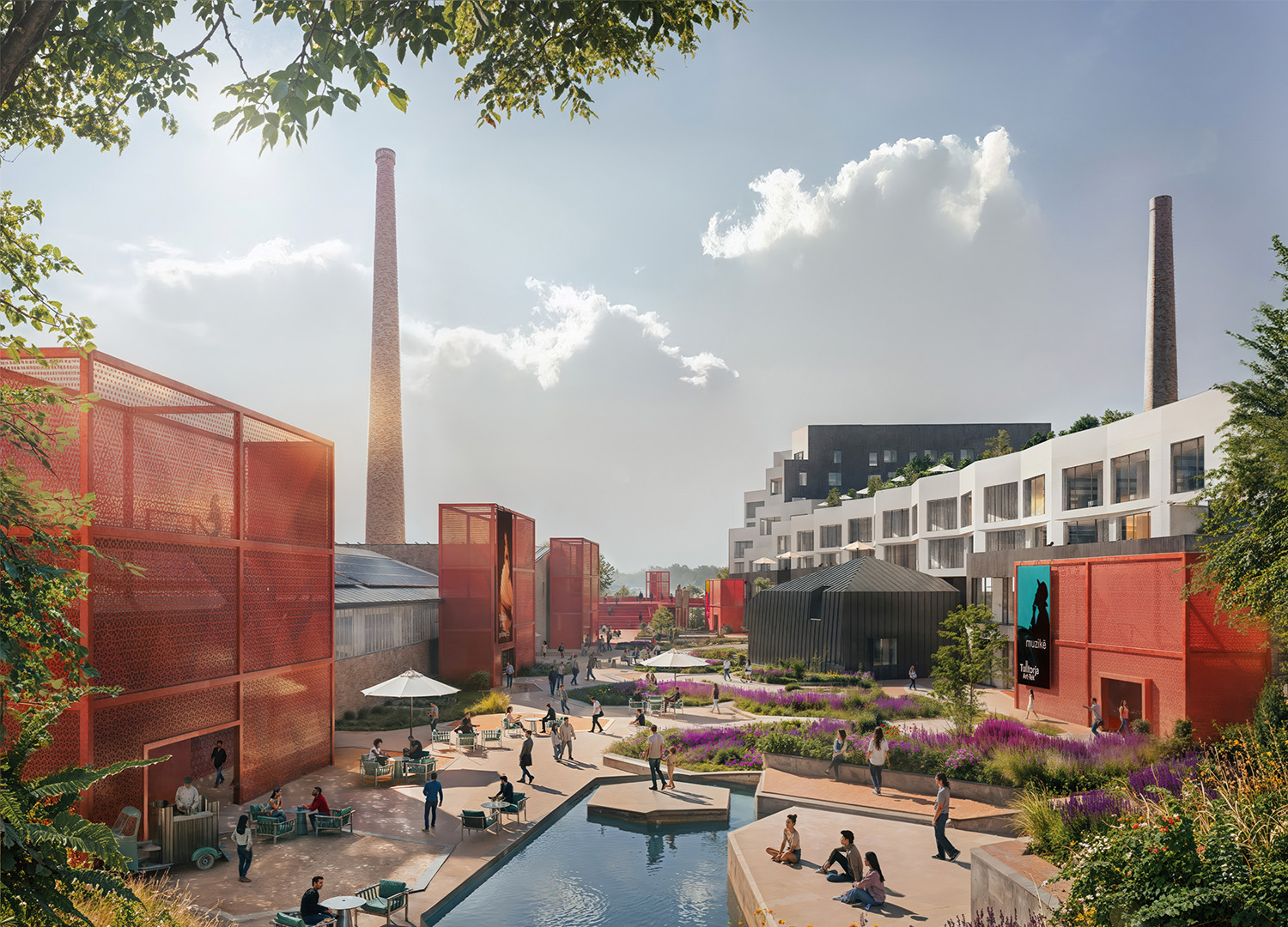
In Europe, Art-Tek Tulltorja in Pristina, by a multidisciplinary team including Rafi Segal A+U and Office of Urban Drafters, turns industrial leftovers into a flexible cultural campus where architecture becomes a medium for reconciliation. Reuses brick and factory debris to form new public spaces, combining timber construction and solar energy to turn the former plant into a low-carbon cultural hub.
Schools for Flood-Prone Areas by Andrade Morettin Arquitetos Associados and Sauermartins
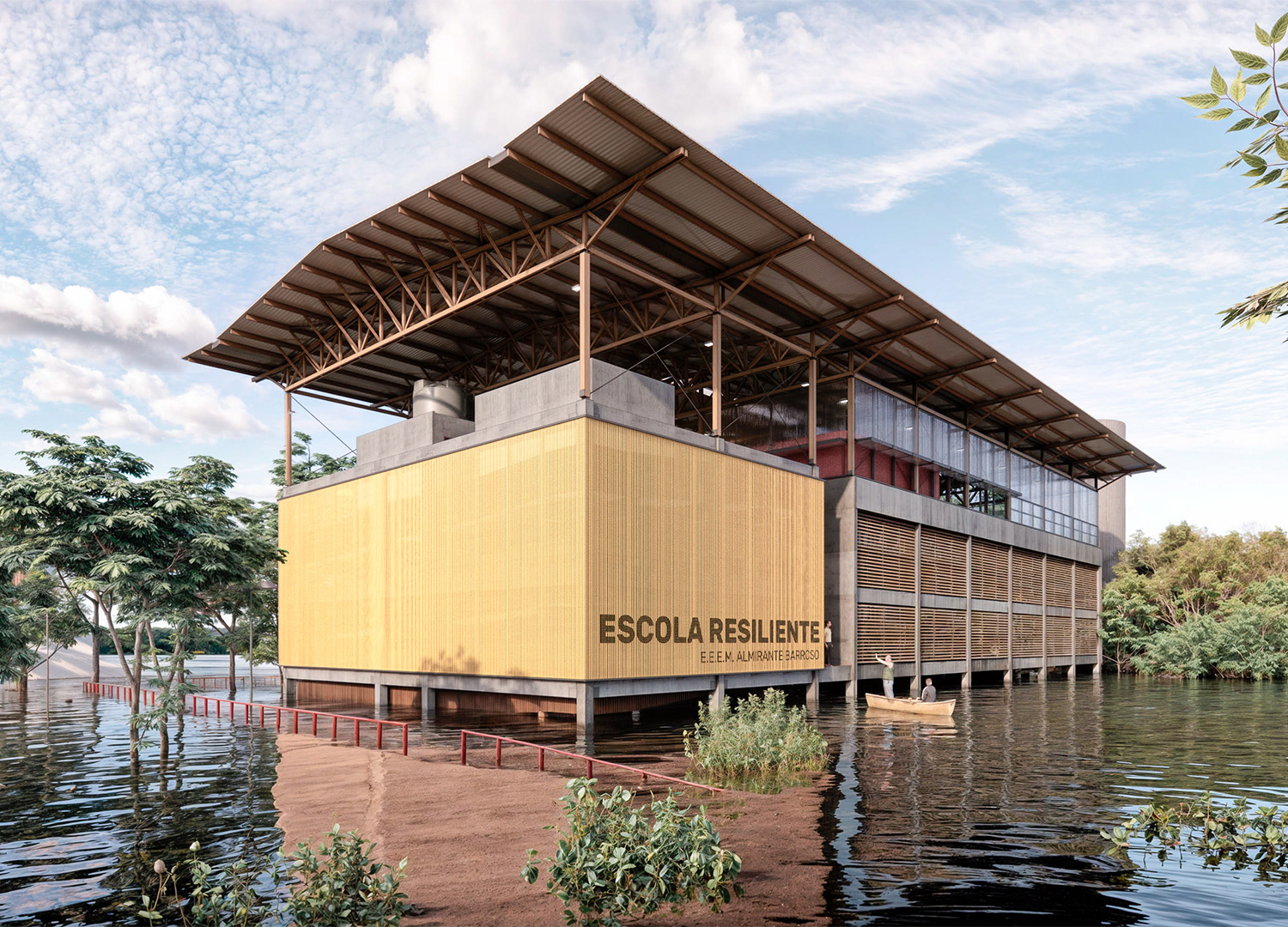
In Latin America, the Grand Prize for Schools for Flood-Prone Areas in Porto Alegre, by Andrade Morettin Arquitetos Associados and Sauermartins, shows how a carefully designed prototype can be replicated across vulnerable territories, combining dignified learning spaces with disaster preparedness. Elevates classrooms above flood levels, uses the ground floor as a flood-resistant open space and designs a rooftop shelter to keep the school operational even during seasonal surges.
The Green Historic Maze by RIWAQ
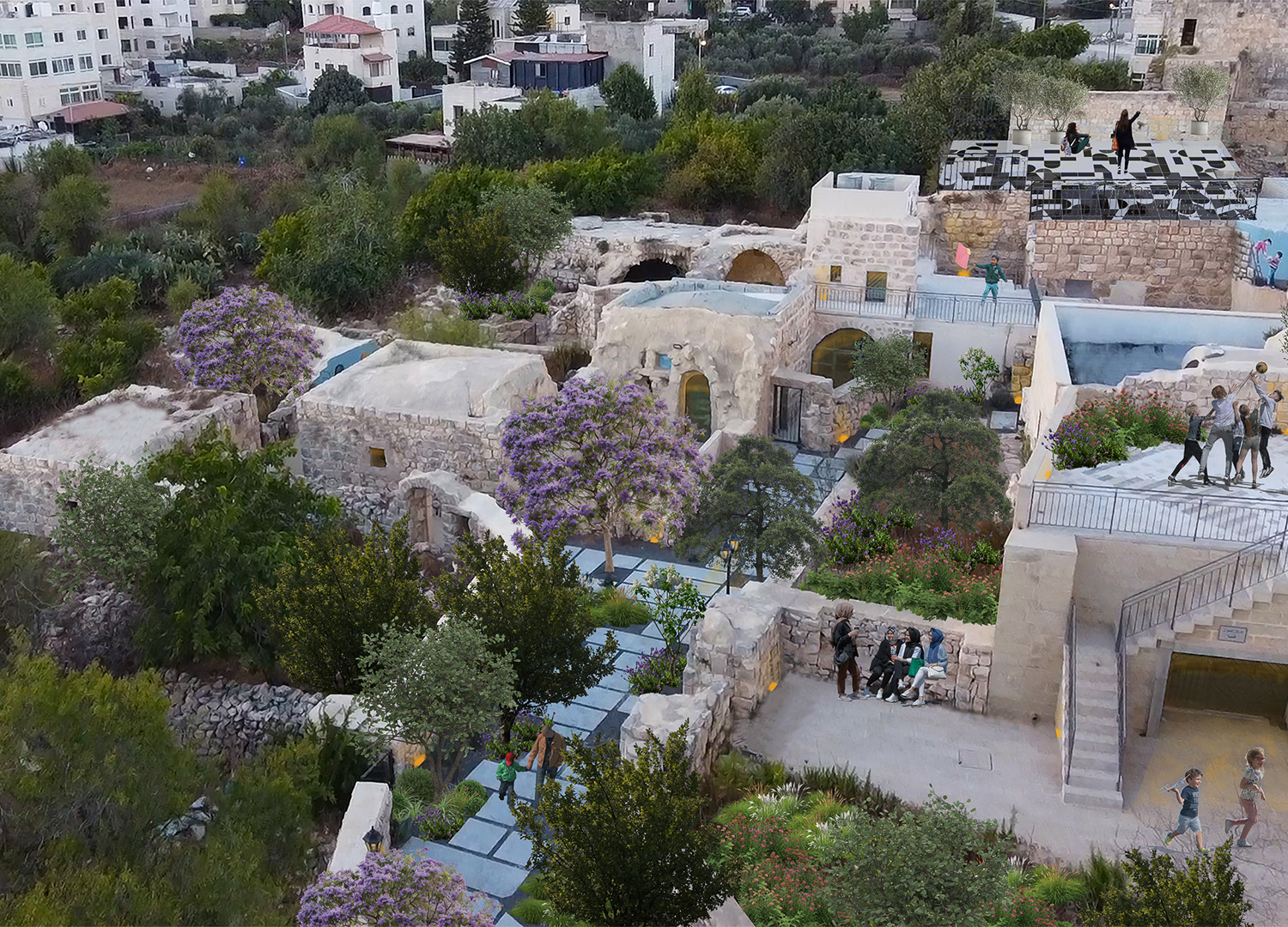
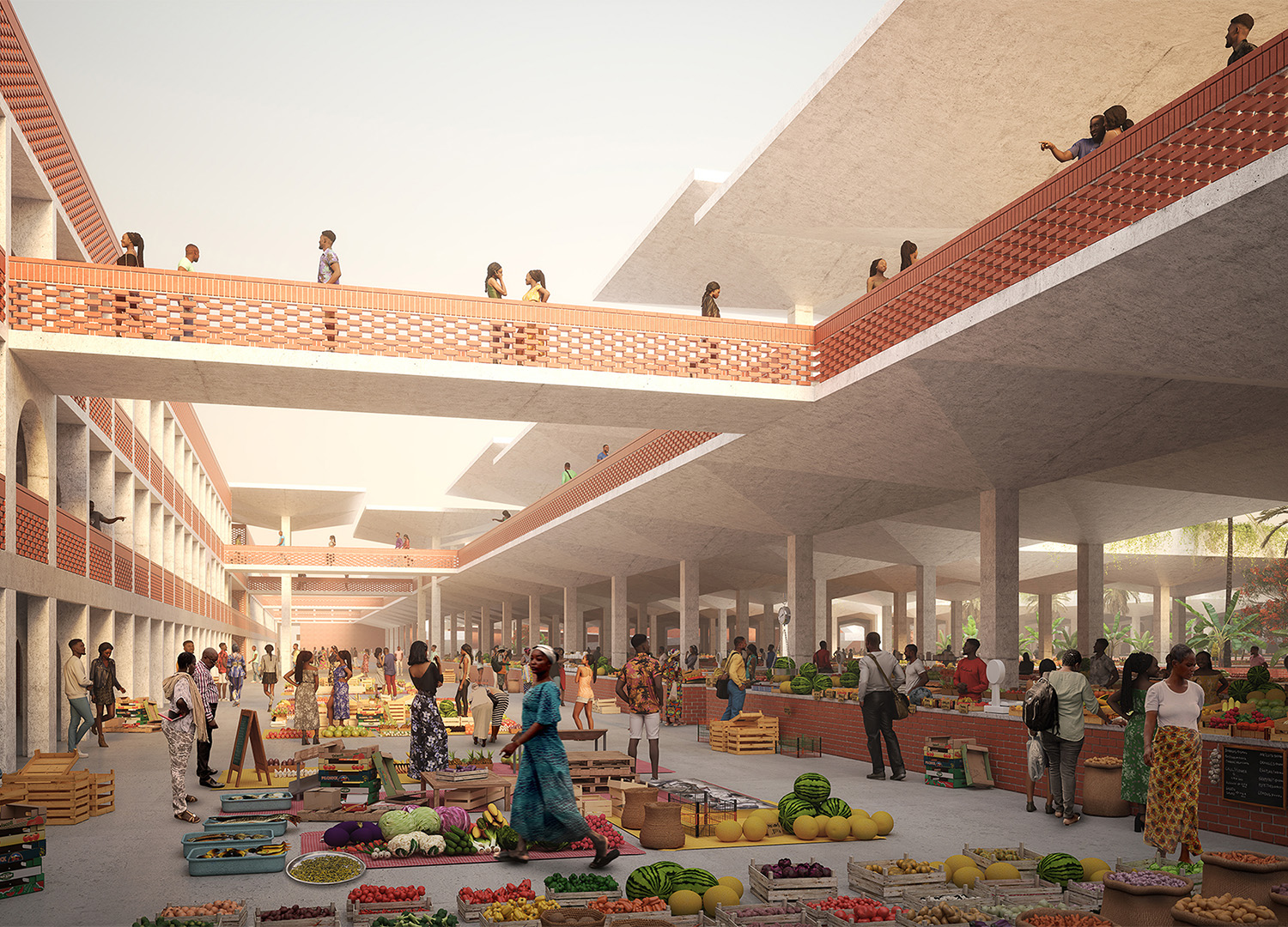
In Middle East & Africa, Qalandiya: The Green Historic Maze by RIWAQ – Centre for Architectural Conservation demonstrates how long-term, low-carbon village restoration can be both socially and environmentally restorative. Restores historic buildings using traditional stone masonry and native materials, embeds passive climate-adaptation (rainwater harvesting, greywater separation, permeable paving and native planting) and gives the village a renewed communal core rooted in heritage, ecology and local ownership.
Moakley Park by Stoss Landscape Urbanism
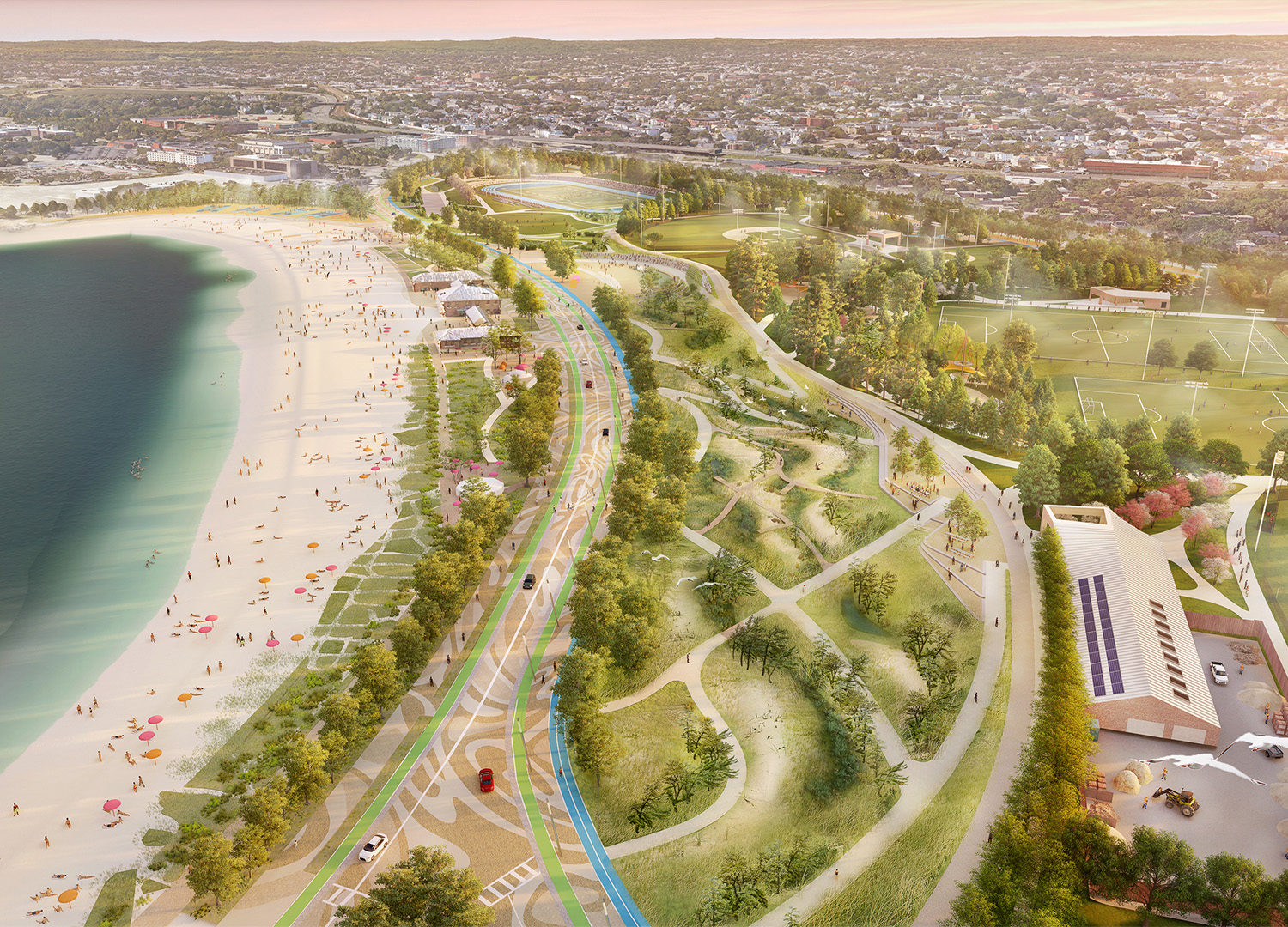
Finally, in North America, Moakley Park in Boston by Stoss Landscape Urbanism reimagines urban coastal defence as an accessible, nature-based public park—a project that is as much about daily recreation as it is about climate resilience.Blends restored wetlands, storm-surge berms and native plantings to offer a resilient waterfront that protects the city while providing recreational green space for all.
Is there a single definition of “sustainable design” that can contain all this? The Holcim Foundation’s answer seems to be that sustainability is less a label than a set of intertwined obligations—to the planet, to communities, to economies and to place-making. The 2025 Awards do not offer a singular blueprint, but a family of situated responses. Together, these projects suggest that the future of sustainable architecture will be written not in abstract checklists, but in specific, replicable stories of transformation on the ground.