Ideas for Business Award 2026: building a bridge between design culture and the market
With a jury of designers and industry executives, and categories spanning furniture to tech, DesignWanted’s award is relaunched, staking its identity on bringing new products to the market.

DesignWanted has announced the launch of the Ideas for Business (IFB) Award 2026, a product and industrial design award positioned at the intersection between designers and the industry. Rather than assembling a jury purely of designers, the IFB Award pairs them with executives and brand leaders responsible for developing, selecting, and commercialising products, correcting a structural gap in the current awards landscape.
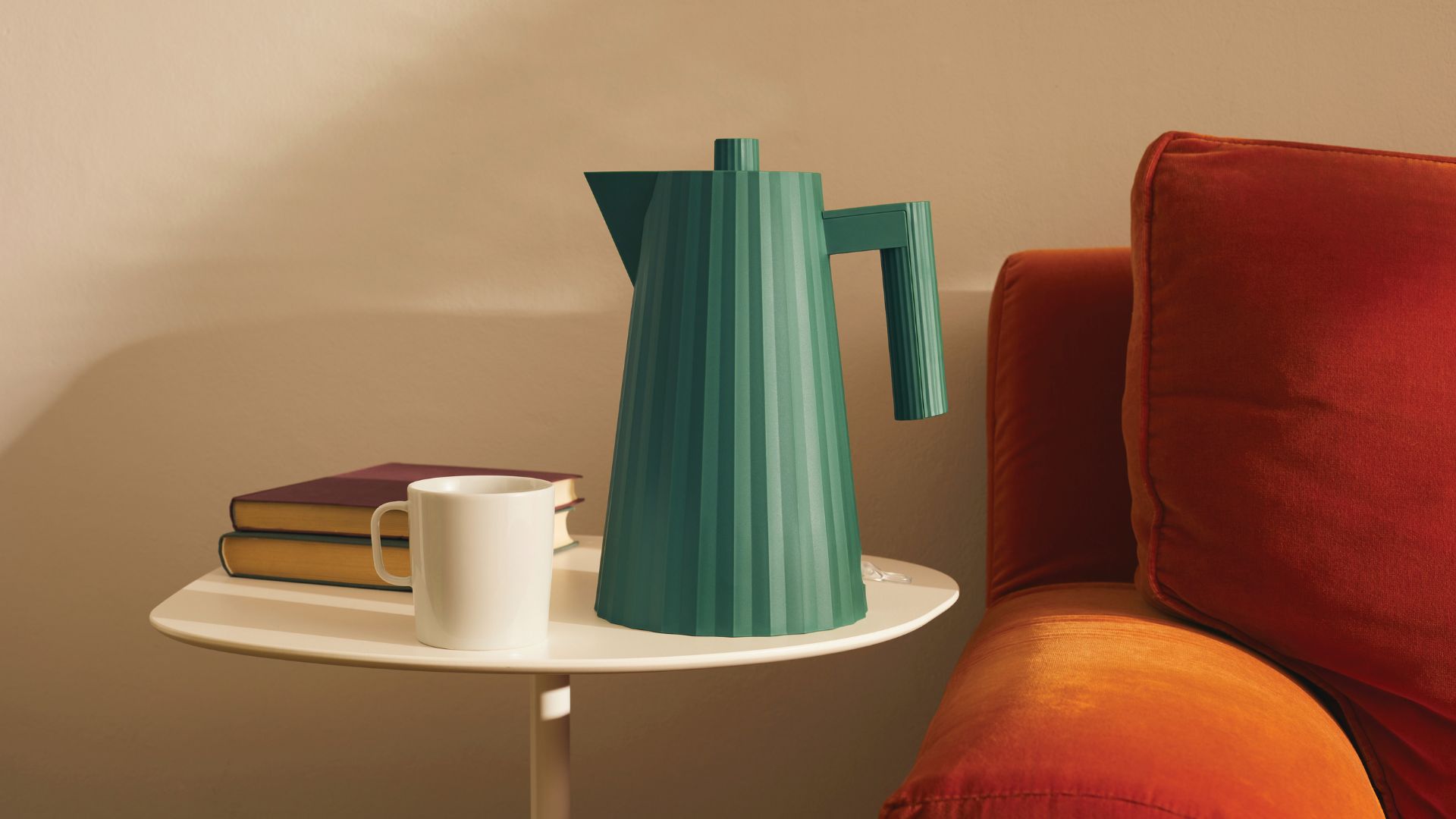
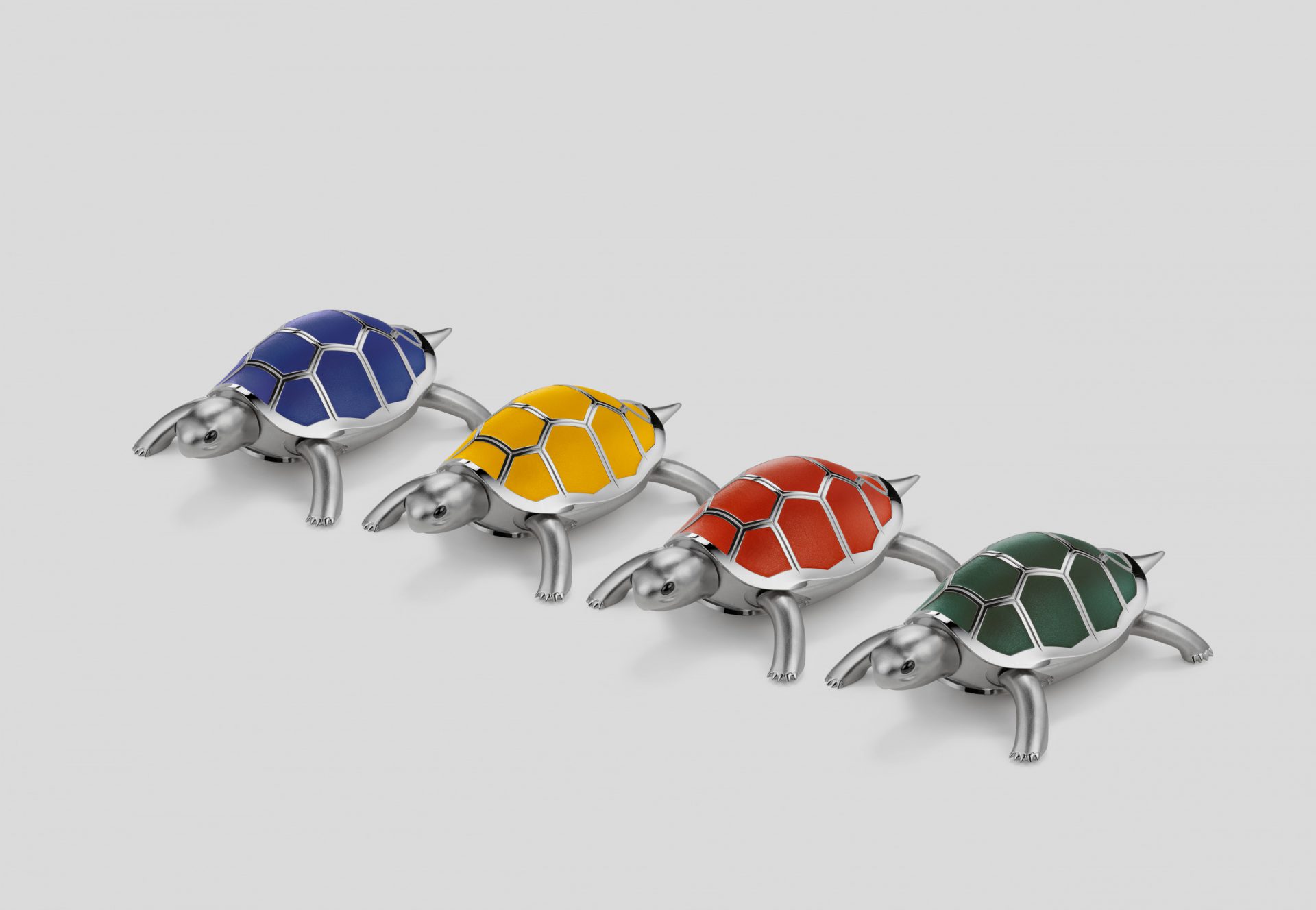
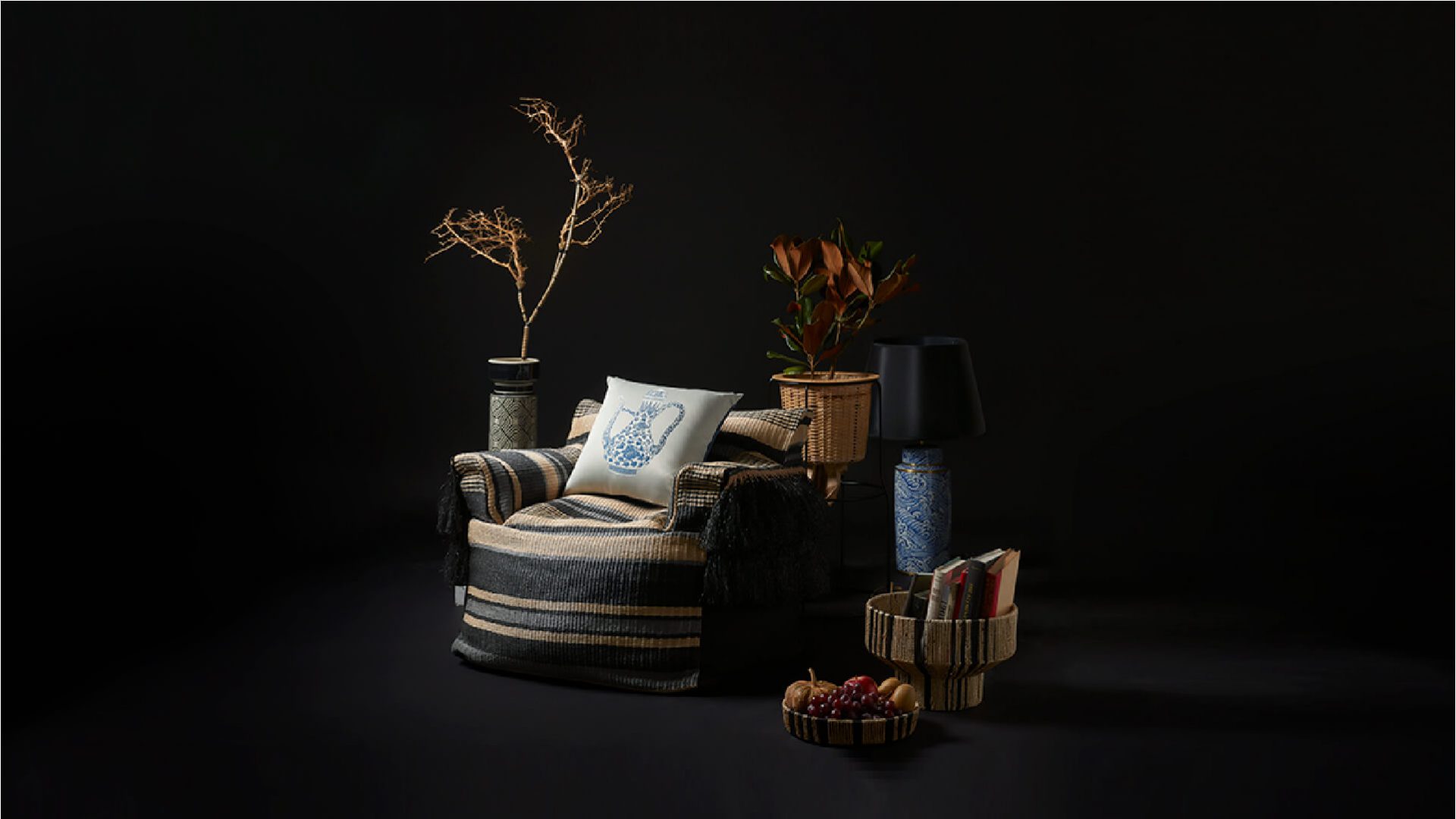
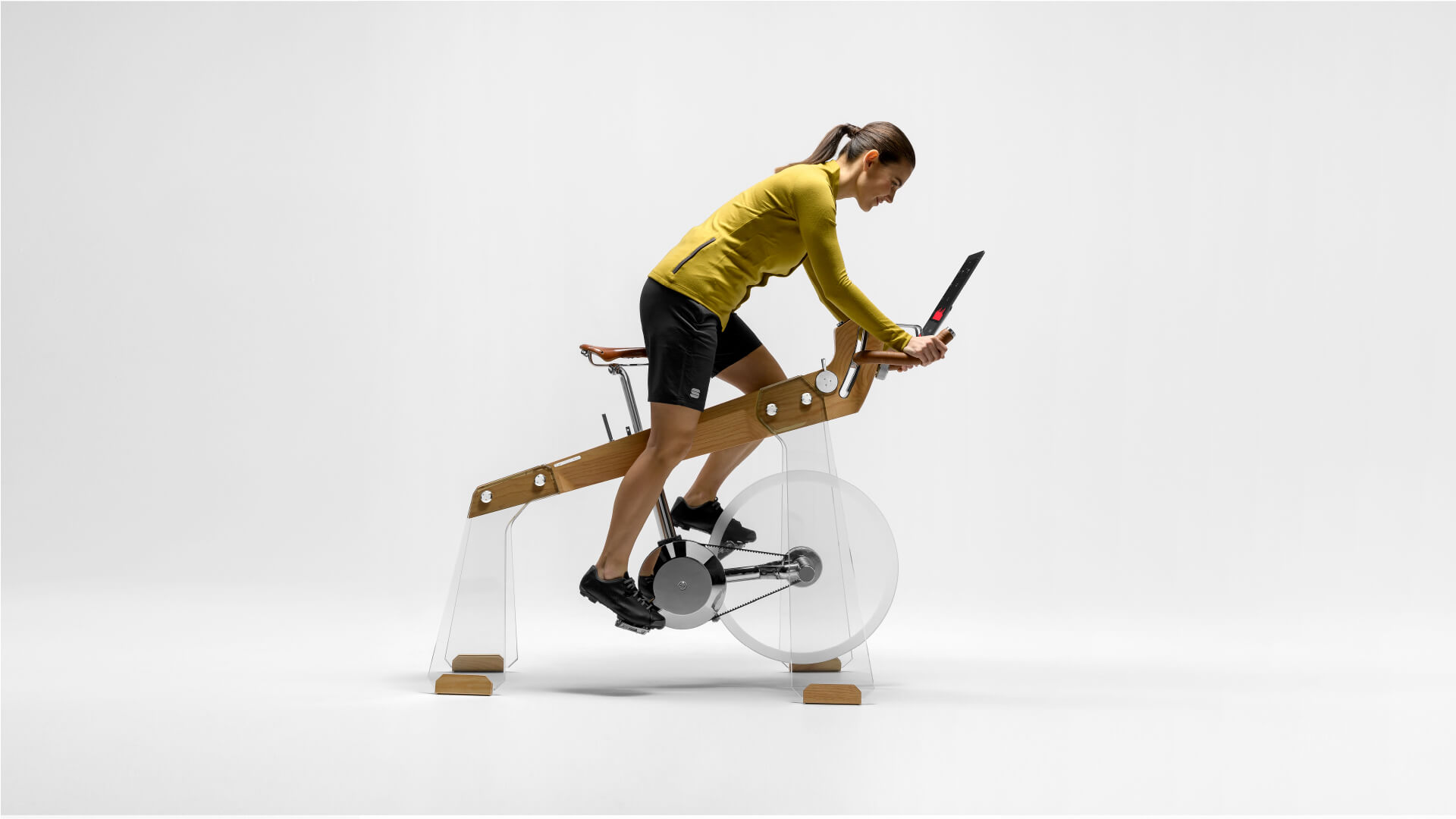
Open to entries from all over the world, the award is structured around two tracks and four categories. The Market Ready track covers physical products that have been commercially available for less than 3 years, while the Vision track is reserved for concepts not yet in production. The four categories are Home Furniture & Living, Lighting, Office & Workspace, and Tech Devices & Appliances.
Gallery
Open full width
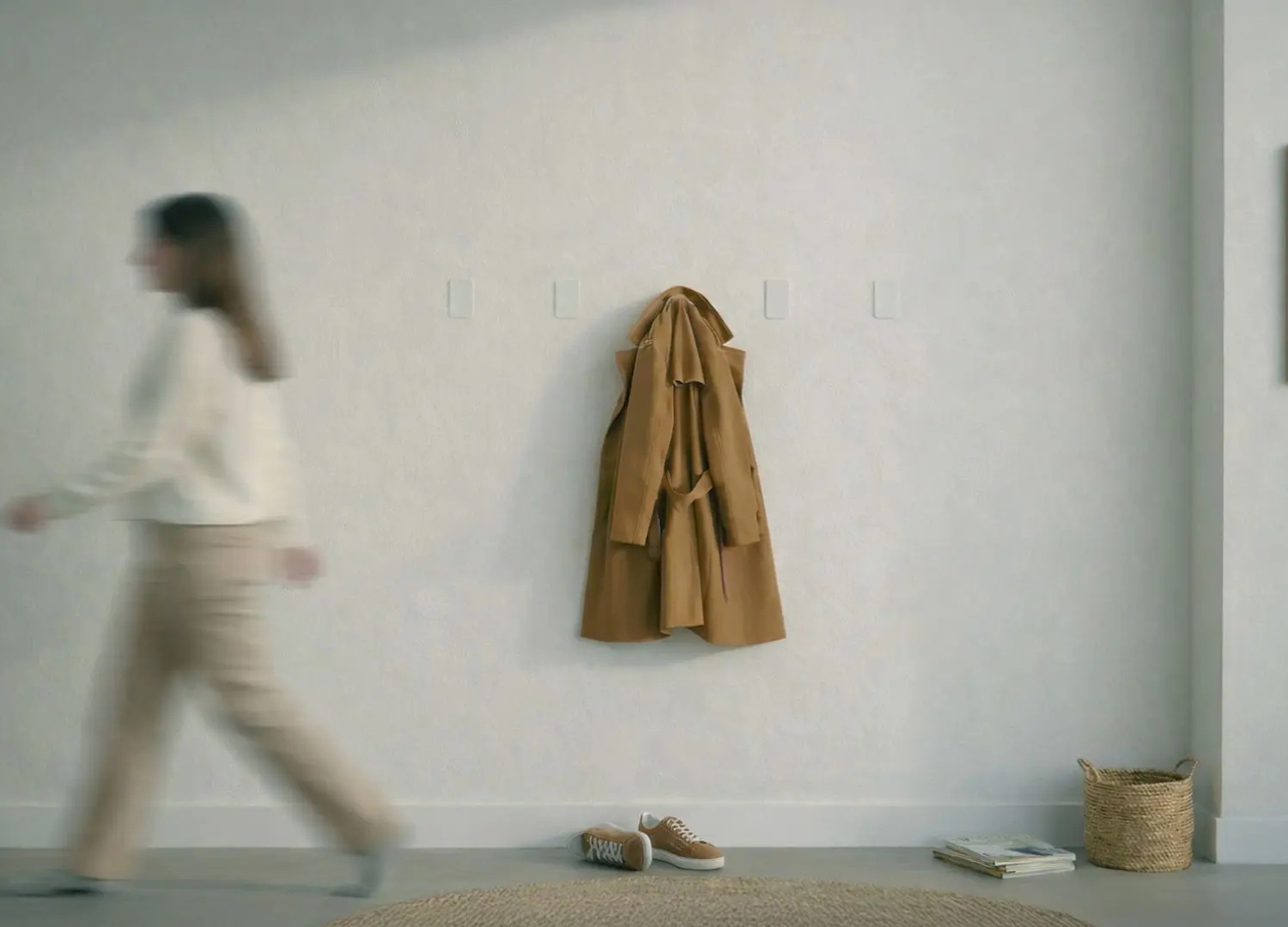
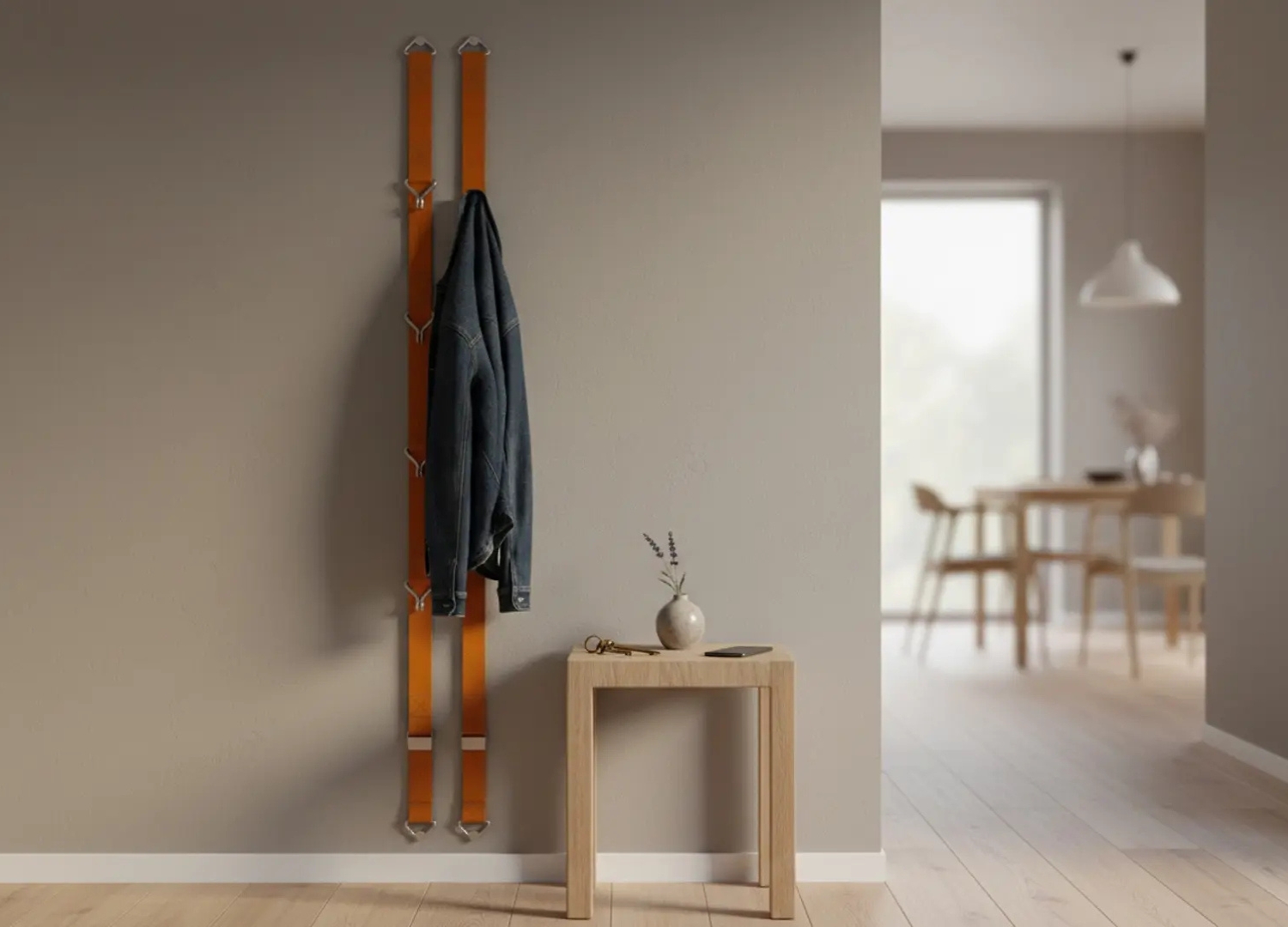
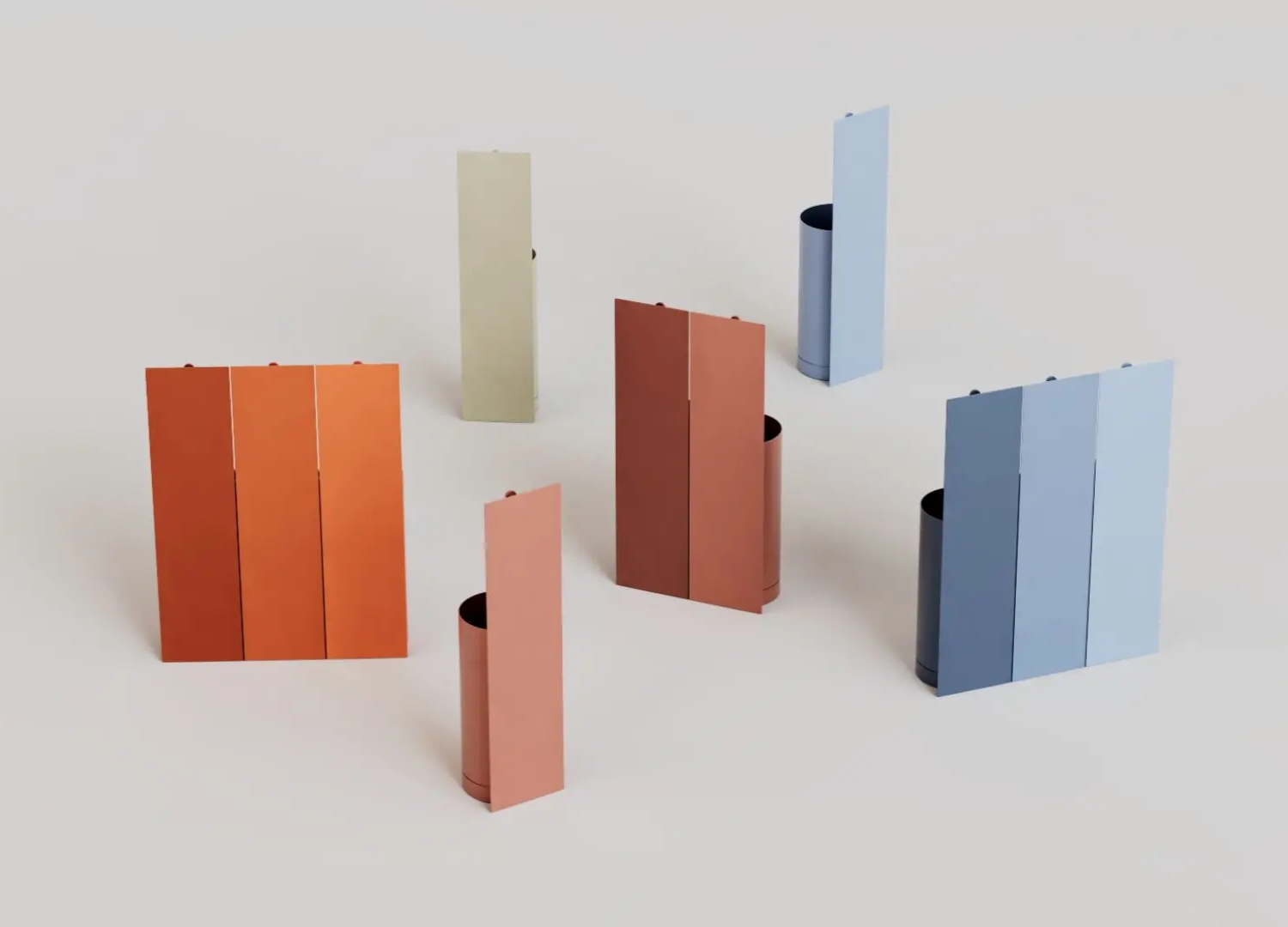
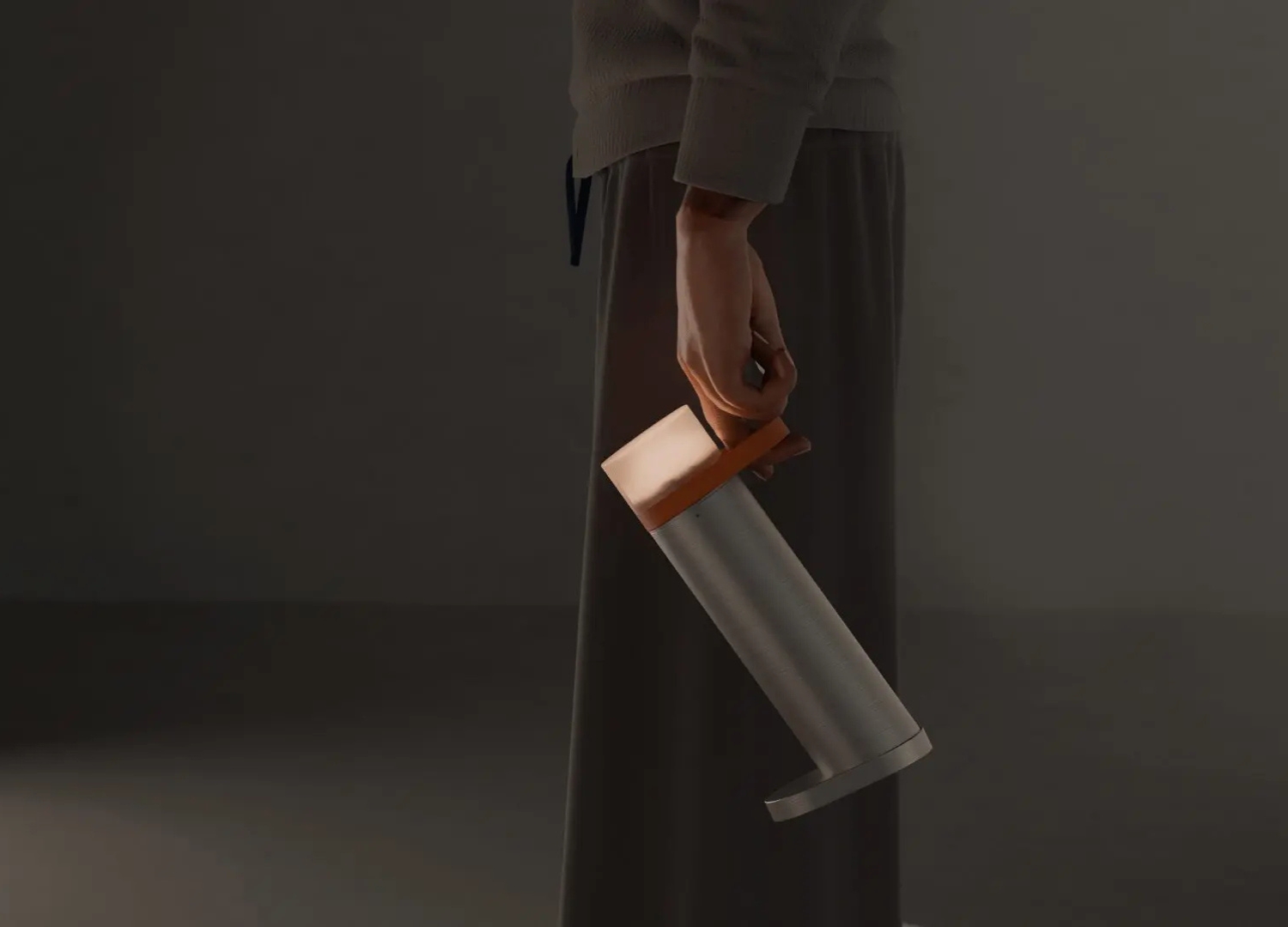
Open full width
Ideas for Business was previously launched in 2025 through a series of open calls, and it is now being restructured into a more complete and prestigious format.
At the centre of the award is its international jury, structured across the four categories, with each one evaluated by an independent panel. Confirmed jurors include Matteo Battiston (Chief Design Officer at EssilorLuxottica), Begüm Tomruk (Creative Director for Marantz, Bowers & Wilkins and Classé), Stefania Sighinolfi (Global Brand & Marketing Director at Smeg), and Raffaella Mangiarotti (founder of her own namesake studio).
Projects will be scored across six criteria: Design Intent, Originality & Innovation, Sustainability & Responsibility, Human Impact, Formal & Material Quality, and Presentation Quality, each rated from 1 to 5, for a maximum of 30 points.
One of the Ideas for Business Award’s most distinctive features is its financial structure, since there is no automatic upfront fee to submit. Entrants first complete the submission form with their information, which is then reviewed by the DesignWanted team for completeness and category fit, and only if the submission is approved does the entrant receive a payment link to confirm their entry. This way, every entrant is sure that their project is in the right place, and if not, they are allowed to try again.
To understand the thinking behind these choices, DesignWanted’s founder Patrick Abbattista spoke about why the award exists, what he’s looking for in submissions, and how he built the jury.
Ideas for Business Award 2026:
Why do you believe it is essential to pay attention to emerging voices in the current design field?
Patrick Abbattista:
“Talent doesn’t always follow the usual paths — sometimes you have to go find it, much like in sports, where scouts search the less visible fields for the next star. This matters because a talent’s value isn’t just about succeeding — it’s about bringing a new way of doing things that benefits the whole community. Breaking the status quo, new sensibilities, more contemporary perspectives — these come from people the industry hasn’t defined yet, the ones who think and act outside the box. So creating opportunities for talent isn’t just about celebrating skill. It’s about bringing new voices into the system and building new spaces to learn and grow.”
When you look at a project today, where do you see the most value for the contemporary market – is it in cultural relevance, commercial success, technological innovation, or something else?
Patrick Abbattista:
“Personally, what strikes me most is a designer’s ability to put themselves in someone else’s shoes and make full use of what’s currently possible, to offer a practical solution that still carries its own cultural weight. As a marketer, one thing that’s always struck me is the need to adapt products and communication to local markets. In marketing, they call it a glocal strategy. In other words, you can’t assume a single product or communication plan will work everywhere.
So, back to the project: when I see it embody thoughtful reasoning, shaped by the author’s experience, while staying true to a clear purpose, I consider it well-aligned. And, as I said, if it’s also making the most of what’s currently available — new technologies, materials, and so on — then it’s genuinely contemporary. Using innovation isn’t an end in itself, though. It has to be there for a simple reason: end users are themselves users of the latest technologies, so the project taps into a habit already built into its target audience.”
Why launch a design award now? What gap in the current awards landscape are you trying to fill?
Patrick Abbattista:
“The first reason is that DesignWanted’s community is diverse and international, and not everyone in it has access to the best-known awards — often for financial reasons. That’s why, for this first edition of the IFB Award, we made the fees accessible while still offering a showcase as prestigious and authoritative as DesignWanted.
The second reason has to do with our role. As a magazine, we work to qualify design on a global scale through the editorial choices we make. But we wanted to build something more — giving a voice to the professionals we collaborate with by having them sit on the jury. This way, both the panel and the opportunities grow for the design community too. We keep shaping a point of view on the market, both as a magazine and, now, as an award.
Third is the intent to represent the design industry more and more from within — through the jury — not just through the professionals who enter. I think what’s still missing today is a real connection with the market. Aside from the corporate initiatives some brands run through their own calls, many awards are great for designers judging other designers, but I think there’s room to do better when it comes to market relationships.”
How a jury is selected is one of the features that makes the most difference between different award competitions. What do you think distinguishes the Ideas for Business’s jury from others?
Patrick Abbattista:
“We decided to bring onto the jury not just designers, but also corporate executives with different views on the market — people who operate in different scenarios while still working closely with designers. Having been a juror myself for several awards, I sometimes notice that the jury is asked to vote on projects it has little to do with. That’s why the other thing we’ll be working on is alignment between categories and jurors. Now, clearly, this is our first round, and plenty will need improving — but that’s the goal.”
What kinds of works are you personally most hoping to find when submissions open? What would make you excited about the future of design?
Patrick Abbattista:
“Projects that embody the present moment — that question the changes underway and try to give tangible answers. It’s not always easy, partly because it’s easy to fall into speculation for its own sake, but it’s a project’s insight that lets me understand a designer’s reasoning. Why did they do it? What aspects did they factor in? Why now?
There are countless projects out there, and I understand why. Plenty of people want to be designers — it’s a beautiful, fascinating profession — but we can’t forget it also has to be economically sustainable. And to be economically sustainable, it needs to find a market. That means asking yourself, carefully, why you’re designing something, and then how. That second part is especially about making optimal use of today’s tools, as well as the impact the project will have on the environment and society.
So, in short, what usually strikes me is a well-reasoned idea, rather than a ‘wow’ aesthetic effect that goes nowhere — especially if it isn’t even feasible. I’m not saying aesthetics don’t matter, but they should be conceived as part of the whole, not as the only source of value.”
Submissions for the Ideas for Business Award open at ideasforbusiness.designwanted.com on September 15, with an early bird deadline by October 15, and the call closing on December 31. DesignWanted will announce the shortlist in January 2027, and the winners are expected to be known in February.