A Occhi Chiusi: What would you design without sight?
An IED Rome student project turns blindfolded play into a research tool for rethinking how children learn through their senses, and how designers can design without sight.
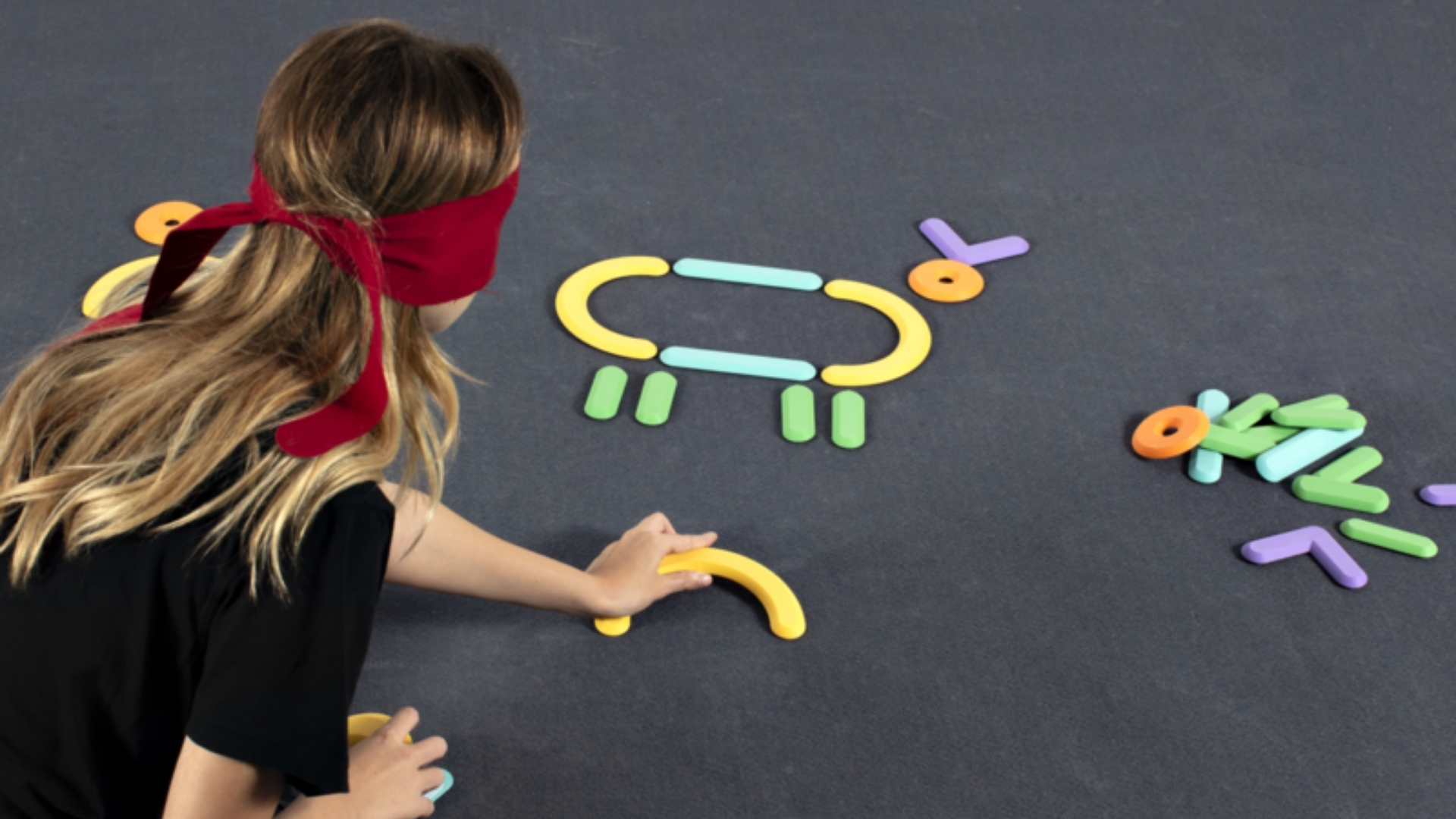
Most design education starts with the eye. Sketch it, render it, show it. “A occhi chiusi” (“with eyes closed”) begins from the opposite premise: that a whole register of intelligence gets ignored when vision is treated as the default channel for learning.
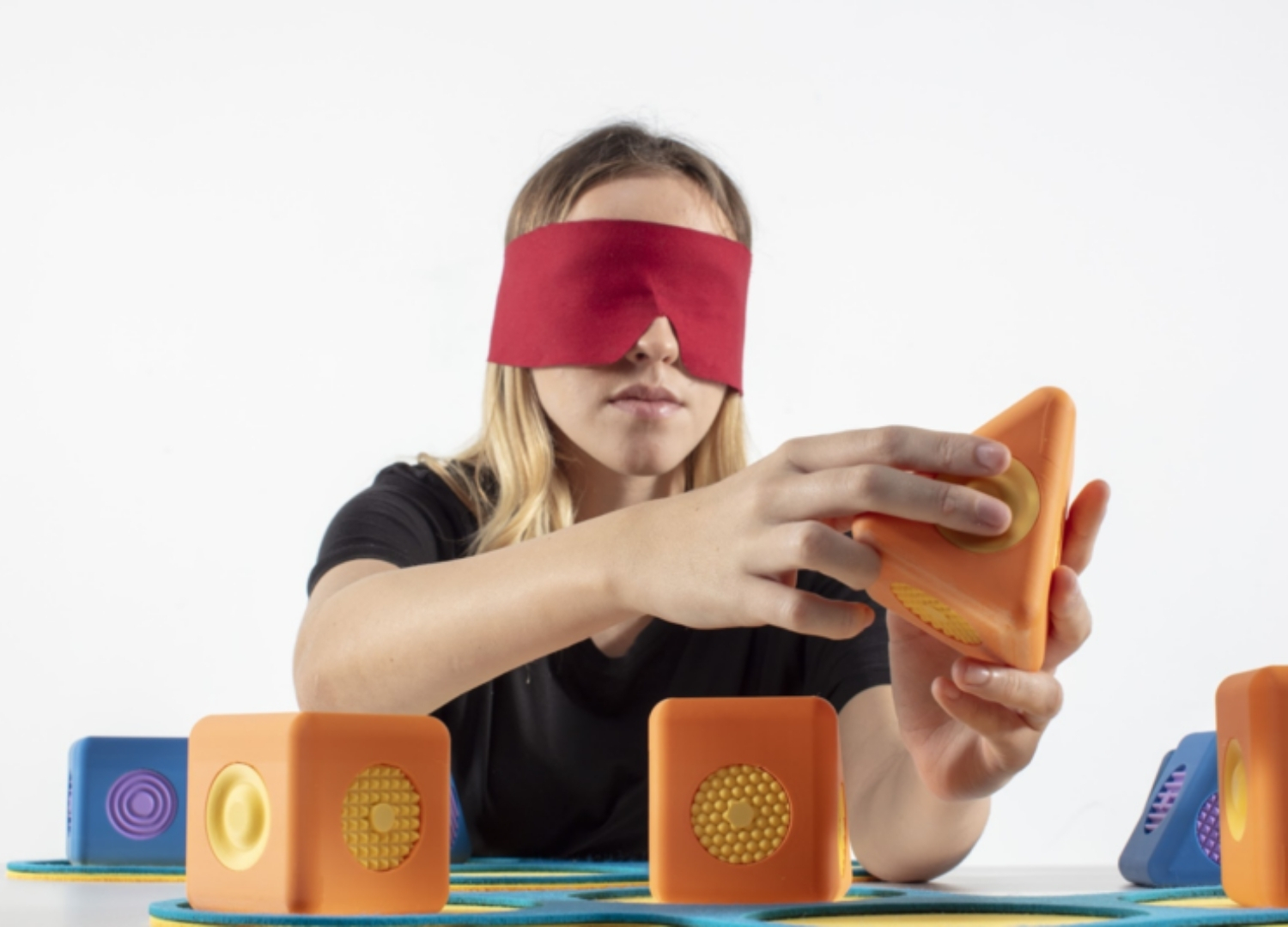
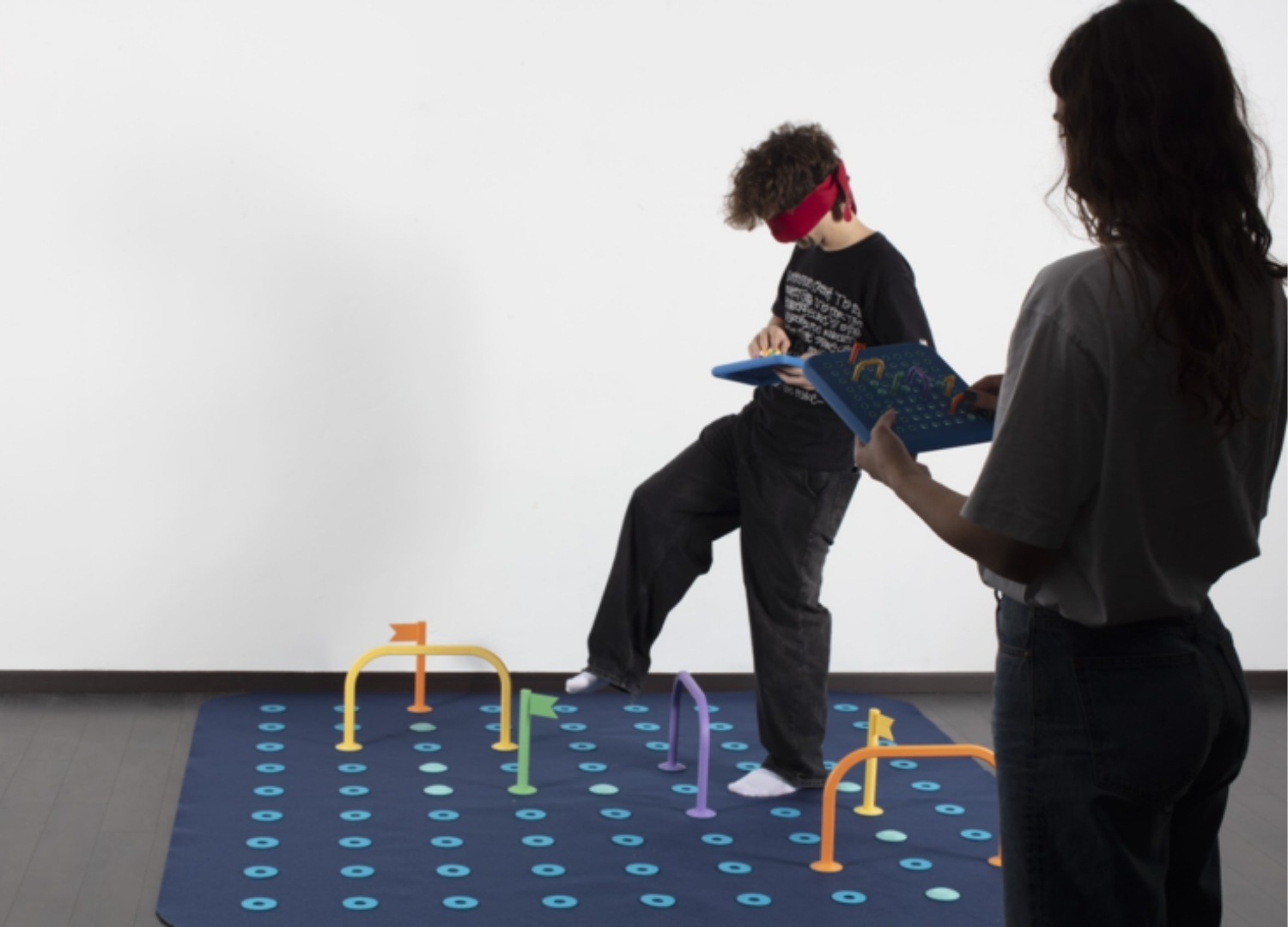
The project comes out of the Product Design undergraduate course at IED Rome, developed during the 2023/2024 academic year under the guidance of designer and teacher Mauro Del Santo, with Lucilla D’Antilio, an artist who is herself blind. 15 students produced 11 games meant to be played blindfolded, aimed primarily at children but open to anyone. Since its debut, the collection has been selected for the ADI Design Index 2025, received a Compasso d’Oro Young 2026, and one of its games, Bendadi, took the iF Design Student Award 2026, marking an unusually decorated run for a student project.
Gallery
Open full width
Open full width
Ad Occhi Chiusi, IED Rome
Lucilla D’Antilio
D’Antilio’s presence in the project was surely one of the reasons for its success. She lost her sight as an adult, after a career as an artist and a drawing teacher, to a viral conjunctivitis that gradually took her vision in the 90s. Through interviews, she has described a decade in which she believed she had to give up art entirely, before realising that touch could carry her back to it.
She now works to extend that discovery to others, teaching blind students that tactile experience is a full route into art and design, not a compensation for a missing one. Her workshops focus on “seeing with your hands,” teaching students that touch doesn’t just replace sight for someone who cannot see, but it also notices things sight misses.
The brief’s framing
This lesson was key in the development of the work, as the brief was not to design assistive devices for blind children, but instead to design objects good enough that blindness stops being the subject and becomes the operating condition. This resulted in the 11 results spreading across a wide sensory range rather than repeating a few tricks.
The projects
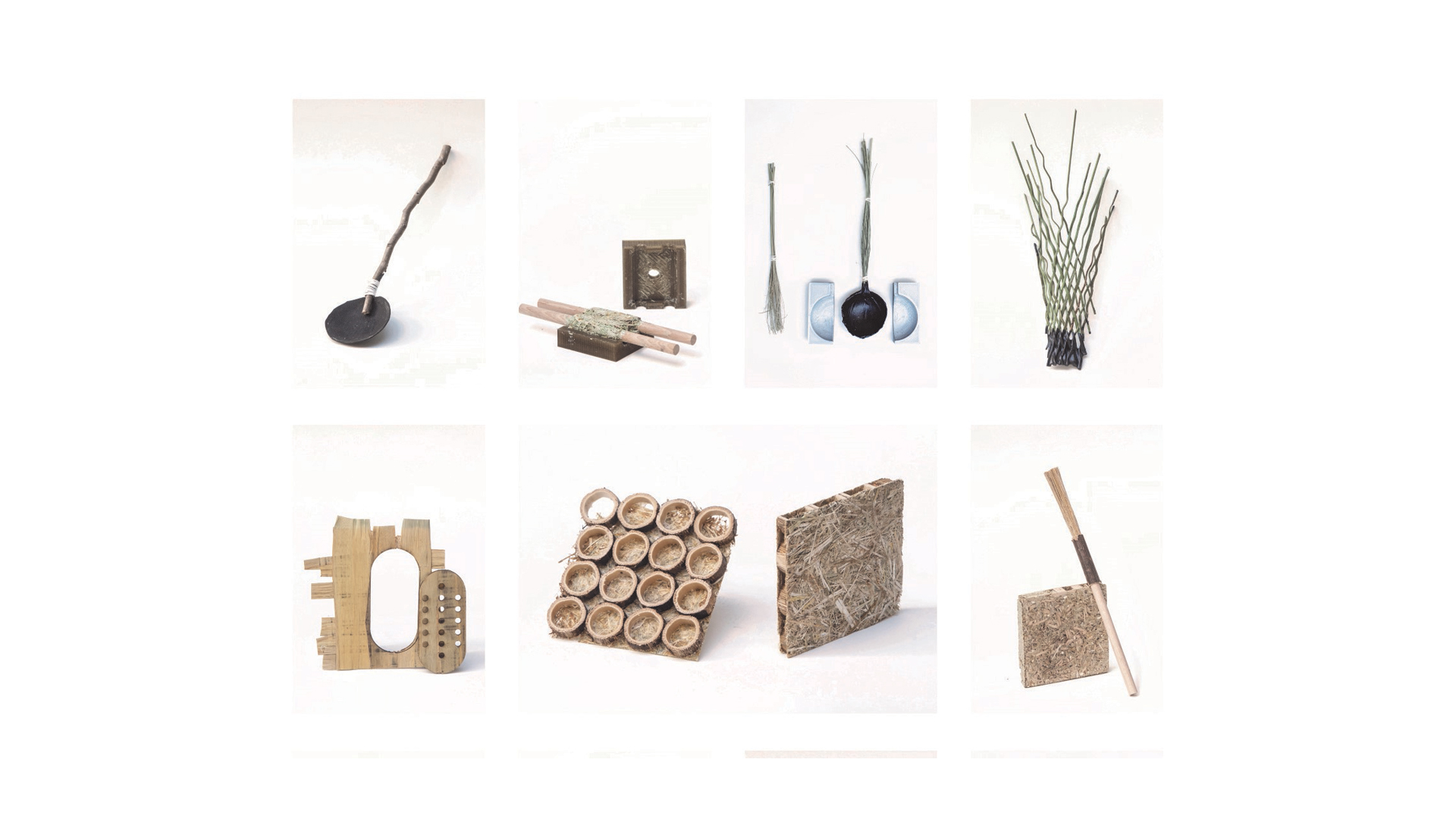
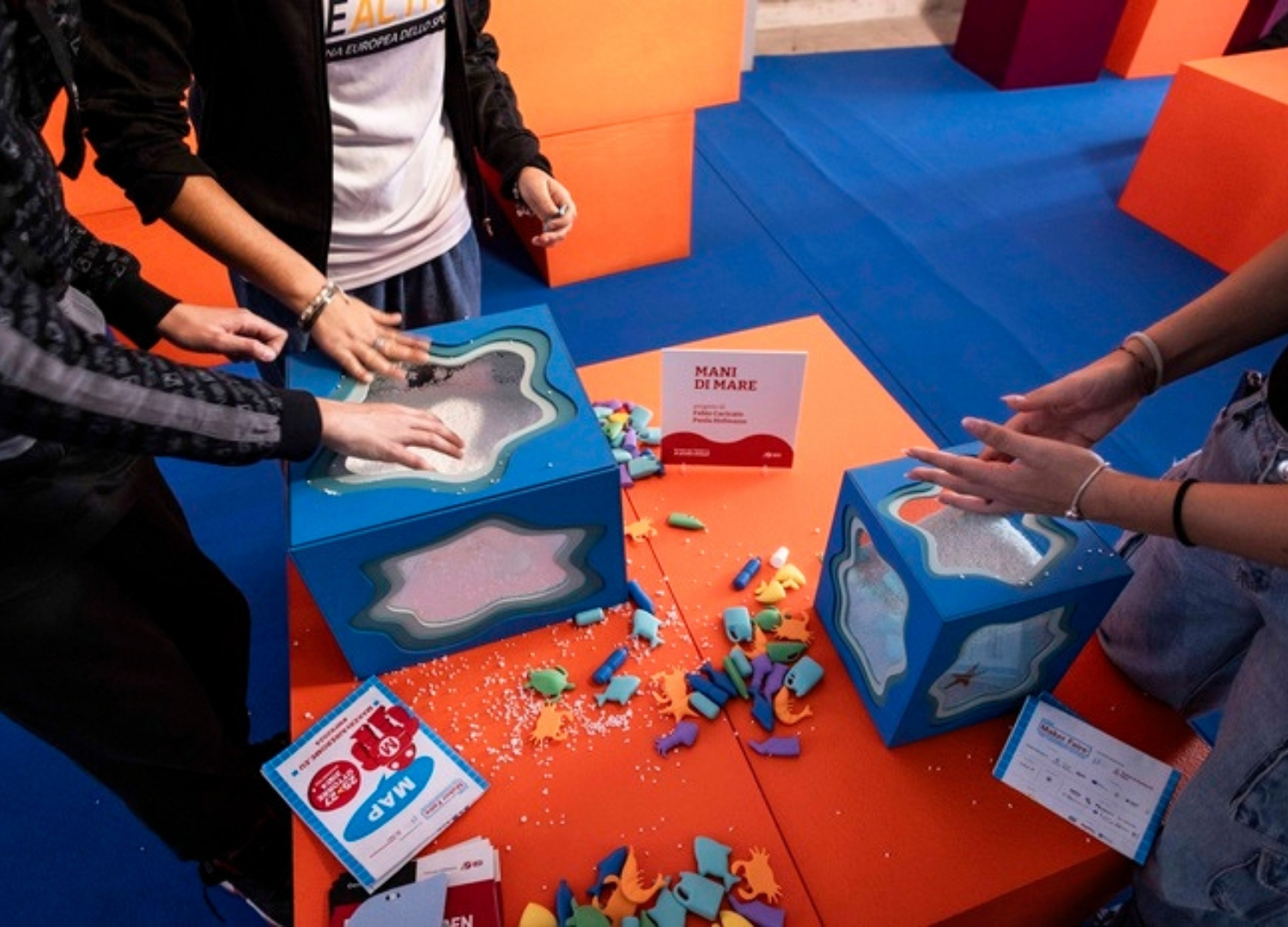
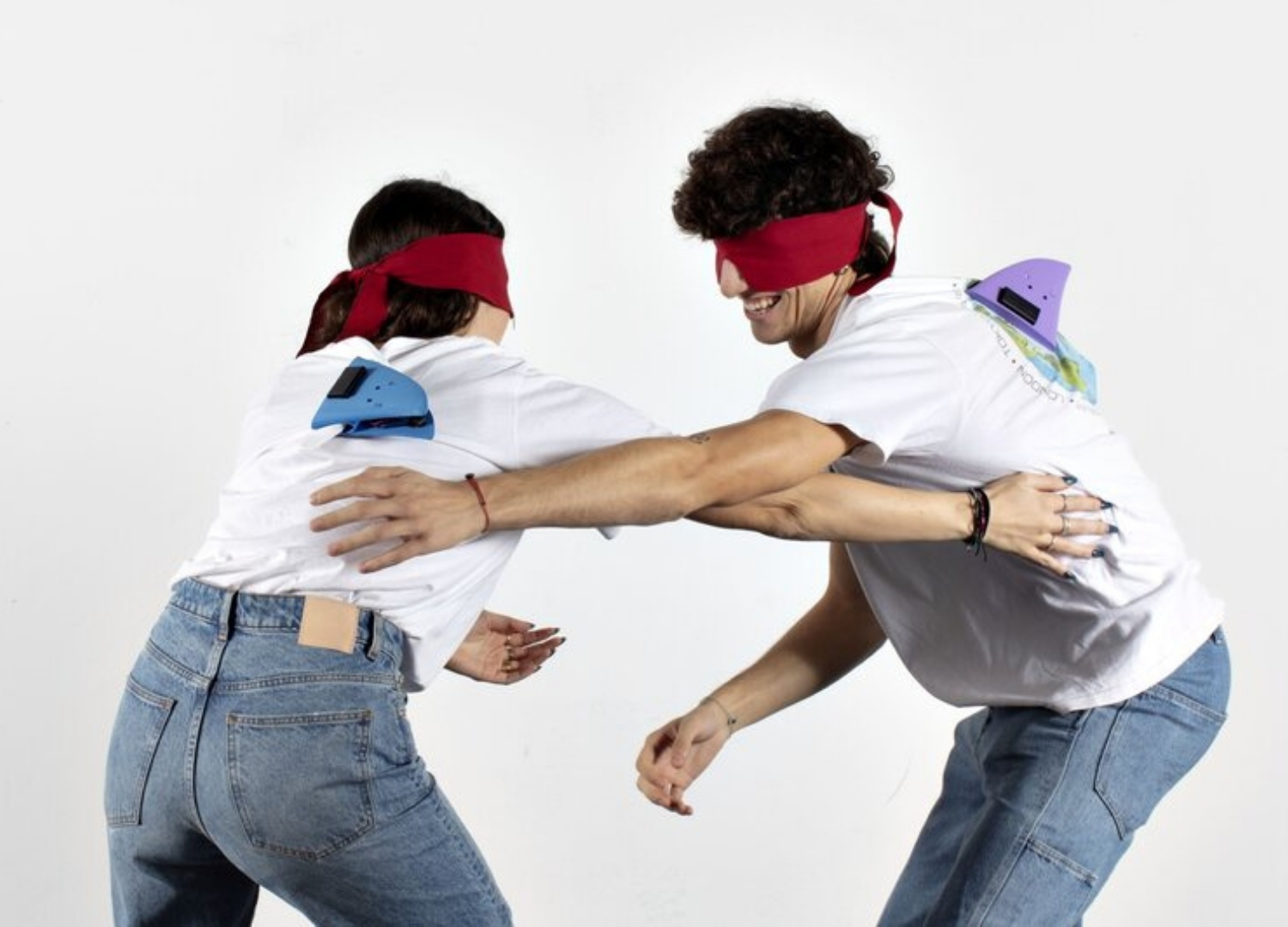
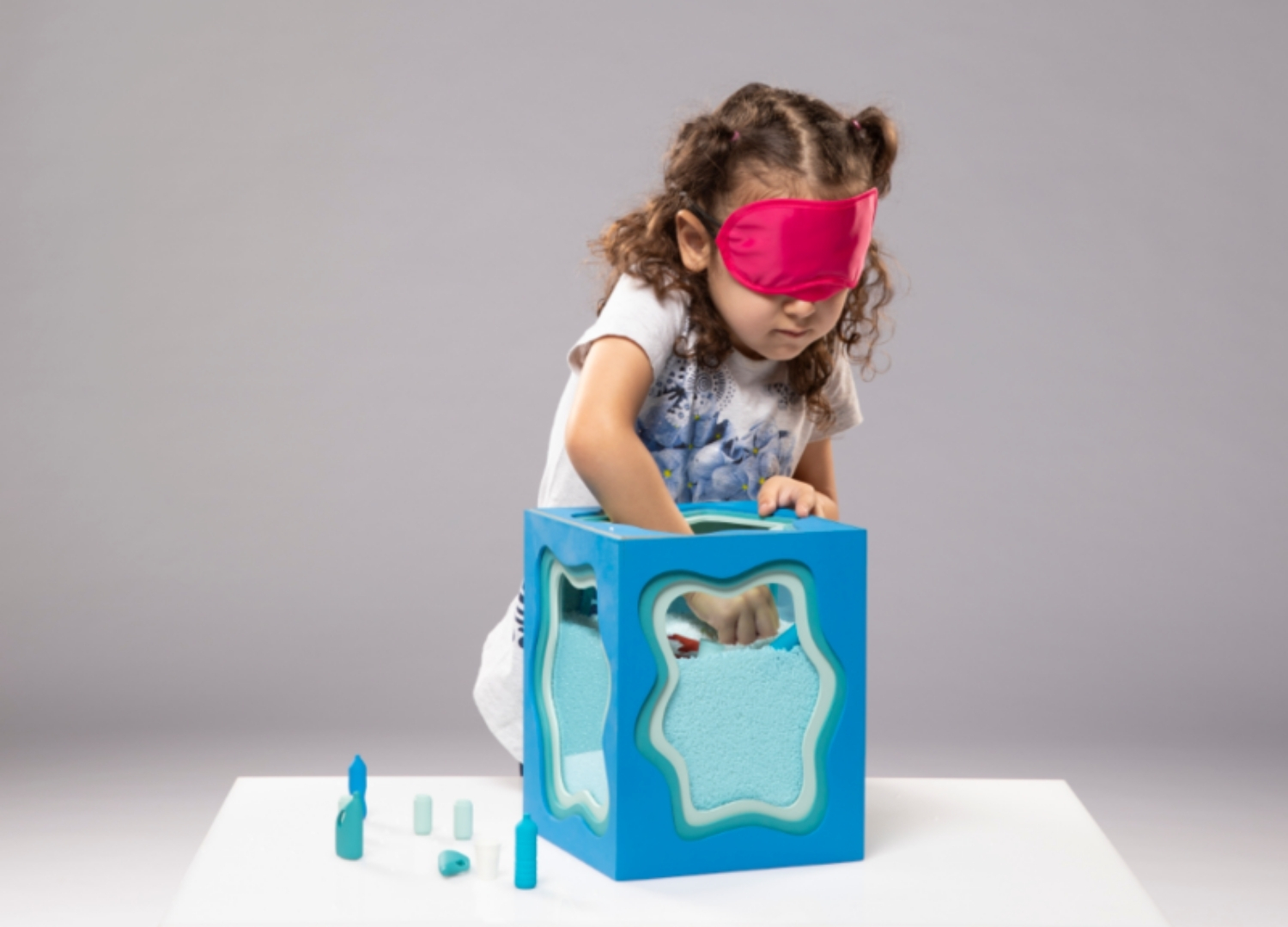
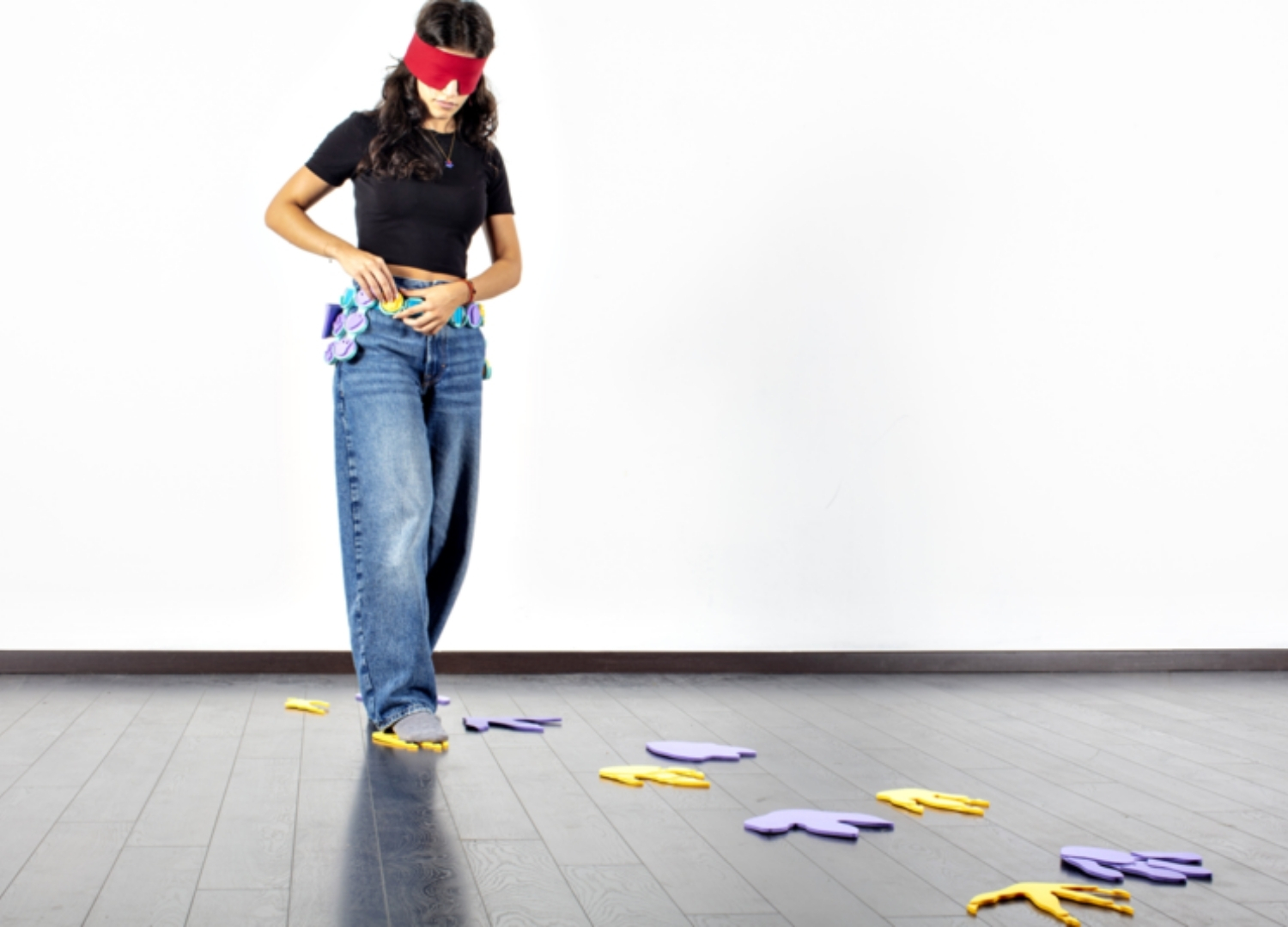
Block Match asks players to match uniquely interlocking shapes through touch, building on logical-mathematical reasoning. Tug Tag has players wearing bell clips on their backs, hunting each other by sound and spatial orientation. Barefoot turns a tactile path of raised modules into a memory and coordination game played with feet. Mani di Mare asks players to reach into a box and rescue sea creatures from plastic waste without disturbing the animals, adding an ecological dimension to the work.
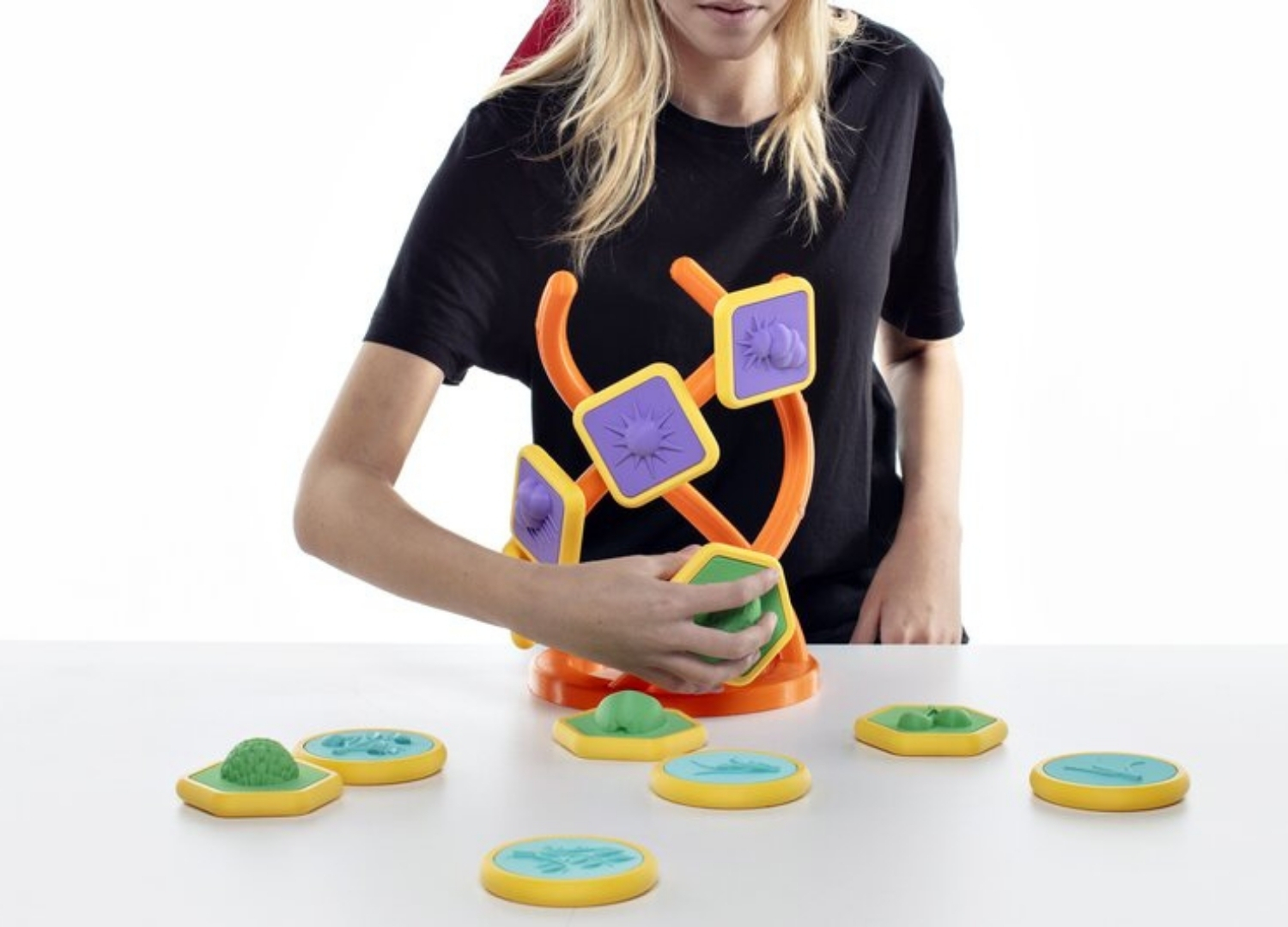
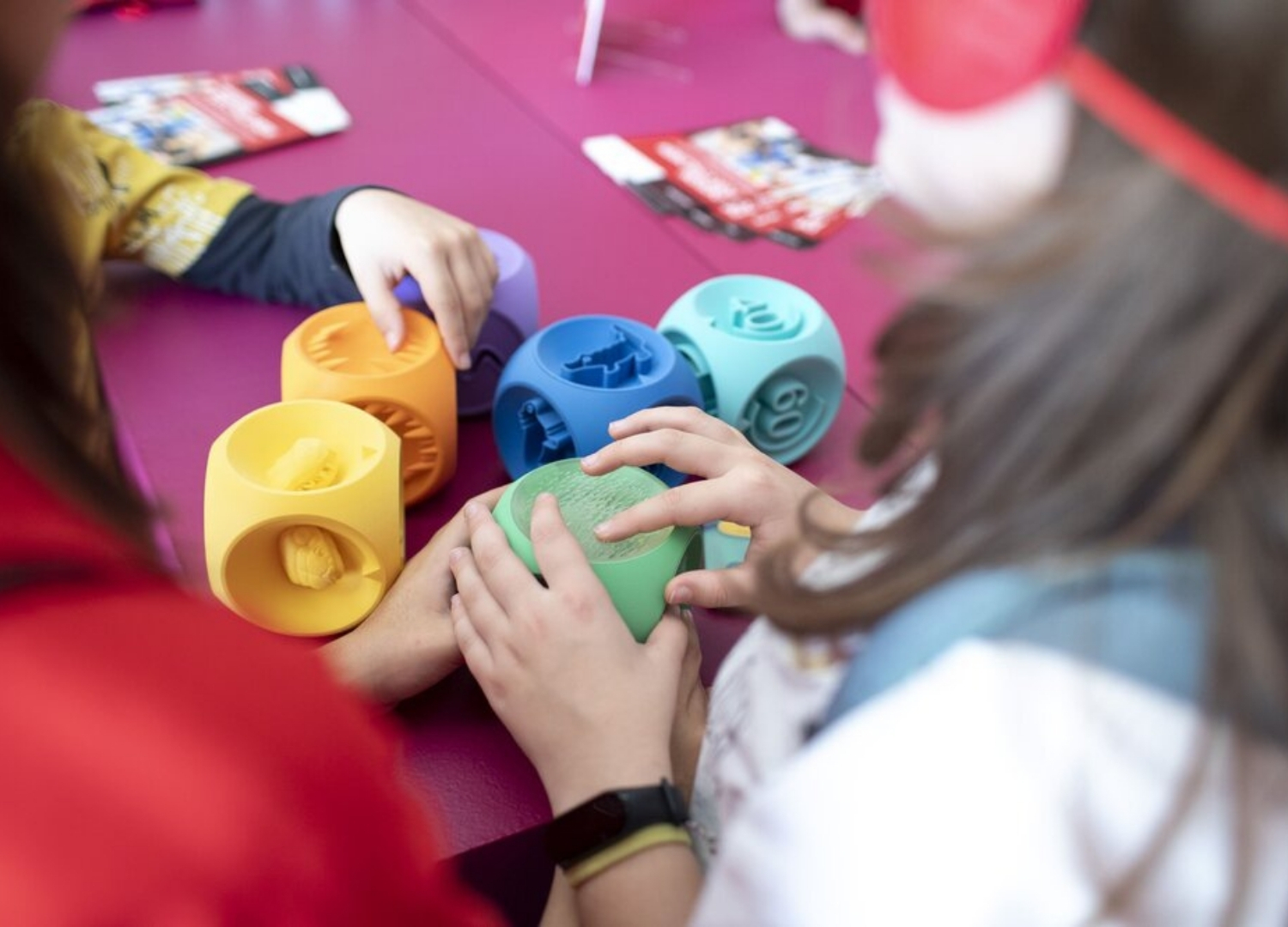
Bendadi, the iF winner, is a set of 8 dice, each face carrying a different tactile prompt upon which players have to improvise stories, with the premise that touch is the sense we rely on the least and therefore it should force a different kind of imagination. All in Five reduces the alphabet to five basic shapes that combine into every letter, aimed at supporting cognitive development. La Storia Infinita is a circular structure for arranging tiles into stories about cyclical things like seasons and routines.
The list continues, the gist being that every project does not use the other senses as mere substitutes for sight, but instead creates a different set of circumstances, learnings, and playfulness that create equally entertaining games while stimulating different kinds of neurological functions.
Sight as an overrated sense
An argument that comes through when looking at the games all together is about education in general: a system built almost entirely around visual transmission (through screens, boards, printed text) is a design choice, not a law of learning, that explicitly leaves out children whose strongest channels are in the other senses, whether because of a disability or simply because of how their attention works.
The point is not for sighted children to empathise with their blind peers, but to create a larger phenomenon in design thinking: a method to force designers to build something that moves differently from the projects they usually tackle. IED’s project is a demonstration of how many doors can open if we deviate from the predetermined path, and it pushes us to question what other outdated premises designers are limiting themselves to.