Nothing was ever invented alone: a story about industrial districts
On chairs, taps, glass, blades, microchips and the communities that made them, because design and development cannot happen in isolation.
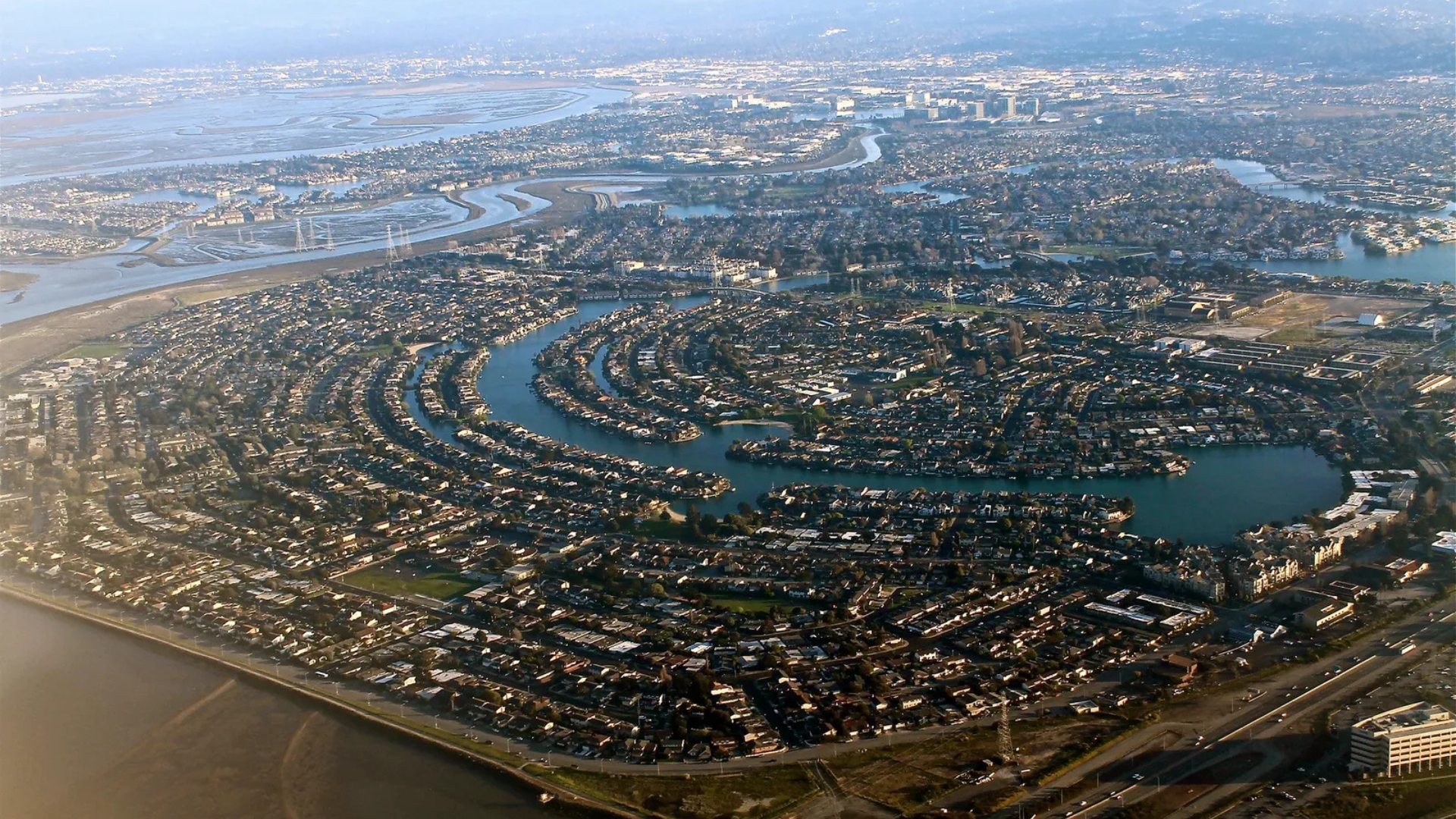
There’s a fantasy of isolation about how good things get designed. In it, someone withdraws to a garage or to a cabin in the woods and returns with a magical invention nobody had imagined before. However, the historical record points to a different story, the one of industrial districts, which is far less romantic but also more interesting. The best objects tend to come out of specific districts, dedicated geographical areas where many people were trying to do the same thing, within walking distance of each other, for generations.
The economist Alfred Marshall, writing in 1890, noticed that certain industries clustered obsessively in particular valleys and towns, and that the firms inside those clusters enjoyed advantages unavailable to anyone outside. This is for obvious reasons: lower transport costs, specialised workers and specialised suppliers, but also because of a pool of shared knowledge. Knowledge that leaks through apprenticeships, through poaching, through arguments in bars, or through the simple fact that everyone’s children go to the same school.
Gallery
Open full width


Open full width
Industrial districts:
The phenomenon was later given its most precise formulation in Italy. The “distretto industriale” was mapped and theorised by Giacomo Becattini and Fabio Sforzi in the 1970s, and it describes not just a cluster of firms but also a community where the productive system and the social system have become the same thing. Italy has catalogued well over a hundred of them, though the pattern can be found globally.
What follows is a selection of six industrial districts worldwide, from older to more contemporary ones, to show the importance of this phenomenon for our field.
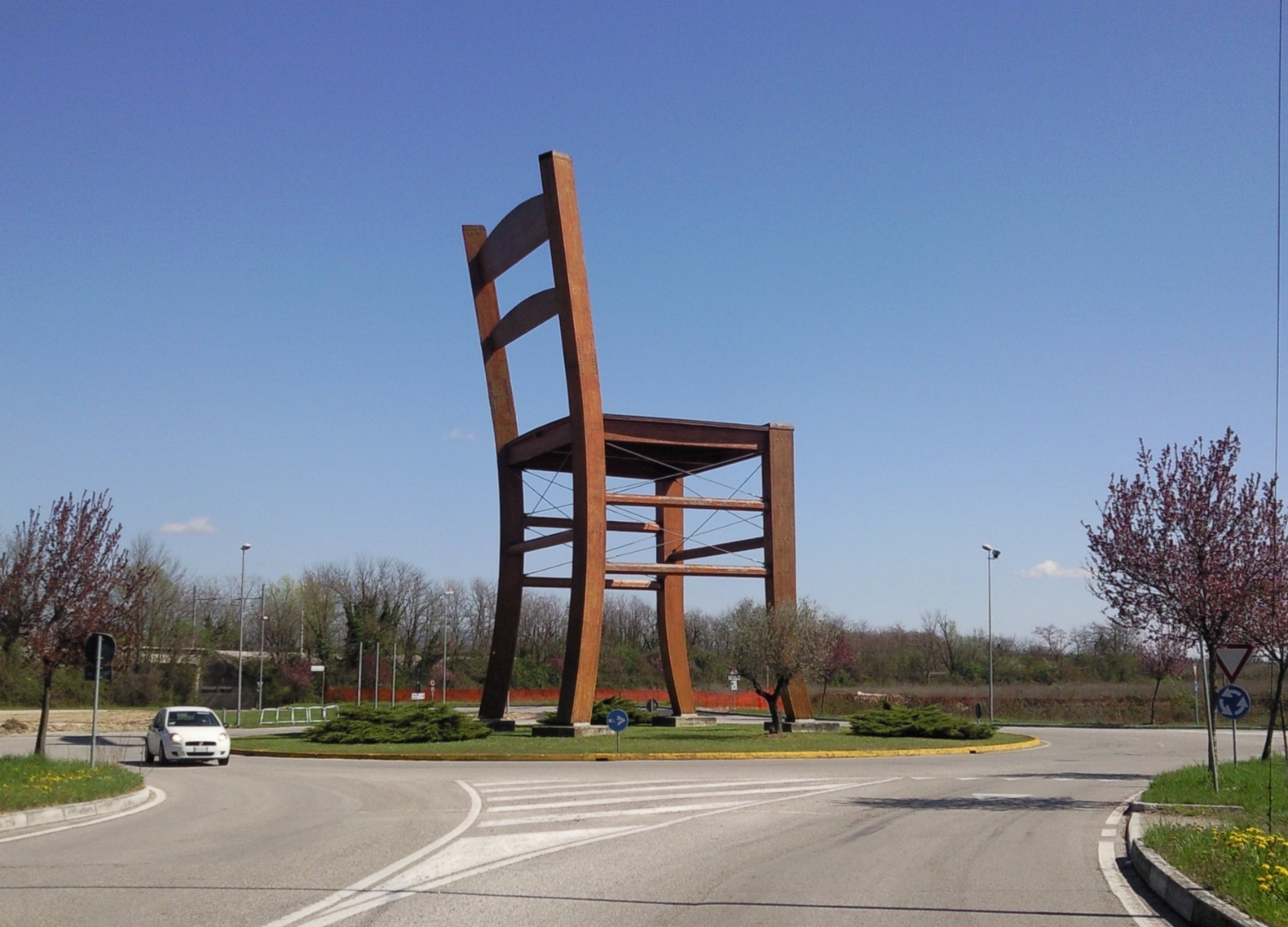
The Chair Triangle, Friuli, Italy
Three small municipalities in the province of Udine (Manzano, San Giovanni al Natisone, and Corno di Rosazzo) became, for several decades, the place where a large share of the world’s chairs came from. Woodworkers from Carnia had migrated down to the lowlands in the late 18th century and set up workshops making rush-seated chairs. Then in 1866 the Austro-Hungarian Empire ceded most of Friuli to the new Kingdom of Italy, leaving the chairmakers on the wrong side of a new line, cut off from their markets and exposed to new competition from Vienna. They then moved, landing in what became the Triangle.
The district grew not because of one big firm, but because the task of making a chair got split into pieces and distributed across hundreds of small workshops. No single workshop could make a chair alone, and the knowledge of how to make a chair lived in the territory rather than in any company, which meant it could recombine endlessly.
Lake Orta and the tap, Italy
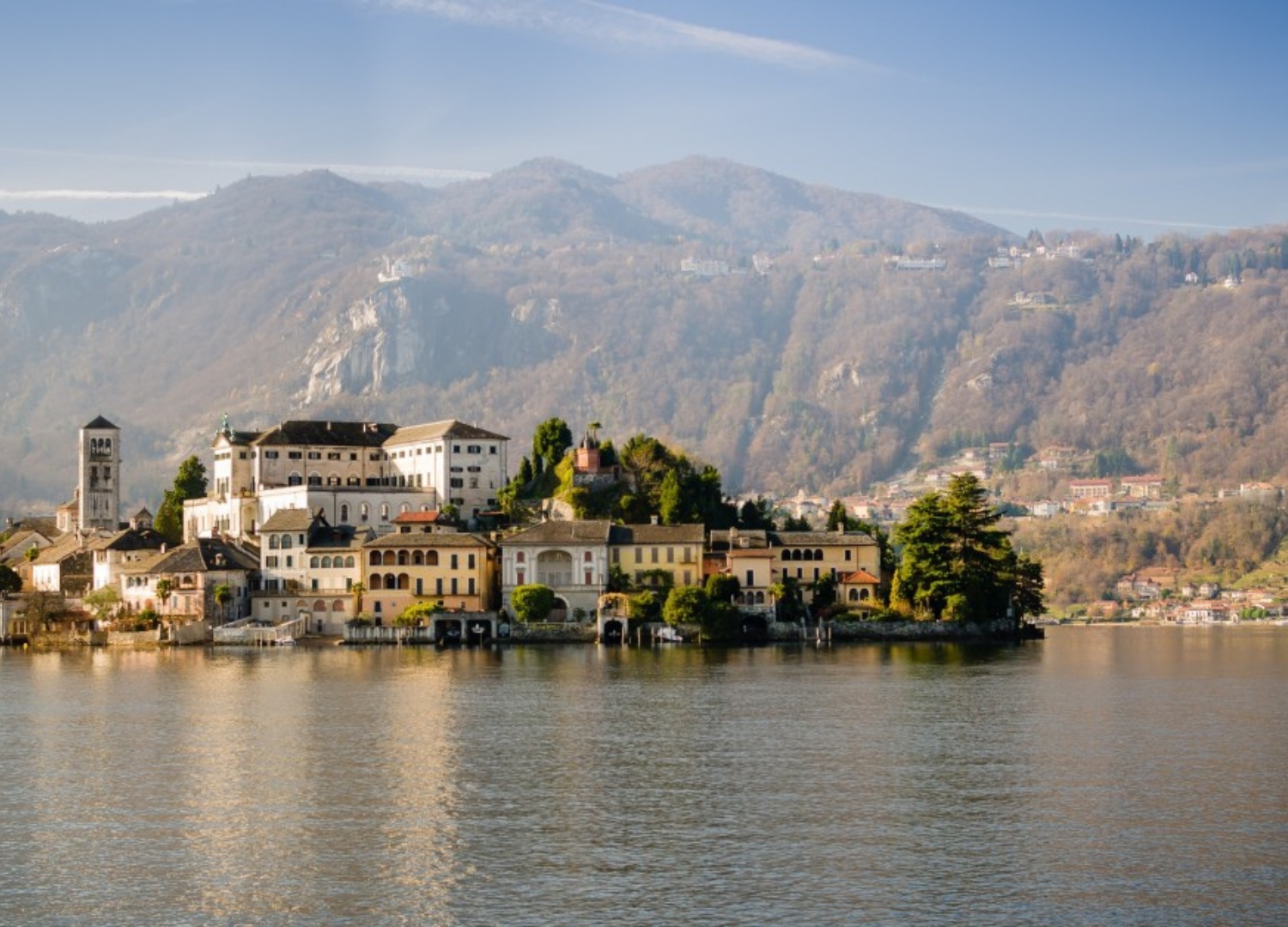
Drive around the southern basin of Lake Orta, Piedmont, and you are in the “distretto del rubinetto,” the district of the tap. San Maurizio d’Opaglio is its centre, and it is one of the most significant places on earth for working brass and making water taps.
However, before taps, there was stone. The granite quarries nearby drew specialised labour around the area, and the villages filled with stonemasons. A second tradition alongside it, the “scuola dei peltrai,” apprentices who emigrated to other parts of Italy specifically to learn the pewterer’s trade from experienced masters, and then came back to open their own workshops. When the quarries emptied out and declined, the area converted, as many of the founders of the first tap factories were previously stonemasons.
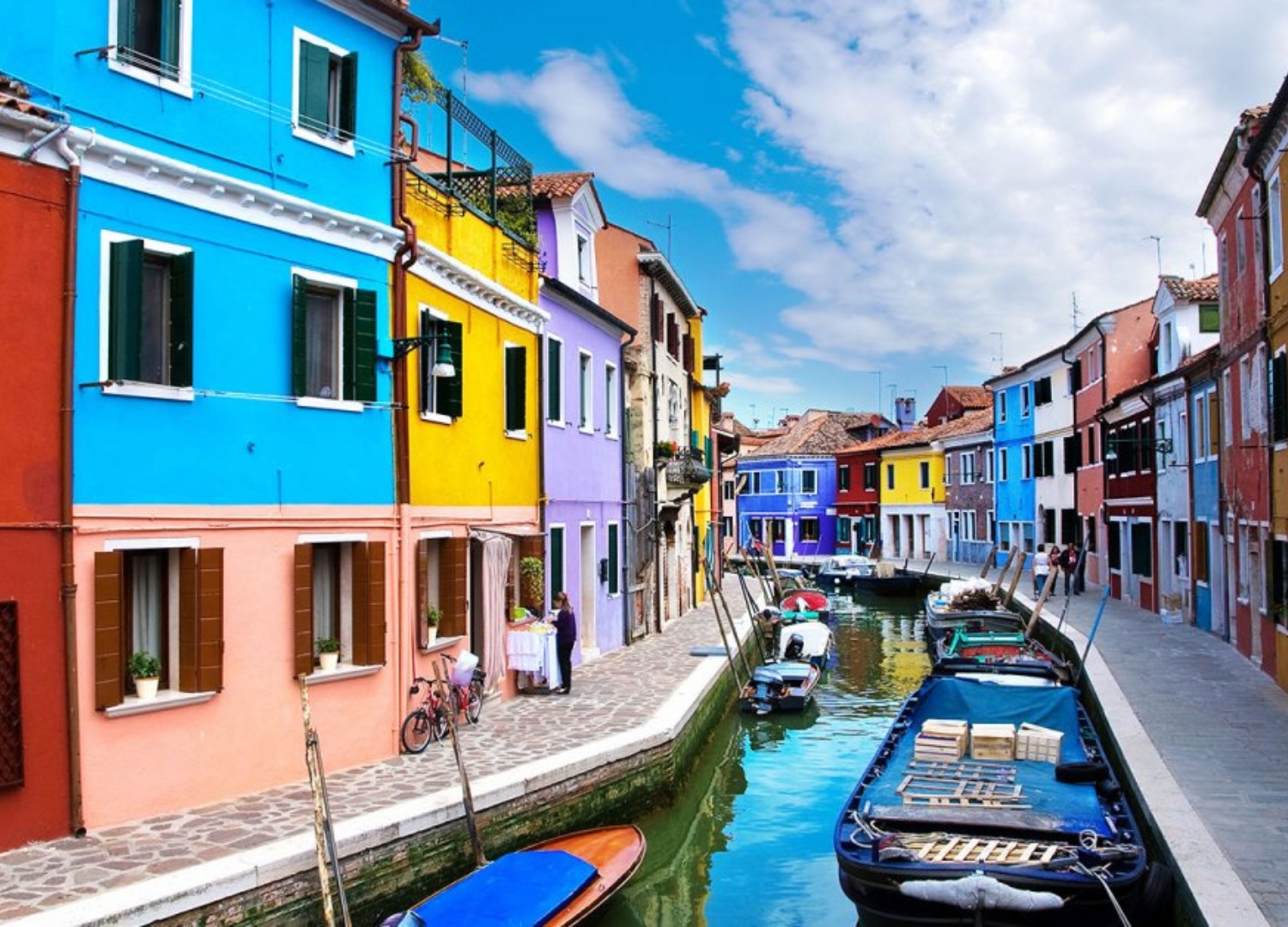
Murano, Venice, Italy
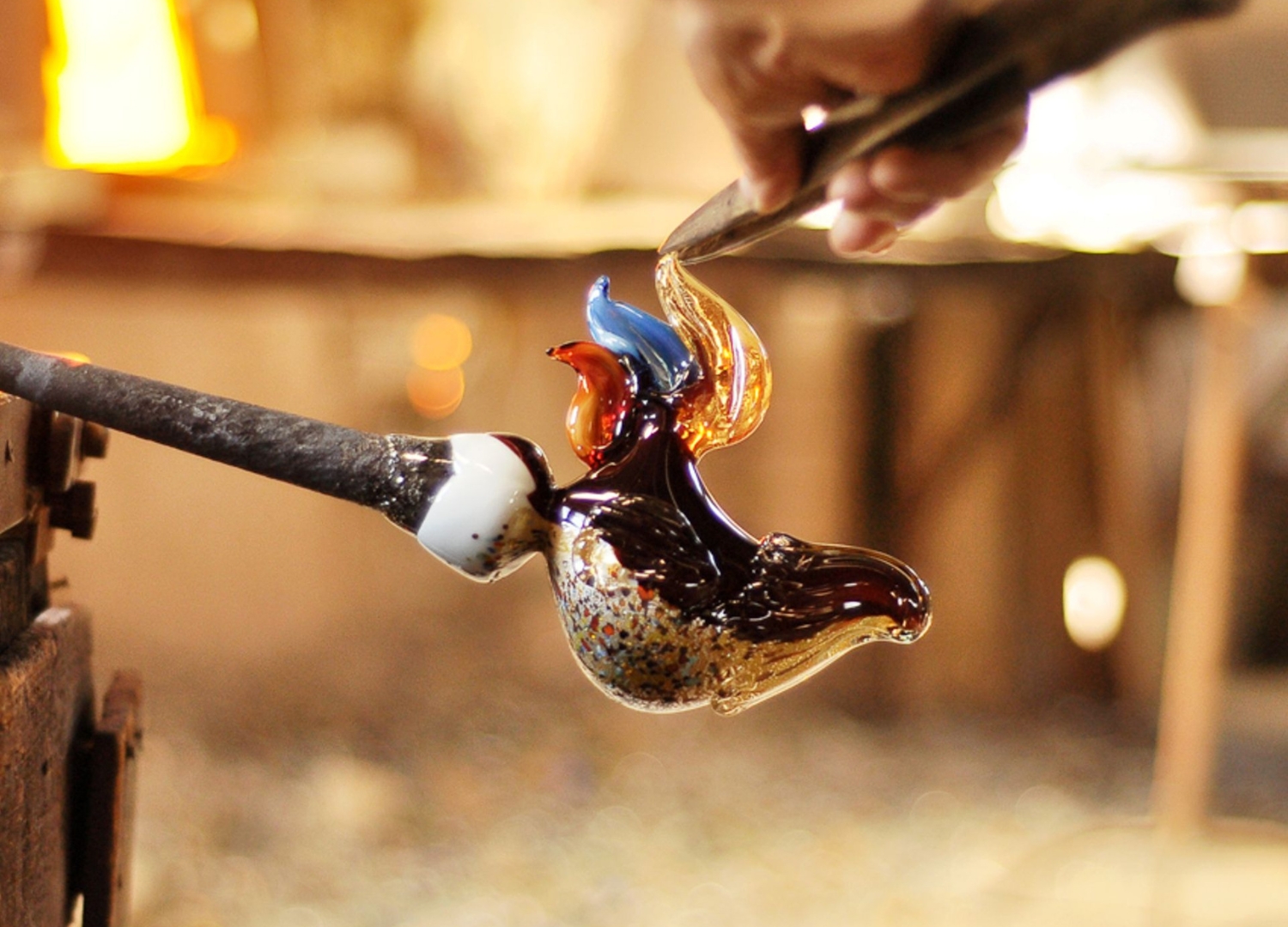
In 1291, the Venetian Republic ordered the glass furnaces to be moved out of Venice and onto the island of Murano, because of fire risk in a densely built wooden city. This resulted in the most concentrated glassmaking community in European history. Murano’s glassmakers were given extraordinary privileges, related to social status and the right to marry into patrician families, but were also simultaneously forbidden to leave, on pain of severe penalty.
Crystal, the near-colourless glass, was not a solitary invention but the output of a community of furnaces refining the same problems of ash and purification while communicating constantly with one another. Techniques that took centuries to emerge elsewhere emerged in Murano in decades. It’s the clearest evidence that contact, not talent, is the best ingredient for innovation.
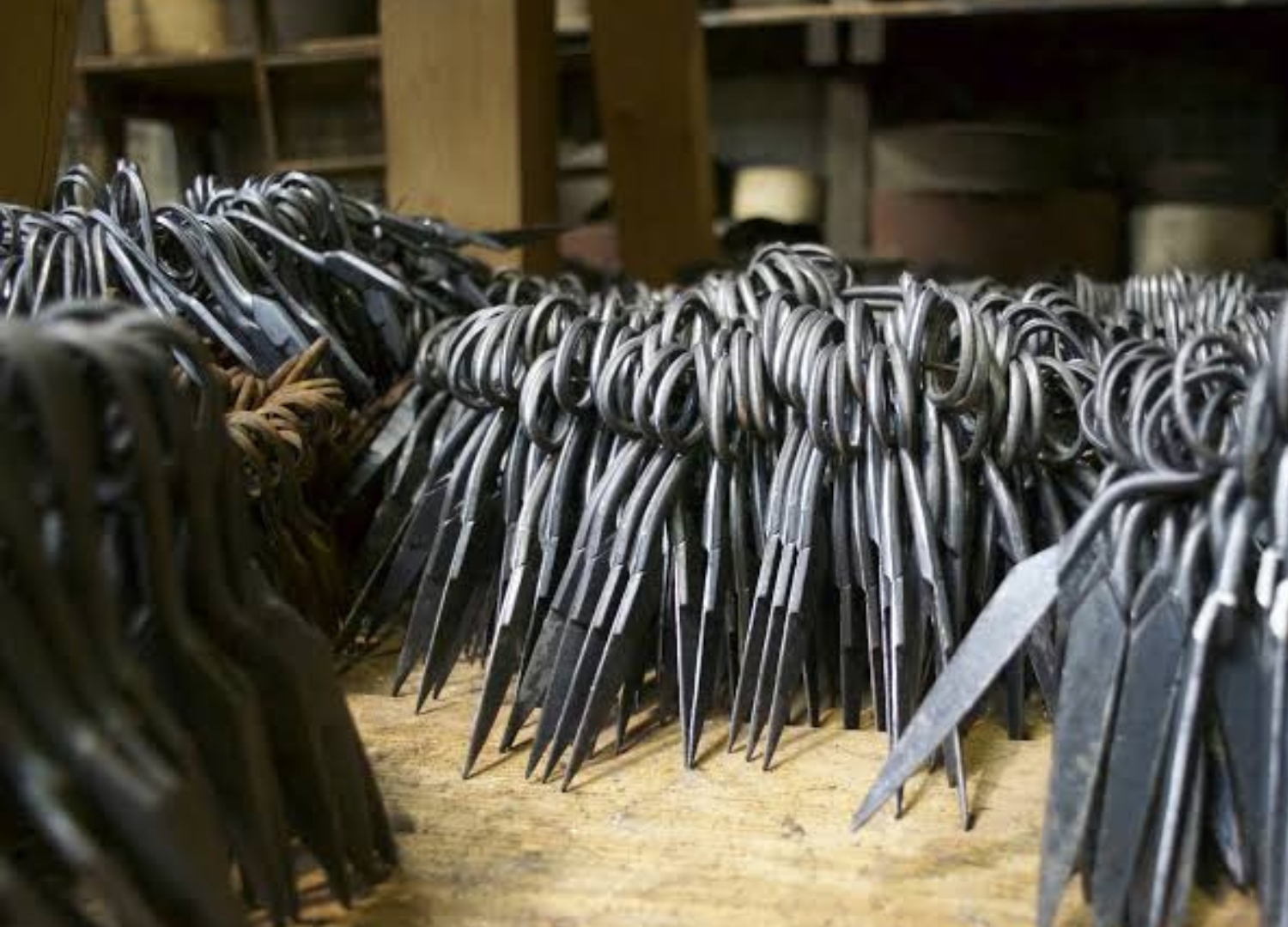
Solingen, Germany
Solingen, east of Düsseldorf, has been making blades since the Middle Ages, and still does. The area had the material conditions to begin a metal machinery industry: iron ores in the ground, forests for charcoal, the river for water power, and Cologne nearby as a trading centre. Still, the industry expanded because of institutional changes. The grinders obtained guild privileges from the 15th century, imposing brutal discipline: controlled apprenticeships, set manufacturing rules, and secretive practices.
Like in Murano, a system built on secrecy worked because everyone involved lived in the same valley and trained in the same way, the secret was kept from the outside world and shared completely on the inside. In the 1960s, Solingen still had around 700 companies employing 19,000 people. The name itself was eventually made into legal property, and in 2012 the city itself was formally granted the right to call itself Klingenstadt, the City of Blades.
Silicon Valley, USA
Silicon Valley is usually narrated through its big players: Apple, Intel, Google, and so on. However, Professor AnnaLee Saxenian’s research shows us this is the wrong lens. She compared two American regions with near-identical starting conditions: Silicon Valley and the Route 128 corridor outside Boston. Both had elite universities, defence contracts, the same technologies. In the 1980s, both hit a crisis, but only one of them recovered.
Saxenian’s explanation is organisational and cultural. Route 128 came to be dominated by large, vertical and self-sufficient corporations that internalised everything and ran on company loyalty. Instead, Silicon Valley developed a decentralised and cooperative system: open labour markets, horizontal communication between firms, engineers routinely quitting to start at competitors with full social approval of their peers, and venture capitalists who moved both money and knowledge.
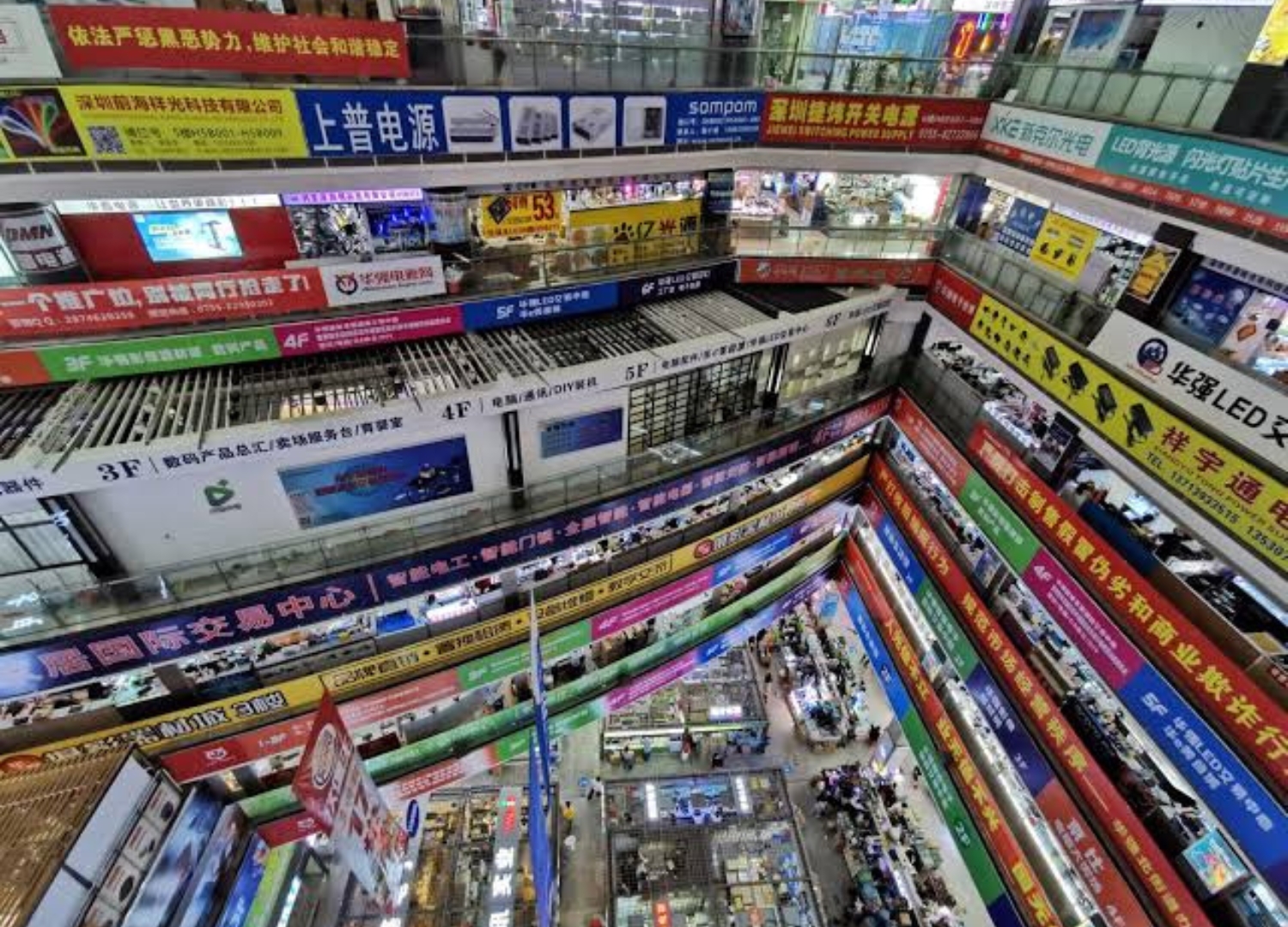
Shenzhen, China
Shenzhen went from a modest settlement to a manufacturing metropolis in roughly four decades, after being designated a Special Economic Zone in 1980. The relevant feature here is not the scale of its factories but the density of its supply chain, most visibly in Huaqiangbei, the electronics market district where components, tools, and prototyping services occupy the same few blocks.
The practical consequence is speed, as a hardware designer can specify a part, find it, have a prototype tooled, and repeat the cycle in days rather than months. The ethics of this district are also uncomfortable though, as the shanzhai phenomenon (fast, cheap, often unauthorised copying and remixing of existing products) is a direct product of the same open knowledge circulation that makes the place innovative. Every district in this article was built on a relationship between knowledge escaped from corporate secrecy: the Venetians criminalised it, Solingen ritualised it, Silicon Valley celebrated it as entrepreneurship, and Shenzhen industrialised it.
For anyone who designs anything, isolation is not a productive condition. Proximity to people who understand your problem, your work, and your ambition is fundamental, and the reason why most designers currently live in big cities close to the industry instead of being evenly distributed across territories like other career streams are. Design is as much of a technical job as it is a cultural product, and the best way to keep developing it is through community and mutual support.