The Pluriversity, education as a catalyst for regeneration
At Future Days 2026, Studio Saol presented the result of a three-year research project for an Irish university: a speculative model that imagines a future where education actively contributes to regeneration.
Presented as part of the “Currents of Tomorrow” programme at Future Days 2026, The Pluriversity is a speculative project by Studio Saol that challenges the current university education system. Starting from the observation that universities are increasingly disconnected from the social and ecological challenges of the real world, the project begins with a simple question: what would happen if education were designed around the regeneration of a specific place?
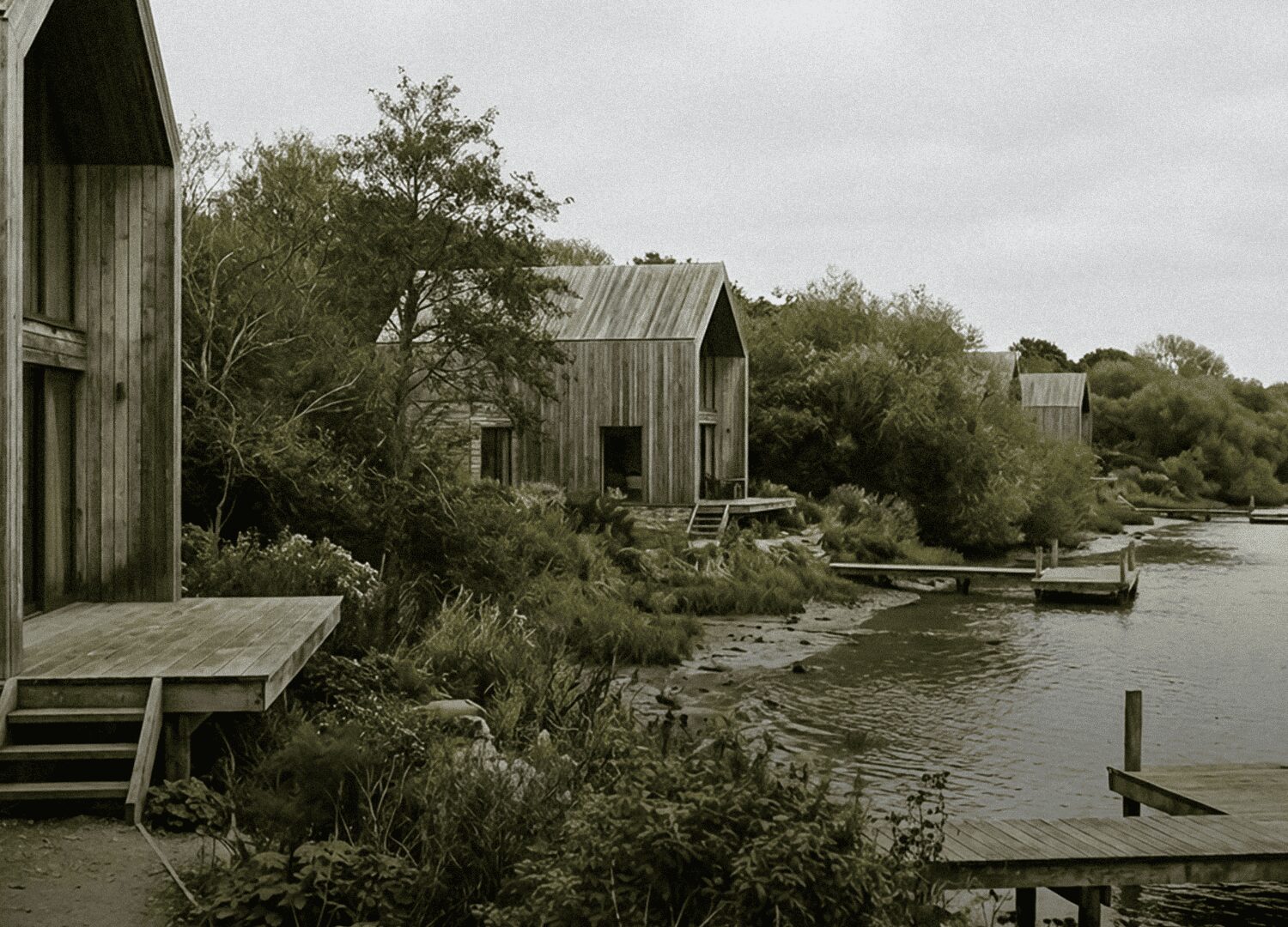
Studio Saol’s answer is a bioregional learning ecosystem: education is no longer concentrated in a single campus, but is distributed across a pathway that develops through a network of Living Systems Labs, each rooted in the places and systems that support collective life.
Gallery
Open full width

Open full width
Pluriversity, Future Days 2026:
The university of the future
Ecological crisis, growing inequality, rapid technological transformation: these are just some of the complex changes that society is facing but that, at the same time, are transforming our everyday lives to such an extent that institutions are losing not only their ability to respond to change, but also their opportunity to help shape it. Sustainability targets and reforms are not enough, and Studio Saol proposes an alternative, the Pluriversity: a new institution no longer focused on the production of academic publications and knowledge within separate fields, but on the tangible health of communities, places and the futures that can exist.
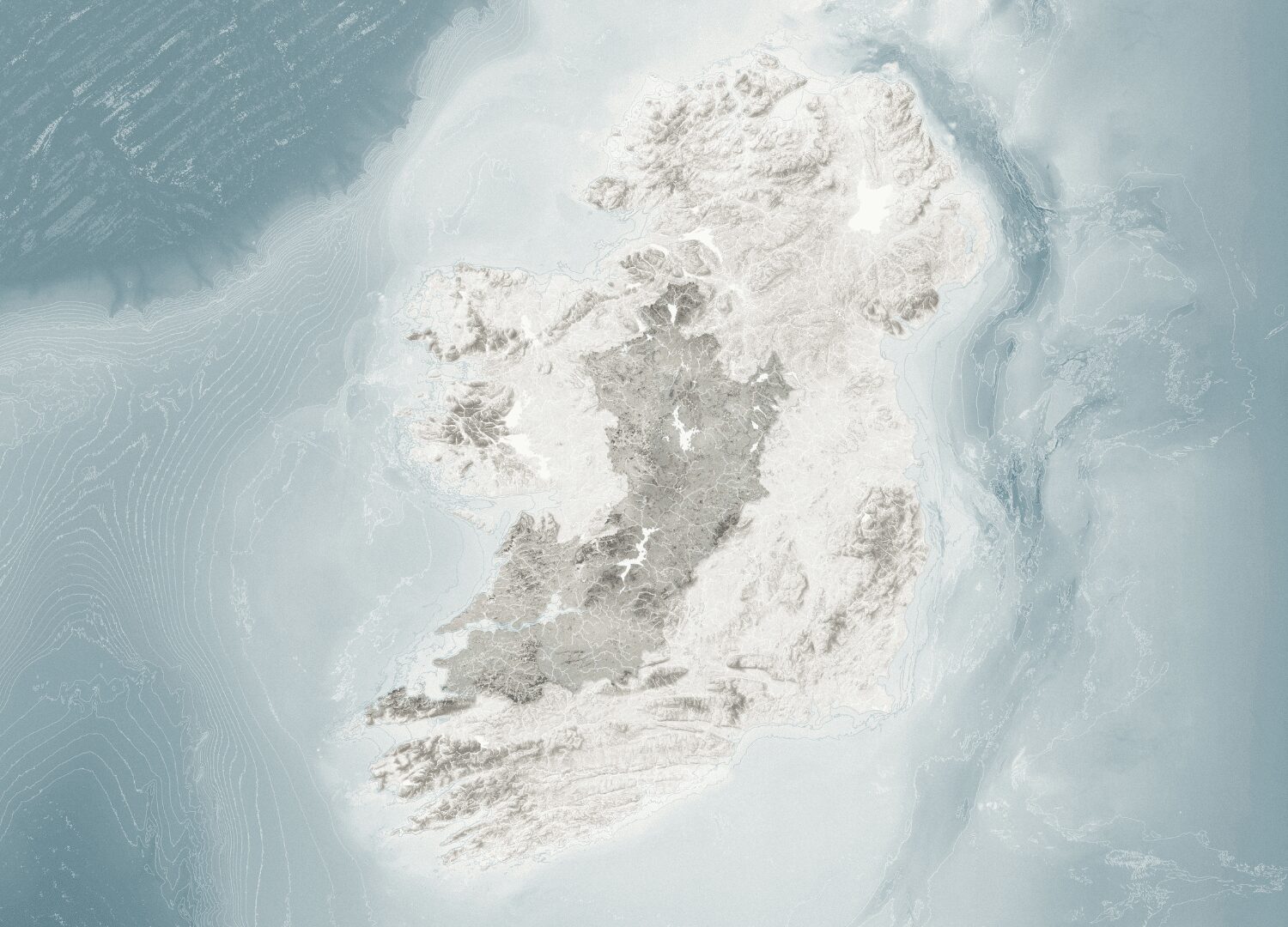
Based in Limerick, Ireland, the Studio is rooted in the Shannon River bioregion and uses this territory to develop a new educational model: the team proposes a network of Living Systems Labs – each specific to a bioregion and focused on a particular theme – where future students can explore and actively participate in regenerative practices related to food, energy, governance, ecology, production and everyday life.
The Pluriversity, a speculative project rooted in a real need
The Pluriversity was born from a real brief: to develop a strategic design project for a large Irish university, with the aim of defining a long-term strategy. From there, Studio Saol began a three-year research journey. Through a series of academic papers, the team identified the need to adopt regenerative development as a new paradigm and, with the help of speculative reports on possible future scenarios, developed a participatory toolkit, the “Futures Café”.
This new phase was characterised by real conversations with students, university staff and communities, to test the ideas through lived experience. One scenario attracted particular attention and continued to emerge more than the others: a plural, interconnected institution rooted in place, which was given the name The Pluriversity.
The project presented at Future Days 2026
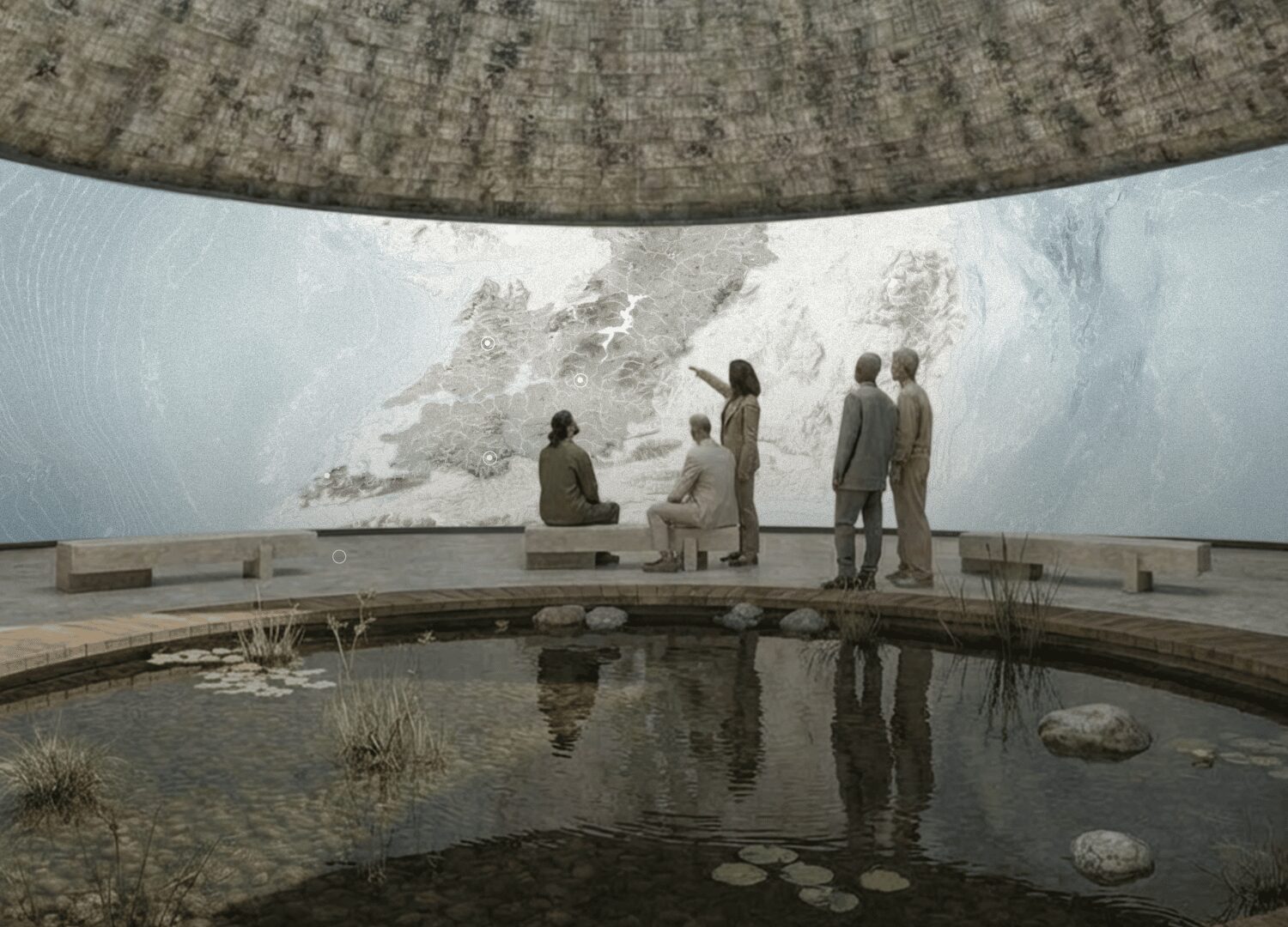
How can you show a speculative university that does not yet exist? To answer this question, Studio Saol created an installation that allowed visitors to experience it as if they were potential students in the year 2070.
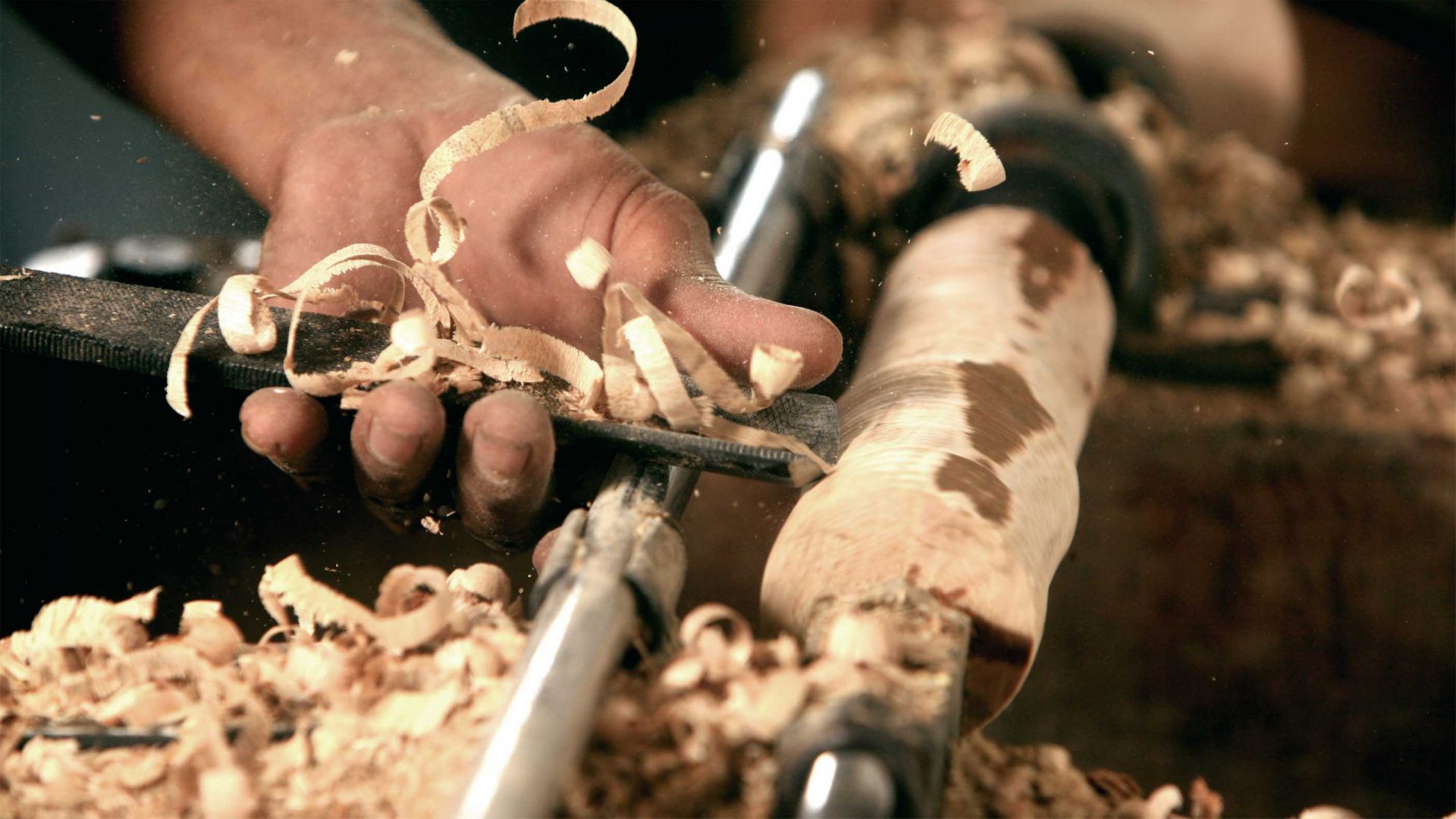
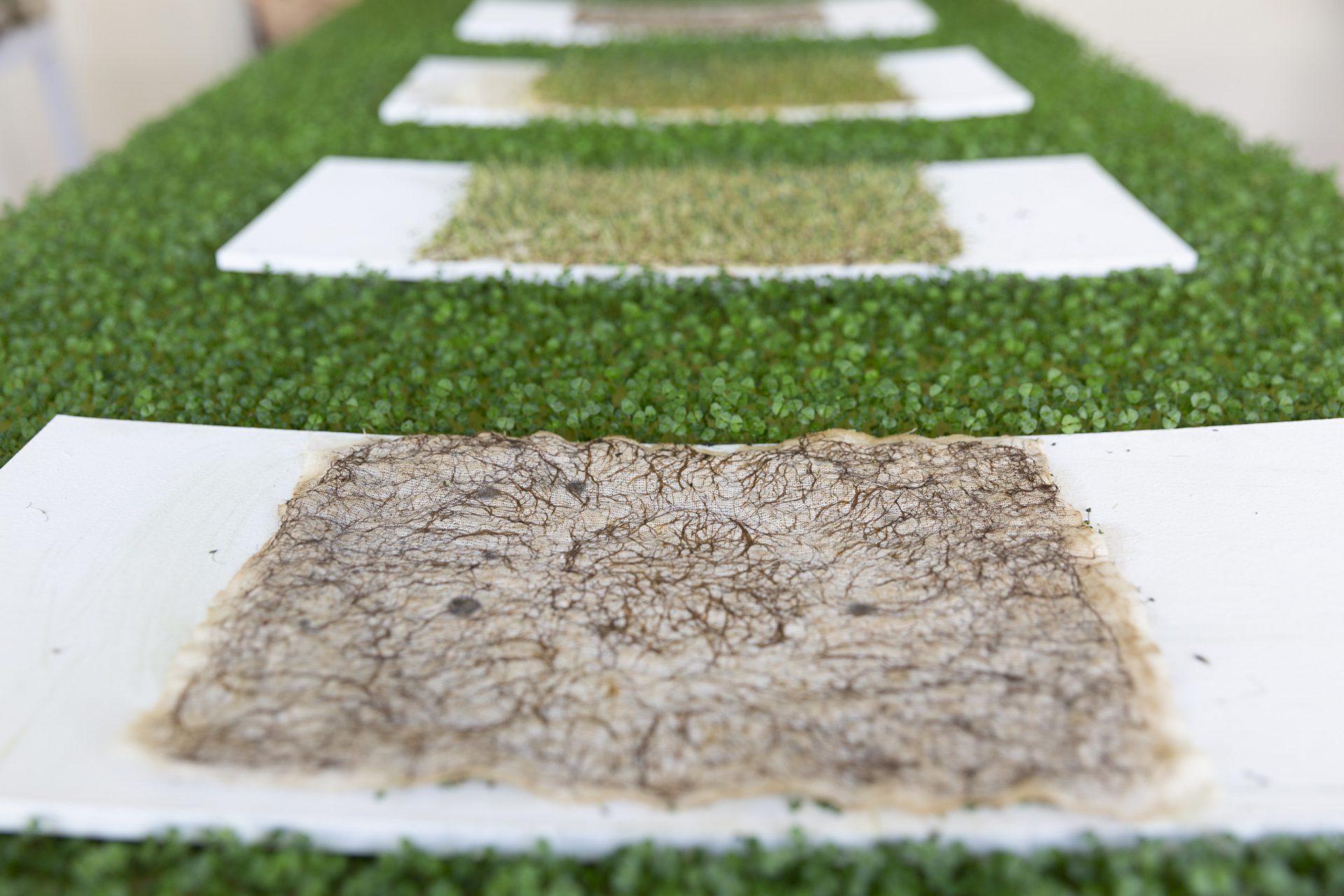
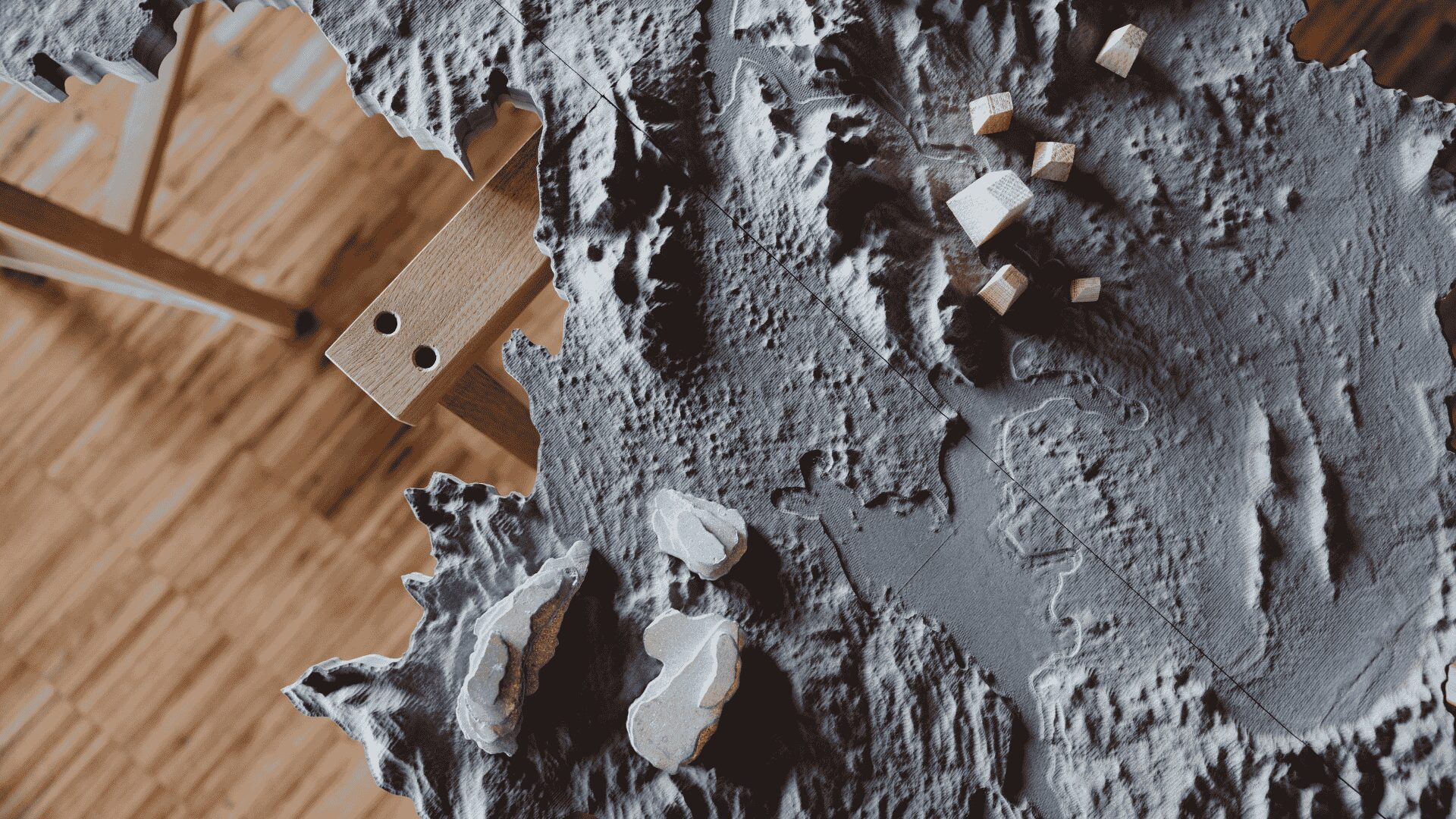
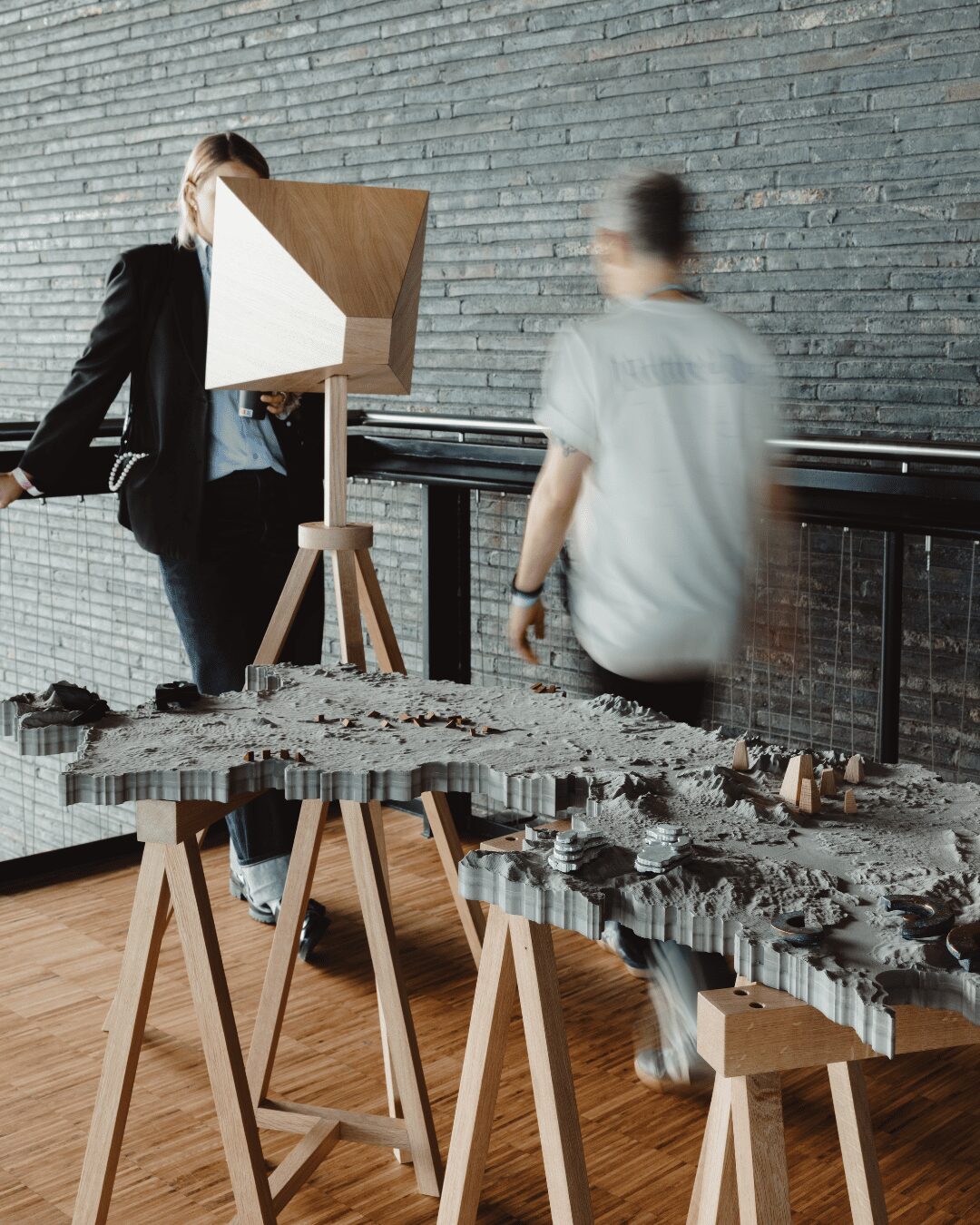
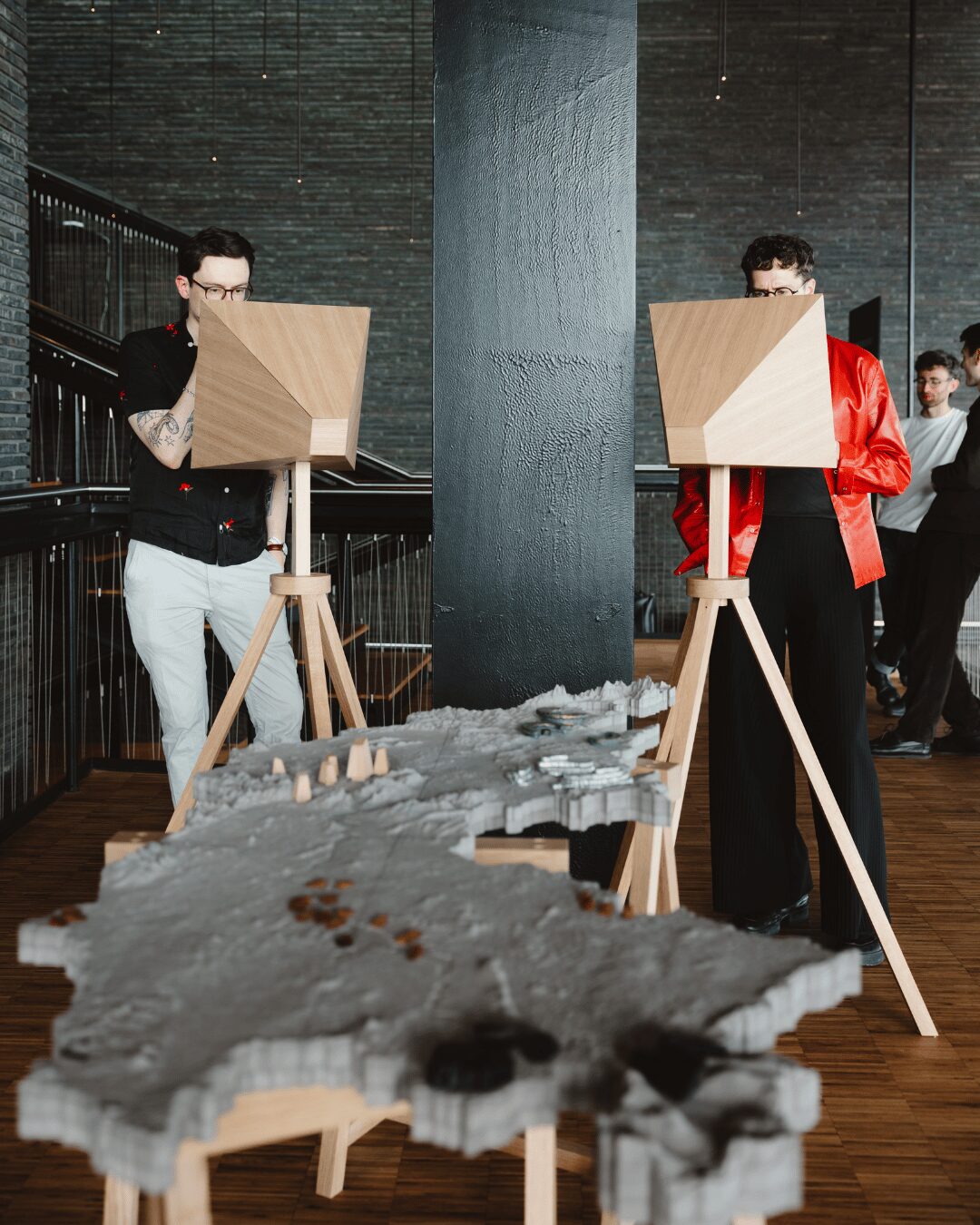
Welcomed by a short film inviting them to immerse themselves in the context through an interactive map of the Shannon River and the communities surrounding it, participants encounter an architectural model of the bioregion, made with materials sourced from the five campuses, the Living Systems Labs: reclaimed bricks, copper, native Irish oak and bog oak dating back centuries.
Around the model, three handmade viewers transport the new students to three different Labs, revealing their characteristics: the mission, the story of a participant, an artefact from the future and the learning cycles they can take part in.
The exhibition project takes up the concept behind the Pluriversity, encouraging visitors to experience an approach based on active participation. Through the exhibition, Studio Saol makes a hypothetical future of education understandable, the result of a complex research project rooted in a real request from a university.
As Adam Barry, Futures Director at Studio Saol, explains: “Part of our work is to make this change visible and understandable to the people around us, to those in positions of power and influence and, most importantly, to the people who will live those futures.”