What a children’s toy can teach us about considered design
James Murphy’s award-winning Casul chair proves why following a detailed and complete design process leads to better results.
James Murphy‘s brief for his final-year project at Nottingham Trent University was short and specific: design a piece of furniture that enhances and encourages play for children, focusing on longevity and open-ended engagement. His interest in designing for children comes from his time spent working for LEGO, as Murphy believes it is a more fun and rewarding discipline than adult-facing design.
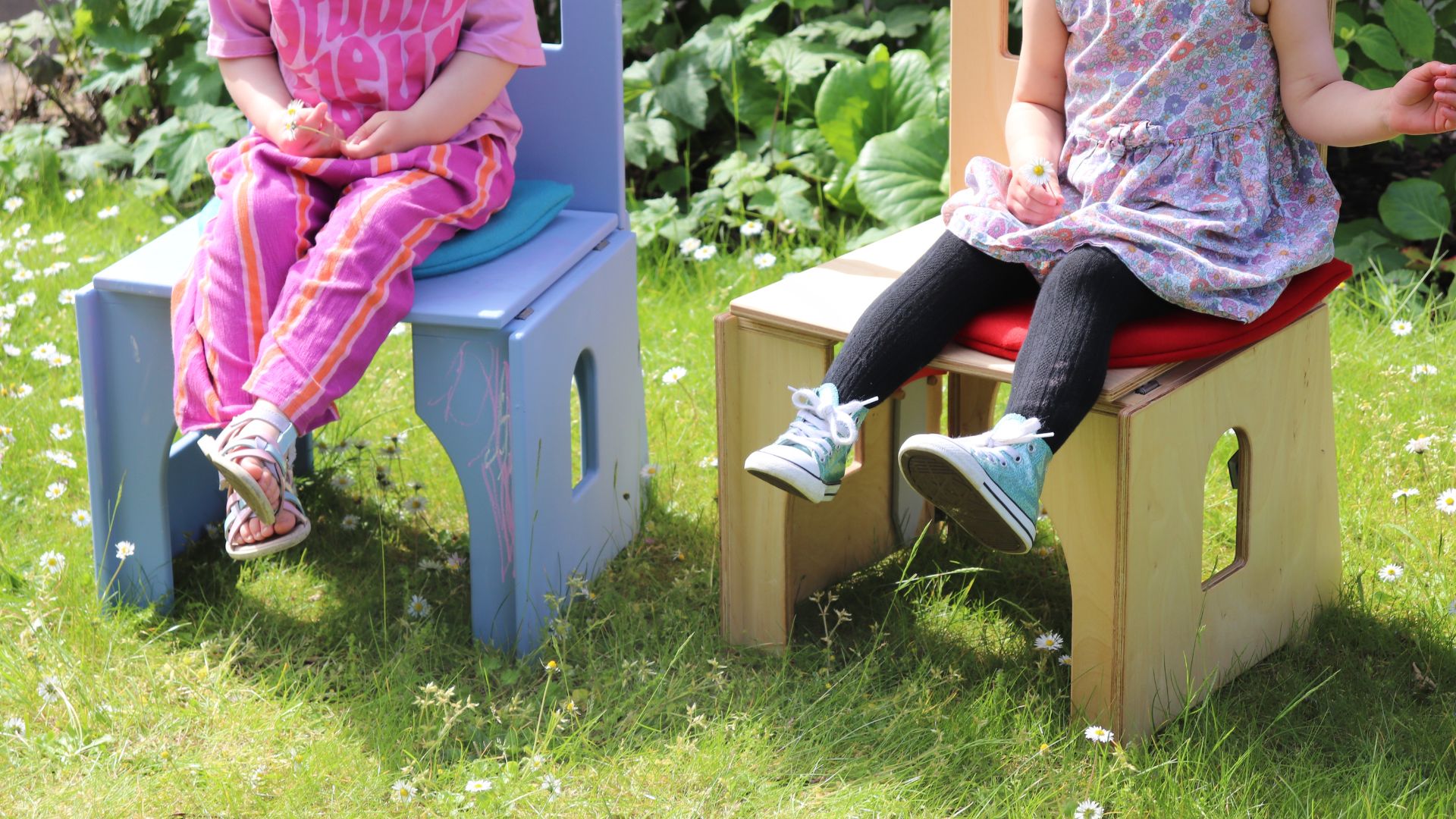
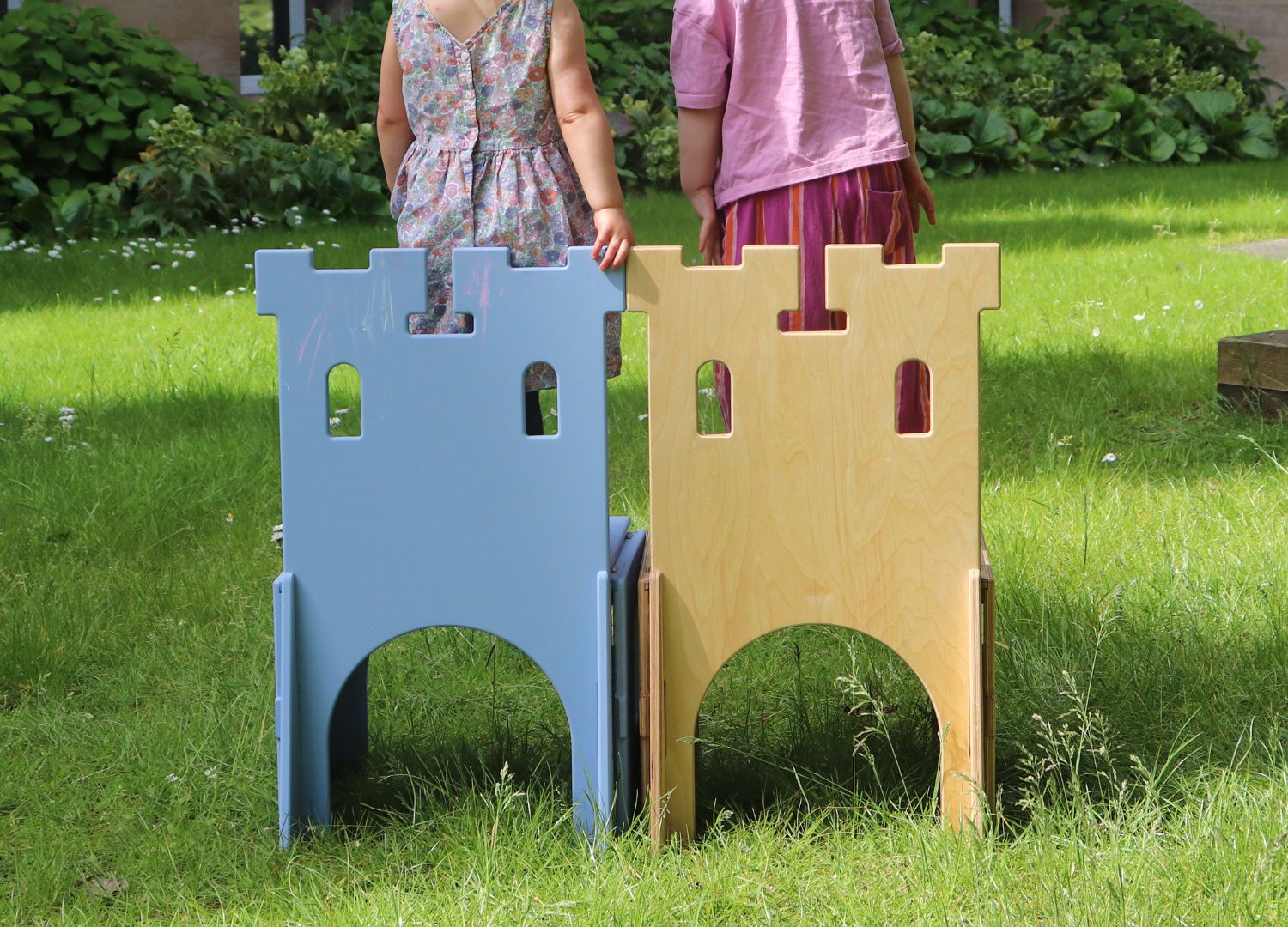
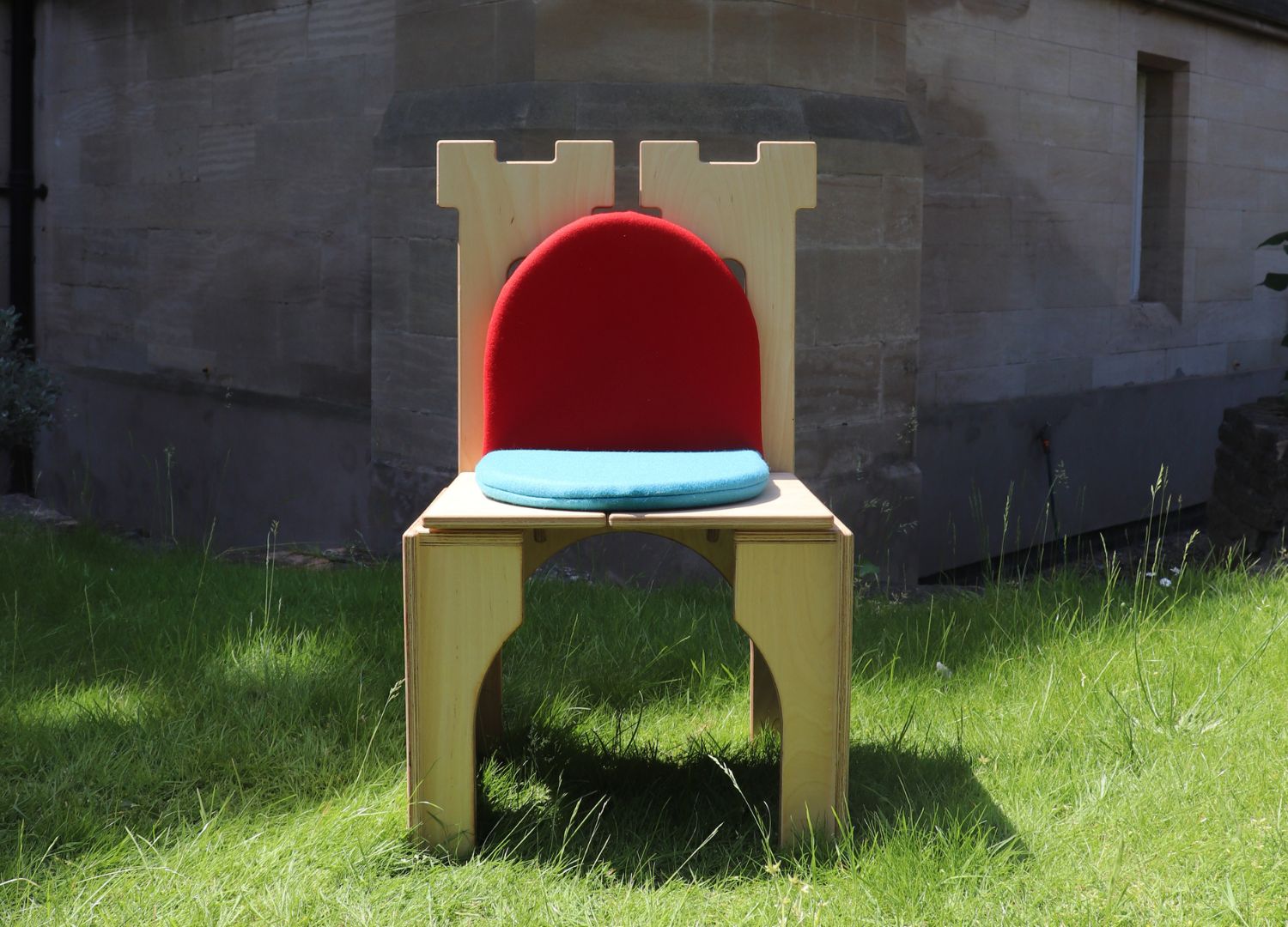
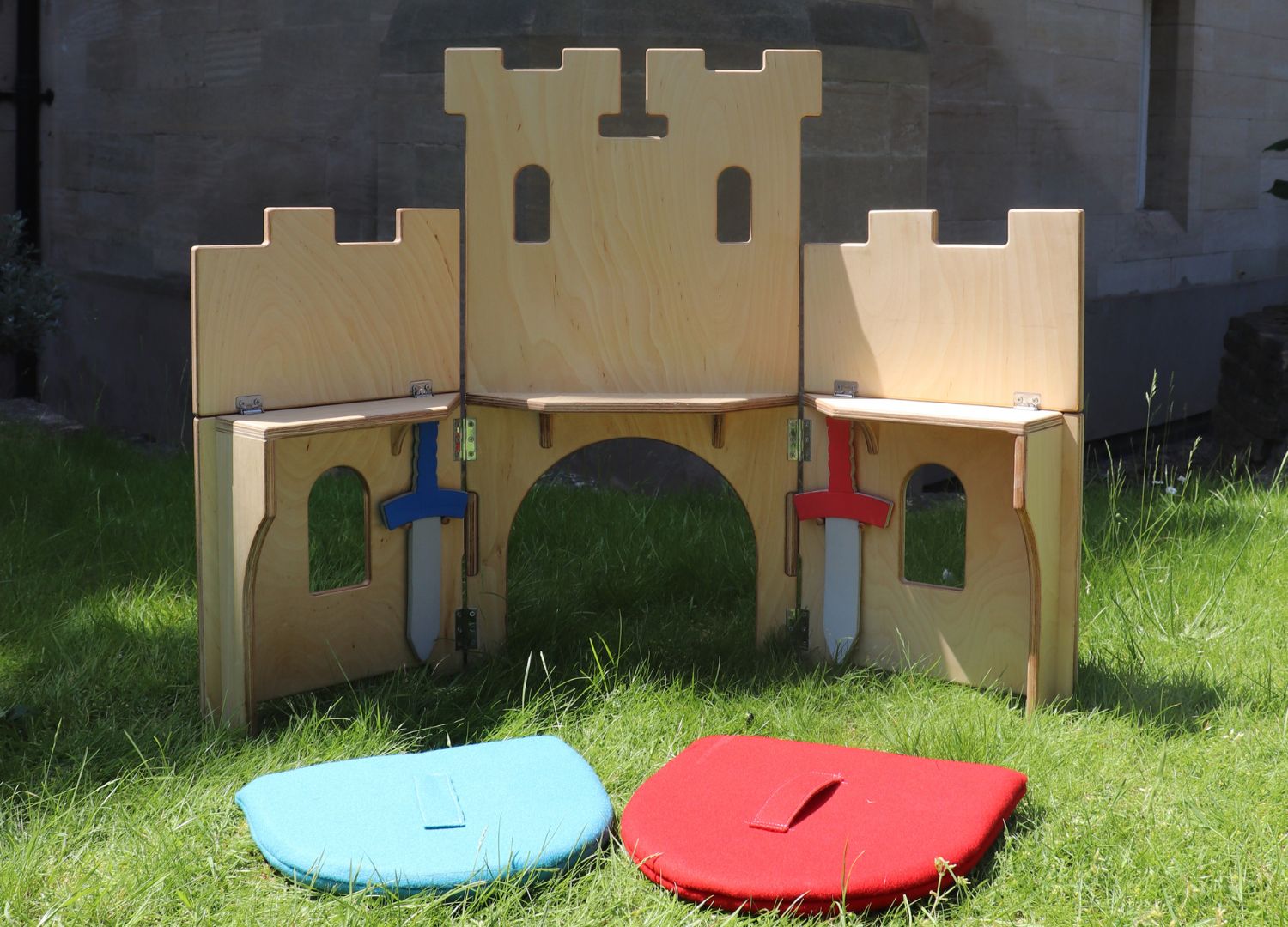
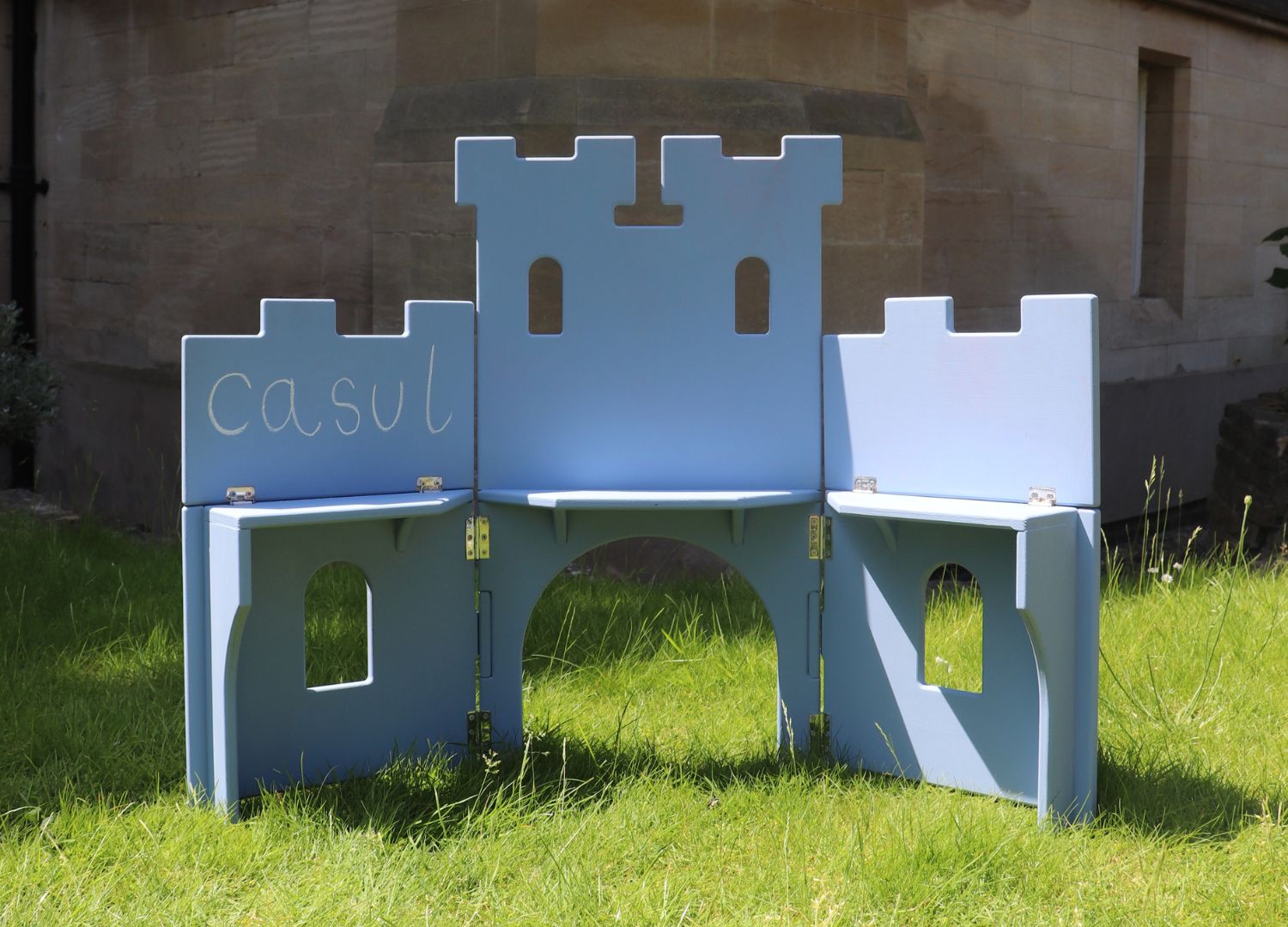
The result is Casul, a chair for children aged 3 to 8 that folds in two moves from a small plywood throne into a castle, which has earned the designer Habitat’s Future Design Award at London’s New Designers showcase.
Gallery
Open full width
Open full width
Casul by James Murphy
An iterative process
Before he had a finished object, Murphy wrote himself a checklist. The design needed to appeal to both boys and girls, support imaginative roleplay, let children express their own creativity, and hold up whether a child was playing alone or in a group. To tick his boxes, the designer went through some testing sessions with children in real life, which ended up reshaping the final design.
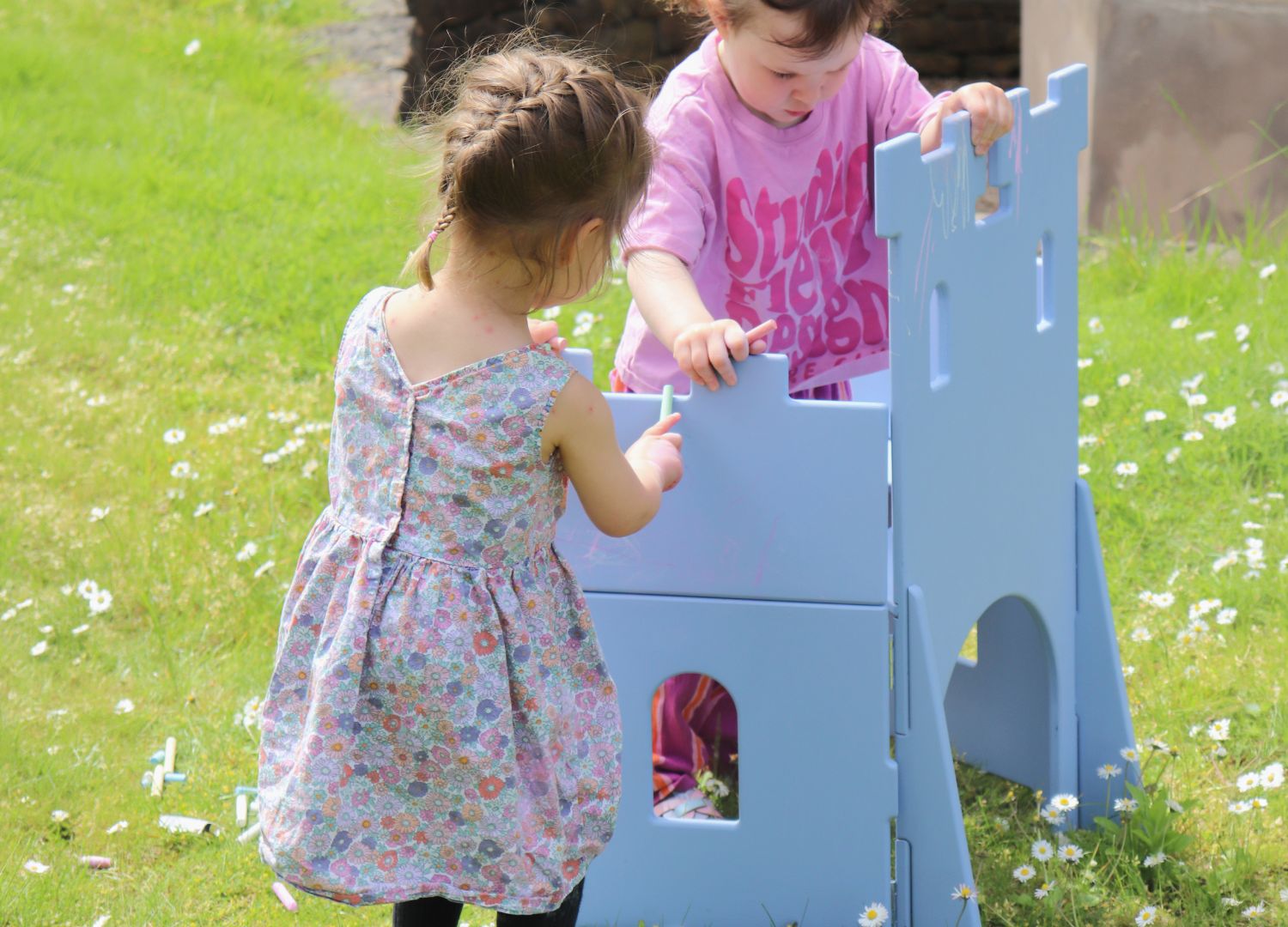
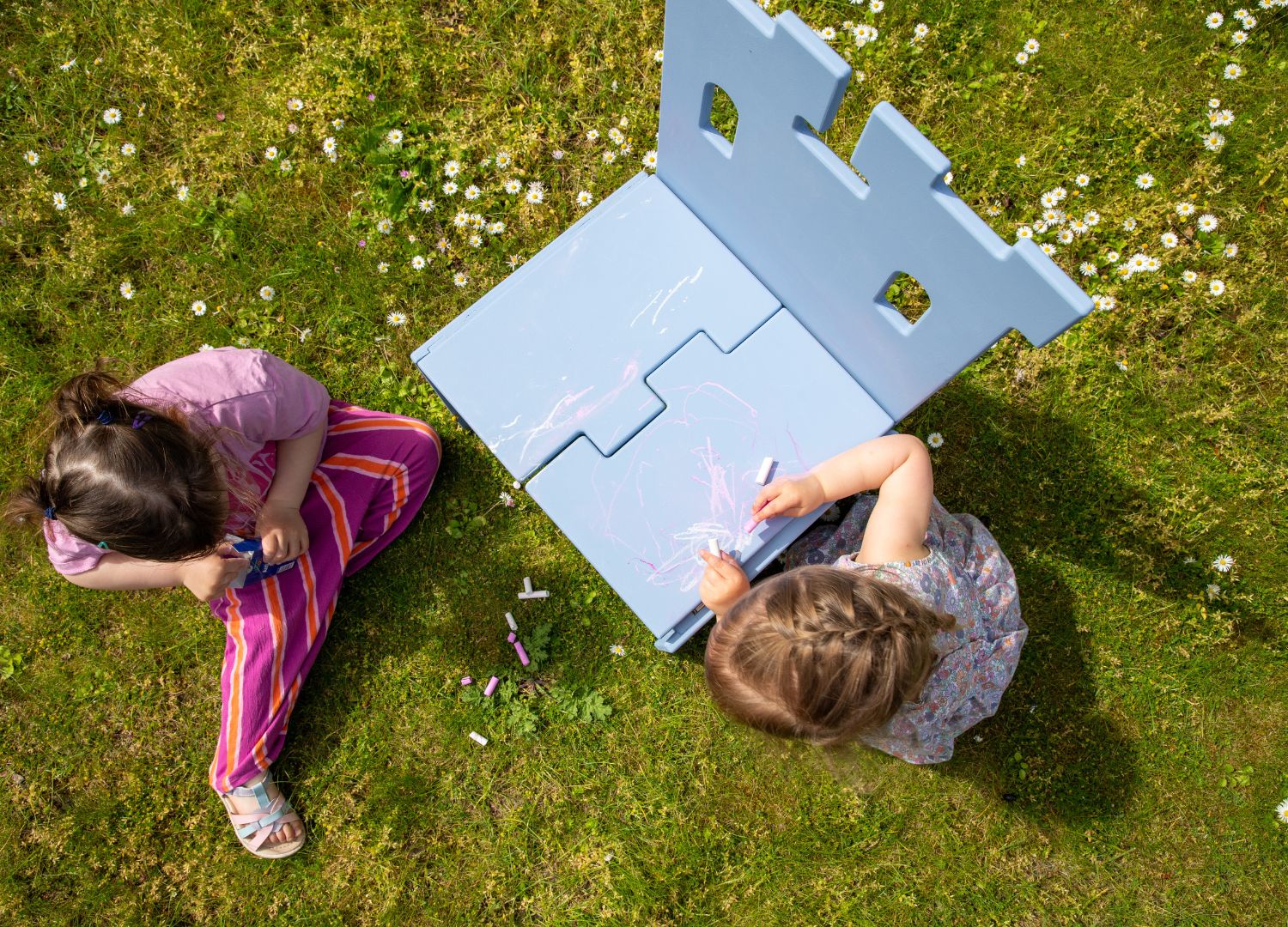
The first session was with a 3-year-old girl, to test whether the design was legible at the youngest end of the age range. It worked out, as the child was able to transform the chair into a castle almost entirely on her own. Then, she began doing things he had not planned for, like dragging it around, climbing onto the seat and jumping off, and drawing all over it. This last action inspired him to create the chalkboard version of Casul.
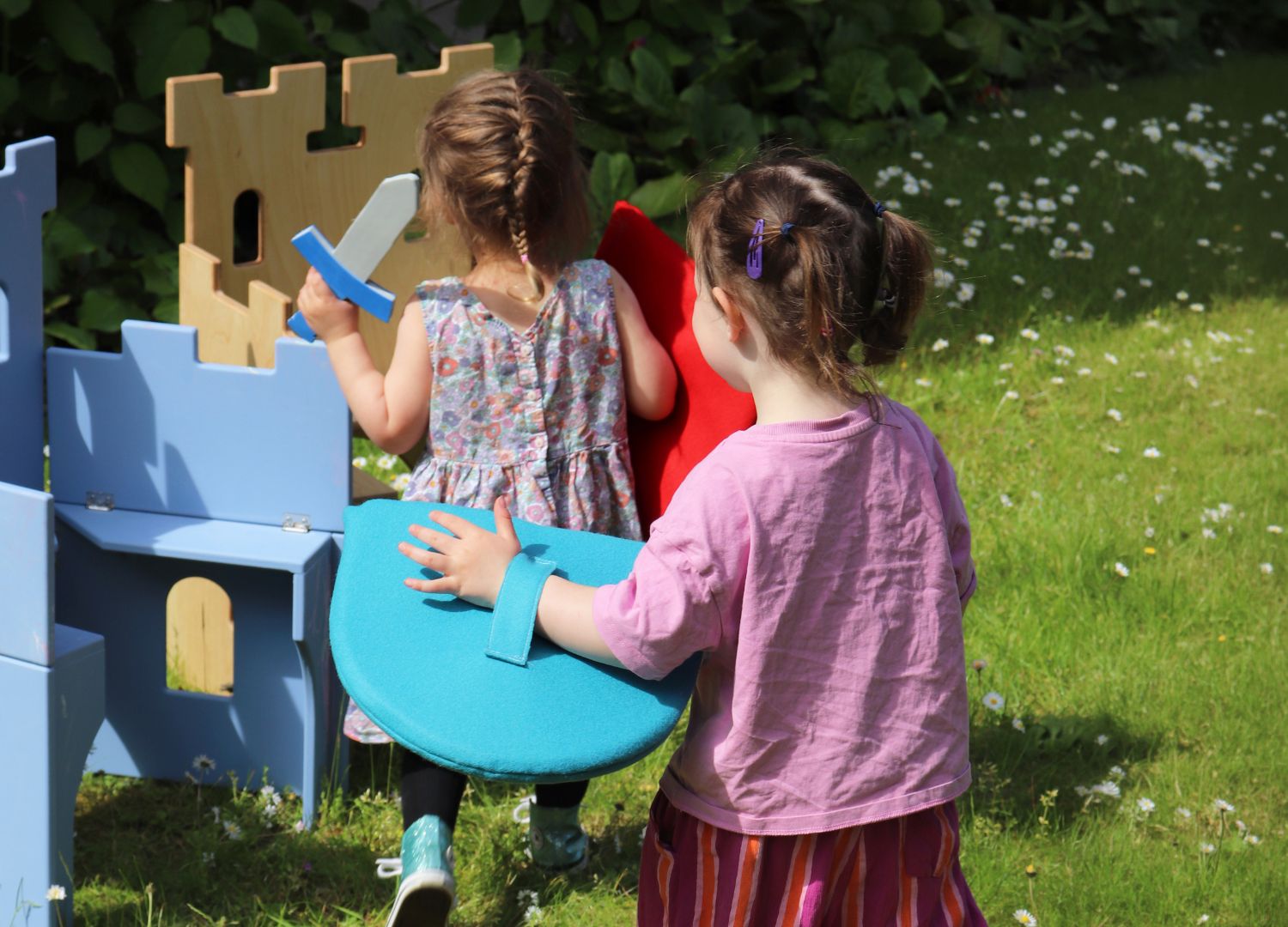
The second test involved three boys, all fans of Super Mario Bros, who immediately interpreted the castle as the game’s Bowser’s Castle, and started decorating it, writing on the panels, and climbing through the archway. They then included LEGO Duplo pieces into their game, roleplaying a siege, which told Murphy that the design worked for groups and welcomed other toys into the play, while also warning him that children would push the object harder physically than any adult would.
A dual design
From these testing sessions, Murphy understood that Casul had to exist in two versions. The natural birch version comes with two cushions as a backrest and seat, which can then become a pair of shields, with two foam swords hidden inside the structure as a surprise. This version is built for two children playing together, and it doubles as a tidy storage solution once the swords go back inside. The wood is finished in Osmo Polyx-Oil, a food-safe oil finish chosen so that the children can still feel the grain of the plywood instead of a plastic surface.
The second version is coated in chalkboard paint, turning the entire structure into a drawing board for children, which can be wiped clean after playing. This version can also come in many different colours according to the availability of chalkboard paint.
Mechanical approach
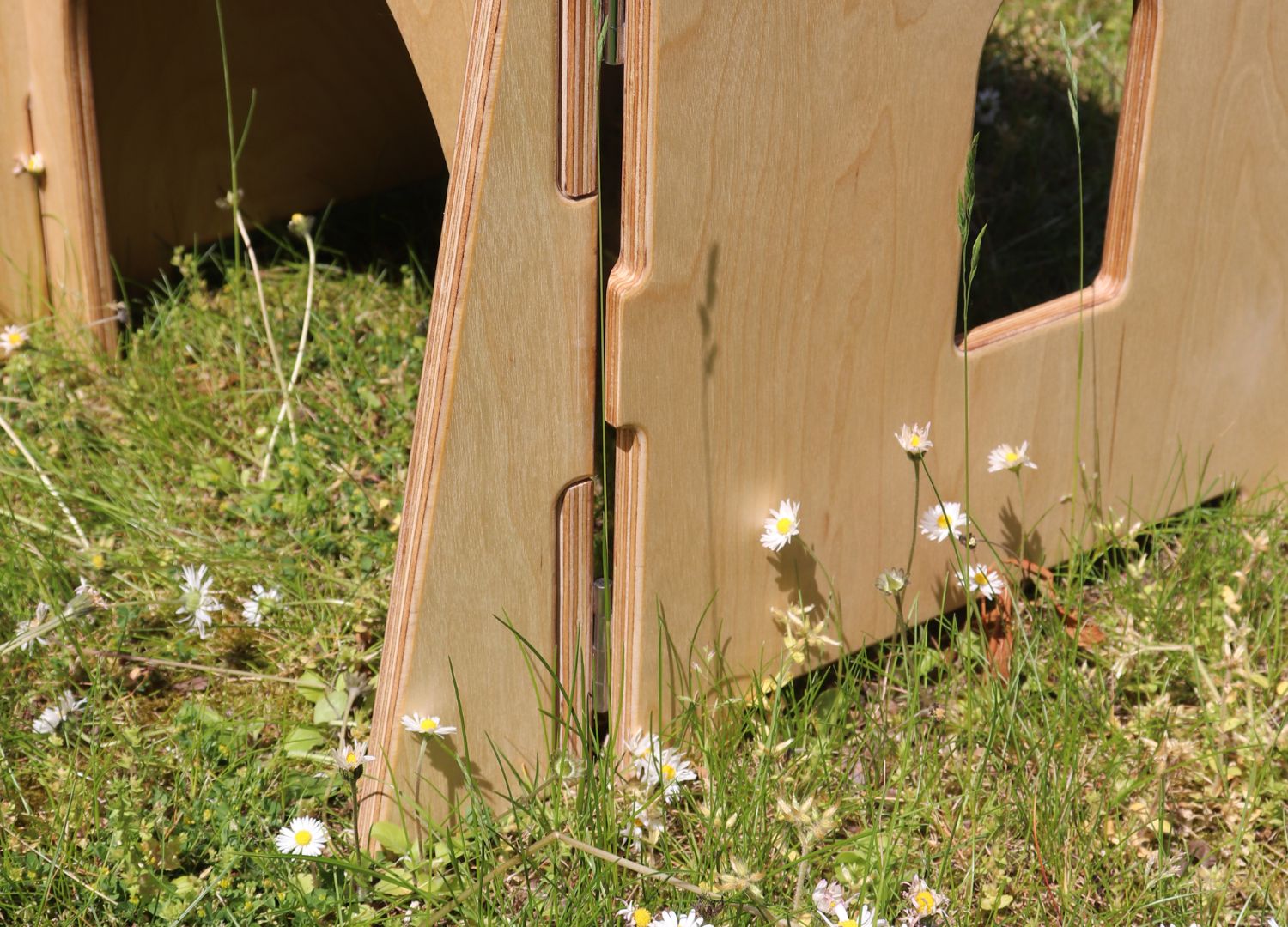
The mechanics of both versions are where Murphy shows his industrial design training. Back legs give the folded chair stability, two small blocks stop it from folding completely flat, and torque hinges on the seat panels are chosen so the child’s fingers won’t get stuck during the transformation. The cut-out turrets in the seat panels line up perfectly with a window in the backrest once the piece is unfolded into castle mode, while two larger cutouts in the chair’s sides are sized for adult hands, so a parent can lift and carry the chair around.
Casul was also built with commercial manufacture in mind from the beginning, which separates it from a lot of student project furniture that would never survive contact with a spec sheet. Every component is machined from a single face of a birch sheet, which saves CNC time and operator effort. It’s a reminder that the project’s real achievement isn’t just the chair-to-castle transformation, as appealing as that is, but the discipline of designing something genuinely open-ended, safe, tested, and manufacturable. While many younger (and older) designers strive for the wow effect, it is holistic and considered projects like this one that keep the design discipline going.