Lise Vester and designing for the mind
Looking at Lise Vester’s work it may seem like simple furniture and objects, but behind them there is a deeper reflection on how design can shape emotions, perception and everyday wellbeing.
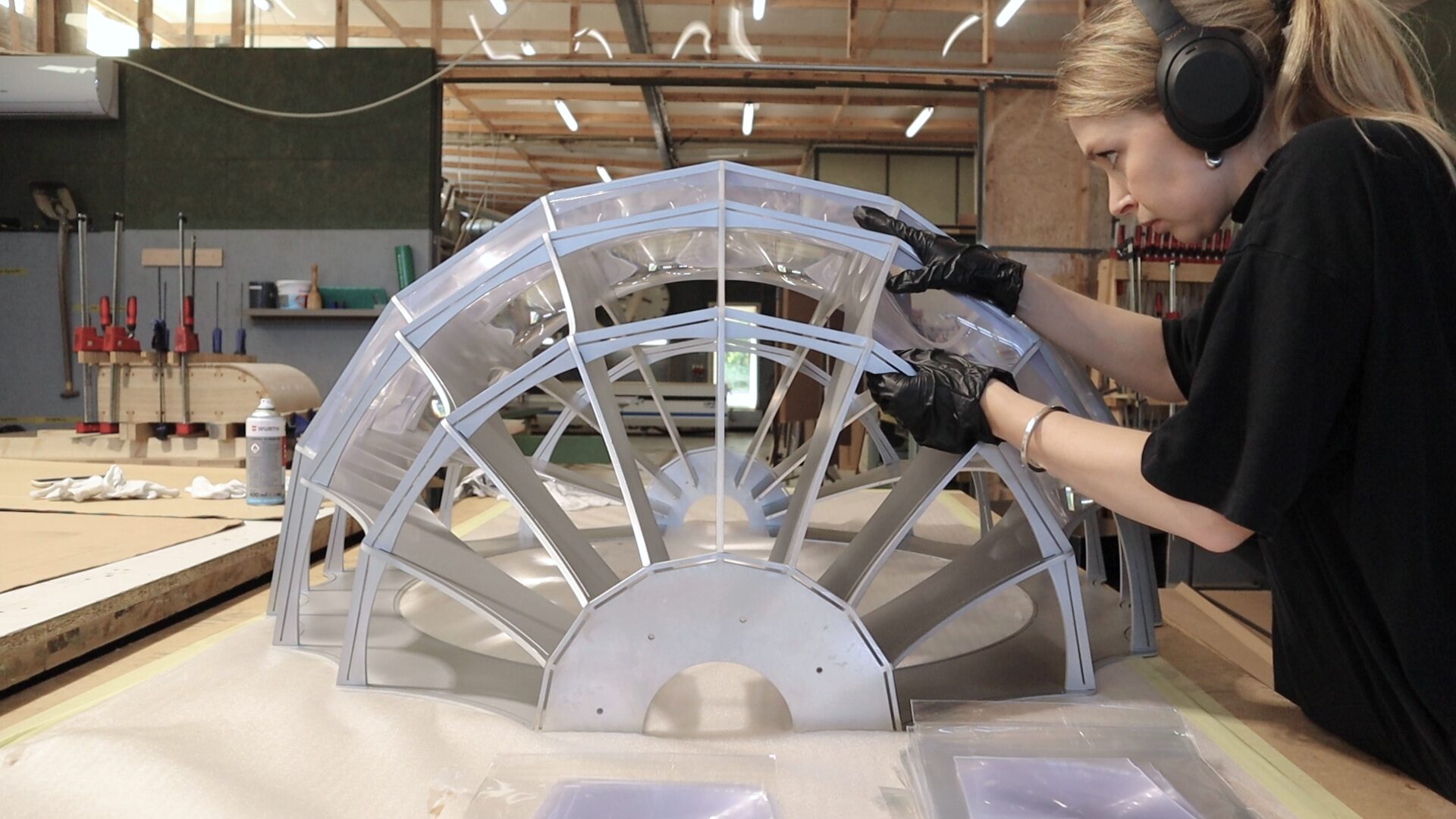
Lise Vester, a designer who struck me immediately because of her work. At first glance, her design felt like a well-balanced combination between functional objects and objects that can be narrated. There was something practical, but also something that clearly wanted to be told.
Looking closer – and especially after talking with her – I realized there was much more behind it. You can understand her design theory much better once you connect different dots: parts of her biography and parts of her way of designing. When those elements meet, everything becomes clearer.
Gallery
Open full width
Open full width
Lise Vester – Highlights:
Education and the influence of research
Lise studied at the Royal College of Art, a place that is known for pushing students into very deep research, often dealing with complex themes. During her time there, she worked on research connected to mental health and the medical field, especially focusing on how design could improve the wellbeing of people in hospice environments.
Hospice is, as we know, a space connected to end-of-life care. It is a dramatic and delicate situation. Yet even in such contexts, design can play a role. Through reflection, atmosphere, and interaction, objects can influence how people feel.
This research refined Lise Vester’s understanding of design. Even though she later worked on lamps, furniture, and everyday objects (things that apparently have nothing to do with mental health), her background shaped the depth of what she does. The objects might look simple or domestic, but the thinking behind them is layered.
When the domestic space became central
Then Covid happened. During the pandemic, we were all forced to stay inside our homes. Conversations about mental health, which had often been left aside, suddenly became central. People started talking openly about wellbeing, about connection, about the psychological effects of isolation.
At that moment, many designers began reflecting on how design could support people inside domestic spaces. Not only through technology, but through the atmosphere. Through softness. Through light. Through small gestures.
Lise Vester was already thinking in that direction.
Designing the experience, not just the object
At a certain point, she asked herself: can I create objects that allow people to enjoy their environment differently? Can small interventions make everyday life slightly better? The focus shifted from the object itself to the experience that comes with it.
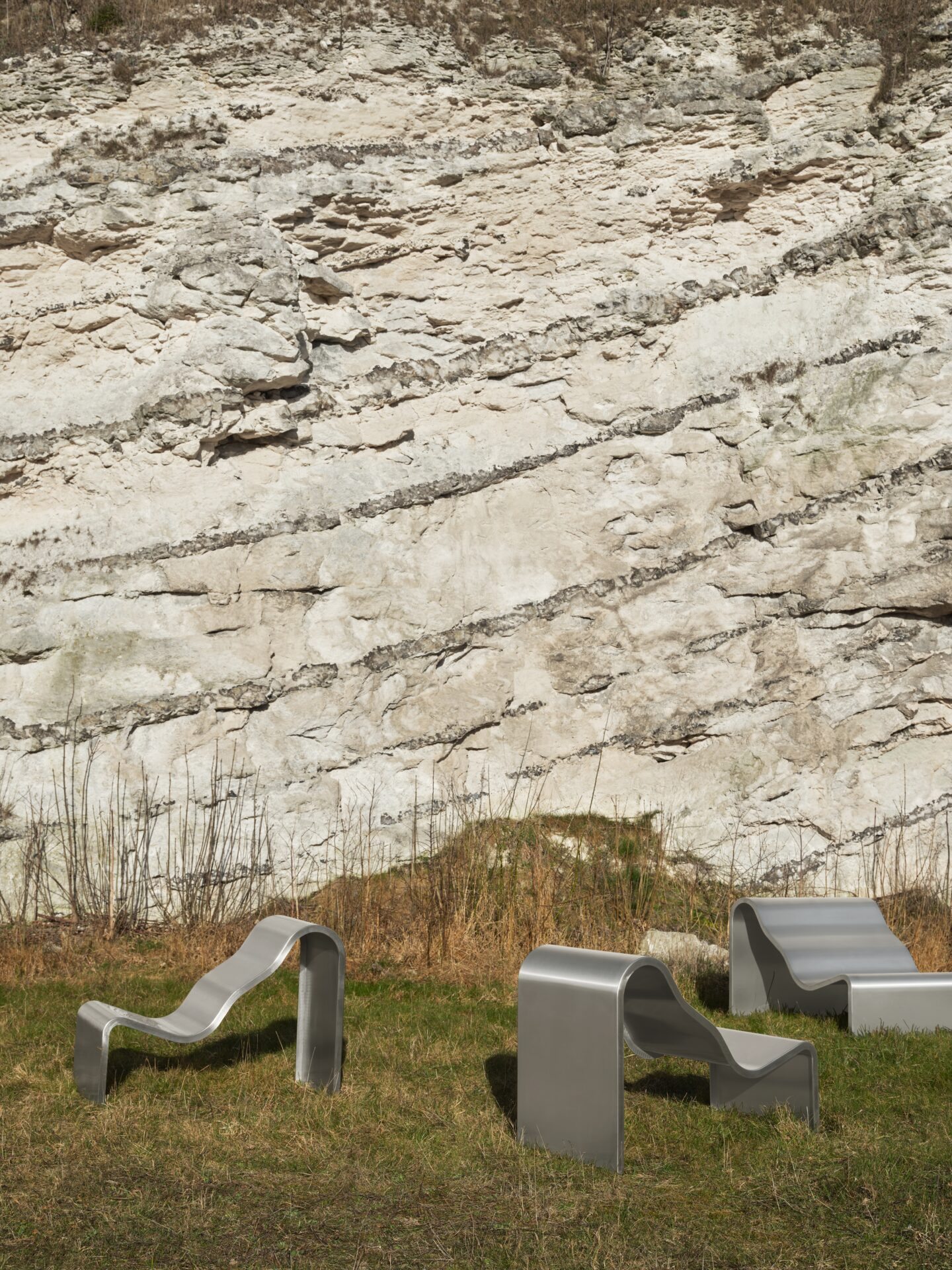
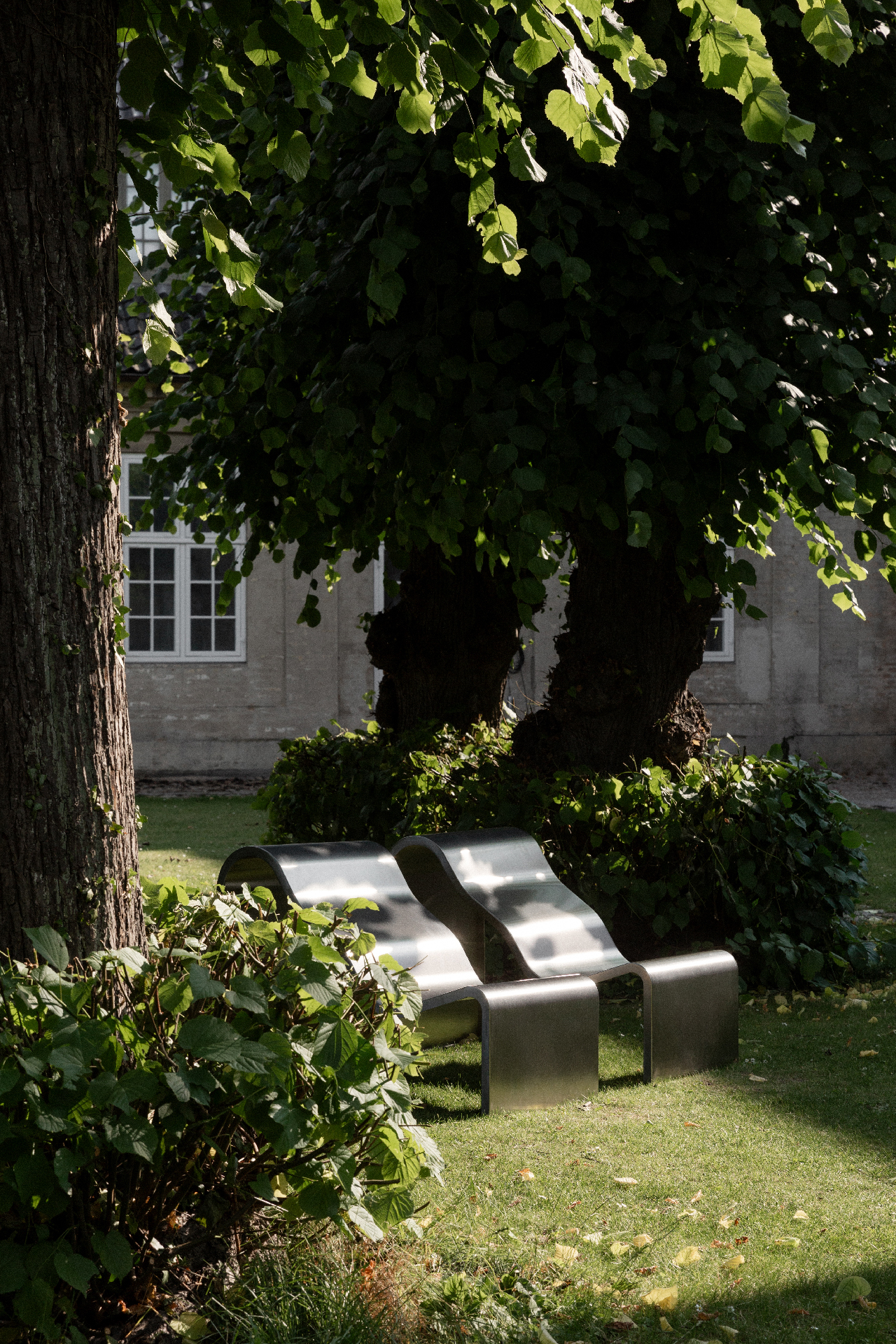
In her work, we find many examples of objects that are born from the idea of experience. Take the Dream View bench she designed for Muuto. When she approached that project, she was not simply designing a chair. She was thinking about how we experience nature. How we position our body when we observe the landscape. How we sit when we want to feel connected to what is outside.
Everything that followed – the form, the material, the proportions – was a consequence of that experience. The language is extremely simple, almost direct. It might appear purely functional, as if it were designed only for comfort or practicality. But in reality, the function she designs is different.
It is not only about sitting. It is about improving a mental state. About allowing someone to fully enjoy nature. The object becomes a medium between the body and the environment.
Translating natural perception into objects
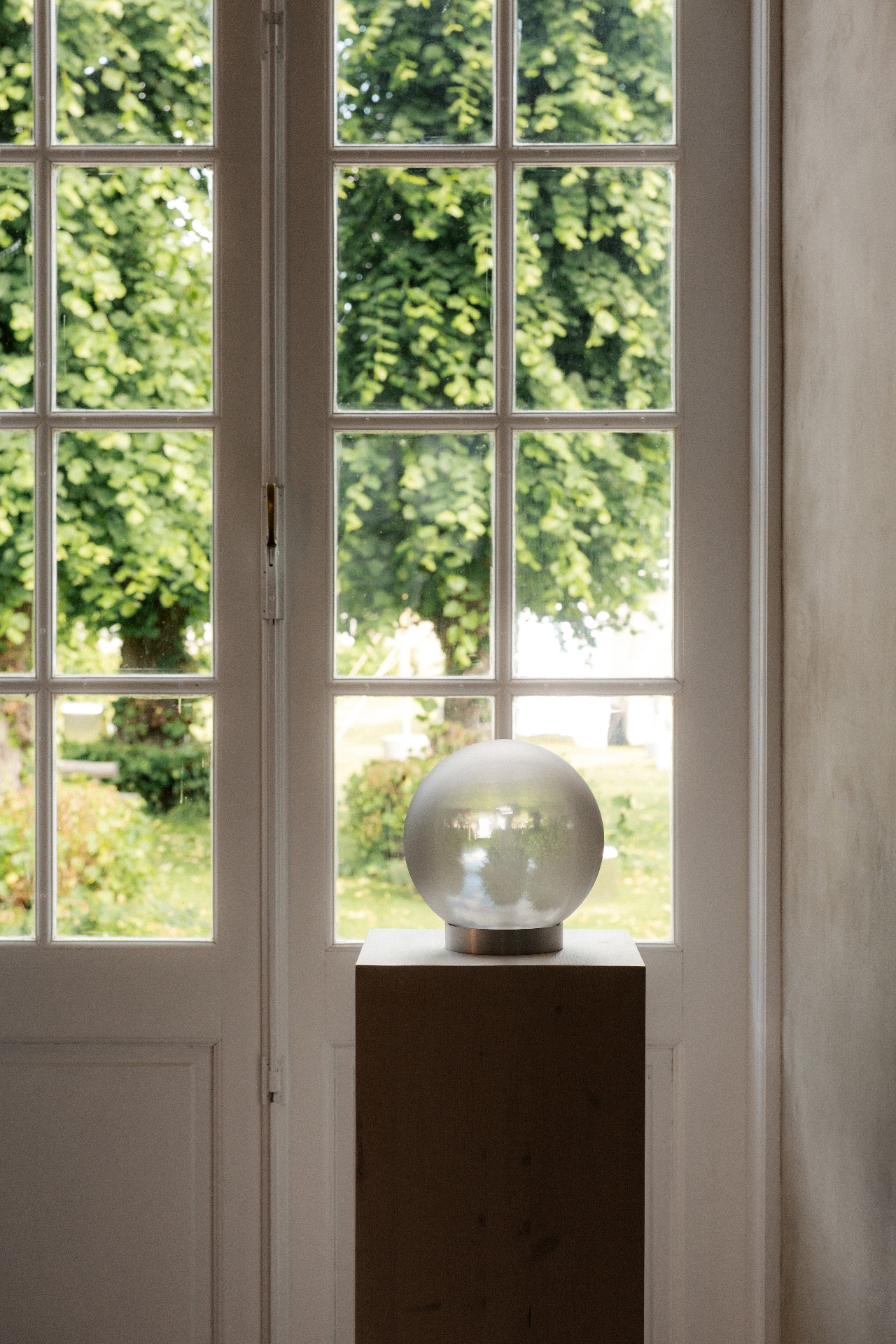
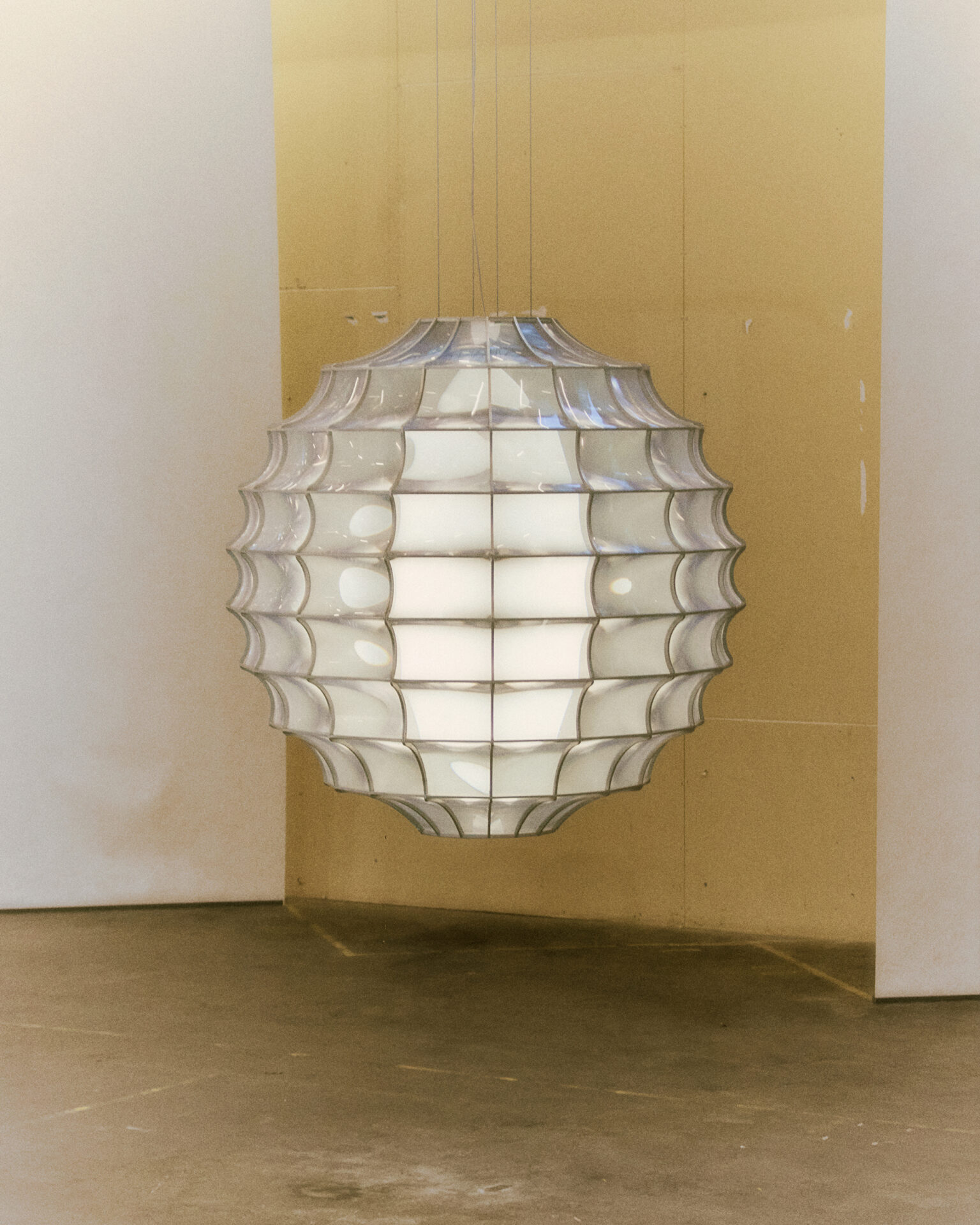
This approach appears again in other works. Take Dream View Sphere, for example. In nature, we often see reflections in water – slightly distorted, fluid, unpredictable. These distortions are part of the beauty of the experience. Dream View Sphere translates something similar into a domestic context. It brings that subtle distortion inside the home.
When you look through it, you see the world from a different perspective. It surprises you, in the same way a natural event might surprise you. It creates a layer between you and reality, like a big water drop. This is not just a formal experiment. It is connected to material research and to the way form influences perception. The object becomes a tool to capture an event or to recreate a sensation.
Material exploration and emotional impact
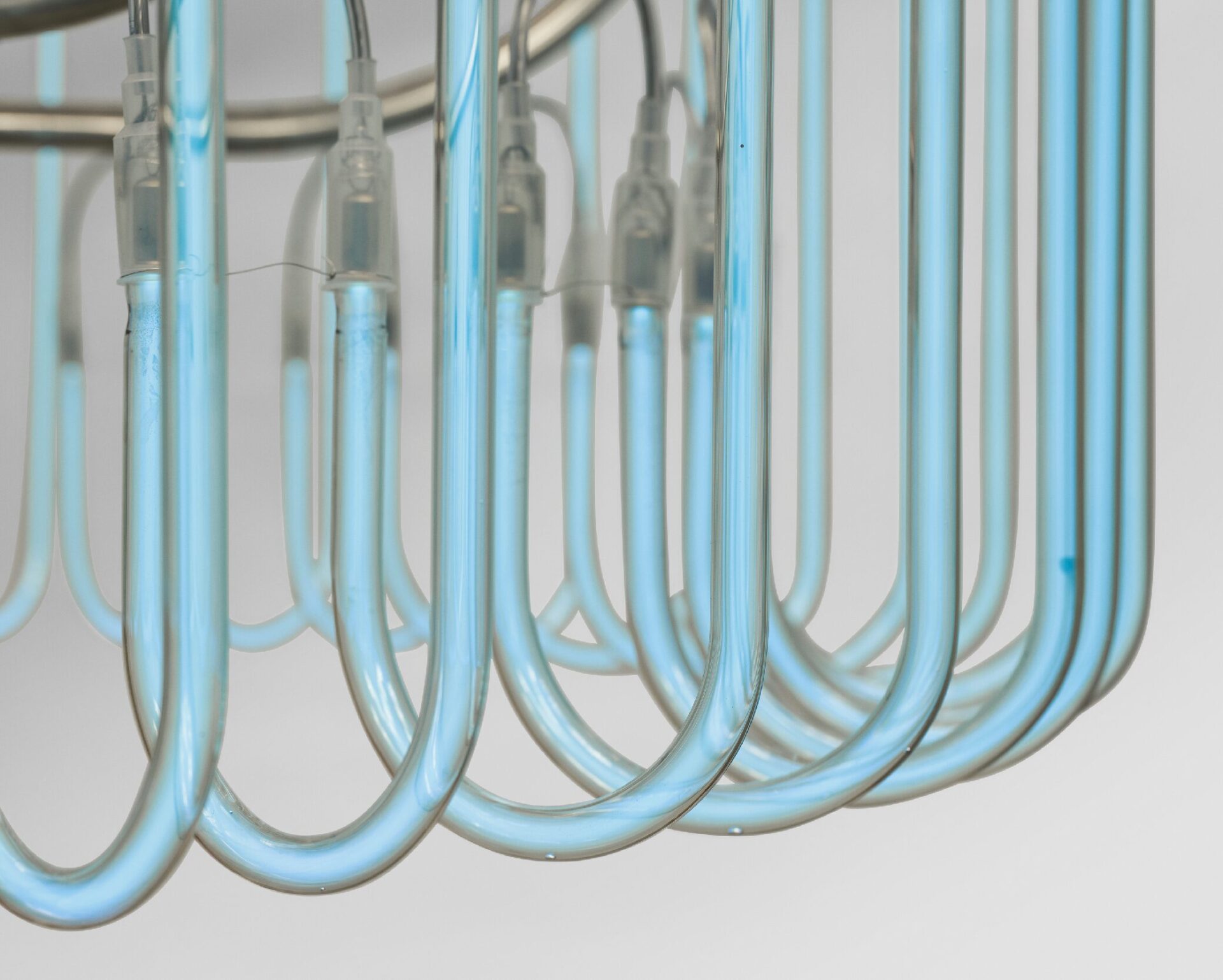
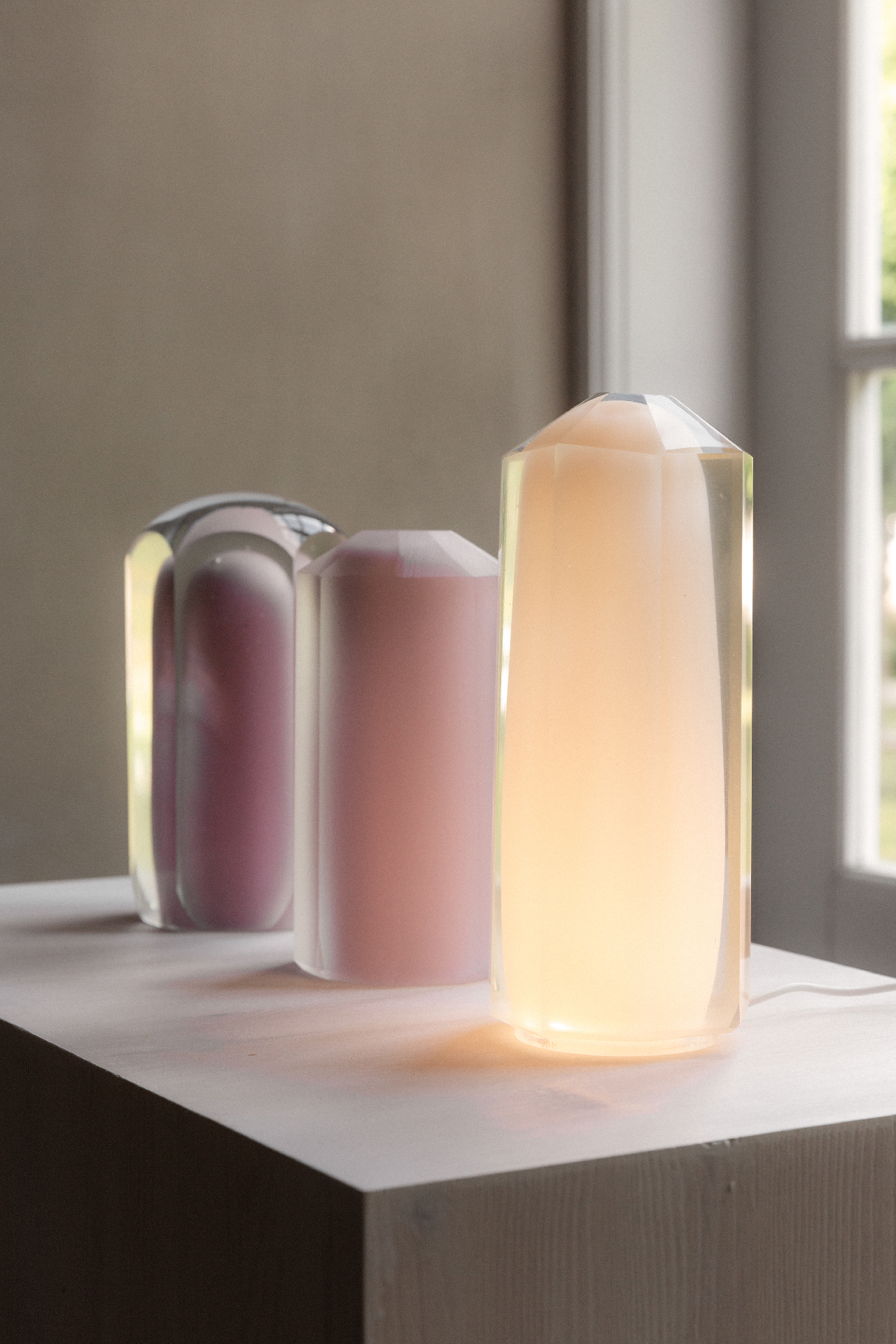
Another example is her neon lamp, Idea Generator. Neon gas becomes luminous when compressed and electrically stimulated. In its more relaxed state, when less stimulated and more diffused, it has a softer, bluish tone. Lise observed this phenomenon during her material explorations.
She noticed that when neon is less tense, less stressed, it emits a calmer presence. Even if we are not consciously aware of it, that calmer tone can influence how we feel. The lamp does not directly replicate a natural phenomenon, but it manipulates material behavior in a way that shapes our experience inside a room. Through material and light, she guides emotion.
When research meets industry
What is interesting is that this research is not confined to her studio alone. With Muuto, she found a particular alignment. There was a shared interest in how objects affect emotions, something close to neuroaesthetics. When both sides carry strong theoretical positions, a match can happen.
An object filled with emotional research and conceptual depth can pass through the filter of an industrial company and become something reproducible. Something that can reach many people. This transformation is crucial. A complex idea, about mental wellbeing, about perception, about interaction, becomes a product. And through production, that experience becomes accessible to a wider audience.
Function as emotional interaction
That is what I find particularly compelling about Lise Vester. When you analyze her products, you realize that the function she designs is not the conventional one. It is not only about use in the practical sense. It is about how people live the experience of the object.
The function is psychological before it is physical. Everything else – form, material, construction – is a consequence of that initial concept. It is not loud. It does not declare itself immediately. But it is there, shaping how we see, how we sit, how we feel.
If you liked Lise Vester’s work, have a look at Kooij or Yellow Nose Studio.
About the author

Mario Alessiani, founder and creative director of the Italian namesake design studio, specializes in product, lighting, and furniture design. His clients include companies such as Umbra, Fabbian, and Axolight. Mario also teaches at the University of Camerino, IED Rome and Sichuan Normal University in China. His work has been exhibited at prestigious events like the ADI Design Museum in Milan, Eindhoven Design Week, and Milan Design Week, earning him awards like the IF Design Award and Archiproducts Design Award.
WebsiteInstagramLinkedin