Mazda is making diesel from algae: how it works and why it matters
According to Mazda, our cars could one day run on algae-based fuel. How close are we to making this a reality?
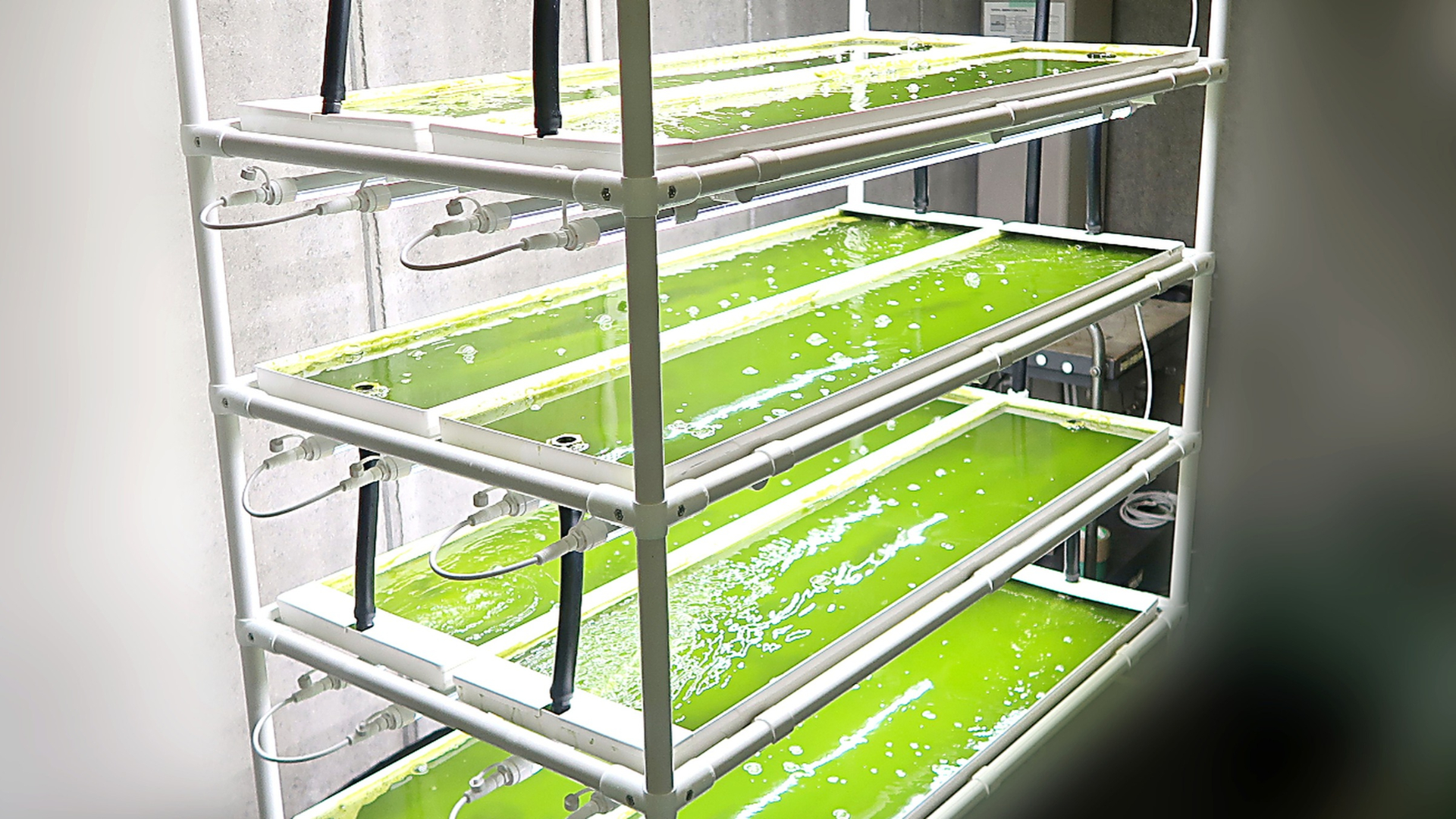
Most carmakers are responding to decarbonisation with batteries. Mazda has a different point of view: can microscopic algae grow diesel fuel? The company has been working on this research question since 2010 and has partnered with Hiroshima University since 2017.
They are currently hypothesising to use biodiesel as factory-fill fuel in all Mazda diesel vehicles by the early 2030s, an ambition that could revolutionise our issues with transportation and pollution.
Gallery
Open full width


Open full width
Mazda – Biodiesel:
How it works
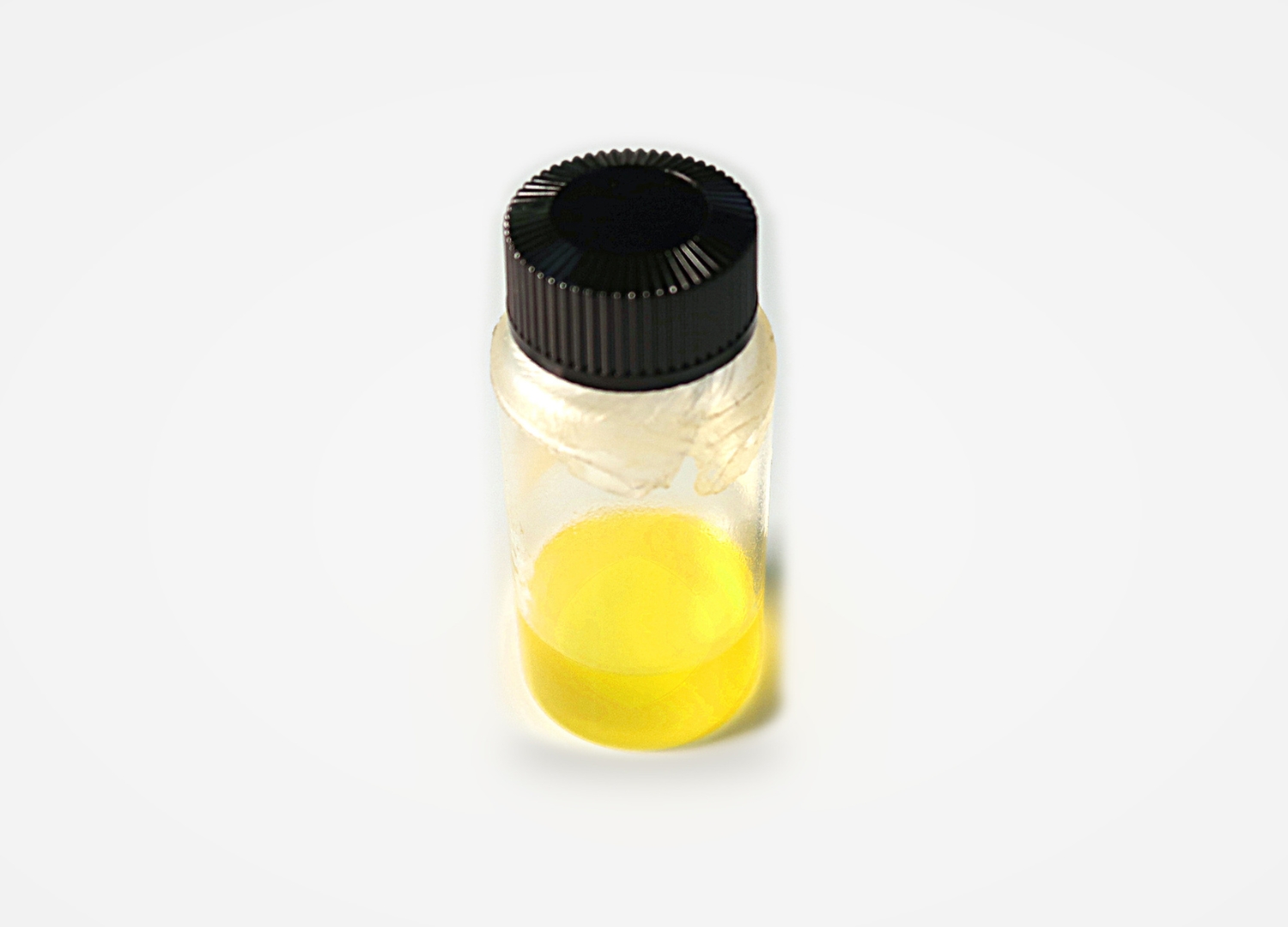
Mazda splits the work into five stages: recovery, drying, lipid extraction, fuel refining, and fuel use. The organism they use is Nannochloropsis, a single-celled marine alga found in seas, rivers, and lakes. The end product is HVO, hydrotreated vegetable oil, a renewable diesel that is chemically different from traditional biodiesel.
The organism photosynthesises like a plant, and in the setup, a culture of algae, seawater, and nutrients sits under intense light while CO₂-enriched air is bubbled through. The carbon in the eventual fuel is carbon the algae pulled out of the air, rather than carbon that was buried for millions of years in conventional fuels.
A healthy alga spends its energy dividing to grow. To make it store oil, researchers withhold nitrogen from it, so that the cell can’t build the proteins it needs to grow, and therefore redirects fixed carbon into triacylglycerol, its storage fat, which becomes the raw material for fuel.
Genome editing
Hiroshima University’s contribution is using genome editing to alter the alga’s DNA to raise lipid productivity, while also searching for the best cultivation conditions. While specific details have not been published, the general logic is to weaken the growth versus storage conflict, so that the cell makes more oil without needing to stop dividing.
How algal oil turns into diesel
Of course, raw algal oil cannot go straight into an engine. Refining it into HVO uses hydrotreating: the oil is combined with hydrogen at high temperature and pressure, and what remains is straight-chain paraffinic hydrocarbons, essentially the same molecules as fossil diesel, but free of oxygen, sulfur, and aromatics. Compared to conventional biodiesel (FAME), HVO ignites more readily, has better cold-flow behaviour, better oxidation stability, and meets industry standards.
The real problem: water
Algae grow in water, and to get a little biomass you must harvest, concentrate, and dry enormous volumes of water. Reviews put harvesting at a third or more of production cost, and to get a positive energy balance the process needs further technical advances. The company‘s latest figures talk about getting one litre of fuel in about two weeks from a 1000 litre tank, which is a possible, but currently unsustainable proportion.
This is also why they are currently considering a factory-fill goal, meaning that this biodiesel will be used to fuel a new car’s tank at the plant, not a lifetime of driving.
The bottom line
The issue with most manufacturers answering decarbonisation with electric batteries is that all vehicles that are already around are left out of the system, while biofuel could be a sustainable option for everyone. While the current figures sit a long way from what a fleet would need, continuing to invest in research and development of similar projects is fundamental to possibly having a viable solution in the future.
Even if algae never reach commercial scale, the work yields real knowledge about growing and harvesting cells outdoors, about reusing wastewater and CO₂, and about how HVO behaves in real cars and supply chains. While electric cars are still a great innovation to have available, we already know they are not the best solution due to logistics issues, battery disposal, and more, and having different companies working with different approaches is our best shot at getting sustainable transportation before it’s too late.